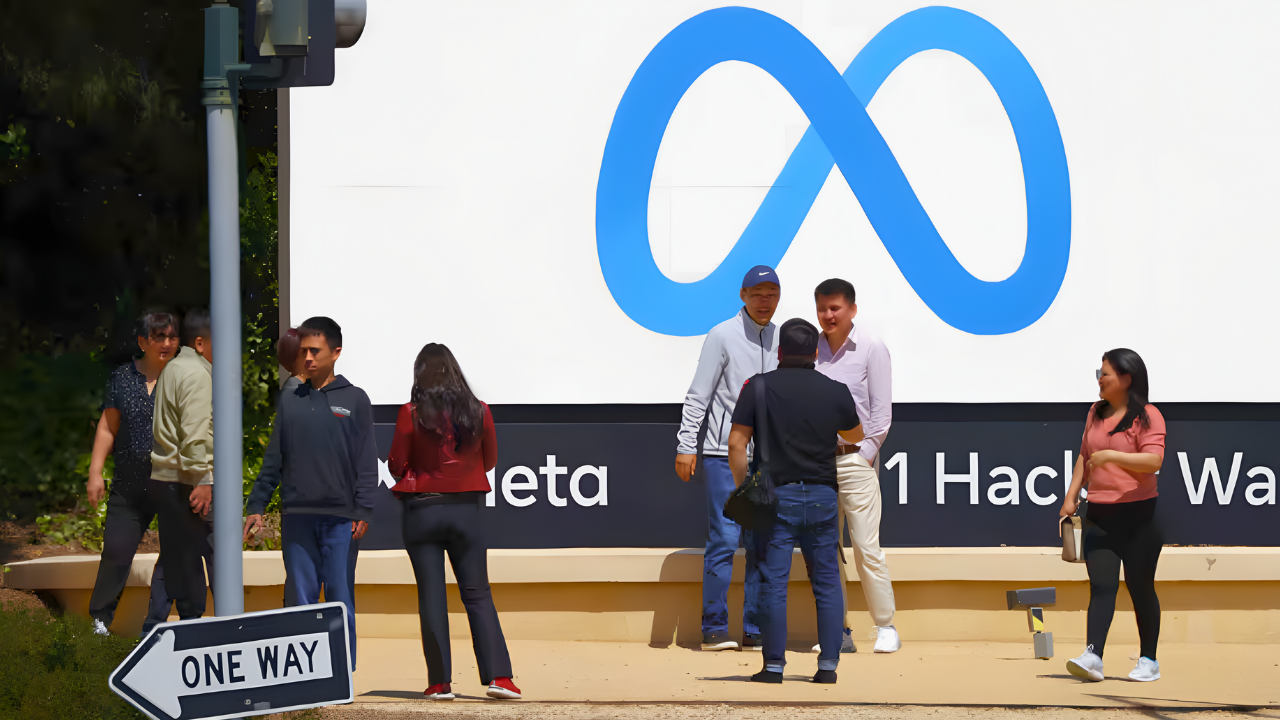
Meta Platforms Inc. is taking drastic action in its Reality Labs division, cutting 1,000 to 1,500 jobs this week. The company is pivoting from its original vision of the metaverse to a focus on AI-driven wearables.
In a surprising move, Meta has shut down three of its VR studios, marking a significant change in direction. Meta is significantly deprioritizing its metaverse ambitions as Zuckerberg shifts focus to AI innovation.
Financial Fallout: Reality Labs’ $70 Billion Losses

Reality Labs has been hemorrhaging money since 2021, racking up over $70 billion in losses. The division alone accounted for 21% of Meta’s total expenses in 2024. Despite lofty ambitions for VR and the metaverse, the company posted $4.43 billion in losses during Q3 2025, with $470 million in revenue from both Quest headsets and Ray-Ban smart glasses.
Meta’s expensive bet on virtual reality failed to meet consumer expectations, leading to a strategic refocus.
The Fate of Meta’s VR Projects and Studios
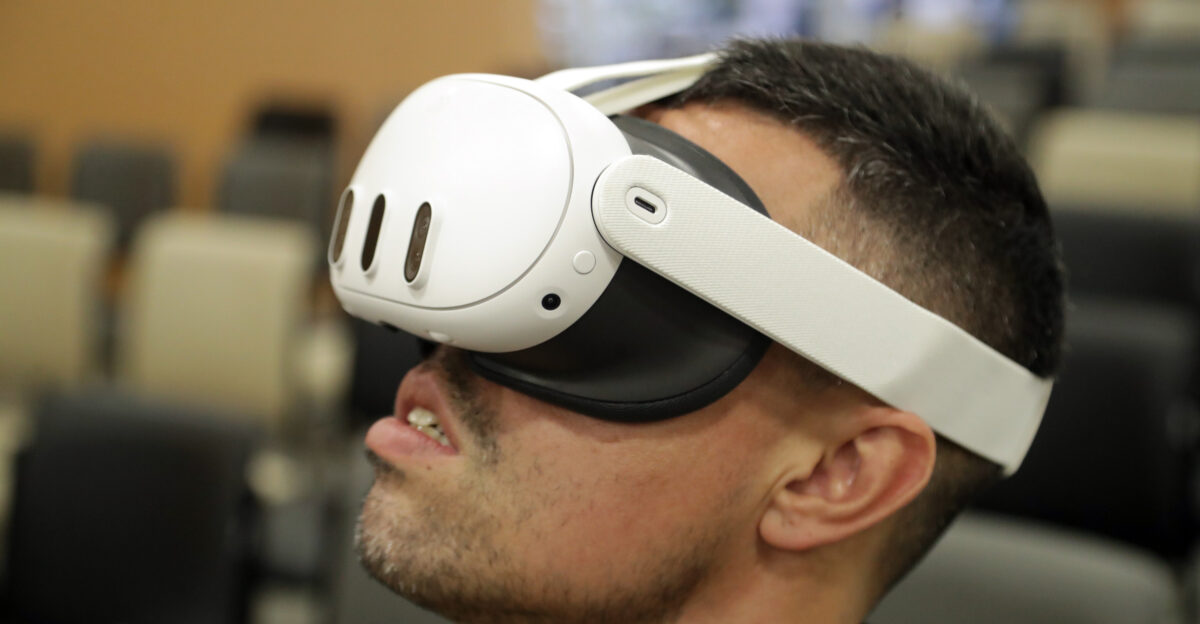
The closures of Armature, Sanzaru, and Twisted Pixel VR studios represent a major setback in Meta’s metaverse strategy. With these studios gone, future support for popular VR titles like Deadpool VR and Asgard’s Wrath 2 is uncertain.
The impact on Meta’s Horizon Worlds platform remains unclear as the company shifts its focus to AI and wearables, raising questions about the future of VR content.
Competitors Eye the Opportunity: A New Era for VR
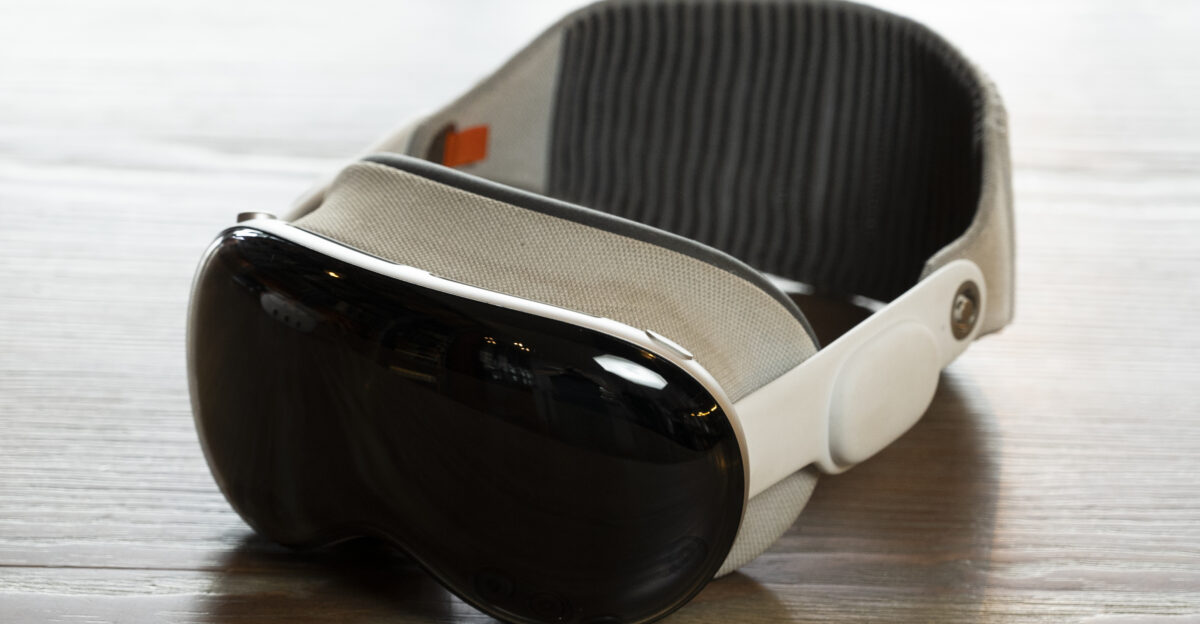
Meta’s retreat from VR creates new opportunities for competitors like Apple’s Vision Pro and Sony’s PSVR2 to step in and capture market share.
With Meta’s strategic shift, former employees of the shuttered studios have started searching for new jobs, signaling a potential reshuffling in the VR development landscape. The industry is watching to see how competitors will respond to Meta’s dramatic move.
Meta’s Pivot to AI Wearables: The Ray-Ban Smart Glasses Revolution
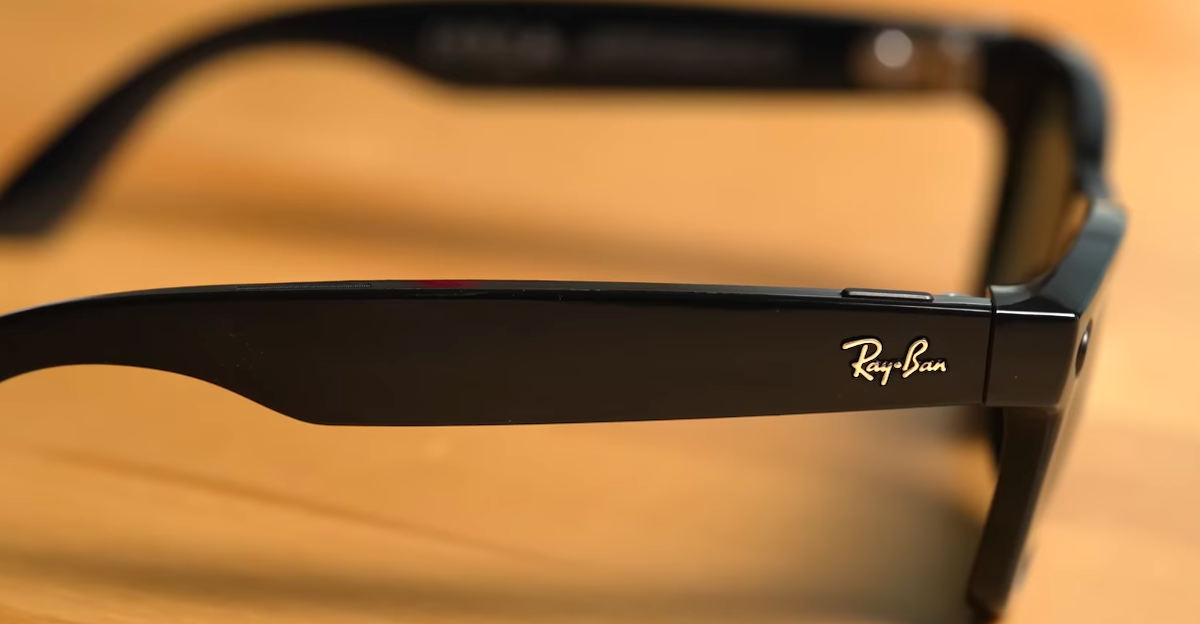
Shifting its focus to AI, Meta is betting big on its Ray-Ban smart glasses. The company plans to ramp up production to 20 million units by the end of 2026. These glasses, capable of making calls and capturing photos, are already surpassing sales expectations.
Meta is also working on wristband technology that will allow for gesture-based interactions, signaling the company’s full transition into AI-powered wearables.
Supply Chain and Manufacturing Impact

As Meta moves away from VR hardware production, suppliers of Quest components like TSMC could face reduced demand.
However, the pivot to AI wearables will likely prompt new shifts in Meta’s supply chain, redirecting manufacturing and component orders toward smart glasses and wearable tech. The long-term impacts on the supply chain will unfold as Meta’s strategic transition progresses.
Layoff Details and Worker Impact

Layoffs began on January 13, 2026, with over 1,000 employees affected in Reality Labs, or about 10% of the division’s workforce. These job cuts primarily impact Meta’s Menlo Park headquarters, leaving many workers reeling from the abrupt shift.
Former employees, especially VR developers, have taken to LinkedIn to share their experiences, highlighting the unexpected nature of the restructuring.
The Broader Tech Industry Landscape
Meta’s job cuts come amidst a wave of restructuring across the tech sector. Similar layoffs have been reported throughout 2025, signaling a broader trend of downsizing in big tech.
The Reality Labs cuts, particularly within Meta’s VR division, underscore the struggle in the tech industry to balance ambitious projects with market realities.
Meta’s $70 Billion Bet on VR: What Went Wrong?
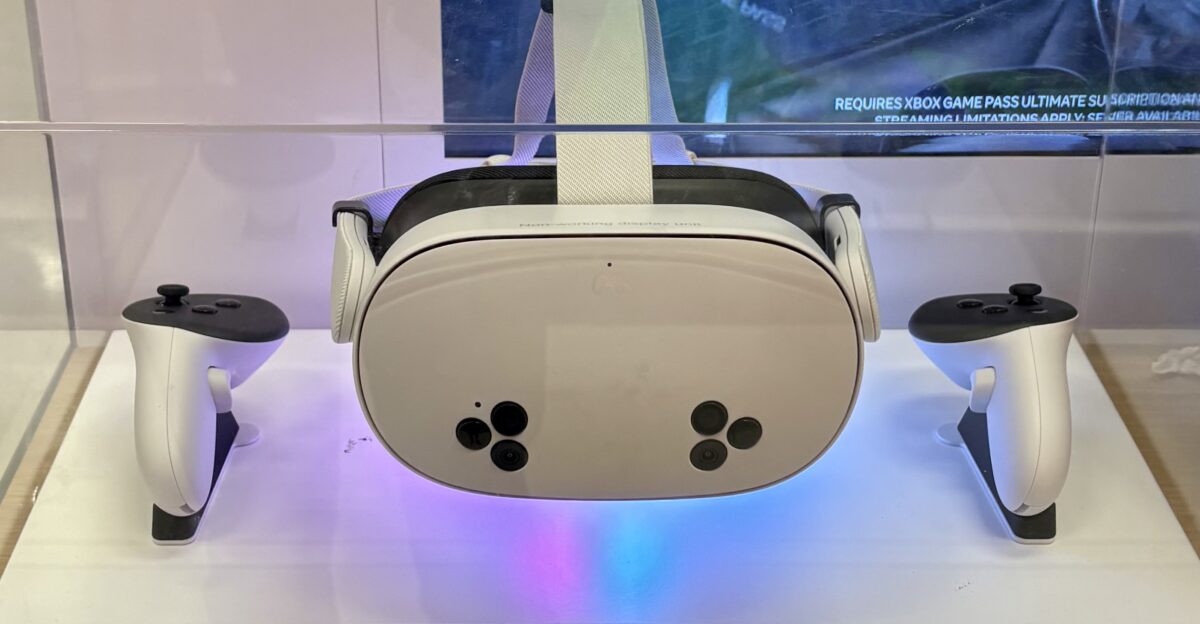
Despite pouring more than $70 billion into its VR division, Meta failed to achieve mainstream adoption of its metaverse platform.
The colossal financial loss will likely make investors more cautious about future VR-focused investments. The shift away from VR and toward AI wearables indicates a significant reassessment of what consumers actually want in their tech products.
Consumer Trends: AI Wearables Take Center Stage
Consumer interest is increasingly moving toward lightweight AI wearables over bulky VR headsets.
Meta’s Ray-Ban smart glasses are an example of this shift, providing users with a more practical solution for everyday tasks like making calls and taking photos without the need for a smartphone. This growing preference for simplicity and portability could drive the future of consumer tech.
The End of Zuckerberg’s Metaverse Vision

Meta’s decision to dramatically scale back its metaverse ambitions marks the end of an era for CEO Mark Zuckerberg. Once seen as the future of the internet, the metaverse failed to capture the imagination of the public.
The $70 billion investment has become a symbol of Silicon Valley’s willingness to bet big on emerging technologies, even when the market fails to respond as expected.
Global VR Market and Shifting Perceptions
With Meta retreating from VR, the perception of the metaverse is shifting from being the next big thing to a niche market.
Industry analysts are now revising their forecasts for VR adoption, acknowledging that Meta’s pivot may prompt others in the space to reassess their own investments. This shift could have long-term implications for global VR market dynamics.
Competitive Dynamics and New Opportunities
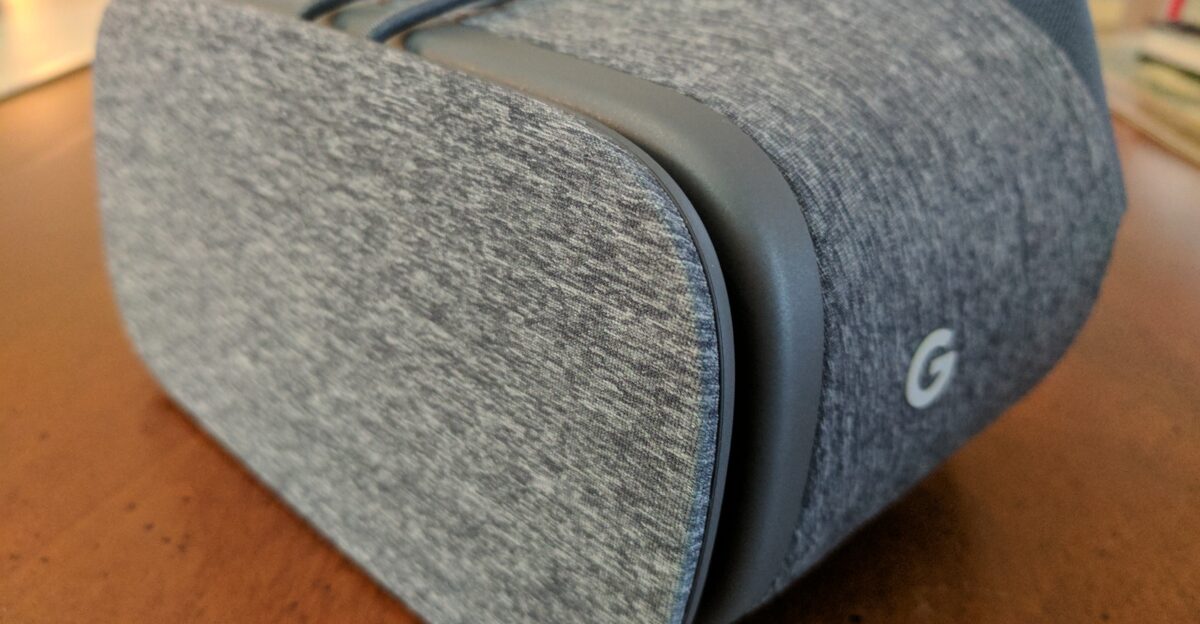
Meta’s restructuring presents an opening for rivals in both the VR and AI wearables markets. Companies like Sony and Valve may benefit from reduced competition in the VR space, while players like Apple and Google could see their own AR/smart glasses ventures gain traction.
With Meta’s pivot, the tech landscape is ripe for new opportunities in wearables and AI-powered devices.
Meta’s Stock and Market Response

Following the announcement of the restructuring, Meta’s stock declined approximately 2% on January 13-14, 2026. However, the market had responded positively in December 2025 when initial reports of cost-cutting plans emerged, with some analysts noting gains of around 4% at that time.
The recent decline reflects investor uncertainty about the transition period, while the earlier positive response suggested confidence in Meta’s strategic pivot away from the costly metaverse push toward AI wearables and smart glasses.
The Road Ahead: Meta’s AI-Driven Future

Looking ahead, Meta’s focus is clear: the company is doubling down on AI-powered wearables. With plans to increase production of its Ray-Ban smart glasses, Meta is betting on the future of AI-driven tech that consumers can use in their everyday lives.
While the metaverse may be a thing of the past, the next chapter in Meta’s history is being written with an eye toward more practical, consumer-focused devices.
Sources:
“Meta Plans to Cut 10% to 15% of Employees in Reality Labs.” The New York Times, 12 Jan 2026.
“Meta Seeks to Double Ray-Ban Glasses Output After Surge in Demand.” Bloomberg, 13 Jan 2026.
“Meta’s Reality Labs posts $4.4 billion loss in third quarter.” CNBC, 29 Oct 2025.
“Meta Lays Off 1500 People in Metaverse Division.” The Wall Street Journal, 14 Jan 2026.