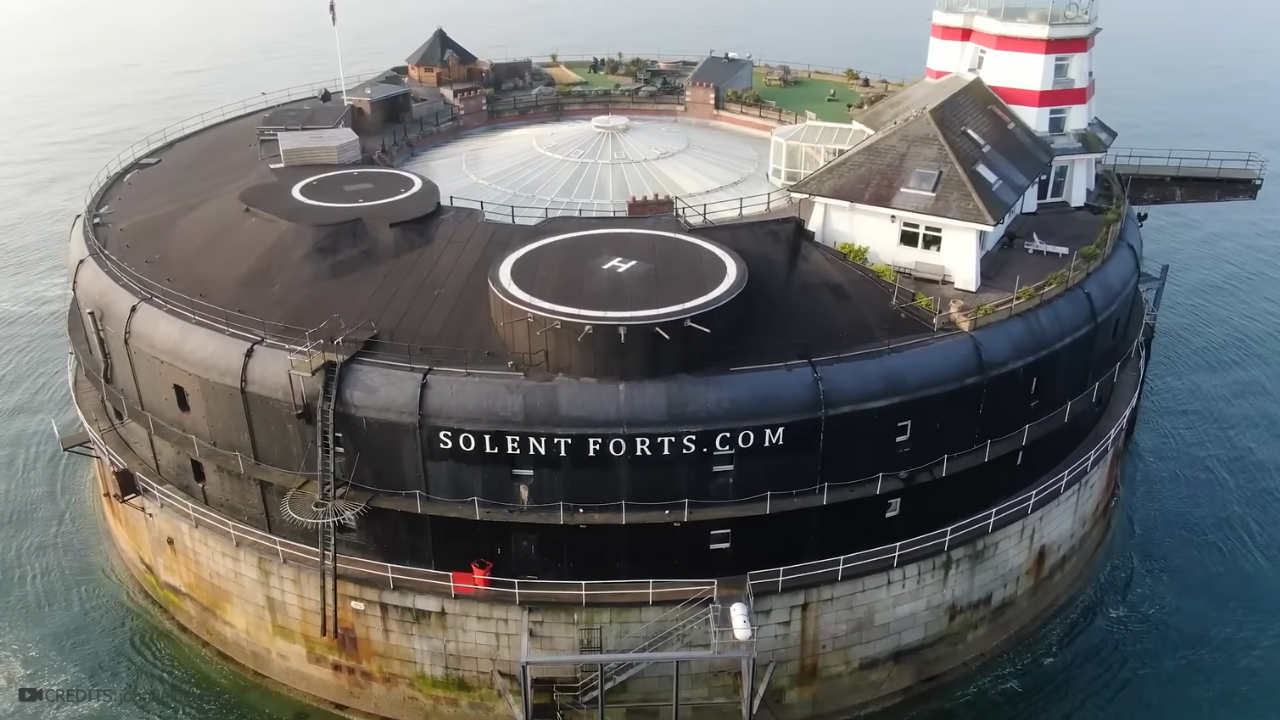
One of the worst things that can usually happen during a trip is realizing that by not spending enough, you missed out on an event that could have been the crowning experience of your entire trip. Parallel to that is spending too much on something that had been sold to you as a once-in-a-lifetime experience, only for it not to hit as well as you expected it to. A travel budget isn’t about being extravagant or stingy, but knowing where to spend and if the experience will add value to your overall trip.
When It’s Worth Paying Extra
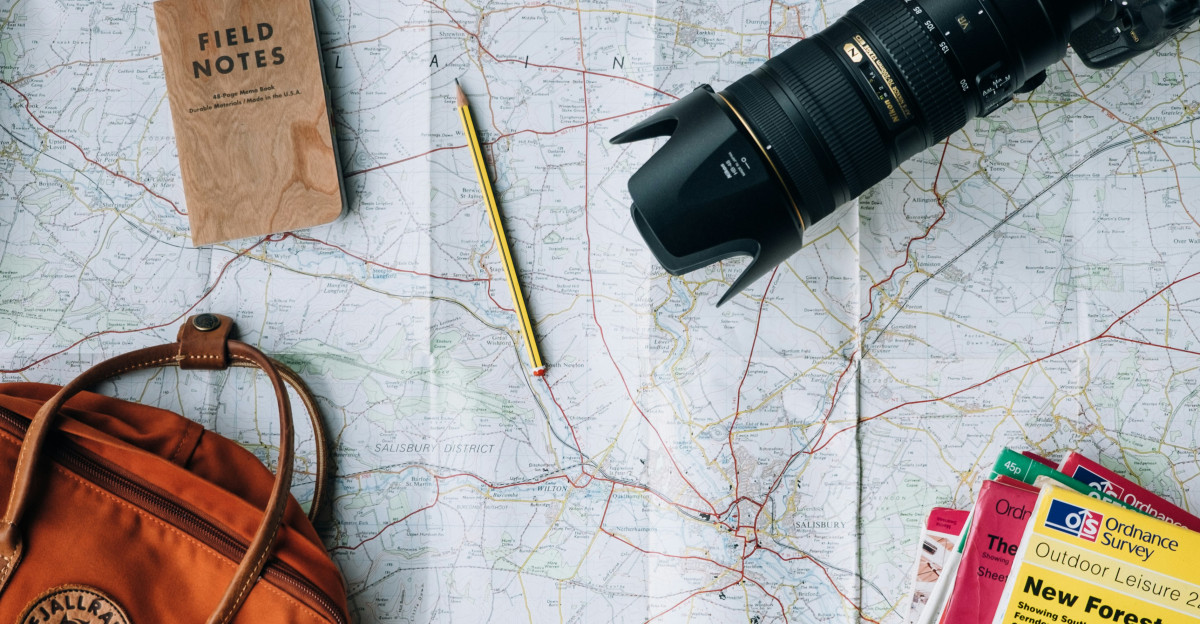
Most of us have been there. A rare moment arises, and you realize that opening your wallet a bit wider can save your whole trip. These moments usually happen as early as the booking phase, where you are still ironing out the kinks of which flight to take or where you’ll sleep when you reach your destination. Direct or well-timed flights often cost more, but they cut down on late arrivals, missed connections, or, worse, starting your vacation already beat and needing time just to wind down. Let’s say you have only a week to travel. Where every second counts, then it might be more worthwhile to spend a bit more if it means you will arrive at your destination well rested and on time.
As already mentioned, location will also be affected by financial planning. Even more than that will be the quality of accommodation that you will be choosing. If you’re on a short or special trip, a smart splurge may be acceptable when choosing your accommodation. A quieter, safer hotel that’s closer to your areas of interest will equate to less time spent commuting and more time spent enjoying everything that you wanted to see and experience. Of course, this doesn’t mean you should book a five-star resort since local accommodations can work just as well. Just make sure that what you are spending on makes the difference between “never again” and “I’d come back tomorrow.”
This same approach applies when you are considering participating in activities such as guided hikes, concerts, or visits to schools and parks. You will get more lasting happiness from these activities than what you would get from material upgrades. If you see it as something that will enrich the travel experience, go for it.
When Splurging Really Doesn’t Help

While splurging on the trip can sound inviting, especially if you have money to spare, there are plenty of “nice-to-haves” that don’t change your trip as much as you’d think. A good example of this is paying extra to sit a few rows closer on a relatively shorter flight or ride when you could have saved that money and spent it on something more meaningful, like a night away. Rather than overspending on a luxurious hotel upgrade, consider using that money for activities outside the hotel, especially if you’ll hardly be in the room. There’s also the issue of expensive hotel breakfasts, which many travelers view as wasteful when there are better options available in the markets that won’t drain your wallet.
Consider all your activities, then plan around them. Don’t pay thousands upon thousands for a hotel room when you’ll only be seeing it in the dead of night. However, if you will be staying put, let’s say on a beach holiday where you just want to hang out without moving around too much, then a nicer resort can justify the expense.
Sources:
“Where to Save and Splurge on Vacation.” CNBC, 15 Feb 2025.
“Splurge or Save – The Travel Edition.” Travel With The Crows, 28 Jul 2024.
“The Science of Spending on Vacation: Maximizing Joy Over Just Consumption.” Walk With Z, 11 Jan 2024.
“The Evolving Role of Experiences in Travel.” McKinsey & Company, 16 Sep 2024.