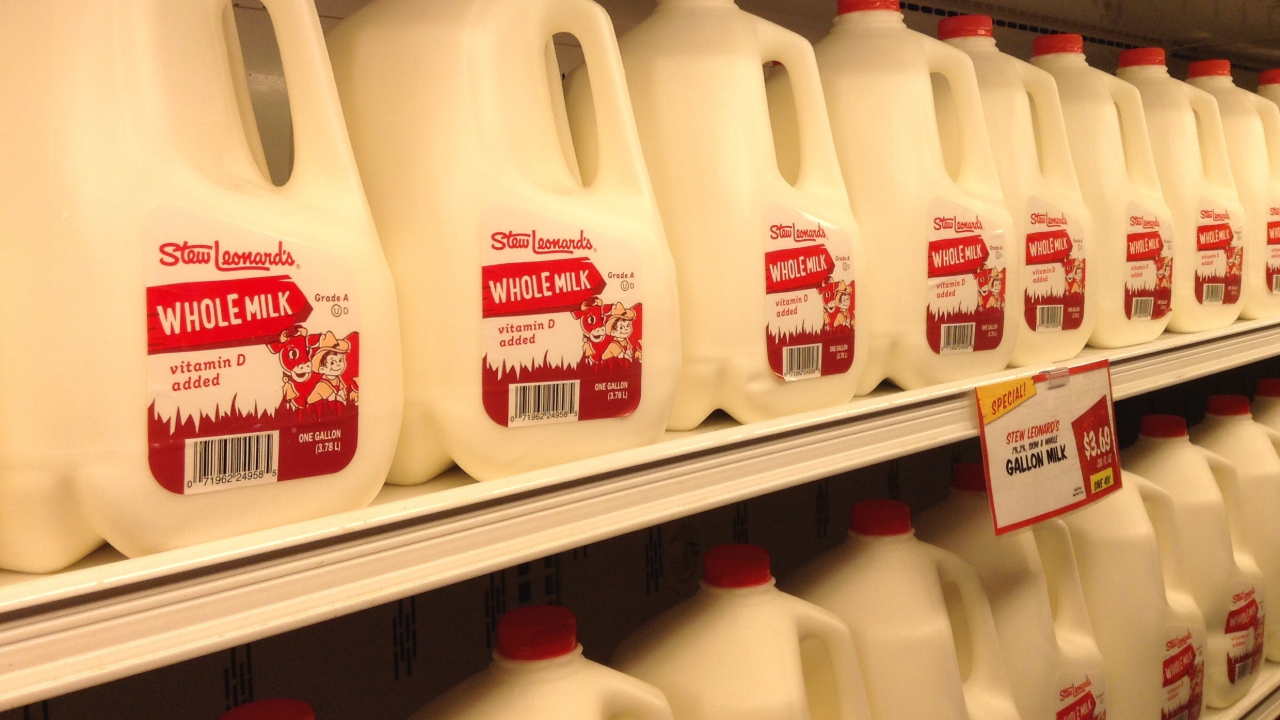
A serious recall has been issued for 320 gallons of fat-free milk due to contamination with food-grade cleaning chemicals. Prairie Farms Dairy initiated the recall after an issue at its Dubuque, Iowa facility.
Consumers in Illinois and Wisconsin are advised to check their fridges for products labeled with Code Date DEC08, Plant Code PLT19-145, and UPC 7273023117. This contamination poses a potential health risk.
How the Contamination Happened: CIP System Failure
The contamination occurred due to a mechanical failure in the Clean-In-Place (CIP) system at Prairie Farms’ Dubuque facility.
During a 3.5-hour production window, cleaning chemicals, potentially sodium hydroxide, entered the milk processing line. Prairie Farms identified the issue on November 24, 2025, and took immediate action, triggering the recall on November 25, 2025.
Affected Stores and Urgent Call to Action
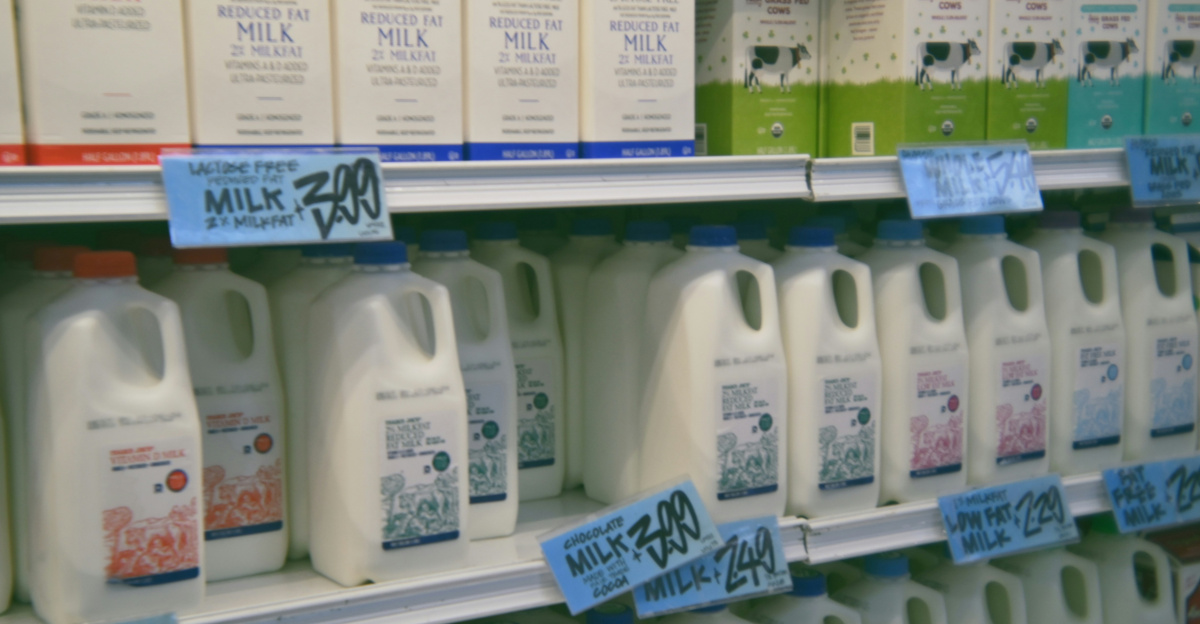
Woodman’s Markets across Illinois and Wisconsin were affected by the recall. Stores in Bloomingdale, Rockford, and Madison, among others, had the contaminated product.
While no injuries have been reported, the ingestion of cleaning chemicals like sodium hydroxide can cause burns and other serious symptoms. Consumers are urged to check their milk cartons and return or discard affected products.
Prairie Farms and Woodman’s Response
Prairie Farms, in collaboration with Woodman’s Markets, swiftly worked to remove the contaminated milk.
The dairy cooperative responded to the issue within hours, ensuring product removal from 18 retail locations in Illinois and Wisconsin. Prairie Farms also announced that refunds would be offered to consumers.
Identifying the Recalled Product
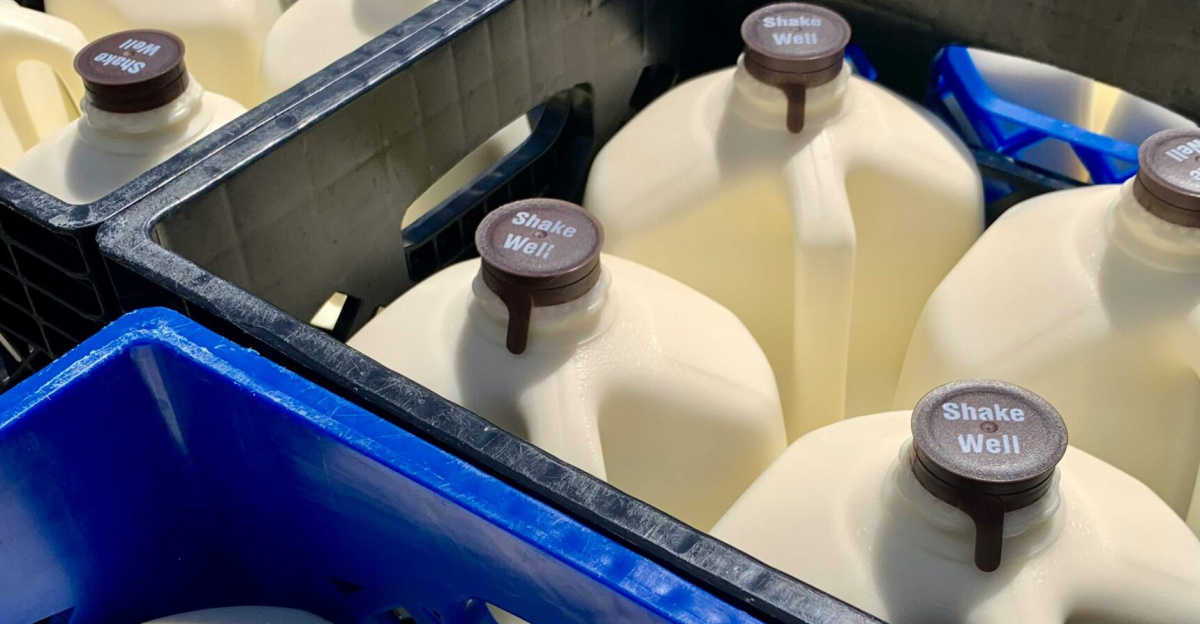
Consumers can identify the affected milk by checking for three key labels: Code Date DEC08, Plant Code PLT19-145, and UPC Code 7273023117.
These codes are printed on the top or side of gallon containers of Prairie Farms fat-free milk. If you find these codes, do not consume the milk.
Health Risks of Ingesting Contaminated Milk

Food-grade cleaning agents like sodium hydroxide can cause severe damage to the digestive system if ingested.
Symptoms of exposure include burns to the mouth, throat, and stomach lining, along with nausea, vomiting, and swelling. Consumers who have consumed the affected milk should seek medical advice immediately and contact Poison Control if symptoms develop.
Sodium Hydroxide: A Dangerous Chemical
Sodium hydroxide, also known as lye or caustic soda, is a powerful cleaning agent commonly used in food processing plants.
While safe when properly rinsed, it is extremely harmful if ingested. It has a highly alkaline pH, capable of causing severe burns to human tissue. Ingestion, even in small amounts, can lead to significant health issues.
Cleaning Chemical Poisoning in the U.S.
In 2023, there were over 2 million reported chemical exposures in the U.S., with cleaning agents accounting for over 148,000 of those cases.
While incidents like this milk contamination are rare, they underscore the ongoing dangers of improperly handled cleaning agents in food production.
Clean-in-Place (CIP) Systems: How They Work
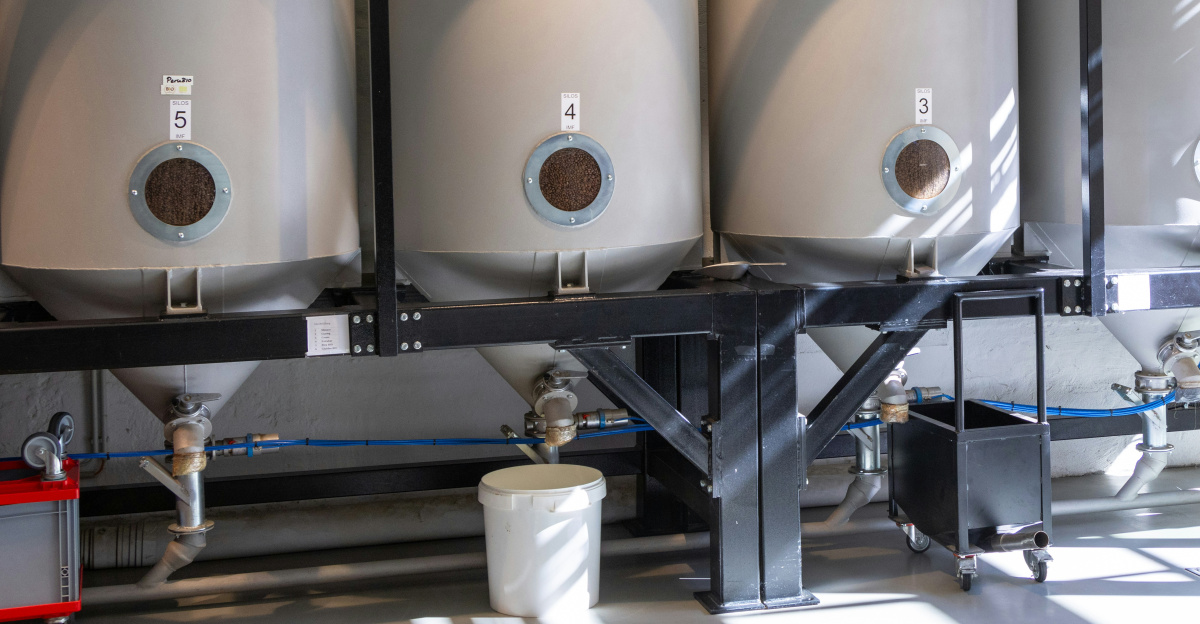
CIP systems are used in food processing to clean equipment without dismantling it. They circulate cleaning solutions through pipes and equipment at controlled temperatures.
These systems are essential for maintaining sanitation standards in dairy facilities, but when they malfunction, as in this case, the results can be disastrous.
What Causes CIP Failures?

CIP system failures typically occur due to issues like valve malfunctions, timing errors, or inadequate rinsing cycles.
If there is a failure in separating cleaning solution lines from product lines, contamination can happen. Despite automated safeguards, mechanical issues can still lead to dangerous situations.
Which Stores Are Affected?
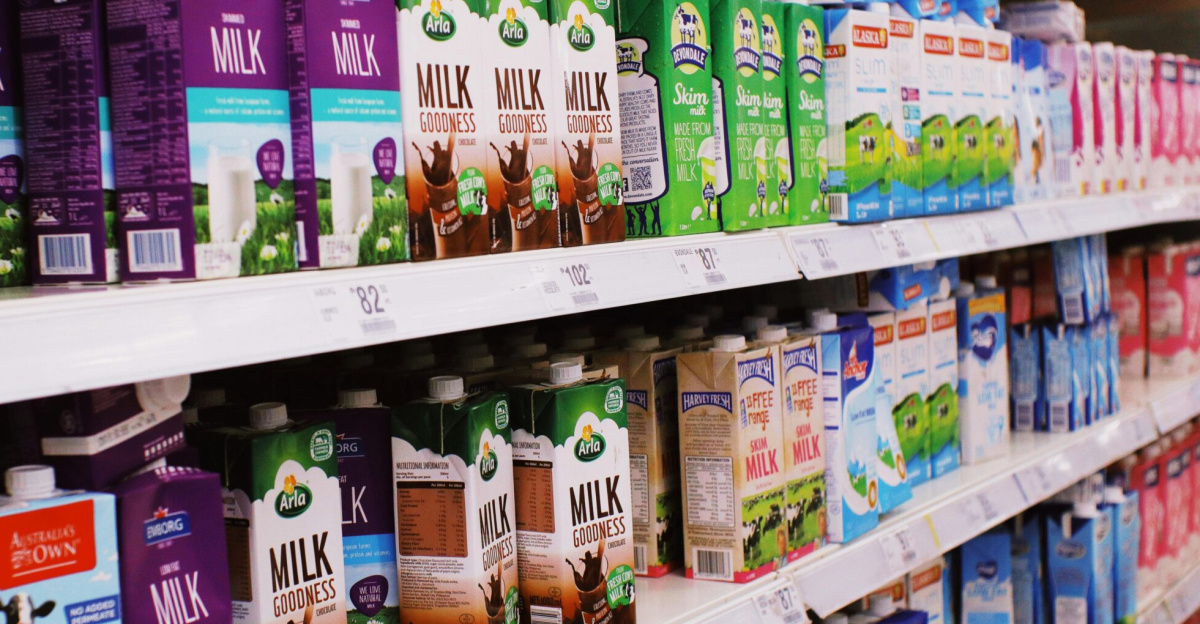
The recall includes 18 Woodman’s Markets in Illinois and Wisconsin. Locations affected in Illinois include Bloomingdale and Rockford, while Wisconsin stores in Appleton and Madison are also involved.
Consumers in these areas should immediately check their milk for the recalled product.
Timeline of the Contamination Event
The contamination occurred between 17:51 and 21:23 on November 24, 2025, at Prairie Farms’ Dubuque facility.
On November 24, the company detected the issue internally. The FDA was notified, and the recall was publicly announced on November 25, 2025. Products were quickly removed from shelves across affected stores.
About Prairie Farms Dairy
Prairie Farms Dairy, headquartered in Edwardsville, Illinois, is a cooperative owned by dairy farmers.
The cooperative operates multiple processing plants across the Midwest, including the Dubuque facility where the contamination occurred. Prairie Farms is known for providing dairy products to consumers in several Midwestern states.
FDA’s Role in Food Safety
The FDA monitors food safety and responds quickly when contamination issues arise. After being notified by Prairie Farms, the FDA issued the recall notice.
The agency ensures that dairy facilities adhere to strict food safety regulations under the Grade A Pasteurized Milk Ordinance, aiming to protect public health.
No Illnesses Reported Yet

As of the recall, no illnesses or injuries have been reported from the contaminated milk. The prompt response to remove the milk from shelves helped prevent further consumer exposure.
The quick action suggests the recall reached consumers before the affected milk was widely consumed.
Scale of the Recall
320 gallons of milk were recalled from 18 Woodman’s Markets locations. While this is a relatively small quantity compared to other recalls, the contamination posed a serious health risk.
The recall’s scale warranted an immediate response, with 320 individual units removed from shelves to protect consumers.
What “Food-Grade” Means for Cleaning Agents
Food-grade cleaning agents are approved for use in food processing, as they are safe to touch food surfaces after being thoroughly rinsed.
However, these agents are not safe for ingestion, and any contact between food products and cleaning chemicals must be prevented. Food-grade doesn’t mean food-safe.
Consumer Action: What You Should Do
If you have Prairie Farms fat-free milk in your fridge with the recalled codes, check the label carefully. If the codes match, immediately discard the milk or return it to Woodman’s for a refund.
If you’ve consumed the product, monitor for symptoms and seek medical attention if necessary.
Importance of Following Recall Instructions

Recalls are critical for protecting public health, and consumer participation plays a vital role. Timely action in returning recalled products can prevent harmful effects.
Despite no reported illnesses, it’s essential to take food recalls seriously and act quickly to avoid potential harm.
Staying Informed and Safe
Food safety is everyone’s responsibility, from producers to consumers. Stay vigilant and regularly check recall notices from the FDA.
Keeping track of product codes and recall information helps prevent incidents like this from turning into widespread health crises. Always err on the side of caution when it comes to food safety.
Sources:
“Milk recalled because of contamination with cleaning fluid.” Food Safety News, 27 Nov 2025.
“2023 Annual Report of the National Poison Data System (NPDS) from America’s Poison Centers: 41st Annual Report.” Clinical Toxicology, Dec 2024.
“Sodium hydroxide poisoning.” MedlinePlus Medical Encyclopedia, National Institutes of Health, reviewed 8 Apr 2025.