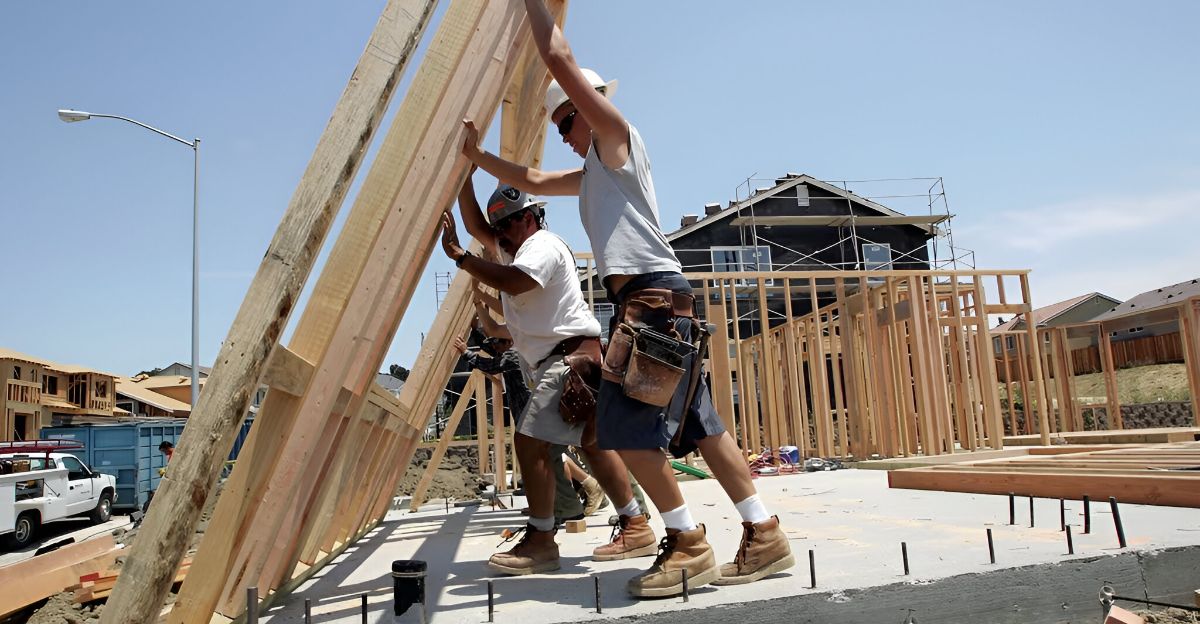
Working hard is a big part of life in America. In August 2025, WalletHub studied work habits in all 50 states and ranked them before Labor Day. The report combined ten indicators, ranging from direct work factors like hours worked and employment rates to indirect ones such as volunteer hours and unused vacation days.
Chip Lupo from WalletHub said, “It’s undeniable that America has fostered a culture of hard work, with people working longer hours than residents of other developed countries and often leaving vacation time on the table.” But which states are at the top of the leaderboard?
19. Vermont
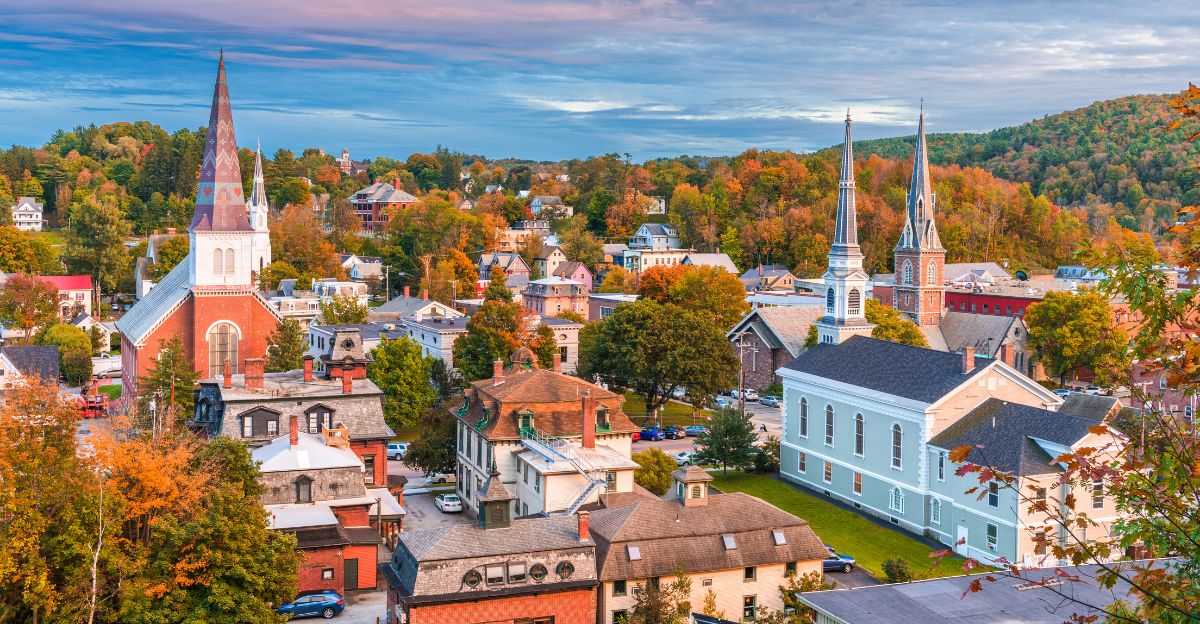
Although Vermont is not at the very top of WalletHub’s national rankings, it receives praise for high rates of volunteering and a strong sense of social responsibility, which supplement its moderate employment activity. The state had a job openings rate of 6.3% in January 2025, well above the national average and signaling a robust demand for workers.
The ratio of unemployed persons per job opening in Vermont is just 0.4, showing more available jobs than people seeking work—a sign of opportunity and demographic strain. Vermont’s workforce is also marked by consistent hiring and stable separation rates, meaning people change jobs regularly but do not often leave the workforce altogether.
18. Montana
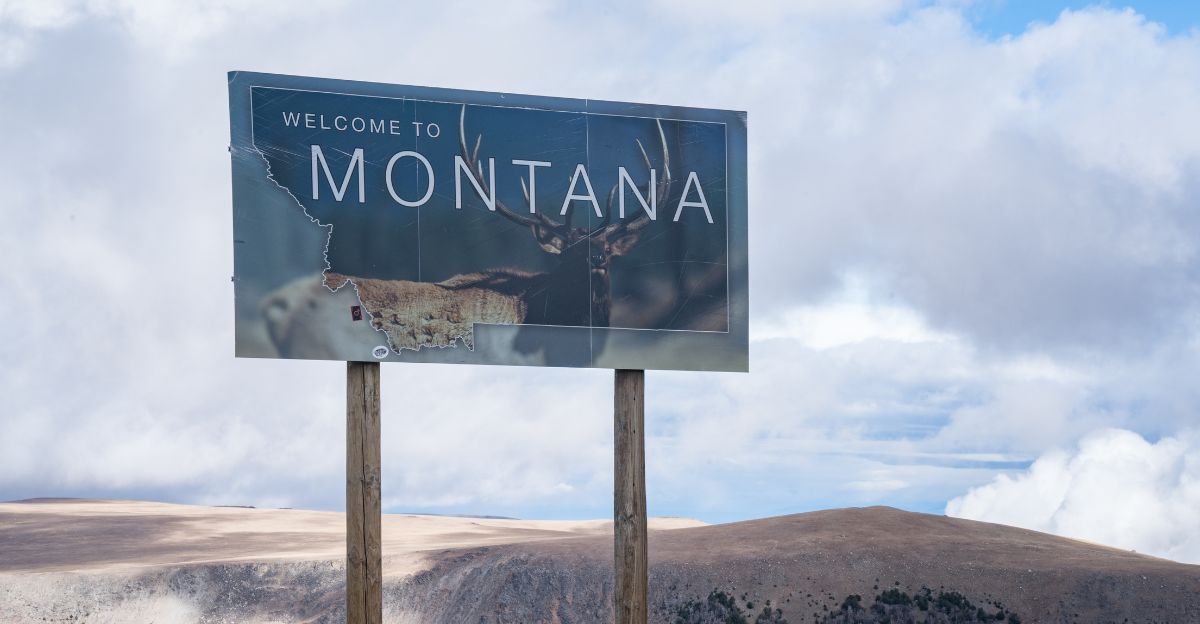
The state’s economy has grown by 11% in the past five years, adding nearly 60,000 new jobs, which indicates ongoing expansion and opportunity for residents. Notably, small businesses are the backbone of employment, accounting for 66.3% of all jobs, making Montana the highest in the nation for small-business employment share. Job openings in Montana remain robust, with April 2025 reporting 29,000 positions and a low ratio of unemployed persons per opening, reflecting a tight labor market and strong demand for labor.
Most job changes are voluntary, and layoffs remain comparatively rare, suggesting stability and satisfaction in the workplace. Leisure activities and work-life balance still play a role in Montana, differentiating it from states where longer hours dominate the rankings. Locals value time spent outdoors and with family, blending hard work with the benefits of Montana’s natural beauty.
17. Utah
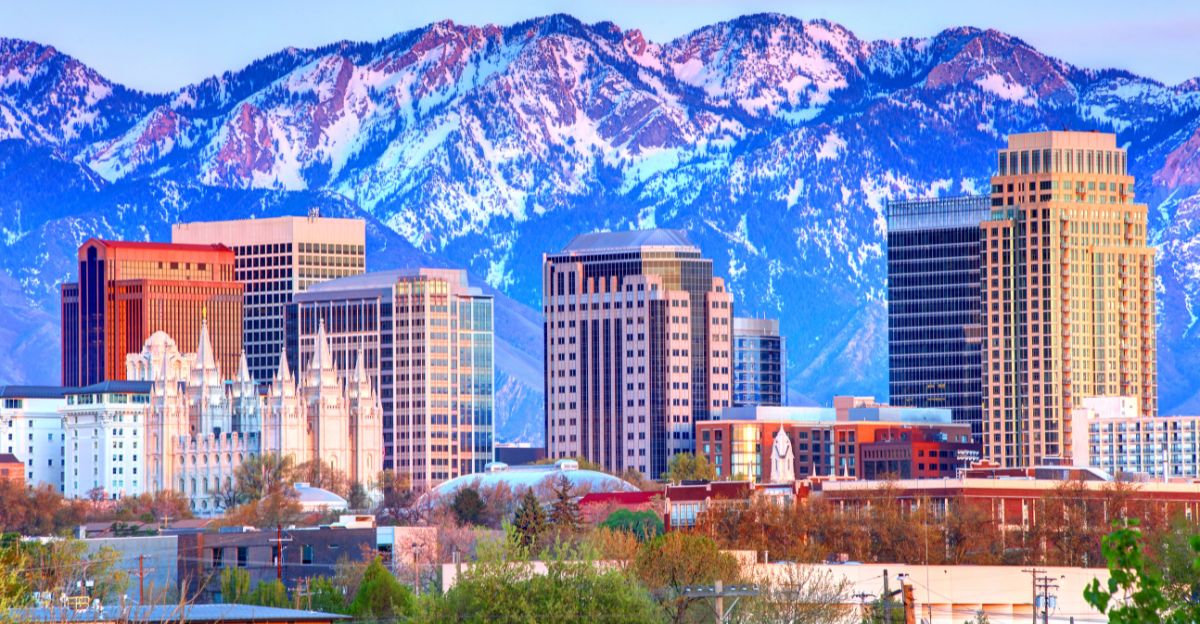
Utah residents consistently demonstrate high employment rates and active engagement in multiple economic activities, reflecting a balanced commitment to work and community life. The state’s workforce benefits from a mix of direct work factors like long average workweeks and low rates of idle youth, as well as indirect ones, including significant volunteer hours and relatively low leisure time, which suggests many Utahans devote a substantial portion of their day to productive pursuits.
As WalletHub’s analysts explain, the hardest-working states “often show a high rate of employment coupled with notable engagement in secondary roles like volunteering or multiple jobs.”
16. Kansas
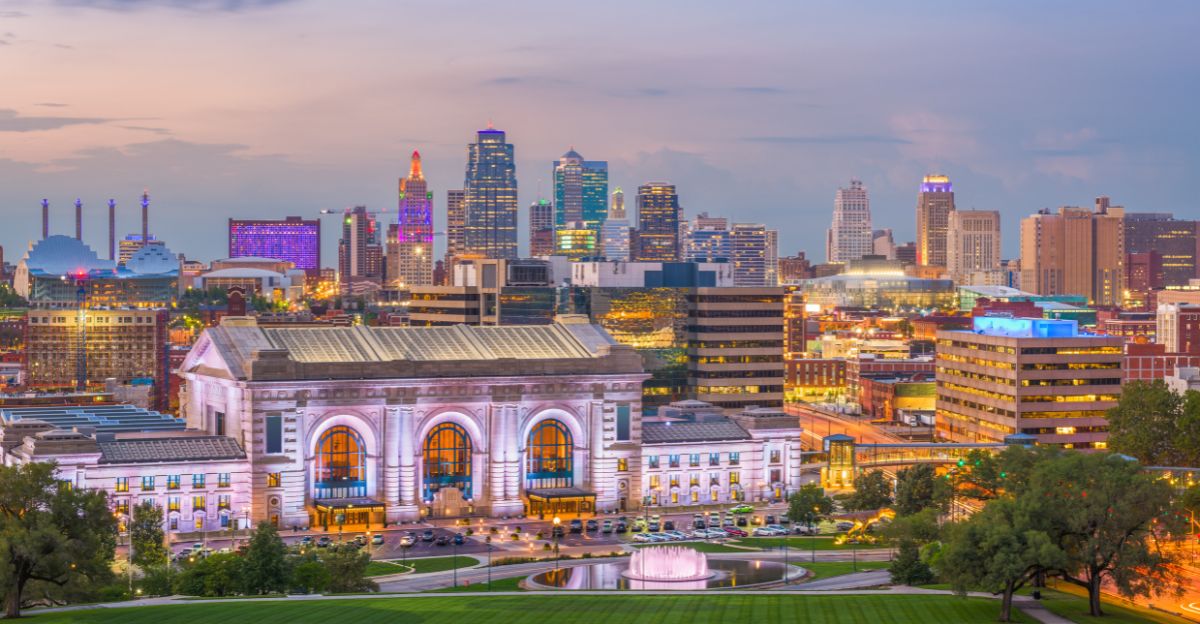
The state reported having approximately 1.49 million people employed in May, with labor force participation rates slightly above pre-pandemic levels, reaching about 67.2% earlier this year. Recent government statistics show that Kansas had about 73,000 job openings in May 2025 and a relatively tight labor market, with only 0.8 unemployed persons per job opening, which is better than the national average.
Workers in Kansas averaged 33.3 hours per week in the private sector, with real hourly earnings increasing 3.5% from the previous year. Job transitions in Kansas are dynamic, with monthly averages of 49,000 hires and 48,000 separations between May 2024 and May 2025. Voluntary quits, as do layoffs, remain common, though both numbers align with national averages.
15. Maine
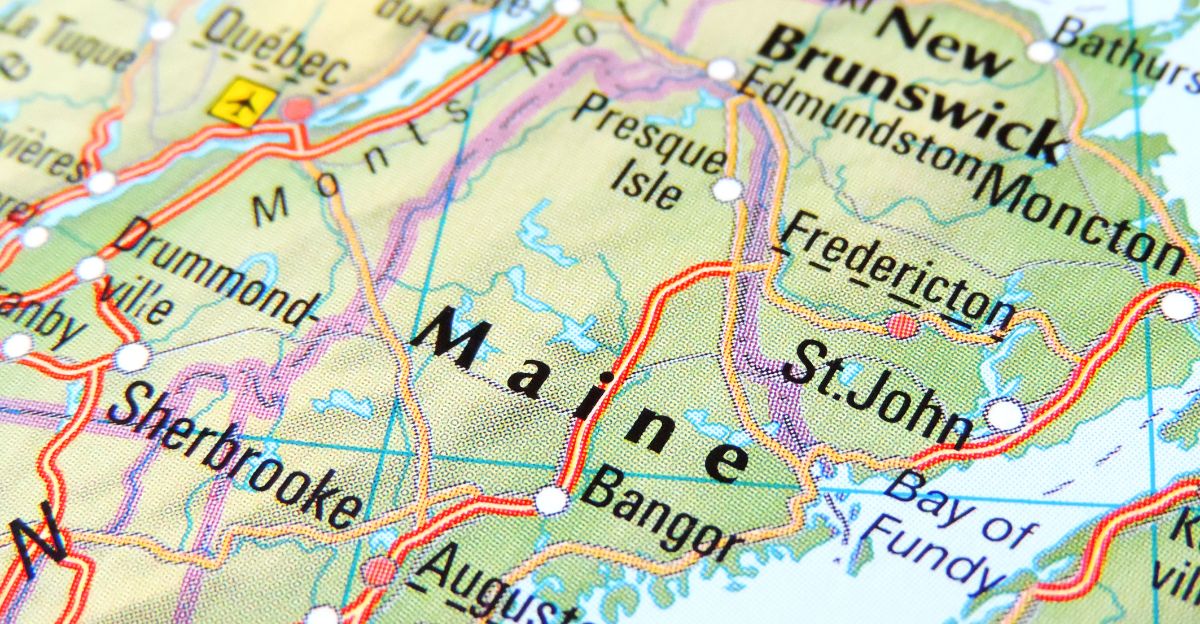
In recent years, Maine has enjoyed a consistently low unemployment rate, 3.2% in July 2025, which has stayed below the national average for over 17 years. While the number of jobs has remained steady, the state still has thousands of open positions every month, reflecting steady demand for workers across industries. Many residents, including older workers and newcomers, remain active in the labor force, working longer into their retirement years or taking on flexible roles supporting local needs.
However, Maine also faces challenges, such as a high rate of disengaged youth and a growing labor shortage, with not enough available workers to fill all open jobs. The labor force participation rate is 58.6%, and businesses are adapting to create more attractive opportunities for job seekers.
14. Iowa
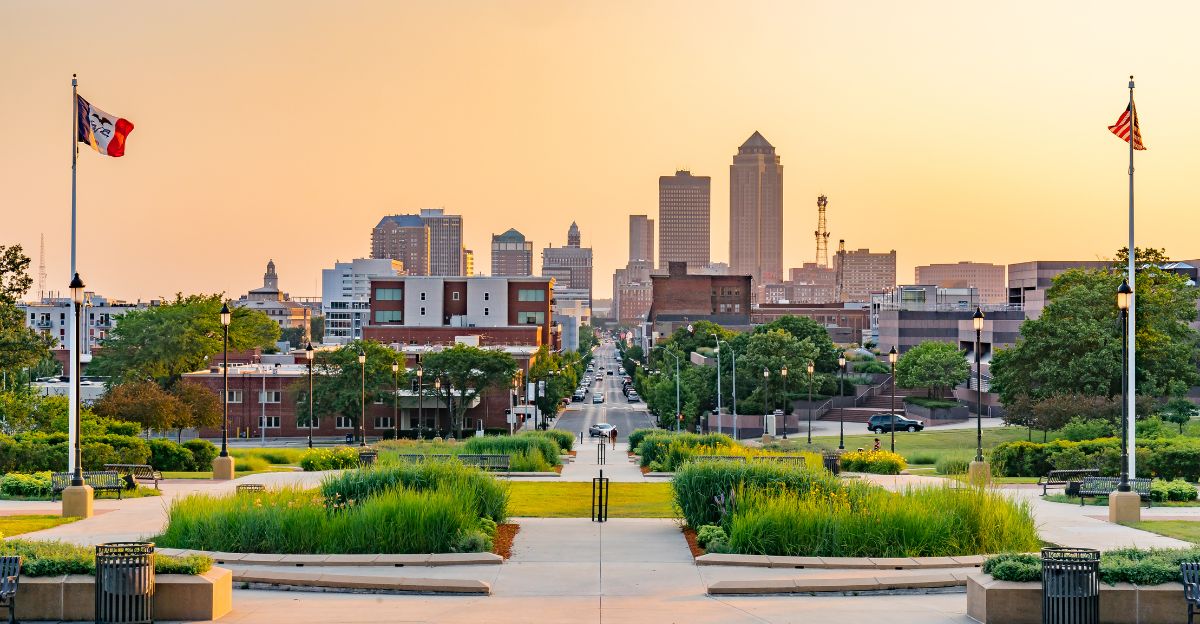
In July 2025, Iowa’s labor force participation increased slightly to 67.4%, with the total number of working Iowans rising to over 1.67 million, about 11,000 more than a year ago. Despite some fluctuations, like the state’s unemployment rate holding at 3.7% and a modest net job decrease compared to last year, Iowa continues to maintain one of the steadier labor markets in the region.
The state also boasts a low ratio of unemployed persons per job opening, indicating that many people in Iowa who want jobs can find them. There are still challenges like stagnant job growth and debates over minimum wage and benefits, but community engagement and work ethic remain consistently high.
13. Colorado
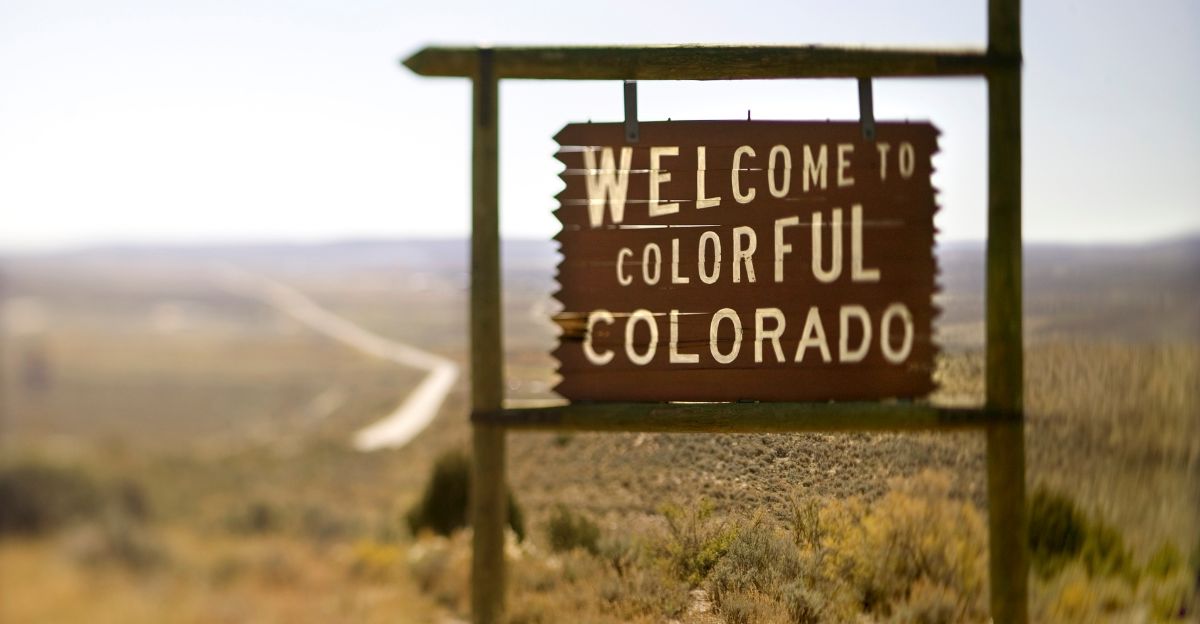
Coloradans continued to show strong involvement in the workforce, with a labor force participation rate for prime-age workers (ages 25 to 54) at 86.6%, notably higher than the national average. Although some sectors experienced job declines, private education and health services, leisure and hospitality, and information industries all saw meaningful job growth.
The average workweek for nonfarm employees in Colorado stood at about 33.8 hours, and hourly earnings grew to $39.19, nearly $3 more than the national average. Despite these positive indicators, overall employment growth slowed compared to previous years, with the Denver metro area and regions like Fort Collins-Loveland and Greeley feeling the sharpest employment slowdowns.
12. Minnesota
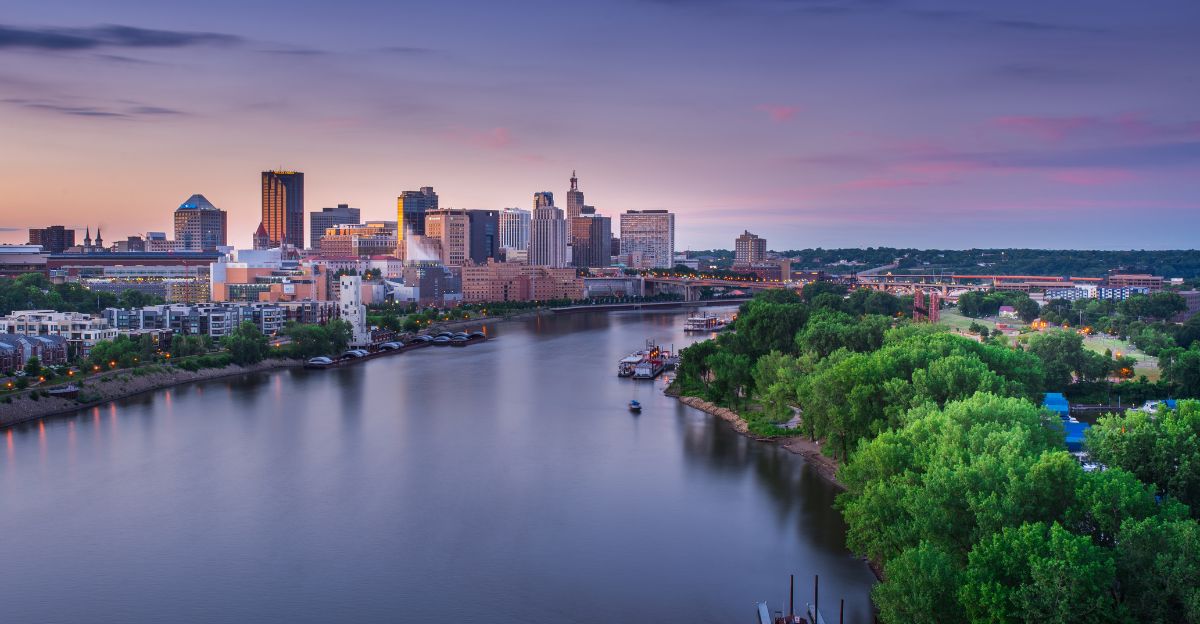
Unemployment remains relatively low at 3.1%, consistently beneath the national rate, and the labor force participation rate is notably strong at 68.2% compared to the U.S. average of 62.5%. This reflects a culture where most adults are engaged in work, and many households include two or more earners. Job growth is steady, with increases seen in health care, education, construction, manufacturing, and other services.
The Twin Cities area, in particular, shows both stability in employment and dynamic changes as industries adapt to trends in automation and demographic shifts. While there are signs of underemployment and longer periods of job searching for some, Minnesota’s diverse economy allows it to weather uncertainty and maintain a well-engaged workforce.
11. Louisiana
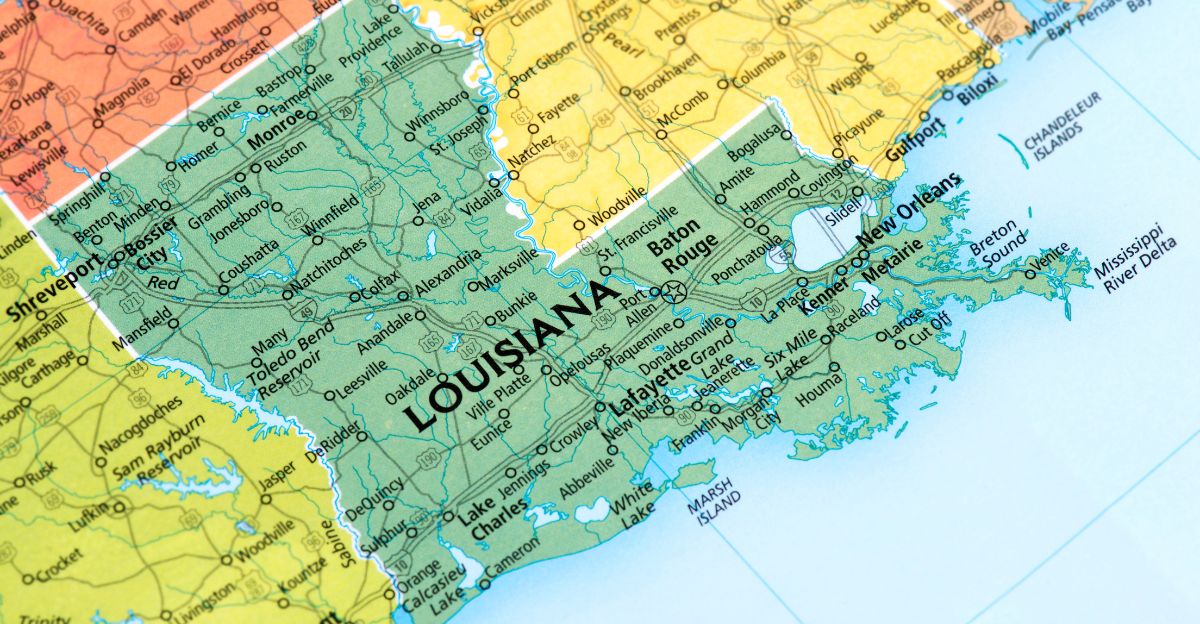
Louisiana’s average weekly work hours topped 44 hours, higher than the national average, and the state’s workforce returned to pre-pandemic levels with job growth in most metro regions. Many Louisianans hold jobs in industries like construction, health care, and hospitality, contributing to the recent rebound. At the same time, areas like manufacturing and mining still struggle to regain ground lost to recent economic changes.
Reports show that although unemployment is relatively low, many available jobs do not offer wages high enough to support a family comfortably, and wage disparities persist across race, education, and gender.
10. Nebraska
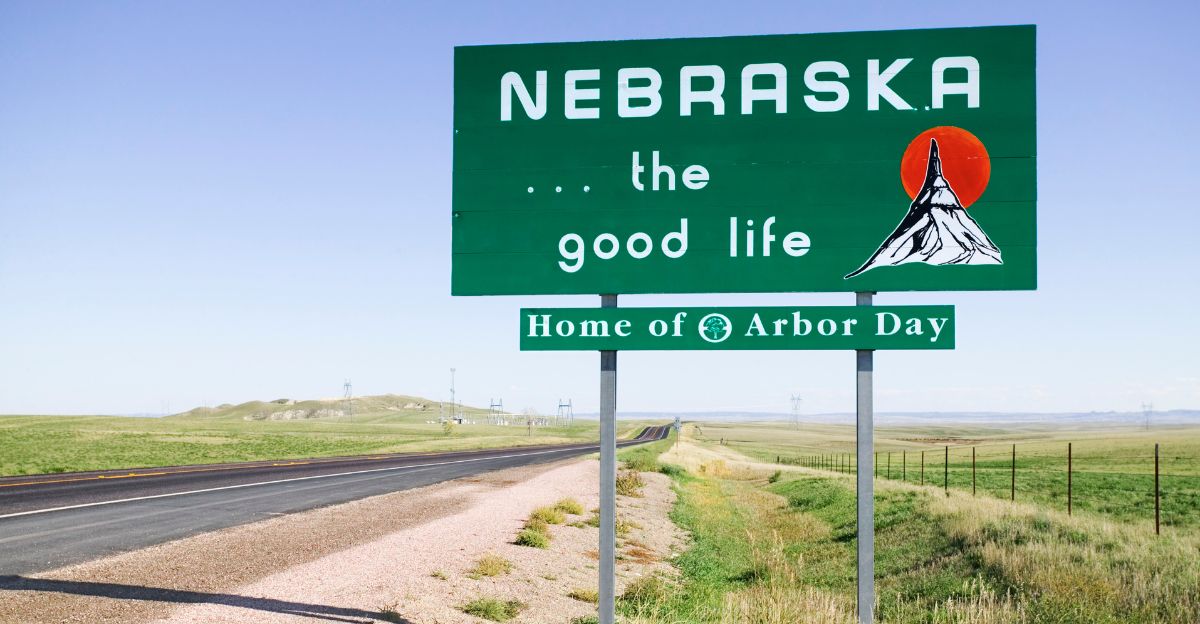
The state’s average weekly hours are around 41.5, ranking among the highest nationally. Residents earn an average of $1,091 per week. Labor force participation is exceptionally strong, with Nebraska consistently placing in the top five nationwide. About 69% of residents are active in the workforce, including high engagement among people with children or advanced education.
Unemployment remains low at 2.9%, and Nebraskans not only work hard at their primary jobs but also show rising trends in holding more than one job, especially after the pandemic.
9. Maryland
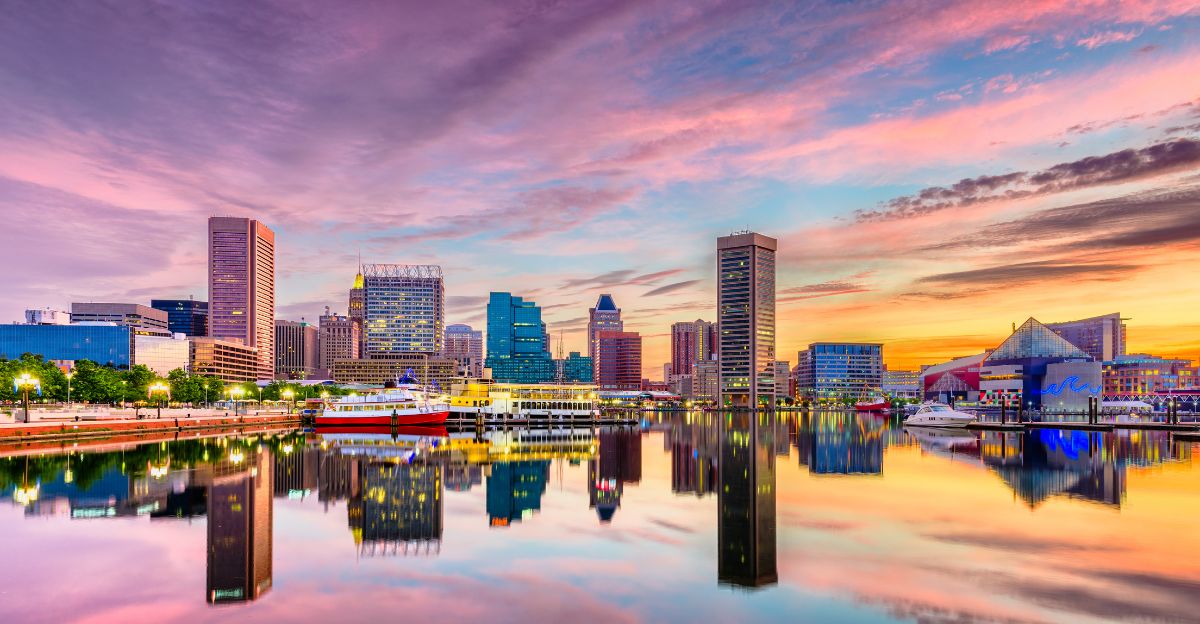
The state stands out for its blend of private and public sector employment, bolstered by a significant federal workforce—the second largest concentration in the U.S. after Washington, DC. Despite recent federal job losses throughout the spring and summer, Maryland has offset these impacts with consistent gains in private-sector positions, adding thousands of jobs in consecutive months.
The state’s labor market is dynamic, with 146,000 job openings in April 2025 and an impressively low ratio of 0.7 unemployed persons per opening, signaling strong employer demand. Maryland’s labor force participation rate remains healthy, averaging around 64.8% recently. Workers in Maryland also engage meaningfully beyond regular employment, as volunteering rates and community involvement are high.
8. Wyoming
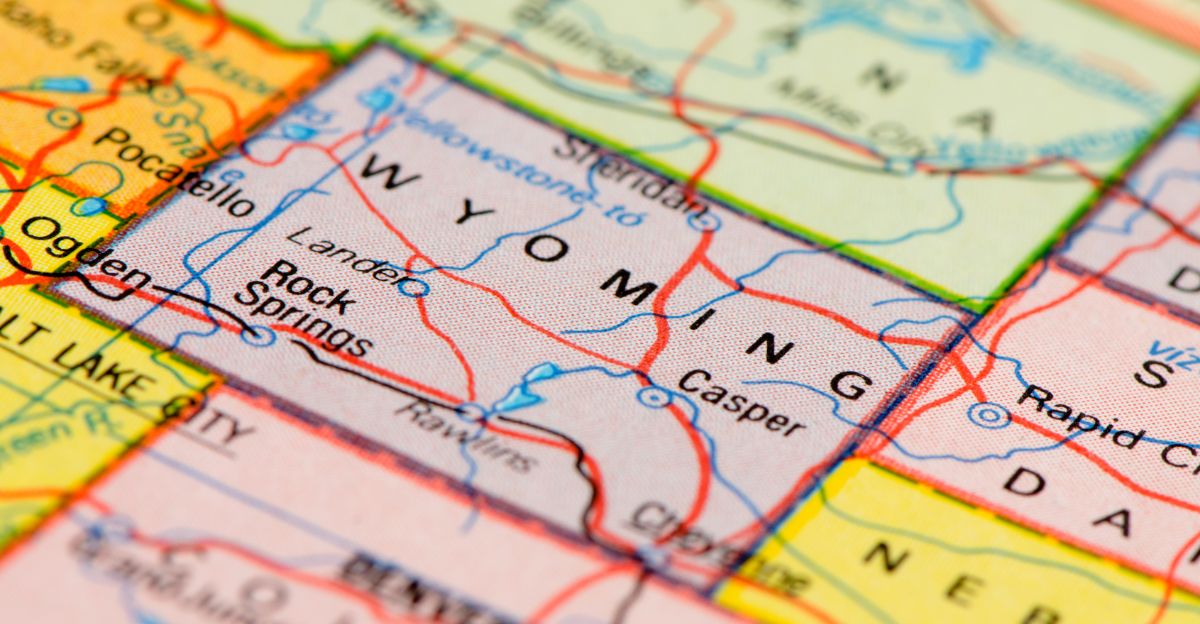
Residents in Wyoming have the third-highest average workweek hours nationally, tying with Louisiana, which means people in the state typically spend more time working each week compared to most Americans. But the story doesn’t end at the workplace, in addition to putting in long hours, people in Wyoming contribute a significant amount of their time outside of work by volunteering.
The state also ranks fifth for average leisure time per day, suggesting that although people spend more time at work, they still manage to carve out moments for themselves and their families.
7. New Hampshire
The state’s strong position is driven by a very high employment rate and the lowest percentage of “idle youth,” which means almost all young adults are either working, in school, or have pursued further education beyond high school. What is especially interesting about New Hampshire is the balance its residents achieve between work and leisure.
While they work hard, they also report the country’s third-highest average amount of leisure time per day. The state’s labor force is actively engaged in work but equally invested in maintaining personal well-being and community ties.
6. Virginia
According to the report, Virginia ranked 10th in direct work metrics and seventh in indirect metrics, demonstrating dedication both on the job and in broader community involvement. Virginia workers are known for their commitment and engagement, with many participating actively in the workforce and contributing through volunteer hours.
Along with robust employment, Virginians tend to have reliable job stability and a balanced approach to work and personal life.
5. Hawaii

The state’s workforce reported some of the nation’s lowest average leisure time, with many residents holding multiple jobs or working extra hours to meet the high cost of living. While Hawaiian culture is often seen as relaxed, the economic reality means that long commutes, multitasking, and juggling roles are part of daily life for many workers.
Recent data show that Hawaii’s labor market is tight, with an unemployment rate around 2.8%, well below the national average. Job openings have remained steady, and turnover rates have dropped as employers work hard to retain their retail, hospitality, and tourism staff. The tourism industry drives much of the economy, but wages for these roles are often low, making it necessary for people to take on side jobs, freelance work, or even volunteer positions to make ends meet.
4. Texas
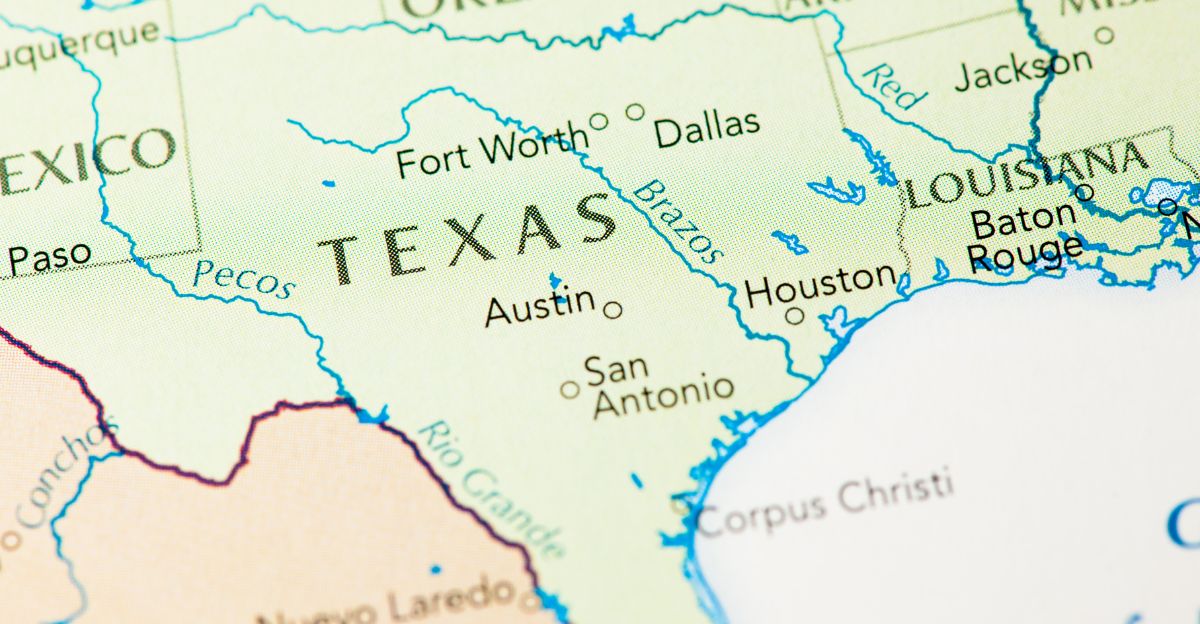
Texans work longer hours than most other states, with average workweeks approaching the top of national charts. This work ethic fuels a booming economy. Texas added over 198,000 jobs in the past year, and the labor force hit a record 15.85 million people, outpacing national growth rates by a notable margin. A key factor behind Texas’s high ranking is the diversity of its industries, ranging from oil and agriculture to technology, health care, and education.
The state has seen substantial job gains in sectors like construction (growth rate of 2.4% over the year), private education, and health services. Unemployment rates remain steady, and areas like Midland and Amarillo boast some of the lowest rates in the state, highlighting widespread opportunity. State leaders credit Texas’ success to a business-friendly climate and heavy investment in workforce development, including job fairs and skills training.
3. South Dakota
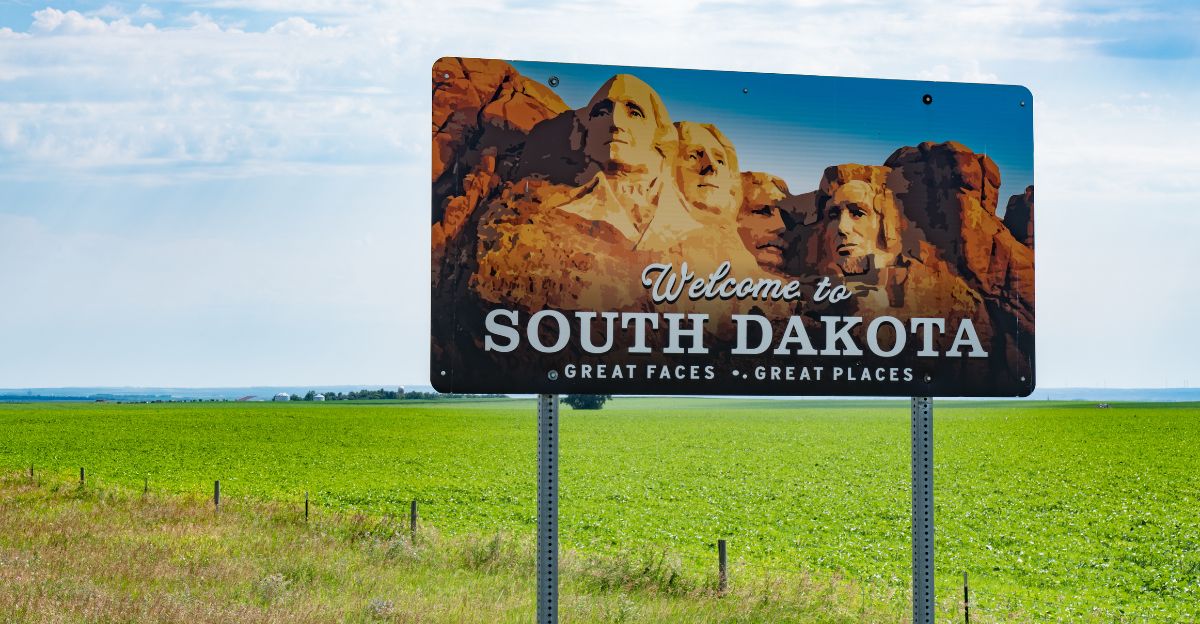
According to the 2025 WalletHub study, South Dakota holds the third spot nationally, with over 98% of its working-age residents employed, making it the state with the highest employment rate in the country. This exceptional engagement is further illustrated by the fact that 6.1% of South Dakotans work multiple jobs, placing the state 11th for workforce multitasking.
The younger population is notably active, and South Dakota boasts the fifth-lowest rate of “idle youth,” defined as those aged 18 to 24 who are neither employed nor pursuing education.
2. Alaska

Alaskans averaged the highest weekly work hours, about 41.6 hours per person, which means residents often work longer than those in any other state. Nearly 28% of Alaskan workers do not use all their vacation days, and many people juggle more than one job to support themselves amid high living costs and remote working conditions.
Recent labor statistics show Alaska’s employment growth remains strong, adding thousands of jobs even as other parts of the nation grapple with sluggish markets. Job openings in Alaska have stayed high, reflecting a tight labor market where fewer unemployed people compete for each available position.
1. North Dakota
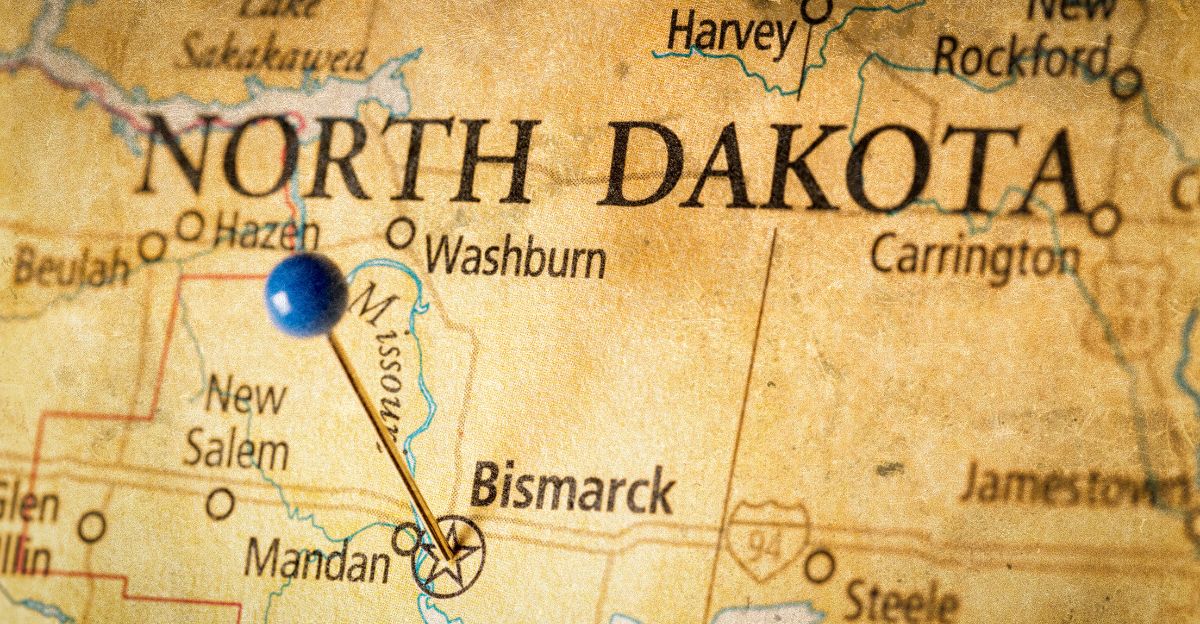
North Dakota consistently ranks as the hardest-working state in the United States, topping WalletHub’s 2025 national survey with impressive labor statistics and strong community involvement. Nearly 98 percent of residents between the ages of 16 and 64 are employed, representing one of the highest employment rates in the country. These workers also work an average of 39.6 hours per week, demonstrating their commitment and reliability.
Almost 34 percent of North Dakotans leave vacation days unused, reinforcing the state’s reputation for dedication and raising concerns about limited rest and potential burnout. People in North Dakota have the 11th-lowest amount of daily leisure time among all states, reflecting a culture that values productivity and engagement over relaxation.
As Chip Lupo, WalletHub analyst, explained, “Working hard is commendable, but people in the hardest-working states may need to consider taking a break once in a while, as a lack of leisure time can have a negative impact on people’s physical and mental health.”