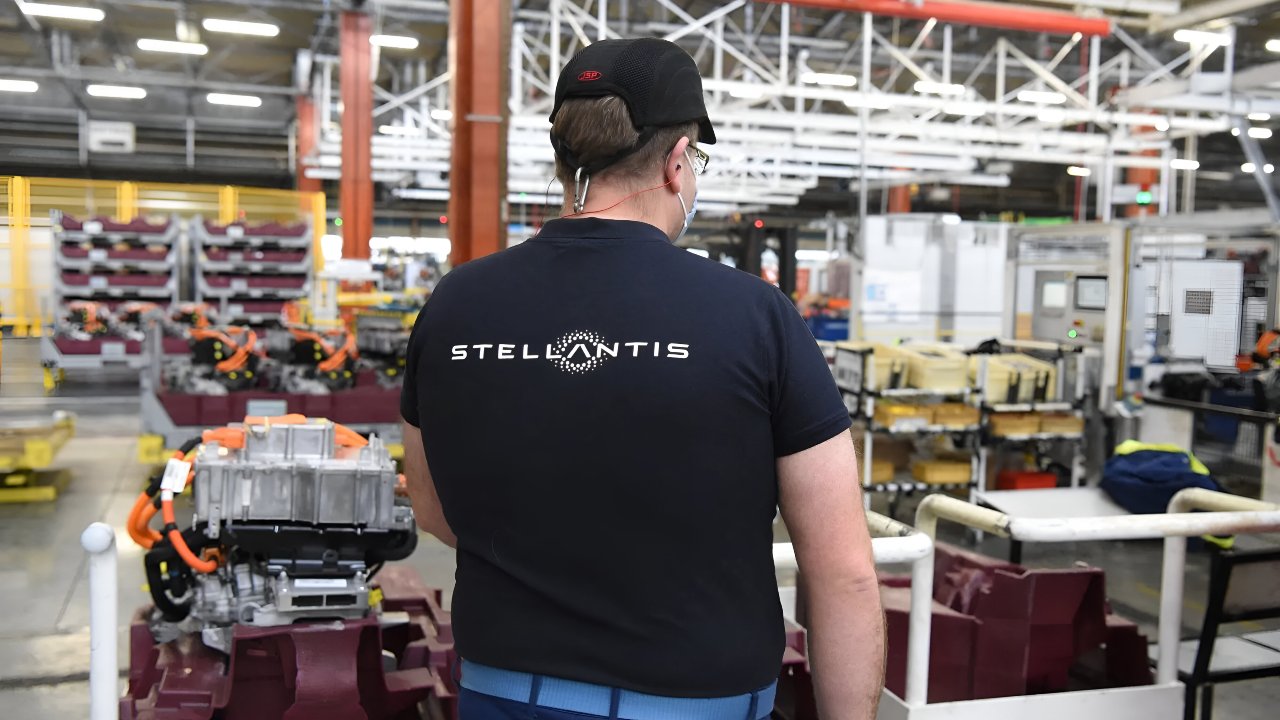
Stellantis shares plunged nearly 70% from their peak, trading near $9.70 by October 2025, erasing vast shareholder value in under two years. The automaker, owner of Jeep, Dodge, Ram, and Chrysler, grapples with surging inventory, departing dealers, and fading market trust amid a self-inflicted crisis.
Sales Collapse Across Brands

Dodge sales dropped sharply from 43,000 vehicles in Q1 2023 to 21,731 in Q1 2024, a 49.6% decline. By mid-2025, the brand sold just 4,299 Charger Daytona electric vehicles in North America, less than one-tenth the 48,093 gasoline-powered Chargers and Challengers moved in the prior year’s comparable period before their discontinuation.
Jeep recorded its worst year in a decade with 587,000 units sold in 2024, down 34% from the 2018 peak of 972,227. Competitors like Toyota, Honda, and Ford gained ground as Jeep struggled with perceptions of high costs, unreliability, and weaker value compared to rivals.
Pricing Missteps
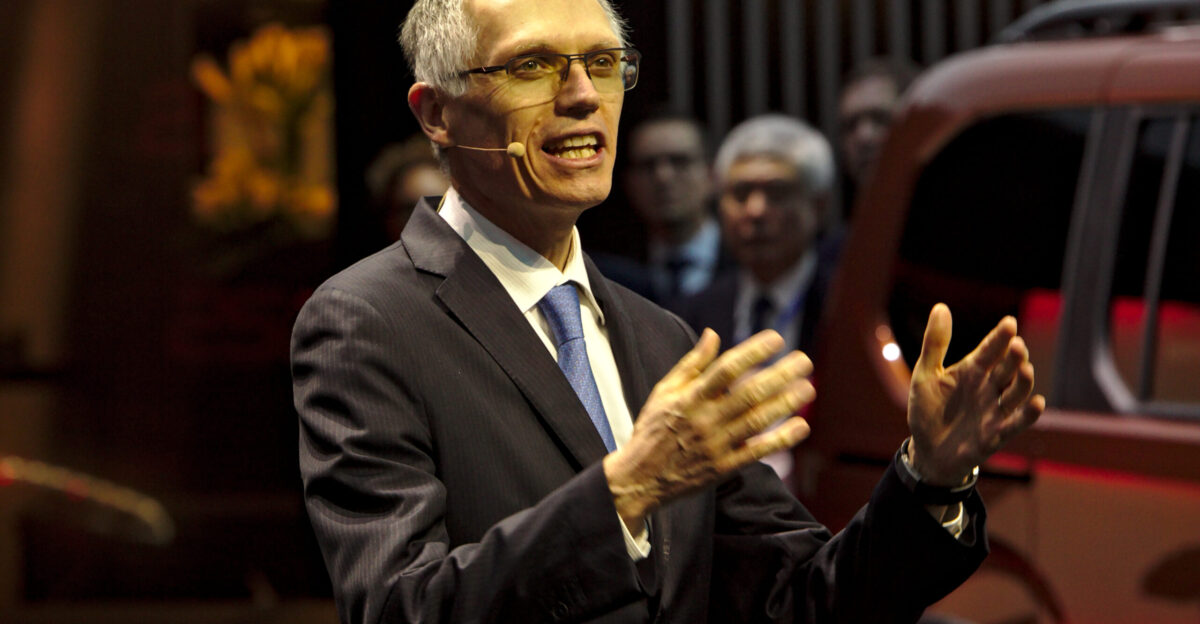
Leadership under former CEO Carlos Tavares pursued aggressive price hikes, doubling industry averages to position brands as premiums. The Jeep Wrangler Rubicon four-door rose from $65,450 in 2020 to $90,450 in 2024, a 38% jump that pushed buyers away. Stellantis transaction prices hit $58,000 by late 2023—the sector’s highest—before demand collapsed.
Inventory piled up, with Dodge at 149 days’ supply by late 2024, over twice the 60-day norm, and Jeep at 129 days. The Grand Wagoneer reached 400 days by December 2025. An iSeeCars study found 82.1% of 2024 Dodge Hornet plug-in hybrids still unsold, far above the 0.4% industry average.
Electric Vehicle Setbacks
The Charger Daytona EV flopped after replacing popular gasoline muscle cars. Q1 2025 sales fell below 2,000 units despite incentives, with discontinued 2023 models outselling it 1,974 to 1,947. This highlighted customer resistance to the shift, prompting a strategic rethink.
Quality and Reliability Woes

Jeep faced ongoing issues like the “death wobble” in Wranglers from 2007-2020, causing violent shaking at highway speeds, and TIPM electrical failures leading to stalling and blackouts. Annual maintenance costs averaged over $650 per Jeep, exceeding Toyota’s $428 and Honda’s $441. Reliability ratings lagged, eroding resale values and satisfaction.
Leadership Shift and Financial Toll
Tavares resigned December 1, 2024, after the board deemed him out of touch with North American realities, ignoring pricing warnings for margin targets. Net profits crashed 70% to 5.5 billion euros in 2024 from 18.6 billion in 2023; revenues fell 17% to 156.9 billion euros, with operating margins at 5.5%.
Competitors thrived: GM sales rose 4% to 17.3% U.S. share; Ford electrified sales jumped 38% to 285,291 units; Toyota grew 8.4% to 15.5% share in 2025, drawing Jeep and Dodge buyers with cheaper, reliable options $10,000-$25,000 below equivalents.
Recovery Efforts
New CEO Antonio Filosa, from North American operations, took over in June 2025 with a growth-first plan. He cut prices—Wrangler Rubicons by $6,460-$7,460—incentives reached $2,000-$7,500, and fleet sales resumed. Ten U.S. models launched in 2025, backed by $13 billion in investments.
Electrification softened to “multi-energy” options, reintroducing gasoline Chargers and V8 Rams that sold out instantly. Q3 2025 showed gains: shipments up 13% to 1.3 million units, North America 35%; Jeep sales rose 11%, Wrangler 18%, Gladiator 43%, Wagoneer 122%. U.S. share hit 8.7%, best in 15 months, though below prior 10.4%. Inventory fell 20% to 304,000 units.
Persistent Hurdles
Reputation damage from quality and pricing needs 5-7 years to repair. Dealer ties strain despite better talks. Chinese EVs and Tesla pressure mounts as Stellantis repositions. Recovery hinges on execution amid limited capital and outdated portfolios, risking niche status or stabilization through superior products.
Stellantis confronts high stakes: sustained improvements could reclaim ground, but failures may deepen decline in a competitive landscape demanding precision.
Sources:
“Board Accepts Carlos Tavares’ Resignation as Chief Executive Officer.” Stellantis N.V. Press Release, December 2024.
“Stellantis Reports 13% Year-Over-Year Increase in Q3 2025 Shipments and Net Revenues.” Stellantis N.V. Press Release, October 29, 2025.
“Stellantis CEO Carlos Tavares Lost Control of the Automaker, Sources Say.” CNBC, December 10, 2024.
“Inside Stellantis CEO’s ‘Emergency Room’ Rush to Recapture Market Share.” Reuters, December 11, 2025.
“Dodge Crashes 50%: Stellantis in Crisis as Sales Plummet Across North America.” LinkedIn Business News, April 13, 2025.
“Jeep Prices Have Increased 61% in 5 Years.” CarEdge Analysis, February 13, 2024.
“Stellantis Has ‘Misplaced Belief in Its Own Pricing Power’ as Auto Sales Falter.” Fortune Europe, October 9, 2024.
“Four Stellantis SUVs On The Slowest-Selling List for December 2025.” Mopar Insiders, December 15, 2025.