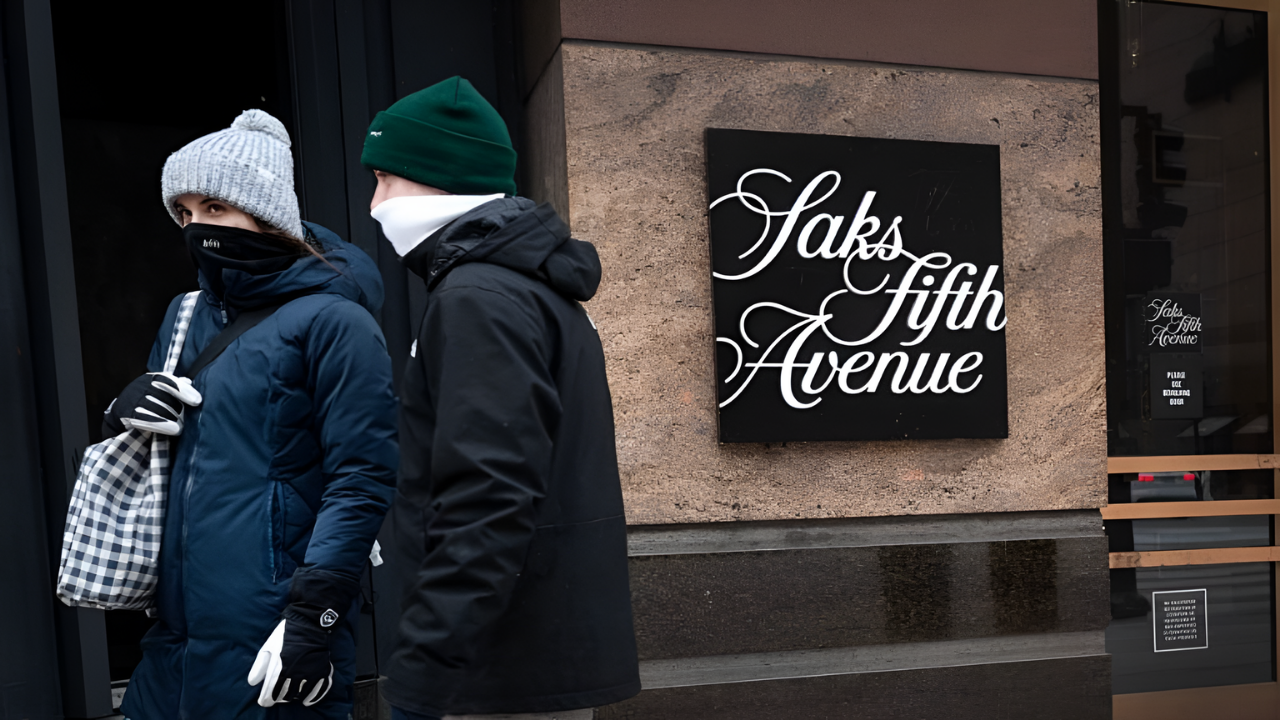
Late December 2025. A routine bond payment date passes—and nothing arrives. Saks Global, owner of America’s most famous luxury department stores, quietly misses a $100 million interest payment. Bondholders notice first, then bankers, then lawyers. The company has 30 days before default, but the damage is already unfolding.
Behind closed doors, restructuring advisors begin preparing court filings. A century-old luxury empire hasn’t collapsed yet—but it has stopped paying its bills, and the countdown has begun.
The Merger Bet That Broke
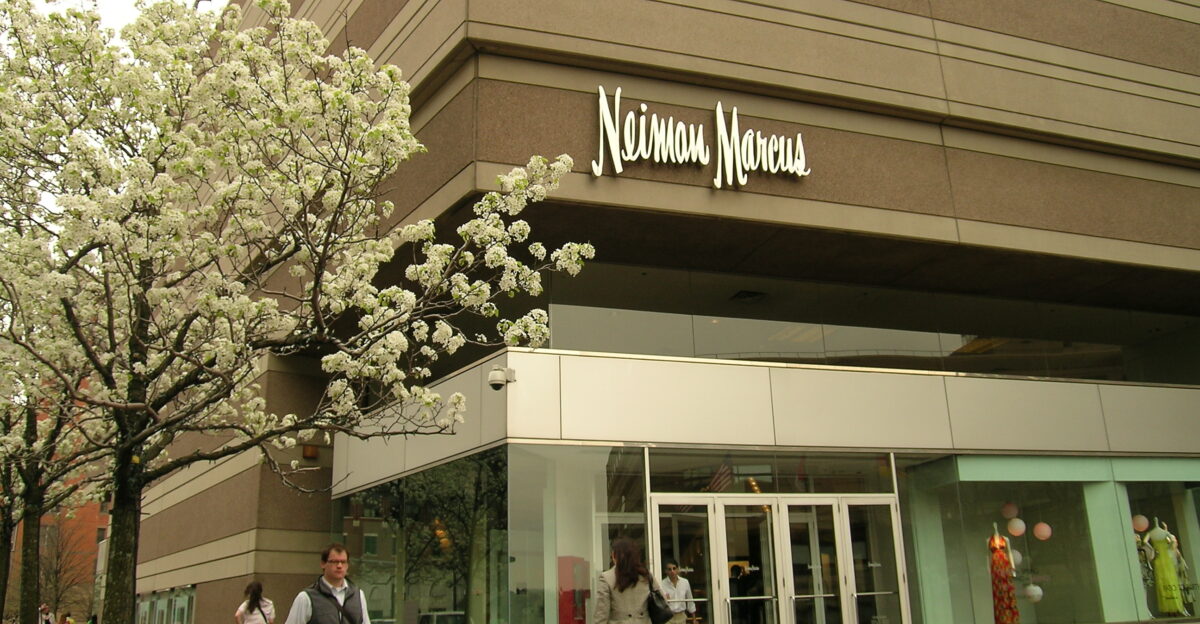
Only a year earlier, Saks appeared to be building the future of luxury retail. In December 2024, Hudson’s Bay Company’s luxury unit completed a $2.7 billion acquisition of Neiman Marcus Group, creating Saks Global.
The deal drew heavyweight backing. Amazon invested $475 million, Salesforce added capital, and other major investors followed. Built largely on debt, the merger was pitched as a once-in-a-generation consolidation. Instead, it became the trigger for one of retail’s fastest collapses.
A Century of Fifth Avenue Prestige
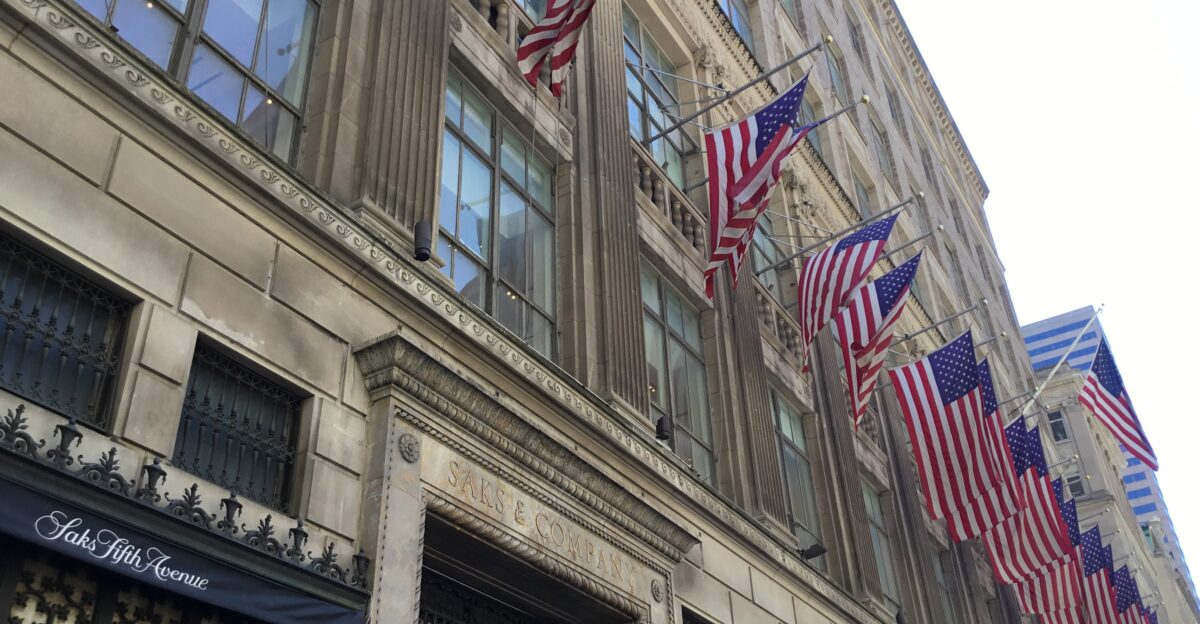
Saks Fifth Avenue traces its roots to 1867, with its iconic Fifth Avenue flagship opening in 1924, directly across from St. Patrick’s Cathedral. For decades, the store symbolized American luxury and aspiration.
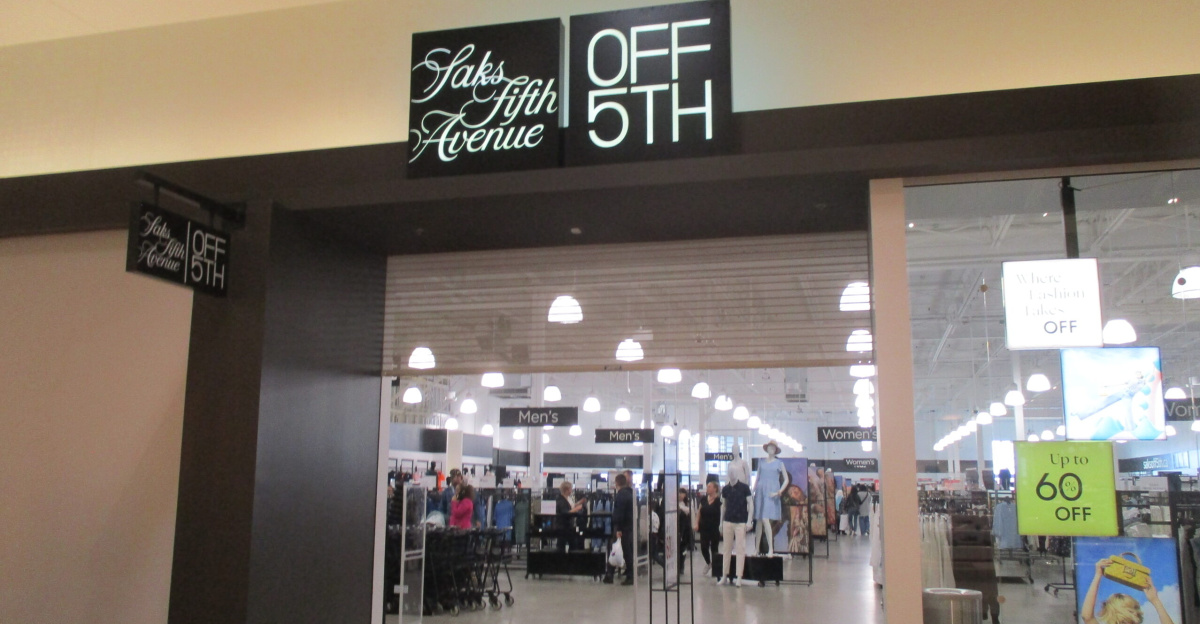
By the 21st century, Saks had expanded into a multi-brand empire that included Bergdorf Goodman, Neiman Marcus, and Saks Off 5th. That long-built prestige now sits inside bankruptcy proceedings, its future uncertain.
A Luxury Market Already Under Strain
The merger came as the luxury market was losing momentum. In 2024, global luxury growth flattened as younger consumers shifted spending toward experiences rather than goods.
Department stores faced compounding pressures: rising rents, higher labor costs, e-commerce competition, and luxury brands increasingly selling directly to consumers. Saks Global bet on scale just as the department store model itself was falling out of favor.
The Bankruptcy Filing
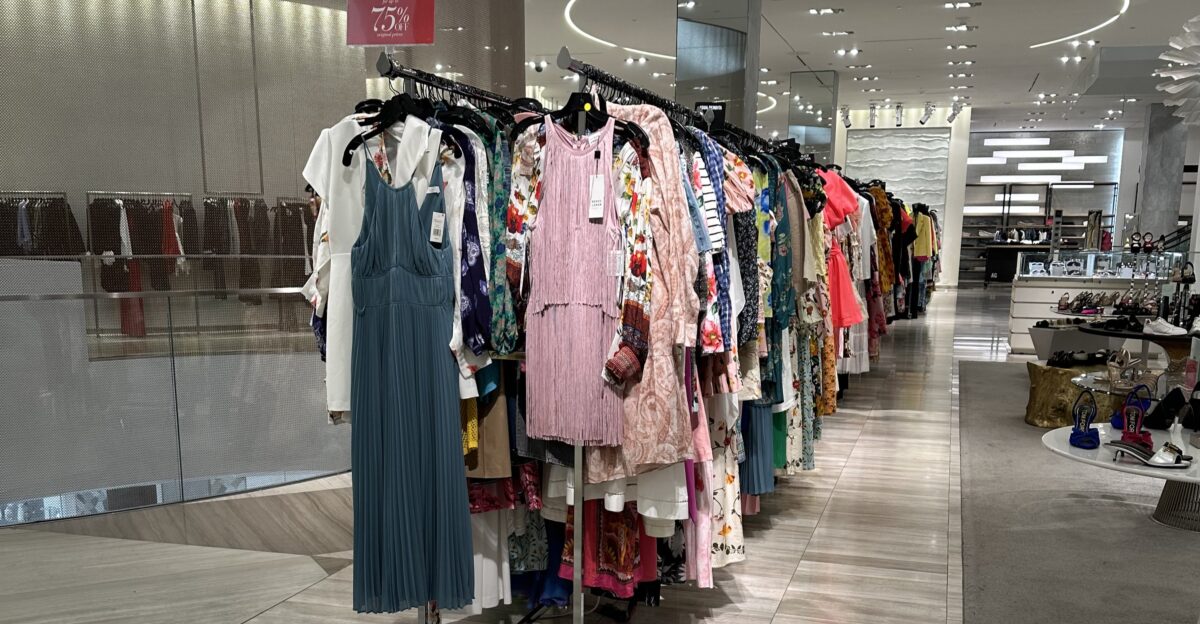
On January 14, 2026, Saks Global filed for Chapter 11 bankruptcy protection in the U.S. Bankruptcy Court in Texas. The filing shocked the luxury industry.
Court documents showed $1–$10 billion in assets and liabilities and roughly $3.4 billion in total debt, much of it tied directly to the Neiman Marcus acquisition. Without emergency financing, the company warned it would face immediate liquidation.
A Collapse Measured in Months
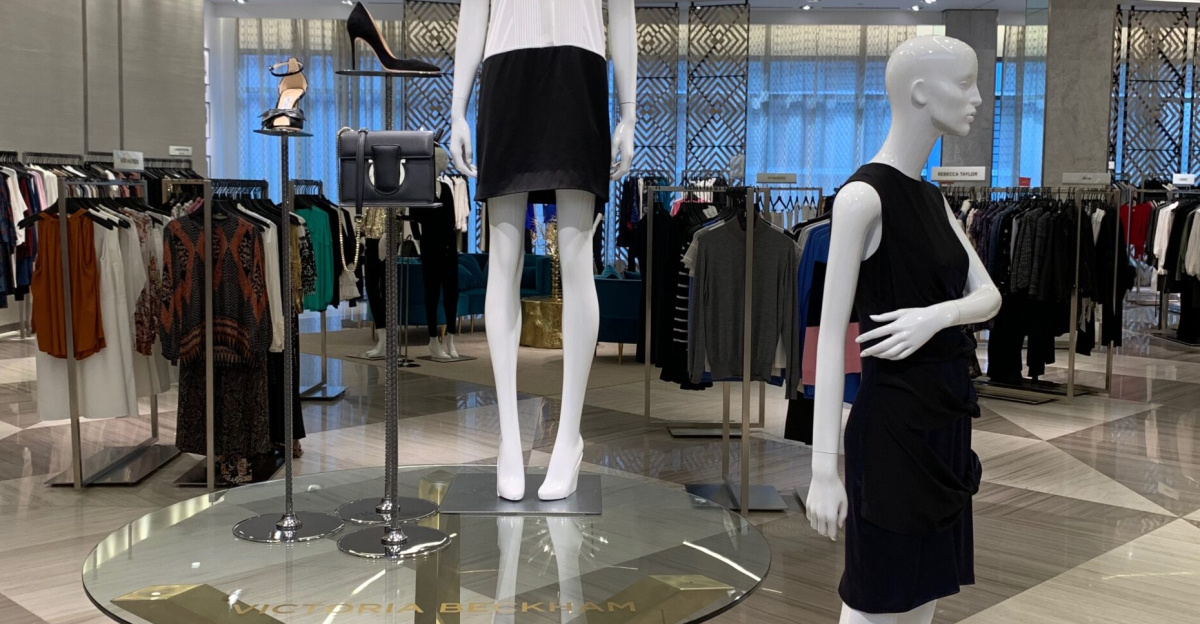
The decline was rapid. Sales slid shortly after the merger closed in December 2024. By mid-2025, revenue was down 13%, followed by earnings warnings.
By late summer, Saks began delaying vendor payments, triggering inventory holds by luxury brands. By year-end, the company could no longer meet basic obligations. A deal meant to secure decades of stability unraveled in under a year.
17,000 Workers Caught in the Middle
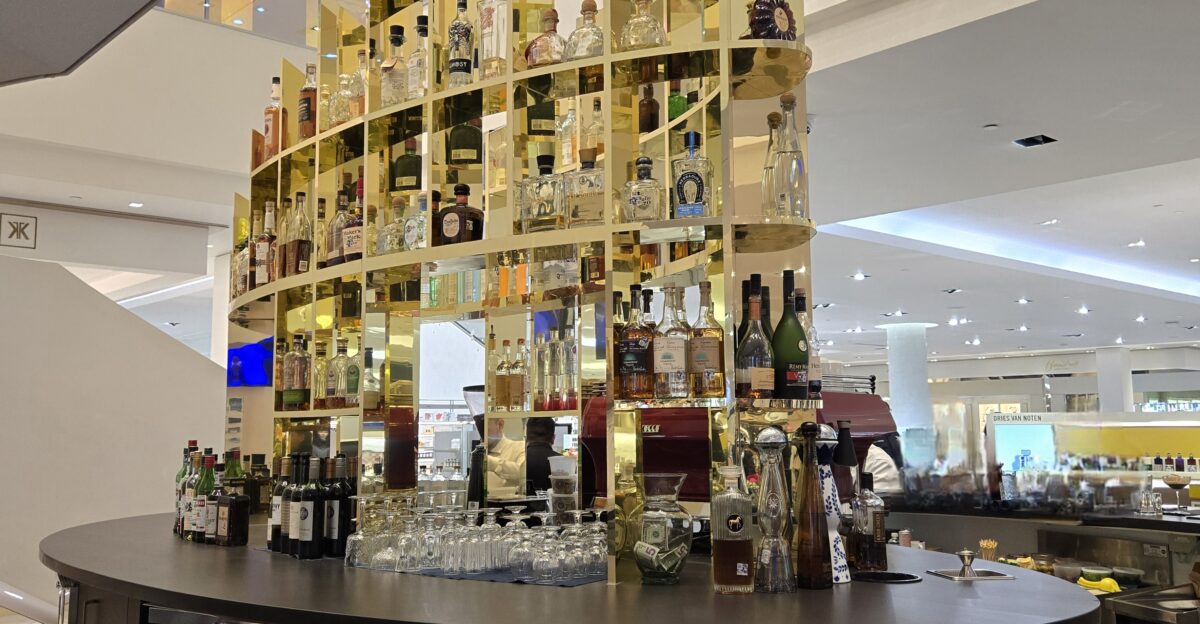
For 17,000 employees, the bankruptcy brought immediate uncertainty. Saks Global operates stores across the United States, from landmark flagships to regional mall anchors.
Court filings revealed the company needed roughly $140 million immediately to cover wages and benefits. Executives testified that without emergency funding, Saks would be unable to pay employees at all.
Vendors Cut Off the Supply
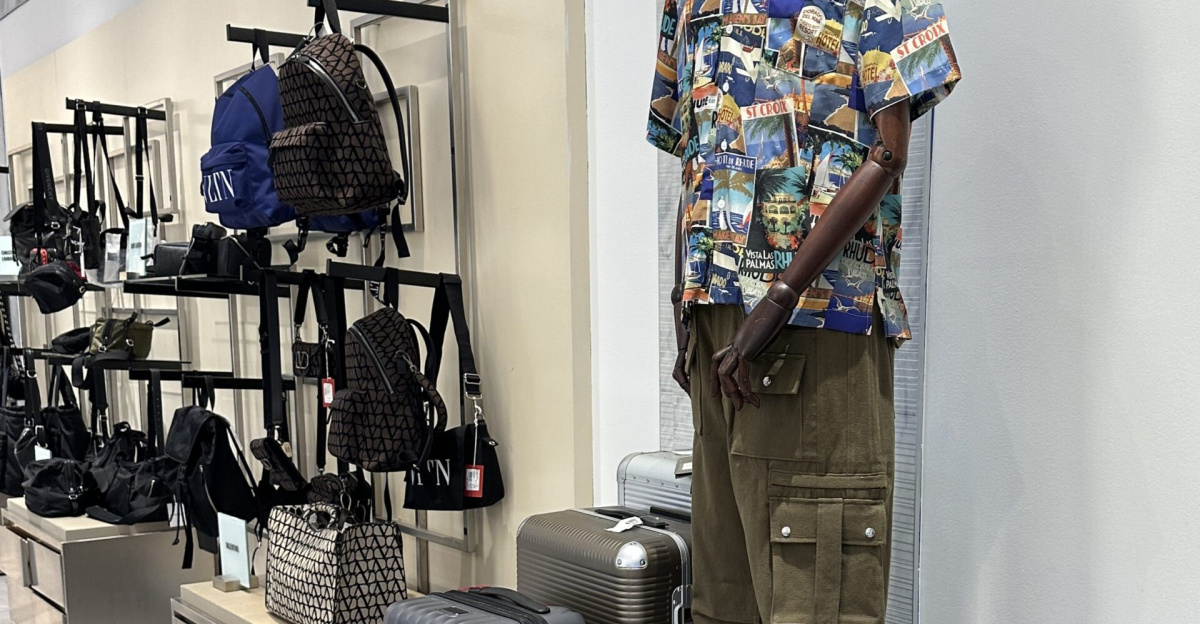
Luxury retail depends on trust, and that trust eroded throughout 2025. Saks delayed payments to suppliers, leaving brands with massive unsecured claims.
Chanel alone is owed roughly $136 million, with Kering/Gucci and LVMH owed tens of millions more. Some vendors stopped shipping merchandise altogether, starving stores of inventory and deepening the company’s downward spiral.
A Structural Shift in Luxury Spending

Saks’ problems extended beyond cash flow. Wealthy consumers increasingly buy luxury goods directly from brands, bypassing department stores.
At the same time, outlet shopping—including Saks Off 5th—gained popularity as shoppers sought value. The traditional department store, once the center of luxury retail, was losing relevance with both younger and cost-conscious consumers.
Amazon’s Investment Wiped Out
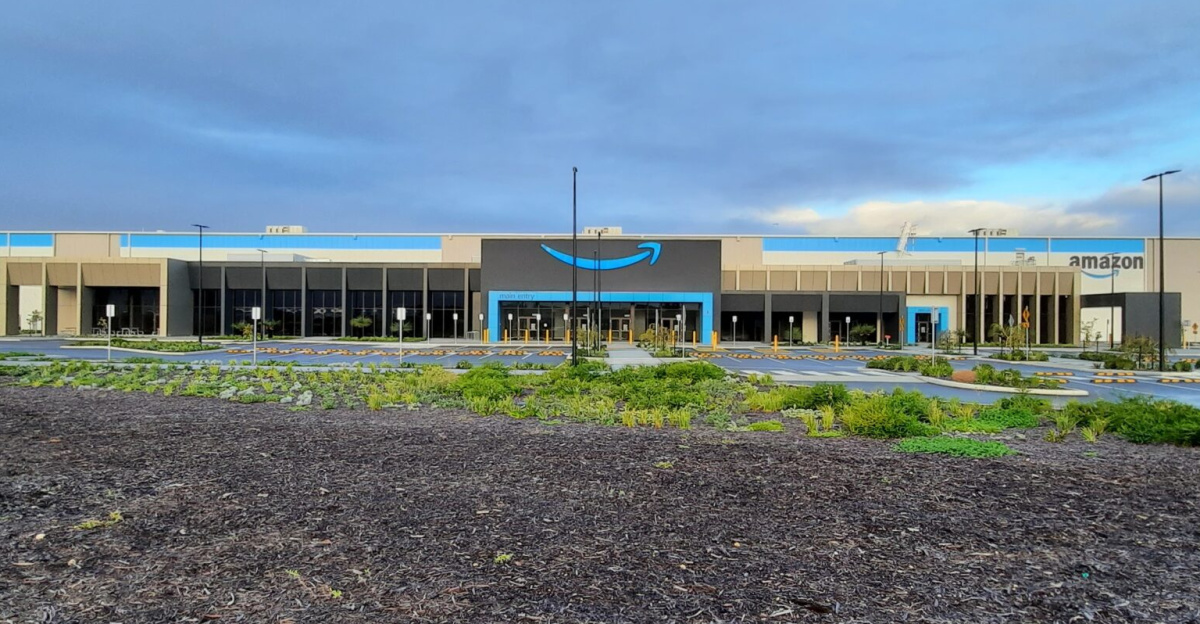
Amazon’s involvement added a dramatic twist. The company’s $475 million equity investment was tied to plans for a “Saks at Amazon” luxury marketplace, including $900 million in minimum referral fees over eight years.
One day after the bankruptcy filing, Amazon declared its equity stake “presumptively worthless,” accusing Saks of breaching agreements and mismanaging the business. The tech giant’s high-profile bet evaporated overnight.
Leadership Turmoil at the Top

As finances deteriorated, leadership fractured. Longtime CEO Marc Metrick resigned in early January 2026. Executive Chairman Richard Baker, architect of the merger, briefly stepped in as CEO.
Days later, Baker was sidelined. On January 13, former Neiman Marcus CEO Geoffroy van Raemdonck took over, bringing a team of former Neiman executives to stabilize the crisis.
A Familiar Fixer, Daunting Odds
Van Raemdonck was chosen because he had done this before—leading Neiman Marcus through its own bankruptcy. He understands luxury retail, vendor dynamics, and restructuring.
Still, analysts were blunt: the previous management team created the mess, and the challenges are immense. Heavy debt, damaged vendor relationships, and a weakening business model leave little room for error.
The Rescue Financing—and Its Cost

To keep operating, Saks Global secured $1.75 billion in financing, including a $1 billion debtor-in-possession loan, an asset-backed facility, and additional capital contingent on exiting bankruptcy.
The court approved the initial funding despite objections from Amazon. Management signaled that survival would require painful choices—store closures, job cuts, and a smaller operational footprint.
What Happens to the Brands?
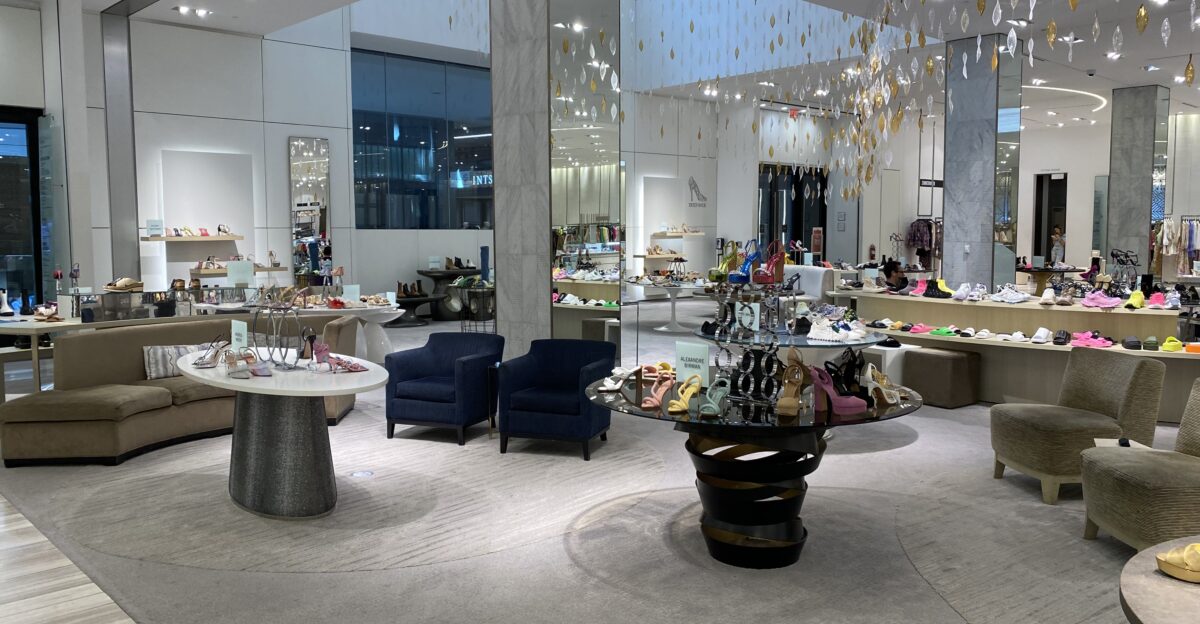
Bankruptcy law allows Saks Global to either restructure or break apart. Saks Fifth Avenue, Neiman Marcus, Bergdorf Goodman, and Saks Off 5th could emerge together—or be sold separately.
If liquidation occurs, courts may auction brand names, trademarks, and intellectual property to the highest bidders. The loss of the Fifth Avenue flagship, once unthinkable, is now a real possibility.
The Cautionary Lesson
Saks Global’s failure delivers a stark message. The $2.7 billion merger, built on nearly $2 billion in debt, collapsed in just over a year.
A retailer that once defined American luxury now struggles to pay workers and vendors. As 17,000 employees wait and judges decide the fate of historic brands, Saks stands as a warning: in modern luxury retail, size and legacy are no defense against structural change.
Sources:
CNBC, “Saks Global files for bankruptcy protection”, January 14, 2026
Bloomberg, “Cash-Strapped Saks Skips Bond Payment Amid Talks With Creditors”, December 31, 2025
CNBC, “Saks acquisition of Neiman Marcus led to bankruptcy”, January 15, 2026
S&P Global Ratings, “S&P Global Ratings downgrades Saks Global on missed debt interest payment”, January 7, 2026
The New York Times, “Saks C.E.O. Steps Down as Company Struggles to Pay Bills”, January 2, 2026