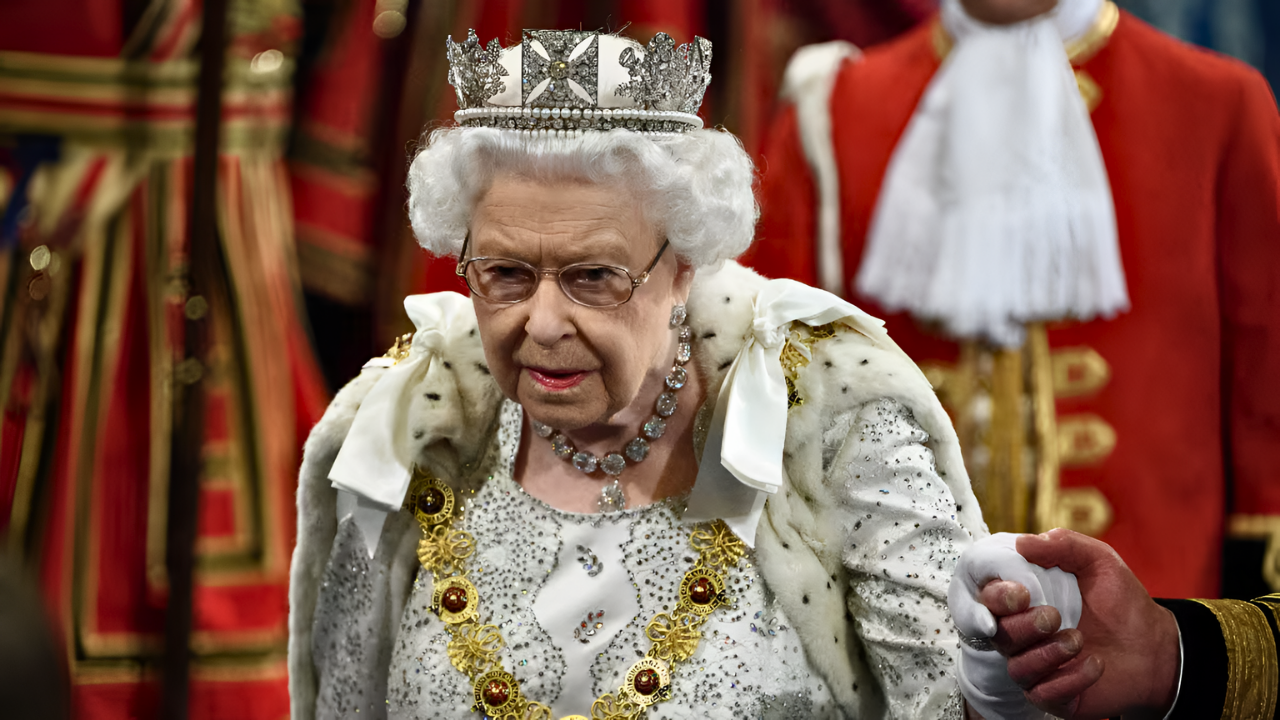
When Queen Elizabeth II died at age 96 on September 8, 2022, at Balmoral Castle in Scotland, her passing triggered one of the most significant wealth transfers in modern history. King Charles III inherited her personal fortune of approximately $500 million tax-free. Prince William inherited the Duchy of Cornwall, worth $1.26 billion and generating £22.9 million annually. The controversy deepened quickly.
A Monarch’s Secret Fortune Revealed

Over 70 years, the Queen amassed about $500 million in personal assets, including artwork, over 300 jewelry pieces, and a stamp collection valued at £100 million ($134 million). Balmoral and Sandringham added another $191 million. Her jewels included the Nizam of Hyderabad necklace valued at £66 million ($89 million). Yet the biggest shift came with Charles’s new powers.
The Crown Estate: A $19 Billion Ghost Asset
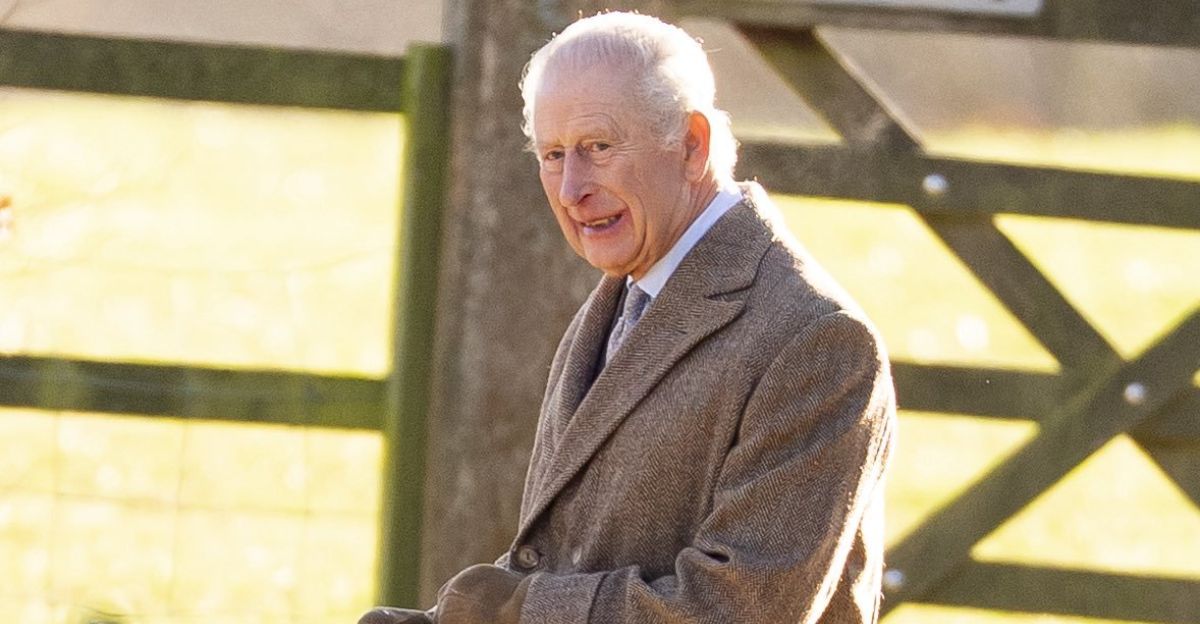
When Charles became King, he gained control of the Crown Estate, a $19 billion portfolio held “in right of the Crown,” meaning it is not personal property he can sell. It includes Buckingham Palace at $4.9 billion and Kensington Palace at $630 million. In 2024-25 it generated £1.1 billion ($1.4 billion), mainly from offshore wind. Yet another inheritance triggered even sharper debate.
Prince William’s $1.26 Billion Jackpot
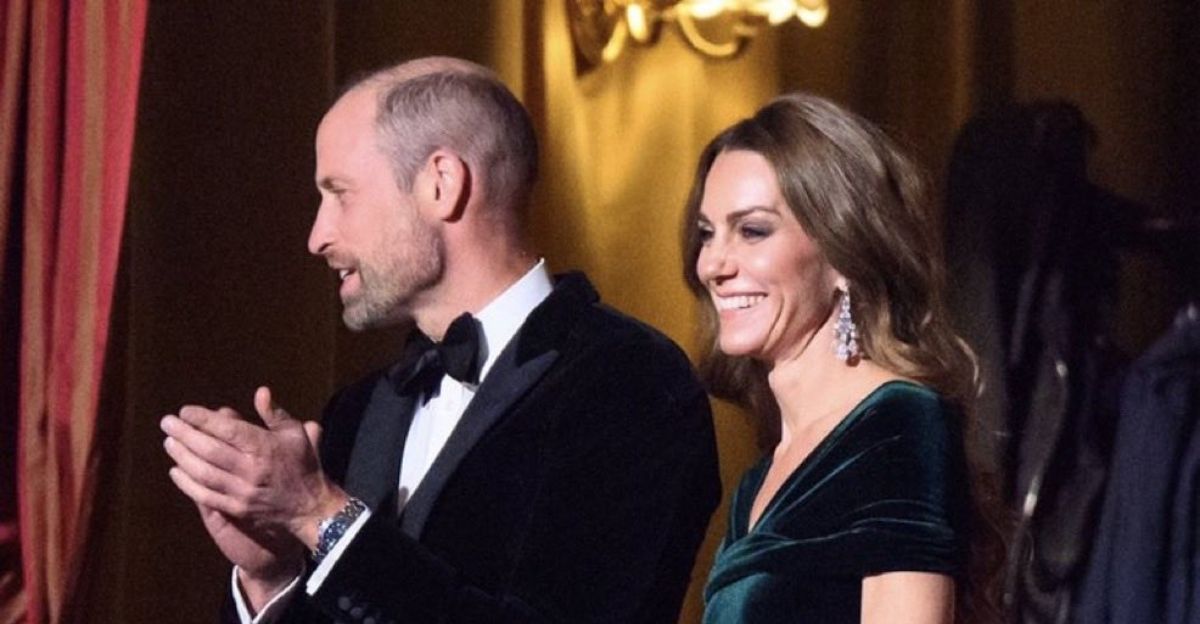
When Charles became King, Prince William automatically inherited the Duchy of Cornwall, founded in 1337. It spans 52,264 hectares across 20 counties and is worth about $1.26 billion. In 2024-25, William and Catherine received £22.9 million ($30.9 million) net income. William can spend it freely, including paying private costs. So why does Highgrove’s rent matter?
The Tax Exemption That Changed Everything

None of this triggered inheritance tax. A 1993 Memorandum of Understanding exempted assets passing from one sovereign to the next from the standard 40% inheritance tax rate. On $500 million alone, Charles avoided about $200 million in taxes that an ordinary family would owe. Former Prime Minister John Major justified it as preventing “erosion” of the monarchy, but critics call it corruption. That criticism did not start yesterday.
“The Resulting Income Is to That Extent an Accident of History”
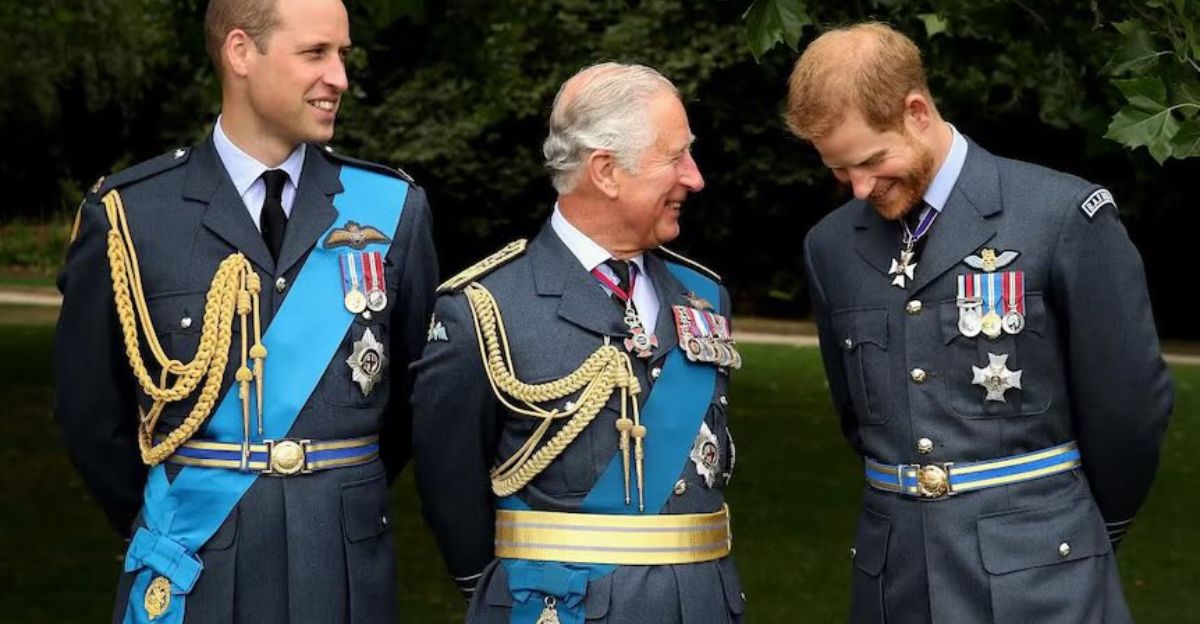
A 2005 Parliamentary committee report warned: “The current arrangements stem from the 14th century. The resulting income is to that extent an accident of history.” It urged stripping special tax status, yet exemptions remained. Charles and William benefit from Crown exemption from corporation tax, capital gains tax, and inheritance tax. They voluntarily pay income tax on duchy income, but they are not required to. How much does that choice cost?
The Duchy Of Lancaster’s Quiet Cash Stream
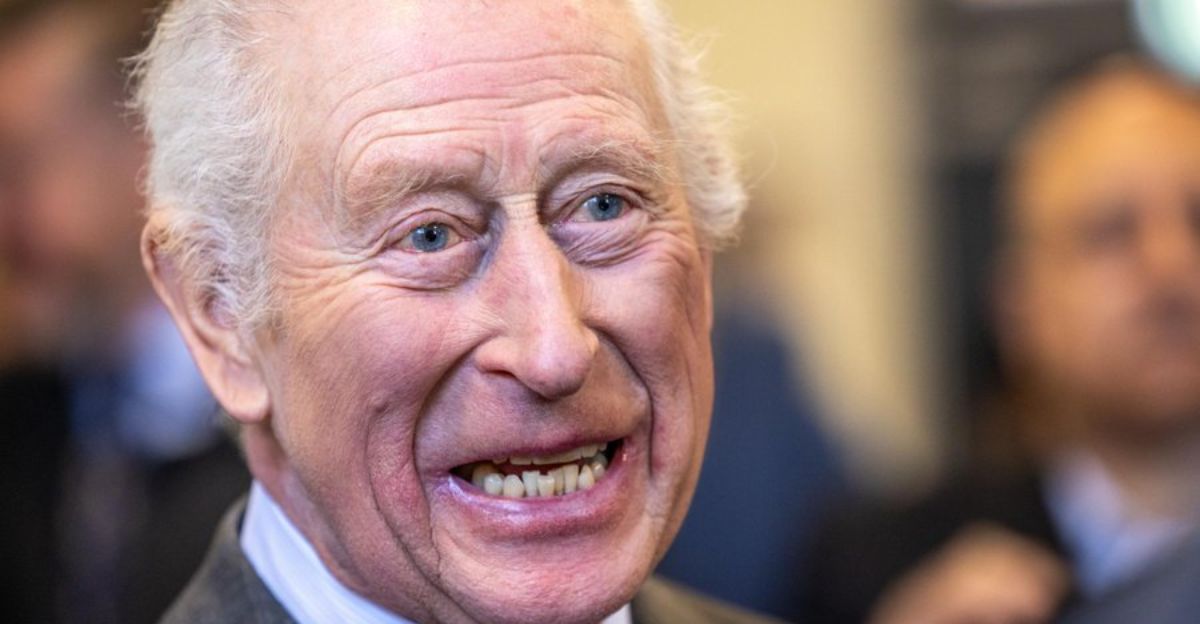
Charles also inherited the Duchy of Lancaster, an 18,000-hectare estate generating about £24.4 million ($32 million) annually, separate from the Sovereign Grant. Unlike Crown Estate profits, Lancaster revenues flow directly to the monarch through the Privy Purse. Charles pays voluntary income tax on portions for personal use, but the amount remains private. In the UK, royal tax affairs are classified as personal. The paperwork behind this secrecy matters.
“Inheritance Tax to Be Paid on The King’s Assets”
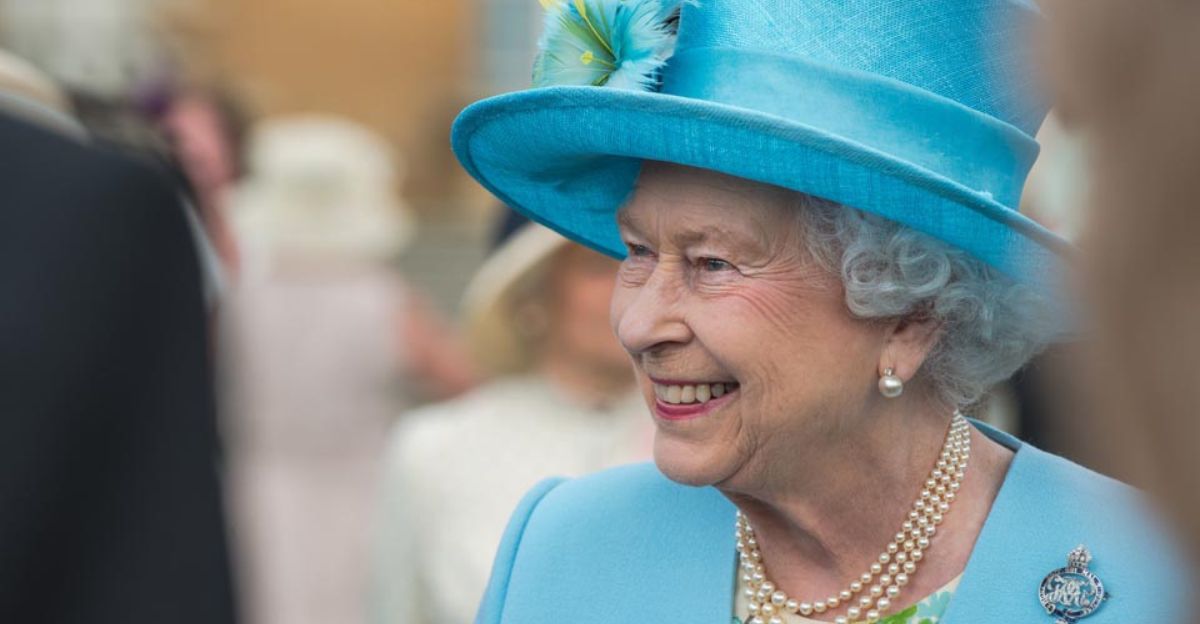
The Memorandum of Understanding is blunt: “Inheritance tax to be paid on The King’s assets, but without regard to those which pass to the next Sovereign.” That line exempted Charles from roughly $200 million in tax when inheriting from Elizabeth. It was framed as preserving assets with “official function,” including Balmoral. Critics argue the logic fails 30 years later, especially as farmers face tighter inheritance rules. The silence from the palace has only amplified questions.
A $500 Million Fortune Locked Away
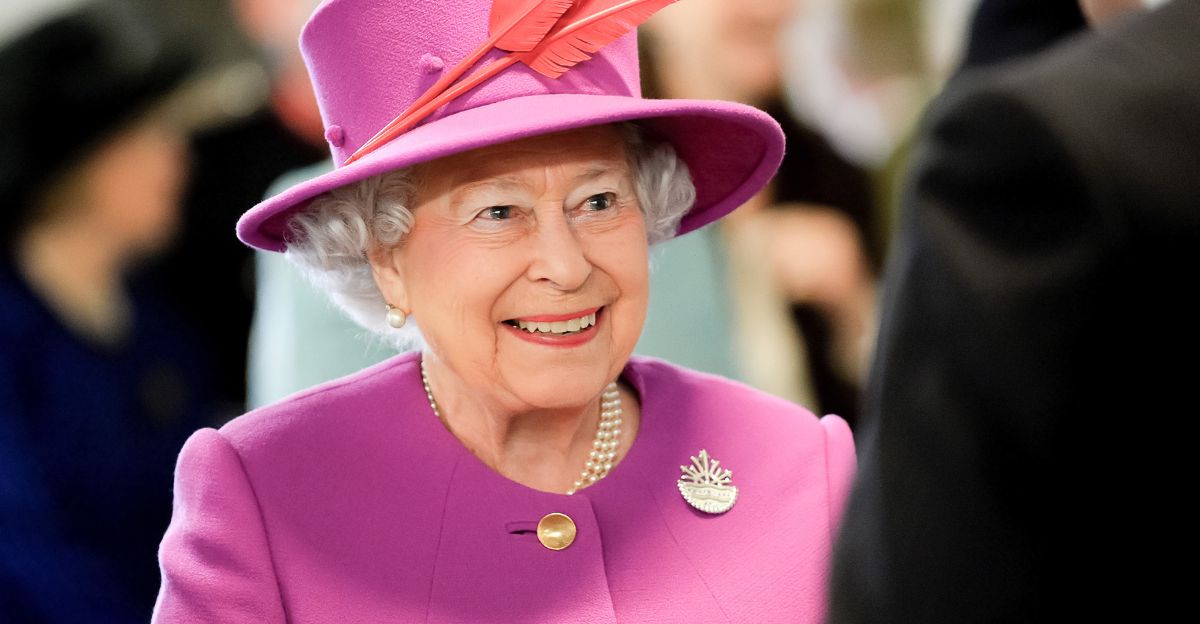
The Queen’s personal will is sealed and is not expected to be opened until about 2112, 90 years after her death. That blocks public accounting of how her $500 million in assets was divided among her family. What is known is limited: Charles received most personal property, while the corgis went to Prince Andrew and Sarah Ferguson. A judge ruled in 2021 that royal wills stay sealed for 90 years before limited review. What else is hidden inside the jewelry vault?
The Nizam Necklace’s $86 Million Mystery

The Nizam of Hyderabad necklace is valued at £66 million ($89 million) and may be the most valuable single item in the royal jewelry collection. Cartier crafted it in the 1930s, and it was gifted to Princess Elizabeth in 1947. Catherine, Princess of Wales, is the only other royal known to have worn it, at a 2014 National Portrait Gallery reception. Experts call it “the gold standard of royal jewelry.” But who ultimately receives it remains unclear.
How Taxpayers Fund Royal Life

Charles also gained access to the Sovereign Grant, taxpayer money meant for official duties and palace maintenance. For 2024-25 it totals £86.3 million ($116 million), about £1.50 per taxpayer. Meanwhile, the Crown Estate generated £1.1 billion in 2024-25, and the formula yields £132 million ($178 million) for 2025-26, based on 12% of profits. Critics argue ordinary citizens cannot access public funding like this. But the loudest claims go even higher.
“The Royals Cost a Lot More Than Publicly Declared”
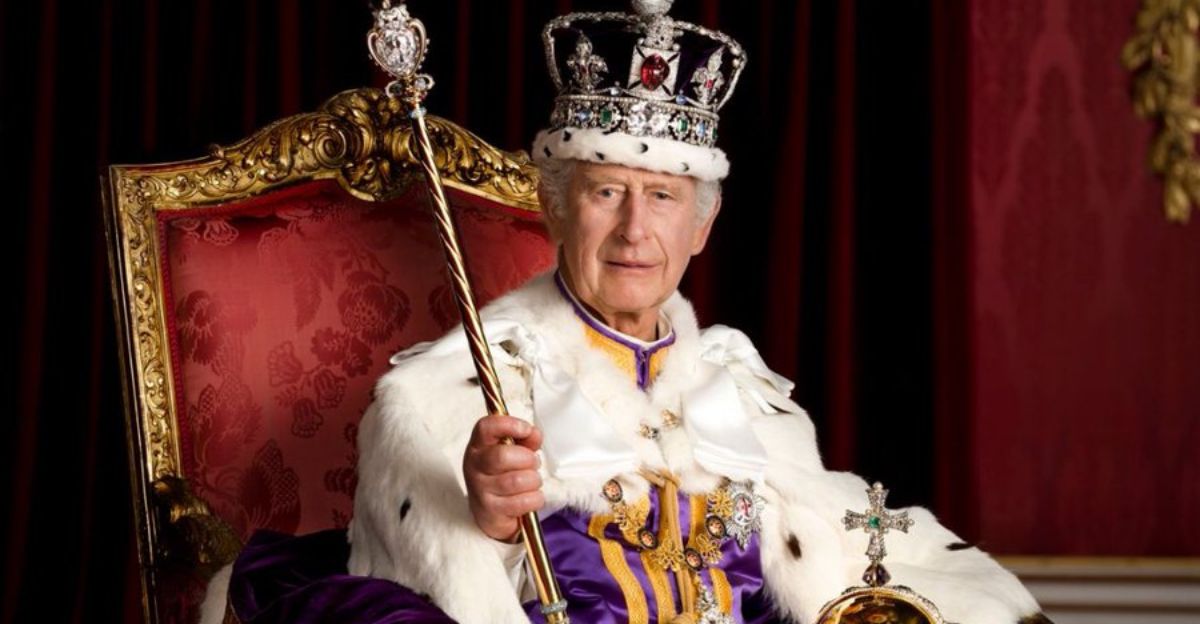
Republic’s 2024 report claimed the monarchy’s true annual cost exceeds £510 million ($670 million), not the officially stated £132 million ($178 million). It includes lost tax revenue from duchy exemptions, security costs estimated at £10-100 million ($13-134 million), property maintenance from public budgets, and utilities. Republic’s director said: “The royals cost a lot more than publicly declared. At least £510m a year.” It compared that to Ireland’s president costing £5 million ($6.7 million). The report raised a new question: who is paying, and where?
Charging The NHS For Royal Land
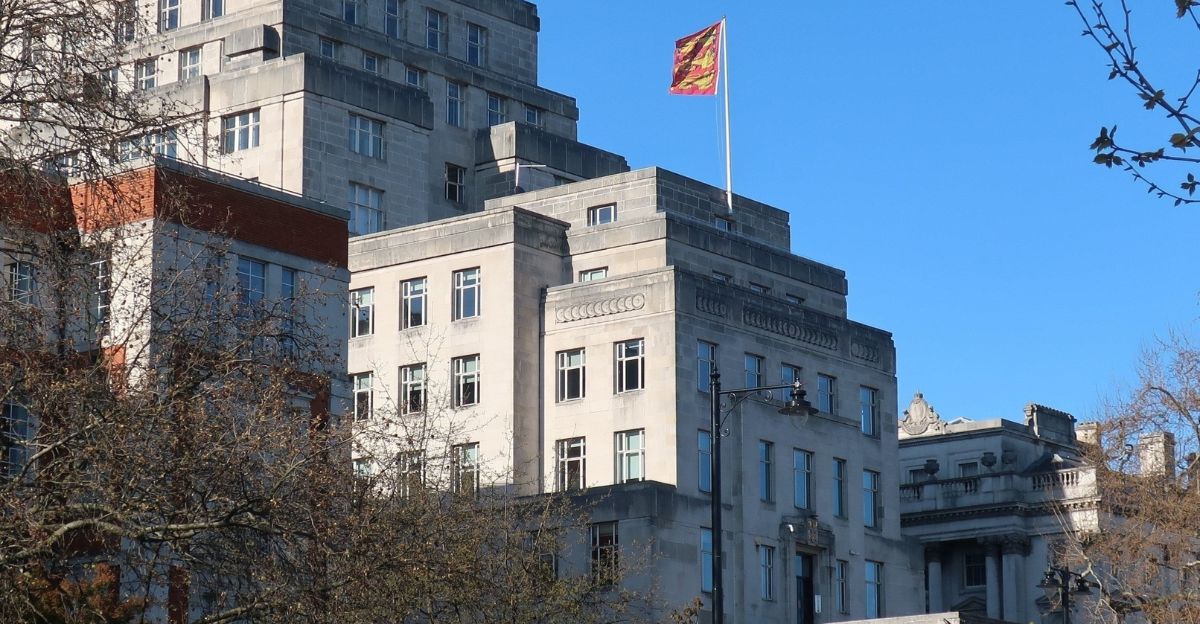
A Channel 4 Dispatches investigation found the Duchy of Lancaster and Duchy of Cornwall charge public services for land use. The NHS is paying the Duchy of Lancaster £11.4 million ($15.3 million) over 15 years for an ambulance warehouse. The Ministry of Justice pays the Duchy of Cornwall £37 million ($49 million) to lease Dartmoor prison for 25 years. The Army trains on duchy land, and the Navy pays mooring fees. A 2013 Parliamentary committee report warned of “unfair competitive advantage.” The politics around this are heating up.
“We’re Being Told the Budget Will Be Painful”

In October 2024, Republic’s director tied royal funding to austerity: “If Rachel Reeves thinks tough decisions are needed, she needs to start with the royals. We’re being told the budget will be painful. Well, if that’s true, the cuts must start at the top.” Activists point to a £45.8 million ($67 million) rise in the Sovereign Grant. Charles’s Lancaster income reached £24.4 million ($32.9 million), and William’s Cornwall income hit £22.9 million ($30.9 million). With 4.5 million children in poverty, the contrast is stark. But the roots go deeper than today’s headlines.
A Medieval Relic Still Running The System

The Duchy of Cornwall rests on a Royal Great Charter issued March 17, 1337, and still moves more than $1 billion in assets to each new heir. It cemented primogeniture, where the eldest son inherits and younger siblings do not. The 2013 Succession to the Crown Act adopted absolute primogeniture for those born after October 28, 2011, allowing eldest daughters to inherit the throne. Yet the Duchy charter was never updated, meaning a female heir could be excluded. Could that contradiction ever reach a courtroom?
Prince Harry’s $8.5 Million Moment Of Truth
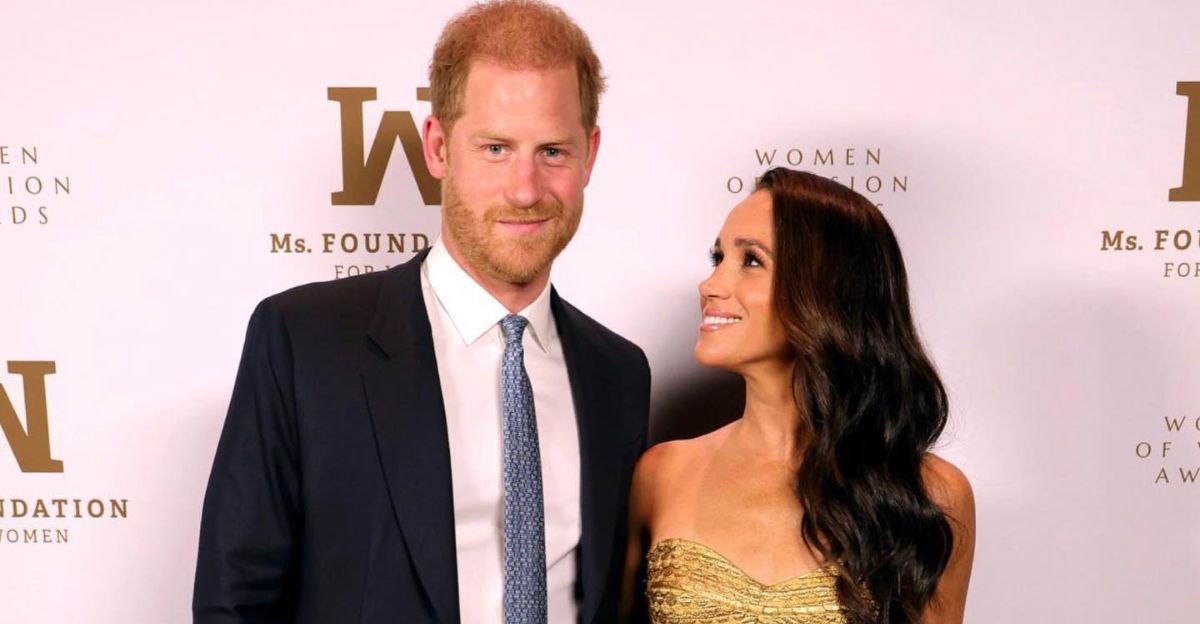
Prince Harry saw a quieter inheritance on his 40th birthday in September 2024: about $8.5 million from a £90 million ($121.5 million) trust set up by the Queen Mother before her death in 2002. Harry and William were meant to receive £6 million ($8.1 million) at 21 and £8 million ($10.8 million) at 40.
Harry’s share was separate from the Queen’s estate and came after stepping back from royal duties in 2020. His net worth is about $60 million, driven by Netflix, “Spare,” and speaking. That contrast highlights the monarchy’s deeper legal shield.
The Crown’s Binding Constitutional Exemption
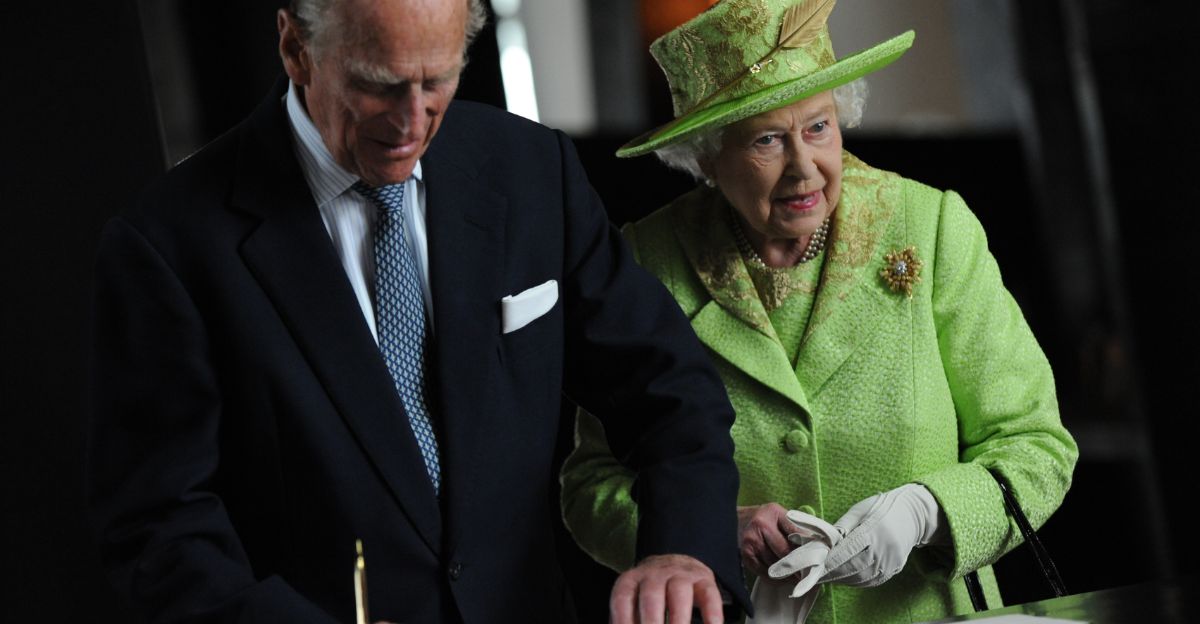
The monarchy benefits from “Crown exemption,” meaning it is exempt from most British laws unless explicitly included. The Inheritance Tax Act 1984 does not bind the Crown, so the monarchy remains exempt. This framework dates to 1066, when William the Conqueror claimed land “in right of the Crown.”
Historically, it prevented royal estates being broken up. Critics say it is anachronistic today. Changing it would require Parliament to legislate explicitly against the exemption, which no government has seriously attempted. That political reluctance fuels the sharpest accusations.
“A Family That Believes It Can Spend Public Money With Impunity”
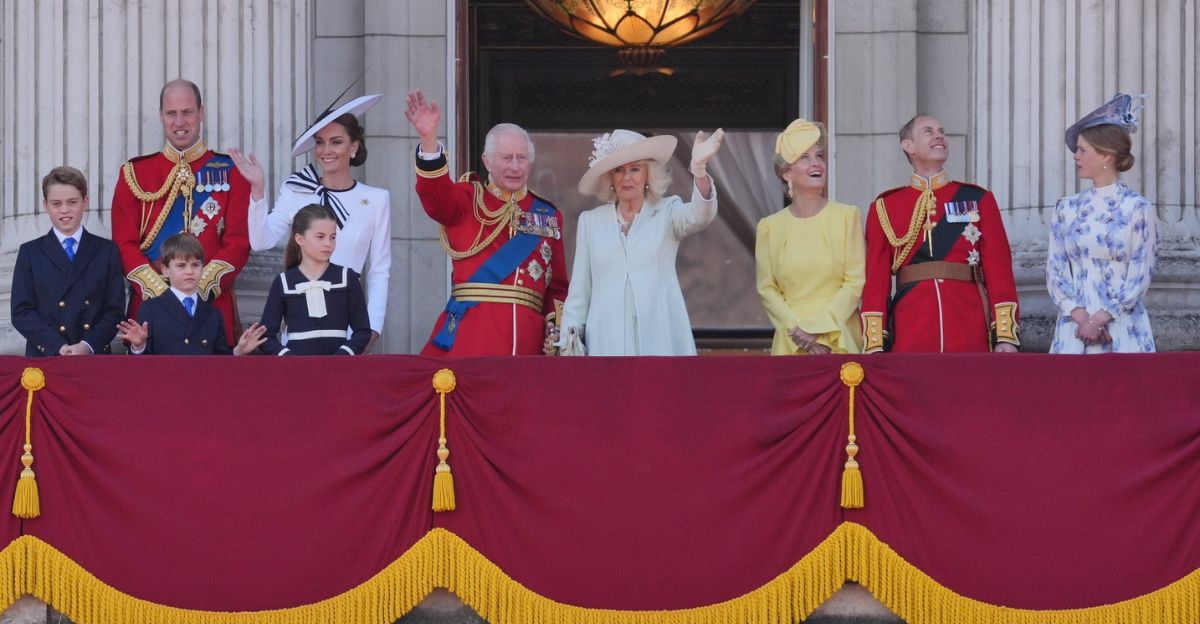
Graham Smith, chief executive of Republic, said: “The half billion pound cost of the royals represents a scandalous abuse of public money. It is the result of royal corruption and secrecy, a family that believes it can spend public money with impunity.” Reform advocates focus on transparency, arguing detailed royal spending remains partly classified.
Annual reports provide headline numbers, but specifics on individual expenses, contract negotiations, and financial decisions stay hidden. That secrecy, they argue, blocks accountability and keeps the public guessing. The next succession could intensify the stakes.
What Happens When William Becomes King?
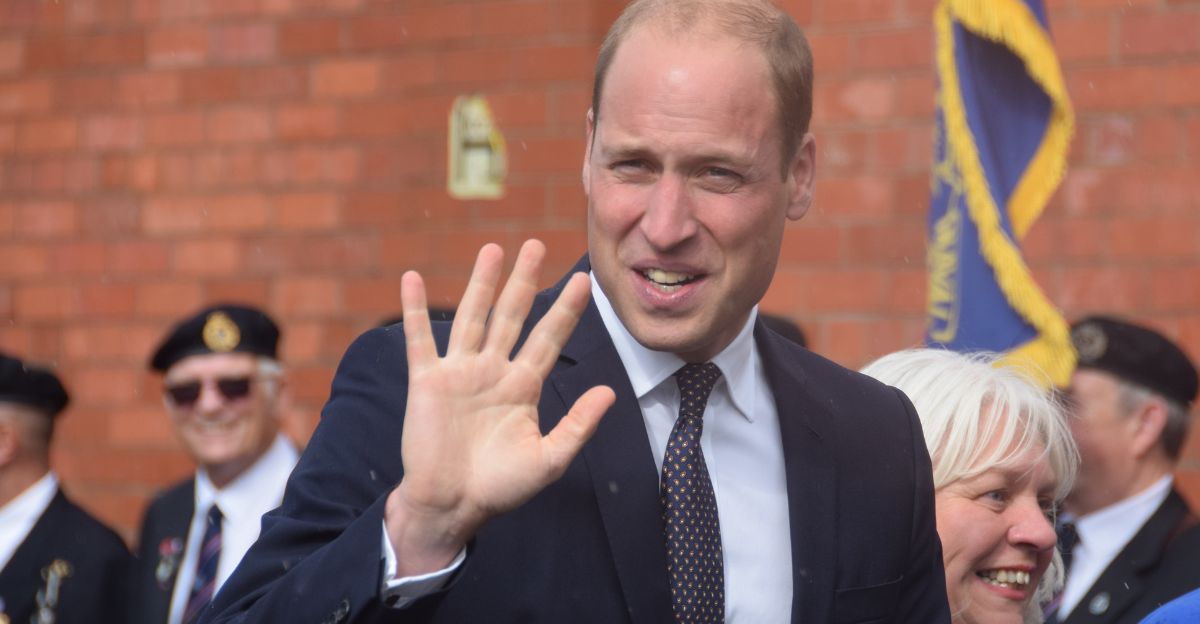
When William becomes King, he will inherit the Duchy of Lancaster, gain custodianship of the Crown Estate, and become entitled to whatever the Sovereign Grant formula yields then. His eldest child, Prince George, would inherit the Duchy of Cornwall, continuing a concentration of wealth operating for nearly 700 years.
Without parliamentary legislation to change inheritance tax rules, duchy arrangements, or Crown exemption, the structure stays intact. That kind of reform would demand rare political will and a challenge to constitutional tradition. But can public pressure force it?
The Question Britain Can’t Ignore
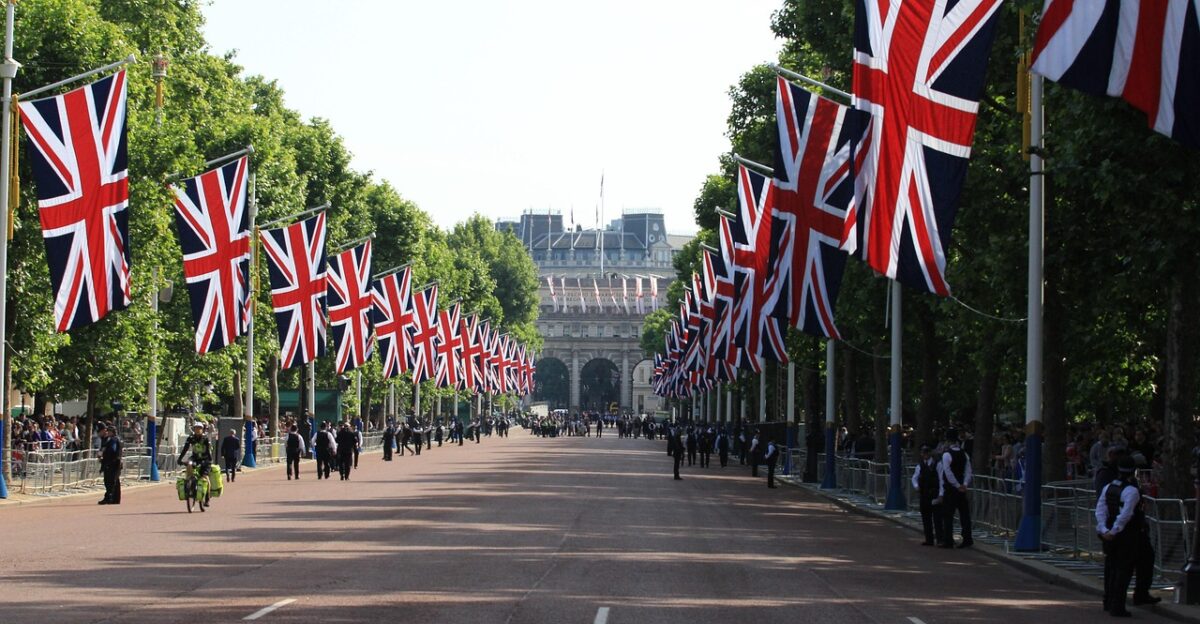
Britain faces child poverty affecting 30% of its youth, NHS waiting lists stretching into years-long delays, and public services under severe budget pressure. That makes one question unavoidable: can the country afford a monarchy that is claimed to cost £510 million ($689 million) annually, while public institutions pay the duchies for basic land use? Supporters argue the Crown drives tourism and protects heritage, creating economic value.
Critics say taxpayer subsidy and legal privilege are disproportionate to measurable return. Without reform, the 1337 charter will keep directing billions to 1 family. Whether voters accept that is the real test ahead.
Sources:
Memorandum of Understanding on Royal Taxation. Her Majesty’s Treasury and Royal Household, July 18, 2023
The Crown Estate Annual Report 2024/25. The Crown Estate Commissioners, July 2025
Duchy of Cornwall Annual Report 2024/25. Office of the Duke of Cornwall, July 2025
Channel 4 Dispatches investigation into the Duchies. Channel 4, 2023
House of Commons Public Accounts Committee report on the Royal Household and tax arrangements. UK Parliament, 2005