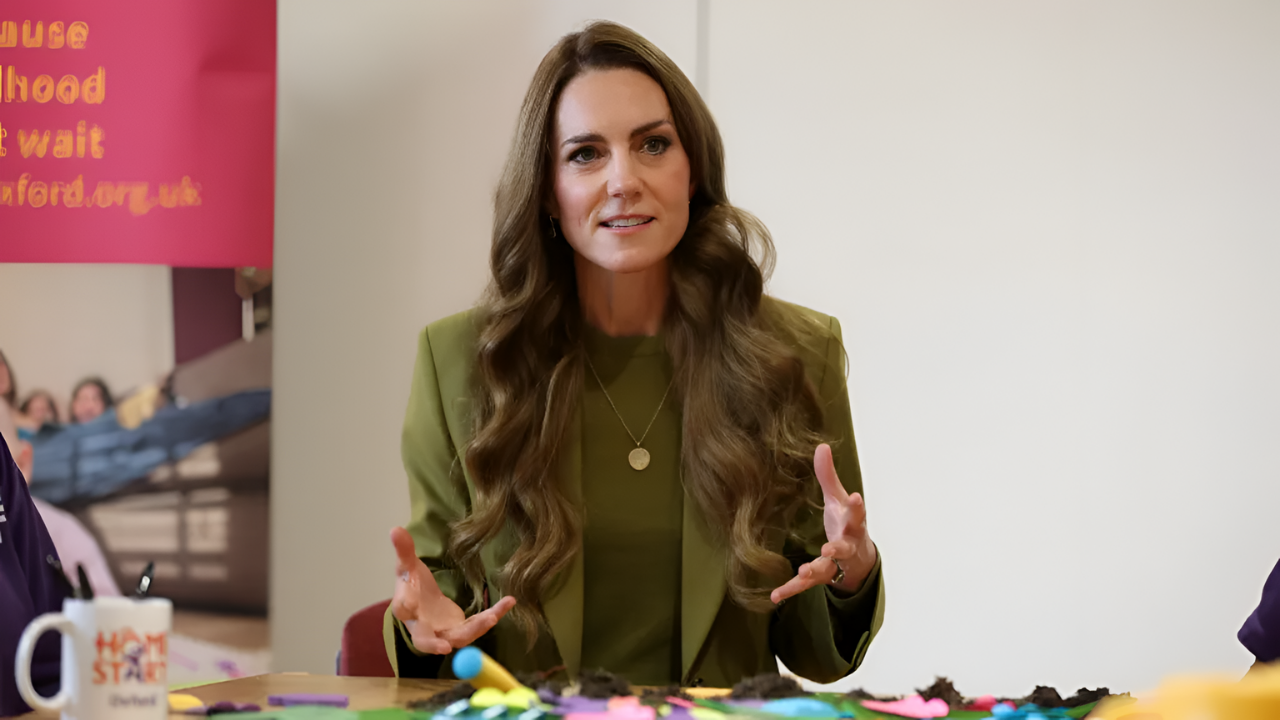
In early 2024, an intensely private medical issue for Catherine, Princess of Wales, collided with the unforgiving dynamics of online culture.
After Kensington Palace announced that she had undergone major abdominal surgery in January and would be out of the public eye for weeks, routine concern quickly morphed into a global storm of speculation.
Across platforms, users dissected her absence, analyzed photographs frame by frame, and spun elaborate theories about her health and marriage. For a royal family accustomed to scrutiny, this was something different in scale and tone: a worldwide, real‑time test of how the monarchy copes with a digital backlash it cannot control.
Escalating Fury
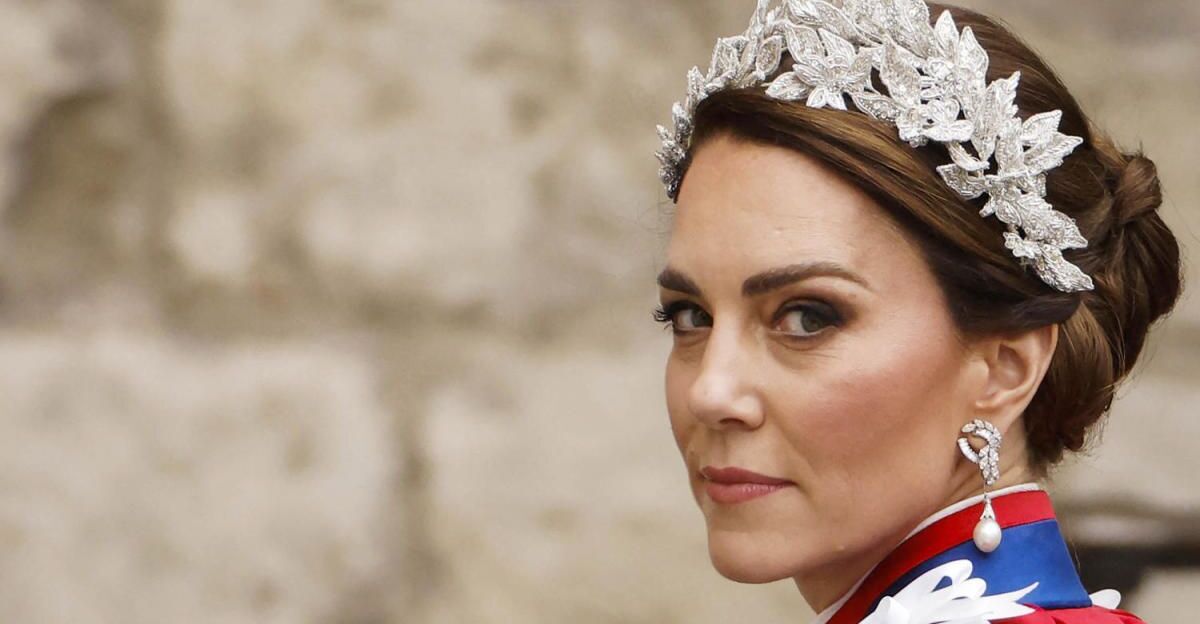
From January through Easter 2024, the Palace’s sparse updates left a vacuum that the internet rushed to fill. Online commentators questioned why there were no new photographs and why details remained undisclosed. Edited or misinterpreted images spread rapidly, feeding a cycle of accusation and ridicule. Observers described the volume and intensity as unprecedented for a health issue involving a senior member of the royal family.
The Cancer Revelation
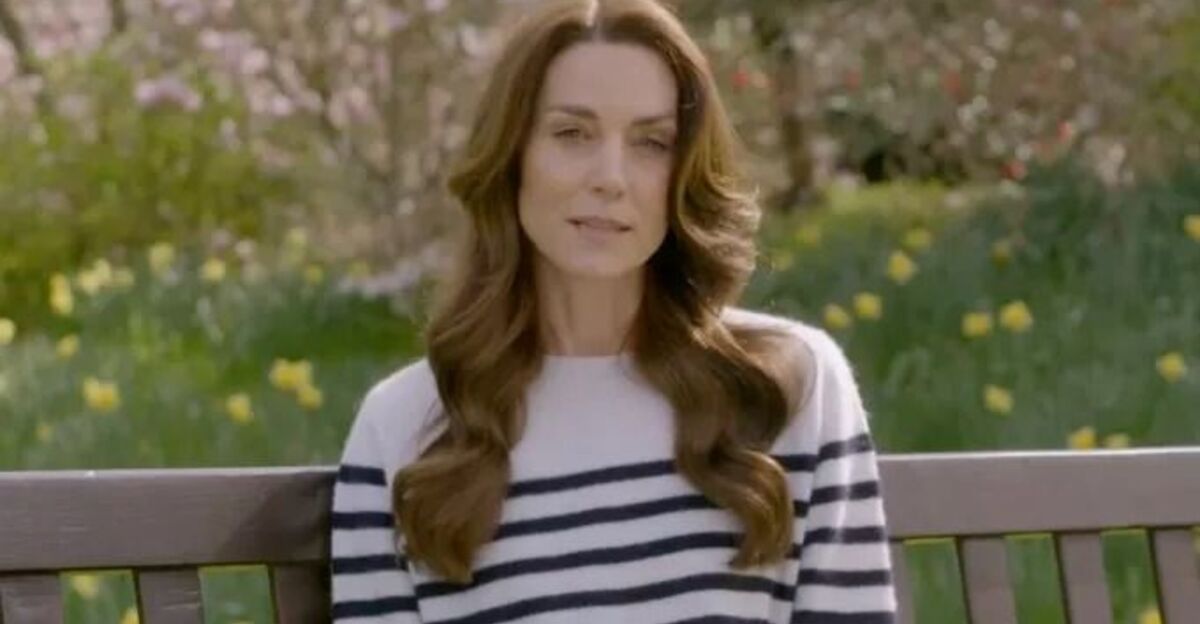
On March 22, 2024, Catherine took the rare step of addressing the world directly in a recorded message. She explained that tests following her January surgery had revealed cancer, and she had begun preventative chemotherapy. The disclosure finally provided the explanation many had demanded. Catherine later described the period as an “incredibly tough” nine months. Prince William characterized 2024 as “brutal,” “dreadful,” and “probably the hardest year in my life.”
Global Backlash and Hidden Amplifiers
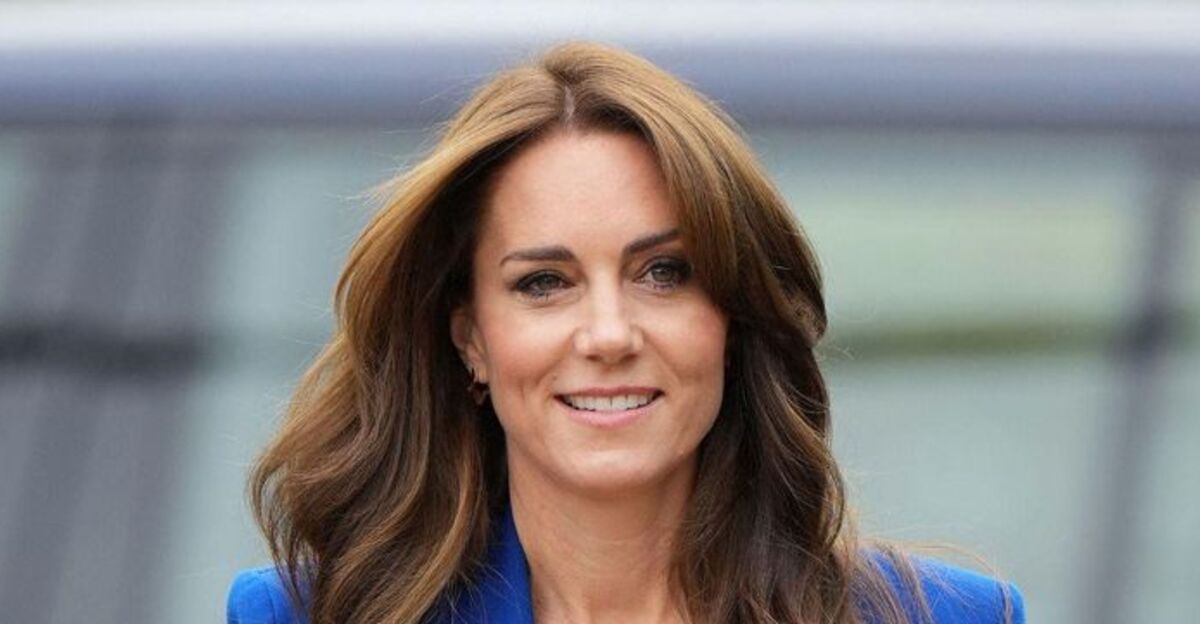
The scrutiny spread beyond British tabloids to U.S. talk shows, European outlets, and countless influencers. Researchers later discovered that some conspiracy narratives did not arise organically. Cardiff University identified 45 accounts linked to the Russian “Doppelgänger” disinformation network promoting false claims about Catherine’s health.
In October 2024, the UK government sanctioned Russian organizations, including the Social Design Agency and Structura, for deliberately stoking confusion, reframing the online frenzy as genuine public curiosity intersecting with targeted foreign interference.
Personal Toll and Expert Perspectives
Throughout treatment, Catherine tried to maintain normalcy for her children while gradually re-entering public life. Historian Amanda Foreman described what happened as “character assassination” by the global internet. Royal biographer Catherine Mayer noted that the Princess is entering a “confident phase” in which she is defining “who she is, what she does, and how much she does.”
Recovery, Return, and a New Role
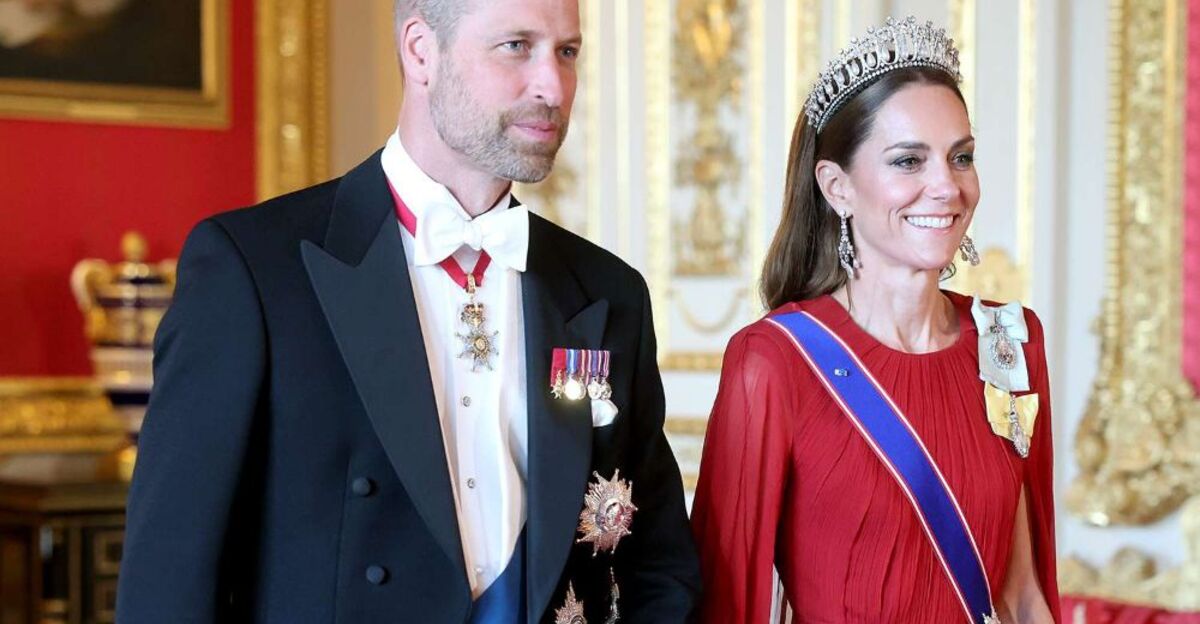
Following her cancer announcement, opinion polling showed an increase in support for Catherine, with many describing her as resilient and “steely.” The Palace staged her return carefully: Trooping the Colour on June 15, 2024, followed by Wimbledon on July 14. By year’s end, she had resumed high-profile royal events. On January 14, 2025, remission was announced. Catherine’s engagements rose from 13 in 2024 to 68 in 2025—a 523% increase.
The larger question is whether the lessons of 2024 will prompt a lasting shift in how the monarchy communicates in a digital age where silence can be weaponized, and whether Catherine’s experience will reshape expectations of resilience at the heart of the crown.