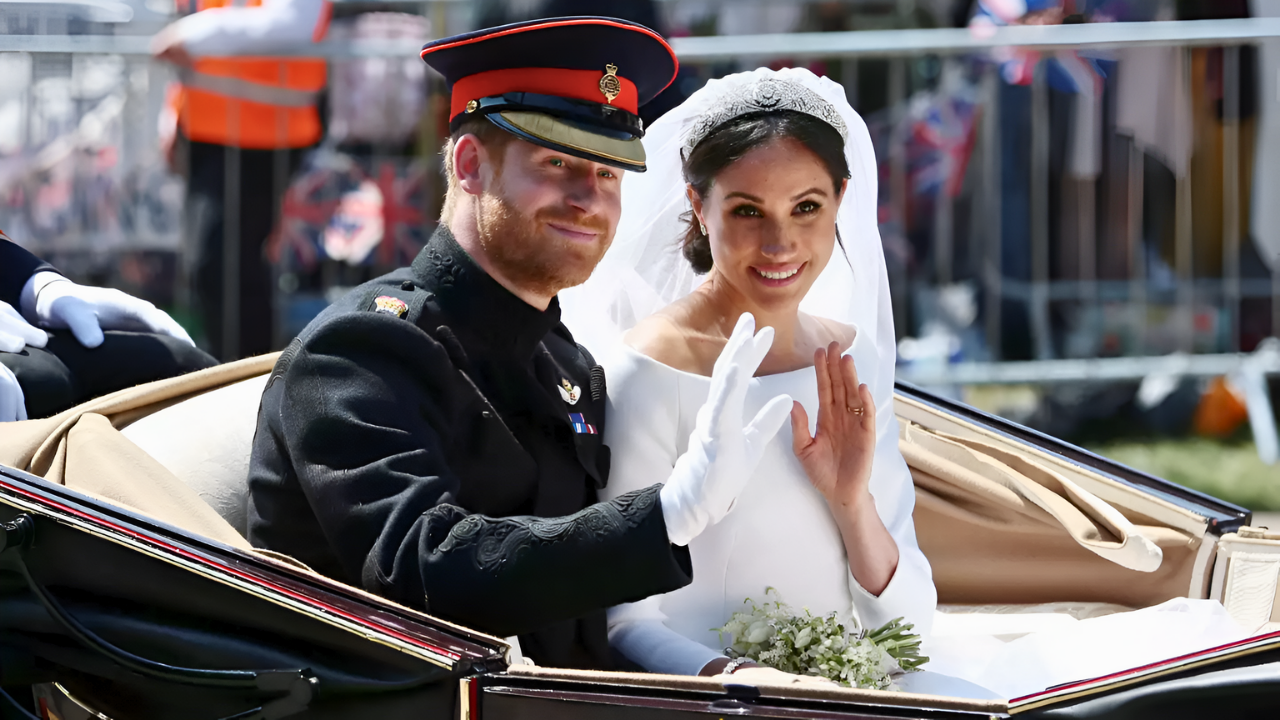
When Prince Harry announced his engagement to American actress Meghan Markle in November 2017, the world celebrated what appeared to be a modern fairy tale. Yet behind palace walls, a different narrative was unfolding. Prince Philip, the Duke of Edinburgh, allegedly delivered a stark nine-word warning to his grandson that would echo through the royal family for years to come, encapsulating deep concerns about the union and hinting at tensions that would ultimately fracture the institution itself.
The Warning
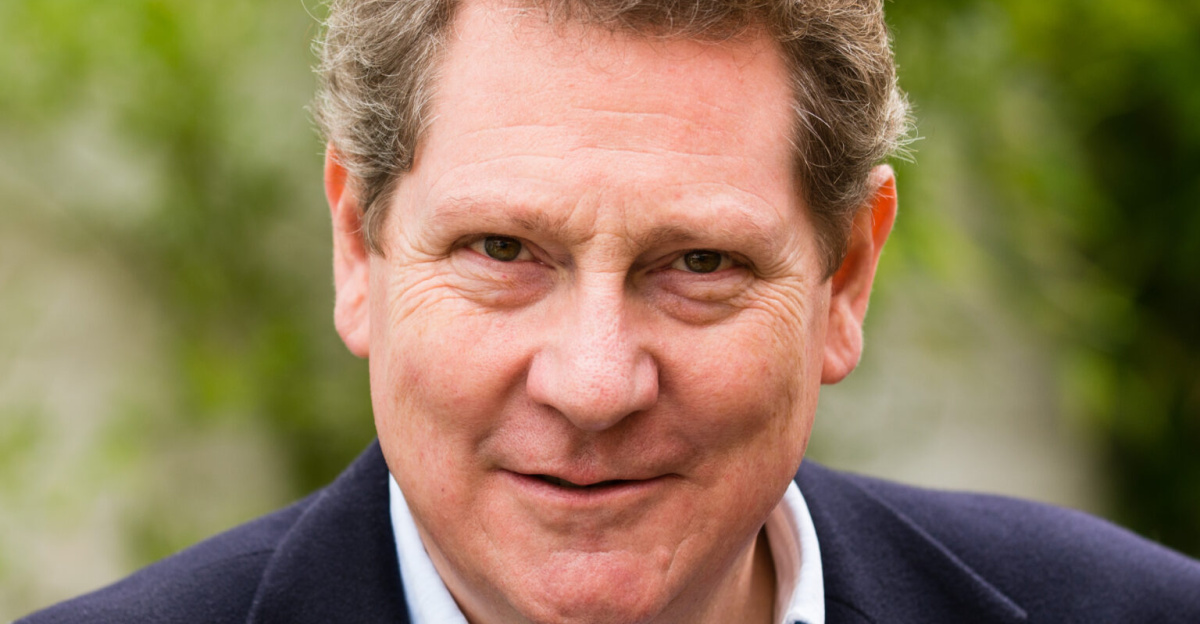
According to royal biographer Andrew Lownie’s 2025 book “Entitled,” Philip told Harry: “One steps out with actresses, one doesn’t marry them.” The statement reflected the Duke’s traditional worldview about royal duty and social propriety—a belief that certain relationships were acceptable for casual involvement but fundamentally incompatible with marriage into the monarchy. Philip viewed Meghan’s acting career as at odds with royal expectations and institutional stability, making his disapproval unmistakably clear at a moment when the couple’s engagement was being celebrated globally.
Historical Echoes
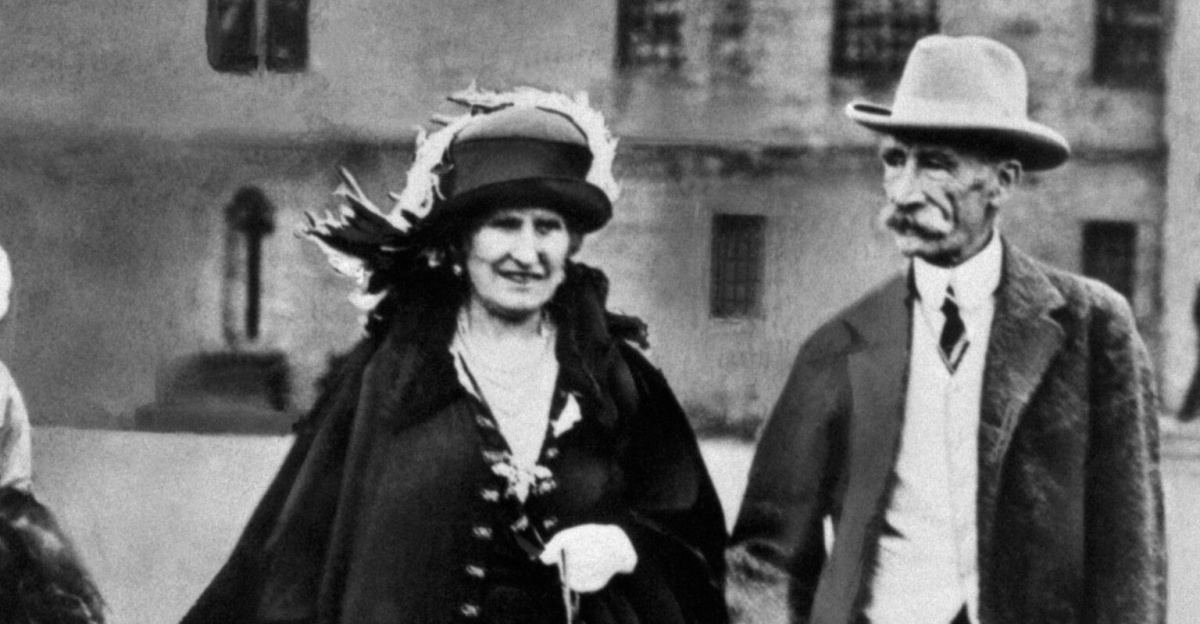
Philip’s skepticism drew an uncomfortable parallel to one of the monarchy’s most destabilizing moments. Royal biographers revealed that Philip allegedly compared Meghan to Wallis Simpson, the American divorcée whose relationship with King Edward VIII precipitated the 1937 abdication crisis. Simpson’s outsider status had been viewed with deep suspicion by the royal establishment, and Edward VIII’s choice to marry her over the crown fundamentally altered the line of succession and brought Queen Elizabeth’s father to the throne.
Philip’s comparison suggested he feared history might repeat itself, with Meghan potentially destabilizing the monarchy through her unconventional background. Some reports indicated Philip privately referred to Meghan using the historical title “Duchess of Windsor.”
Family Doubts Multiply
Philip was not alone in his reservations. Prince William expressed concerns about the pace of the romance, telling Harry the relationship was “too fast” and “too soon.” William worried Harry “didn’t know her well enough,” creating friction between the brothers. These mounting family doubts, combined with Philip’s blunt warning, created an atmosphere of tension and disapproval that would later be described as deeply hurtful.
The Wedding and Its Aftermath
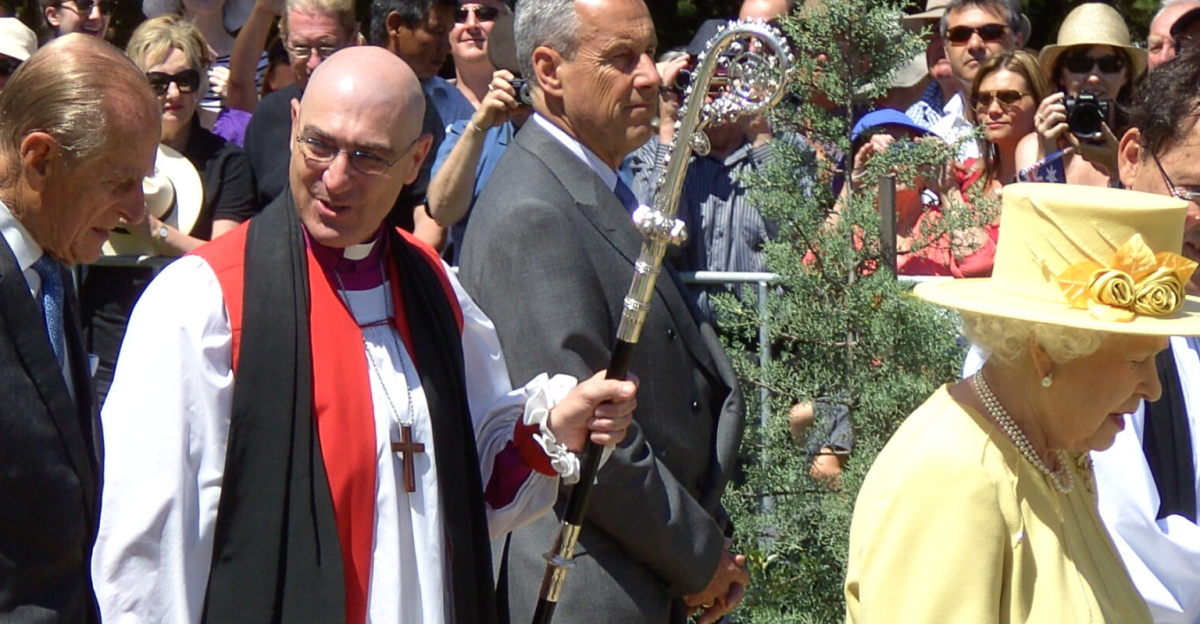
Despite the warnings, Harry married Meghan on May 19, 2018, at St George’s Chapel in Windsor Castle. The ceremony was watched by millions globally and attended by senior royals, including Queen Elizabeth II and Prince Philip himself. According to former royal butler Grant Harrold, Philip allegedly remarked to the Queen as they left the chapel: “Thank f— that’s over,” suggesting resignation rather than celebration.
Less than two years later, the family’s worst fears seemed to materialize. In January 2020, Harry and Meghan announced they were stepping back as working royals to pursue financial independence. A summit at Sandringham House resulted in an unambiguous ruling from the Queen: there could be no halfway role. The couple had to choose between full commitment to royal duty or complete separation from “The Firm.”
The Public Rupture
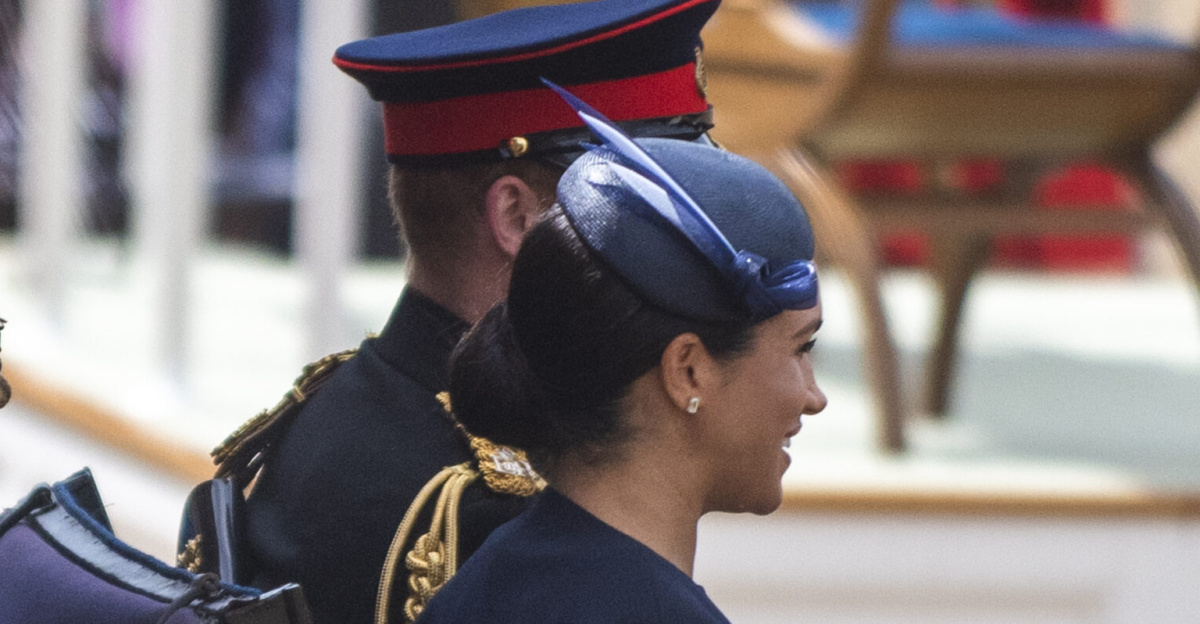
In March 2021, Harry and Meghan sat down with Oprah Winfrey for a bombshell interview that sent shockwaves through the royal establishment. The couple made serious allegations about racism within the royal family and described their treatment as isolating and harmful. According to royal biographer Giles Brandreth, Prince Philip labeled the interview as “madness,” viewing it as a fundamental breach of the unwritten code governing royal behavior and family loyalty.
One of the most painful consequences was Harry’s loss of his role as Captain-General of the Royal Marines—a position he had held since December 2017, succeeding his grandfather. The loss symbolized Harry’s severance from the institution Philip had devoted his life to serving.
A Complex Legacy
Prince Philip died on April 9, 2021, at age 99, without witnessing a full reconciliation with his grandson. He never saw whether Harry and Meghan’s life in California would stabilize or whether family wounds would eventually heal.
Nearly seven years after Philip’s warning, the fundamental question remains unresolved: would the marriage have succeeded differently had Harry heeded his grandfather’s counsel? The couple now lives in California with their two children, pursuing independent ventures while maintaining a strained relationship with the royal family. Philip’s prediction about instability proved accurate, though perhaps not in the way he anticipated. As the monarchy continues to grapple with modernization and institutional change, Philip’s warning stands as a historical marker—a moment when tradition and transformation collided, and the institution chose rigidity over adaptation.
Sources
Andrew Lownie, “Entitled: The Rise and Fall of the House of York” (2025)
Grant Harrold, “The Royal Butler: My Remarkable Life in Royal Service” (2025)
Giles Brandreth, royal biographer accounts and interviews
Ingrid Seward, royal family biography works and documented accounts
Robert Jobson, royal biographer documented accounts
Prince Harry, “Spare” memoir (2023)
Woman&Home, November 2025 royal coverage