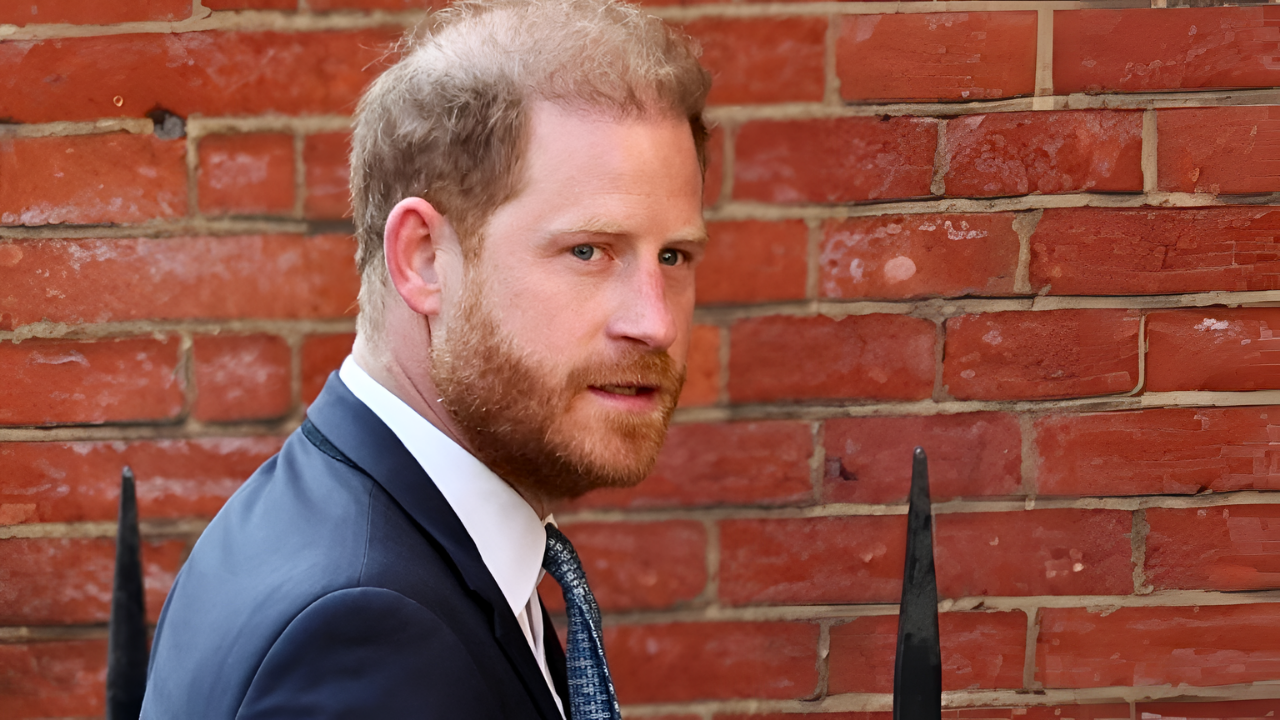
Prince Harry steps off the plane at London’s Heathrow, ready to face another legal battle, but this time, the stakes are even higher. His fight isn’t just with a tabloid publisher—it’s with the British government over his security, and for the first time in nearly six years, the pressure may finally be enough to bring about a change.
For nearly as long as Harry and Meghan have been separated from the UK, this unresolved security issue has loomed large over their family.
Now, as Harry stands on British soil again, there’s a glimmer of hope that his family may be able to return. What’s unfolding behind palace walls could change everything.
A Crushing Defeat
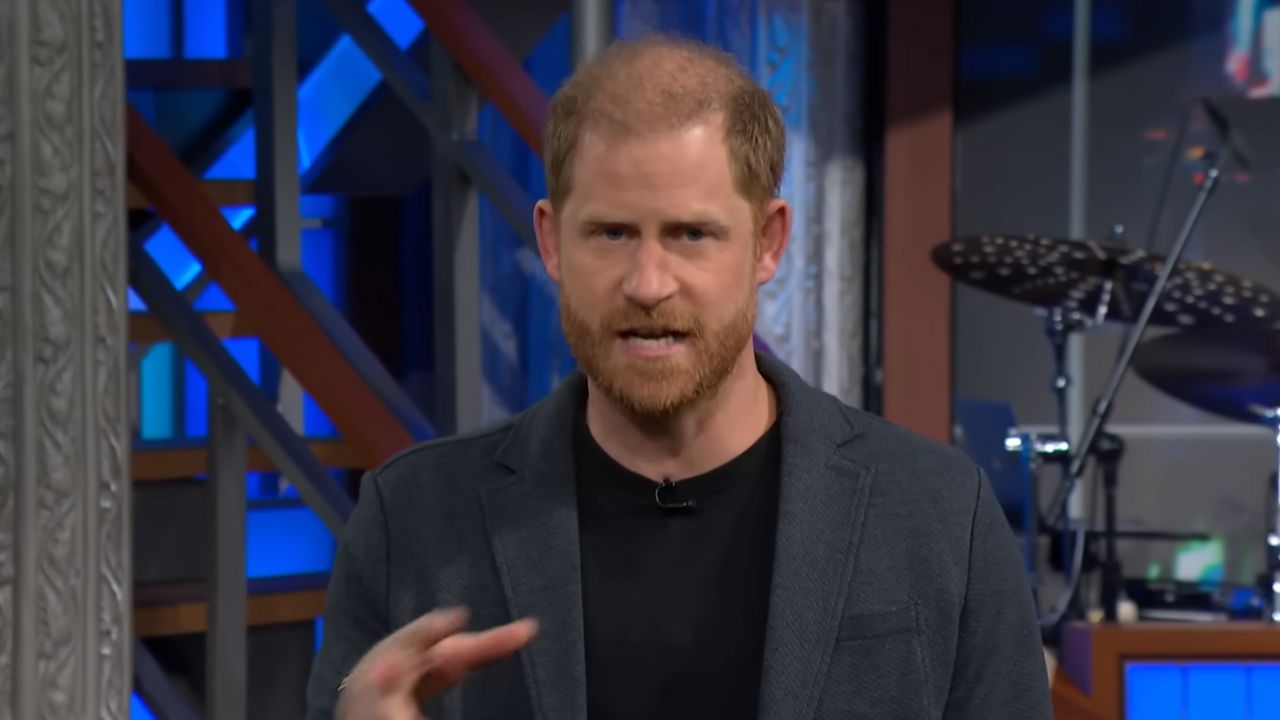
In May 2025, Harry suffered a significant legal defeat when the UK Court of Appeal rejected his bid for taxpayer-funded armed protection.
The court ruled that his argument did not hold legal merit, ending a long battle involving judicial reviews and public advocacy.
This ruling appeared to close the door on his efforts, as government lawyers defended the case, stating that security decisions were legally justified for non-working royals.
The Emergence of a Critical Gap
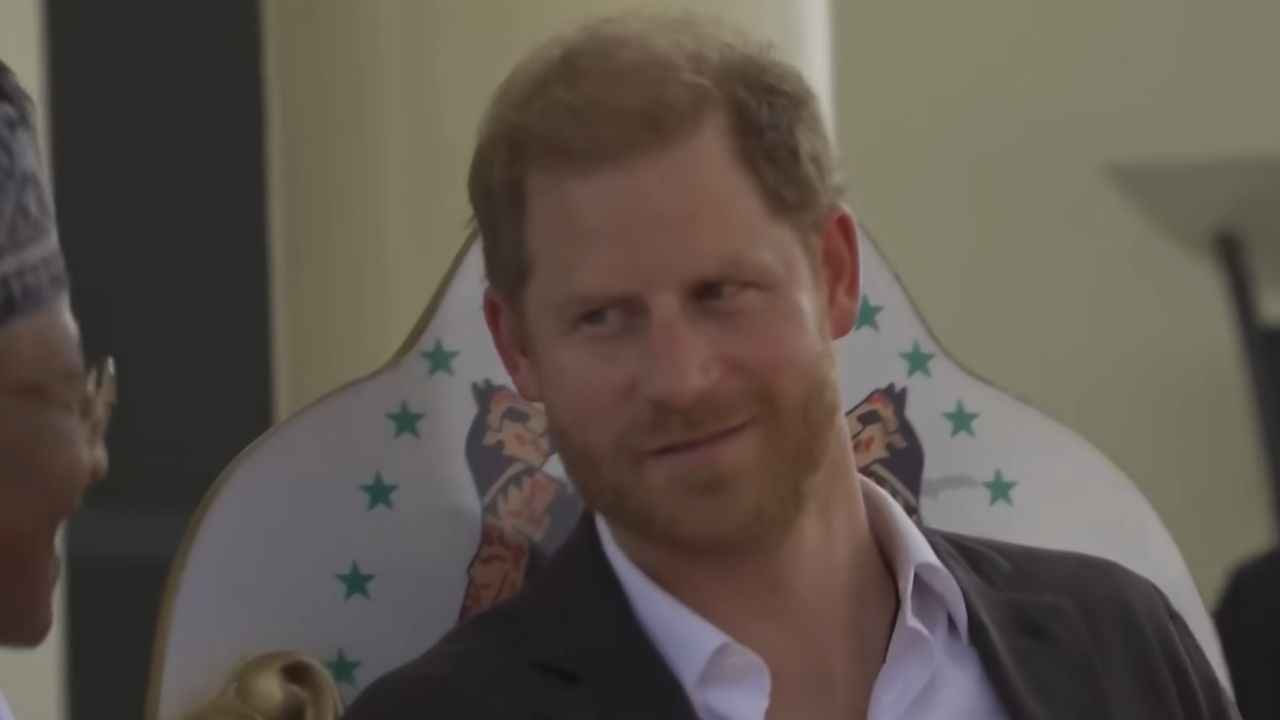
Amid the court case, a troubling procedural issue surfaced: Prince Harry had not undergone a formal threat assessment by the Risk Management Board (RMB) since April 2019.
This oversight became a key part of Harry’s argument, suggesting that legal battles over protection lacked updated intelligence.
While the government’s stance held in court, the procedural gap—combined with new security risks in 2025—shifted the pressure toward a reassessment.
A Stalker Threatens Harry’s Safety
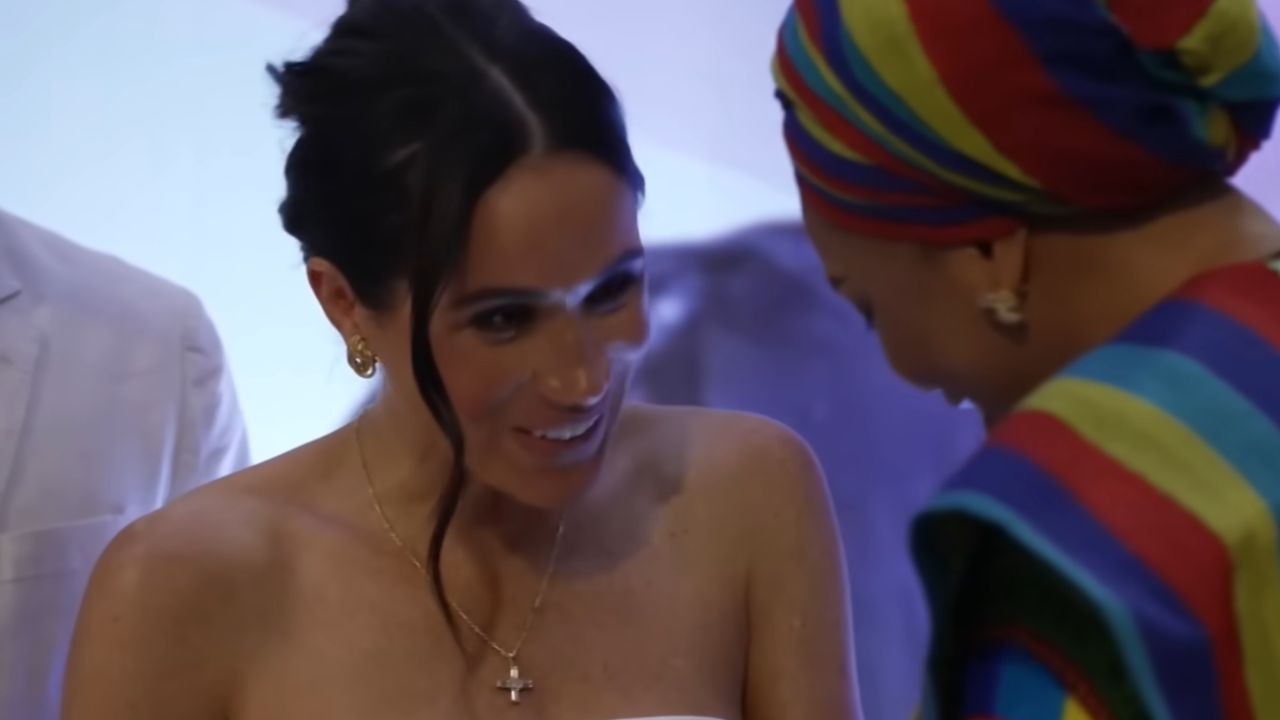
In September 2025, a stalker breached security at two public events Harry attended, highlighting the real physical danger he faced.
The woman managed to get close to Harry on multiple occasions, including an alarming security breach at the Royal Lancaster Hotel on September 9 and two days later at the Centre for Blast Injury Studies.
These incidents, confirmed by police, shifted public opinion. Harry’s security concerns went from abstract debates to tangible threats, providing undeniable evidence for his case.
Major Shift: First Full Reassessment in Six Years
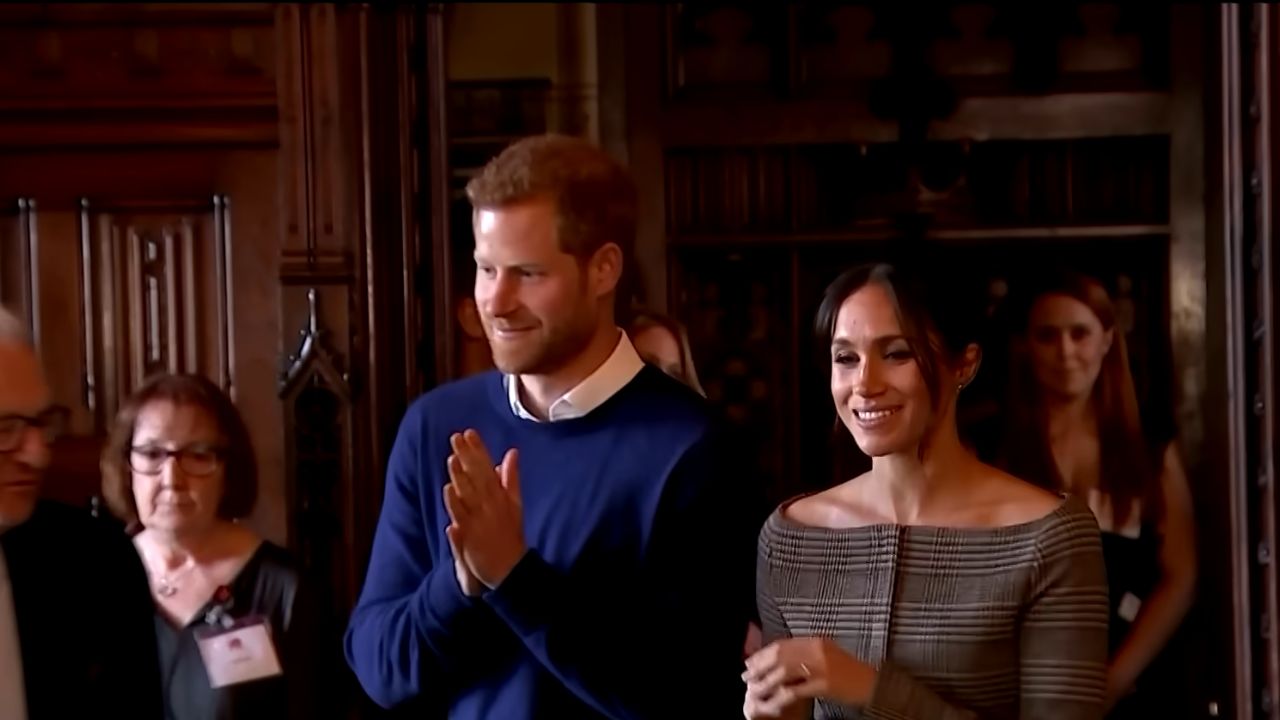
In December 2025, the Royal and VIP Executive Committee (Ravec) ordered its first comprehensive threat assessment of Prince Harry in nearly six years.
This decision followed a personal appeal from Harry to Home Secretary Shabana Mahmood shortly after her appointment to the position on September 5, 2025. This reassessment represents a major shift in government policy, as previous requests for a review had been denied.
While some reports suggest optimism about the outcome, the decision-making process remains ongoing and no final determination has been made.
What a Security Restoration Would Mean
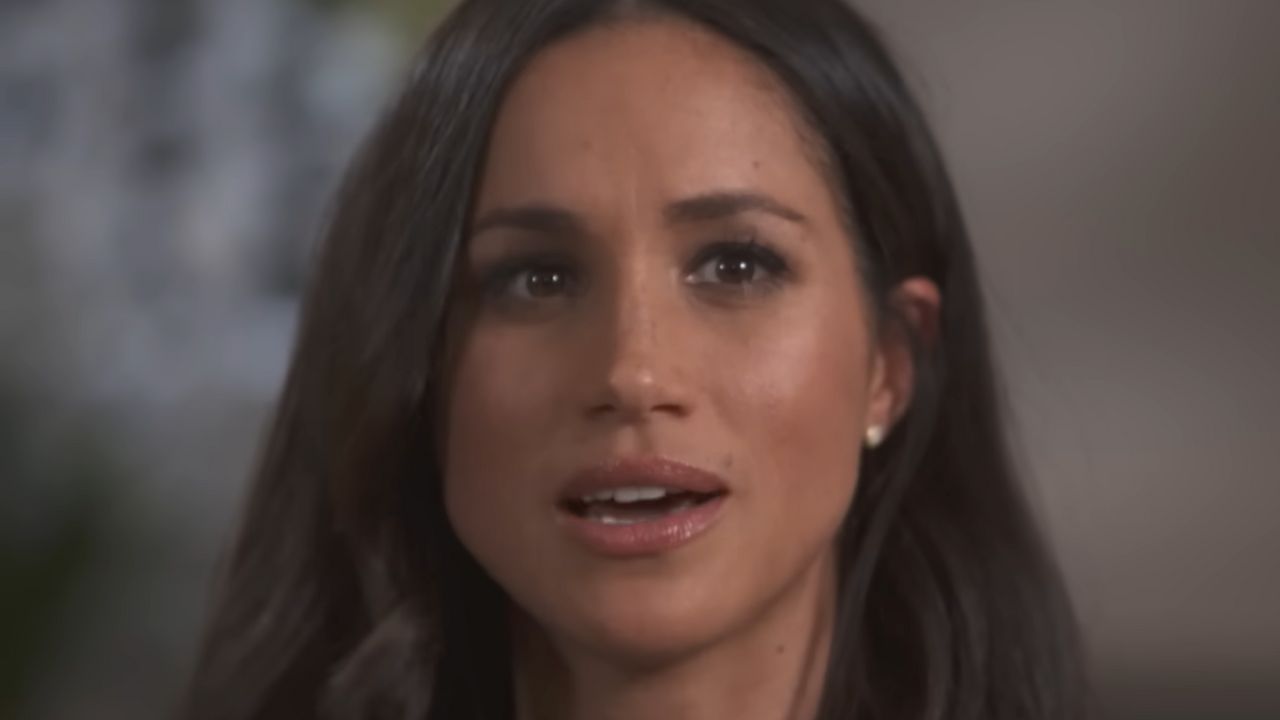
If Ravec approves armed protection, it would not only affect Harry but also provide a path for Meghan and their children to visit the UK.
Harry has repeatedly emphasized that he cannot bring his family to Britain without proper security, telling the BBC in May 2025: “I can’t see a world in which I would be bringing my wife and children back to the UK.”
This decision could finally allow Meghan and their children to experience extended stays in Harry’s homeland, something they’ve avoided since their brief visit for the Queen’s Platinum Jubilee in June 2022.
The Personal Cost of Remaining Away
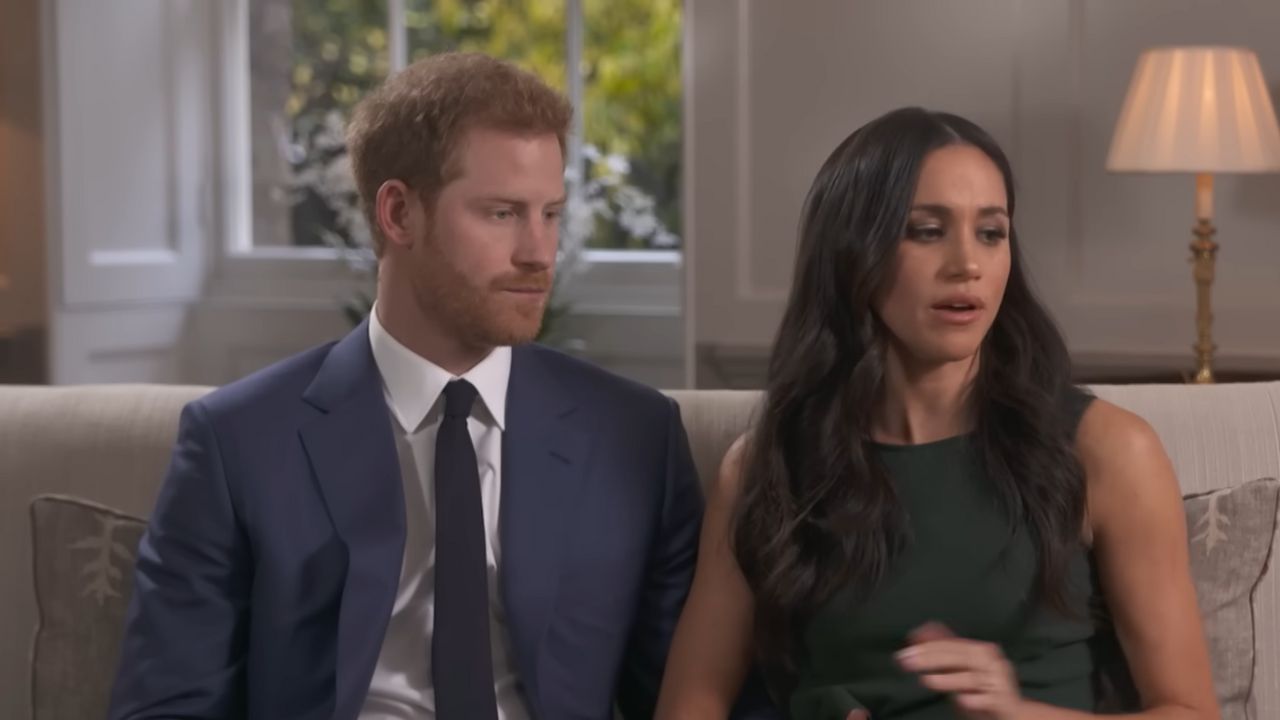
The impact of this prolonged separation has been immense for Harry’s family. Princess Lilibet, born June 4, 2021, has spent very little time in the UK, and Prince Archie, born May 6, 2019, has few memories of his homeland.
For Harry, the emotional toll is clear: explaining to his children why he feels it’s unsafe for them to visit the UK and seeing them grow up disconnected from the royal family.
The ongoing security situation has made normal family life, including visits to the UK, almost impossible without protection Harry considers adequate.
Ravec’s Role and Decision-Making Power
Ravec consists of senior officials from the Home Office, the Metropolitan Police, and the Royal Household. The body’s role is to evaluate security threats and decide on the protection levels required. The Risk Management Board, a subgroup of experts, conducts threat assessments.
Final decisions are made by an independent chair, who considers both the technical assessment and broader policy implications. The structure allows decisions to be reviewed internally, but not easily overturned.
Why the Home Office Changed Its Stance
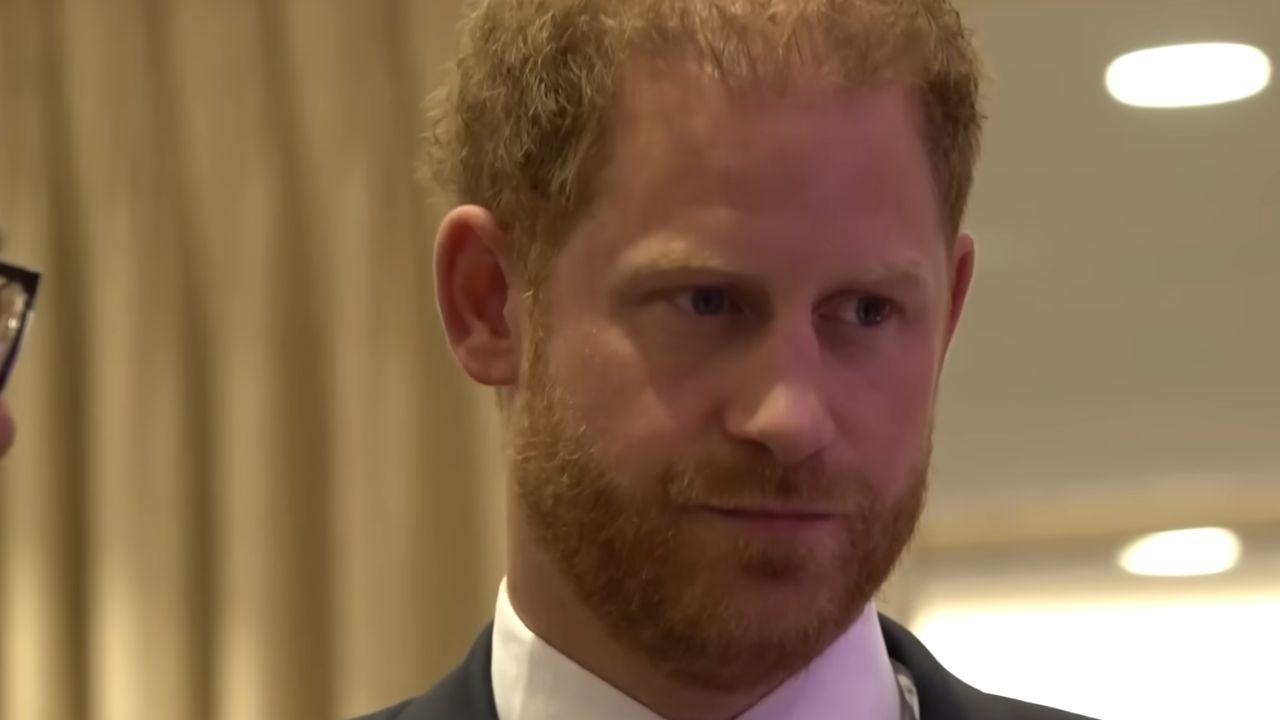
The Home Office’s shift in December 2025 was influenced by multiple factors. The 2025 court case exposed gaps in security assessments, while the stalking incidents offered concrete evidence of threats. Additionally, there was growing political pressure to reconsider the refusal for a reassessment.
The government now views the review as an opportunity to ensure decisions are based on current intelligence rather than outdated assessments from April 2019.
The Process Is Still Ongoing
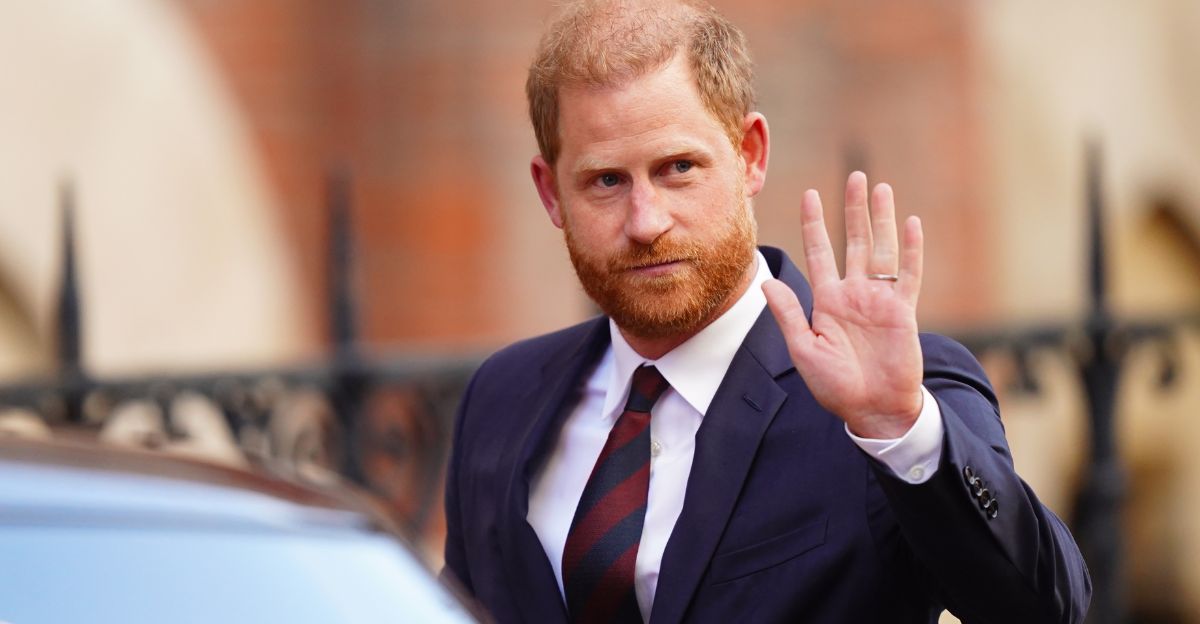
Despite speculation that Harry’s security will be reinstated, multiple media reports from January 2026 emphasize that the reassessment is still in progress. While some sources believe a decision will be reached in the coming weeks, uncertainty remains until the official announcement.
Prince Harry is in the UK this month for his trial against Associated Newspapers, which begins on January 19, 2026. The timing of the trial could influence the security reassessment.
Timing of the Security Review
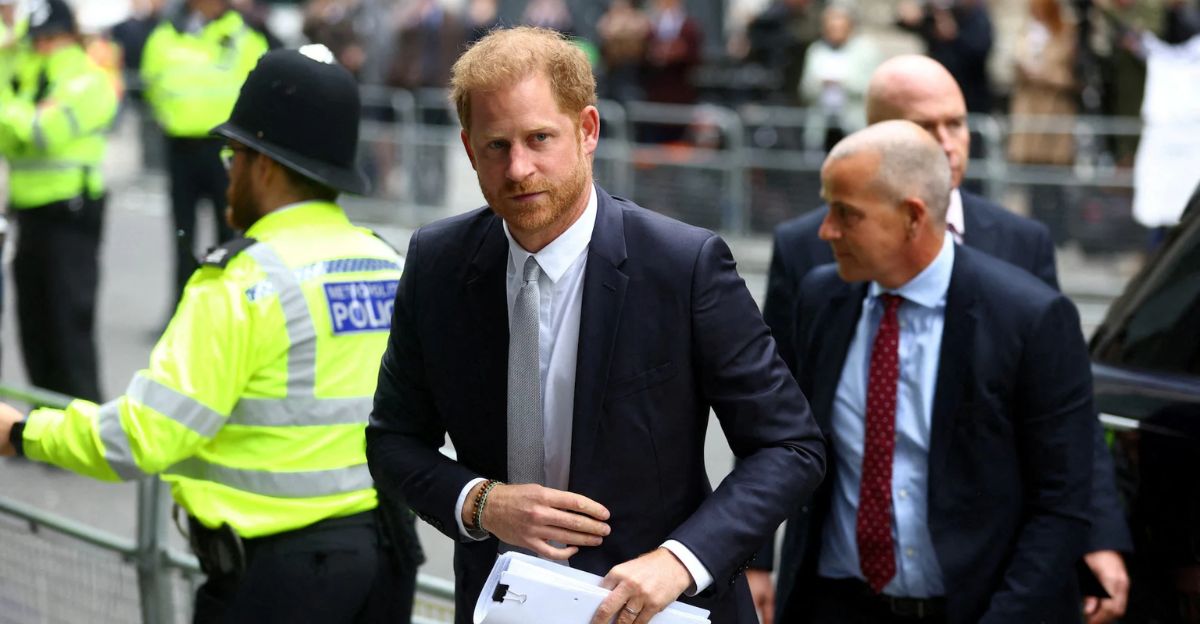
As Harry faces public scrutiny, his current security arrangements—deemed insufficient by his legal team—could strengthen the argument for restoring armed protection, especially as he faces increased media attention during the trial.
Harry has publicly expressed concern that representatives from the Royal Household sit on Ravec, stating in interviews that he was shocked to learn of their involvement in security decisions.
Palace vs. Home Office: Tension Behind Closed Doors
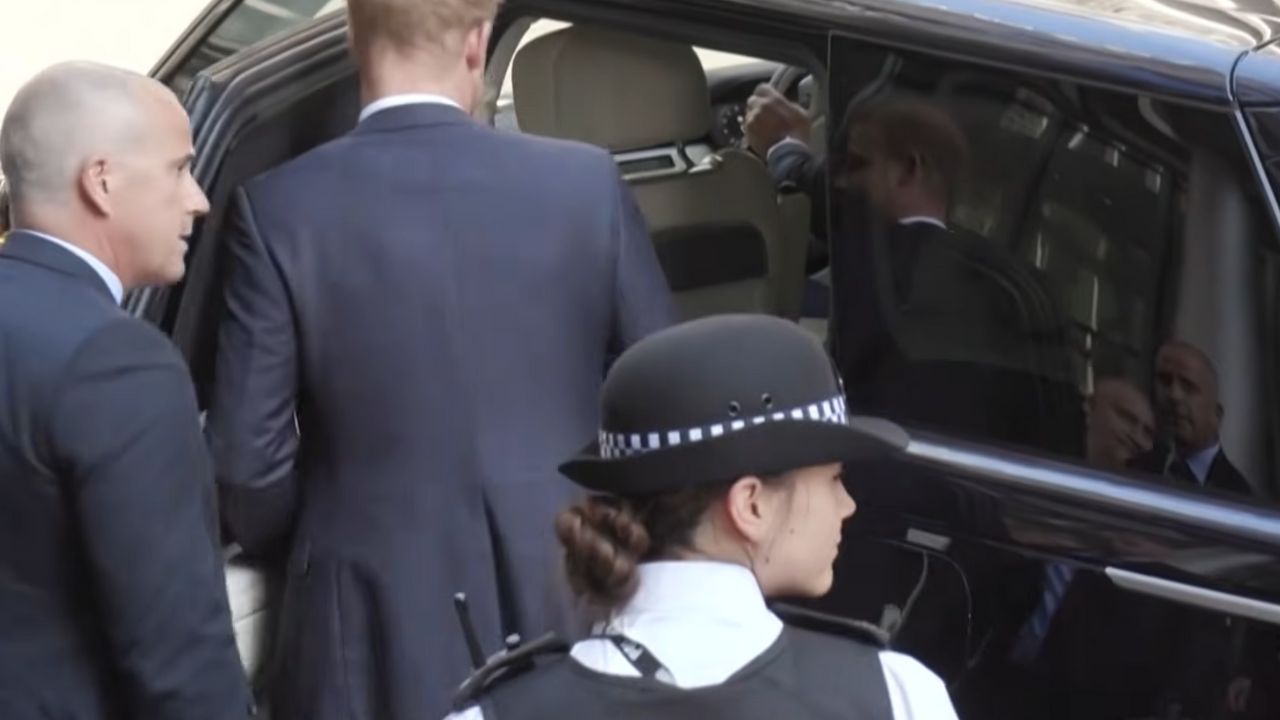
The committee’s structure includes representatives from multiple bodies, with final decisions resting on an independent assessment of threat intelligence. The decision hinges on a careful evaluation of current security risks.
Royal analysts remain cautiously optimistic about Harry’s chances. The formal review process creates continued uncertainty, with many believing the decision will come in the next few weeks. Security experts caution that the formal process will determine the outcome.
The Role of King Charles in the Debate
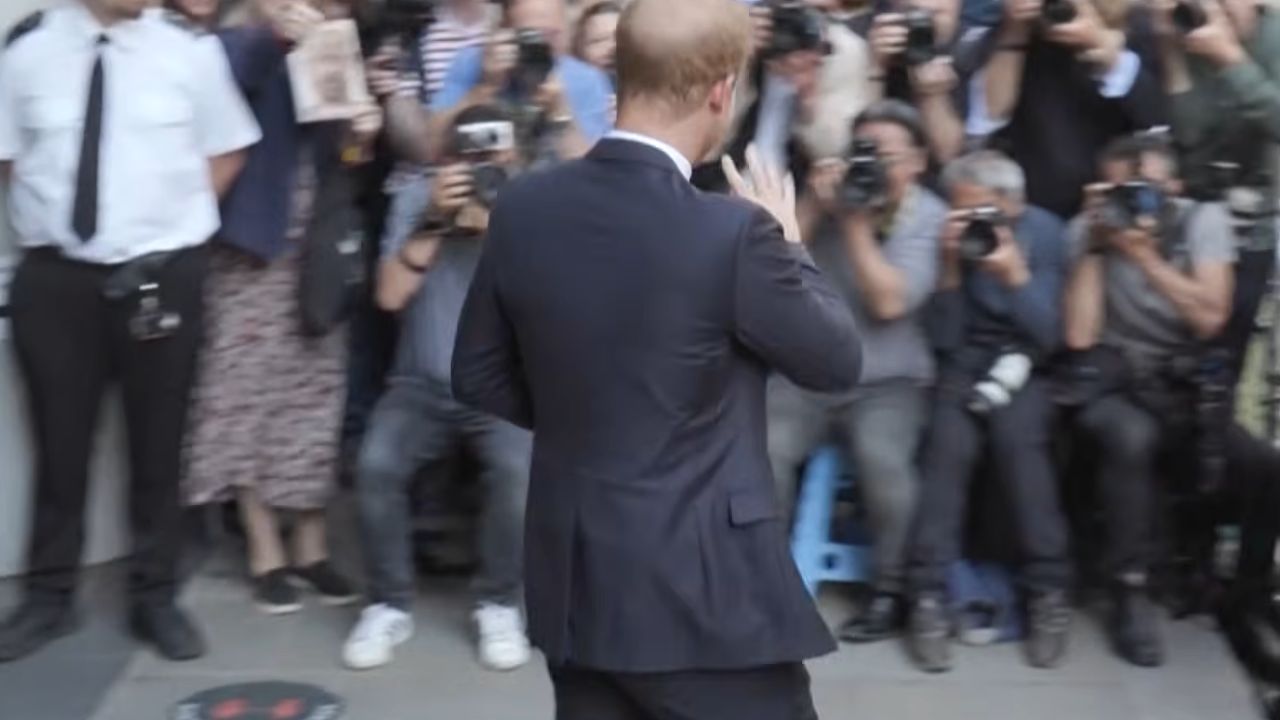
Harry has expressed concerns in past interviews about the Royal Household’s influence on security decisions, though the government maintains that Ravec operates independently. The King announced on December 12, 2025, that he would reduce his cancer treatment in 2026, though he continues his duties.
His ongoing treatment adds an emotional dimension to the narrative. If Harry’s security is restored, it would provide a reason for Harry to return to Britain to visit his father during his recovery.
Will Ravec Recommend Restoring Security?
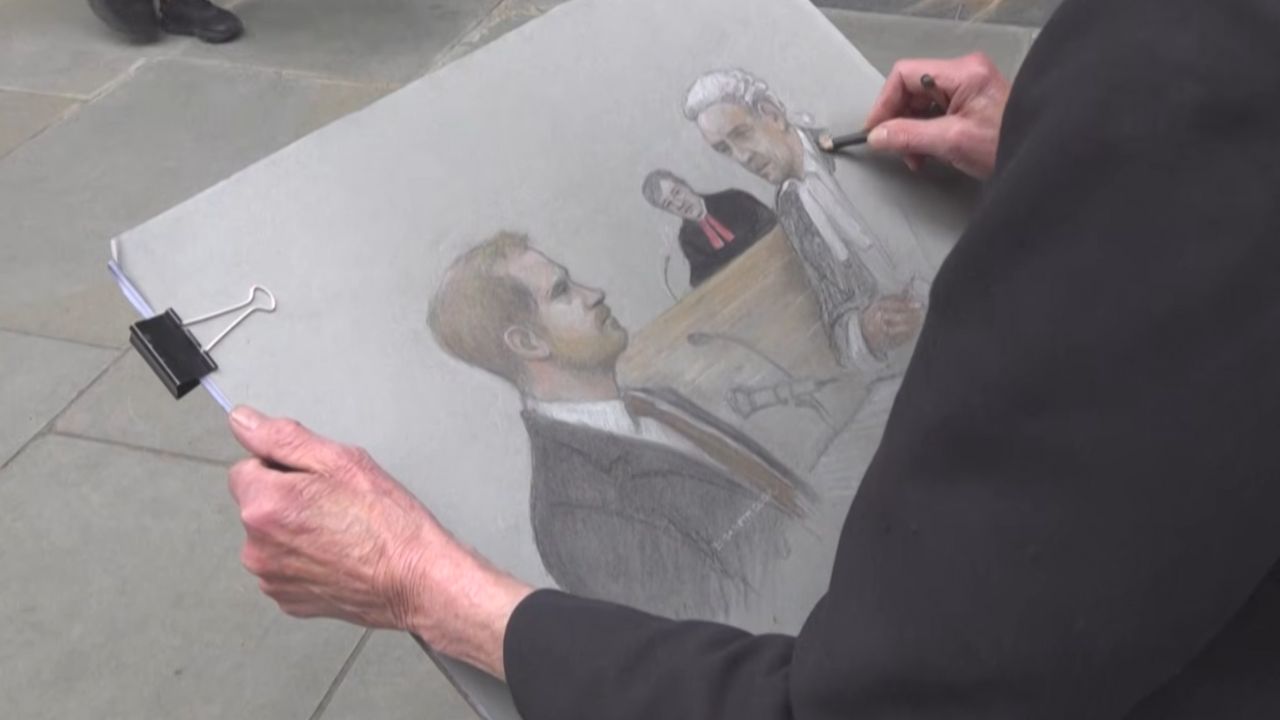
The procedural signs point toward a possible outcome for Harry, but final authority rests with Ravec’s independent chair. The next few weeks will determine if Harry’s six-year battle for security results in reinstatement—and whether his family can return to the UK.
The decision is complex, involving updated threat intelligence and the consideration of the family’s unique status. This case is likely to set a precedent for how the UK government handles security for royals who have stepped back from official duties.
Setting a Precedent for Non-Working Royals
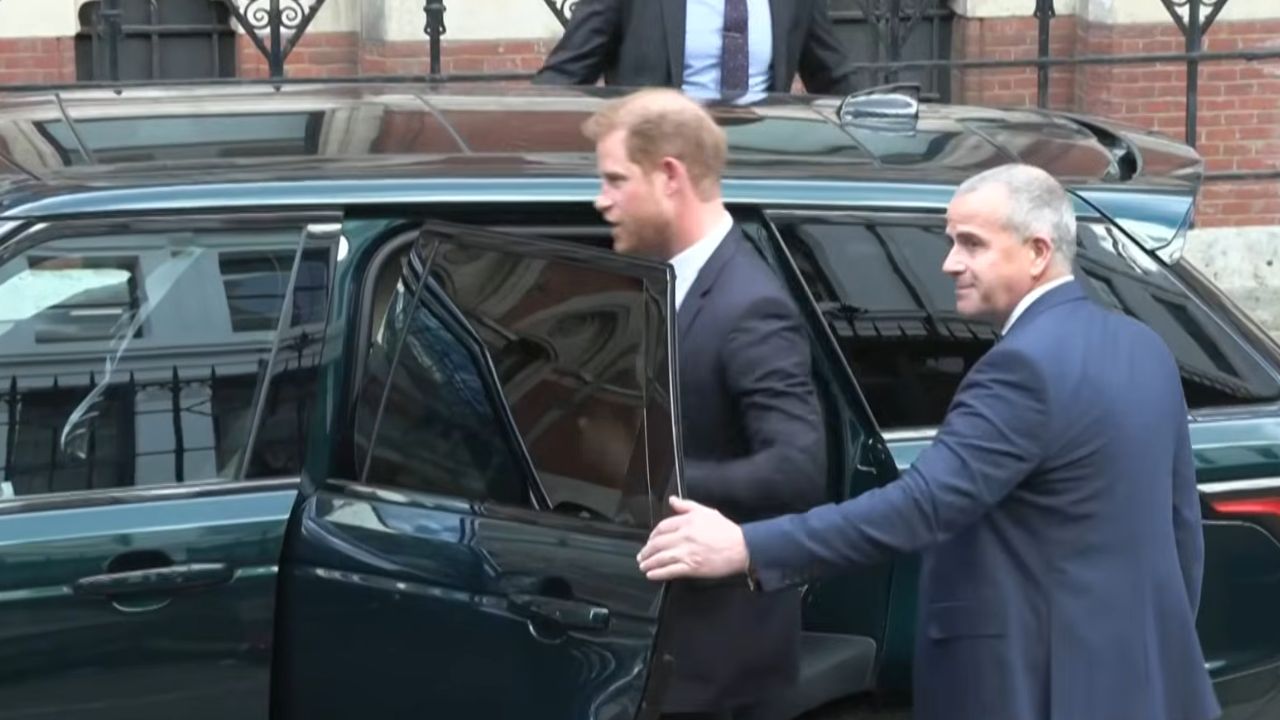
Princesses Beatrice and Eugenie, daughters of Prince Andrew, lost their taxpayer-funded security in 2011 after stepping back from working royal roles, and now pay for private protection.
Prince Andrew retained his state-funded security after stepping back in 2020, though King Charles later transitioned him to privately funded protection. Princess Anne’s children, Zara Tindall and Peter Phillips, were never given royal titles and do not receive state-funded security.
Threats From Far-Right Extremists
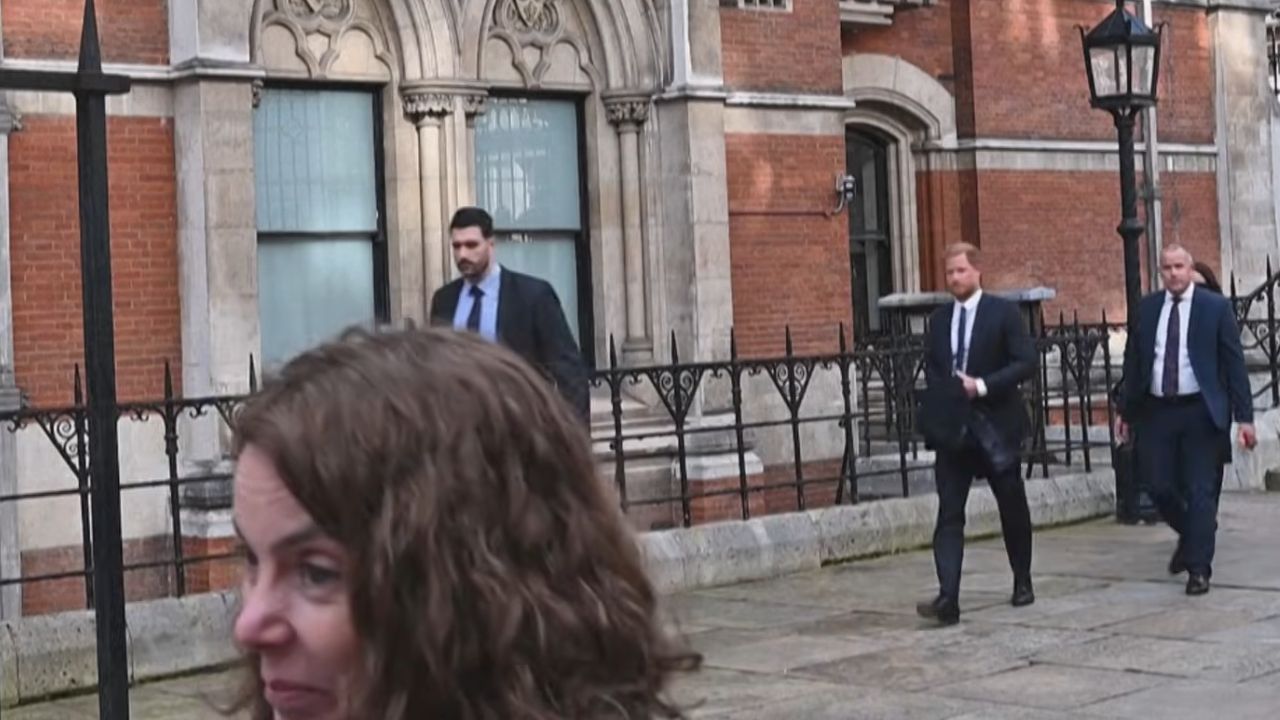
If Harry’s security is reinstated despite his non-working status, it would mark a departure from recent precedent and could influence future cases. Conversely, a denial would reinforce the policy that security is tied to royal duties and UK residence.
The key difference between Harry and other non-working royals may be the documented threat level: former Metropolitan Police counterterrorism chief Neil Basu stated in November 2022 that Harry and Meghan faced “disgusting and very real” threats from far-right extremists.
Immigration and Residence Implications
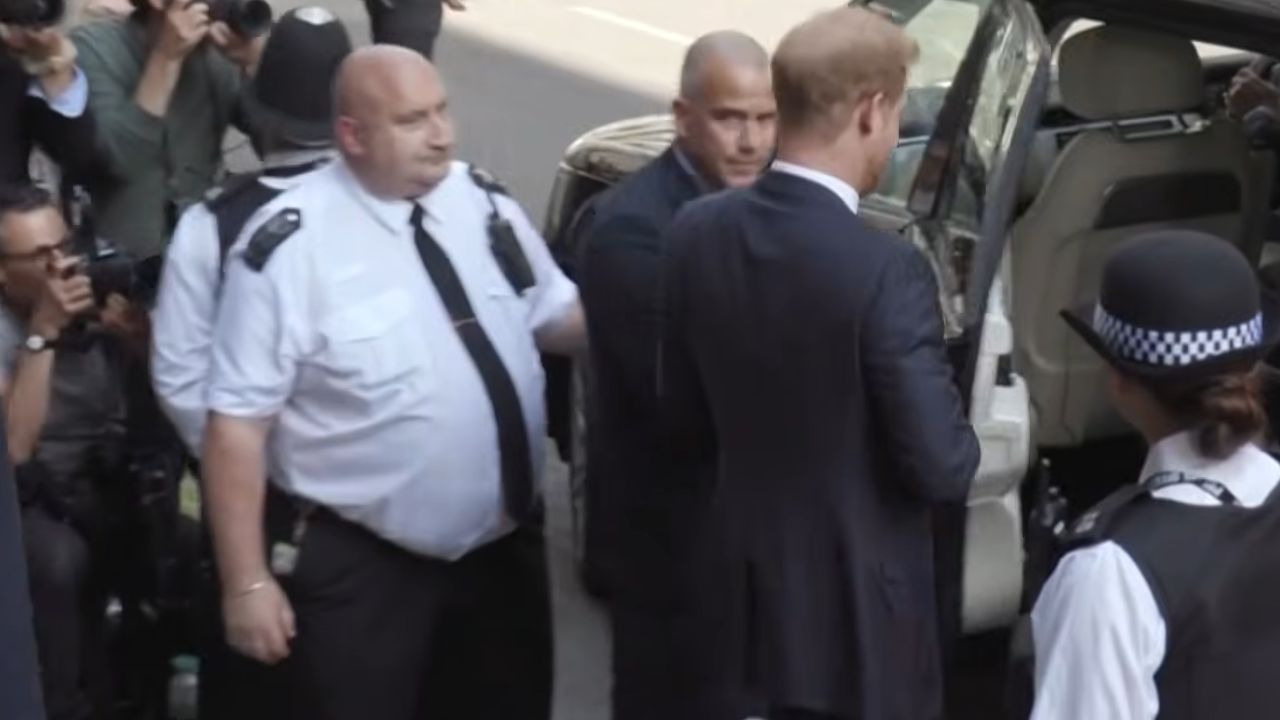
Prince Harry’s US immigration status has been the subject of ongoing litigation since 2023. The Heritage Foundation, a conservative think tank, filed Freedom of Information Act requests to access Harry’s visa records after he disclosed drug use in his 2023 memoir “Spare.”
Court documents released in March 2025 were heavily redacted and did not reveal what Harry disclosed on his visa application. In August 2025, the Department of State confirmed it holds 1,007 documents relating to Harry’s visa case, which are under review by a federal judge.
Will Meghan Join Harry in the UK?
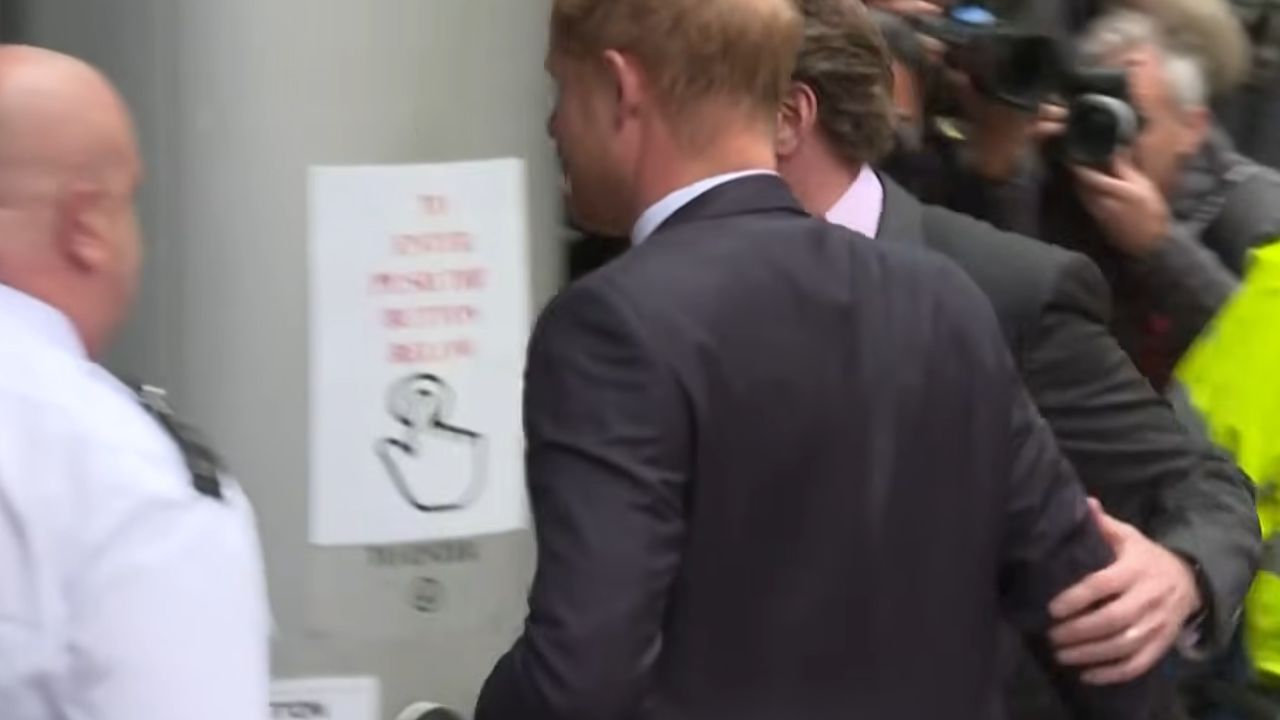
Harry officially declared US residency in a June 2023 corporate filing for his company Travalyst Limited, changing his country of residence from the United Kingdom to the United States. In October 2025, Harry confirmed on Hasan Minhaj’s podcast that he has no plans to apply for US citizenship.
The ongoing UK security review and Harry’s US residence status exist as separate legal matters, with no confirmed connection between the two established by immigration or government authorities.
A major question remains: Will Meghan return with Harry? Meghan last visited the UK in September 2022 for Queen Elizabeth II’s funeral. She has faced intense media hostility in the UK, and her decision to return will depend on her comfort level with the political and personal ramifications of her presence.
What Resolution Would Mean for Harry
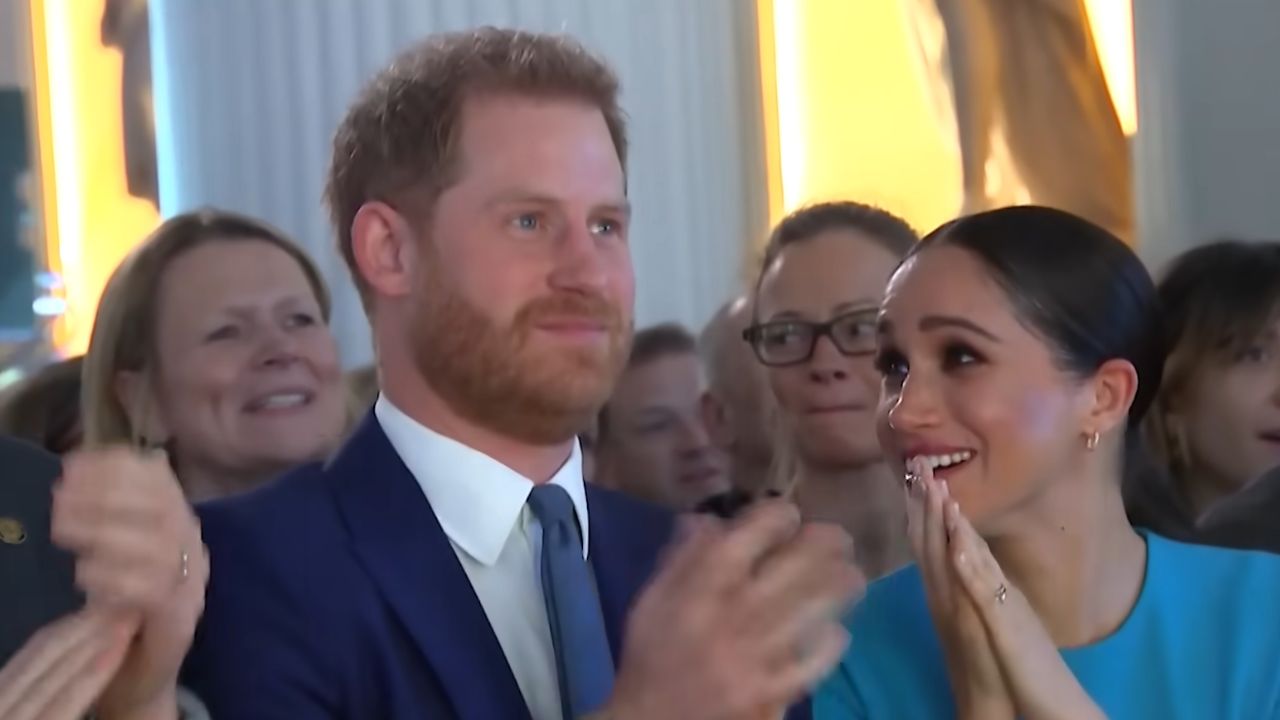
Harry previously told the BBC he cannot see bringing his family back without adequate security arrangements. For Harry, the security battle represents more than just personal protection. He views it as a fight against institutional prejudice and political resistance.
A positive decision would not only restore security but also validate his argument that real threats exist, and that the denial of protection has been unjustified. A favorable outcome would offer resolution, even if it doesn’t overturn his earlier legal defeat.
What This Means for the Monarchy
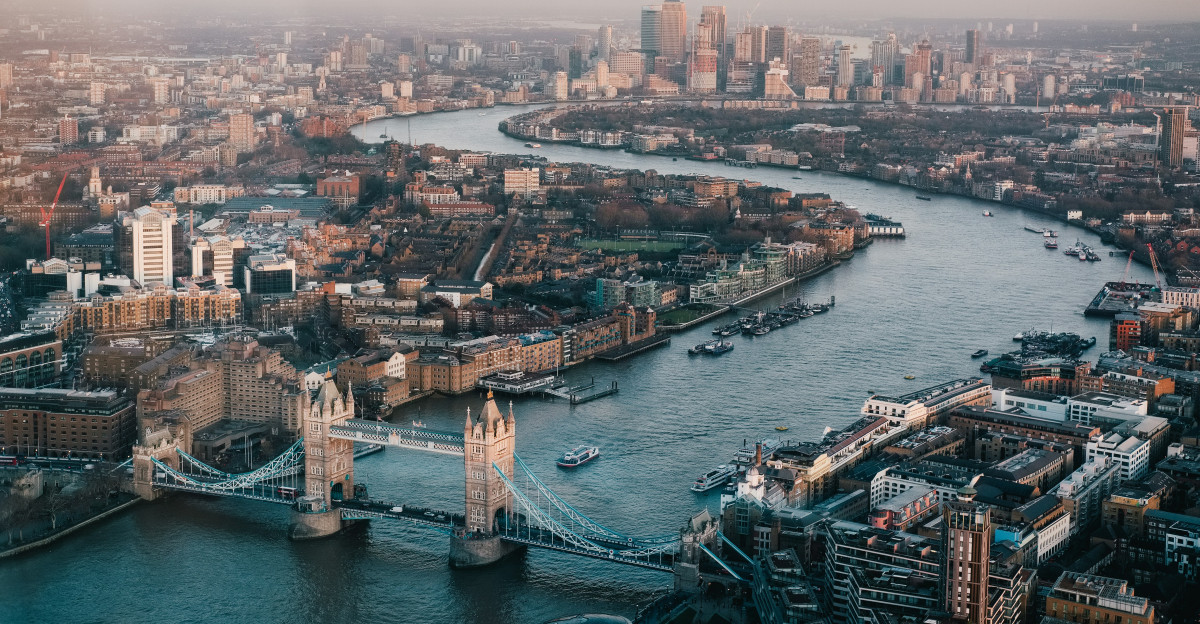
The outcome of this case signals how the modern British monarchy navigates constitutional issues. While the government defers to executive discretion on royal security, it is also susceptible to new evidence and procedural challenges.
As public scrutiny grows, it may become harder to sustain the separation from royals—even those who are no longer officially part of the royal duties. The coming weeks will determine if this shift leads to a family reunion or another chapter in royal separation.
Sources:
“Prince Harry tells BBC he wants ‘reconciliation’ with Royal Family.” BBC News, 2 May 2025.
“Duke of Sussex v Secretary of State for the Home Department—Court of Appeal Judgment.” The Judiciary of England and Wales, 2 May 2025.
“Duke of Sussex writes to Home Secretary asking for UK security arrangement review.” ITV News, 10 Oct 2025.
“Prince Harry’s security in UK under review.” BBC News, 8 Dec 2025.