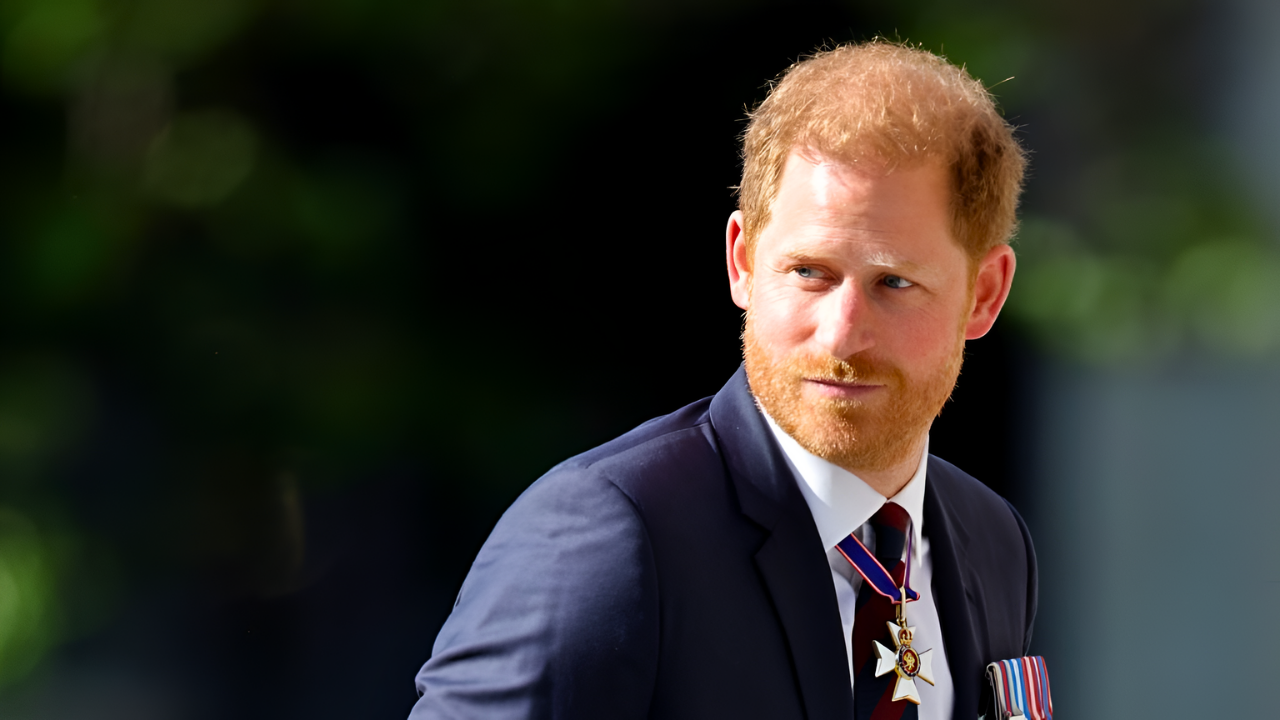
Prince Harry, Duke of Sussex, has launched a major privacy lawsuit in London’s High Court against Associated Newspapers Limited (ANL), publisher of the Daily Mail and Mail on Sunday.
The case is part of group litigation also brought by Sir Elton John, David Furnish, Baroness Doreen Lawrence, Liz Hurley, Sadie Frost and Sir Simon Hughes. The claimants allege long-running unlawful newsgathering practices, including phone hacking and misuse of private investigators—claims ANL firmly denies.
High-Stakes Legal Costs
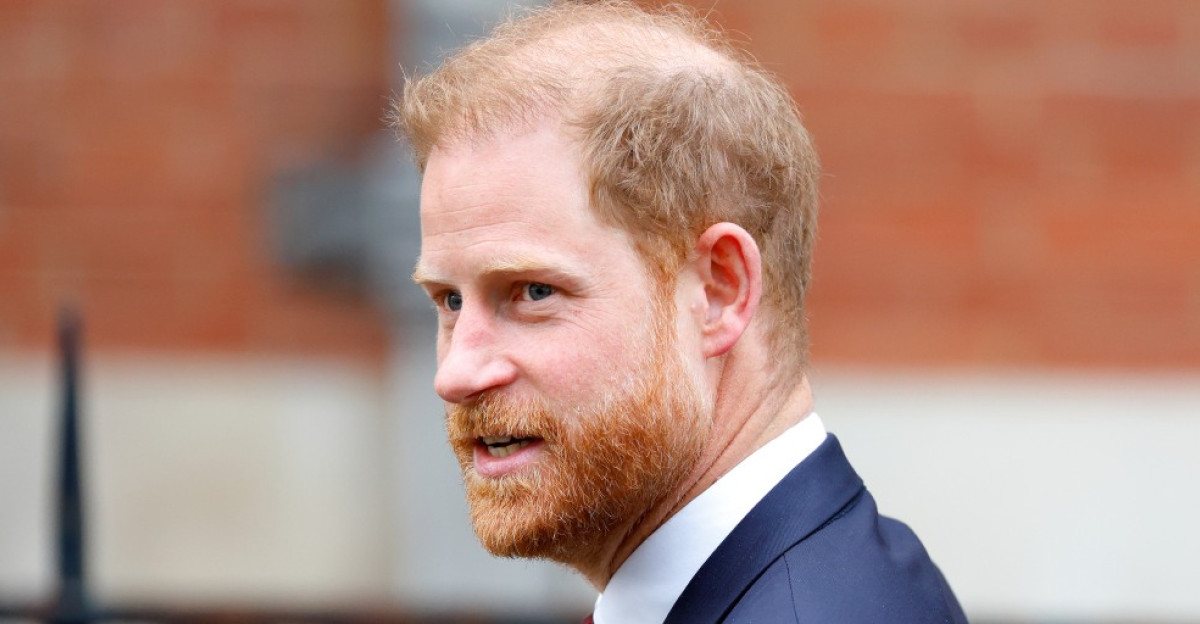
The litigation carries extraordinary financial risk. Early cost estimates for both sides combined reached roughly £38 million (about $48 million) for a nine-week trial scheduled through late March 2026. Subsequent court rulings significantly reduced approved budgets, but the claimants could still face substantial adverse costs if they lose.
Prince Harry has described the case as his most significant legal confrontation with the British tabloid press, both financially and symbolically.
Roots Of A Media Scandal
The case sits in the long shadow of Britain’s phone-hacking scandal, which erupted publicly in 2011 with revelations at News of the World and led to the Leveson Inquiry into press standards. Thousands of claims followed across the media industry.
The claimants argue that ANL’s alleged practices occurred during the same era, stretching back to the 1990s and 2000s, while ANL maintains it did not engage in phone hacking or criminal conduct.
Who Is Suing
Seven high-profile figures are bringing claims together: Prince Harry, Sir Elton John, David Furnish, Liz Hurley, Sadie Frost, Baroness Doreen Lawrence and Sir Simon Hughes.
They allege that journalists and agents working for ANL titles unlawfully obtained private information over many years. The court has narrowed the scope of the case to a defined set of articles and allegations, rather than allowing a broad inquiry into historic newsroom culture.
Alleged Methods Under Scrutiny
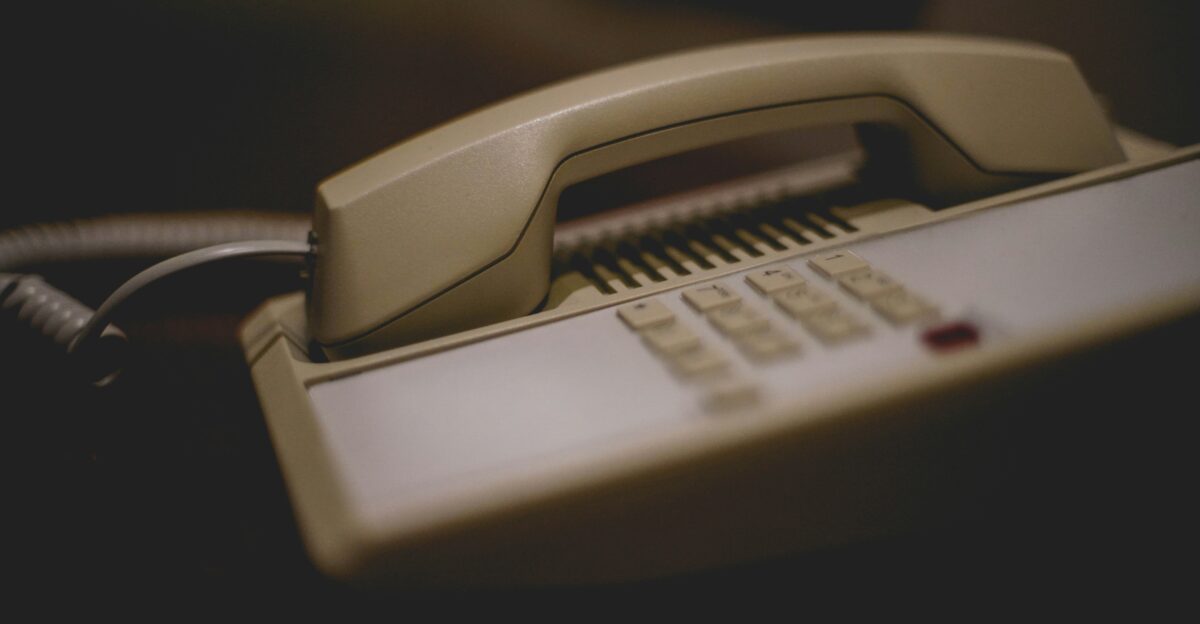
The claimants allege a range of unlawful techniques, including voicemail interception, use of private investigators, and “blagging” confidential information such as medical or financial records. Some claims also reference alleged payments to corrupt officials.
ANL strongly disputes all allegations, arguing that its journalists relied on lawful sources and standard reporting practices. Determining how information was obtained—often decades ago—is central to the trial.
Harry Takes The Stand
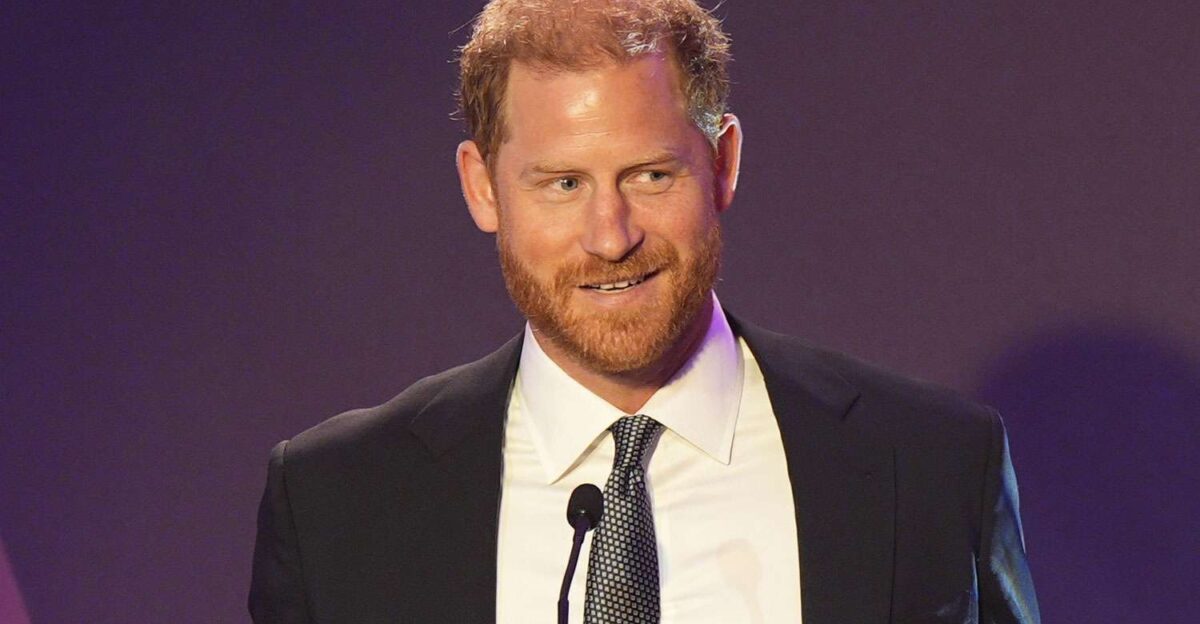
Prince Harry is expected to give sworn evidence during the trial, making his testimony one of the most prominent royal court appearances in modern UK civil litigation.
He has framed the case as part of a broader effort to confront tabloid practices he believes caused lasting harm to him and his family. These motivations provide context to his claims but are distinct from the legal findings the court must reach.
Courtroom Setting
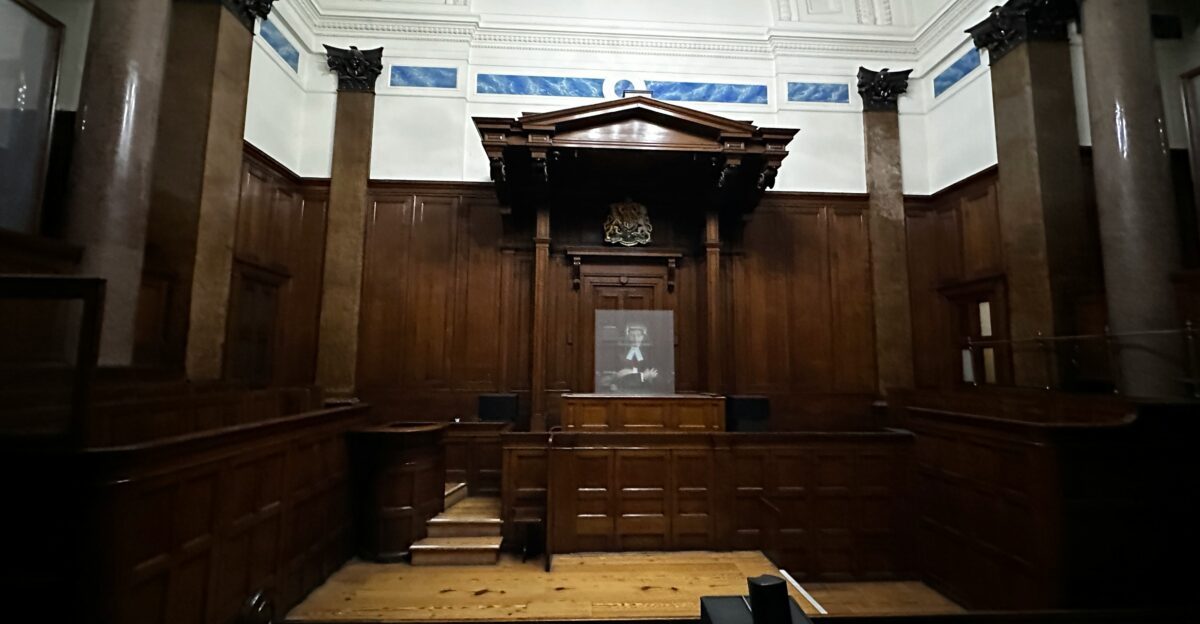
The case is being heard at London’s High Court under the oversight of Mr Justice Matthew Nicklin, following extensive pre-trial rulings on costs, evidence and limitation periods. The trial is listed for approximately nine weeks beginning January 19, 2026.
Evidence will include witness testimony, historical documents, and cross-examination of journalists, editors and private investigators connected to the alleged activities.
A Previous Victory For Harry
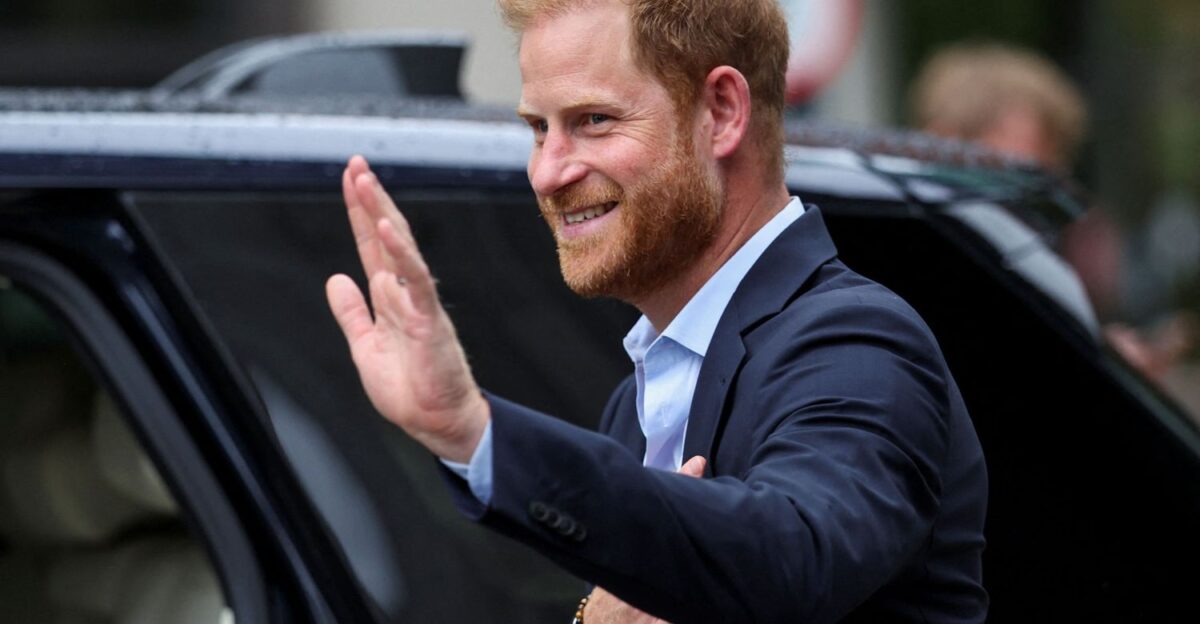
In December 2023, Prince Harry won a separate phone-hacking case against Mirror Group Newspapers, securing damages of £140,600.
That judgment found unlawful information-gathering in multiple articles and reinforced the legal viability of such claims. Harry has cited that ruling as validation of his long-standing concerns, though each case turns on its own evidence and the Mirror findings do not determine the outcome against ANL.
ANL’s Firm Denial
Associated Newspapers Limited rejects the claims in full, calling them baseless and unsupported by reliable evidence.
The publisher says stories were obtained through lawful means, including public information and contacts within the claimants’ social or professional circles. ANL argues that accusations rely heavily on inference rather than proof and warns against reviving generalized allegations from the wider hacking era without clear links to specific articles.
Investigators And Evidence Disputes

Private investigators feature heavily in the case. One investigator, Gavin Burrows, previously alleged unlawful work for newspapers, including claims connected to ANL, but later modified parts of his account.
ANL’s lawyers argue these inconsistencies undermine credibility, while the claimants contend that other documents and payment records support their case. The reliability of historic witness testimony is expected to be a key battleground.
Claimants’ Legal Strategy
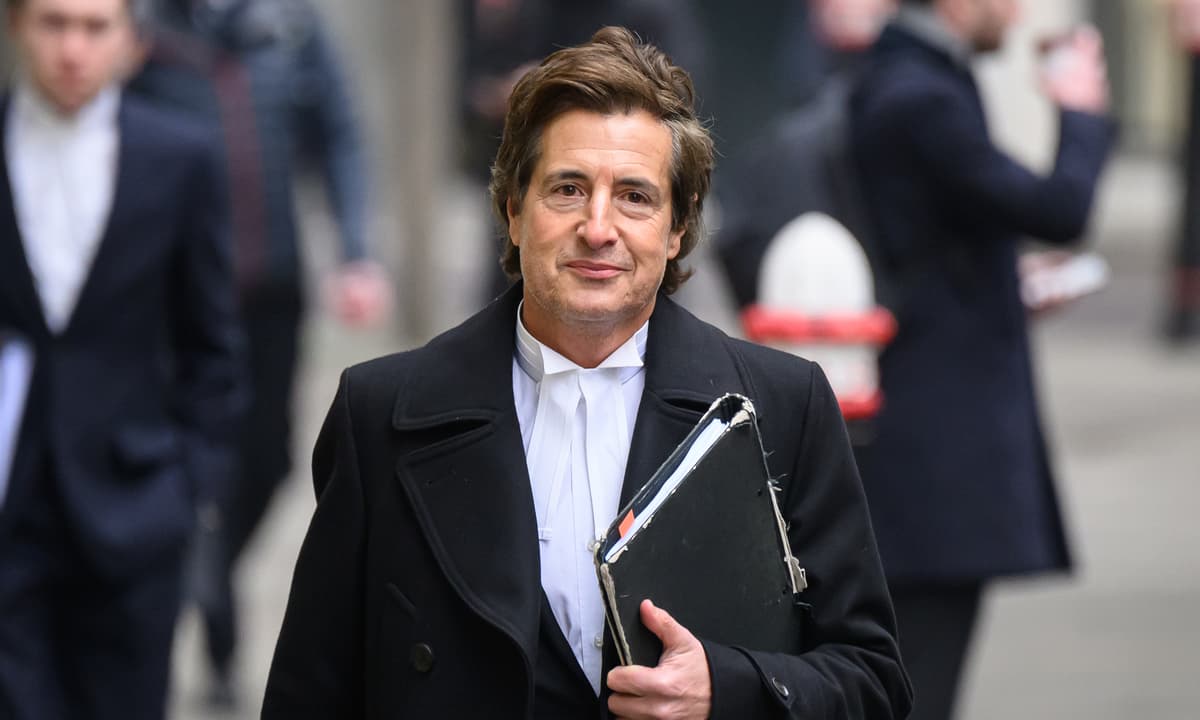
The claimants’ barrister, David Sherborne, has accused ANL of a “hear no evil” approach to potential wrongdoing and of failing to preserve relevant documents.
The claimants argue that key facts were concealed for years, justifying why claims were not brought earlier. They rely on circumstantial evidence, patterns of investigator payments and similarities with practices exposed at other publishers during the same period.
Editors In The Spotlight

Senior figures linked to the Daily Mail, including long-serving editor-in-chief Paul Dacre, are expected to be questioned about historic editorial practices.
The court will examine what editors knew—or should have known—about how information was gathered. ANL says its leadership upheld lawful standards and denies authorizing or tolerating illegal conduct, framing the case as an unfair retrospective attack on legitimate journalism.
Time-Limit Battles
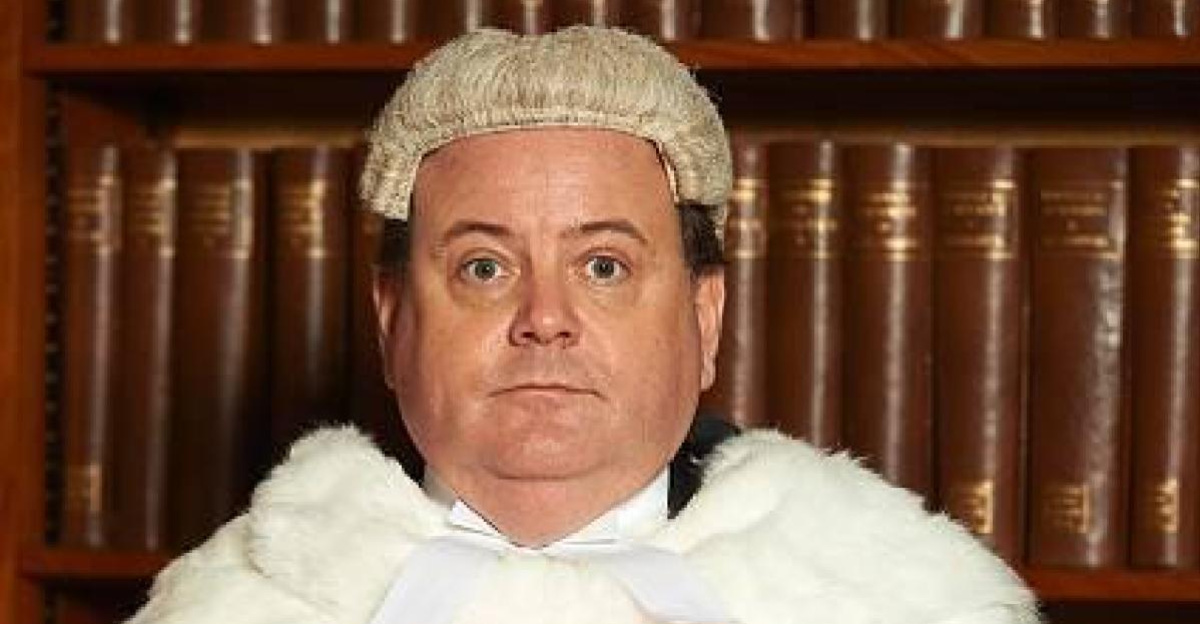
ANL has argued that many claims are time-barred under the usual six-year limitation period. In a key ruling, Mr Justice Nicklin allowed the case to proceed, finding the claimants had an arguable case that relevant facts may have been concealed until after 2016.
This decision opened the door for the trial but did not determine whether concealment actually occurred.
Legal Hurdles Ahead
Legal analysts note that while phone-hacking claims have succeeded before, proving systematic unlawful practices decades later is difficult. Records may be incomplete, memories contested and witnesses unavailable. The court has emphasized that the trial must focus on specific articles and evidence, not broad allegations about press culture. Outcomes could vary between claimants, with the possibility of mixed or partial judgments.
What’s At Stake
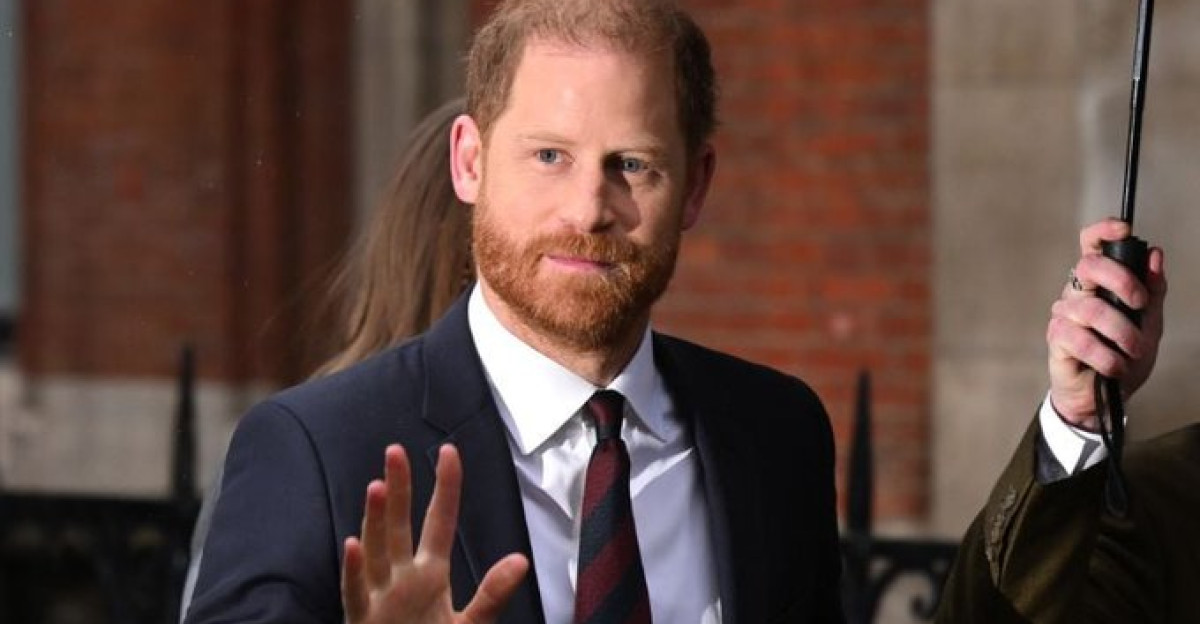
If the claimants succeed, ANL could face damages, costs and reputational damage, adding to the legacy of the hacking era. If they lose, the financial consequences could be severe, potentially leaving claimants responsible for large legal bills.
The case therefore represents a high-risk gamble, particularly given its scale, duration and the prominence of those involved.
Leveson Papers Revisited

The court has allowed limited reliance on material disclosed during the Leveson Inquiry into press standards.
While Leveson itself made no findings against ANL on phone hacking, the documents provide contextual background. Any judgment finding serious wrongdoing could reignite political debate about press regulation, though major reforms such as mandatory cost-shifting are not currently in force.
International Attention
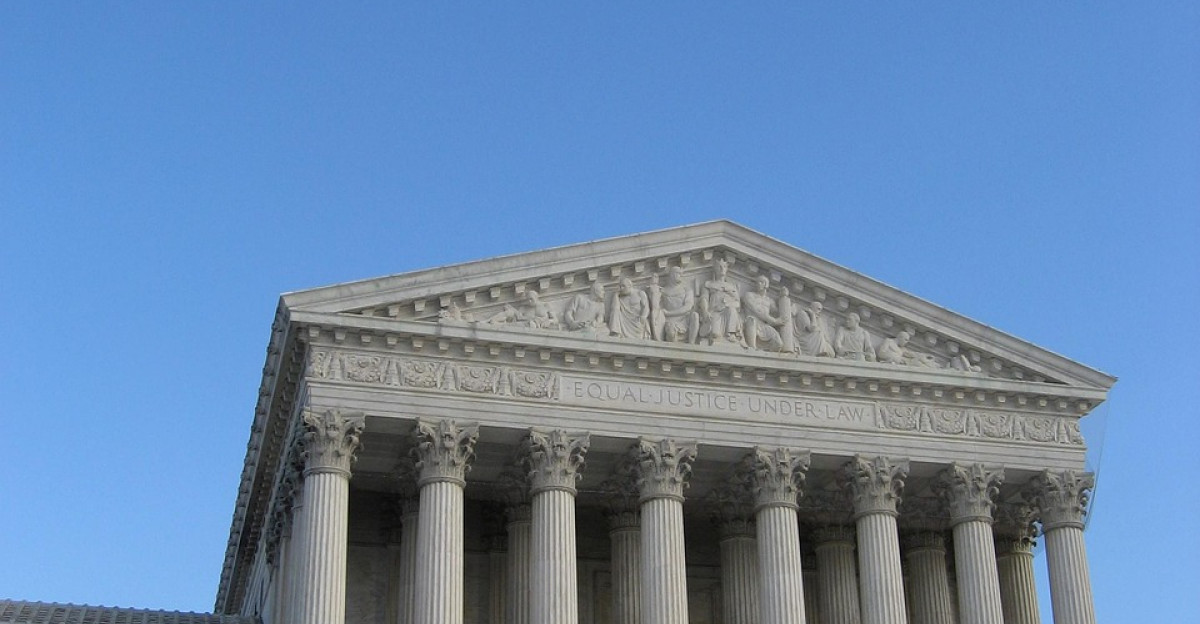
Prince Harry’s residence in the United States has amplified global interest in the trial. The case highlights differences between UK privacy law and the stronger free-speech protections of U.S. courts, which previously led to the dismissal of a separate American lawsuit.
Campaigners see the trial as part of a broader international push to define boundaries between press freedom and personal privacy.
Legal Precedents In Play
The case builds on established principles of misuse of private information and data protection law developed in earlier hacking judgments.
Allegations of blagging medical or personal records test how far covert newsgathering can ever be justified in the public interest. Arguments over missing or destroyed documents echo disclosure disputes seen in other high-profile corporate and media litigation.
Cultural And Ethical Debate
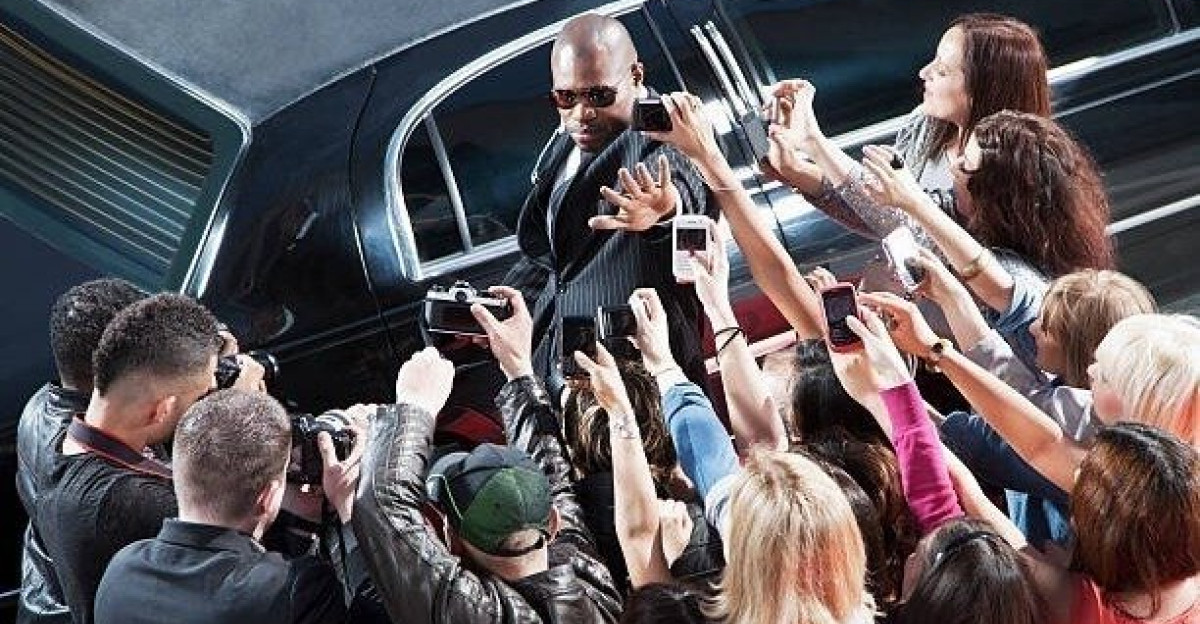
Beyond the courtroom, the trial feeds a wider debate about media ethics, celebrity privacy and accountability.
Supporters argue the claimants are challenging intrusive practices that affected even the most privileged. Critics warn of a chilling effect on investigative journalism. The case underscores enduring tensions between public interest reporting and the private lives of public figures.
A Defining Moment
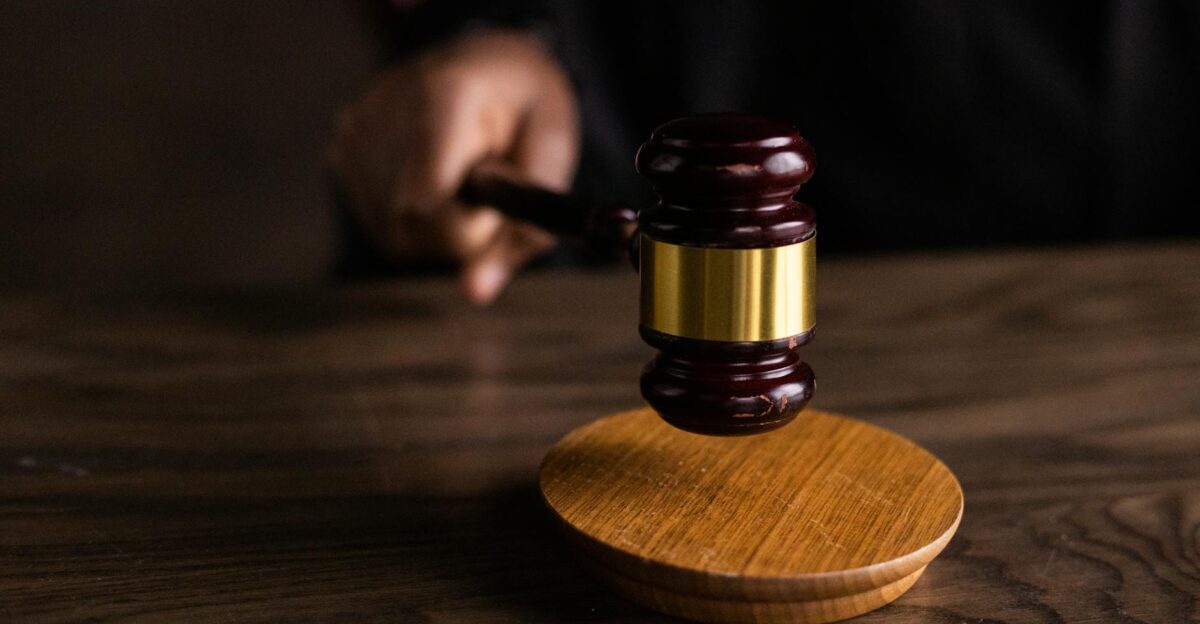
Whatever the outcome, the Daily Mail trial represents one of the most consequential media-privacy cases of the post-Leveson era. Its length, cost and visibility reflect how seriously such allegations are now treated by courts.
The judgment may influence future litigation strategies and newsroom practices, but it will not alone resolve the broader question of how UK media balances scrutiny, privacy and press freedom.
Sources:
- 1. Global News – What’s at stake in trial of Prince Harry, Elton John and …
- 2. Coast Reporter – Prince Harry takes the stand in his phone hacking lawsuit ..
- 3. BBC News – (Unnamed article on Mirror case) – 2023-12-15
- 4. The Guardian – Prince Harry, Elton John sue Daily Mail publisher – 2022-10-06 –
- 5. CNN – (Video on Prince Harry Daily Mail trial) – 2026-01-19 –
- 6. BBC News – (Unnamed article on ANL claims) – 2023-03-31