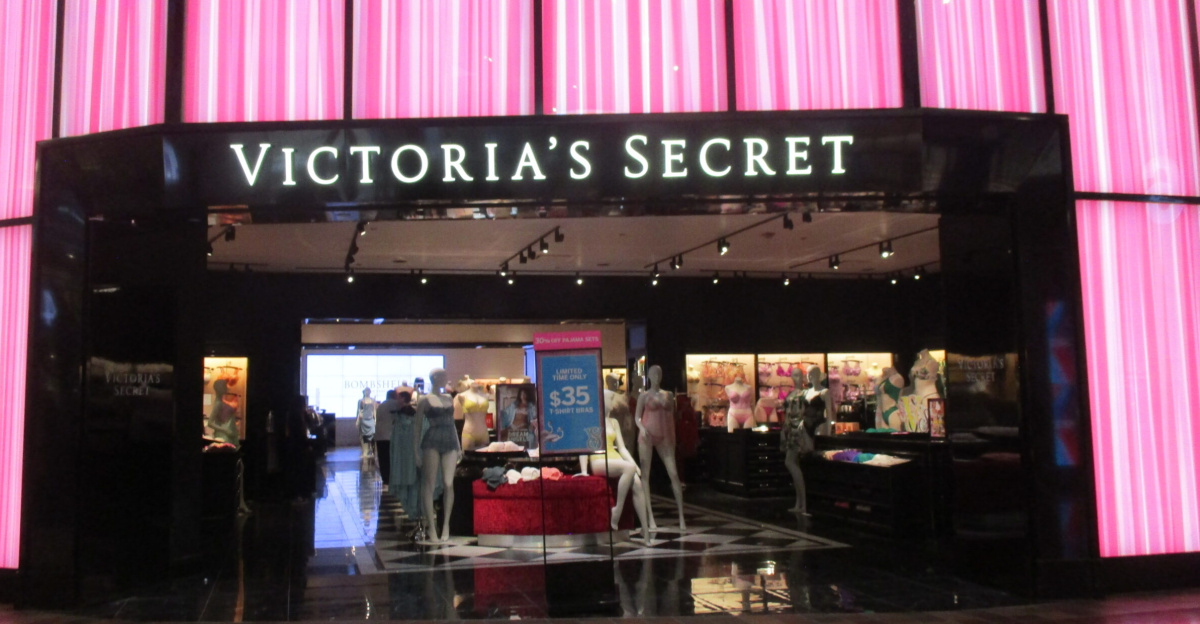
Victoria’s Secret is shrinking its U.S. footprint but not its ambitions. Since January 2025, the lingerie chain has shut 30 American stores, even as third-quarter sales climbed 9% to $1.47 billion. The company now operates 768 locations, down from 1,070 five years ago, illustrating how a onetime mall staple is trying to grow with fewer, more productive stores in a retail landscape where closures are surging nationwide.
Retail Reckoning Across the U.S.
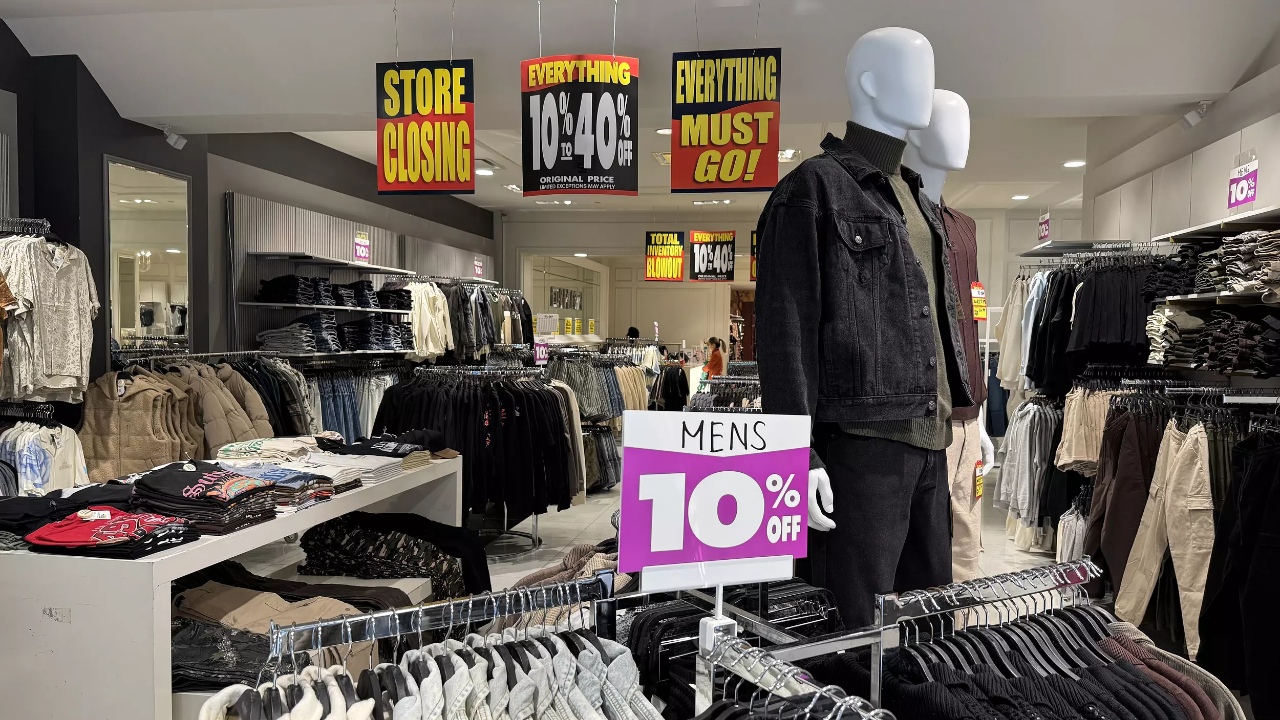
The pullback at Victoria’s Secret is unfolding amid a severe contraction in physical retail. About 15,000 stores are expected to close across the United States in 2025, roughly double the 7,325 recorded in 2024 and the worst wave since the pandemic crushed in-person shopping.
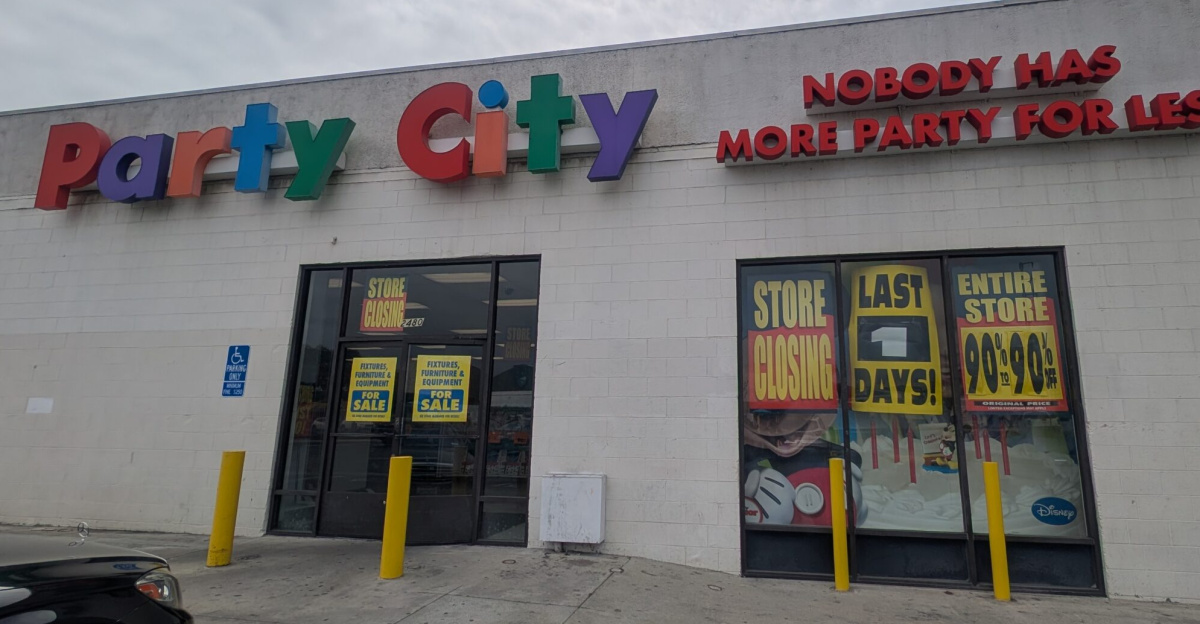
Party City has announced 738 closures, Big Lots 601, and Walgreens 333. Even after accounting for new outlets, retailers anticipate a net loss of about 9,200 locations this year. Analysts link the trend to persistent inflation, changing consumer habits, and fierce competition from online platforms and ultra-low-cost fashion sellers such as Shein and Temu. Against this backdrop, the question for chains like Victoria’s Secret is no longer whether to shrink, but how to do it without losing relevance.
From Crisis to “Store of the Future”
Victoria’s Secret entered this new phase after a decade of strain. In 2019, the company closed 53 stores, citing declining sales. The first quarter of 2020 brought a sharp shock: revenue fell 37%, from $2.63 billion to $1.65 billion, as COVID-19 emptied malls. The brand subsequently shuttered 241 stores in 2020 and 50 in 2021.
To counter the shift to online shopping, Victoria’s Secret acquired digital-native lingerie retailer Adore Me in 2022, signaling a move toward a digital-first model. At the same time, global supply chains became a new source of pressure. For 2025, the company faces an estimated $90 million tariff burden tied to imports from Southeast Asia. Third-quarter results showed $15 million in tariff costs eroding profit, even after leaders redirected some sourcing away from China. The company has nonetheless improved gross margins by 170 basis points through tighter inventory management and reduced discounting.
On November 1, 2025, the company framed its latest U.S. retrenchment as part of a “Store of the Future” strategy. Thirty stores will close, while remaining outlets are redesigned with updated layouts, technology enhancements, and a greater focus on service. By year-end, the company expects about 200 North American locations—roughly a quarter of its stores—and 40% of international sites to reflect this new format. The plan calls for North American selling space to contract by about 2% annually, following the example of department store chains like Nordstrom and Macy’s that are prioritizing fewer, higher-performing sites.
Malls, Media, and the New Brand Playbook
The decision of which stores to close is intertwined with the health of American malls. Roughly a quarter of malls are described as seriously troubled, especially in smaller and mid-sized markets. When anchor tenants such as Macy’s shut their doors, traffic often drops sharply, punishing specialty chains nearby. Many Victoria’s Secret locations sit in these vulnerable centers, where each loss of a major tenant can trigger further decline. Operators and brands are now weighing not just local demand, but also the long-term viability of the surrounding property.
At the same time, Victoria’s Secret is working to revive its image and broaden its reach. In October 2025, CEO Hillary Super—who previously led Savage x Fenty—oversaw the company’s first large-scale fashion show in several years. Streamed on platforms including Instagram, YouTube, TikTok, and Prime Video, the event was streamed more than 61 million times in four weeks, a 60% increase from the prior year. It generated 51 billion media impressions, brought in nearly 9 million new followers across platforms, and lifted customer acquisition by 15%, bolstering the company’s shift toward more inclusive branding.
Product strategy has also widened. Under a 2025 plan called “Path to Potential,” the company is emphasizing its core bra business, reviving the PINK label, expanding beauty, and updating the overall brand. In the third quarter, PINK intimates returned to growth after years of decline, beauty sales rose strongly, and newer categories like sportswear and sleepwear helped diversify the customer base beyond traditional lingerie buyers. U.S. market share grew by one percentage point, and a broader assortment has made the company less dependent on mall traffic alone.
Global Expansion and Digital Shift

While North American stores are being trimmed, international operations are emerging as a growth engine. Third-quarter international sales jumped 34%, helped by robust digital demand during China’s 11.11 Singles’ Day shopping festival. The company has now posted three straight quarters of double-digit international growth and has raised its full-year revenue outlook to a range of $6.45 billion to $6.48 billion. Executives say overseas stores typically generate more profit per location and face less intense competition than those in the United States.
Inside the business, leadership changes have underpinned the new direction. Hillary Super’s appointment as CEO in September 2024 marked a break with the team that presided over earlier declines. Super recruited designer Adam Selman, also associated with Savage x Fenty, as creative director, reinforcing a message of genuine, rather than purely promotional, inclusivity. Along with Chief Financial Officer Scott Sekella, she has emphasized margin discipline while investing in brand events, store reinvention, and digital tools.
The company is also deepening its online infrastructure. A 2024 partnership with Google Cloud brought in AI-driven search and recommendation technology, including an automated assistant designed to approximate in-store help. These tools aim to speed product discovery and personalize shopping as more sales move online. New-format locations are intended to act as both fulfillment hubs and experiential showrooms, knitting together digital and physical channels.
Some Wall Street analysts remain cautious. They argue that tariffs could again compress profits in late 2025 and 2026, and that renewed competition from Aerie, Savage x Fenty, and digital-only brands may limit gains. Forecast operating income of $350 million to $375 million is viewed in some quarters as optimistic, and many observers see 2025 as a potential low point rather than a full turnaround.
Still, the strategy reflects a broader reimagining of physical retail. As thousands of U.S. stores close, developers are experimenting with transforming empty spaces into gyms, entertainment venues, and other nontraditional tenants. Victoria’s Secret is effectively wagering that physical locations will evolve into curated flagship experiences supported by a strong online backbone, rather than simply rows of transactional outlets. How that bet plays out—amid tariffs, uneven mall recovery, and intensifying digital competition—will help determine whether the next generation of shoppers sees the brand as a resilient innovator or a relic of the mall era.
Sources:
Victoria’s Secret & Co. Q3 2025 Earnings Report; SEC Filing (December 5, 2025)
Coresight Research 2025 Store Closures and Openings Forecast Report; Retail Store Tracker
Associated Press (AP) Victoria’s Secret CEO Announcement; Hillary Super Appointment August 2024
Glossy Fashion Industry Publication; Victoria’s Secret 2025 Fashion Show Coverage and Brand Analysis