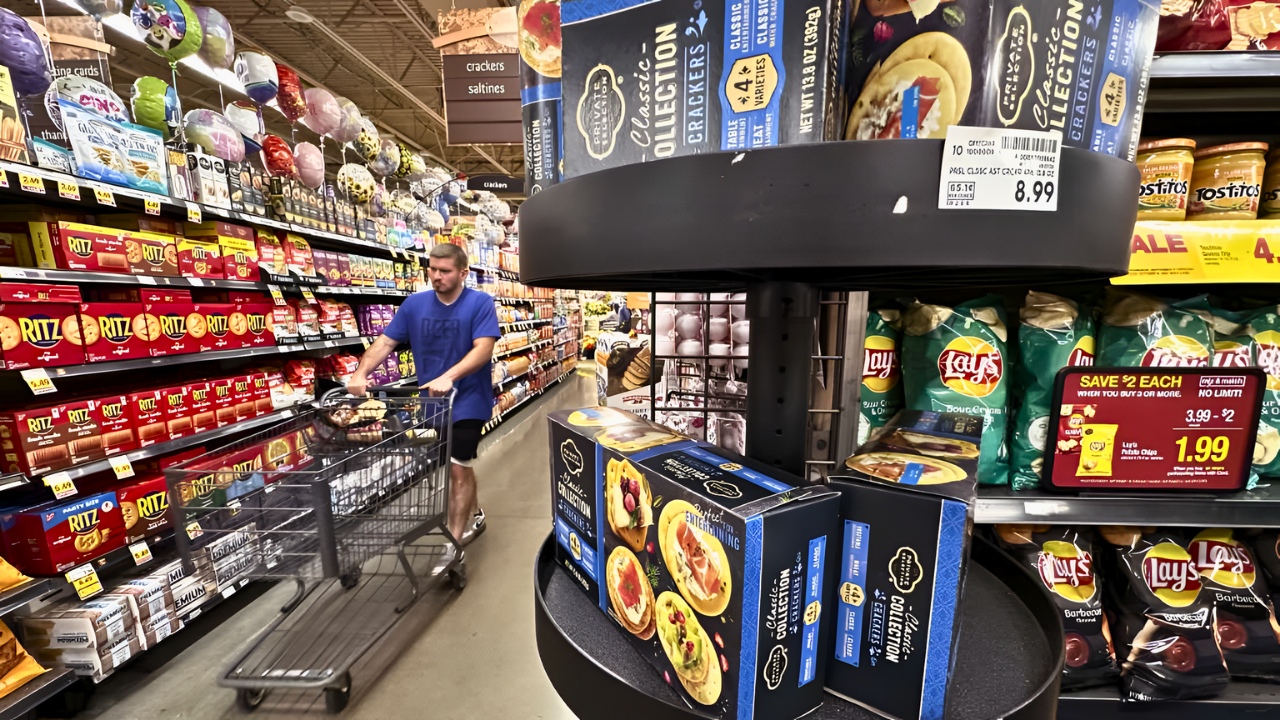
Food inflation has turned everyday snacks into occasional treats, forcing many U.S. households to rethink what goes into their carts. Against this backdrop, PepsiCo is reshaping its North American food and beverage operations, betting that a leaner product lineup, automated factories, and targeted price cuts can win back cost-conscious shoppers and impatient investors by 2026.
Market Strains and an Activist Push
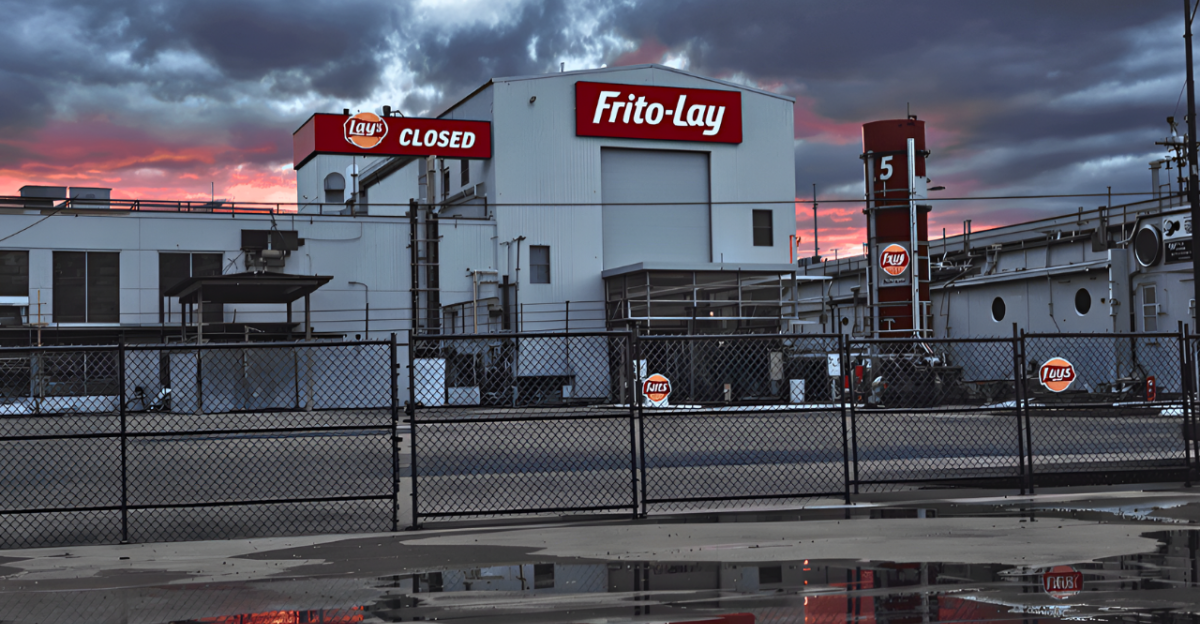
PepsiCo’s North American business has been under mounting pressure as shoppers drift toward healthier drinks, private-label offerings, and lower prices. Growth in its food division has slowed, and consumer demand has shifted toward items marketed as better-for-you. By September 2025, company leaders publicly acknowledged these headwinds and signaled that a major reset was coming.
The turning point arrived when Elliott Investment Management, a New York hedge fund with roughly $70 billion under management, disclosed a $4 billion stake in PepsiCo in September 2025. Elliott argued that PepsiCo carried too many overlapping products, relied on outdated factories, and operated less efficiently than rival Coca-Cola. The fund called for a simpler portfolio, modernized supply chains, and deep cost reductions.
PepsiCo rebuffed Elliott’s request for a board seat but agreed to negotiations. Behind the scenes, the company began moving in the direction Elliott outlined, setting the stage for a formal agreement and a sweeping restructuring of its U.S. operations.
Closures, Job Losses, and a Smaller Portfolio
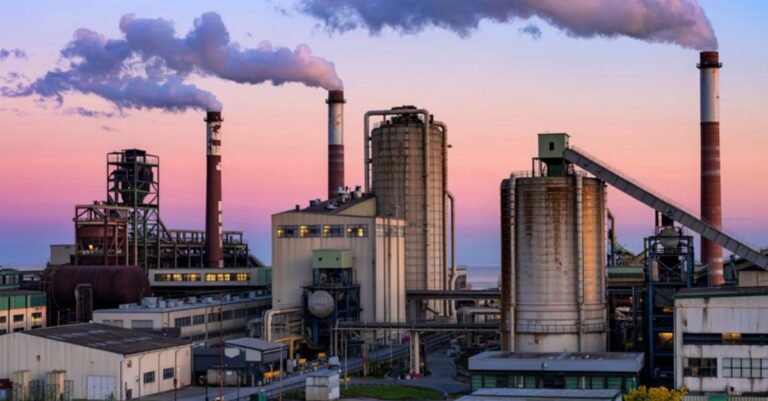
Throughout 2025, PepsiCo signaled its shift through plant closures across three states. In May, the PopCorners factory in Liberty, New York, shut down, affecting 287 workers. In June, a 55-year-old Frito-Lay plant in Rancho Cucamonga, California, closed, with 432 jobs lost. On November 4, 2025, a Frito-Lay facility in Orlando, Florida, halted operations, eliminating 454 positions. An Orlando warehouse is also scheduled to close in May 2026, impacting another 46 employees.
These moves were widely seen as aligning with Elliott’s call for consolidation and higher efficiency. In total, more than 1,100 PepsiCo and Frito-Lay workers were affected in 2025. The company has offered severance, extended benefits, and career assistance, but the loss of long-standing manufacturing jobs has been significant for local communities.
The most visible change for shoppers will come from PepsiCo’s decision, announced on December 8, 2025, to cut nearly 20% of its U.S. product offerings by early 2026 as part of its agreement with Elliott. The reduction targets SKUs, or specific product variations such as particular flavors, sizes, or packaging formats, rather than entire brands. PepsiCo oversees more than 60 major brands, including Lay’s, Doritos, Cheetos, Gatorade, and Mountain Dew, and expects to eliminate roughly 200 to 300 individual items to streamline production.
The company has not specified which flavors or sizes will be removed. Brands such as Lay’s, Doritos, Tostitos, Cheetos, Ruffles, Brisk, Aquafina, Mountain Dew, Pepsi, and Quaker offer numerous variations, and shoppers are expected to discover what disappears only after January 2026, as shelves quietly change.
Industrywide Consolidation and a Supply Chain Overhaul
PepsiCo’s restructuring is part of a broader pattern in packaged foods and beverages, where rising costs, automation, and efficiency goals are leading companies to close older, less efficient facilities. J.M. Smucker plans to shut a Hostess plant in Indianapolis in December 2025, affecting 259 workers. Post Holdings has closed two cereal plants, eliminating about 300 jobs. Conagra has shut a Michigan site that made frozen desserts, costing 85 positions. Del Monte has closed plants in Washington state, affecting 51 permanent workers and 448 seasonal roles. Across the sector, demands for leaner operations increasingly outweigh the incentives to keep legacy plants open.
Within PepsiCo, executives are conducting a comprehensive review of the North American supply chain, with findings expected by late 2026. The company is accelerating automation and digital technology investments in its remaining facilities and is targeting record productivity gains by 2026. PepsiCo aims to expand profit margins by at least 100 basis points over the next three years.
CEO Ramon Laguarta has laid out cautious financial expectations: projected organic revenue growth of 2% to 4% in fiscal 2026, with a focus on tighter cost control, and a target of 5% to 7% core earnings-per-share growth that year. Management has indicated that the most meaningful margin expansion is unlikely before 2027–2028, underscoring that 2026 will be a transition period rather than a quick turnaround.
Fewer SKUs, New Products, and Pricing Tensions
Even as it trims 20% of its product variations, PepsiCo is pushing new offerings positioned as cleaner-label or higher-protein options. On December 1, 2025, it introduced “Simply NKD” versions of Cheetos and Doritos, made without artificial flavors or dyes and sold in colorless or pale-yellow packaging. The initial lineup includes Doritos Nacho Cheese, Doritos Cool Ranch, and Cheetos Flamin’ Hot, with Doritos Protein slated for 2026.
The strategy is to discontinue older, lower-profit products while channeling resources into higher-margin items targeted at consumers who prioritize perceived health benefits and are willing to pay more. At the same time, PepsiCo has pledged to lower prices on its core brands to make them more affordable and to encourage repeat purchases. Observers note a tension in this approach: the company is simultaneously removing a slice of lower-cost options and investing in premium innovations. Any price reductions are expected to focus on flagship names rather than the full range, raising questions about whether value-driven shoppers will see more or fewer choices that fit their budgets.
Investor Influence and Competitive Pressure

Elliott’s December 8 agreement with PepsiCo marks a significant victory for the activist investor. In addition to SKU reductions and cost cuts, Elliott has urged PepsiCo to consider divesting what it views as non-core food assets and to explore options for its North American bottling operations, including potential spin-offs or refinancing, to lift profitability. The fund has singled out brands such as Life and Cap’n Crunch cereals, Quaker Oats, and Rice-A-Roni as potential divestiture candidates because they sit outside PepsiCo’s central focus on snacks.
While PepsiCo declined to add Elliott-nominated directors to its board, the negotiated plan shows that the company has accepted many of the fund’s strategic priorities. Leadership changes are also under way: Steve Schmitt, an executive from Walmart, was named Chief Financial Officer in October 2025, effective November 10.
Meanwhile, key rival Coca-Cola is facing similar consumer trends but has taken a different path. Coca-Cola holds about 19.2% of the U.S. carbonated soft drink market and is emphasizing growth through new products rather than broad portfolio cuts. Coca-Cola Zero Sugar grew 14% globally in the third quarter of 2025 and is helping support an organic revenue growth target of 5% to 6% for 2025–2026. The company has been gaining value share in nonalcoholic drinks by leaning into premium innovations instead of removing product lines, offering a clear point of comparison with PepsiCo’s strategy.
Looking ahead to 2026 and 2027, PepsiCo’s plan hinges on closing plants to reduce fixed costs, consolidating its supply network, simplifying its product range, and rolling out new, higher-margin items while selectively lowering prices on core brands. Execution risks remain high: investors and consumers face at least two years of uncertainty, thinner shelves, and evolving price structures. The central test will be whether these changes can revive North American growth without alienating the mass-market shoppers who built PepsiCo’s business. The outcome will help determine whether aggressive streamlining becomes a template for the wider industry or a warning about the limits of cost-cutting in a scale-driven sector.
Sources
Food Dive, “PepsiCo to reduce offerings, improve product affordability,” December 8, 2025
Source86, “PepsiCo Unveils 2026 Growth Strategy,” December 8, 2025
Food Ingredients First, “PepsiCo formalizes restructuring plan as key investor,” December 11, 2025
Investing.com, “PepsiCo outlines growth plan with focus on North America foods business,” December 8, 2025
eMarketer, “PepsiCo commits to cut its SKU count by 20% across its US,” December 9, 2025
AP News, “Activist investor takes a $4 billion stake in PepsiCo, seeing,” September 2, 2025