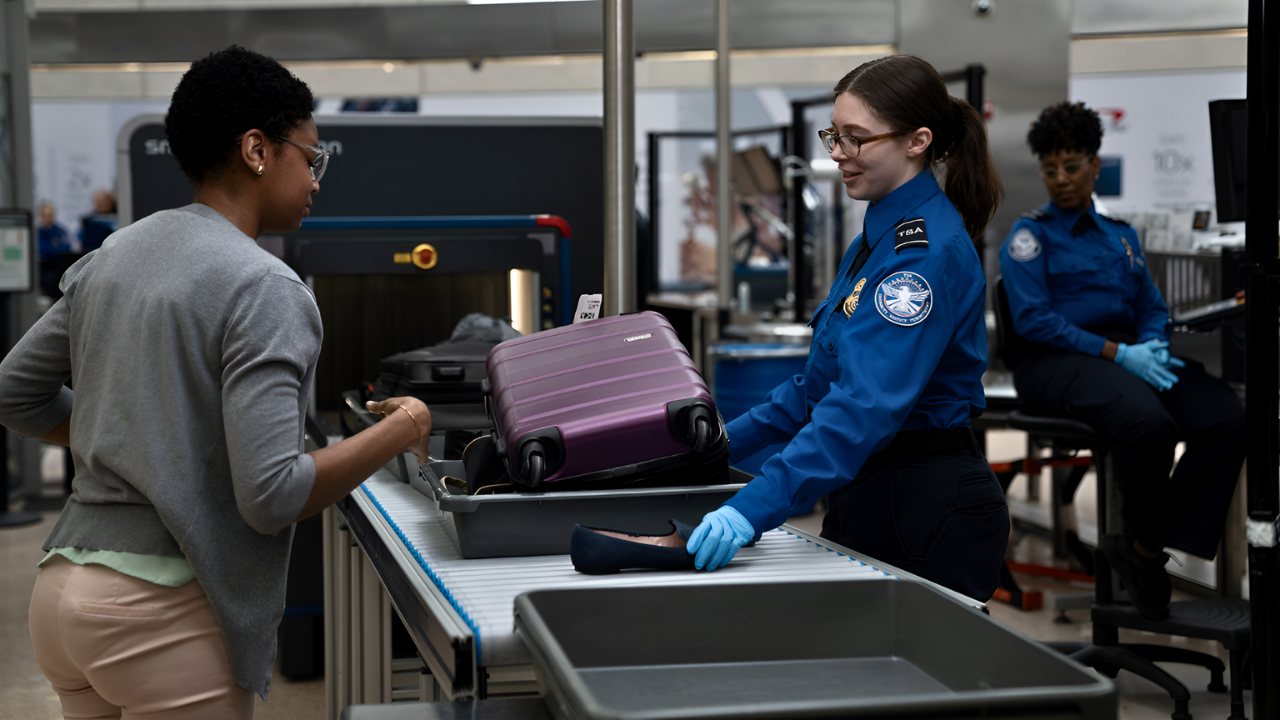
A jar of peanut butter might seem like an innocent snack, but at airport security checkpoints across the United States, it can quickly become contraband. Every day, TSA officers confiscate countless everyday items from travelers who unknowingly violate federal regulations. From food spreads to spare batteries, the list of restricted goods catches many passengers off guard, turning routine trips into frustrating ordeals.
The Evolution of Airport Screening
The Transportation Security Administration (TSA) was established in 2001 following the September 11 terrorist attacks. Initially focused on banning sharp objects, the agency has steadily expanded its regulations over the years. In 2006, TSA introduced the now-familiar 3-1-1 rule, which limits liquids, gels, and aerosols in carry-on bags to containers of 3.4 ounces or less, all fitting within a single quart-sized clear plastic bag.
The Federal Aviation Administration (FAA) has enforced lithium battery restrictions for years, with updated guidance reinforced in 2025. These evolving standards reflect ongoing efforts to address emerging safety threats while maintaining efficient passenger flow through security lines.
In May 2025, TSA began full enforcement of Real ID requirements, adding another layer to the verification process. Starting February 1, 2026, travelers without a REAL ID will be required to pay a $45 fee through TSA’s new ConfirmID verification system, instead of simply facing additional screening. The agency employs more than 60,000 officers nationwide, all trained to apply these standards consistently while adapting to real-time threat assessments.
The Lithium Battery Challenge
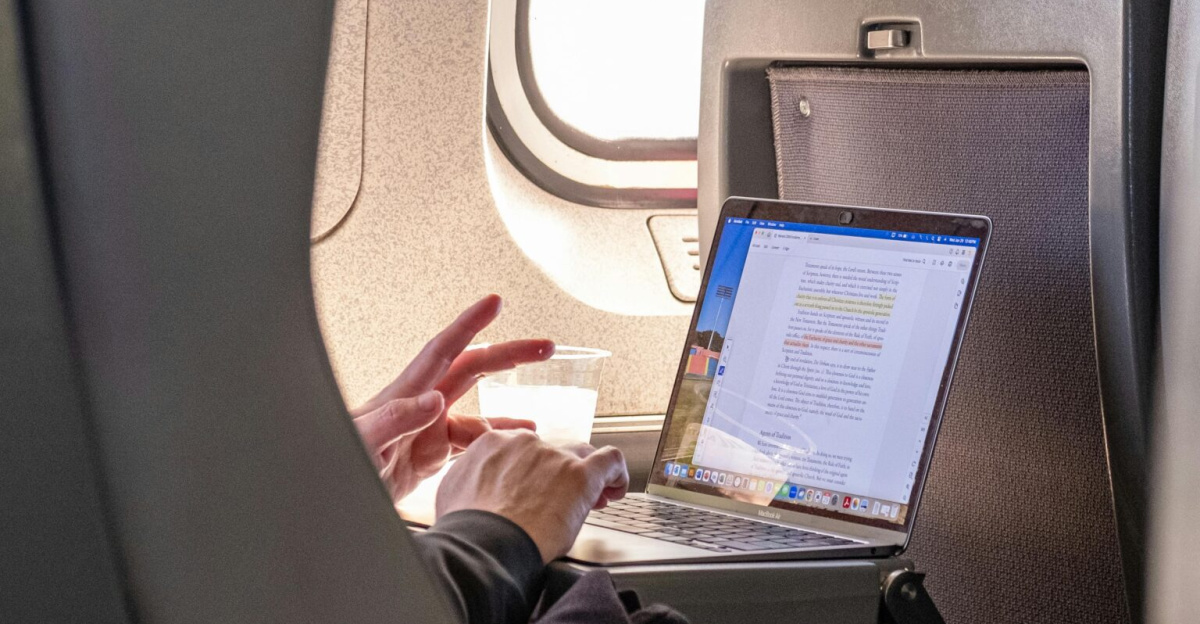
Lithium-ion batteries power nearly every personal electronic device travelers carry, from smartphones to laptops to portable chargers. However, these batteries pose a genuine fire risk when damaged or overheated, particularly in the confined cargo holds of aircraft.
FAA guidelines strictly prohibit spare lithium batteries in checked luggage. Devices containing these batteries, including vapes and e-cigarettes, must travel in carry-on bags only. For batteries exceeding 100 watt-hours, passengers may carry a maximum of two, and larger batteries require airline approval before boarding.
Airlines worldwide have aligned with these standards, meaning travelers who ignore the rules risk fines or confiscation of essential devices. The regulations exist to prevent dangerous incidents that could jeopardize flight safety, making compliance non-negotiable.
When Spreads Become Liquids
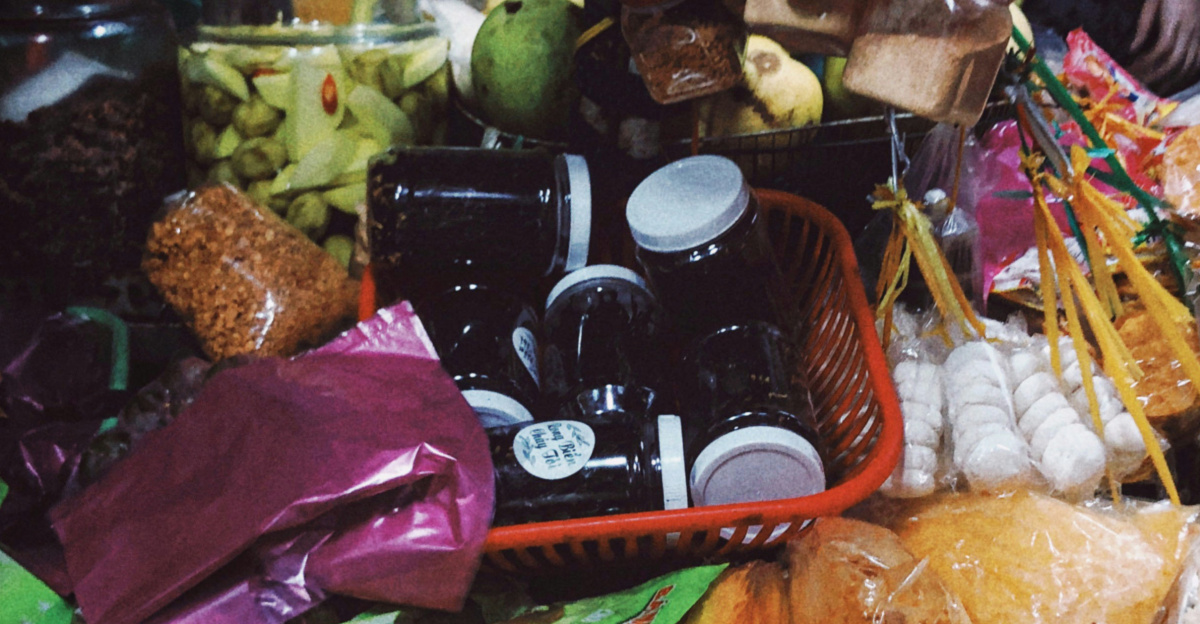
Perhaps no TSA rule confuses travelers more than the classification of food spreads as liquids. Peanut butter, hummus, cream cheese, and similar items fall under the 3-1-1 restriction when packed in carry-on bags. The agency applies a simple test: if you can spill it, spread it, pump it, or pour it, it counts as a liquid.
This means a full-sized jar of peanut butter in your carry-on will almost certainly be confiscated. The same applies to large containers of toothpaste, yogurt, and other spreadable items. While these products face no size restrictions in checked luggage, many travelers discover the rule only when standing at the checkpoint, watching their snacks disappear into a bin.
Online travel forums overflow with complaints from passengers who lost power banks, food items, and other belongings to unexpected seizures. Much of this frustration stems from confusion about regulations that can seem arbitrary to the uninformed traveler.
Your Spreadable Foods Will Be Seized
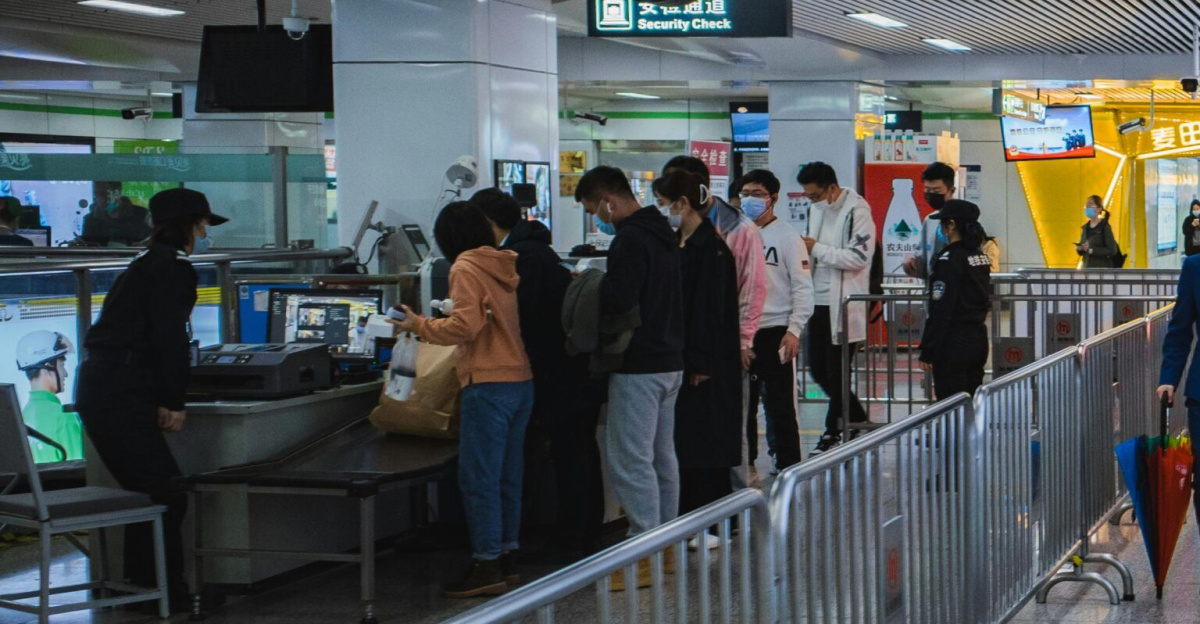
Travelers should be aware that TSA frequently seizes spreadable foods in carry-on bags, such as peanut butter, hummus, cream cheese, jelly, and yogurt when they exceed 3.4 ounces, as well as oversized liquids and gels like toothpaste, shampoo, lotions, and aerosols over 3.4 ounces in carry-on luggage. Spare lithium batteries placed in checked bags are often removed because all loose lithium-ion and lithium-metal batteries must go in carry-on bags, and large power banks may be blocked from travel if portable chargers exceed 100 watt-hours without airline approval, with those over 160 watt-hours prohibited entirely.
Vapes and e-cigarettes packed in checked luggage are also subject to removal since they must be in carry-on bags only, and gas-cartridge styling tools, such as cordless curling irons and hair straighteners powered by gas cartridges, were banned from checked luggage in August 2025. These items may also be confiscated when packed incorrectly.
Streamlining the Screening Process
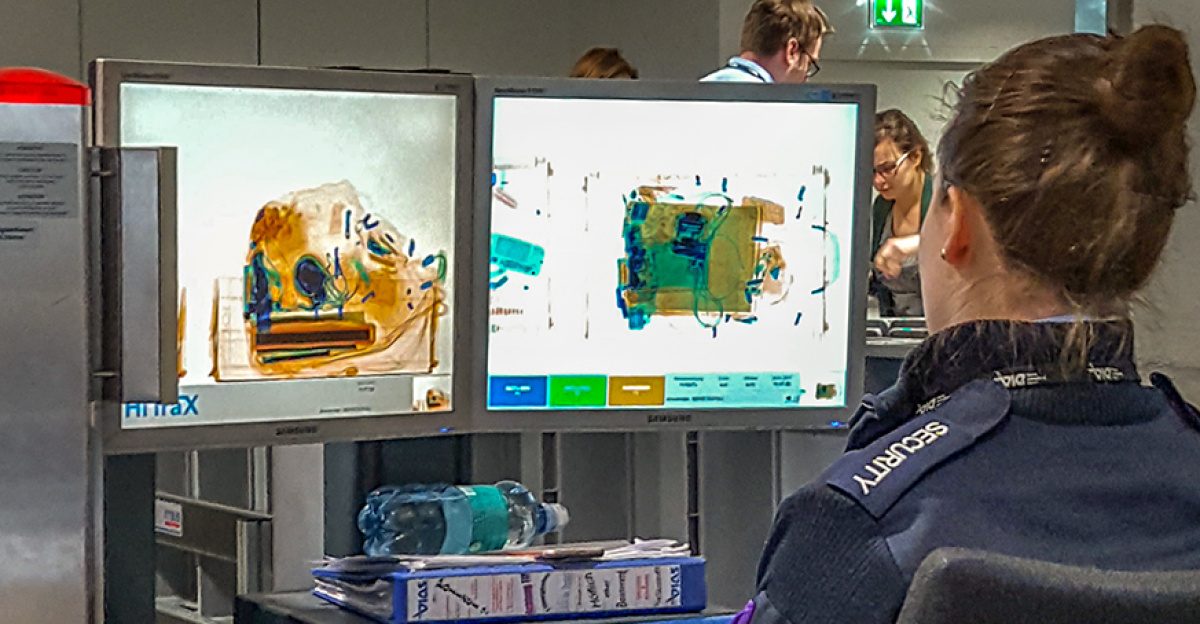
TSA continues investing in technology to streamline the screening process. TSA has installed advanced CT scanners at many U.S. airport checkpoints, providing three-dimensional imaging that helps officers inspect carry-on bags more thoroughly without requiring passengers to remove electronics and liquids. These installations are underway at dozens of airports and continue to expand as new scanner units are added to additional locations. These upgrades aim to reduce delays while maintaining rigorous security standards.
Aviation experts observe that while enforcement is generally consistent, some variation occurs between different airports and regions. Achieving uniformity across all hubs remains an ongoing priority for the agency.
For travelers, preparation is the best defense against checkpoint complications. Labeling spare batteries, keeping liquids and gels within size limits, and placing spreads in checked bags can prevent most common issues. Many carriers offer packing guidance to help passengers navigate the rules before arriving at the airport.
As screening technology advances and regulations continue evolving, understanding current standards remains essential for anyone planning air travel. The items in your bag today could face different scrutiny tomorrow, making awareness the most valuable tool in any traveler’s kit.
Sources:
“September 11 and the Transportation Security Administration.” National Museum of American History, Smithsonian Institution, 2011.
“Lithium Batteries in Baggage.” Federal Aviation Administration, Sept 2025.
“TSA Begins Full REAL ID Enforcement.” Fredrikson & Byron, Oct 2025.
“If you can spill, spread, pump or pour it, then check it. TSA tips for smooth holiday travel.” WTOP News, 14 Nov 2023.