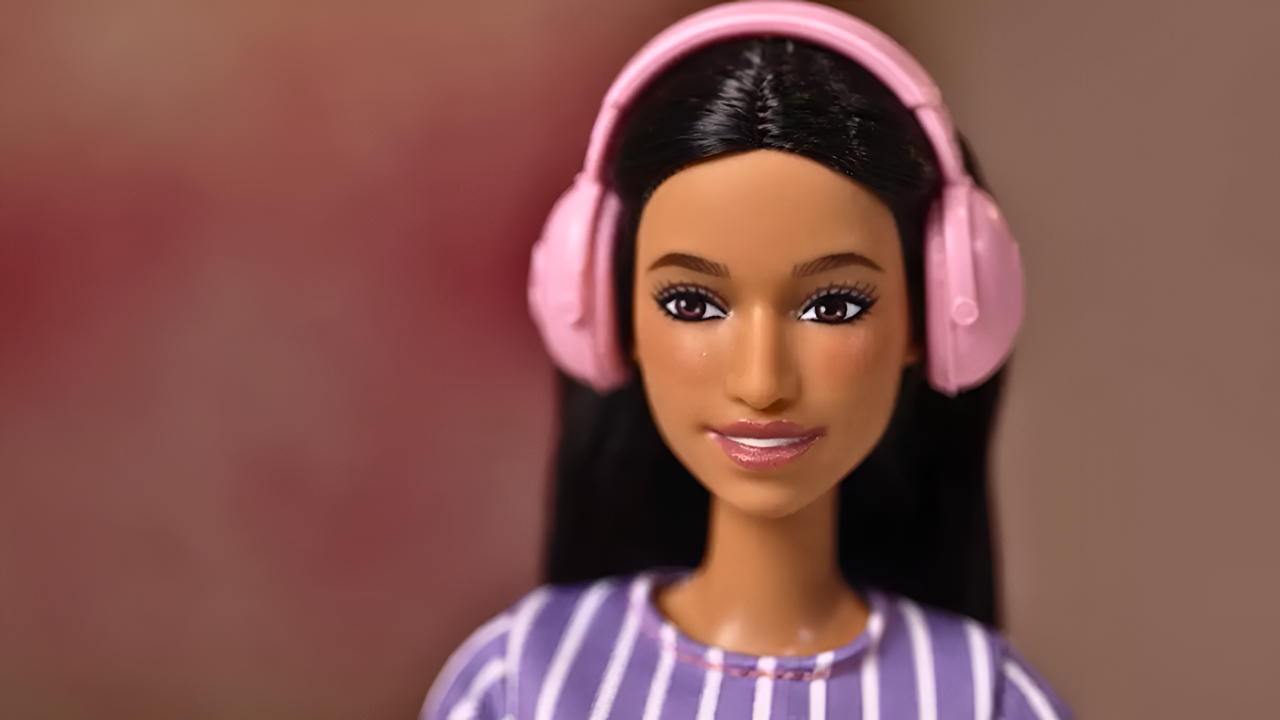
On January 12, 2026, Mattel unveiled a groundbreaking new addition to its iconic Barbie line—its first-ever autistic Barbie doll. After 66 years of history, this momentous launch is set to shift the landscape of representation in the toy industry.
The $11.87 doll is now available in retail stores across the country, addressing a long-standing gap in autism visibility within mainstream toys. This release comes after increasing demands from parents and disability advocates for more inclusive play.
Partnering with the Autistic Self Advocacy Network, Mattel ensured the design was rooted in meaningful collaboration with the autism community. But this is only the beginning. What comes next could shape the future of childhood representation in a way we’ve never seen before.
Autism in America: By the Numbers
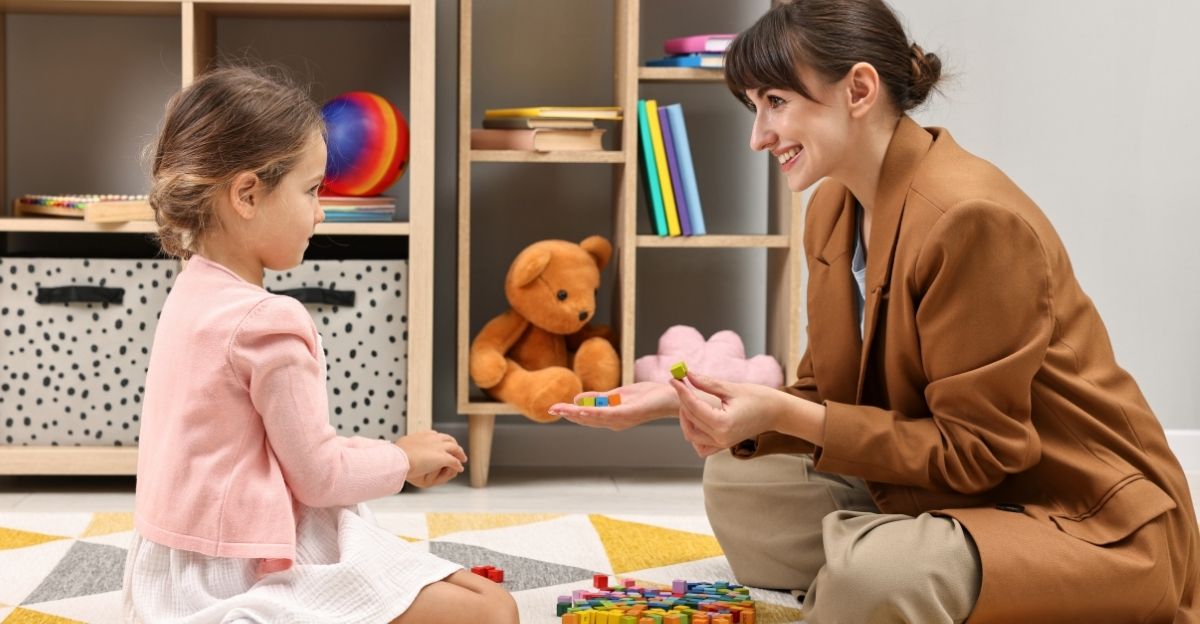
The CDC estimates 1 in 31 U.S. children are diagnosed with autism spectrum disorder, affecting approximately 2.4 million American children. This represents a significant increase from previous estimates of 1 in 36.
Boys are diagnosed at three times the rate of girls, though underdiagnosis in girls, women, and children of color remains a critical gap.
Rising prevalence underscores the urgent need for representation in toys, media, and education. Approximately 5.4 million Americans across all ages navigate autism spectrum disorder daily.
Why Representation Matters
Autism has historically been rendered invisible in mainstream toys despite affecting millions of American children. Young autistic children rarely see themselves reflected in popular culture or playsets, impacting self-worth and acceptance.
Research shows representation increases social acceptance and reduces stigma among peers. The autistic community has long advocated for authentic, joyful portrayals rather than pathologizing depictions.
This doll addresses decades of exclusion, signaling to autistic youth: you belong in mainstream spaces, including toy aisles.
18 Months of Authentic Development

Mattel partnered with the Autistic Self Advocacy Network (ASAN) for 18+ months of collaborative design and feedback. Rather than designing in isolation, Mattel worked directly with autistic community members, advocates, and disability experts.
This extended timeline ensured the doll reflected authentic lived experiences rather than stereotypes. ASAN’s involvement brought a crucial perspective on sensory needs, social communication differences, and visible design elements.
The development process itself became a model for inclusive corporate product development in the toy industry.
Design Feature: Flexible Joints for Stimming
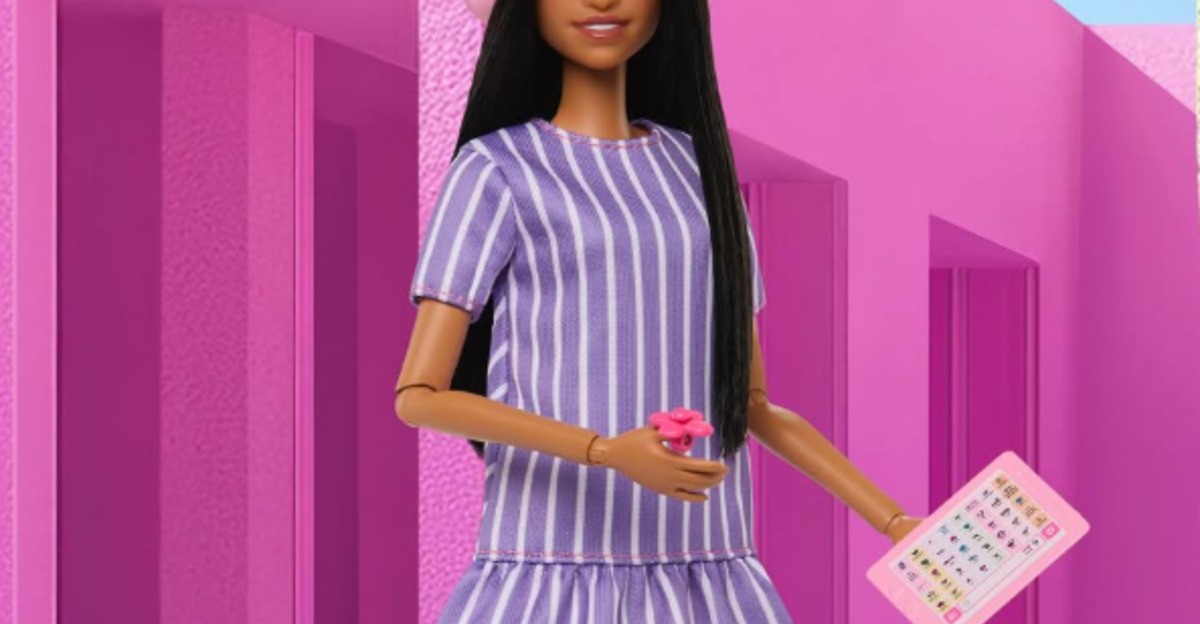
The autistic Barbie features articulated elbows and wrist joints specifically designed for stimming—repetitive, self-soothing movements common among autistic individuals.
These flexible joints allow the doll to assume varied hand and arm positions, reflecting how many autistic people self-regulate through repetitive motion. Stimming serves important neurological functions: calming anxiety, processing emotions, and focusing attention.
By incorporating stim-friendly joints, Mattel normalized stimming as a healthy, ordinary behavior rather than something requiring correction. This design choice celebrates authentic autistic self-expression.
Design Feature: Averted Eye Gaze
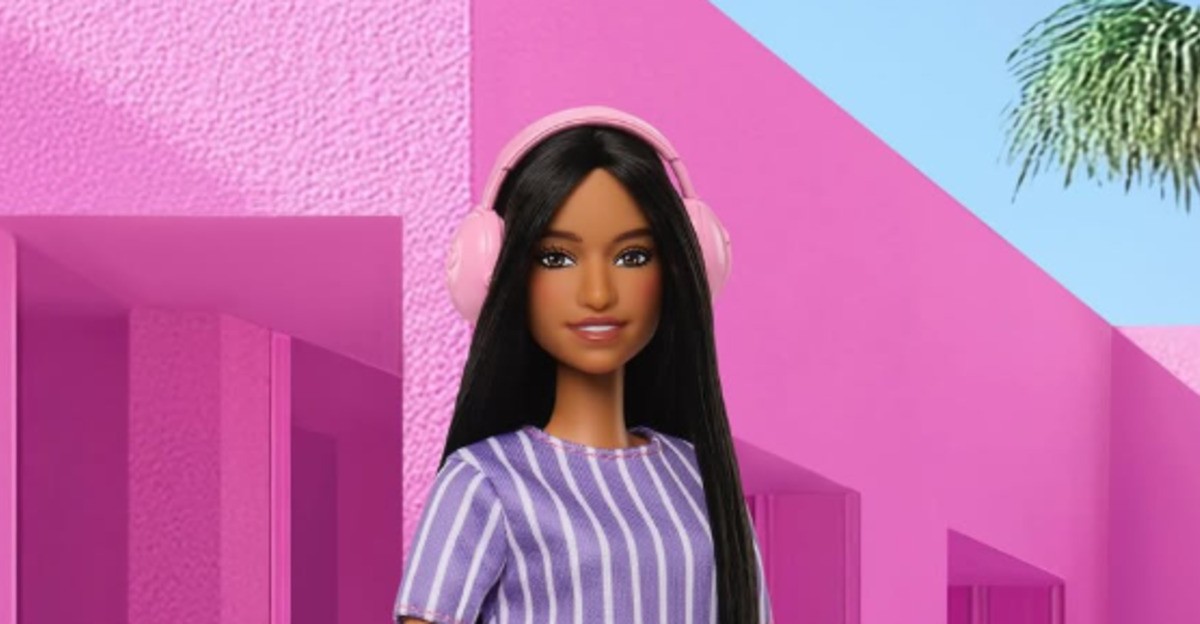
The doll’s eyes are intentionally designed to gaze slightly to the side rather than directly forward. This reflects how some autistic individuals avoid direct eye contact due to sensory processing differences or social anxiety.
Direct eye contact, while expected in many Western cultures, can feel overwhelming or uncomfortable for autistic people. By depicting averted gaze, the doll normalizes this trait without pathologizing it.
The design choice teaches neurotypical children that different eye contact patterns are natural variations, not deficits. This subtle feature carries profound representation weight.
Sensory-Conscious Clothing Design
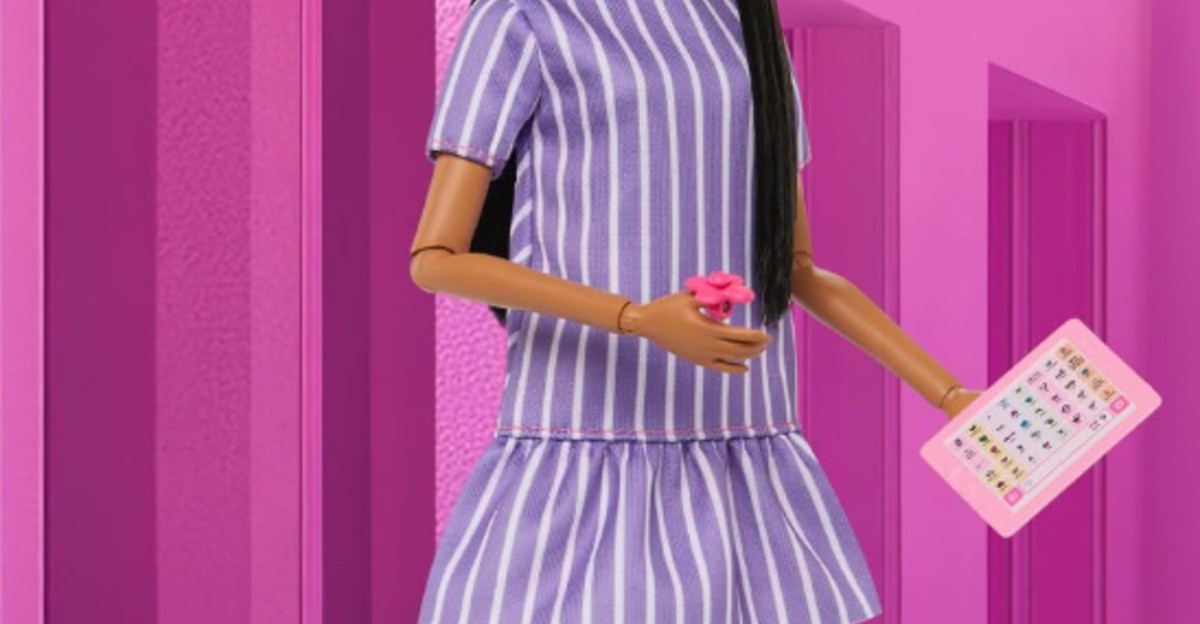
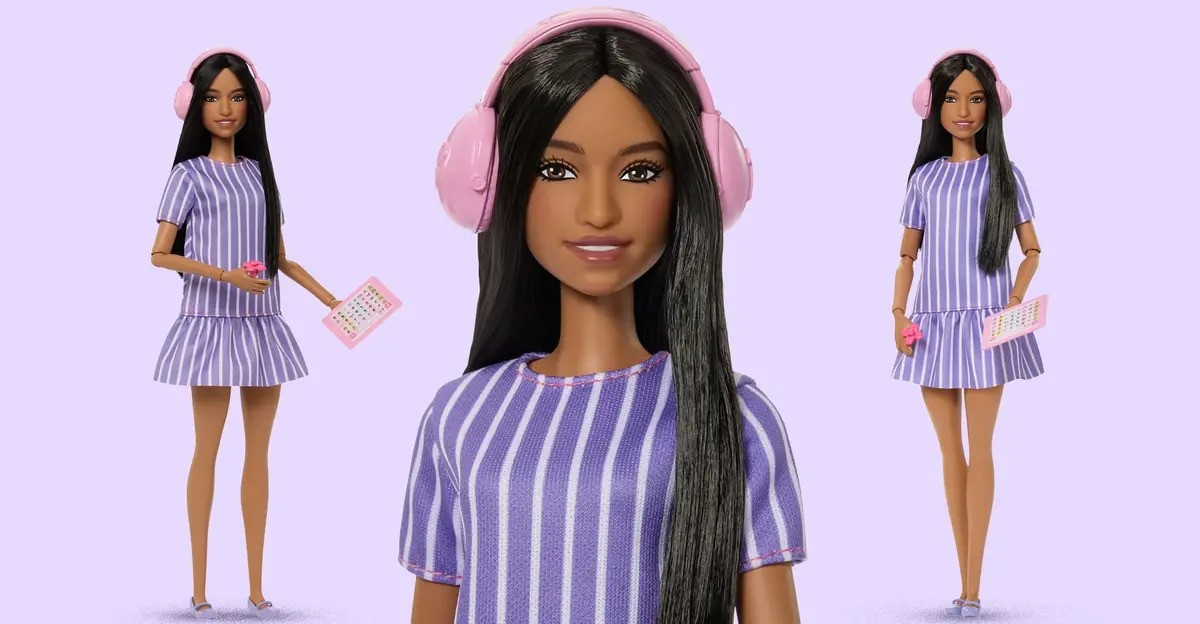
The autistic Barbie wears a loose-fitting pinstripe A-line dress with minimal seams, designed to accommodate sensory sensitivities common in autistic individuals. Many autistic people experience heightened tactile sensitivity, making seams, tight clothing, and textured fabrics uncomfortable or painful.
The dress’s loose fit and simple construction minimize sensory irritation while maintaining a stylish appearance. Purple Mary Jane flat shoes provide stability without uncomfortable closures.
This clothing design acknowledges that fashion and sensory comfort aren’t mutually exclusive, modeling inclusive design principles for the broader apparel industry.
Accessories: Fidget Spinner
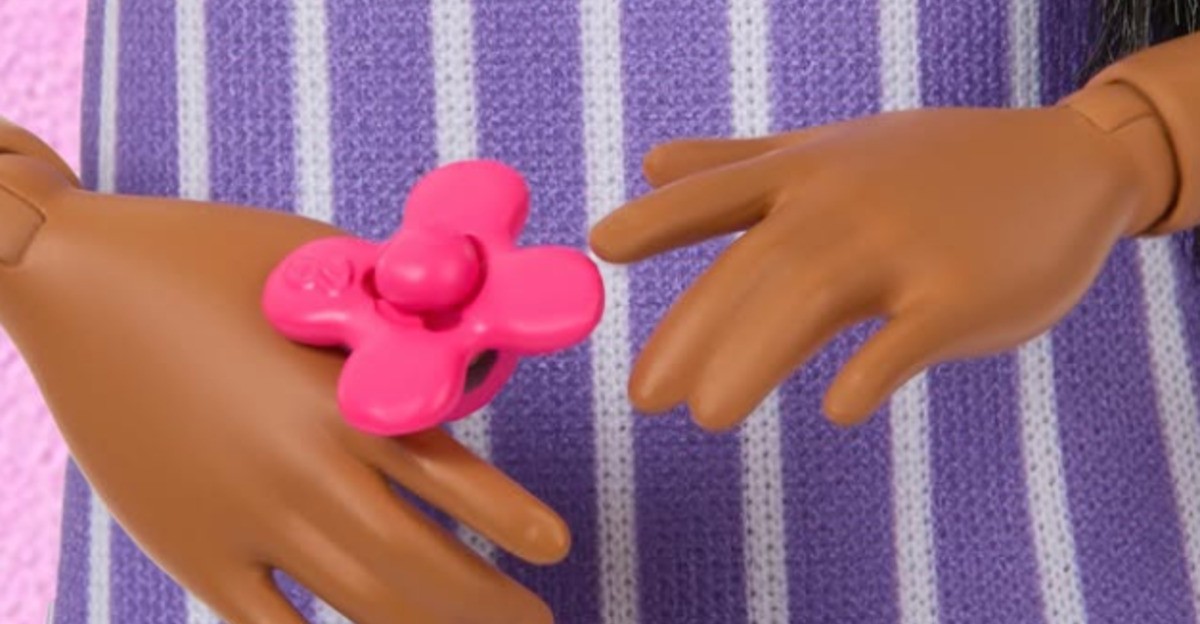
The doll features a pink fidget spinner, a tool commonly used by autistic individuals for self-regulation and focus. Fidget spinners gained mainstream popularity in the 2010s, though they’ve long been recognized by occupational therapists as valuable sensory tools.
Unlike stereotypical ‘therapy’ toys that hide stimming, the fidget spinner is presented as a normal accessory, equivalent to other doll accessories. This mainstream integration reduces stigma around sensory tools.
For autistic children, seeing their real coping mechanisms reflected in toys validates their experiences and reinforces that sensory regulation is ordinary, not pathological.
Accessories: Noise-Canceling Headphones
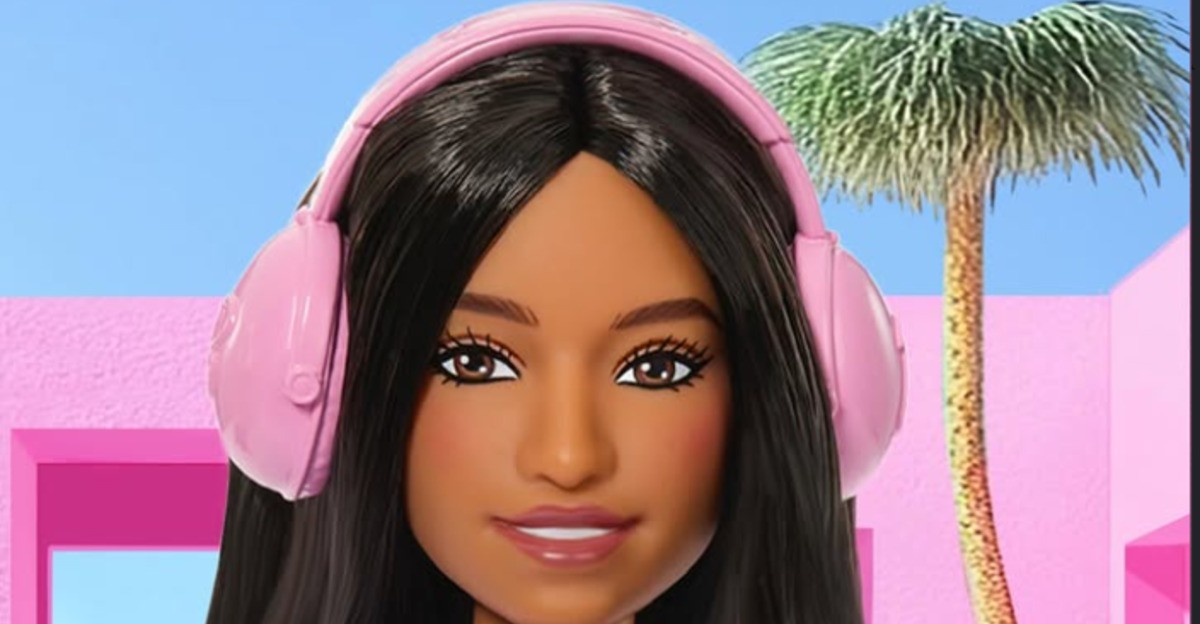
The doll comes with noise-canceling headphones, addressing auditory sensory sensitivities that many autistic individuals experience. Autistic people often struggle with sound sensitivity, finding certain frequencies, volumes, or types of noise overwhelming or painful.
Noise-canceling technology provides relief in overstimulating environments like shops, schools, or crowds. Including headphones as a standard doll accessory normalizes sound management as a legitimate need rather than an accommodation or weakness.
For autistic children who use real noise-canceling headphones, this accessory mirrors their lived reality, affirming their sensory needs.
Accessories: AAC Tablet
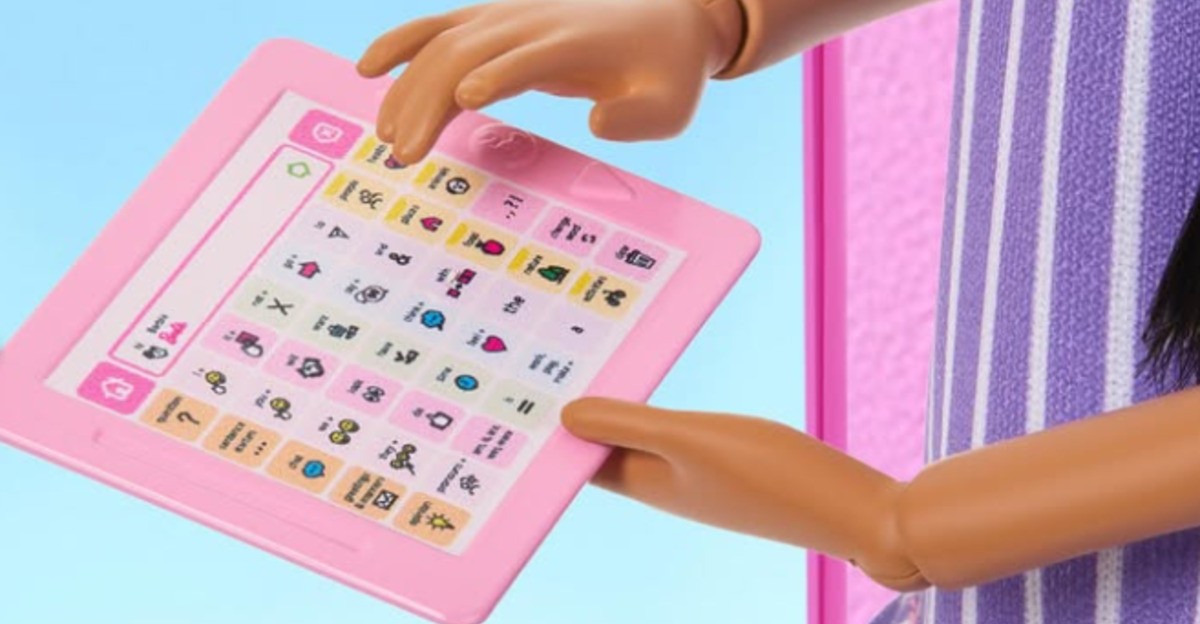
The doll’s tablet represents Augmentative and Alternative Communication (AAC) devices used by many nonspeaking or minimally speaking autistic individuals. AAC encompasses text-to-speech apps, picture boards, and communication software that enable expression for people who cannot reliably produce spoken words.
Research indicates a significant percentage of autistic individuals are minimally speaking or nonspeaking, yet representation of AAC users in toys remains rare
By including an AAC tablet, Mattel centered nonspeaking autistic voices and experiences. This accessory sends a powerful message: your communication style, whatever form it takes, is valid and valued.
Mattel’s Diversity Milestone
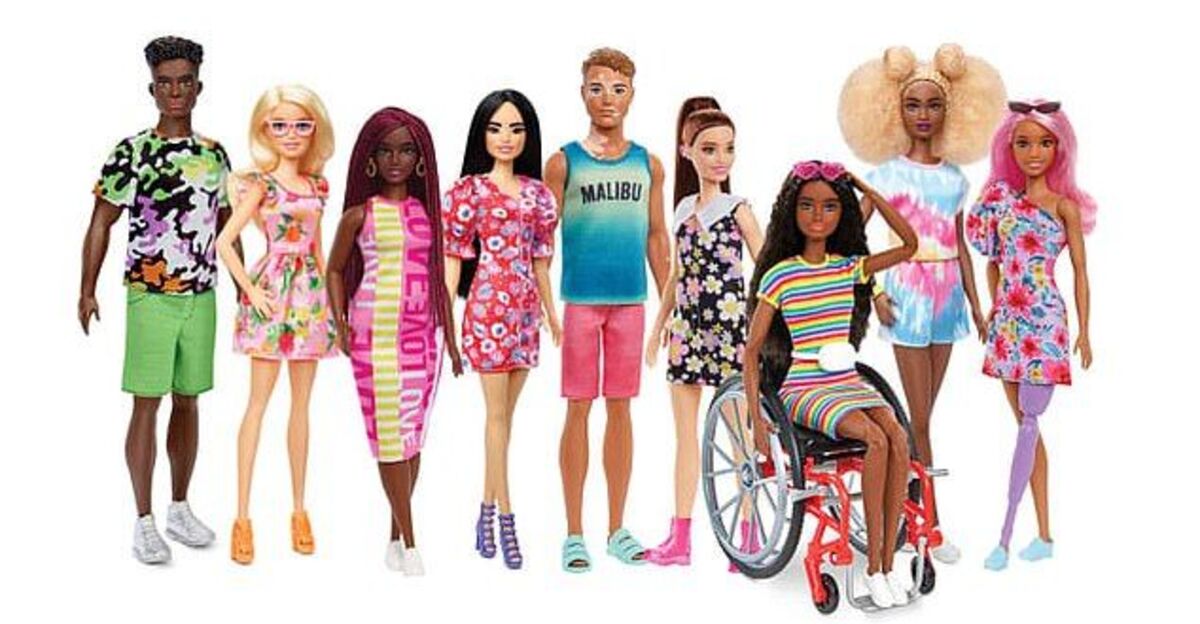
The autistic Barbie joins an expanding Fashionistas collection representing unprecedented toy diversity. Mattel previously introduced dolls with Down syndrome (2023), Type 1 diabetes (summer 2025), wheelchairs, prosthetic limbs, hearing aids, and vitiligo.
The Fashionistas line now includes over 175 variations spanning body types, skin tones, hair textures, and disabilities. This 200+ doll portfolio reflects society’s actual diversity far better than traditional Barbie’s singular ‘perfect’ aesthetic.
The autistic doll represents Mattel’s strategic pivot: dolls reflecting real kids outperform fantasy stereotypes in market performance and cultural relevance.
ASAN Partnership

Colin Killick, Executive Director of the Autistic Self Advocacy Network, praised the collaboration: “It is so important for young autistic people to see authentic, joyful representations of themselves, and that’s exactly what this doll is.”
ASAN, founded in 2006, advocates for autistic rights using the neurodiversity framework—positioning autism as a natural human variation rather than a defect.
Killick’s endorsement carries weight within disability communities. His statement emphasizes the doll’s authenticity and celebratory tone, contrasting with medicalized, deficit-focused autism narratives that historically dominated popular culture representations.
Community Input
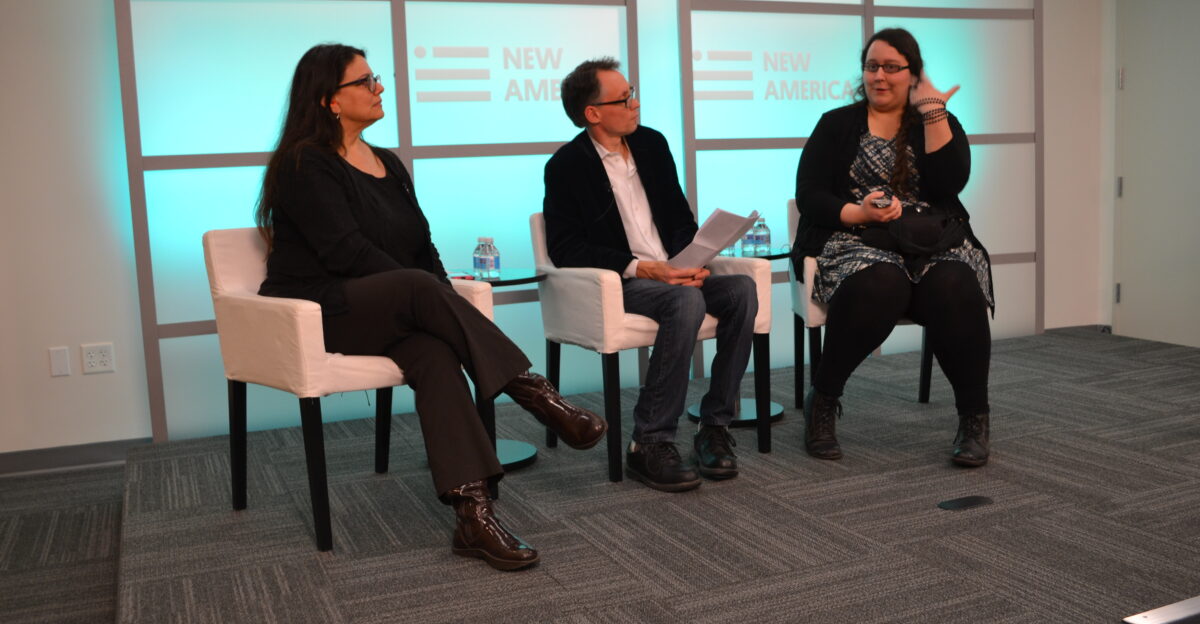
Noor Pervez, ASAN’s Community Engagement Manager, shaped the doll’s design throughout the 18-month development process. Pervez, herself autistic, brought a lived experience perspective to design decisions about sensory needs, clothing, and accessories.
She advocated for realistic traits that honor spectrum diversity while avoiding stereotypes. Pervez emphasized that “autism doesn’t look any one way,” reflecting the spectrum’s profound heterogeneity.
Her leadership ensured the doll avoided performing autism for neurotypical audiences, instead centering autistic joy and self-determination. Her role models the importance of disabled people designing for disabled communities.
Global Inspiration: Indian Design Elements
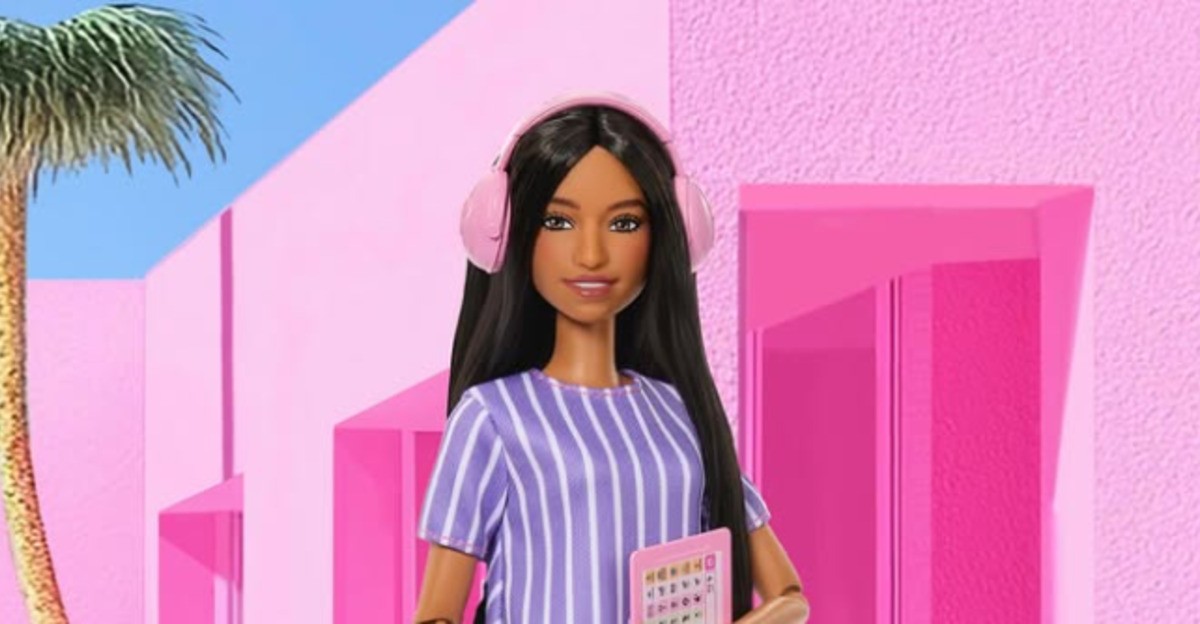
The doll’s facial features were inspired by Mattel employees and mood boards reflecting Indian women and autistic South Asian experiences. This design choice addresses systemic underrepresentation of Asian autistic individuals in media and toys.
Autism diagnostics and narratives have historically centered on white, male experiences, leaving autistic girls and people of color underdiagnosed and invisible. By incorporating Indian design elements, Mattel acknowledged global autism diversity and centered the voices of South Asian autistic individuals.
The collaboration with Indian employees created representation that extends beyond American toy shelves to international autistic communities.
Retail Launch: Target and Mattel Shop
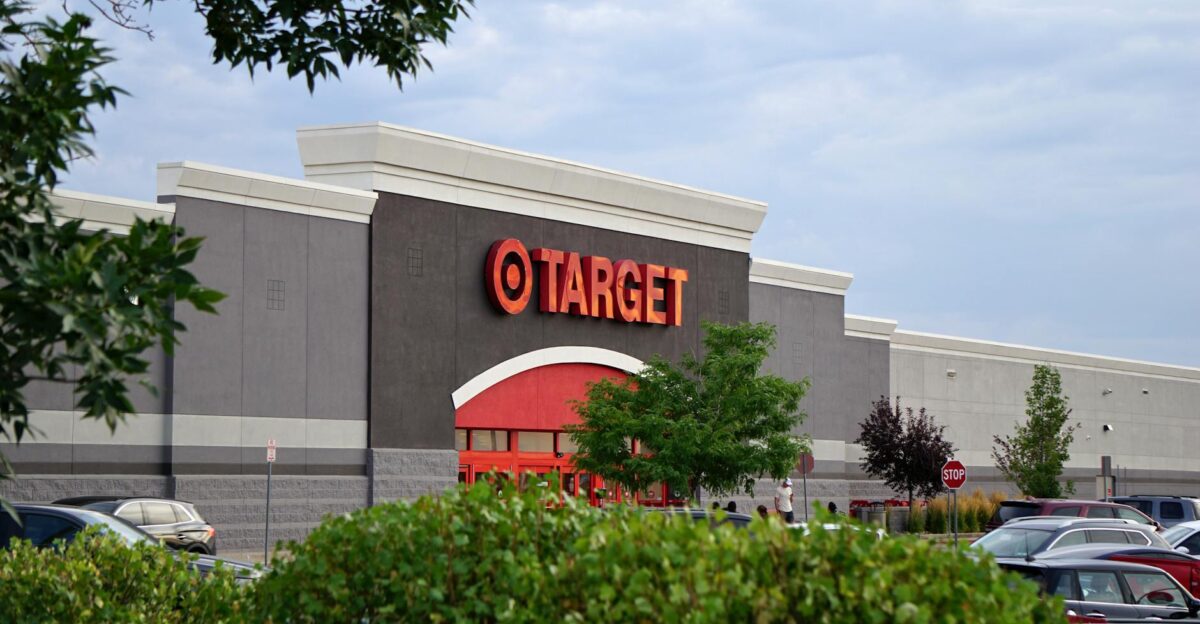
The autistic Barbie became available immediately on January 12, 2026, at Target stores nationwide and through Mattel’s direct online shop. Target’s immediate stocking reflects the retailer’s commitment to inclusive product lines and accessibility. ]
Mattel Shop direct sales enable controlled inventory management and premium positioning. Both channels prioritize availability for families seeking this representation.
Target’s wide geographic footprint ensures rural and urban families can access the doll without shipping delays. The dual retail strategy balances mass-market penetration with direct sales, maximizing reach to autistic families nationwide.
Walmart Nationwide Rollout: March 2026

Walmart plans a nationwide rollout of the autistic Barbie for March 2026, following Target’s January launch. This phased retail strategy manages supply chain demands while prioritizing initial partnerships with high-volume retailers.
Walmart’s March expansion extends availability to its vast network of 4,700+ U.S. locations, reaching communities underserved by Target or online shopping. The three-month gap allows Mattel to assess demand, manage production, and prepare inventory.
For autistic families without nearby Target stores, the March Walmart arrival ensures affordable accessibility. The rollout demonstrates a coordinated retail strategy rather than simultaneous saturation.
Price Point: Accessibility Through Affordability
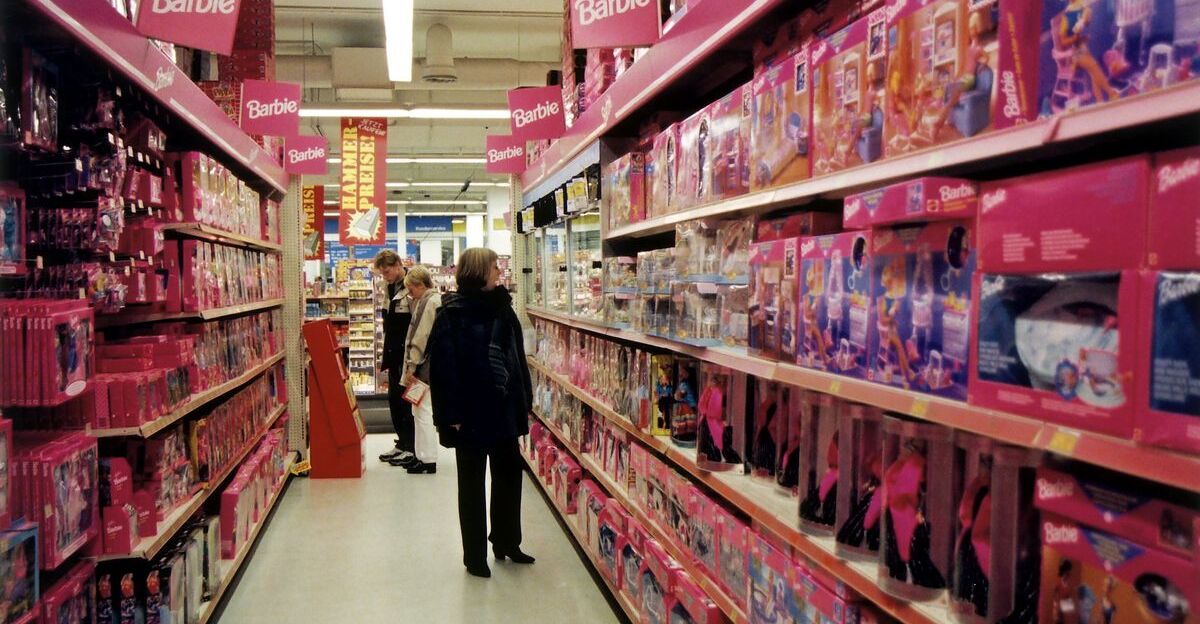
At $11.87 retail price, the autistic Barbie maintains the Fashionistas line’s affordability while offering a sophisticated, inclusive design. Standard Barbie dolls typically retail $9.99-$14.99, placing this doll within familiar price ranges for families accustomed to mainstream toy budgeting.
Affordability matters profoundly for accessibility—premium pricing restricts representation to affluent families. The $11.87 point signals that disability representation isn’t a luxury, but an expected baseline.
For families of 2.4 million autistic children, this price ensures that seeing their child represented doesn’t require sacrifice. Affordability democratizes inclusion.
Market Impact: Revenue Potential
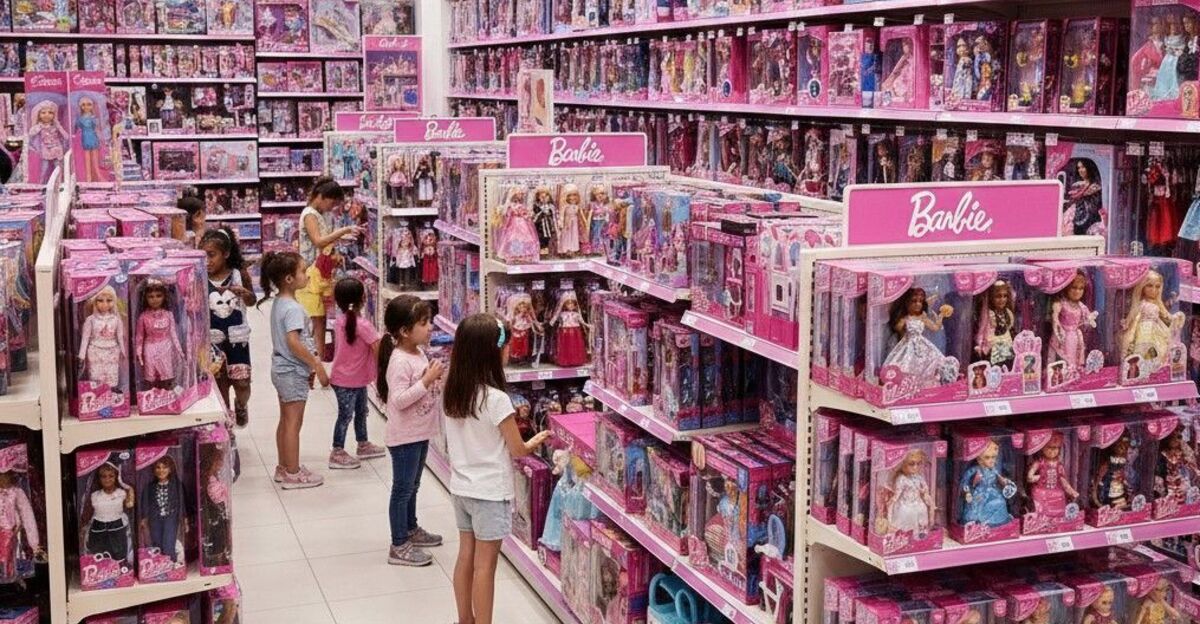
Industry analysts project significant revenue potential if autistic Barbie adoption mirrors past Fashionistas launches. Estimated revenue potential could reach $50-150 million based on 2.4 million autistic U.S. children plus adult collectors and gift-givers.
Fashionistas dolls consistently outperform traditional Barbie lines, indicating market appetite for diverse representation. Positive reception could expand the autistic doll line to complementary characters—autistic Ken, autistic friends with different presentations.
Success may influence toy industry peers to develop disability-inclusive lines, expanding the market beyond Mattel. This launch represents market-driven inclusive capitalism.
Breaking Stereotypes
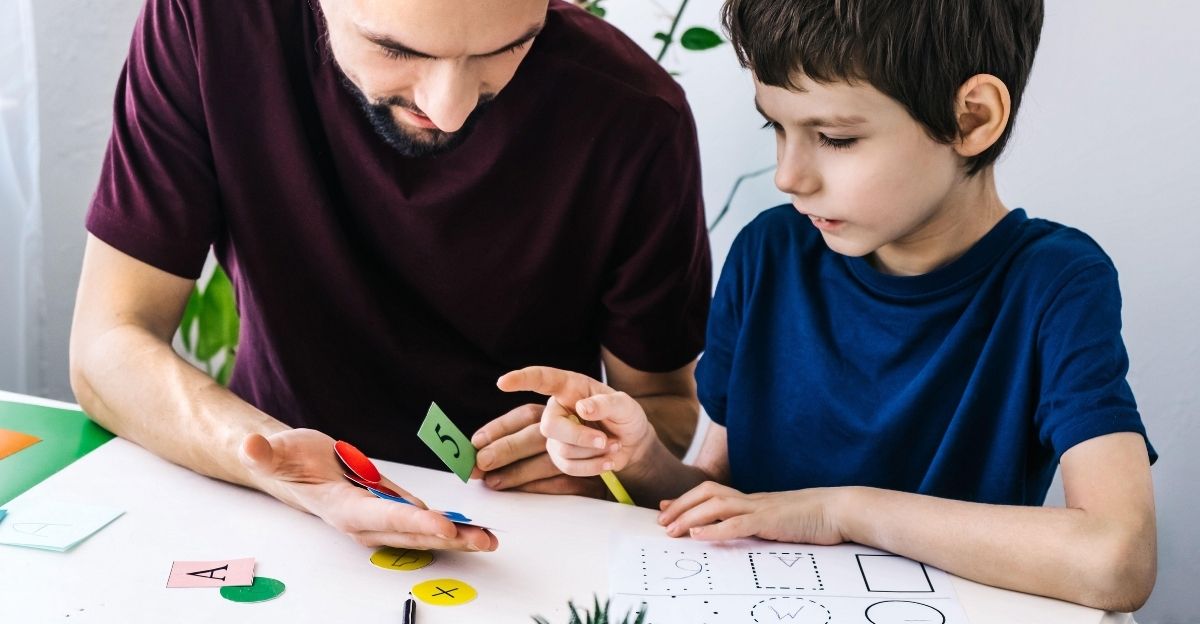
The autistic Barbie challenges the persistent “white boy” autism stereotype that dominates public narratives. Clinical literature, media representations, and diagnostic biases have historically centered autism in boys, particularly white boys, rendering girls and people of color invisible.
This doll, with Indian-inspired features and feminine presentation, normalizes autism as affecting all genders and races. It challenges stereotypes that autistic people cannot be stylish, social, or joyful.
The doll’s celebratory tone rejects medicalized, deficit-focused narratives portraying autism as a tragedy. Cultural significance extends beyond toy sales to broader societal understanding of neurodiversity and human variation.
Future of Inclusive Toy Design
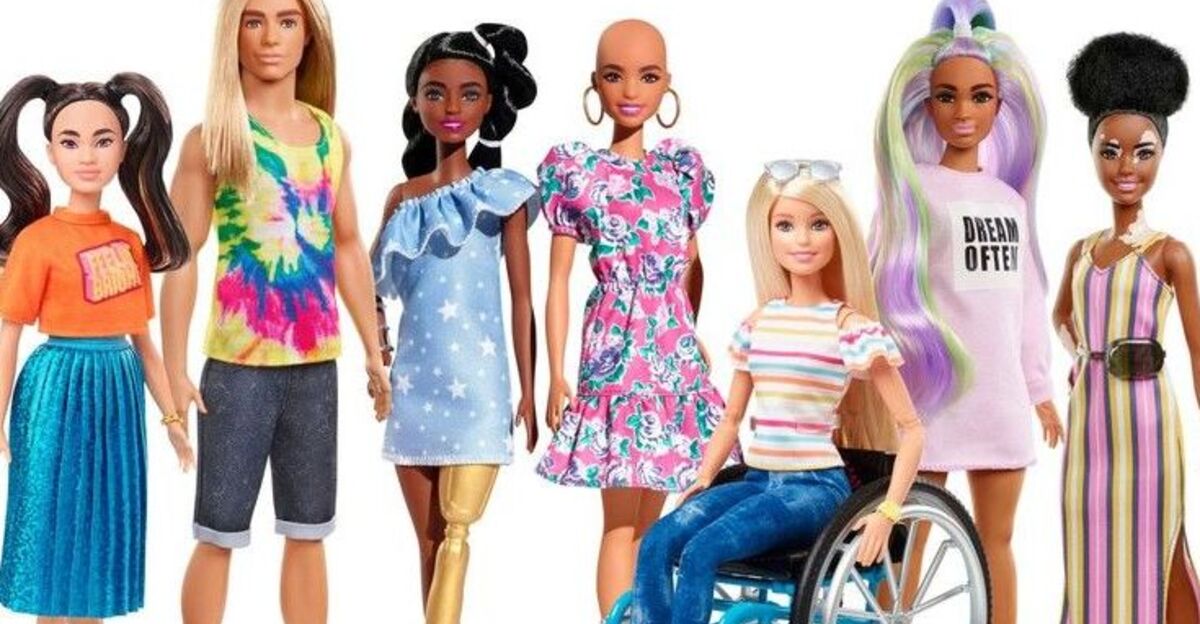
The autistic Barbie’s success signals a paradigm shift in toy industry standards toward neurodivergent-centered design. Future implications include expanded autistic character lines with varied presentations, sensory-conscious design becoming baseline rather than niche, and disability representation extending beyond dolls to games, electronics, and media.
Industry competitors face pressure to develop comparable inclusive lines, potentially reshaping entire toy sectors. Educational institutions may adopt Barbie’s 18-month community collaboration model for curriculum development.
This launch establishes proof of concept: authentic representation drives market success and cultural impact simultaneously. The doll represents not an endpoint, but a beginning.
Sources:
ABC News – Mattel adds autistic Barbie to doll line devoted to diversity and inclusion, January 12, 2026
Axios – Barbie releases first autistic doll as Mattel expands inclusion, January 12, 2026
Autistic Self Advocacy Network (ASAN) – Official statements and partnership details
Mattel Corporate – Press release on autistic Barbie launch, January 11, 2026
CDC Autism and Developmental Disabilities Monitoring Network – Autism prevalence data, April 2025
AP News – Mattel launches first autistic Barbie, January 12, 2026