
The ruling landed first. A federal judge ordered Mariah Carey to be paid $92,000 in legal fees, declaring a lawsuit against her Christmas hit “frivolous.”
The decision immediately shielded one of the most profitable songs in music history—an anthem that returns to No. 1 every December and generates millions annually.
But the fee award was only the end of a much longer fight. What triggered the lawsuit in the first place—and why did it take years to collapse?
A Christmas Cash Cow

By 2022 alone, the song generated an estimated $8.5 million in global revenue, fueled by streaming, licensing, and holiday airplay.
That number ballooned as the track continued its annual December takeover. With billions of cumulative streams and unmatched seasonal demand, the song became more than festive nostalgia—it became big business. That financial gravity made it a prime target for legal challenge.
A 1994 Song That Wouldn’t Fade

Released in 1994 on Carey’s album Merry Christmas, the track initially grew through retail play and radio rotation. Decades later, streaming rewrote its trajectory.
Starting in 2019, the song began an unprecedented pattern: reclaiming No. 1 on the Hot 100 every holiday season, redefining what longevity looks like in the streaming era.
A Familiar Title Raises Questions
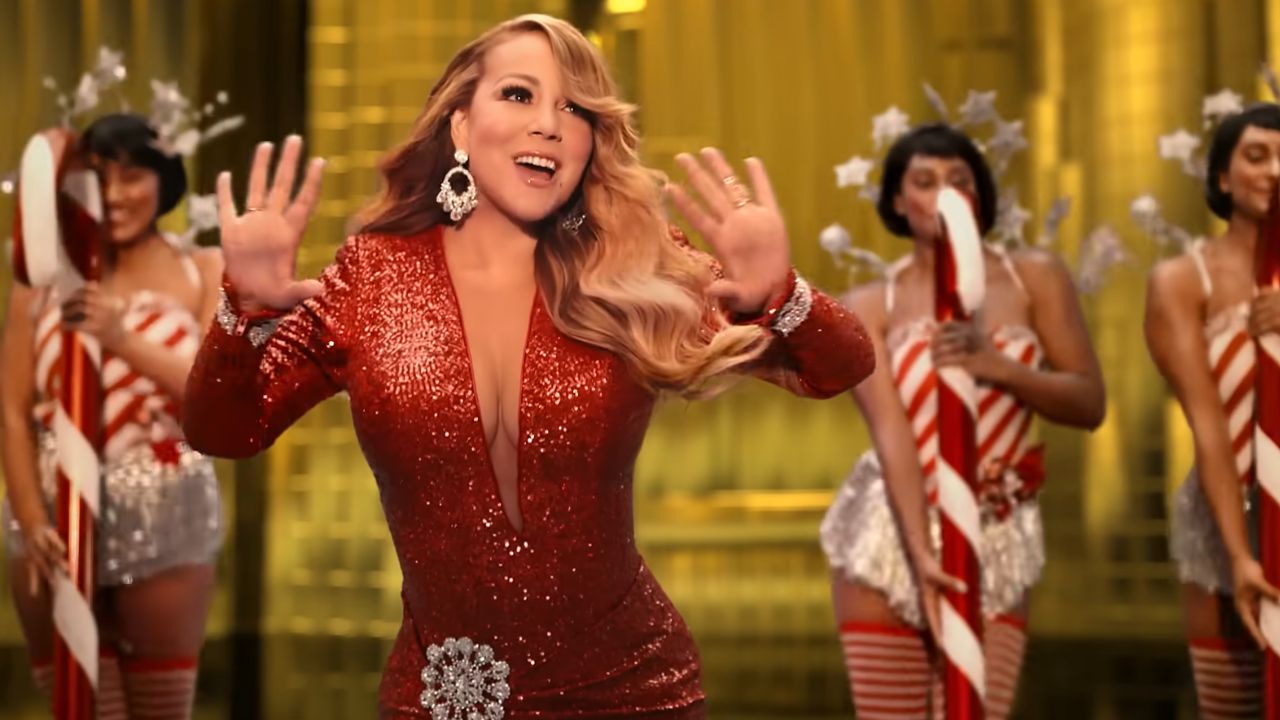
In 2022, songwriter Vince Vance—real name Andy Stone—filed suit claiming Carey’s song infringed on his 1989 country track of the same title.
His argument hinged on shared phrasing and themes, asserting the similarities justified damages. The lawsuit sought $20 million, placing Carey’s holiday empire directly in the crosshairs.
The Case Moves to Federal Court
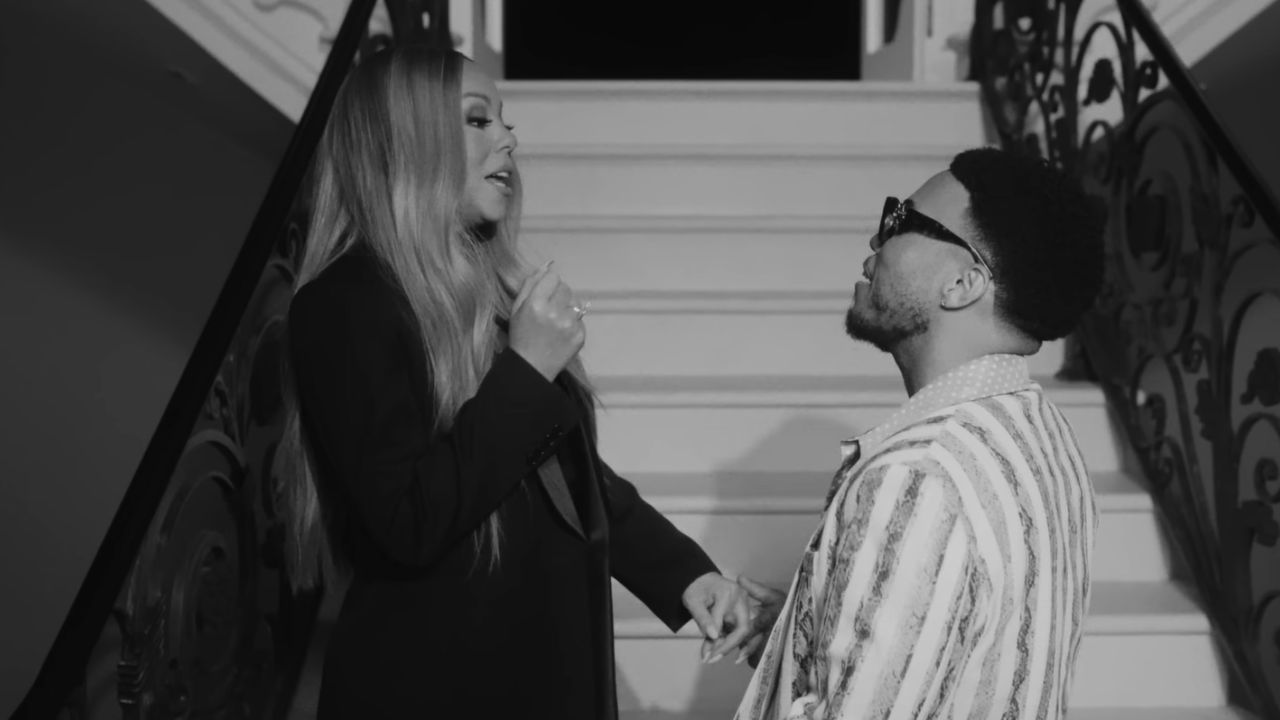
The case landed in California federal court, naming Carey, her co-writer Walter Afanasieff, and major music companies as defendants.
As copyright lawsuits surged across the industry amid streaming riches, the outcome of this dispute carried broader implications—especially for legacy hits built on genre traditions.
Judge Draws a Line
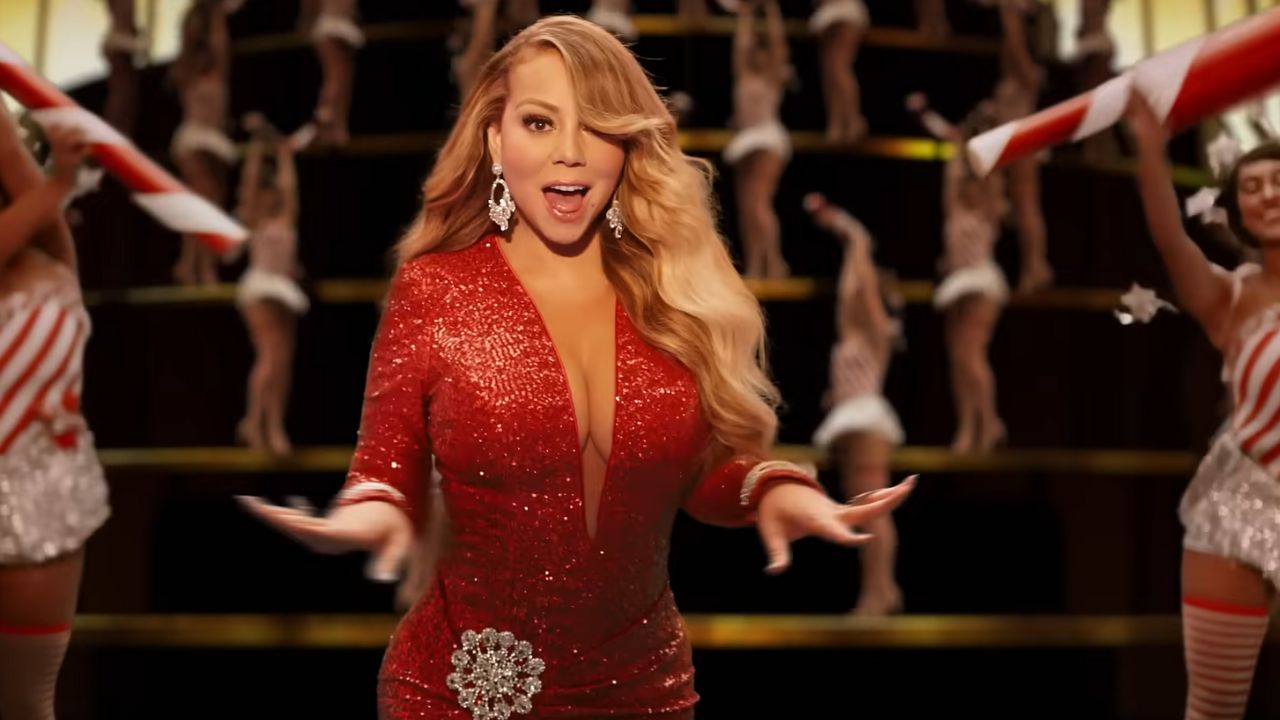
In March 2025, U.S. District Judge Mónica Ramírez Almadani dismissed the lawsuit outright.
Her ruling was blunt: the two songs shared only “Christmas song clichés”—common, unprotectable ideas that cannot be copyrighted. Expression, not theme, is what the law protects.
Frivolous Arguments, Real Consequences
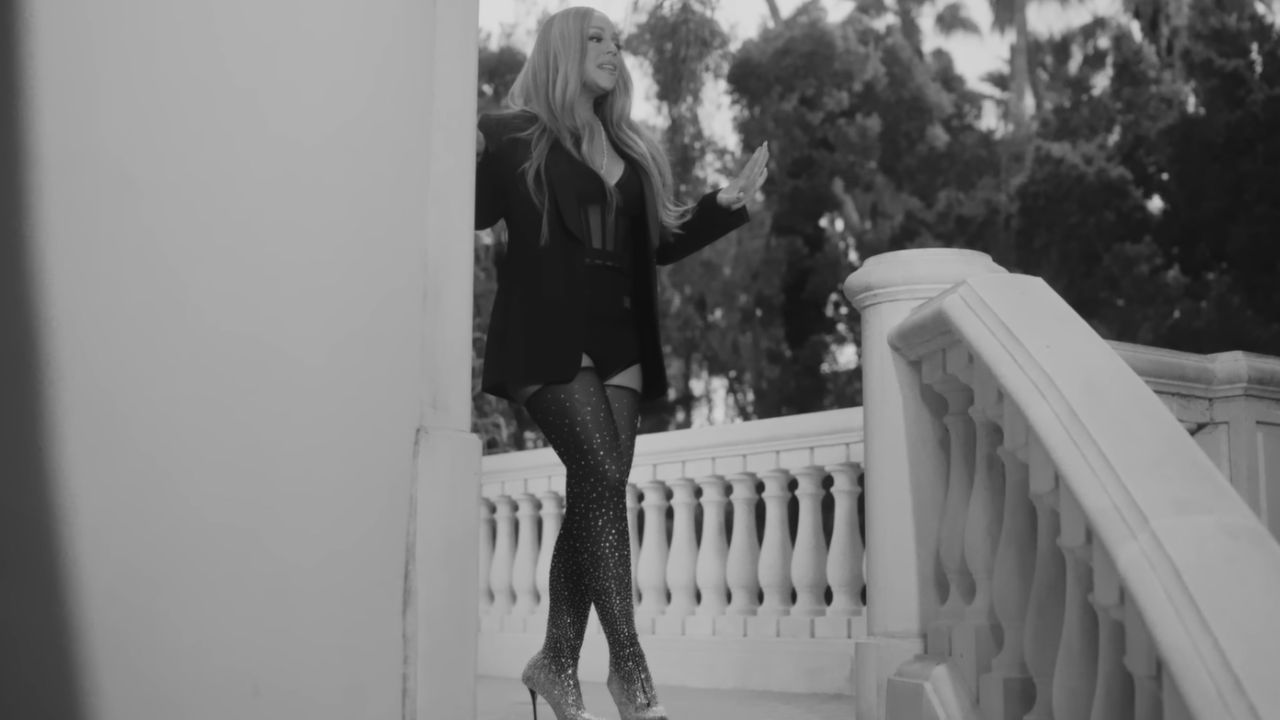
The court didn’t stop at dismissal. Judge Almadani described the plaintiffs’ arguments as “frivolous”, stating they forced defendants to incur unnecessary legal expenses.
For Carey and Afanasieff, the ruling validated authorship while underscoring the real cost—even successful defenses can carry when hit songs are challenged.
$92,000 Awarded to Carey

On December 23, 2025, the court ordered Stone’s attorney to pay $92,303.20 in legal fees to Carey, part of nearly $110,000 in total sanctions.
The penalty served as both reimbursement and warning: meritless copyright claims can backfire financially.
Lawyers Under Scrutiny

The judge sharply criticized the plaintiffs’ legal team for procedural violations and ignoring court-ordered limitations on arguments.
By advancing irrelevant claims and bypassing proper musicological analysis, the attorneys prolonged the case unnecessarily—drawing sanctions and raising ethical red flags under California legal standards.
Musicology Settles the Question

Expert testimony proved decisive. A respected musicologist found Carey’s song differed in melody, harmony, rhythm, and structure.
Lyrically, phrases like wanting a loved one over gifts appeared in nearly 20 Christmas songs predating 1989, dismantling the claim of originality.
A Co-Plaintiff Goes Missing

An unusual twist emerged when co-plaintiff Troy Powers effectively vanished from the case.
His attorney admitted to having no contact with him, prompting the judge to flag a potential ethical violation and demand explanations—further weakening the plaintiffs’ position.
Weak Expert Reports Collapse
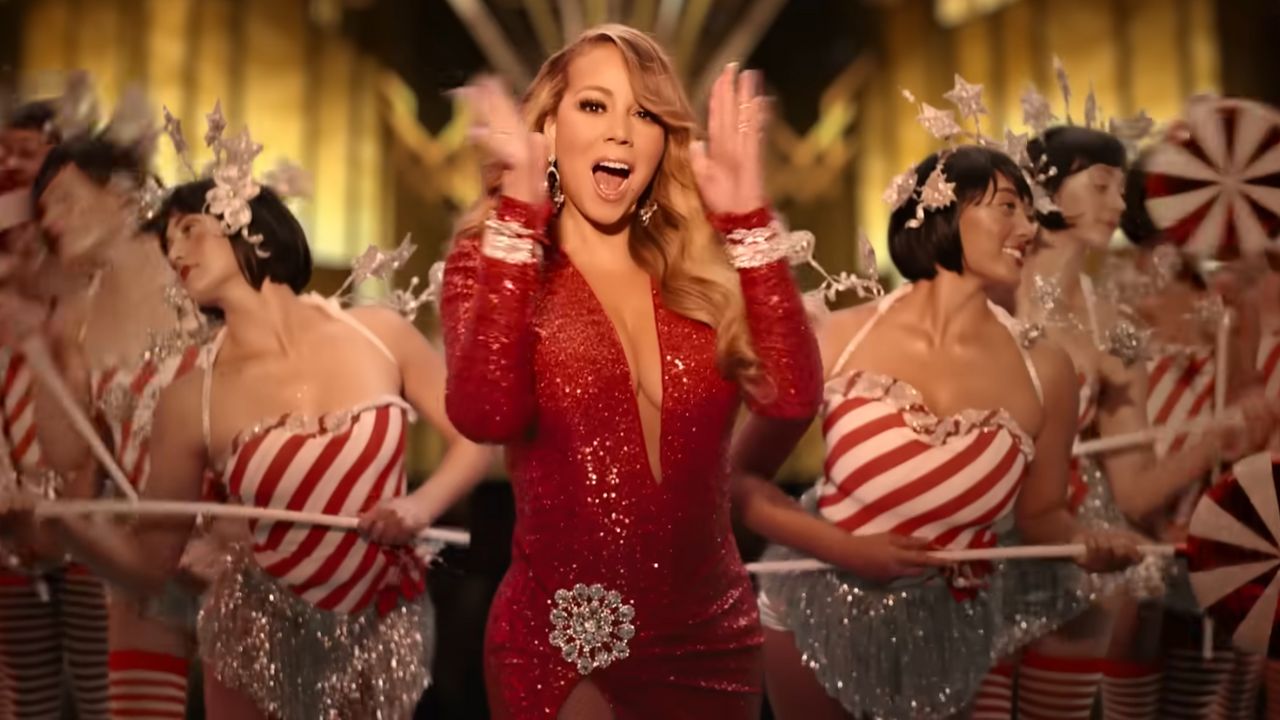
The plaintiffs rejected the court-accepted musicological analysis but failed to present a credible alternative.
Their expert reports lacked clear methodology, prompting the judge to label the conduct “egregious.” Without defensible technical evidence, the case unraveled quickly.
Ownership Remains Untouched

Carey, Afanasieff, and the song’s rights holders emerged unscathed. No changes were made to ownership, credits, or licensing.
The ruling reinforced control over one of the most valuable holiday recordings ever created—ensuring uninterrupted monetization every December.
Why the Defense Worked

Carey’s legal team narrowed the case early, forcing the court to focus strictly on protectable musical elements.
That strategy proved decisive. By preventing broad thematic arguments, the defense shut down the lawsuit before it could snowball into a prolonged trial.
Records Keep Falling

As the lawsuit collapsed, the song continued its ascent. By December 2025, it had logged 19 weeks at No. 1, tying the all-time Hot 100 record.
It remains the only song to return to No. 1 every holiday season since 2019.
A Warning to Copyright Trolls

The sanctions send a clear signal: filing weak copyright claims against massive hits can be costly.
Courts are increasingly willing to penalize attorneys who push speculative arguments—especially when the underlying material relies on genre clichés.
Global Reach, Global Impact

Beyond the U.S., the song dominates charts in the UK, Australia, and across Europe each December.
The dismissal weakens similar claims internationally, reinforcing the track’s status as a global cultural export and seasonal streaming anchor.
Legal Precedent Tightens

The ruling reinforces a long-standing principle: ideas and common phrases are not copyrightable.
By pairing dismissal with financial penalties, the court strengthened deterrence—clarifying boundaries for future music disputes.
A Cultural Reset
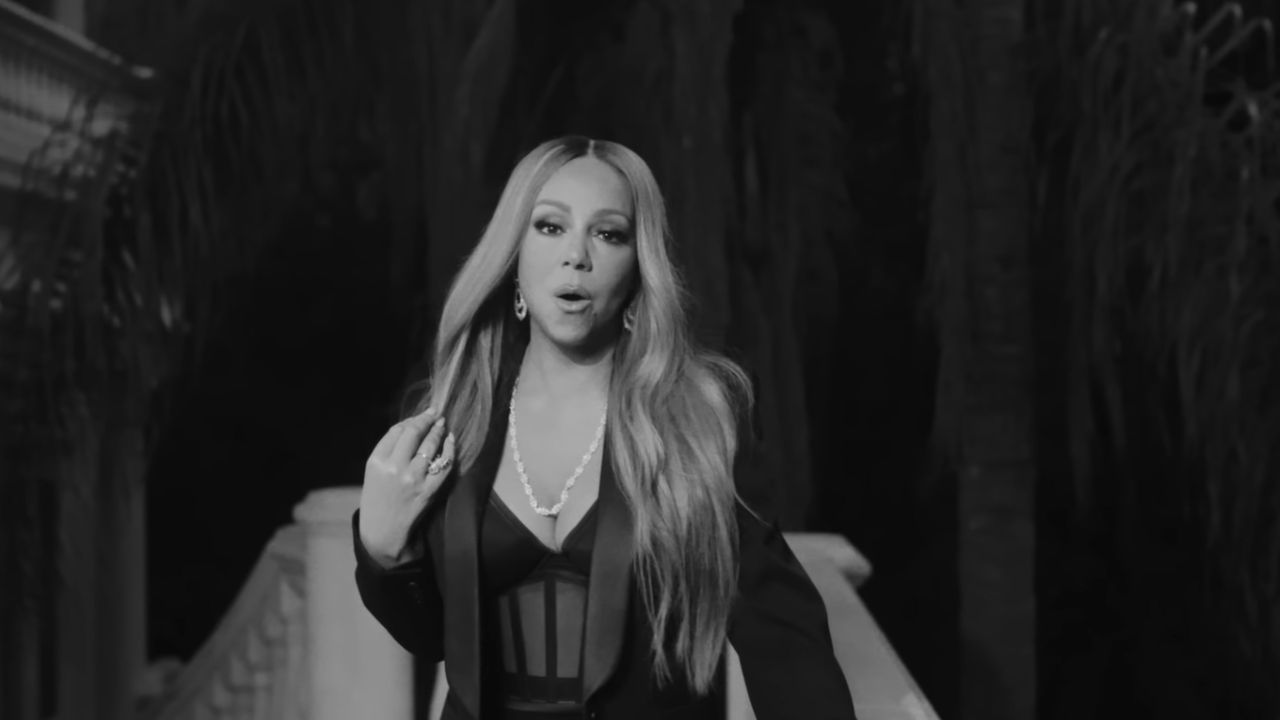
The outcome reframed the song’s legacy. No longer shadowed by legal doubt, it stands as an original modern classic.
It’s embraced by Gen Z through streaming and short-form video, while retaining multigenerational nostalgia.
Why It Matters

This wasn’t just a holiday legal spat. It was a decisive defense of creative ownership in an era where legacy hits generate millions annually.
With its authorship affirmed and its revenue protected, “All I Want for Christmas Is You” remains not just a song—but one of the most powerful commercial assets in music history.
Sources:
“Mariah Carey Awarded Sanctions in ‘All I Want For Christmas’ Lawsuit.” Rolling Stone, 23 Dec 2025.
“Mariah Carey Scores Victory in ‘All I Want for Christmas Is You’ Lawsuit.” Variety, 20 Mar 2025.
“‘All I Want For Christmas Is You’ Spends Record-Tying 19th Week at No. 1 on Billboard Hot 100.” Billboard, 8 Dec 2025.
“How much Mariah Carey makes from ‘All I Want for Christmas Is You.'” CNBC, 22 Dec 2024.