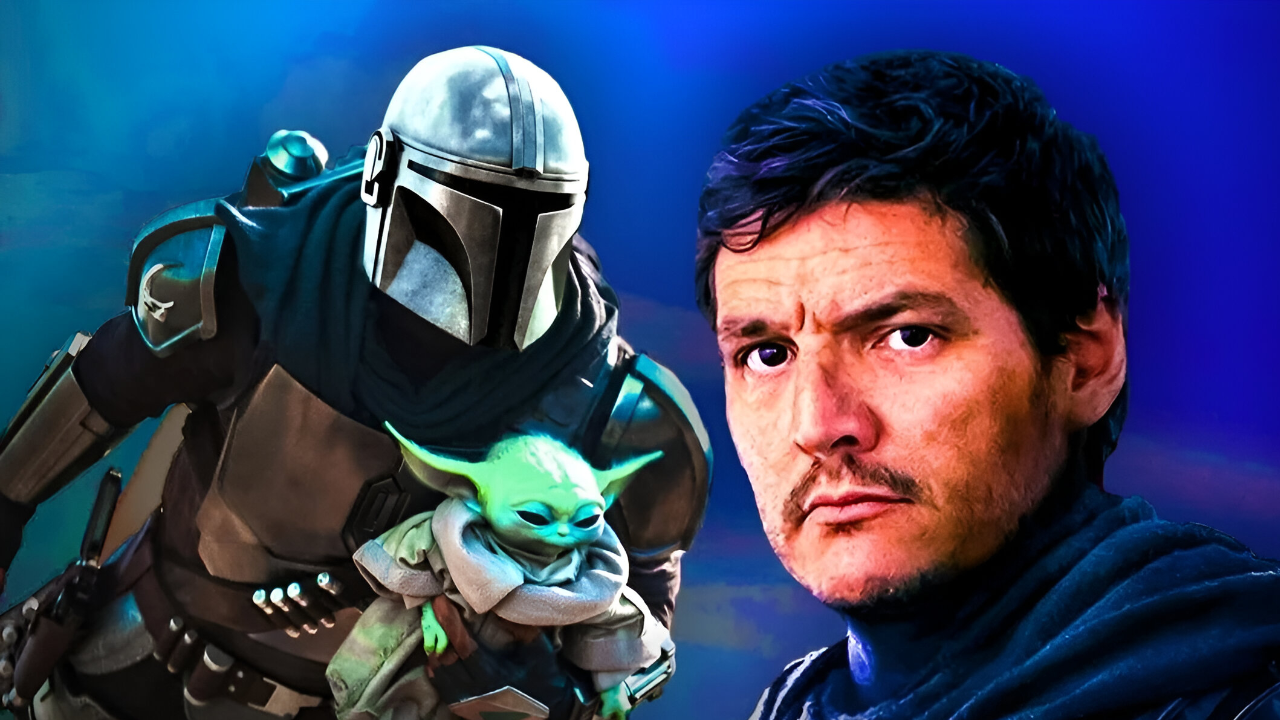
In late 2019, The Mandalorian turned Disney+ into a must-have service, signaling a bold new era in which Star Wars storytelling moved from theaters to living rooms. Six years later, that experiment is being scaled back. Under financial pressure and changing audience habits, Disney and Lucasfilm are reversing course, cutting streaming output and positioning Star Wars once again as a big-screen spectacle.
Disney’s Streaming Reset
By 2024, Disney’s streaming push had become a strain on the company’s finances. CEO Bob Iger acknowledged that Disney+ had “invested too much” in pumping out shows, prioritizing volume at the expense of profitability. As losses mounted, the company trimmed its pipeline, including a reported 25% reduction in Star Wars series for 2024.
The Star Wars brand, heavily used to drive subscriber growth after 2019, became a prime target for this reset. Lucasfilm was asked to deliver fewer projects with clearer financial upside, shifting emphasis from a crowded slate of series to more carefully selected productions designed to justify their high costs.
Reversing the Streaming Era
After The Rise of Skywalker in 2019, Lucasfilm leaned hard into serialized storytelling, with The Mandalorian leading a lineup that grew to include Andor, Ahsoka, and The Book of Boba Fett. That television-first strategy is now under review.
According to industry reporting, Lucasfilm is making a “sharp and deliberate pivot back to theatrical films,” paring back live-action series on Disney+ and refocusing on fewer, larger films that can function as global events. The Acolyte, with a disclosed budget of about $230 million, or $28.7 million per episode, became an emblem of the strain high-end streaming places on the balance sheet. Its cancellation, tied in part to these costs, underscored a broader concern: the economics of prestige television at this scale are difficult to sustain long term.
This reassessment has also affected Ahsoka, with the second season receiving reduced budgets compared to the approximately $100 million first season. Taken together, these moves mark a decisive shift away from constant serial releases toward a model where each new project must clear a higher bar in both cost control and cultural impact.
Return to Theaters: Mandalorian and Beyond
The most visible sign of this new direction is the announcement of The Mandalorian and Grogu as the first Star Wars theatrical release since 2019. Scheduled for May 22, 2026, and directed by Jon Favreau, the film is budgeted at $166 million, making it the least expensive Star Wars feature since 2005 while still aiming for blockbuster scale.
Favreau had already written scripts for a fourth season of The Mandalorian before those plans were set aside in favor of this feature-length story. Pedro Pascal will continue to voice Din Djarin, with stunt performers handling most of the physical work. The film picks up after Season 3, which ended with the title character shifting from solitary bounty hunter to an ally of established authorities. That evolution, along with the move to theaters, may mean a tighter cast and a story less dependent on the extended ensemble that populated the series.
Lucasfilm is also moving ahead with Star Wars: Starfighter, slated for May 28, 2027. Directed by Shawn Levy and starring Ryan Gosling, the film is positioned as another pillar of the franchise’s theatrical revival. Both projects reflect a new calculus: rather than a steady flow of mid-tier shows, Lucasfilm is banking on a handful of high-profile, globally marketed releases.
A New Big-Screen Strategy
Lucasfilm’s leadership is reshaping Star Wars around interconnected “event” films instead of a patchwork of loosely related series. Dave Filoni is developing a crossover movie that will unite characters and storylines from The Mandalorian, Ahsoka, and The Book of Boba Fett, echoing the structure Marvel used with its Avengers films.
President Kathleen Kennedy has outlined an approach centered on hiring distinctive filmmakers to craft stand-alone stories that can later be woven into larger arcs. Projects involving directors such as Rian Johnson and Taika Waititi remain in development, alongside a proposed Rey-focused film starring Daisy Ridley and directed by Sharmeen Obaid-Chinoy, though that project’s status is less certain. The goal is to allow individual films to have their own identity while still contributing to a wider narrative framework.
At the same time, Marvel Studios is adopting similar cutbacks on the television side, with series like Agatha All Along and Echo reportedly proceeding on reduced budgets. Across Disney, the strategy is converging on fewer, more deliberate releases—on both streaming and in theaters—rather than an aggressive volume-driven approach.
Balancing Risk, Revenue, and Legacy
The financial realities behind this shift are stark. When a single season of a series can cost more than $200 million, as with The Acolyte, and that expenditure does not reliably translate into sustained subscriber growth or merchandising boosts, the model becomes difficult to justify. Theatrical films, by contrast, still offer a clear revenue path through box office returns, premium formats, and subsequent release windows.
Past performance illustrates the stakes. The Force Awakens earned $936.7 million at the domestic box office, demonstrating how a Star Wars film can dominate cultural conversation and generate enormous income. Lucasfilm is now trying to recapture that “event” status by concentrating on theatrical releases that can once again become global milestones. Success will depend on whether the fanbase turns out in large numbers after years of mixed reactions to both films and series.
While live-action streaming projects are being narrowed, animation remains a key part of the franchise’s future. Series such as The Bad Batch, The Clone Wars, Rebels, and Resistance have nurtured a loyal following, and Star Wars: Visions is moving into a third season. Animated storytelling gives Lucasfilm room to experiment with tone, style, and format while the live-action strategy is recalibrated.
Going forward, Lucasfilm intends to balance major films with a smaller selection of streaming titles, aiming for higher polish and clearer purpose across the slate. If the upcoming releases deliver both strong box office and renewed enthusiasm, Star Wars could restore its place as a premier cinematic event series, reshaped for an era that demands both financial discipline and creative ambition.
Sources
The Direct (August 2025) – “Lucasfilm Officially Reverses Course on Future Star Wars Movies and TV Output”
Star Wars News Net (March 2025) – “The Mandalorian and Grogu Had a $166 Million Production Budget”
Screen Rant (September 2024) – “The Acolyte’s Eye-Watering $230 Million Budget Revealed, Further Explaining Disney’s Cancelation”
Inside the Magic (November 2025) – “Jon Favreau Speaks Out After ‘The Mandalorian’ Is Abruptly Cancelled”
ComicBook (June 2025) – “Lucasfilm President Reveals New Star Wars Movie Strategy”
Investopedia (2024) – “Disney CEO Bob Iger Says ‘We Invested Too Much’ in Streaming”