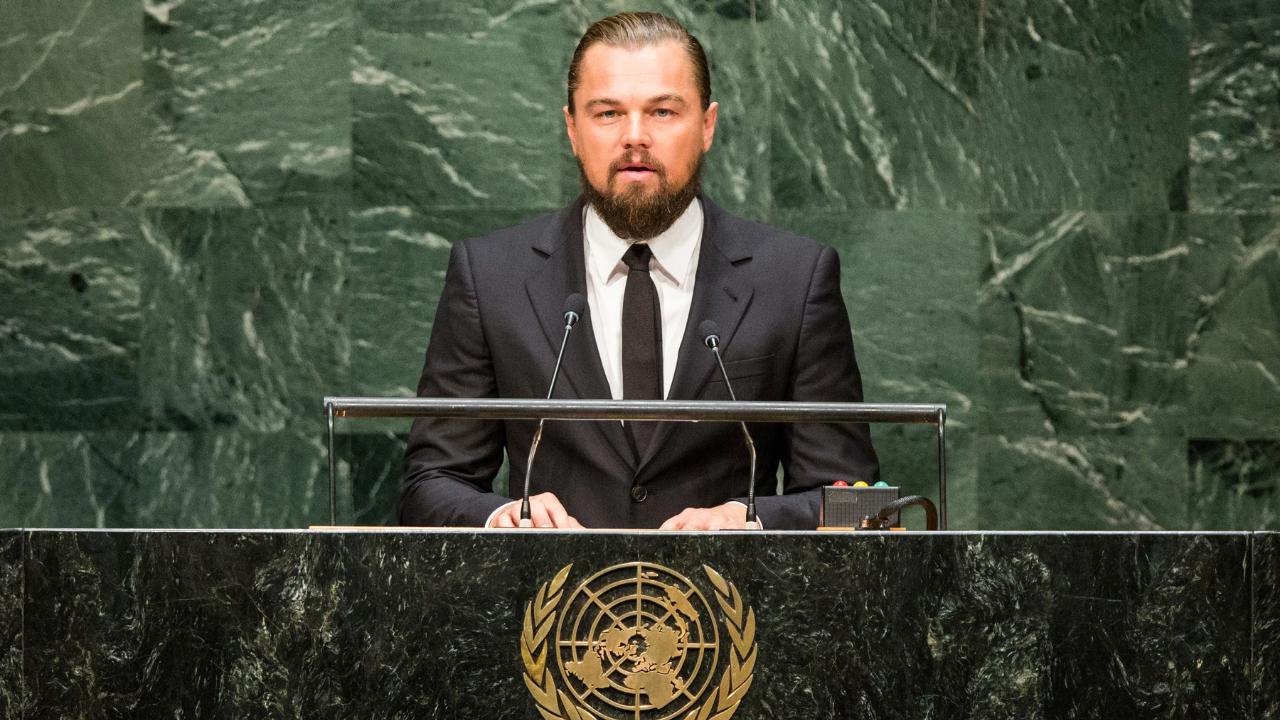
When Leonardo DiCaprio unveiled a half-billion-dollar commitment to protect Indigenous forests at the 2025 United Nations climate summit in Brazil, the announcement should have marked a career-defining moment in environmental philanthropy. Instead, the pledge ignited fierce public criticism. Just days earlier, the actor had vacationed aboard Jeff Bezos’ luxury superyacht following a Venice wedding that attracted nearly 100 private jets. The stark juxtaposition reignited a decade-long conversation about whether celebrity climate advocates can maintain credibility while embracing carbon-intensive lifestyles—and whether financial contributions alone can offset the damage.
Two Decades of Environmentalism Meets Recurring Contradictions
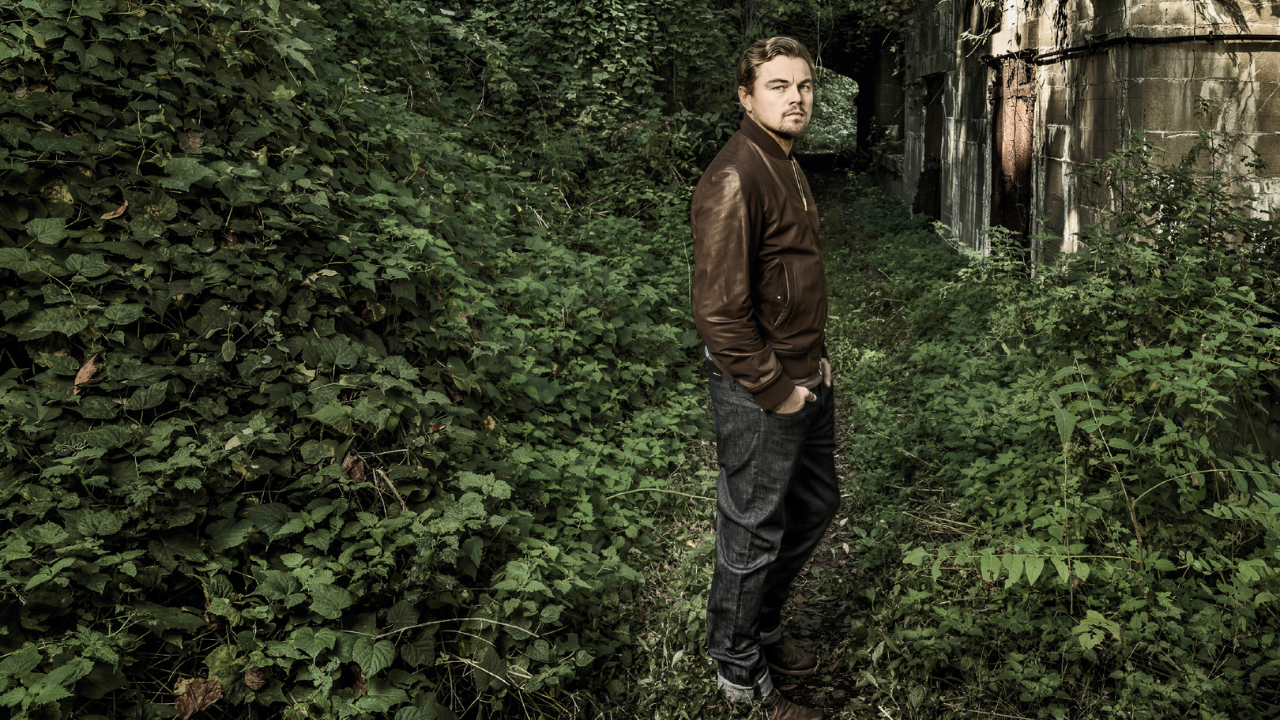
DiCaprio has cultivated a prominent green identity since the early 2000s, channeling more than $100 million through his foundation to conservation projects spanning 46 nations. The United Nations appointed him Messenger of Peace for Climate Change in 2014, recognizing his documentary work and public advocacy. His organization Re:wild has contributed to protecting 276 threatened species across 590 million acres. Yet a pattern of high-emission travel has repeatedly complicated this narrative. The 2025 incidents represent the fourth major flashpoint in roughly ten years, each involving private aviation or luxury vessels that contradict his public messaging on carbon reduction.
The Venice Wedding and Koru Yacht Trip
The latest controversy began with Bezos’ three-day Venice wedding celebration on June 27, 2025, where approximately 90 to 96 private aircraft delivered around 200 guests. The event carried an estimated price tag in the tens of millions of dollars. DiCaprio then joined a vacation aboard Koru, Bezos’ 417-foot sailing vessel equipped with diesel engines. The yacht reportedly produces approximately 7,000 metric tons of carbon dioxide annually through its operations. Private jets emit about ten times more fuel per passenger than commercial flights, and roughly half of all private flights cover distances under 500 kilometers, making the carbon toll particularly difficult to justify for discretionary travel.
A History of Conflicting Choices
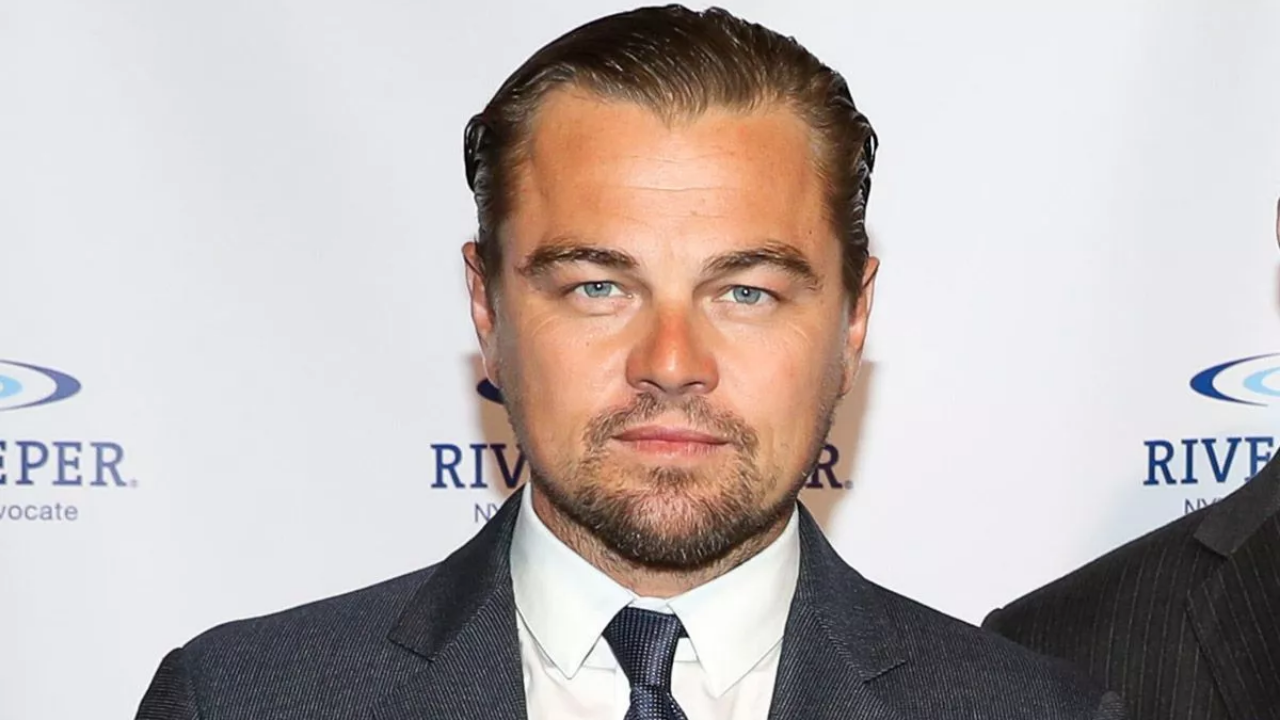
Previous episodes follow a similar trajectory. In 2016, DiCaprio flew by private jet from Cannes to New York to accept an environmental award, then returned to France within 24 hours for another gala. Leaked Sony records from 2014 revealed six private jet trips over six weeks totaling more than $200,000 in costs. In January 2025, as wildfires devastated Los Angeles and forced 180,000 evacuations, DiCaprio departed for Mexico by private jet, later donating $1 million to relief efforts. Each incident generated public outrage, yet the behavior persisted. Researchers point to “moral licensing,” a psychological phenomenon where virtuous actions create perceived permission for subsequent harm. In this framework, conservation funding may ease guilt over emissions, even though offsets shift responsibility rather than eliminate damage.
Investment Emissions Dwarf Lifestyle Choices
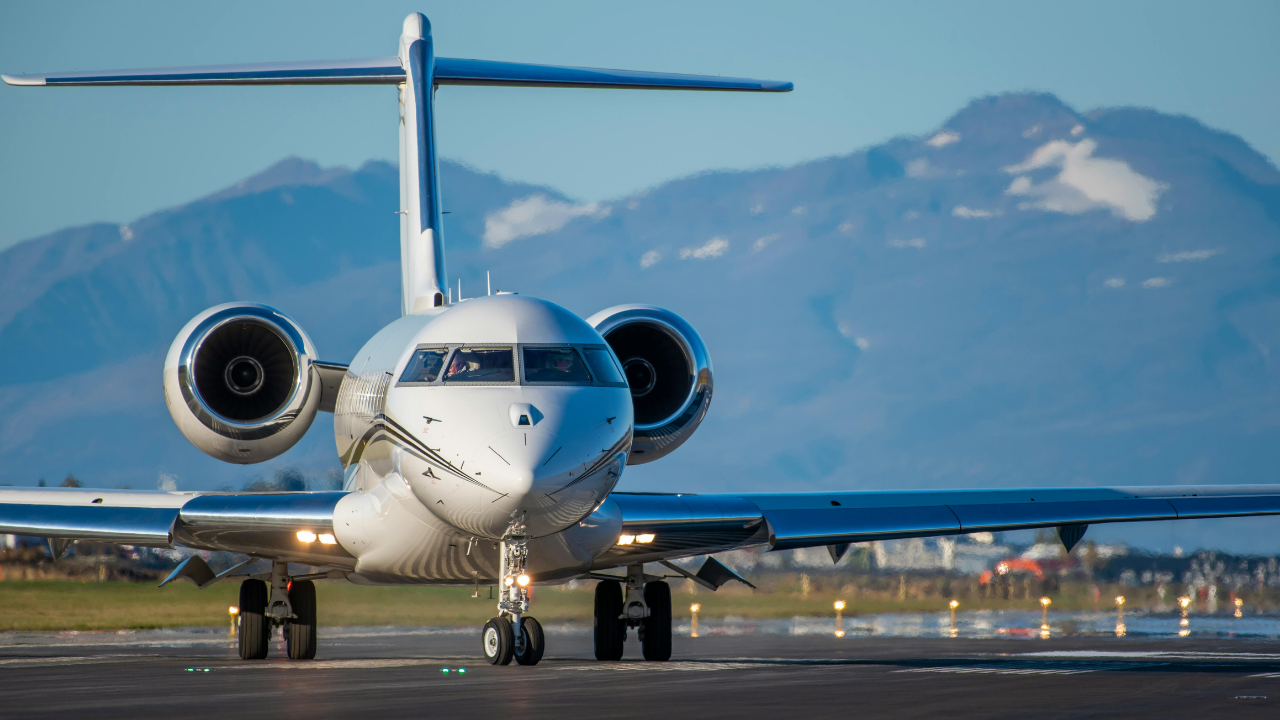
The problem extends far beyond personal travel. Oxfam research indicates that the world’s 50 wealthiest billionaires generate more carbon in 90 minutes through investments, jets, and yachts than an average individual produces in a lifetime. Investment portfolios create emissions 340 times larger than lifestyle activities. The top 1% of global asset owners control 41% of emissions through capital holdings, and billionaires allocate roughly double the proportion of wealth to polluting industries compared to broader market averages. Bezos exemplifies this contradiction: his $10 billion Earth Fund supports renewable energy and Indigenous land protection, yet his two private jets alone emit as much carbon annually as an average Amazon employee would over 207 years.
Who Bears the Burden
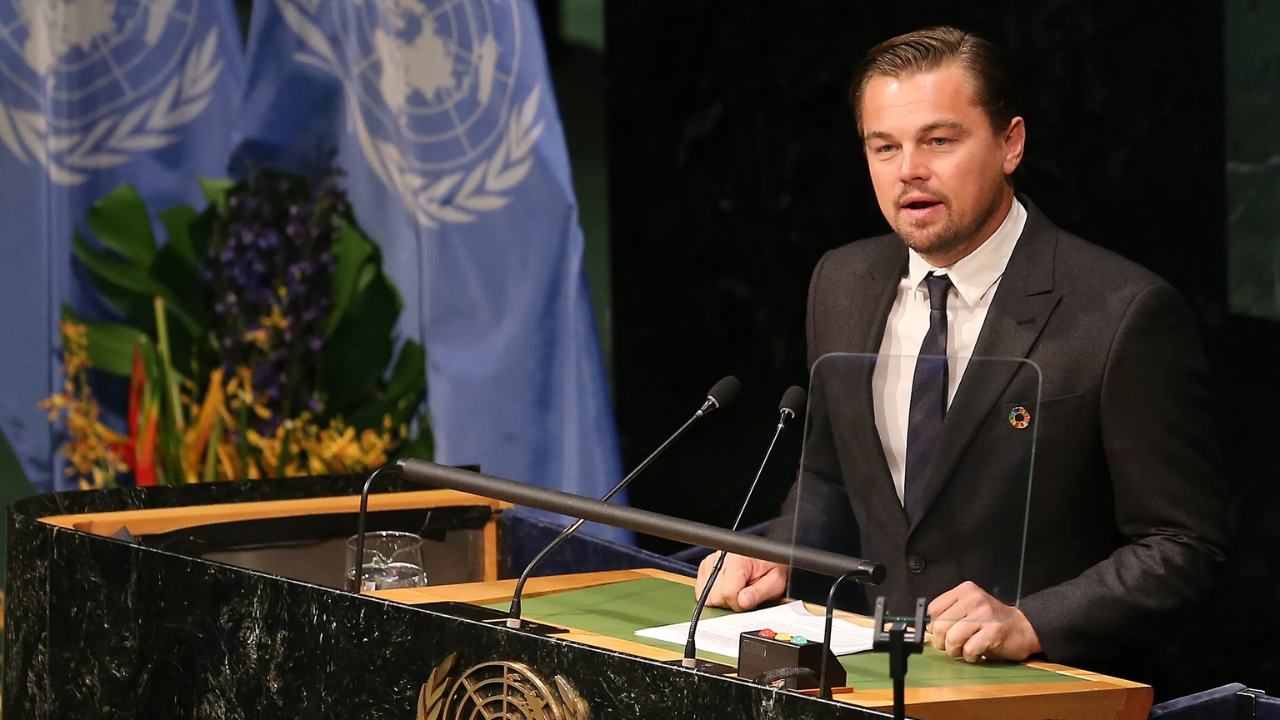
DiCaprio’s $500 million pledge through Re:wild targets the Forest Tenure Funders Group, aiming to secure Indigenous land rights and combat deforestation. Indigenous communities manage roughly half of Earth’s intact forests yet receive less than 1% of climate finance. Oxfam estimates that emissions from the wealthiest 1% could cause 1.3 million heat-related deaths by 2100, with 80% occurring in lower-income nations. By January 10, 2025—”Pollutocrat Day”—the richest 1% had already exhausted their entire annual carbon budget aligned with the 1.5°C warming limit. The poorest half of humanity will not reach theirs until December 2026.
Accountability Without Consequences
When DiCaprio posted the climate pledge on Instagram, users flooded the comments with criticism before he disabled the feature entirely. The backlash reflects growing public frustration with a system that allows wealthy figures to purchase environmental credibility while maintaining emissions that dwarf those of ordinary citizens. Without regulatory tools such as carbon taxes on private aviation, luxury levies, or mandatory divestment from fossil fuels, public shaming remains the primary enforcement mechanism. Whether celebrity advocacy can survive this credibility crisis may depend on institutional willingness to demand behavioral accountability alongside financial contributions. The Venice-to-COP30 sequence made the contradiction impossible to ignore, and the next chapter of climate leadership may hinge on whether influence requires sacrifice or merely generosity.
Sources:
Billionaires emit more carbon pollution in 90 minutes than average person does in lifetime. Oxfam International, October 2024
Air and greenhouse gas pollution from private jets, 2023. International Council on Clean Transportation, June 2025
How Wealth Shapes the Climate Crisis: Unveiling the Facts. Climate Inequality Report 2025, World Inequality Lab, October 2025
Tropical Forest Forever Facility Launch & Intergovernmental Land Tenure Commitment. UNEP & COP30 Official Records, November 2025
Leonardo DiCaprio Foundation merged with Global Wildlife Conservation to create Re:wild. Re:wild Foundation, 2025