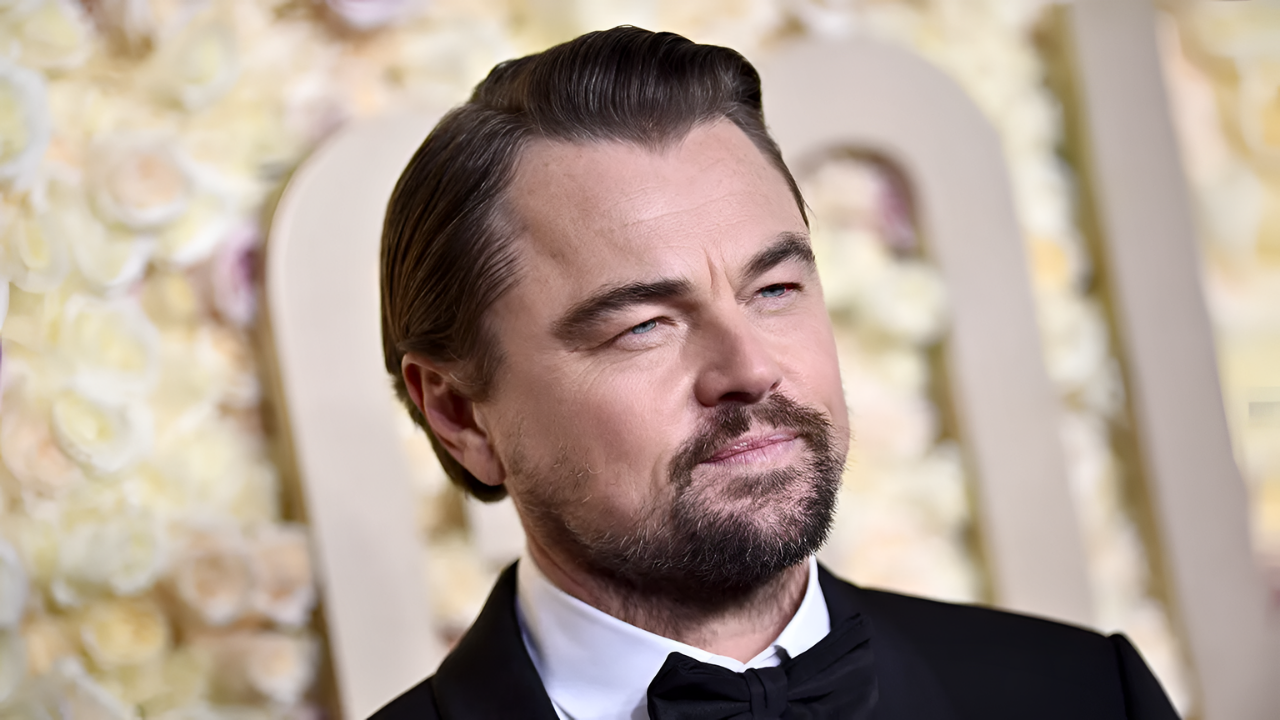
Leonardo DiCaprio’s absence from the Palm Springs International Film Festival Awards Gala on January 3, 2026, was the most visible Hollywood ripple from a sudden U.S. military operation in Venezuela that reshaped Caribbean air travel overnight. The 51-year-old actor, stuck in St. Barthélemy amid widespread airspace closures, accepted his Desert Palm Achievement Award for his performance in One Battle After Another through a pre-recorded message instead of an in-person appearance.
The disruption highlighted how a fast-moving geopolitical gamble by President Donald Trump — a raid to capture Venezuelan President Nicolás Maduro — quickly cascaded into logistical turmoil for airlines, vacationers, and celebrities across the region, even as DiCaprio’s film was surging through awards season.
Operation Absolute Resolve and the Capture of Maduro
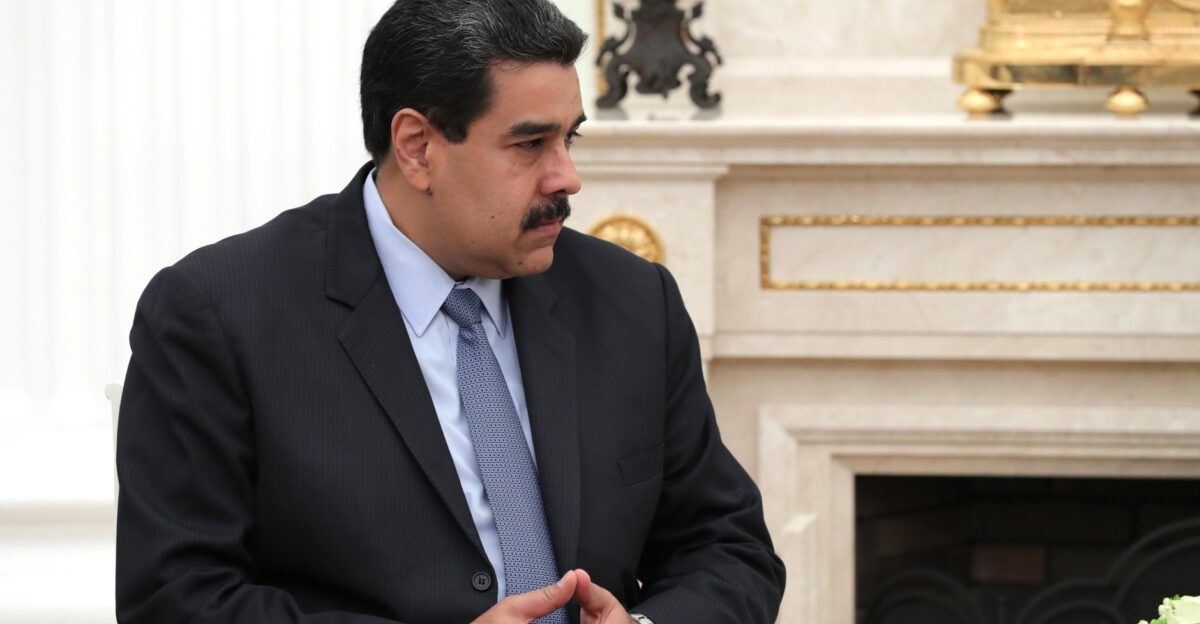
In the early hours of January 3, at 2:01 a.m. Venezuelan time, U.S. Delta Force commandos launched what the administration called Operation Absolute Resolve, a targeted raid on Maduro’s heavily defended compound in Caracas. The mission, involving more than 150 military aircraft, resulted in Maduro’s capture within minutes.
Hours later, Trump announced the operation’s success and released a photo showing a blindfolded Maduro after his transfer to the amphibious assault ship USS Iwo Jima. The White House framed the action as a decisive move against a “narcoterrorist” leader, undertaken under the president’s inherent authority, rather than a conventional act of war requiring prior approval from Congress.
Constitutional law experts at the Brennan Center for Justice disputed that rationale, arguing the strike was unconstitutional because the president neither consulted legislators nor sought authorization despite months of planning. They noted that, in earlier briefings, administration officials had told lawmakers that any land-based military action would require Congressional approval, underscoring the extent of the legal break.
Airspace Closures and Chaos in the Caribbean
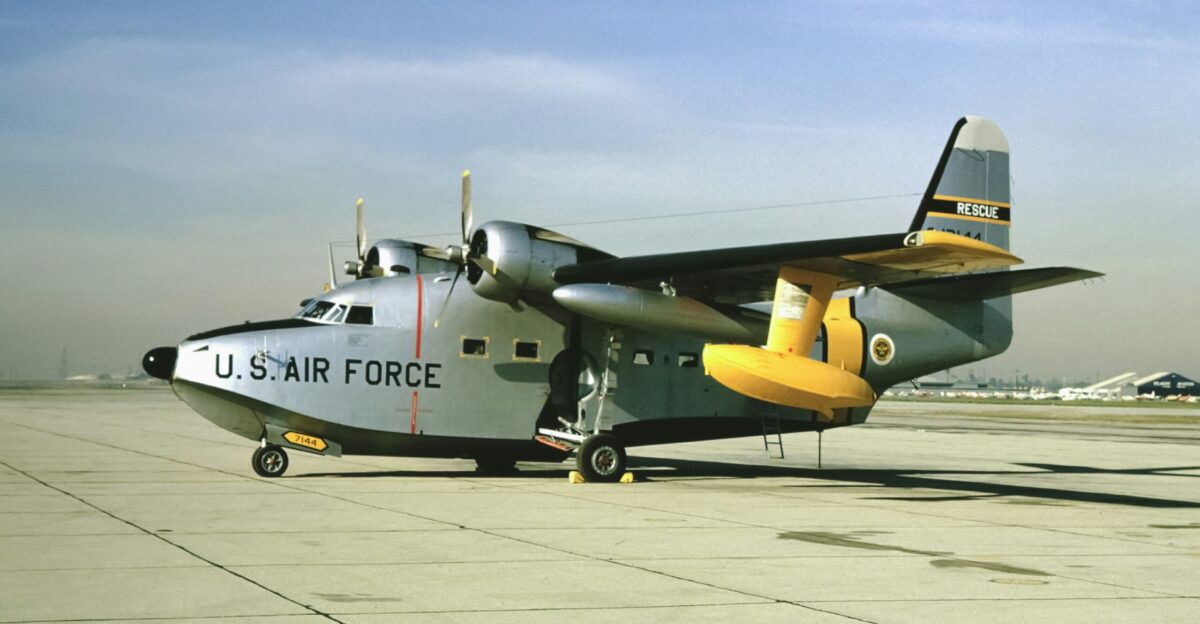
The raid’s immediate civilian impact came in the skies. The Federal Aviation Administration swiftly banned U.S. aircraft from Venezuelan airspace and from large areas of the Caribbean, triggering widespread cancellations and diversions at the height of the winter travel season.
Roughly 1,000 flights were canceled on January 3, affecting major hubs and resort islands including Puerto Rico, St. Maarten, and Aruba. San Juan’s main airport alone saw about 200 cancellations, scrubbing 58 percent of its scheduled flights for the day. Travelers from honeymooners to returning families suddenly found themselves with no clear way home.
Among them were high-profile visitors. DiCaprio, vacationing in St. Barthélemy, was unable to reach California in time for the Palm Springs gala. Queen Latifah, Mike Tyson, Natalie Portman, and Jeff Bezos were also stranded across Caribbean destinations as hotels filled up with guests seeking last-minute extensions. Comedian Tom Segura, stuck amid the disruption, described the uncertainty of day-to-day rebooking efforts.
Some travelers faced far longer delays. Philadelphia anchor Nydia Han reported being stranded in Vieques after her flight was scrapped and being told the earliest return would be nearly a week later. In St. John, Julie Hurwitz, traveling with a large family group, received a middle-of-the-night cancellation notice with few details. Airlines tried to respond by adding capacity once restrictions began easing, with American Airlines putting on 43 extra flights and about 7,000 additional seats.
Hollywood’s Awards Season March Continues
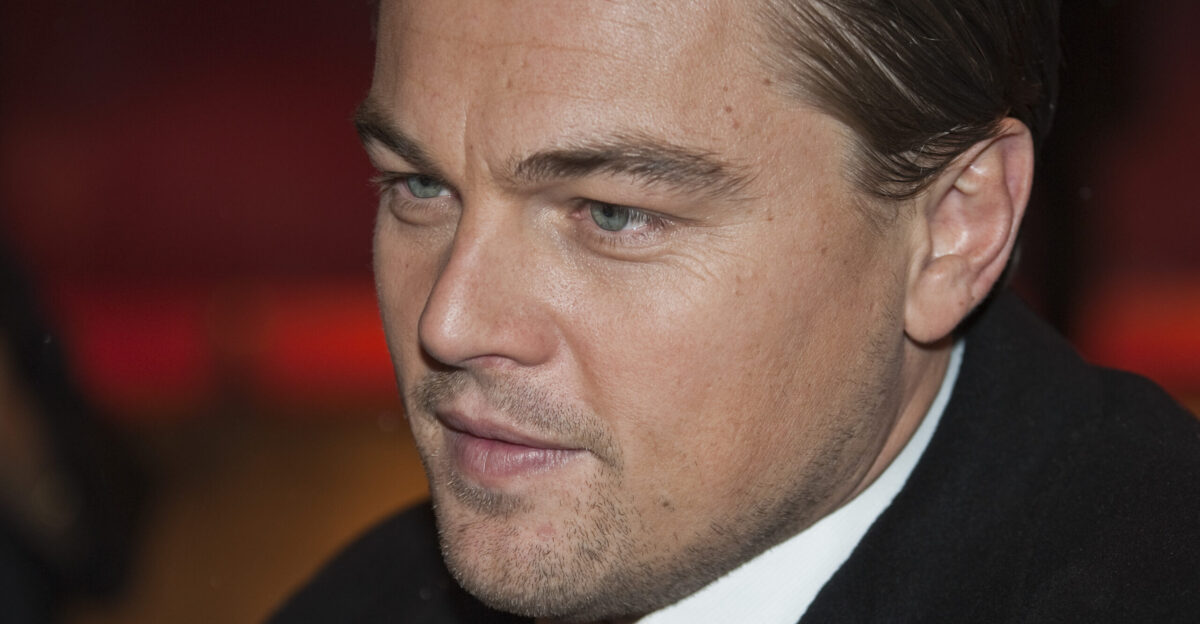
Once airspace restrictions lifted shortly after midnight on January 4, DiCaprio was able to leave the Caribbean and reach Santa Monica in time for the Critics Choice Awards. Host Chelsea Handler referenced his travel scare in her monologue, joking about his last-minute arrival from a boat off St. Barts.
The turbulence in the Caribbean stood in contrast to the momentum surrounding DiCaprio’s film. One Battle After Another dominated the Critics Choice ceremony, winning Best Picture, Best Director for Paul Thomas Anderson, and Best Adapted Screenplay. The film leads the Golden Globe field with nine nominations and has rapidly become a central Academy Awards contender. On January 3, as the Venezuela operation unfolded, the National Society of Film Critics also named it Best Picture.
At Palm Springs, the festival proceeded without its headliner. Organizers said DiCaprio was unable to attend because of “unexpected travel disruptions and restricted airspace” but emphasized their pride in honoring his work. Co-stars Teyana Taylor and Chase Infiniti accepted the Desert Palm Achievement Award on his behalf.
Oil, the “Donroe Doctrine,” and Global Fallout
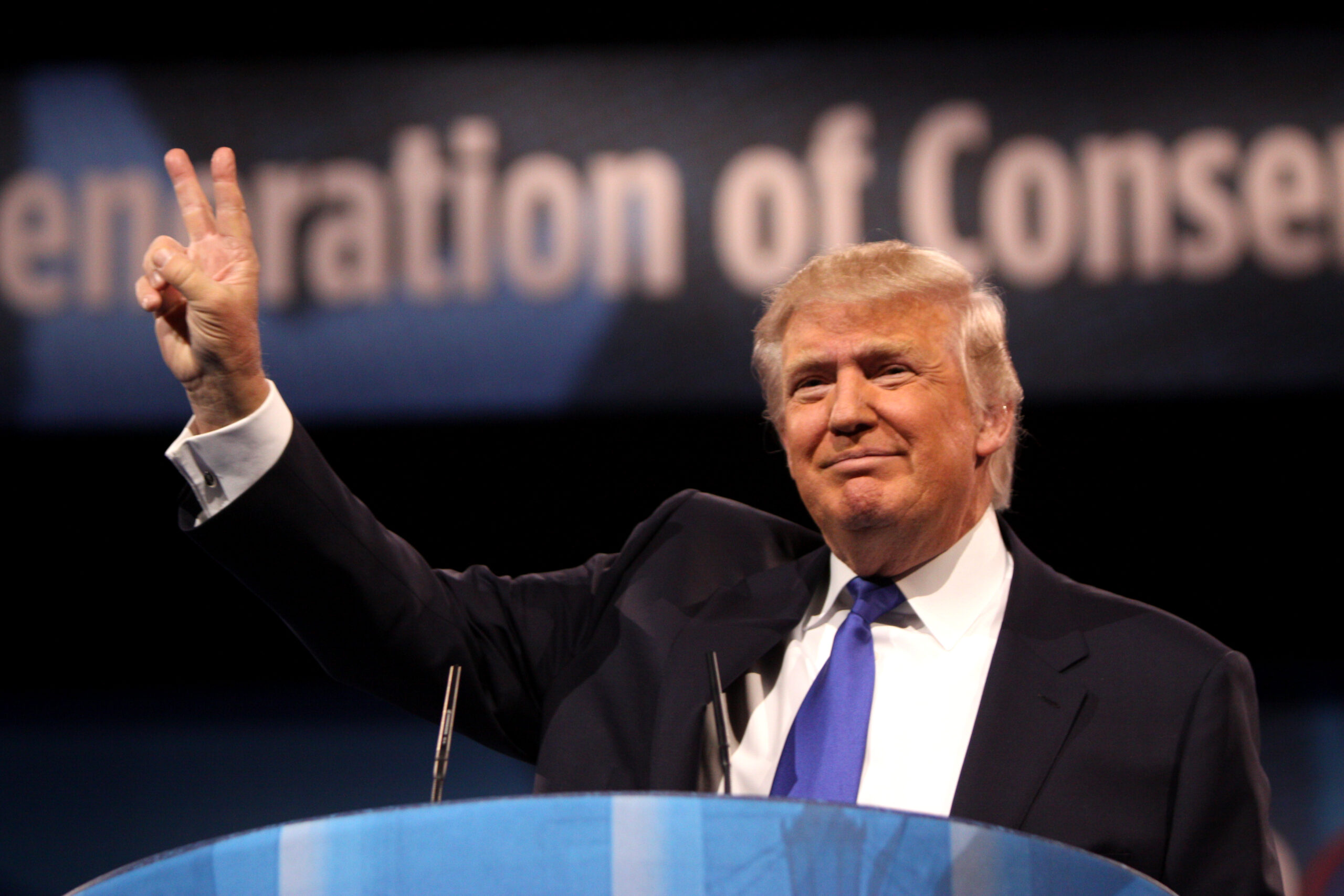
Trump justified the operation in sweeping strategic and economic terms. He recast the 19th-century Monroe Doctrine as the so‑called “Donroe Doctrine,” asserting an unambiguous U.S. sphere of influence across the Western Hemisphere. At a January 3 press conference, he declared that under the administration’s new national security strategy, American dominance in the region “will never be questioned again.”
Oil sat at the center of the argument. During his announcement, Trump repeatedly referenced Venezuela’s energy sector, saying U.S. firms would invest billions to repair what he described as damaged oil infrastructure and “start making money for the country.” Energy Secretary Chris Wright went further, saying the United States would control Venezuelan oil sales “indefinitely.”
Economist Francisco Rodríguez warned that if an oil blockade persists, Venezuela could face a severe economic collapse. With oil exports providing roughly 40 percent of public revenues and state oil company PDVSA as the country’s largest employer, he cautioned that the result could be a deep recession leading either to widespread hunger or mass migration, as tens of thousands of workers risk losing their jobs.
International reaction was swift and negative in many capitals. Brazil’s President Luiz Inácio Lula da Silva called the strikes “a very serious affront to the sovereignty of Venezuela and an extremely dangerous precedent.” China said it was “deeply shocked” and strongly condemned the use of force against a sovereign state. Mexico, Spain, Chile, Colombia, and Uruguay issued joint statements rejecting the unilateral intervention.
With Maduro now in U.S. custody and an interim Venezuelan government navigating its relationship with Washington under the shadow of American control over key oil revenues, the long-term consequences remain uncertain. The raid marks the most assertive U.S.-led regime change effort since the 2003 invasion of Iraq, and Trump’s suggestion that his doctrine could extend to Colombia and other countries hints at a broader interventionist posture. For travelers, airlines, and award shows, the immediate disruption has largely passed. For Venezuela and the wider region, the diplomatic, economic, and humanitarian stakes are only beginning to emerge.
Sources:
“Leonardo DiCaprio Will Miss Palm Springs International Film Awards Due to Trump Raid of Venezuela.” People Magazine, January 3, 2026.
“Inside ‘Operation Absolute Resolve,’ the U.S. Effort to Capture Maduro.” The New York Times, January 3, 2026.
“How Caribbean Flights Have Been Impacted By Venezuela Airspace Closures.” Condé Nast Traveler, January 5, 2026.
“Global reaction to U.S. strikes on Venezuela includes condemnation.” CBS News, January 4, 2026.
“Leonardo DiCaprio’s One Battle After Another Takes Top Prize at Critics Choice Awards.” Yahoo Entertainment, January 6, 2026.
“White House says U.S. will control Venezuelan oil industry indefinitely.” PBS NewsHour, January 7, 2026.