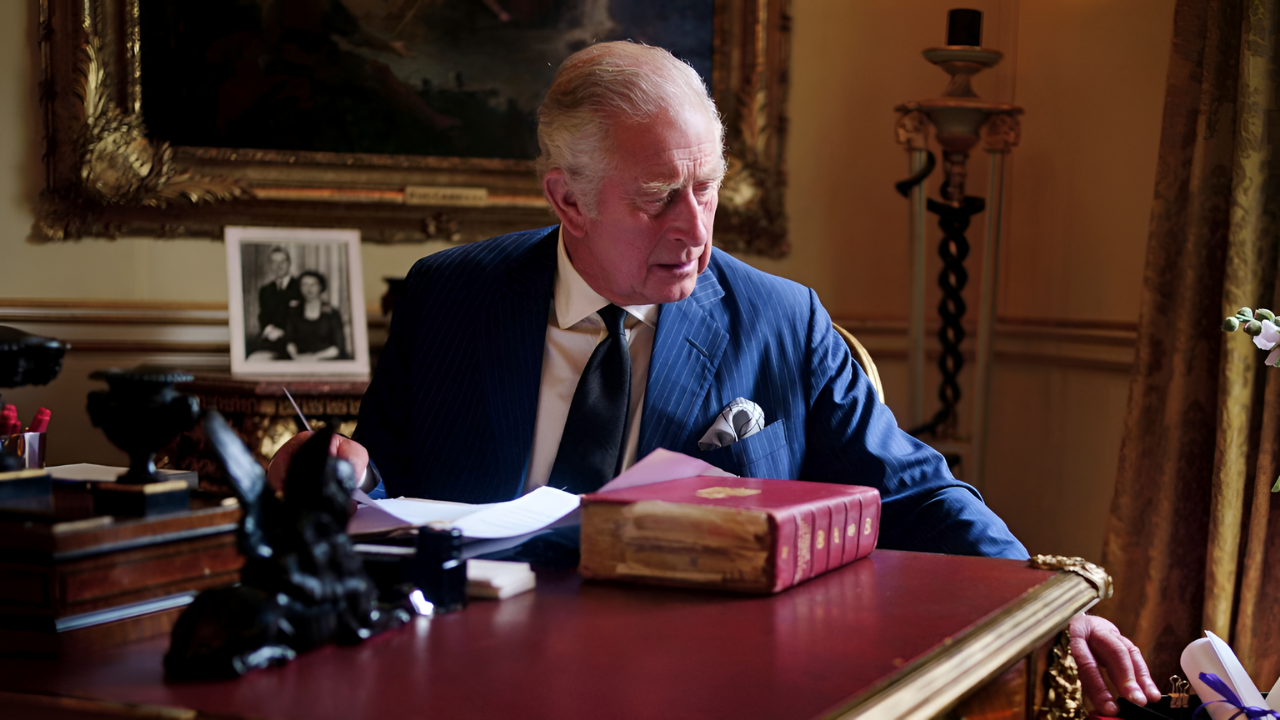
In early 2024, an unusually candid decision inside Buckingham Palace reshaped public discussion of cancer, men’s health, and royal privacy.
Within weeks, King Charles III went from preparing for routine treatment on a benign enlarged prostate to confronting and publicly disclosing a cancer diagnosis—a level of transparency no reigning British monarch had previously adopted.
Royal Secrecy Under Strain
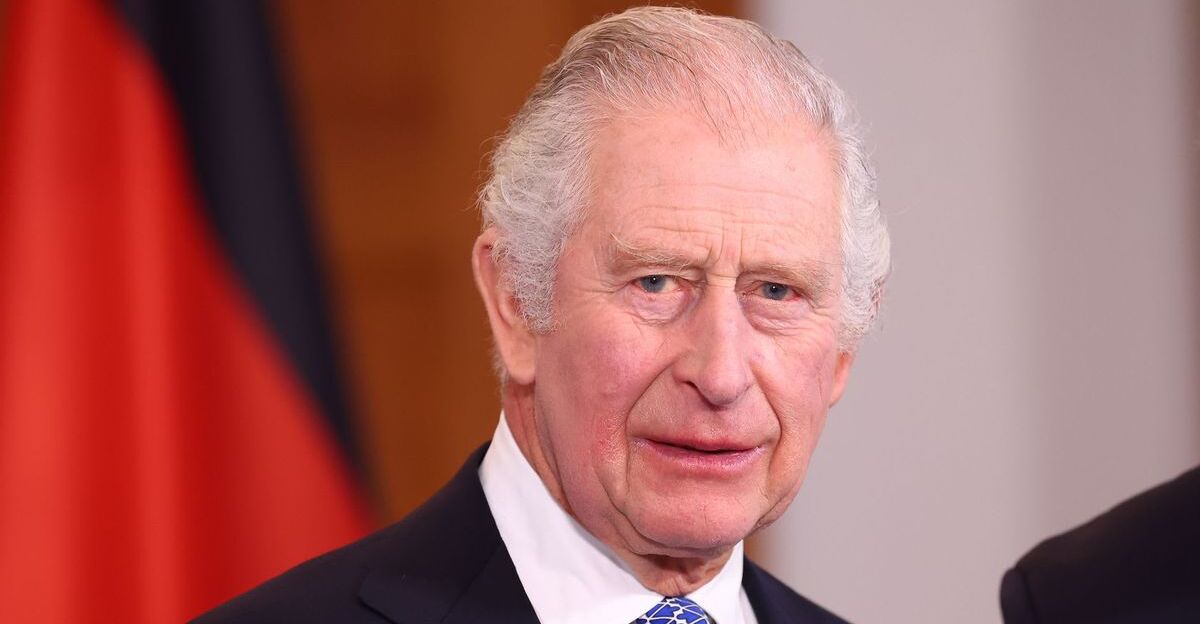
For generations, the British monarchy largely treated health as a private matter. Queen Elizabeth II’s medical issues were closely guarded, with details often emerging long after her death. Former Prime Minister Boris Johnson later disclosed that she had bone cancer, an illness never officially confirmed during her lifetime. Against this backdrop, Charles’s openness posed a direct challenge to royal convention.
From Routine Procedure to Cancer Revelation
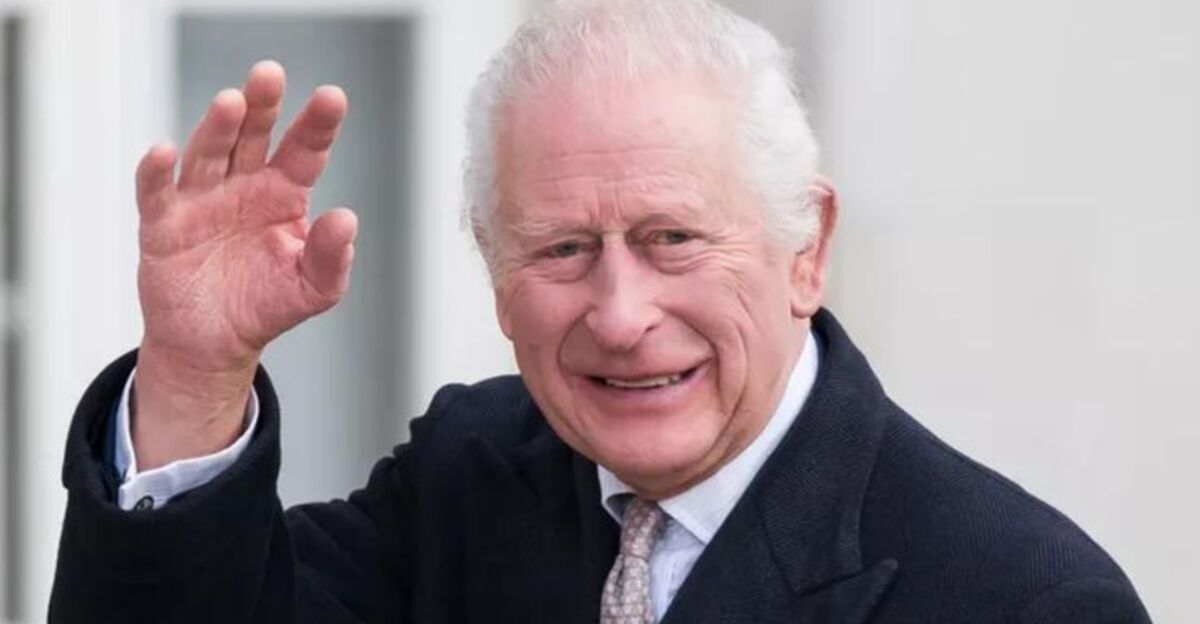
On January 17, 2024, Buckingham Palace announced that the King would undergo a procedure for an enlarged prostate, a benign but common condition affecting roughly one in three men over the age of 50. The disclosure was framed as straightforward and routine, emphasizing that the issue was non-cancerous and treatable.
That changed when subsequent tests, carried out during the prostate treatment, identified an unrelated cancer. On February 5, 2024, the Palace confirmed that Charles had been diagnosed with an unspecified form of cancer, discovered early and treated while he remained on the throne.
Royal commentator Robert Jobson reported that Queen Camilla had favored keeping the diagnosis private, but “the King overruled her as he felt it was a chance to take a lead and in doing so to encourage men experiencing similar symptoms to seek timely medical attention.”
Public Health Impact and Surge in Awareness
The immediate public response demonstrated the power of royal influence. After the January 17 announcement, the NHS webpage on benign prostate enlargement recorded more than 26,000 visits in 48 hours, compared with a normal daily average of around 1,400—an increase of more than 1,000 percent. Health officials interpreted this surge as evidence that thousands of men were suddenly seeking information on symptoms, risks, and available treatments.
The King’s case did not unfold in isolation. On March 22, 2024, Catherine, Princess of Wales, revealed that she too had been diagnosed with cancer following abdominal surgery and had begun preventative chemotherapy. By September, she had completed her treatment, and in January 2025, she announced she was in remission, publicly thanking staff at The Royal Marsden Hospital.
A New Model of Royal Openness
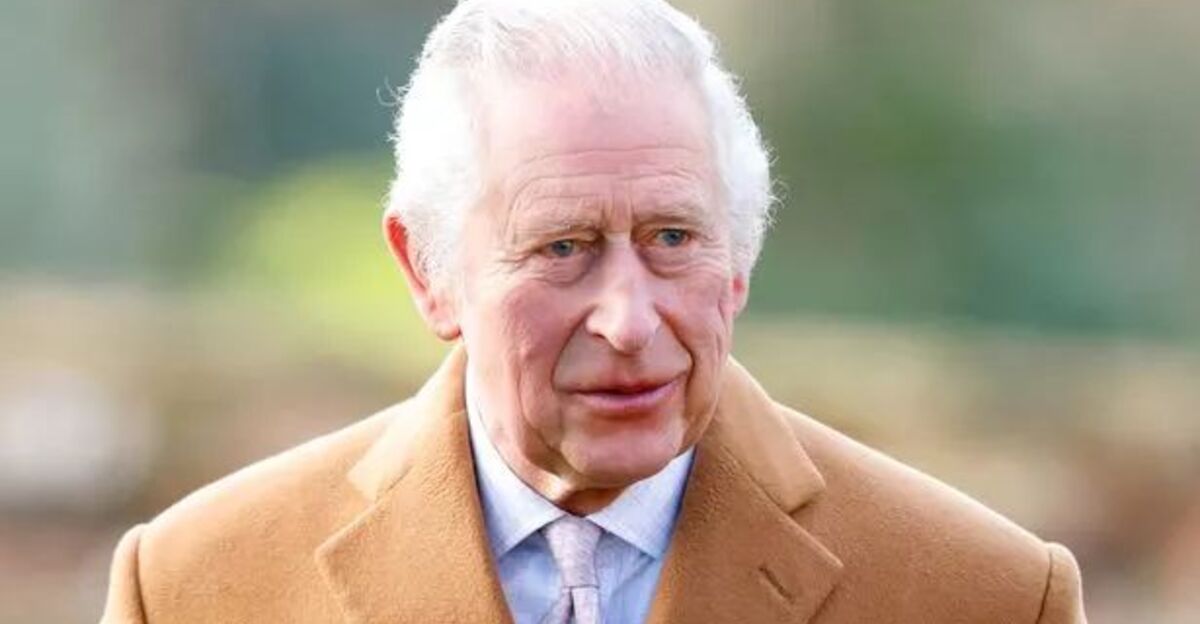
Charles’s diagnosis required a recalibration of duties rather than withdrawal from public life. He assumed the throne in September 2022 and, after beginning cancer treatment, temporarily paused public engagements. By April 30, 2024, he returned to in-person duties with a visit to University College Hospital’s Macmillan Cancer Centre in London. Through 2024, his schedule remained limited, but he presided over major occasions, including hosting Japan’s Emperor Naruhito and Empress Masako for a state visit in June.
Medical experts caution that remission does not equate to a cure. By December 2025, Charles indicated that his therapies were expected to be reduced in 2026, suggesting an improvement in health but not a complete end to medical oversight. His 2024 Christmas broadcast expressed “special, heartfelt thanks to the selfless doctors and nurses who this year have supported me and other members of my family.”
Data showing that around nine million people in Britain miss cancer screenings each year has given added weight to his advocacy. The combined examples of Charles and Catherine have begun to reframe what resilience looks like at the top of the royal family, presenting vulnerability not as weakness but as a reality that can be acknowledged. For health professionals and citizens, the legacy of that choice may be measured in earlier diagnoses and lives extended—provided the initial surge in awareness becomes lasting change.