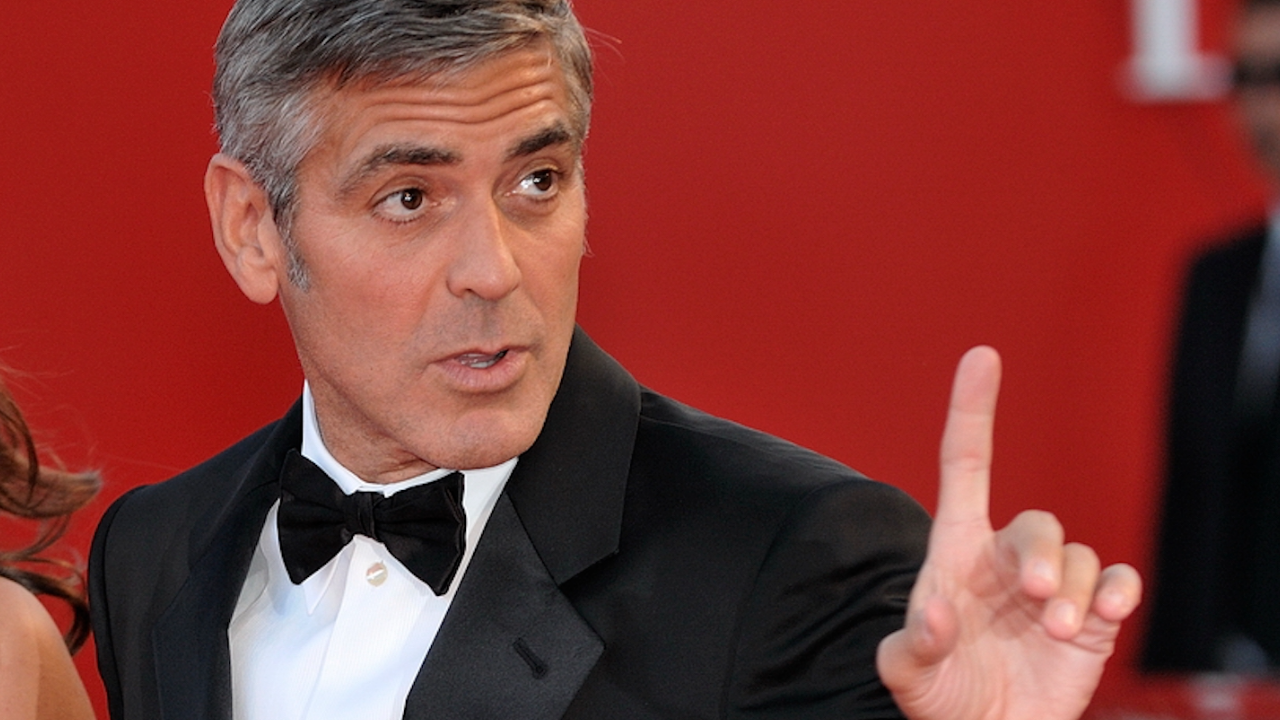
On December 30, 2025, news of George and Amal Clooney’s newly granted French citizenship hit the media like a bombshell.
The couple, along with their twins, Alexander and Ella, had officially become French citizens, a move that surprised the world—not just for its celebrity spectacle but because of the controversies that followed.
Within hours, the internet was abuzz. A celebrity family had made the bold decision to leave Hollywood behind, and the reverberations would be felt globally.
A Global Headline
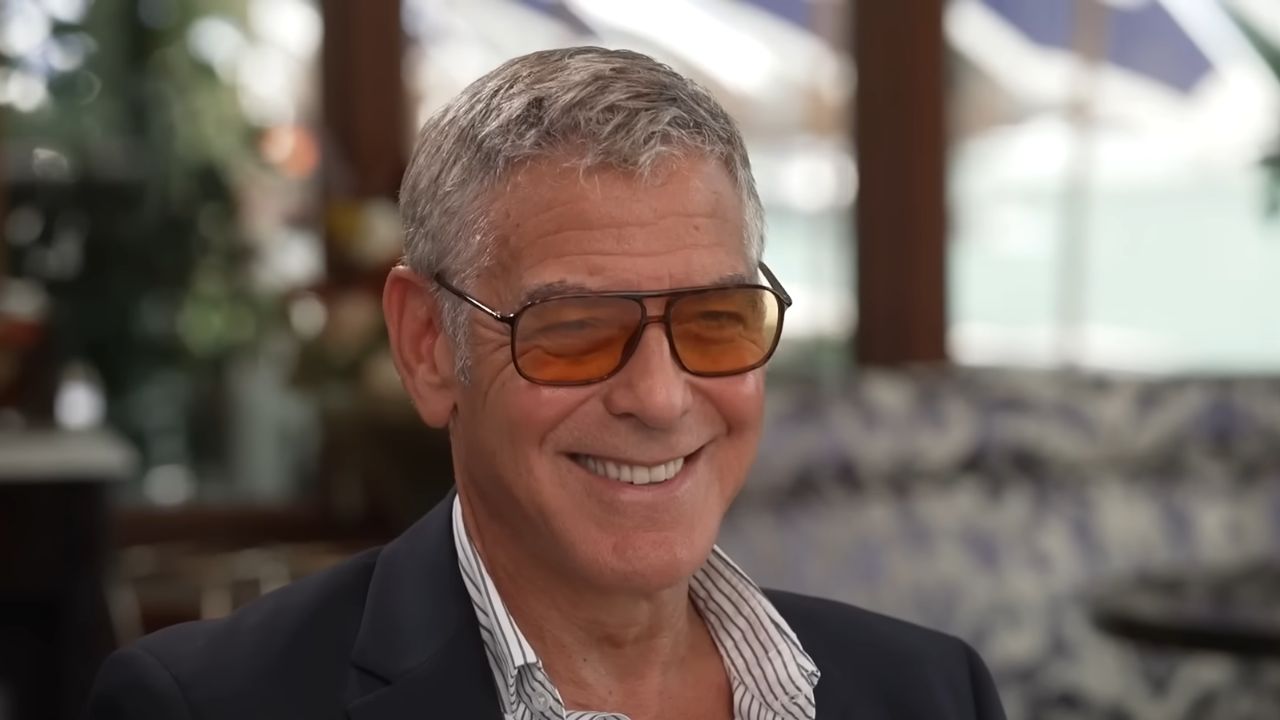
This seemingly routine immigration story became major news. Days after the decree was announced, former President Donald Trump criticized the Clooneys on Truth Social, using their new citizenship as a point of attack against France’s immigration policies.
His comments added fuel to an already heated discussion.
The Clooneys’ French Sanctuary

The Clooneys aren’t newcomers to France. In 2021, they bought Domaine du Canadel, an 18th-century villa in Provence.
Surrounded by scenic vineyards and countryside, it became their primary home, far from the Hollywood paparazzi that stalk their everyday lives. For them, it was the perfect place to raise their family away from the chaos.
A Family’s Privacy First

George Clooney was clear about his reasons for seeking French citizenship: to protect his children from Hollywood’s intrusive celebrity culture.
In an interview, he expressed concerns about raising kids in L.A., fearing the pressure of constant media attention would rob them of a “fair shake at life.”
Shielding His Children from the Spotlight
Beyond celebrity culture, Clooney’s concerns extended to his children’s safety and well-being. He has been vocal about the destructive impact paparazzi have on children.
He has also emphasized the importance of shielding them from media frenzy, echoing a letter he wrote in 2021 pleading with media outlets to respect his children’s privacy.
A Pragmatic Approach to Hollywood
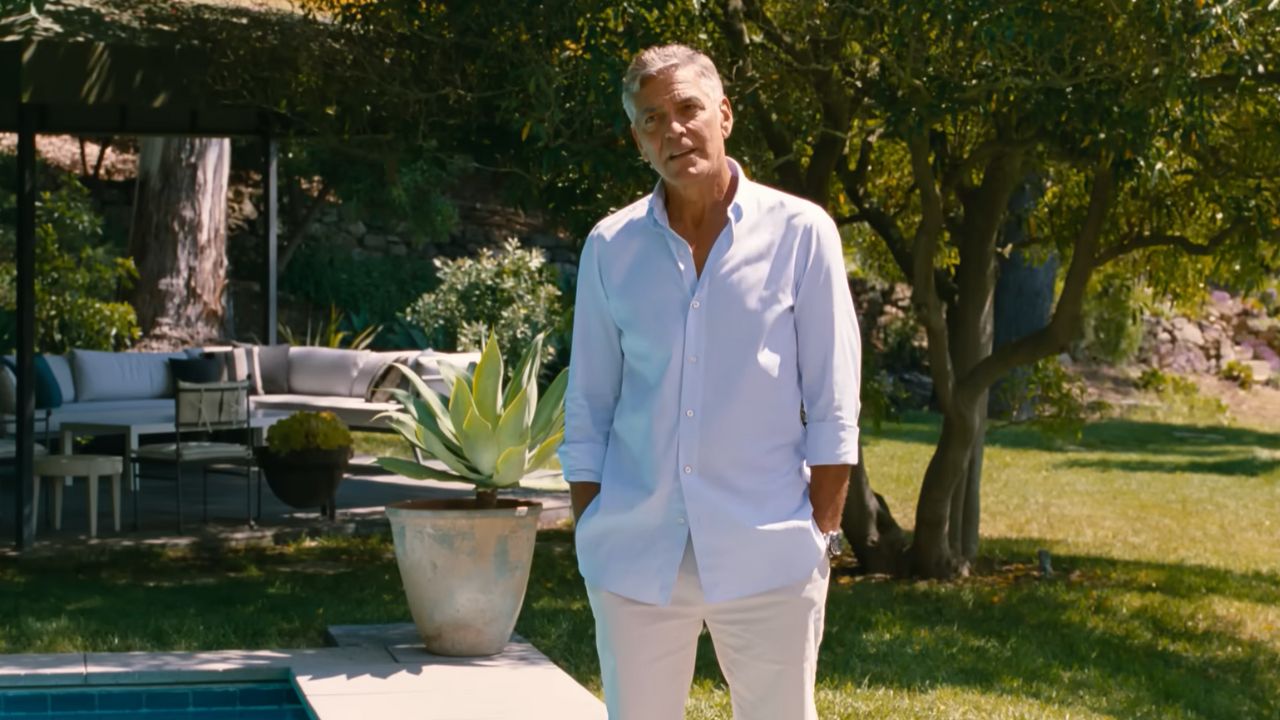
Clooney’s decision wasn’t based on a moral judgment of Hollywood, but on practicality. He believed that the celebrity culture in L.A. would harm his children’s development.
By moving to France, Clooney aimed to provide his children with a more peaceful, less scrutinized childhood—something Hollywood couldn’t offer.
France’s Celebrity Privacy Laws
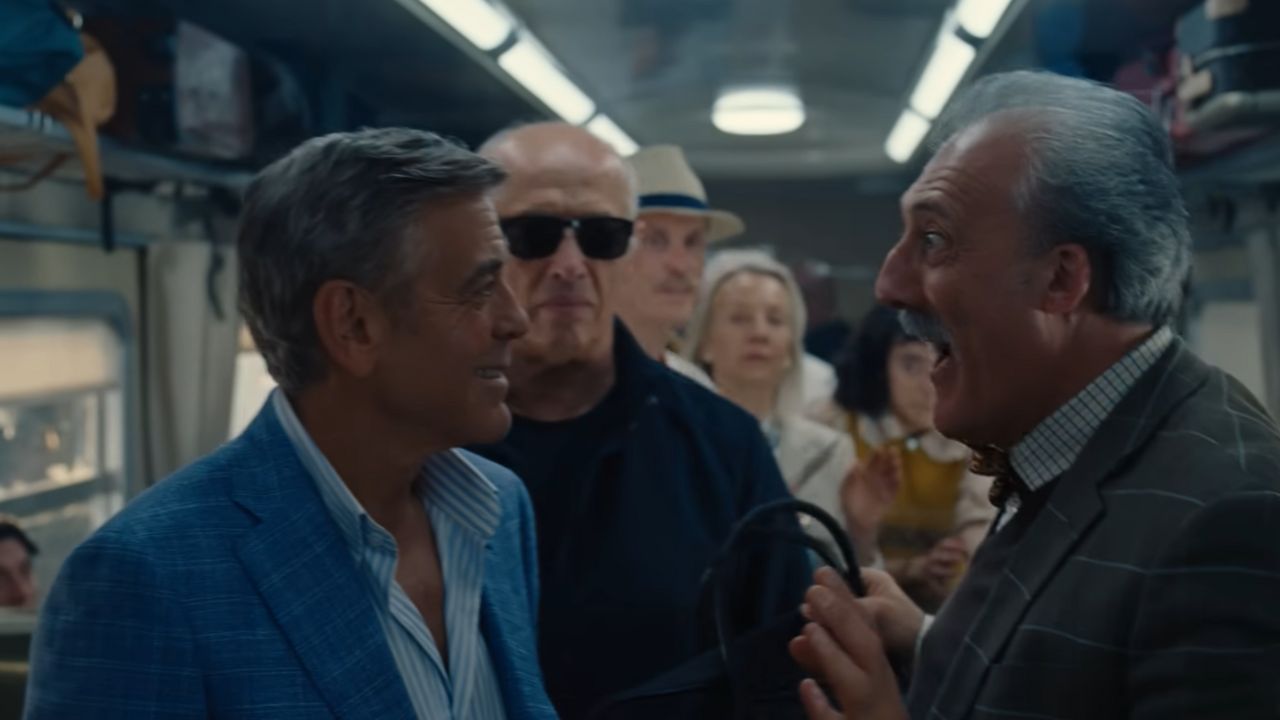
Unlike the U.S., France has strict laws protecting celebrities’ privacy. In France, it is illegal to publish personal details like addresses or phone numbers without consent.
Photos of celebrities are only allowed when their public role is directly related to the image, setting a stark contrast to the paparazzi culture of Hollywood.
How French Laws Deter Paparazzi
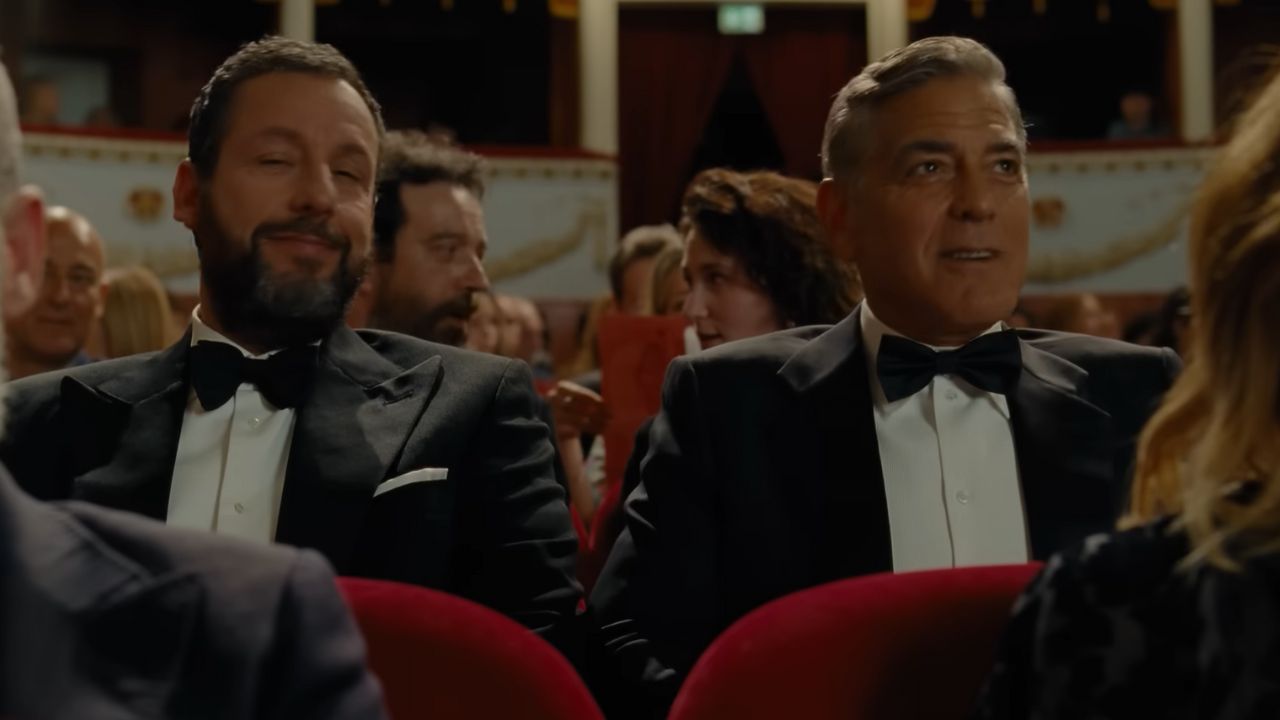
French paparazzi laws are enforced through legal action. If paparazzi take unauthorized photos, celebrities can send these images to their lawyers, threatening media outlets with civil damages.
This approach has largely deterred the aggressive tactics used by American paparazzi, making France a haven for celebrities seeking privacy.
Clooney’s Privacy Dividend

For George Clooney, the legal protections in France meant his children could live a normal life. They could attend school, play in parks, and walk in the streets without the fear of being hounded by cameras.
For Clooney, this was the true value of his French citizenship—ensuring his family’s privacy.
The 2021 Open Letter to the Media
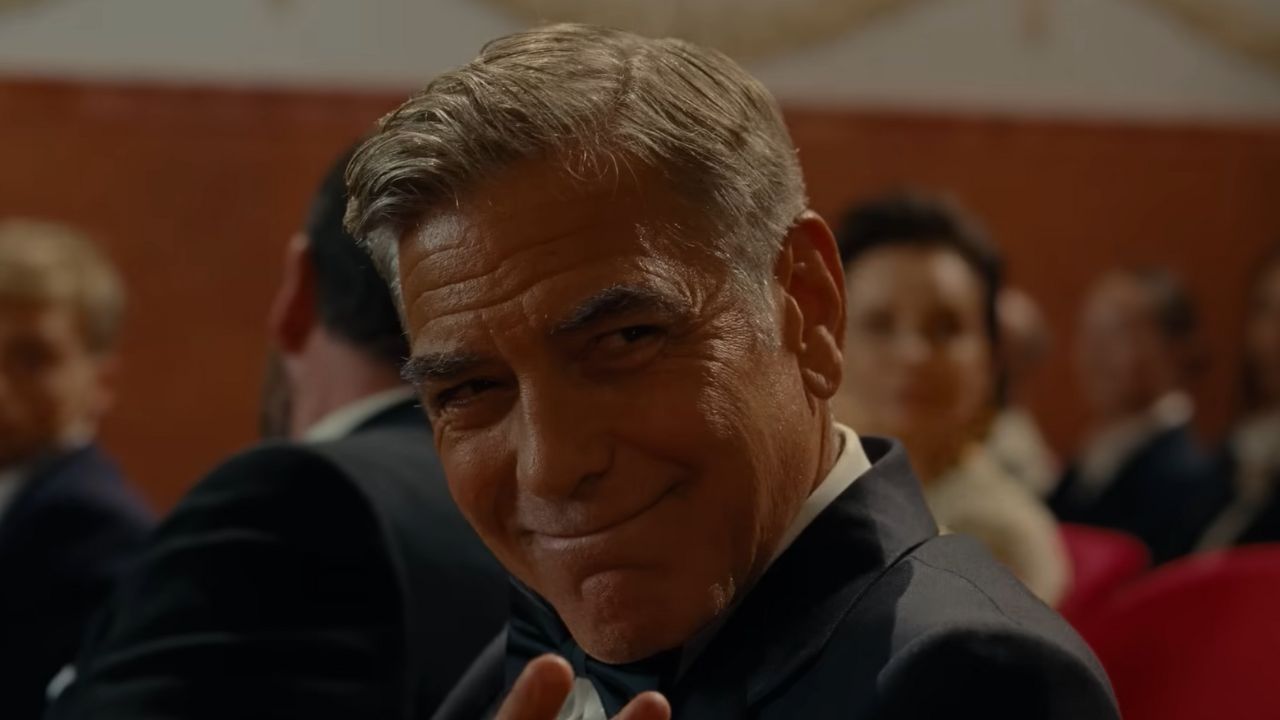
Clooney’s decision to move to France wasn’t impulsive. In 2021, he wrote an open letter to media outlets, requesting that they refrain from publishing photos of his children.
Four years later, his move to France was the next step in protecting his family’s privacy, a more permanent solution than a letter.
Trump’s Reaction to the Clooney Move
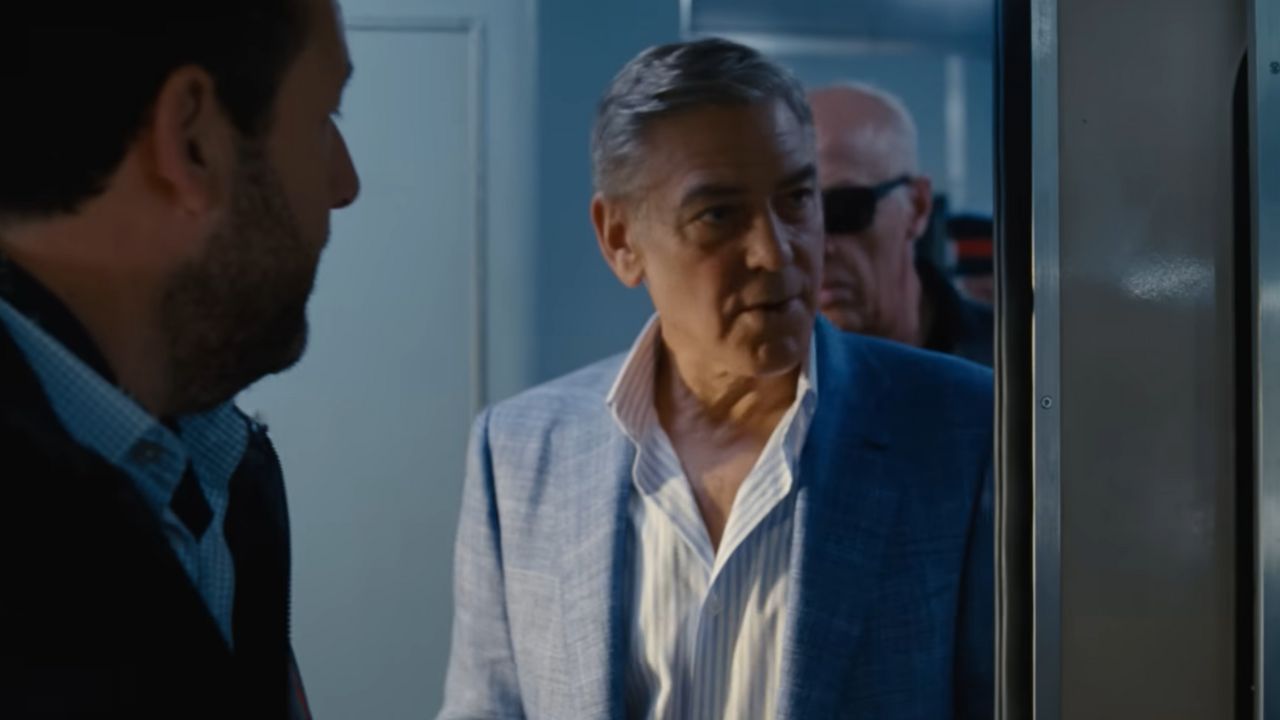
The Clooneys’ new citizenship didn’t go unnoticed by former President Donald Trump. In a scathing post on Truth Social, Trump mocked Clooney’s political predictions and used the opportunity to criticize France’s handling of immigration.
The attack underscored the political undercurrents surrounding the couple’s naturalization.
The Political Subtext Behind the Attack

Trump’s criticism was more than a personal jab—it was politically motivated. Clooney, a vocal critic of Trump and a significant donor to the Democratic Party, had previously written an op-ed urging President Biden to step down.
Trump’s comments were not just about France’s immigration policy—they were a direct shot at Clooney’s political views.
Clooney’s Witty Comeback
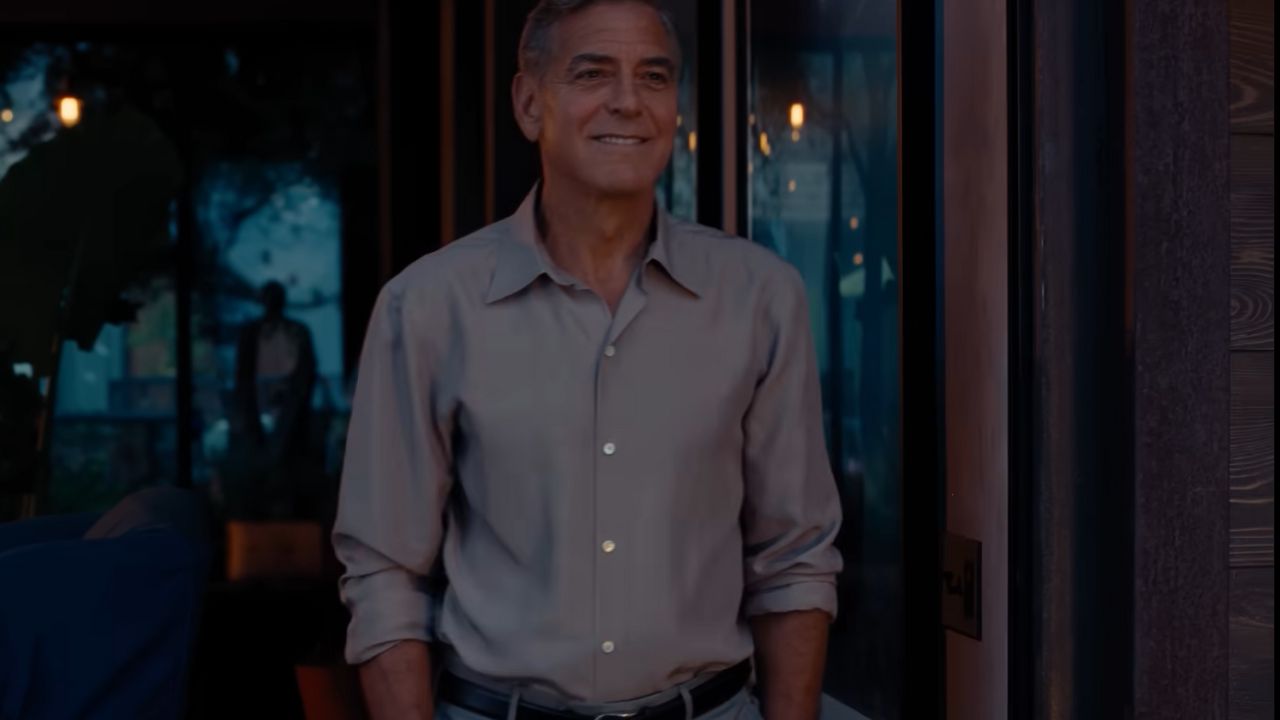
Not one to back down, Clooney responded with humor. He turned Trump’s slogan back on him, referencing the upcoming 2026 midterm elections.
Clooney’s retort showed that he wasn’t intimidated by Trump’s attacks and was ready to engage on his terms, bringing humor into a tense political moment.
French Government’s Defense
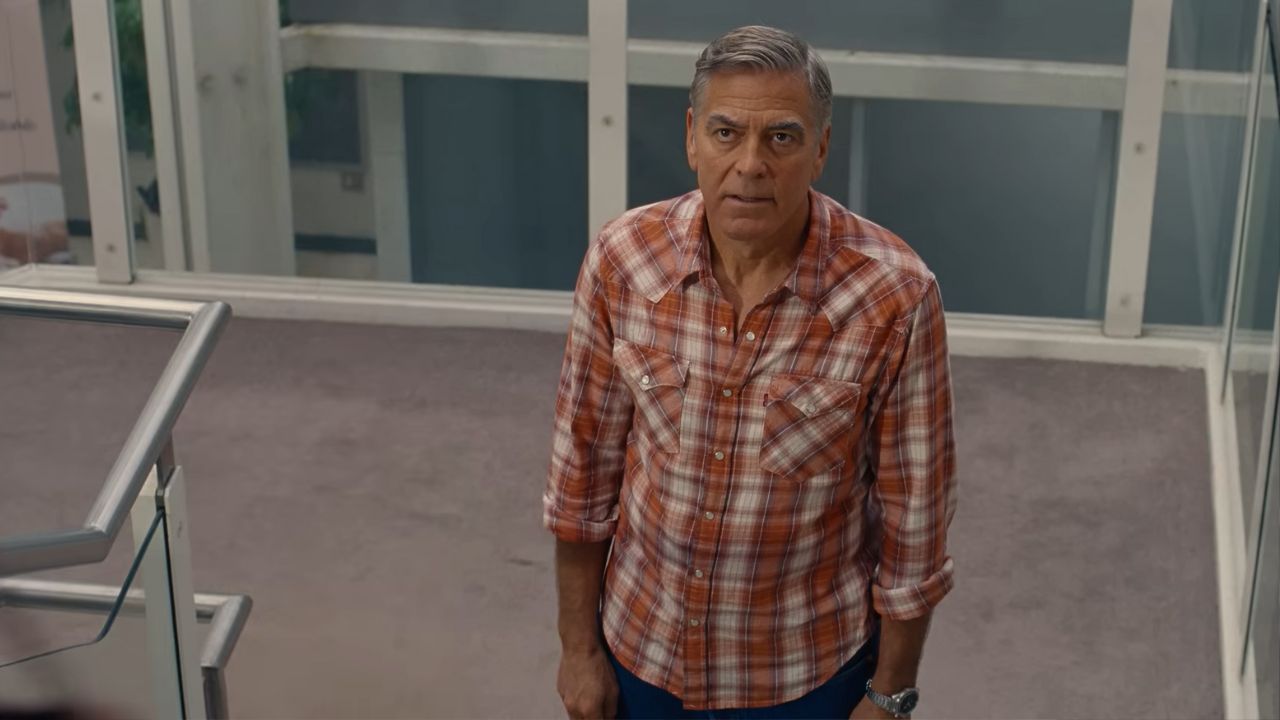
Despite the criticism, the French government stood by its decision. The Ministry of the Interior defended Clooney’s naturalization, citing his contributions to global cinema and his wife’s significant work in human rights.
The Clooneys’ connection to France, both personally and professionally, justified their citizenship.
The Clooneys as Cultural Contributors
The French government emphasized that the Clooneys weren’t just seeking privacy—they were genuine contributors to French culture.
George through his films, and Amal through her human rights work, have established strong ties to France. Their naturalization was seen as a positive addition to France’s global influence.
The “Double Standard” Debate
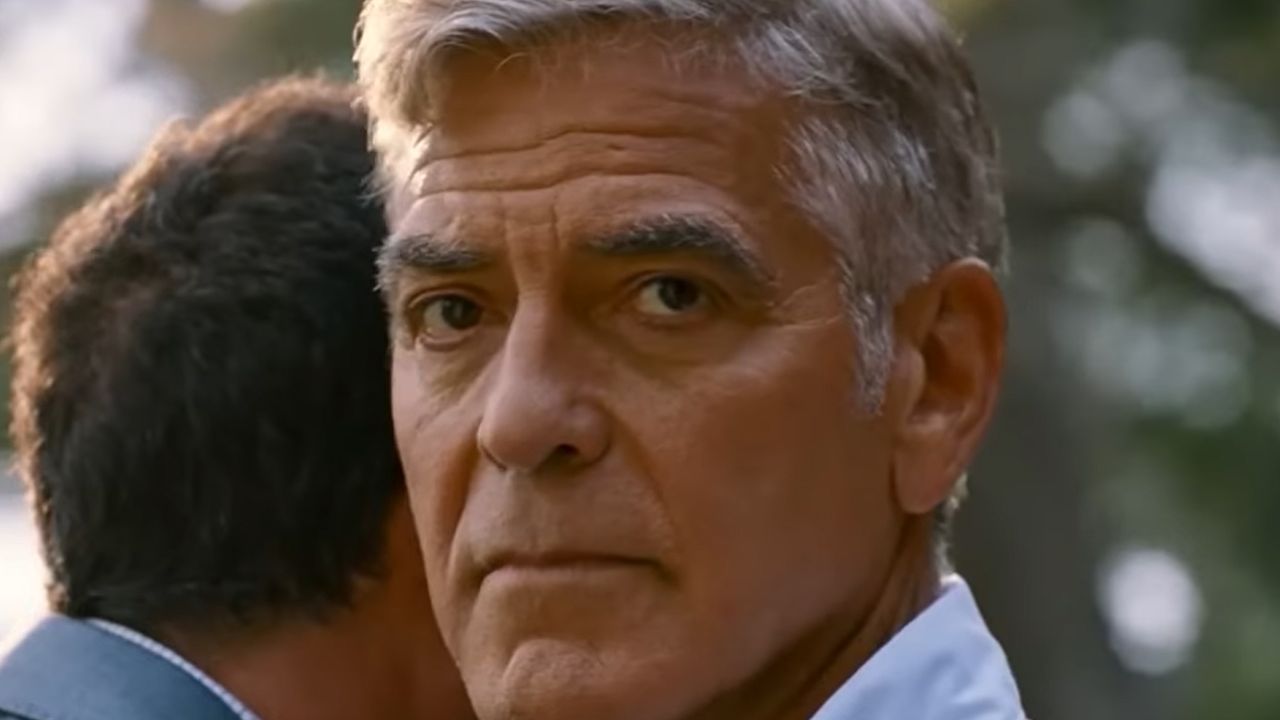
Not all French officials were pleased with the decision. Marie-Pierre Vedrenne, a junior deputy, raised concerns about the apparent preferential treatment given to Clooney, particularly regarding his poor French language skills.
This criticism came as France was implementing stricter citizenship requirements for all applicants.
Stricter Citizenship Rules in France
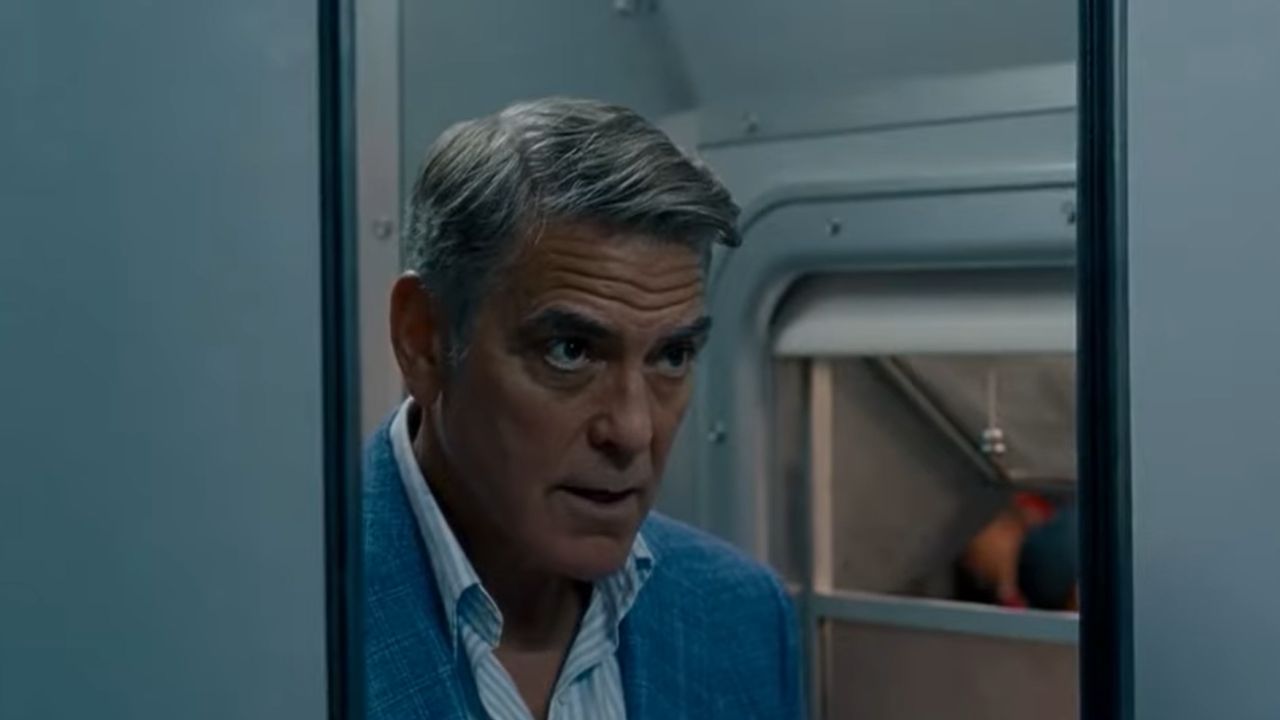
As of January 2026, France introduced more stringent citizenship requirements. Applicants must prove proficiency in the French language and pass a civic knowledge test.
Critics, including Vedrenne, questioned why Clooney, who struggled with the language, was granted citizenship while others faced tougher standards.
Clooney’s Language Skills Paradox
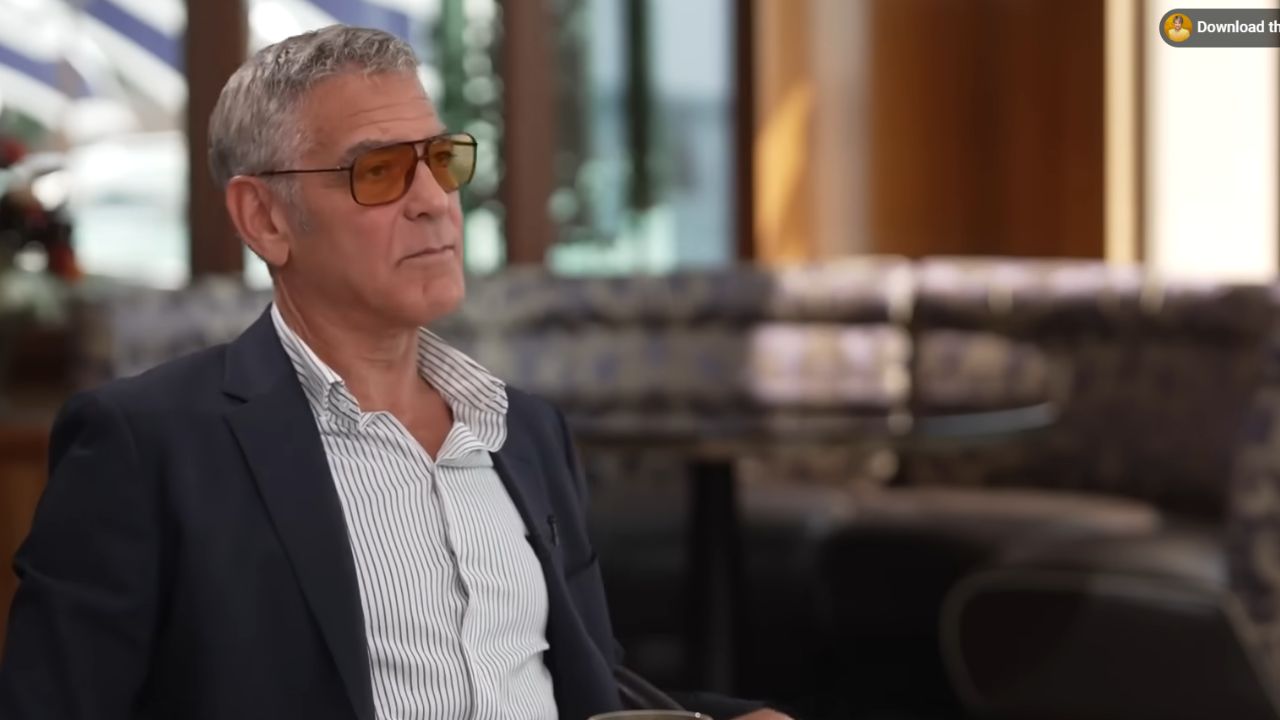
Clooney himself acknowledged the irony in his situation. Despite admitting to “horrible” French, he was granted citizenship.
The French Ministry justified the decision, citing Amal’s fluency and the Clooney family’s overall integration into French society. This defense did little to quell the criticism, however.
What This Case Reveals
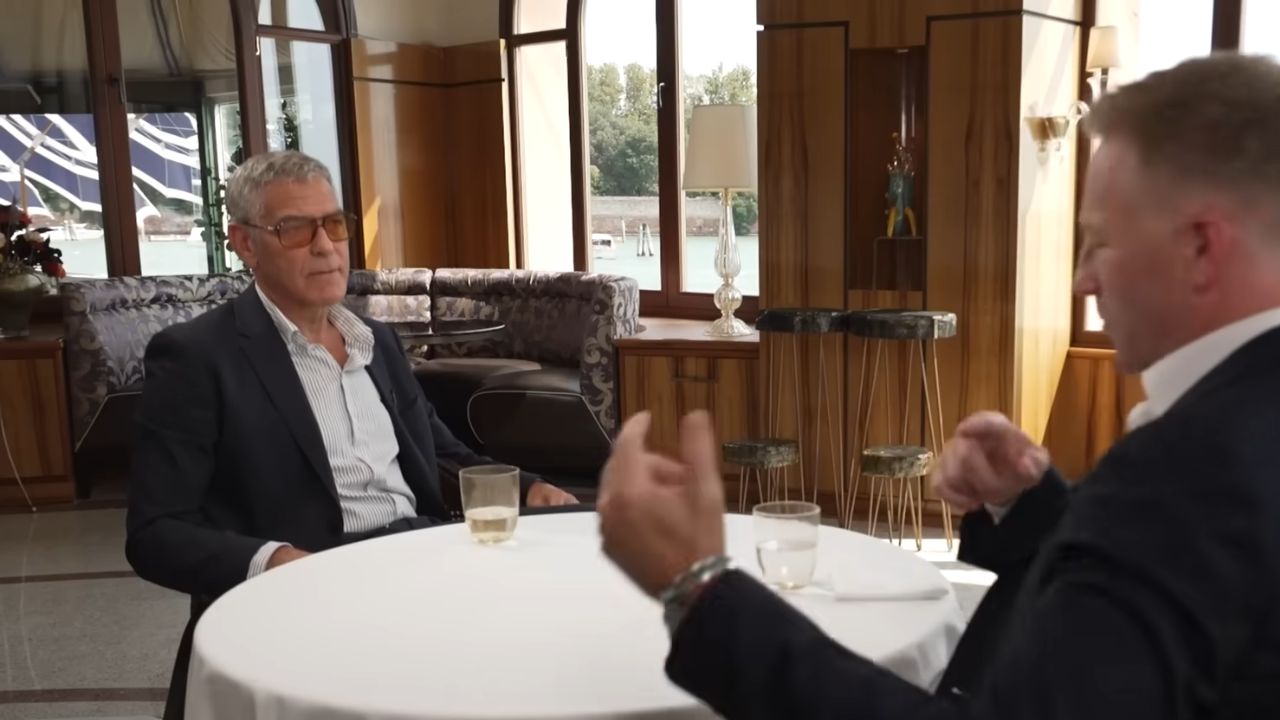
The Clooney case highlights the uncomfortable truths about fame, immigration, and privilege. It underscores how celebrity and wealth can create exceptions to strict laws.
It also brings to light how privacy has become a luxury only the richest can afford—something ordinary families can only dream of.
The Clooney Precedent
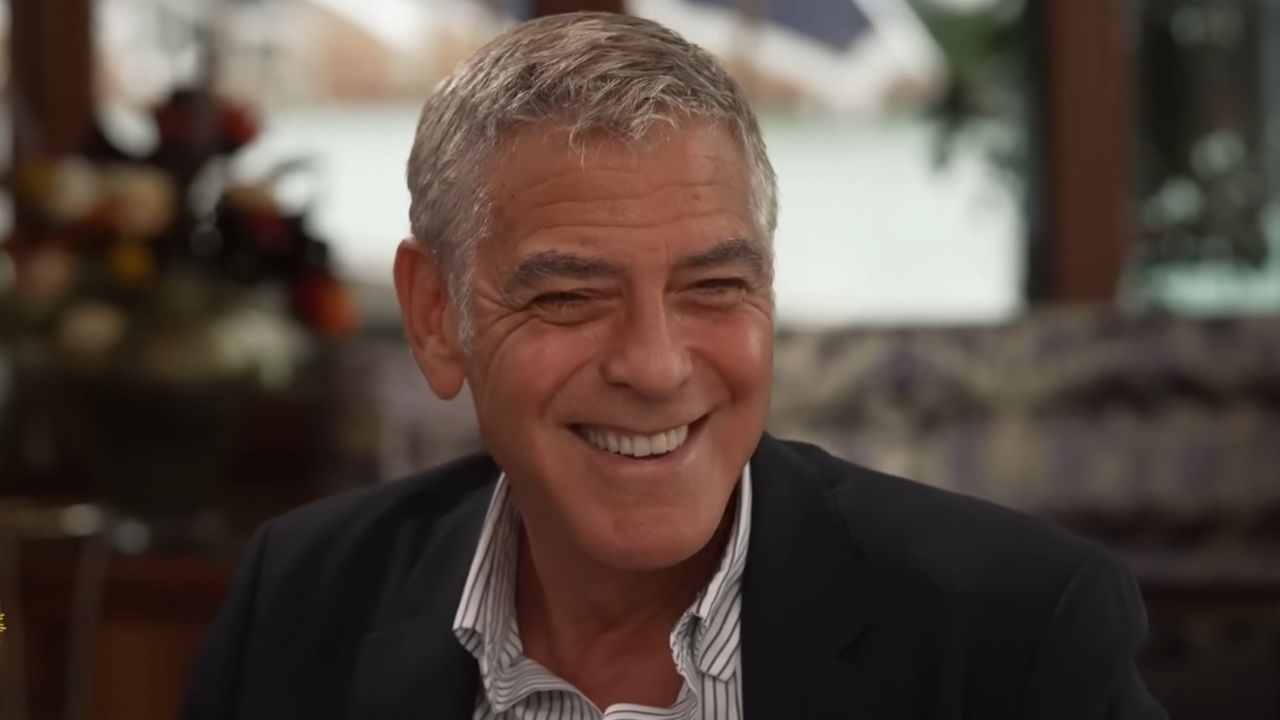
The Clooney citizenship saga is a reflection of broader cultural shifts. Even the biggest stars are voting with their feet, seeking refuge from the pressures of fame.
For France, it’s a validation of its privacy laws. For Hollywood, it’s a sign that even celebrities see the dark side of their fame, and they’re looking for a way out.
Sources:
“George Clooney and family awarded French citizenship.” BBC News, 30 Dec 2025.
“George Clooney gets French citizenship, spars with Trump.” NPR, 2 Jan 2026.
“French government defends George Clooney’s citizenship amid language rule backlash.” Le Monde, 31 Dec 2025.
“George Clooney Refused to Raise His Kids in Hollywood Because of ‘Toxic’ Culture.” Variety, 6 Oct 2025.