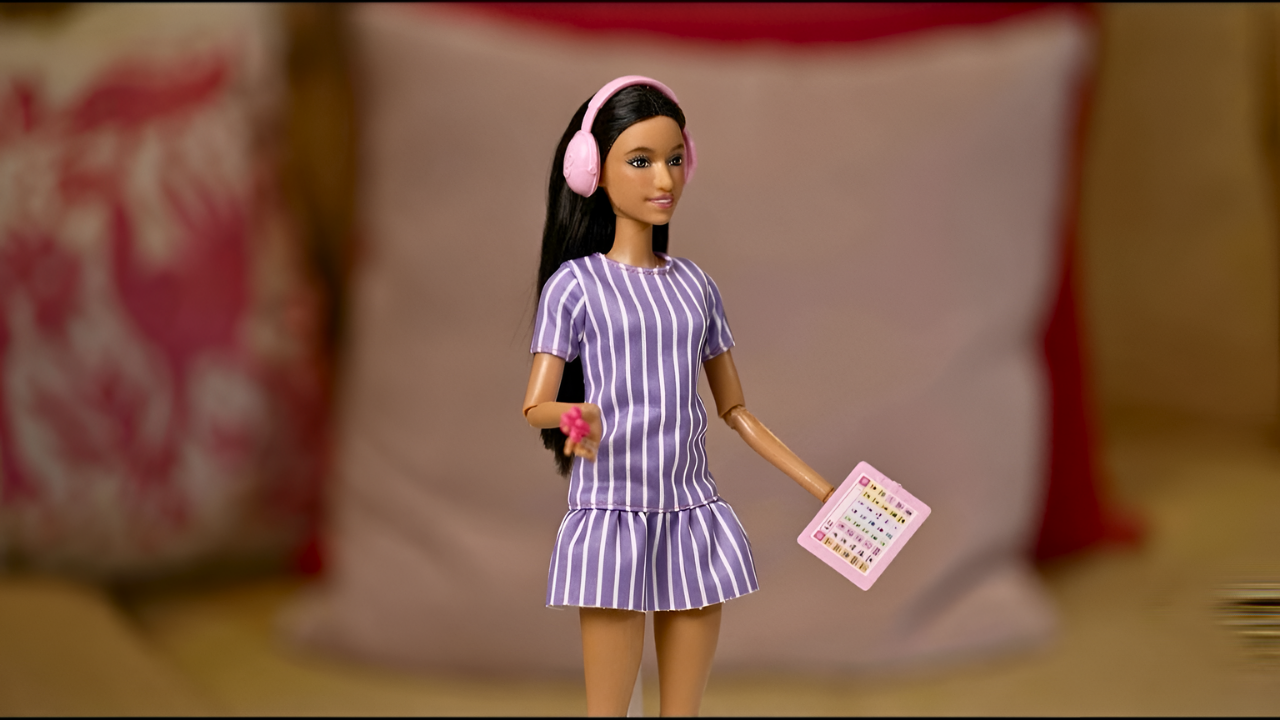
Mattel launched its first autistic Barbie doll on January 12, 2026, marking a pivotal step in toy industry inclusion after 67 years of the brand’s history. Priced at $11.87, the doll addresses a key gap in representation for the 2.4 million U.S. children diagnosed with autism spectrum disorder, per CDC estimates of 1 in 31 children affected.
The CDC reports autism affects 1 in 31 U.S. children, up from 1 in 36, with boys diagnosed at 3.4 times the rate of girls, though underdiagnosis persists among girls, women, and children of color. Across all ages, 5.4 million Americans live with autism spectrum disorder daily.
Mainstream toys have long overlooked this population, leaving autistic children without reflections of themselves in play. Research links such representation to greater peer acceptance and reduced stigma, fostering self-worth and normalizing neurodiversity.
Community-Led Development and Design Features
Mattel collaborated with the Autistic Self Advocacy Network (ASAN) for over 18 months, incorporating input from autistic individuals, advocates, and experts. This ensured designs drew from real experiences, covering sensory needs, communication differences, and spectrum diversity. ASAN’s role set a standard for community-led product creation in toys.
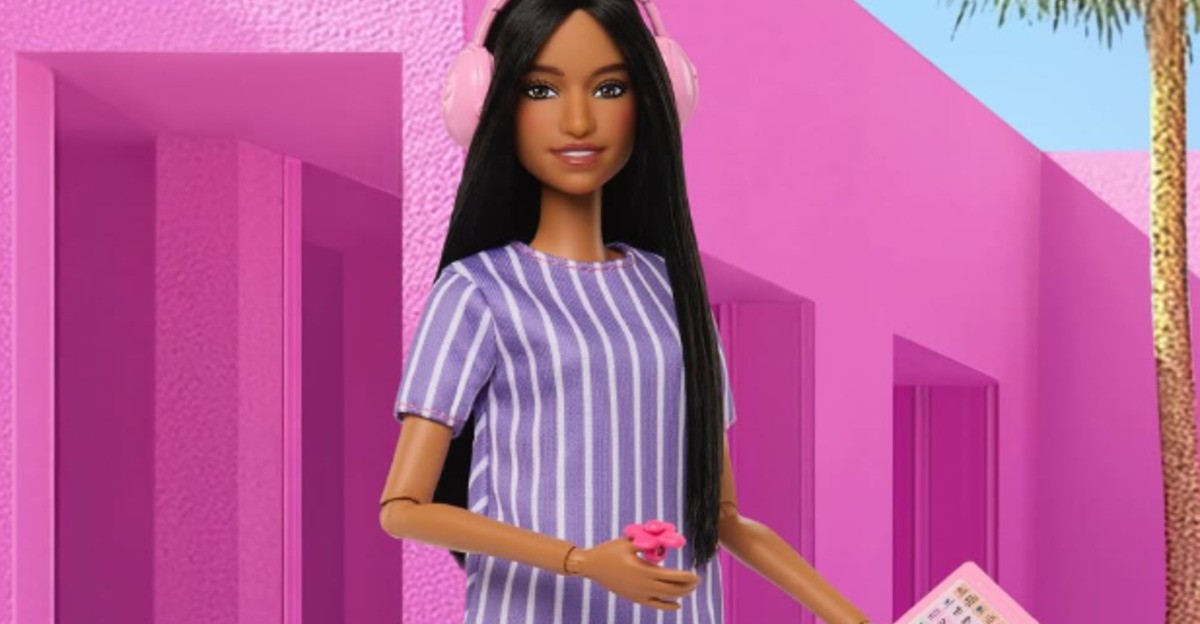
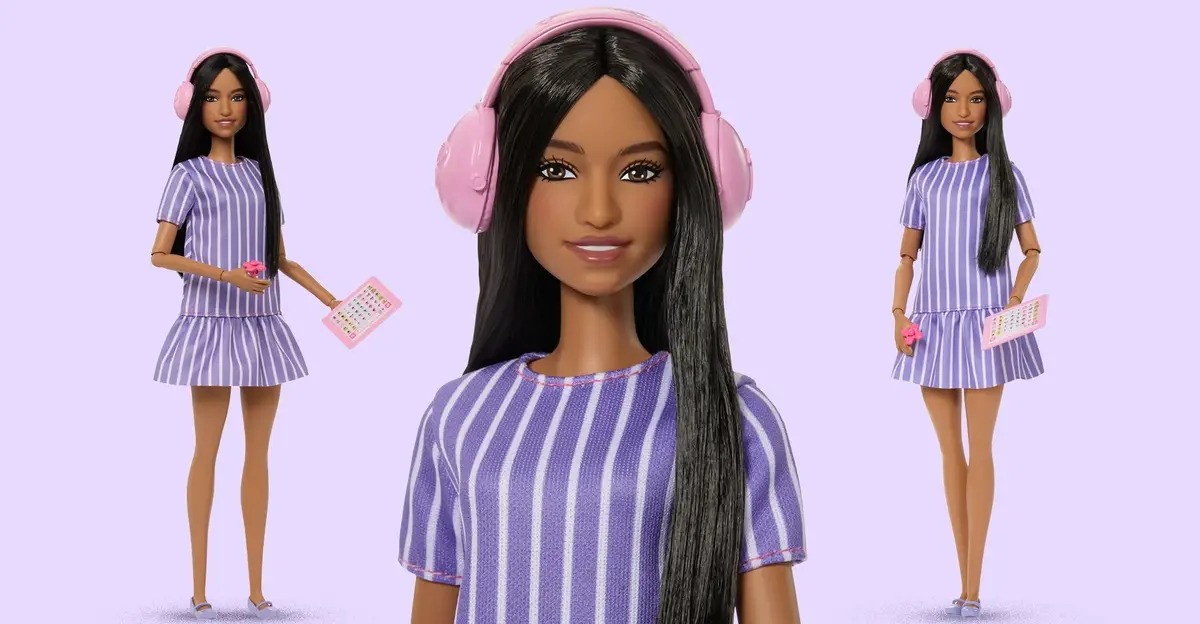
Noor Pervez, ASAN’s autistic Community Engagement Manager, guided choices on sensory features and accessories, stressing that “autism doesn’t look any one way.” The doll’s articulated elbows and wrists enable stimming positions—repetitive motions for self-regulation, calming anxiety, and focus. Her eyes gaze slightly aside, mirroring eye contact avoidance due to sensory overload, a common trait normalized here as natural variation.
The loose pinstripe A-line dress minimizes seams and tactile irritation, paired with stable purple Mary Jane flats. Essential accessories include a pink fidget spinner for focus and self-regulation, noise-canceling headphones for auditory sensitivities in noisy settings, and an AAC tablet representing augmentative communication tools for nonspeaking autistic people. These elements promote sensory comfort without sacrificing style, validating everyday coping strategies and presenting them as standard rather than therapeutic.
Expanding Diversity and Strategic Rollout
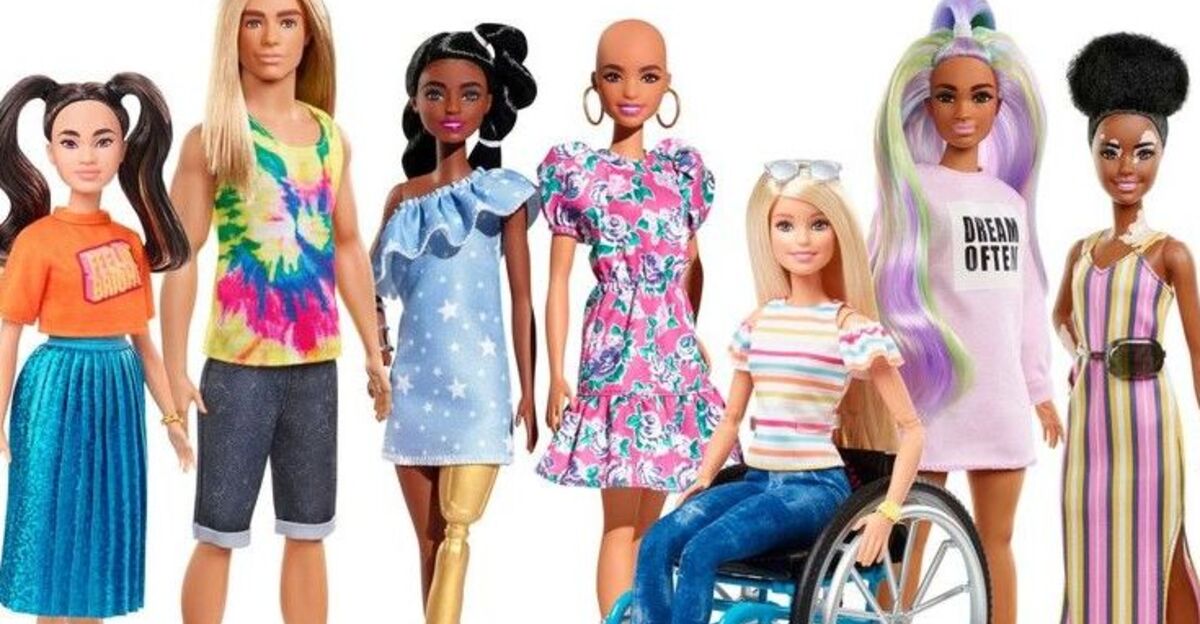
This doll expands Mattel’s Fashionistas line, now over 175 variations strong, including Down syndrome (2023), Type 1 diabetes (2025), wheelchairs, prosthetics, hearing aids, and vitiligo. Facial features draw from Indian employees and South Asian autistic experiences, countering white male-centric stereotypes. Available immediately at Target stores and Mattel’s online shop, Walmart rollout follows in March 2026. The affordable price ensures access for families nationwide, democratizing representation beyond premium collector markets.
Market Impact and Future Implications
This launch challenges narrow autism narratives, embracing joyful, diverse portrayals across genders and races. Industry analysts suggest the Fashionistas line’s continued success could generate substantial revenue, with inclusive dolls driving both sales and brand equity. The autistic Barbie represents a broader shift toward neurodivergent inclusion as both a market opportunity and cultural norm.
Future expansions could include more autistic characters and sensory designs in toys, games, and media, with pressure mounting on competitors to develop similar inclusive product lines. The doll’s reception among autism advocacy groups has been overwhelmingly positive, with ASAN Executive Director Colin Killick emphasizing that authentic representation created with—not for—the autistic community marks a meaningful departure from tokenistic diversity efforts. As mainstream retailers embrace neurodiversity in their toy offerings, the industry faces growing expectations that representation must extend beyond physical disabilities to encompass cognitive and developmental differences.
Sources:
ABC News – Mattel adds autistic Barbie to doll line devoted to diversity and inclusion, January 12, 2026
Axios – Barbie releases first autistic doll as Mattel expands inclusion, January 12, 2026
Autistic Self Advocacy Network (ASAN) – Official statements and partnership details
Mattel Corporate – Press release on autistic Barbie launch, January 11, 2026
CDC Autism and Developmental Disabilities Monitoring Network – Autism prevalence data, April 2025
AP News – Mattel launches first autistic Barbie, January 12, 2026