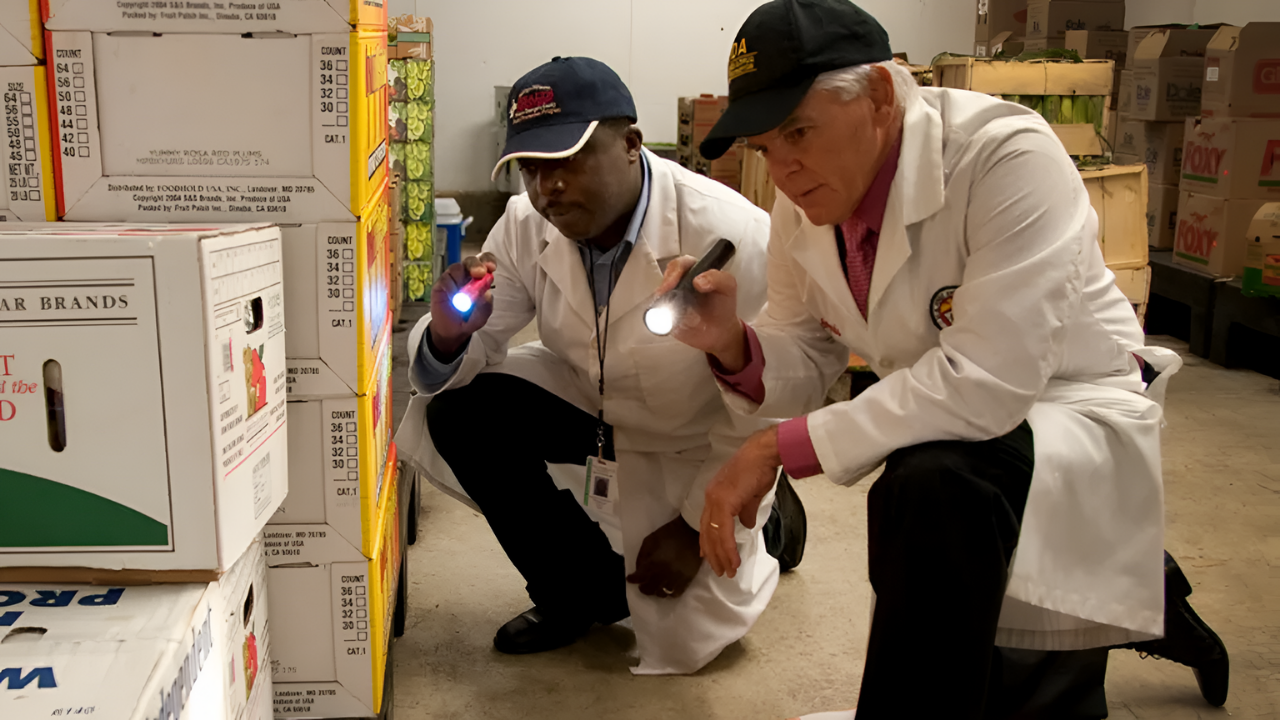
Nearly 2,000 products were pulled from store shelves across Minnesota, Indiana, and North Dakota after health officials discovered a warehouse filled with contamination. The FDA shut down Gold Star Distribution’s Minneapolis facility on December 26, 2025, after inspectors found serious pest infestations and unsanitary conditions.
More than 55 stores were affected by this discovery. The discovery turned a routine supply chain into a major public health emergency. The question now is, how did conditions get so bad at this major distribution center, and what happens next?
Inside the Contaminated Facility
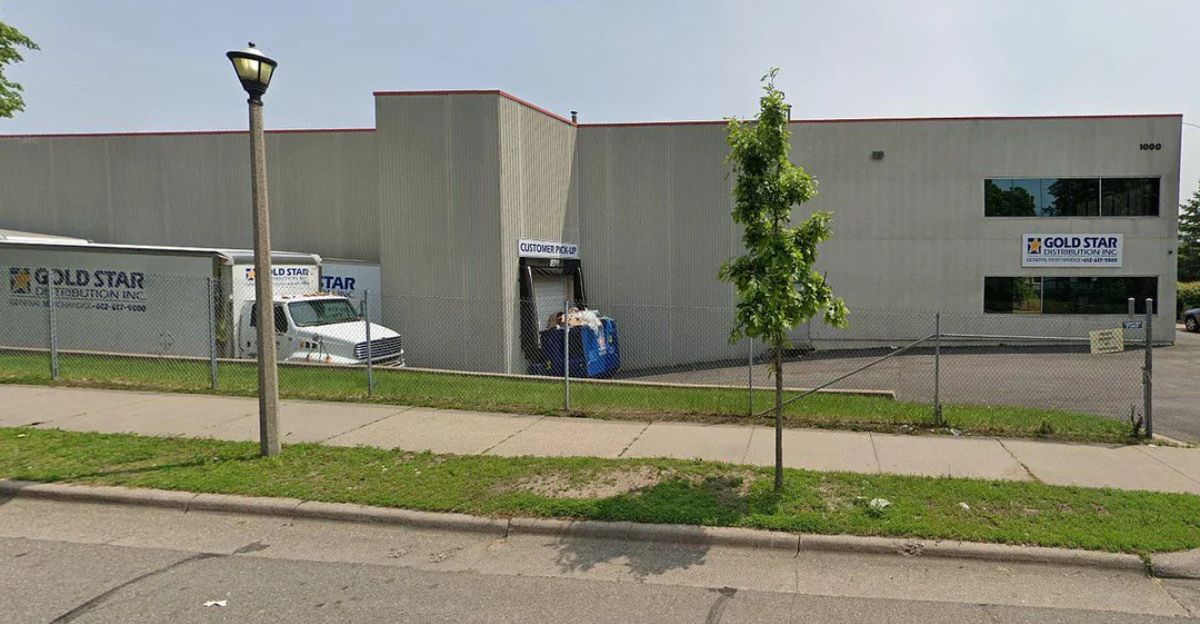
The Minneapolis warehouse revealed a nightmare for health inspectors. Rodents had left droppings and urine throughout storage areas where food, medicine, and pet products sat waiting for delivery. Insects crawled freely across shelves. Birds had contaminated inventory with their droppings. No one has gotten sick yet from products that left this facility, but the threat is real.
Salmonella, a bacteria found in rodent waste, can cause severe illness in vulnerable populations as infants may experience life-threatening infections, and elderly customers could face serious complications. The FDA’s Food Safety News reported that warehouse pest contamination has become an increasing problem across the country.
Who Is Gold Star Distribution?
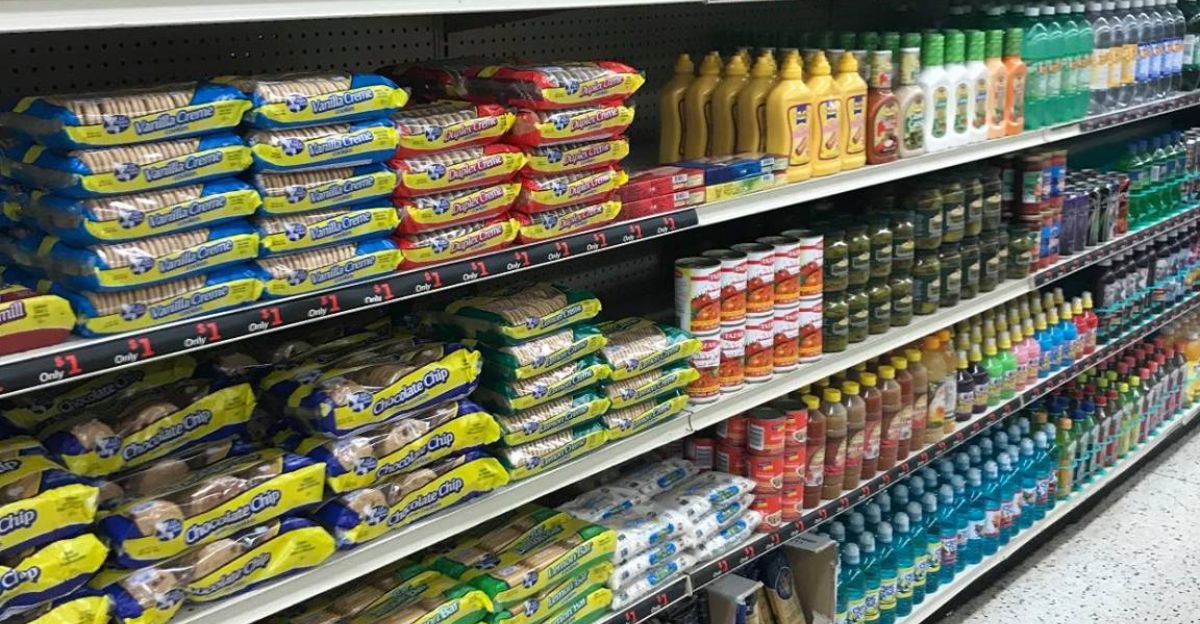
Gold Star Distribution operates from 1000 N. Humboldt Ave in Minneapolis, serving as a major supplier to ethnic markets, delis, and convenience stores across the Midwest. The company handles thousands of products every month and for years, it was a trusted go-to distributor for small shops serving immigrant communities.
The facility was known for supplying hard-to-find items to halal markets and African groceries across the region. But behind the scenes, conditions had deteriorated without anyone catching it until the December inspection. Gold Star’s broad range of products made it a major hub in the Midwest supply chain.
Warning Signs Were Building

The FDA had been inspecting warehouses more closely lately because of increasing complaints about pests in food distribution centers. Across the country, urban warehouses were battling rodent invasions, partly because buildings are crowded together in cities and supply chains had backed up during recent years. Gold Star’s operation was particularly risky because it handled so many different types of products in one building.
Rodents, insects, and birds don’t care about product categories and they contaminate everything. The tension between food safety officials and distributors had been building for months. Regulators knew problems were brewing. Then, on December 26, 2025, one FDA inspection uncovered the full extent of the damage.
The Discovery That Changed Everything
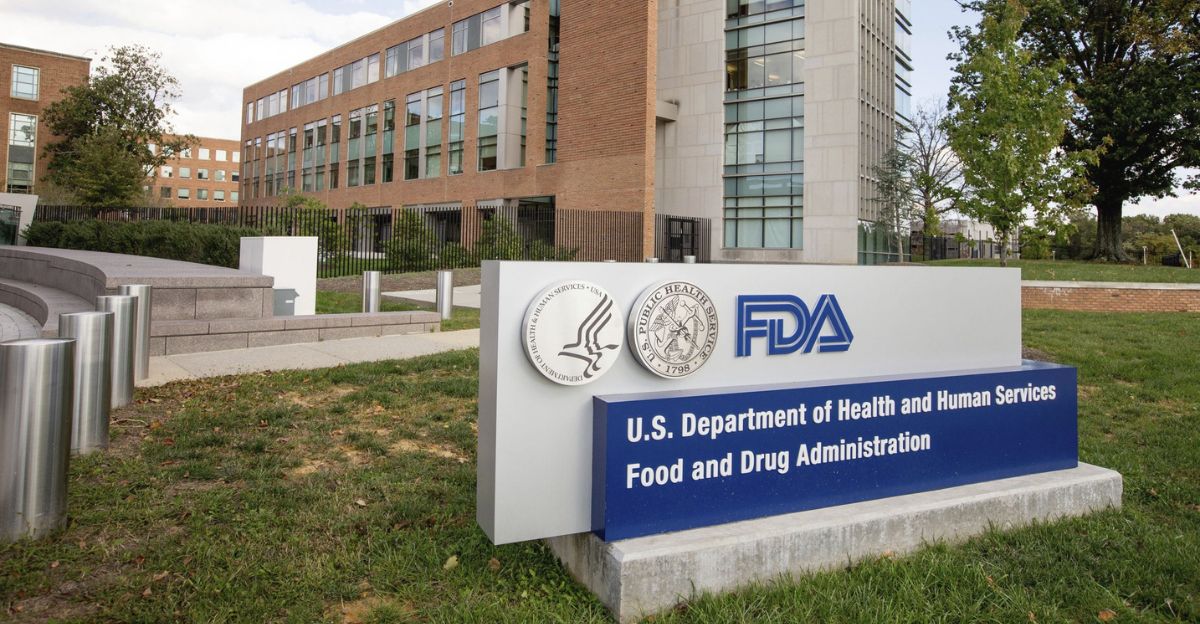
When FDA inspectors arrived at Gold Star Distribution on December 26, 2025, they found rodent excreta, urine, and bird droppings scattered throughout the storage areas. Insects were visible on shelves and products. The facility was operating under what the FDA officially called insanitary conditions. This single discovery triggered an immediate recall of every FDA-regulated product sitting in that warehouse.
The contamination was so widespread that there was no way to know which products were safe and which weren’t. Every item had to go. The discovery wasn’t surprising to anyone who understood how vulnerable warehouses can be. What was shocking was the scale as this wasn’t a small corner of one shelf. It was the entire operation.
The Three-State Nightmare Unfolds
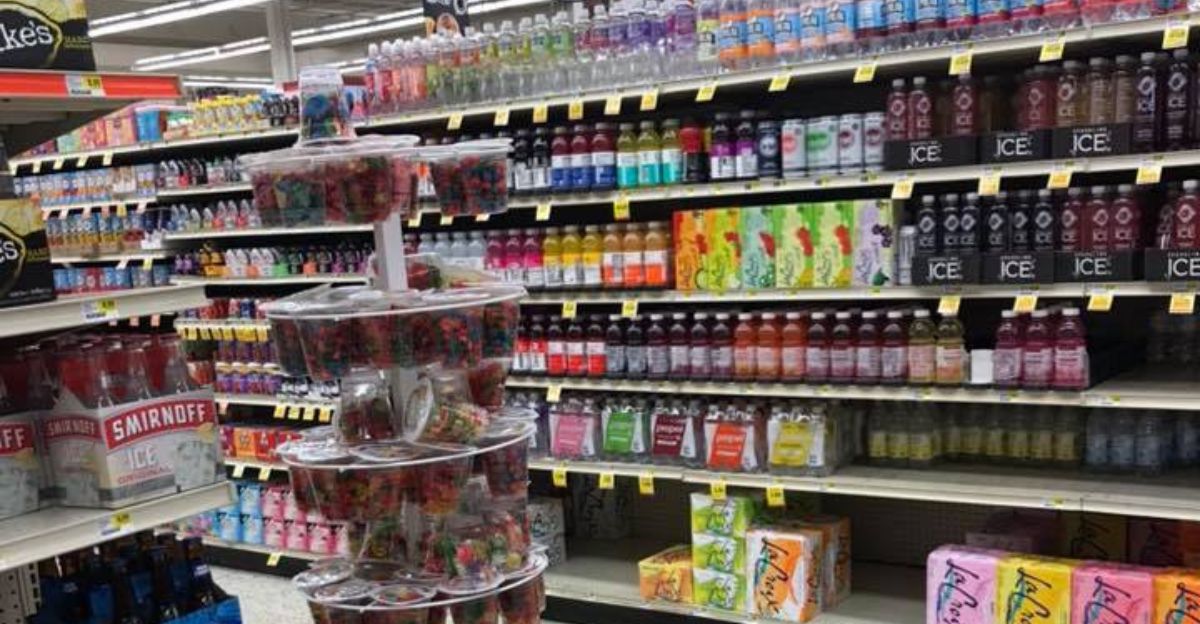
Products from Gold Star’s warehouse had already been shipped to over 55 stores across three states before the contamination was discovered. In Minnesota, halal markets and African delis pulled inventory from shelves. In Indiana, stores like Aimart in Indianapolis scrambled to find what was recalled.
In North Dakota, Fargo-area halal markets removed items. The goods had been distributed between August and November 2025, months of potentially contaminated products sitting on store shelves. Ethnic grocery stores and convenience shops felt the impact hardest because many relied heavily on Gold Star as their primary supplier. Every store had to check their inventory against a 44-page FDA list of recalled items. Some stores didn’t even realize they had Gold Star products until they checked their purchase records.
Who Is Most at Risk?

While no illnesses have been reported yet, certain groups face serious danger from the bacteria found in rodent waste. Babies and young children can develop life-threatening Salmonella infections. Elderly people may experience severe complications including sepsis. Pregnant women and anyone with a weakened immune system, including cancer patients and people with HIV, are particularly vulnerable.
Salmonella causes fever, severe diarrhea, and abdominal pain. In the most serious cases, the infection spreads through the bloodstream and can be fatal. Additionally, leptospirosis, another disease carried by rodent urine, threatens both humans and pets. The reason the FDA ordered immediate destruction of all products rather than allowing returns is because they couldn’t guarantee any single item was safe.
Ripple Effects Through the Supply Chain
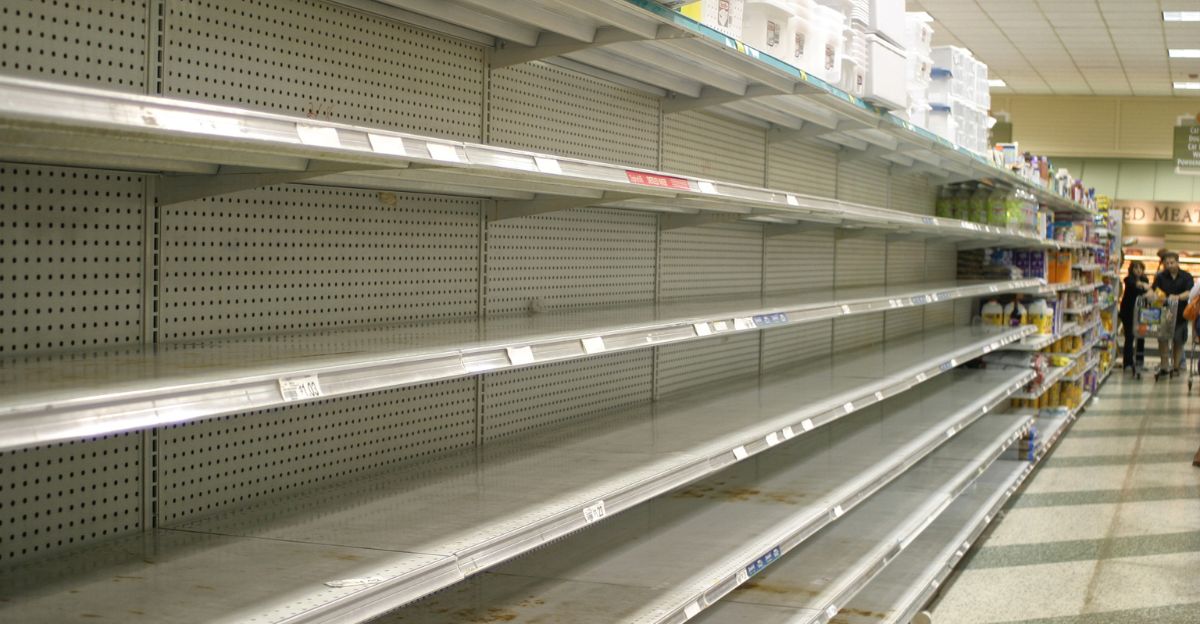
When Gold Star Distribution shut down, stores immediately faced empty shelves in critical product categories. Frozen and refrigerated items escaped the recall because they would have spoiled before reaching consumers. But shelf-stable drugs, cosmetics, cold medicines, and non-perishable snacks all vanished from inventory.
Competitors quickly moved in to fill the gap in halal and import markets, but many small stores couldn’t switch suppliers overnight. Some products on the recall list were specialty items difficult to find elsewhere. The recall showed how much the national supply chain depends on specialized distributors serving niche communities.
A Growing Nationwide Problem
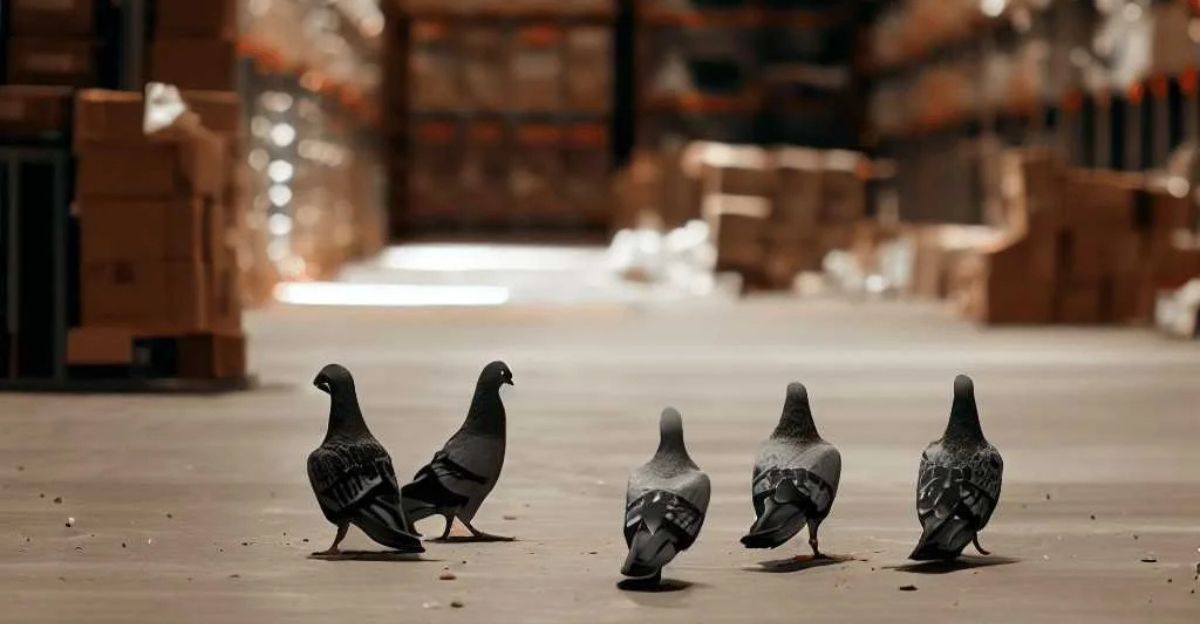
Gold Star Distribution isn’t alone. Across the United States, rodent and bird infestations in warehouses have been increasing steadily. Urban warehouses face particular challenges because buildings are packed closely together, making pest control harder. Climate change has extended rodent breeding seasons. Supply chain delays from recent years left goods sitting in storage longer, attracting pests.
The Gold Star case joins a troubling pattern of similar contamination discoveries at other distribution centers. When inspectors finally checked Gold Star, they documented over 44 pages of contaminated products. This suggests the problem had been building for months, maybe longer.
The Shocking Scale of the Recall

The final recall list included nearly 2,000 items across six different product categories. This wasn’t just food, it included cold medicines, dietary supplements, cosmetics, pet food, candy, and shelf-stable snacks. The total value of recalled goods reached between $500,000 and $2 million. Each of those 2,000 items represents a potential health risk to someone.
The 44-page recall list published by the FDA became the standard reference document for every affected store. Retailers had to cross-reference their purchase orders against this massive list, item by item.
Small Business Owners Bear the Burden
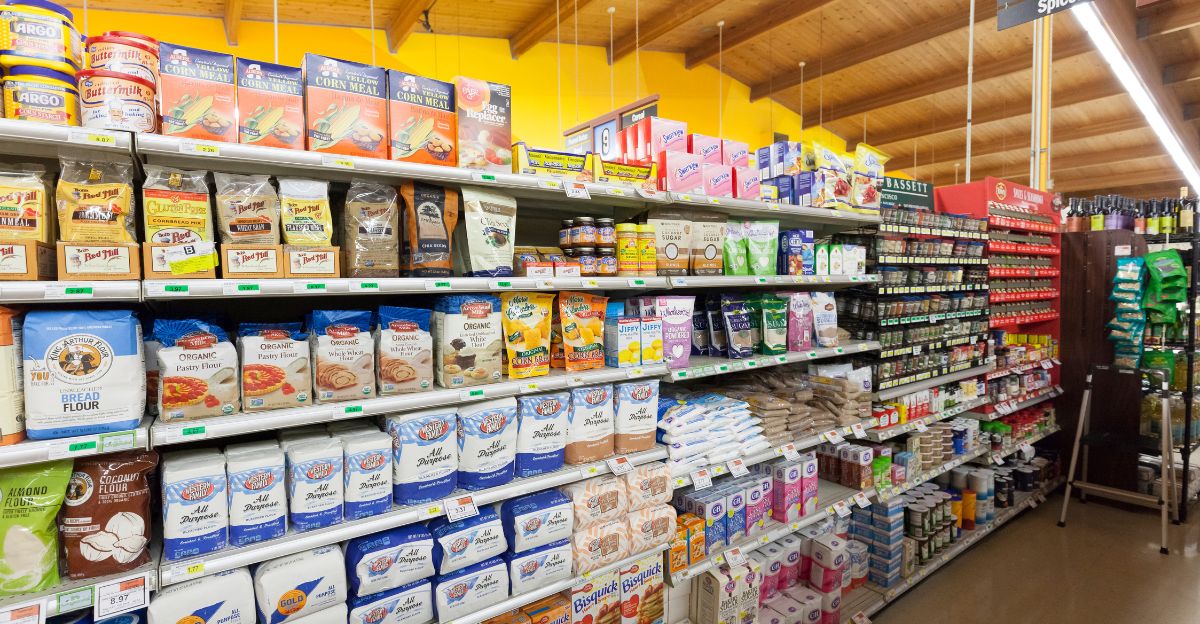
For owners of halal markets and ethnic groceries across three states, the recall created immediate financial and operational chaos. Stores like Fargo Halal Market and Lake Street Market in Minneapolis had to pull products from shelves and destroy them. The FDA required proof of destruction before any refunds would be issued.
The destruction process took weeks. During that time, shelves sat empty and customers complained about missing products. Some turned to competitors. Going to multiple suppliers instead of one distributor costs more money and creates complicated inventory management.
How Gold Star Responded

Gold Star Distribution initiated a voluntary recall in coordination with FDA oversight once the contamination was discovered. The company established a hotline for retailers with questions about which products were affected and what compensation they could expect. Gold Star promised refunds to stores that could provide proof of product destruction.
However, Gold Star has not announced any major leadership changes or significant operational shifts. The focus currently remains on facility cleanup rather than addressing how conditions deteriorated in the first place. Some retailers expressed frustration that the company didn’t provide more detailed guidance upfront about which specific products to prioritize in the destruction process.
The Long Road to Recovery

Gold Star Distribution is now working to remediate the facility, focusing on eliminating pests and restoring sanitation standards to FDA requirements. The company must pass a full FDA reinspection before operations can resume. This process typically takes months, not weeks. Industry experts recommend that the company implement new strategies, including direct shipments from manufacturers for perishable items, which would bypass warehouse storage entirely for the most vulnerable products.
The complete FDA product recall list remains publicly available on the FDA website, helping retailers verify whether items they purchased are affected. Warehouses must install advanced pest monitoring systems, seal all entry points, and establish strict protocols for what can be stored where. For Gold Star, reopening will require significant capital investment in facility improvements. The company’s reputation will take years to rebuild, even with perfect execution going forward. Many retailers have already begun finding alternative suppliers.
Can We Trust the Fix?
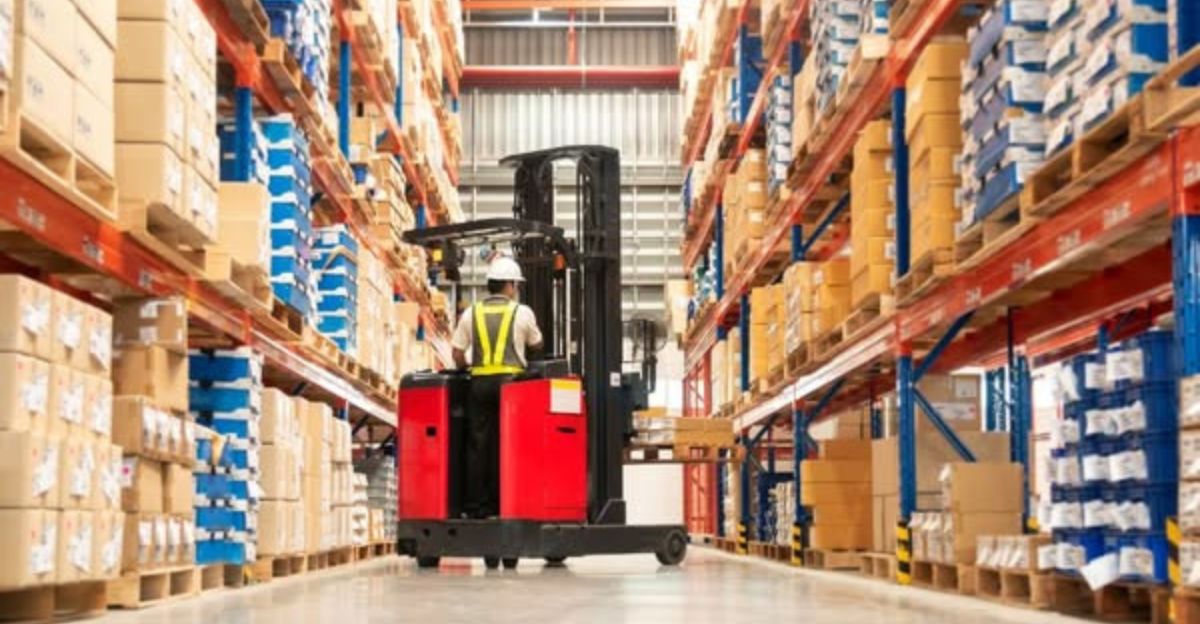
Food safety analysts express skepticism that Gold Star’s cleanup efforts will truly solve the problem. The concern is that Gold Star might become a repeat offender, cleaned up temporarily, but facing infestation again within months if underlying structural problems aren’t addressed. Market uncertainty now surrounds Gold Star’s relationship with the 55-plus retailers who previously depended on them.
Some stores have already shifted to competitors and may not return even if Gold Star reopens. The broader food distribution industry faces increased scrutiny following this recall. Midwest warehouses may face more aggressive FDA inspections going forward. If other distributors are found with similar problems, a cascade of recalls could disrupt supply chains further.
What Happens Next?

The Gold Star Distribution case raises critical questions about the future of American warehousing. Will this incident force distributors to invest in technology-driven pest monitoring and sealed storage systems? Or will similar contamination problems continue to emerge at other facilities?
Gold Star’s case also highlights the vulnerability of supply chains serving immigrant communities and small businesses. These networks need stronger oversight and support to ensure they maintain safety standards. The path forward requires investment, accountability, and fundamental changes to how America stores and distributes the products we depend on every single day
Sources:
U.S. Food and Drug Administration – Gold Star Distribution Inc., Issues Recall of Certain FDA-Regulated Products in Three States – 2025-12-26
CBS News Minnesota – Nearly 2000 products recalled by Minneapolis distributor Gold Star Distribution – 2025-12-29
FOX 9 Minneapolis-St. Paul – MN distributor recalls hundreds of food, drugstore products after rodent, feces contamination – 2025-12-31
KSTP-TV – Recall: Hundreds of products possibly contaminated by rodents, birds – 2025-12-30