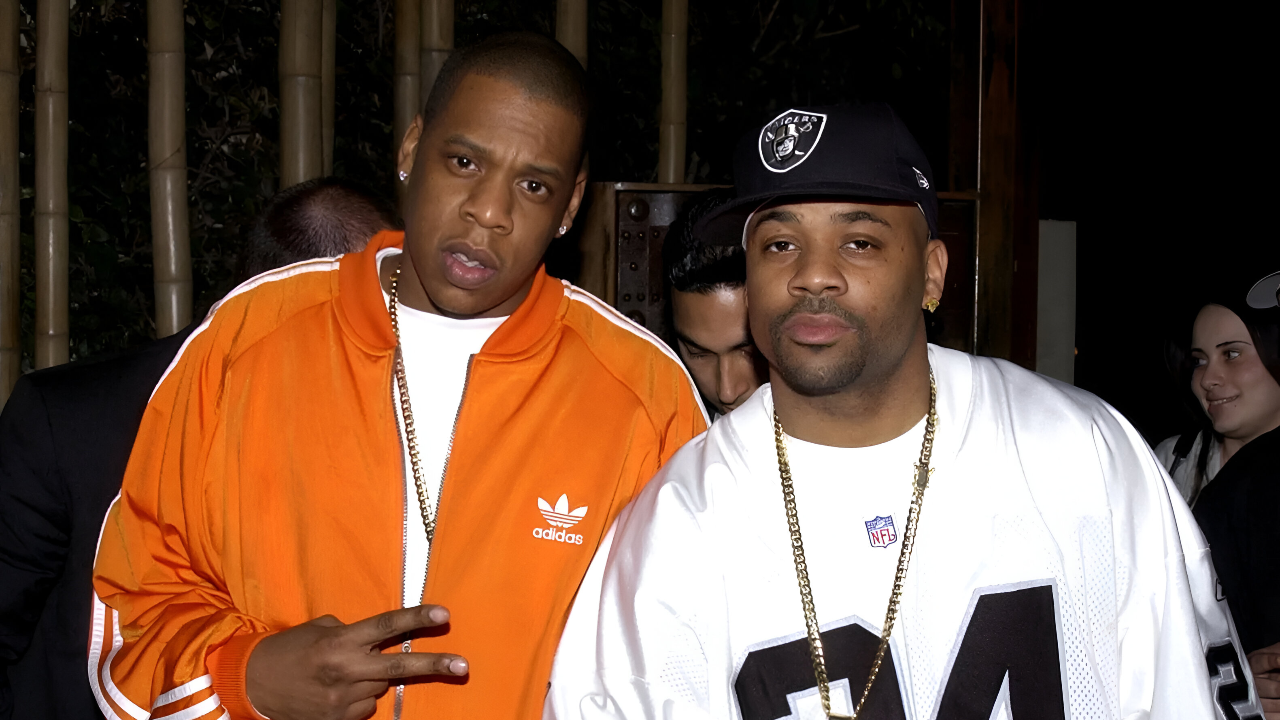
Damon Dash watched his entire film catalog sell at a New York courthouse auction for $100.50. The sale, held on Tuesday, December 30, 2025, was intended to reduce nearly $1 million in defamation judgments stacked against the former co-founder of Roc-A-Fella Records.
Only one bidder showed up. Mike Muntaser, CEO of Muddy Water Motion Pictures, paid that sum for Poppington LLC—an entire production company holding Dash’s film library and years of creative work.
One Bidder in the Courtroom

The sparse turnout at the courthouse auction spoke volumes about the asset’s toxic legal landscape. Muntaser, according to The New York Post, was owed nearly $973,000 by Dash from a trio of civil defamation lawsuits tied to a 2016 film dispute over the project “Dear Frank.”
He had successfully sued Dash twice. With such massive liens attached to the company’s ownership, outside bidders stayed away.
The Critic Becomes the Owner

Muntaser made his position clear after the gavel fell. According to Vice, the Muddy Water CEO called Dash “a fool, man,” describing his own purchase as a deliberate “jab” after years of litigation.
He characterized the deal as a way to settle scores with someone who refused to work out disputes like “grown men.”
A Career of Defamation Disputes
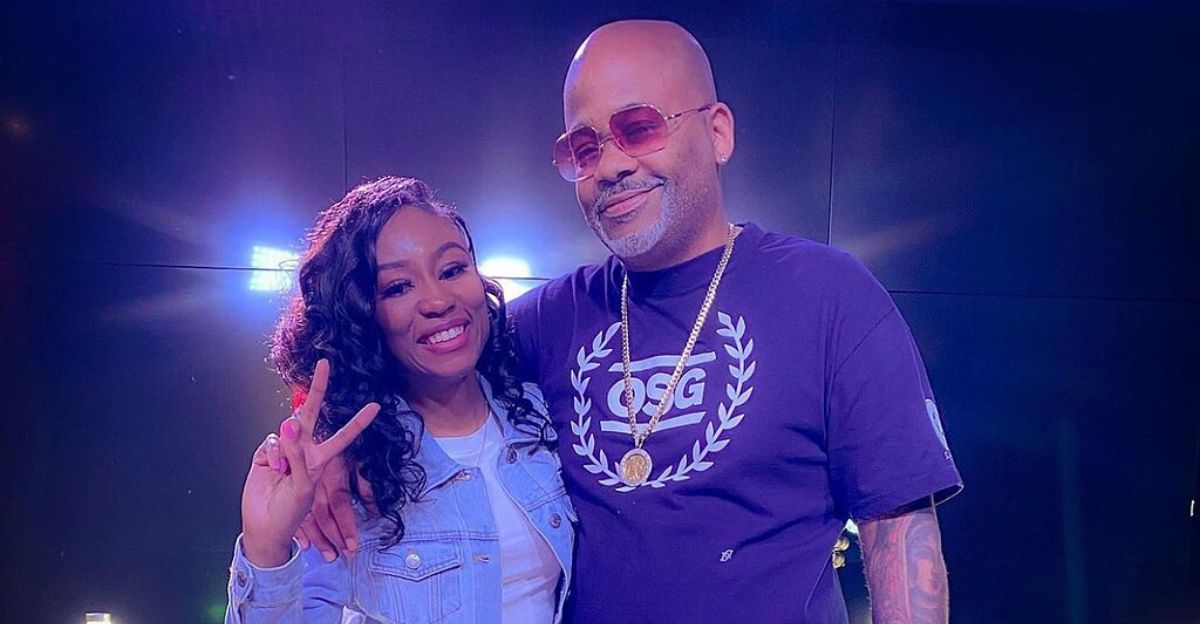
Muntaser and filmmaker Josh Webber had successfully sued Dash in 2022 over copyright and defamation claims tied to “Dear Frank,” court records showed. A judge ordered Dash to pay $800,000 in that case. But that wasn’t the end.
According to HipHopWired, Muntaser and Webber filed a third defamation lawsuit after Dash made negative comments about them during a Breakfast Club podcast appearance in the fall of 2025.
The Bankruptcy Filing
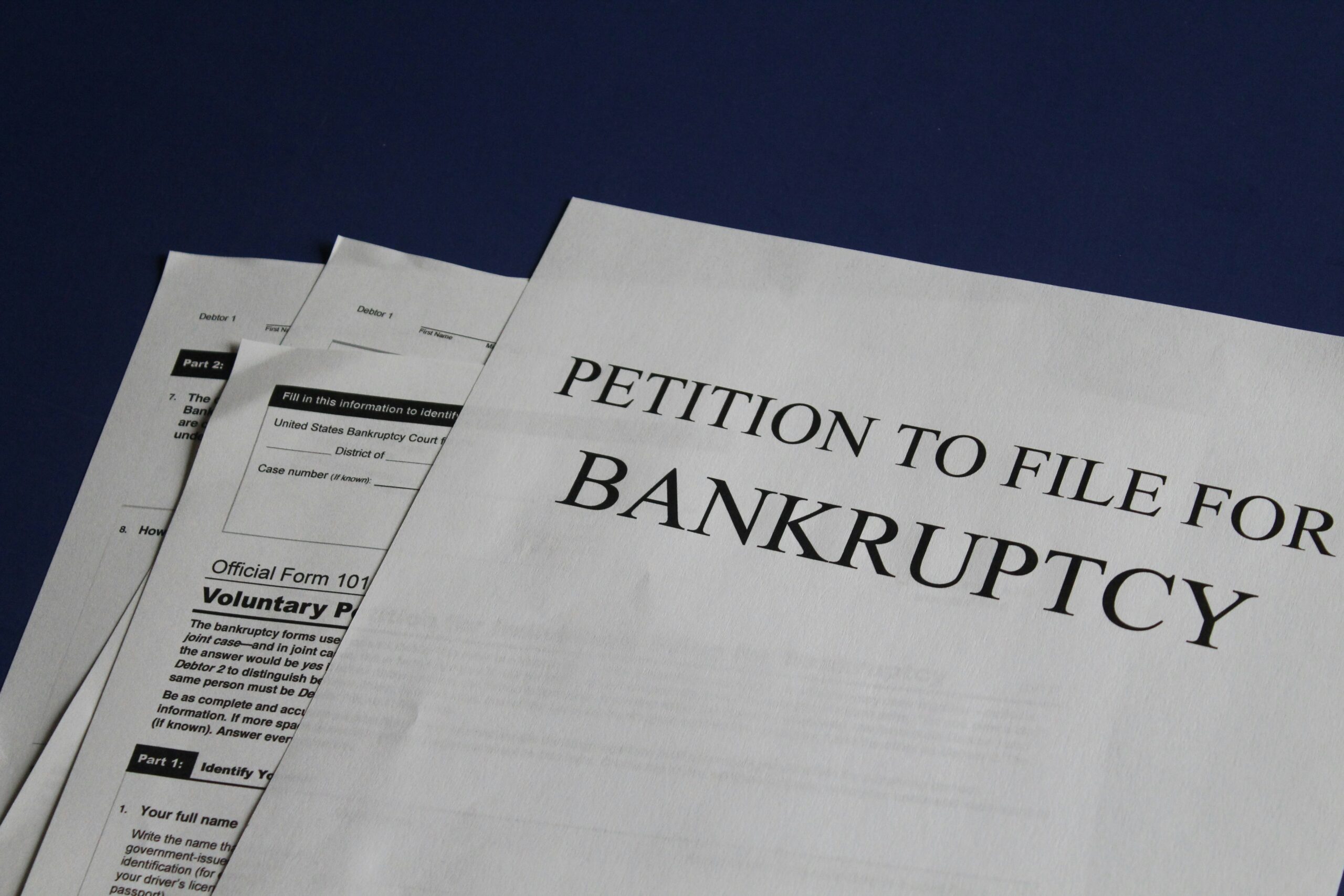
Dash filed for bankruptcy in September 2025, claiming he had only a few thousand dollars in assets while facing approximately $25 million in total obligations. His debts included federal and state back taxes, child support, and a cascade of civil judgments.
The filing prompted creditors to move toward asset seizures. According to The Root, at least $5 million of his debts stemmed from civil suits alone, with attorney Chris Brown representing clients who held multiple judgments.
A Studio’s Hidden Lien Trap

The Poppington LLC sale price didn’t reflect the company’s true market value—it reflected the legal stranglehold around it. Black Enterprise reported that the production company was viewed as a “distressed asset” precisely because of Dash’s numerous lawsuits and outstanding debts.
Any outside buyer would have assumed control of those attached liens. That invisible burden effectively made a full film catalog worth less than a premium coffee to rational bidders.
Honor Up and the Film Catalog at Stake
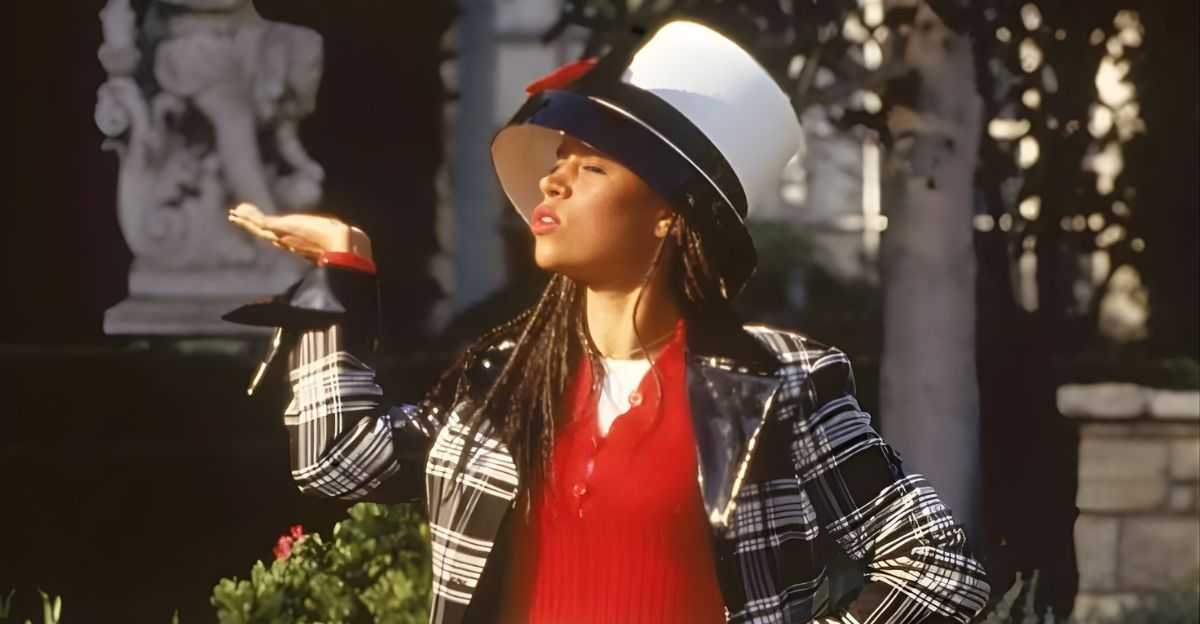
Poppington LLC controlled Dash’s most recognizable work: “Honor Up,” which featured Dash himself, rapper Cam’ron, and Dash’s cousin Stacey Dash, known for her role in the 1990s film “Clueless.”
The catalog also included “Too Honorable” (the sequel), “Welcome to Blakroc” (a documentary), and “We Went to China: Our Search for Like-Minded Individuals” (a personal project).
When Star Power Can’t Save an Asset
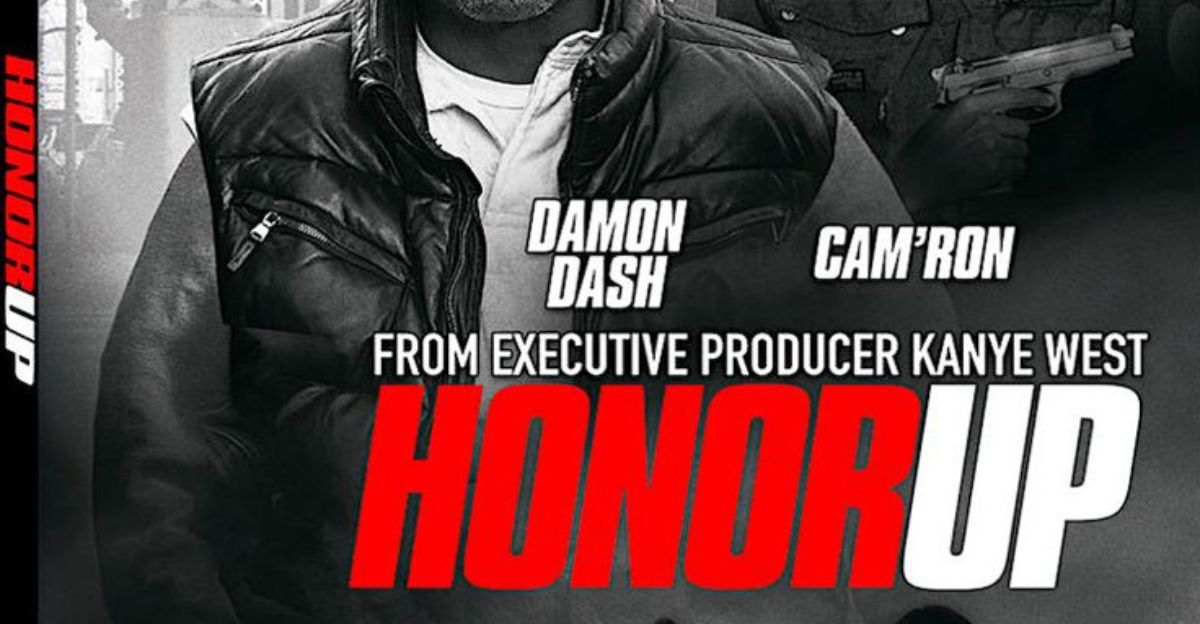
Attorney Chris Brown, representing clients owed millions by Dash, expressed disappointment that no competitive bidding emerged. According to AfrοTech, Brown said he had hoped outside bidders would offer “several hundred thousand dollars” for the film collection. Instead, silence.
He pointed to a recent Instagram post by Cam’ron, who had called “Honor Up” “wack”—a public statement that likely dampened any outside investor enthusiasm for acquiring Dash’s creative work.
The November Auction
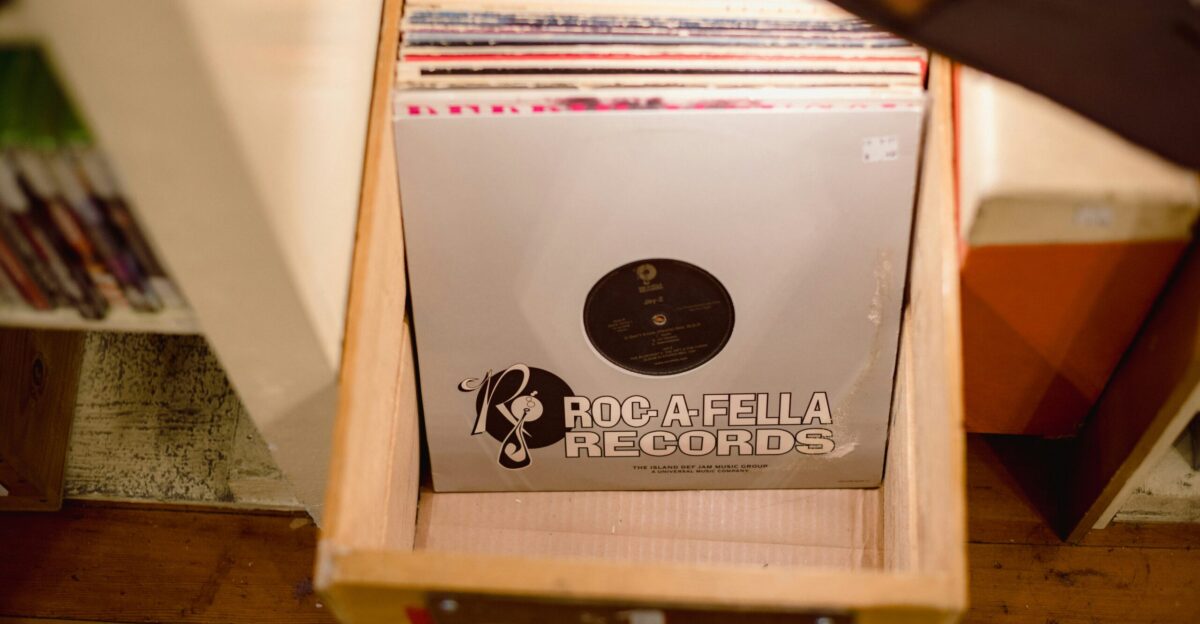
The Poppington sale wasn’t Dash’s first forced liquidation. In November 2024, according to Black Enterprise, his one-third stake in Roc-A-Fella Records went under the hammer in a federal auction. An anonymous Albany representative purchased Dash’s Roc-A-Fella shares for $1 million, with New York State taking ownership to recover $8.7 million in back taxes owed.
The Roc-A-Fella stake included partial ownership of Jay-Z’s debut album “Reasonable Doubt”—a historical hip-hop artifact now controlled by the state.
The Roc-A-Fella Legacy Slips Away
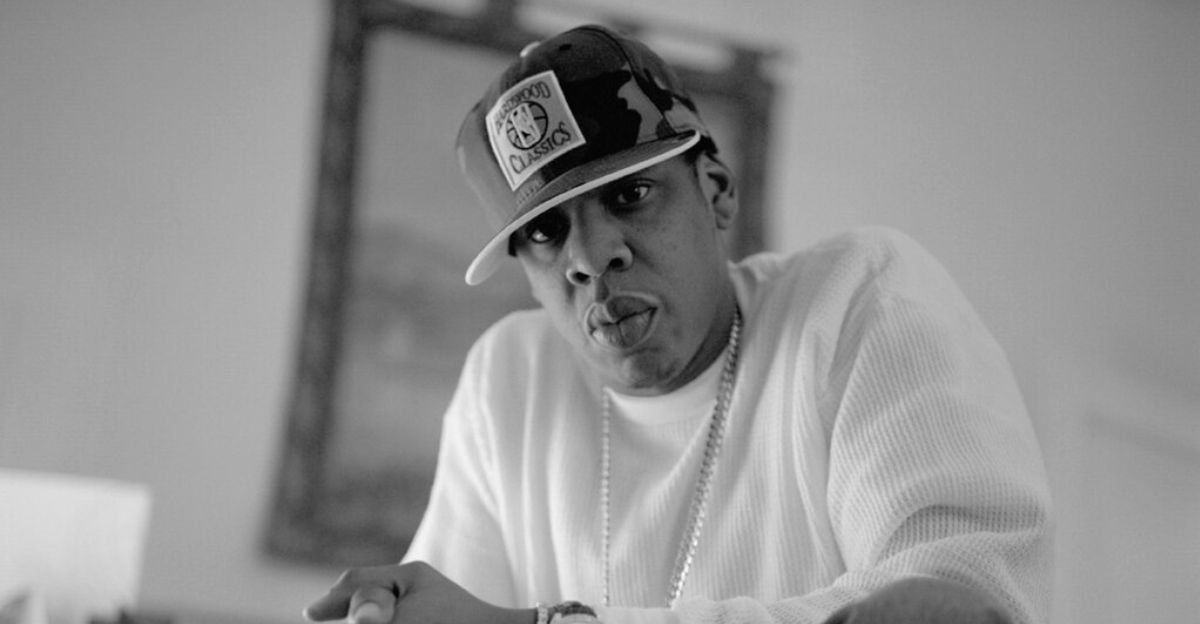
Dash had co-founded Roc-A-Fella Records with Jay-Z decades earlier, building one of hip-hop’s most powerful independent labels. That partnership and legacy were now liquidated, piece by piece.
The November sale of his Roc-A-Fella shares drew major interest from artists, with Drake and YoungBoy Never Broke Again reportedly bidding or showing interest in the rights.
The Defamation Pattern
Over several years, Dash had initiated defamation and copyright lawsuits against various figures, including Cam’ron, The Breakfast Club, and others. According to Vice, these aggressive legal moves were attempts to raise cash and deflect accountability.
Yet the courts had repeatedly ruled against him, stacking judgment on top of judgment.
The Threat of Jail Time
Prior to his September bankruptcy filing, Dash had faced the prospect of incarceration for refusing or failing to pay court-ordered civil debts. Chris Brown, the attorney handling cases against him, suggested that the bankruptcy filing itself was a strategic move to dodge those obligations.
According to Yahoo Entertainment, Brown stated, “The auction is over, but the work is not complete,” signaling that creditors would continue pursuing collection strategies beyond asset sales.
What Muntaser Paid $33.50 For (In Attorney Fees)

The auction proceeds were distributed among multiple creditors. Brown’s clients, owed $150,000 in a separate civil judgment, received $33.50 from the $100.50 sale. That symbolic distribution underscored the bankruptcy’s triage reality: Dash’s total debts vastly exceeded available assets, and creditors were dividing scraps.
The Poppington sale barely dented the $1 million in defamation-related obligations it was designed to address.
Muntaser’s Broader Critique
Muntaser went beyond the specifics of the litigation in his public comments. According to The Jasmine Brand, he questioned Dash’s mindset broadly: “He’s just a problem. He has an ego. I think he’s just bitter coming from where he was to where he is, and he just blames everybody else and doesn’t look at himself in the mirror.”
The criticism painted a picture of a former mogul unable to accept his changing circumstances.
Second Court-Ordered Auction in New York
The Poppington auction marked at least the second time New York courts had ordered the sale of Dash’s property to satisfy creditors. Each auction represented a judicial acknowledgment that Dash had failed or refused to pay prior judgments.
The trend suggested that more asset seizures could follow unless Dash found a way to negotiate settlements or liquidate remaining holdings.
The Bankruptcy Timetable

Dash filed for bankruptcy in September 2025 after the mounting legal pressure became unbearable. According to Vice, he claimed only a few thousand dollars in remaining assets despite owing approximately $25 million across all categories.
The filing triggered automatic court processes that empowered trustees and judges to liquidate assets and distribute proceeds to creditors. The Poppington auction was one of those court-mandated sales.
How a Mogul Ends Up Here

In an August 2024 Instagram video, Dash reflected on his financial struggles, offering a window into his mindset. According to Yahoo Entertainment, he stated, “Some asked me how I got broke. I got broke in my dreams. I know, you’re in your dreams, you’re always gonna… I have no care for anybody. That’s what you call broke.”
The comment suggested that he had prioritized creative pursuits over financial discipline—a choice that was now costing him dearly.
The Aftermath and Ongoing Lawsuits
As of January 2026, Muntaser and Webber’s third defamation lawsuit against Dash remained pending. The Breakfast Club comments that triggered this new suit indicated Dash was still making public statements that could invite further litigation.
Without significant income or assets, each new judgment exponentially increased his legal burden, making settlement increasingly unlikely and payment impossible.
A Reckoning in the Marketplace
The $100.50 price tag became emblematic of something larger: a former titan’s fall in real time, visible to anyone watching a courthouse auction. The sale proved that in bankruptcy court, legal judgments can drain an asset of all practical value—even an entire film catalog with recognizable titles and established creators.
For Dash, it was a public lesson that fame, past partnerships, and creative output couldn’t protect against years of defamation defeats and mounting debts.
Sources:
The New York Post — Ex-Jay Z partner Damon Dash’s film biz sells for measly $100 at auction as creditors swarm
Vice — Dame Dash Sells His Entire Film Company in Auction for Measly $100 After Seeking to Cover $1M Defamation Debt
The Root — Why Dame Dash Sold His Movie Company for $100
Black Enterprise — Damon Dash’s Poppington Inc. Gets Sold At Auction For $100.50
AfrοTech — Dame Dash’s Film Company Sells For $100 As He Faces Mounting Legal Debts
HipHopWired — Dame Dash’s Film Company Auctioned Off For Just $100
Yahoo Entertainment — Dame Dash’s Film Company Sells For $100 As He Faces Mounting Legal Debts
The Jasmine Brand — Damon Dash’s Film Catalog Goes for $100 — “I Think He’s A Fool,” Says Buyer