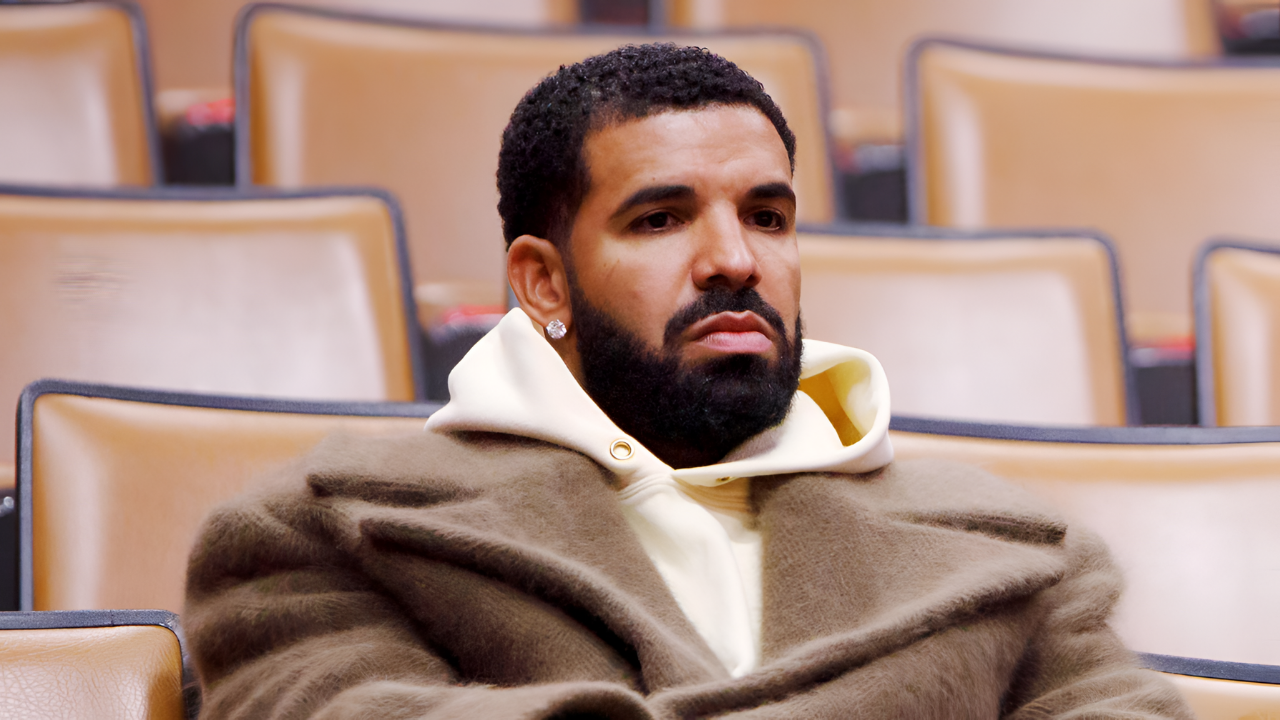
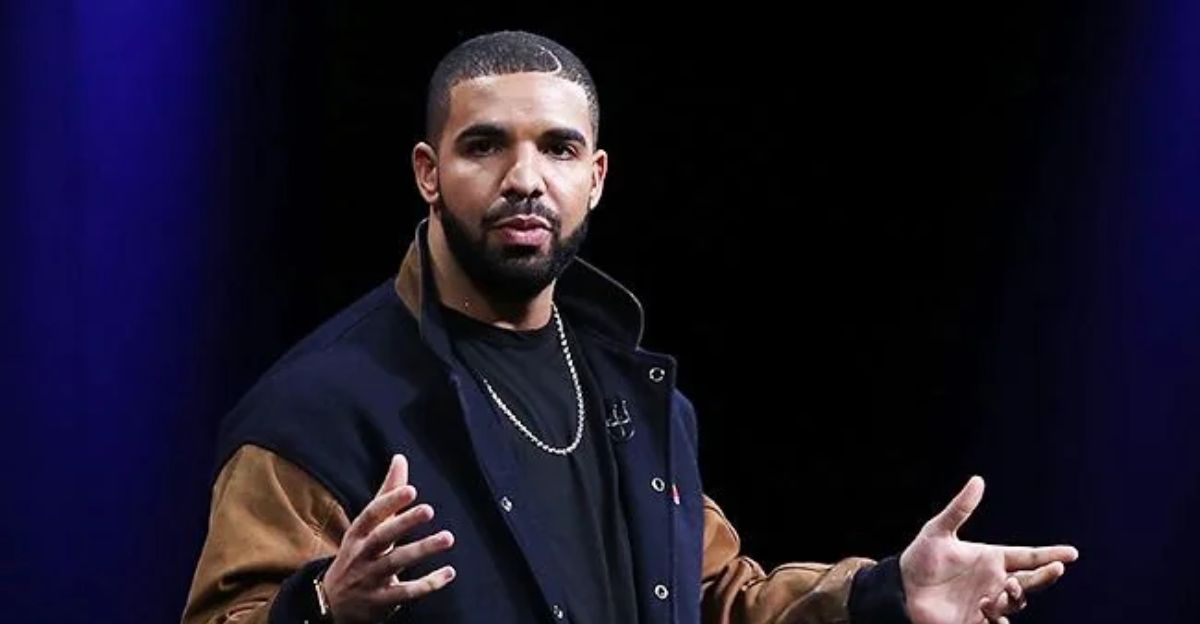
A federal RICO lawsuit filed in Virginia on December 31, 2025, alleges Drake, Adin Ross, and George Nguyen weaponized an illegal online casino, siphoned gambling losses from millions of Americans, and funneled cash into bot farms, inflating Drake’s Spotify streams.
Court filings describe Drake as standing “at the center of the operation,” with his $100 million annual deal serving as both a cover and a prize for participating in a racketeering scheme that defrauded millions of consumers nationwide.
Architect, Not Just Endorser
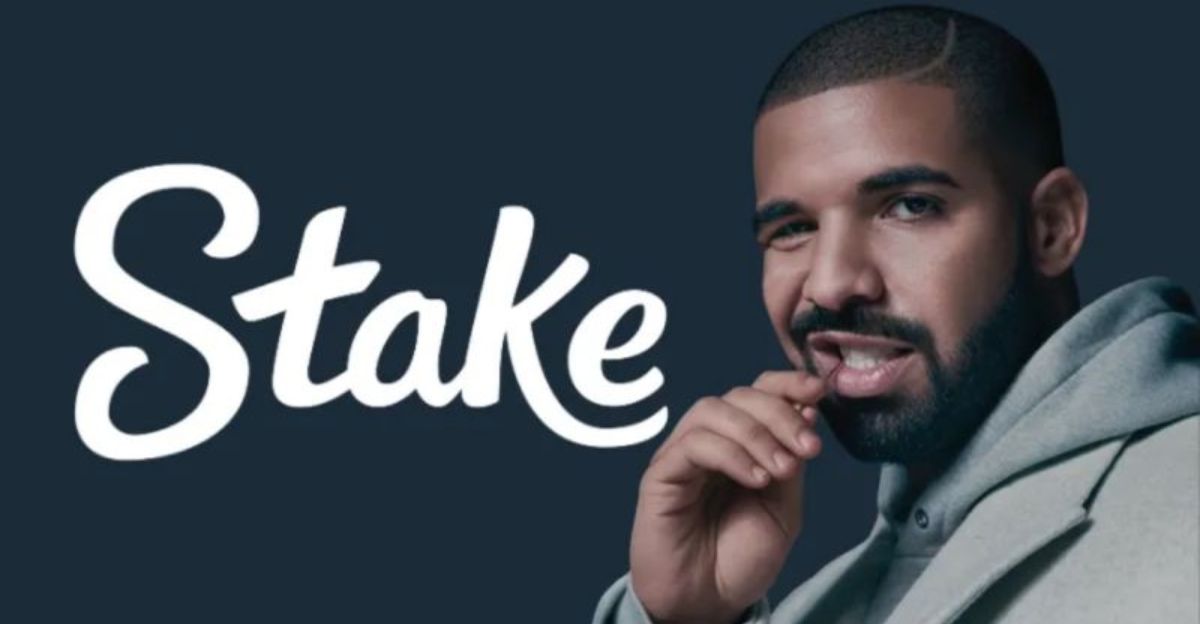
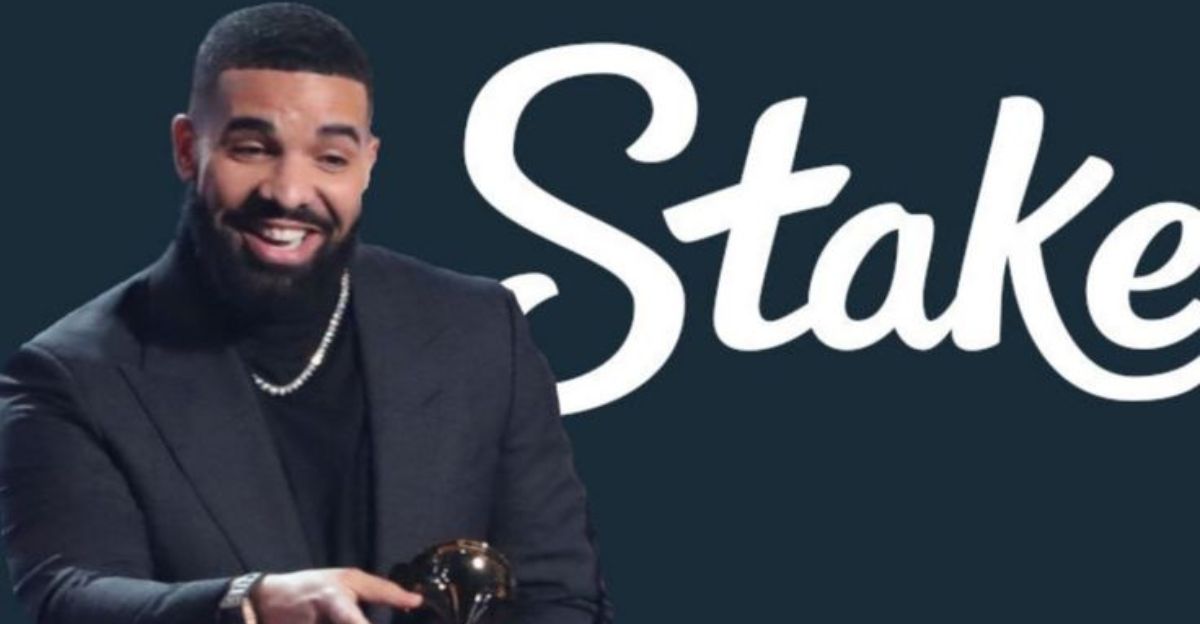
At 39, Drake didn’t run Stake.us—the gambling platform at the scheme’s heart. Instead, court documents describe him as the operation’s centerpiece and primary beneficiary. He received $100 million annually while legitimizing Stake in front of millions of fans and younger audiences.
The trail begins in 2022, when Drake publicly embraced Stake, posting Instagram stories and Kick livestreams, wagering enormous sums, including one documented $124.5 million monthly activity post. .
A Banned Casino Rebranded

Stake.us markets itself as a harmless “social casino” where players buy virtual “Gold Coins” to play slots and poker for play money only. Regulators accepted it. However, Stake.us is actually Stake.com, rebranded—the platform that regulators banned from American markets years ago.
The lawsuit alleges the “social casino” label masks a sinister operation. Stake.us also offers “Stake Cash,” which is bundled into purchases and bonuses and can be converted to real dollars after meeting wagering requirements.
Transfers Beyond Oversight
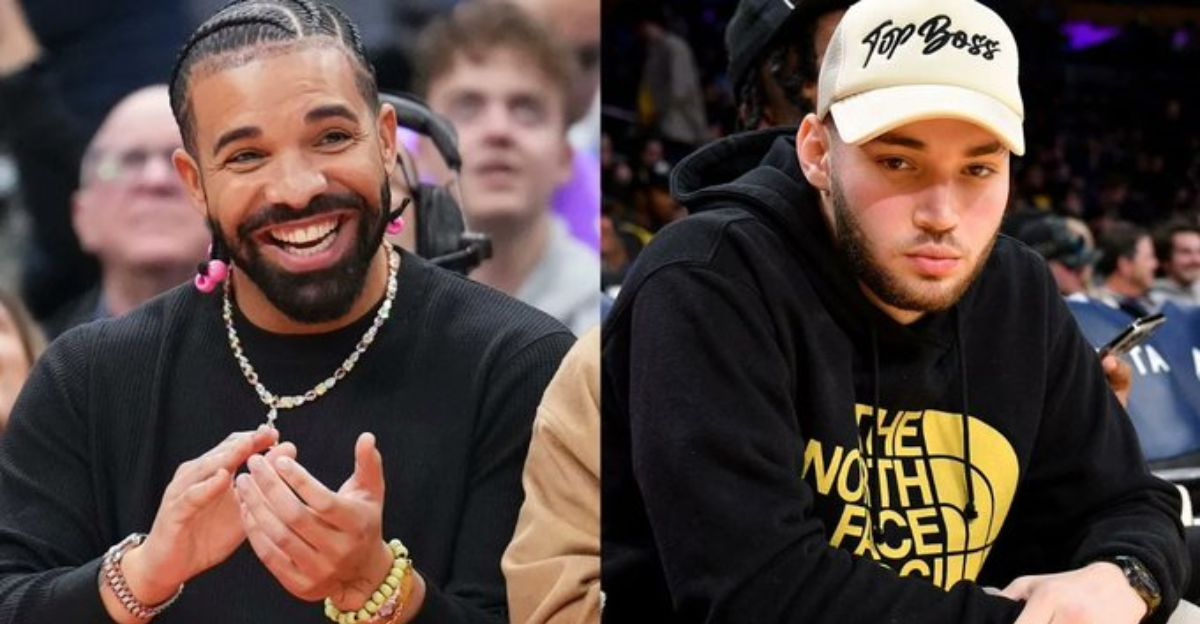
Stake’s “tipping” feature—a user-to-user transfer system the lawsuit calls “wholly unregulated”—operated “beyond any financial authority’s scrutiny.” It functioned like a money transfer app with zero oversight, no reporting requirements, and no traditional tracking.
Large sums were allegedly transferred between Drake, Ross, and Nguyen without disclosure or accountability. The complaint documents a $100,000 transfer between Ross and Drake in 2023, a $220,000 car Stake gifted to Ross, and a December 2024 “Drizzmas Giveaway” livestream.
Gambling Theater Funded by Victims
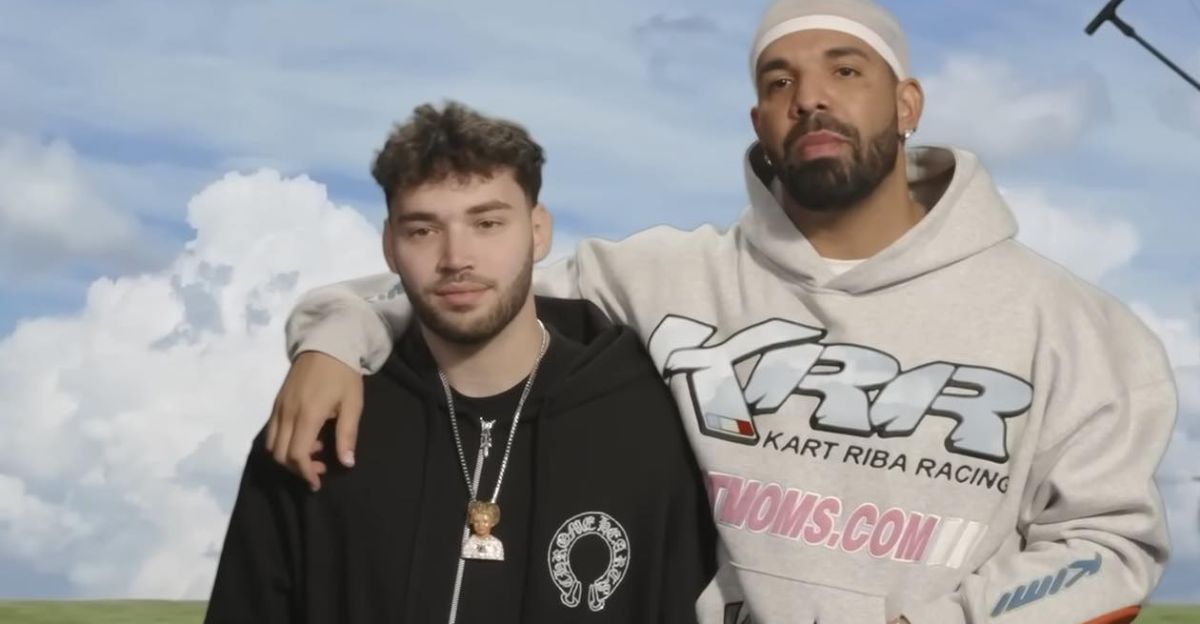
Millions witnessed Drake and Ross winning big on Stake.us—exciting, relatable proof ordinary people could win. The complaint reveals a different reality: Stake allegedly supplied them with money “surreptitiously” to wager. Their wins were house-funded.
Audiences never knew. Younger viewers watching Ross’s streams were normalized to gambling by someone they trusted, unaware that games were rigged in Stake’s favor and every loss funded the operation promoting those losses.
Billions of Fake Plays
Drake and Ross allegedly used Stake’s tipping system to send funds directly to George Nguyen, coordinating bot vendors, streaming farms, and “clipping channels.” This wasn’t small-scale. The complaint alleges that billions of fraudulent streams were flooded onto Spotify under Drake’s name.
Bots distorted recommendation algorithms, suppressed competing artists, and manipulated playlists, creating illusions of organic dominance.
The Scale of Fraud
Billions of fraudulent streams—not millions—allegedly pumped into Spotify continuously since 2022. If even fractions prove fake, they represent tens of millions in streaming royalties Drake never legitimately earned. The lawsuit notes that automated bots and streaming farms have been operating for years without triggering platform alarms.
What’s terrifying: a fraud so advanced it evaded Spotify’s detection systems and the entire music industry’s oversight.
Millions of Defrauded Americans

LaShawnna Ridley and Tiffany Hines—Virginia residents who lost real money on Stake.us, believing it was legal and safe—are named as lead plaintiffs in a class action extending to all Stake.us users nationwide, potentially millions of Americans.
These consumers lost money not just to gambling, but to a system where Drake’s endorsement transferred credibility to Stake.
RICO: When Fraud Becomes Organized Crime
Civil RICO lawsuits against music superstars almost never happen. Plaintiffs invoking the Racketeer Influenced and Corrupt Organizations Act—designed for organized crime syndicates—signal they view Drake, Ross, Stake, and Nguyen as a unified criminal enterprise, not isolated bad actors.
Under RICO, damages treble. A $5 million judgment becomes $15 million. A $100 million annual deal becomes staggering disgorgement liability.
Paper Trail and Digital Receipts

Plaintiffs didn’t build this on speculation. The complaint cites publicly visible social media posts documenting Drake and Ross’s Stake promotions, livestream recordings showing them gambling with apparent house money, and “leaked communications” between Nguyen and bot vendors coordinating inflation schemes.
Documented transfers exist. Receipts for gifts exist. Transactions create undeniable trails. Whether materials survive discovery and trial scrutiny remains uncertain; however, the evidentiary foundation substantially exceeds that of typical celebrity endorsement fraud cases.
Strategic Timing
The complaint was filed on New Year’s Eve 2025, entering court as the music and gambling industries braced for heightened regulatory scrutiny in 2026. Timing matters strategically. Plaintiffs’ attorneys may have filed deliberately to maximize media attention and secure class certification before Drake and Stake mounted aggressive defense countermeasures.
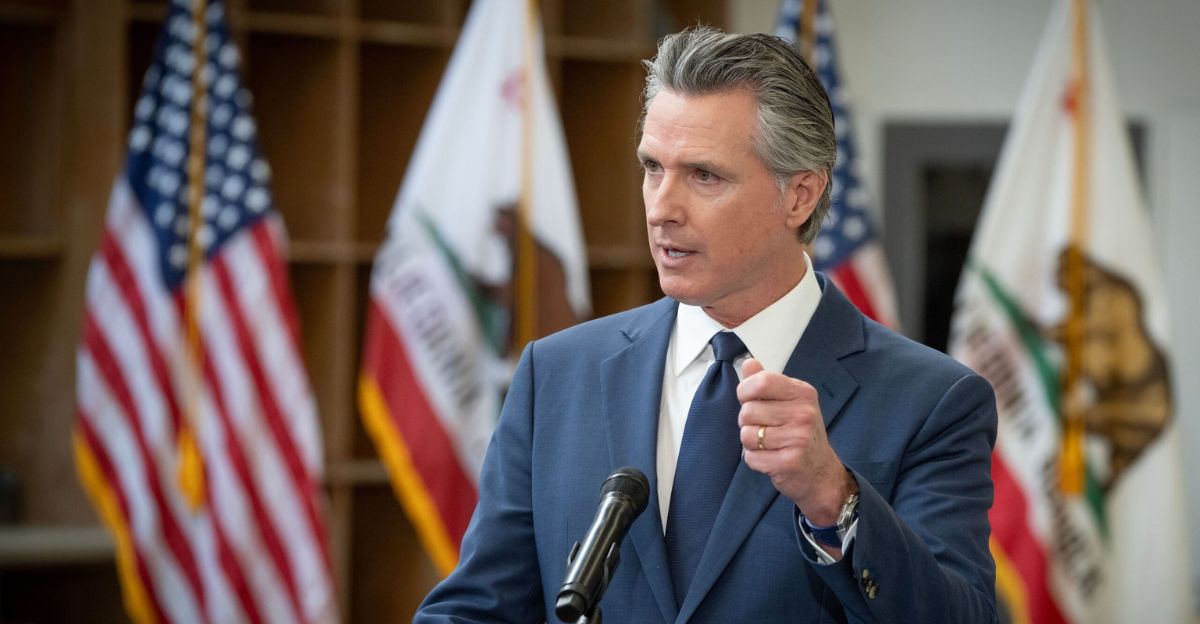
California Governor Gavin Newsom signed legislation last year specifically targeting sweepstakes-casino platforms, such as Stake.us.
The Financial Reckoning
The $5 million damages demand is just an opening position. Under RICO’s treble damages provision, exposure could balloon to $15 million or more. Plaintiffs seek restitution for every Stake.us user who lost money—potentially millions of consumers, representing hundreds of millions in liability.
They demand disgorgement: forcing defendants to return all illegally gained proceeds. For Drake, whose annual Stake deal reportedly equaled $100 million, full disgorgement represents staggering financial exposure.
Silence, Motions, Delay
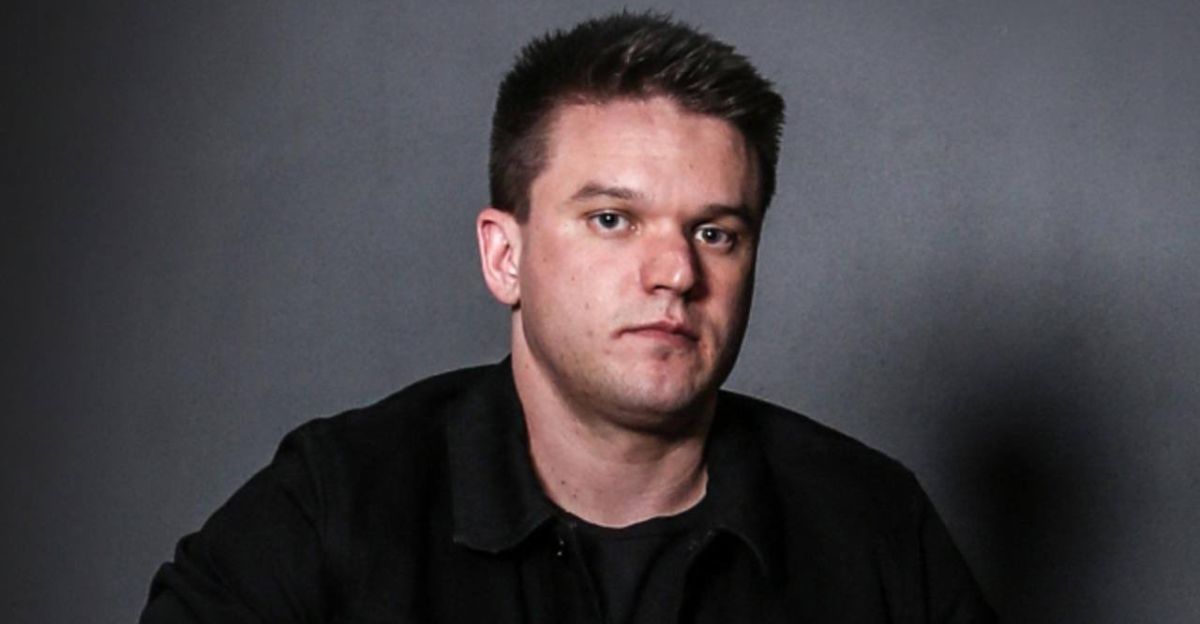
As of early January 2026, Drake’s legal representatives declined all public comment. Stake’s CEO Ed Craven remained similarly silent. They’re following the standard defense playbook: file motions to dismiss on insufficient pleading, lack of standing, or jurisdictional grounds.
These moves delay discovery and trial while consuming plaintiffs’ resources. Drake’s team will likely argue that promoting a platform—even an allegedly illegal one—doesn’t constitute racketeering without direct operational involvement.
The Missouri Preview
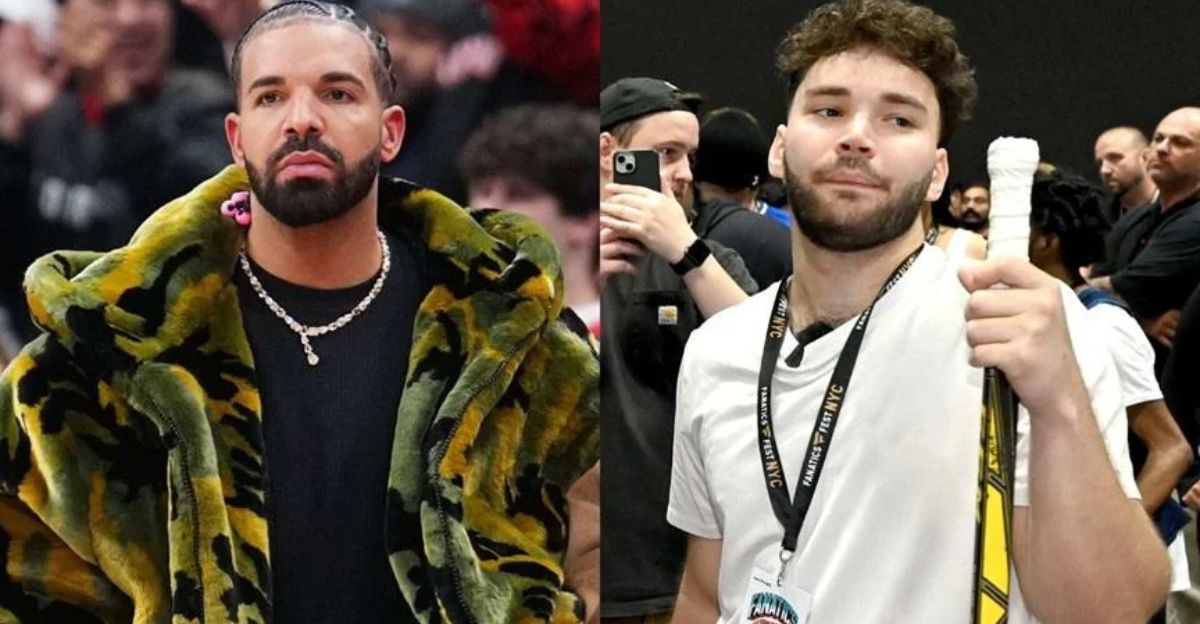
Drake and Ross face a second lawsuit in Missouri, filed on October 27, 2025, which makes similar allegations regarding gambling. That case isn’t RICO-based, but focuses on deceptive marketing under state consumer protection law.
If plaintiffs prevail in Missouri before Virginia’s RICO case reaches trial, that verdict will establish a liability precedent and create irresistible settlement pressure on Drake.
Celebrity Endorsements Under Siege
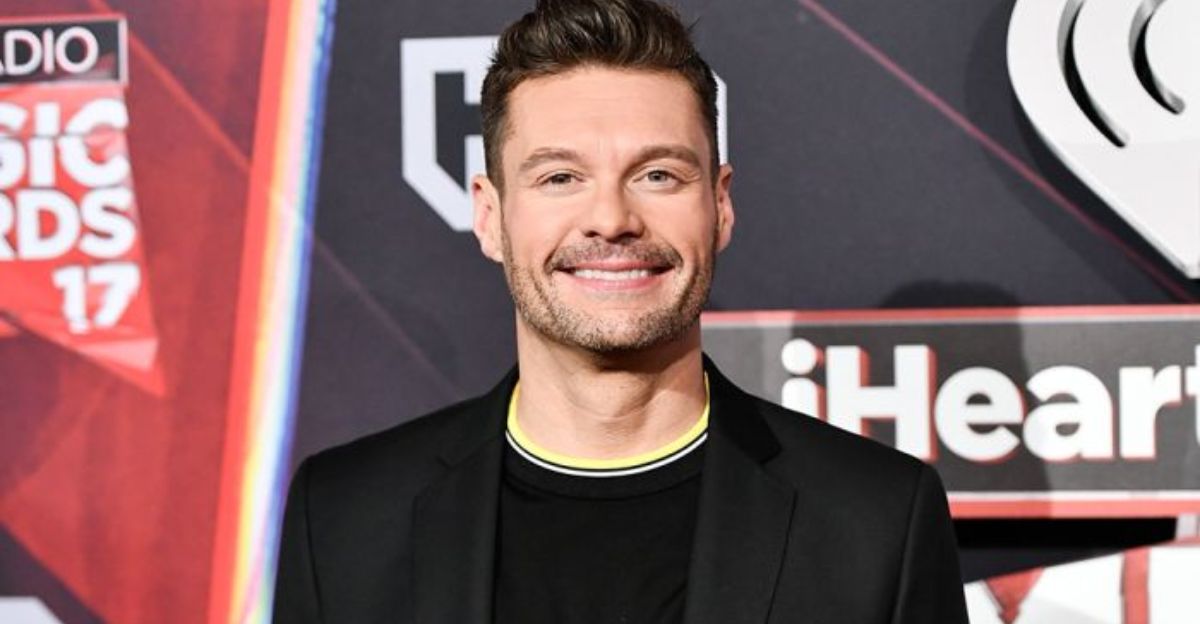
This lawsuit reflects a seismic shift in how courts view celebrity endorsements of unregulated gambling platforms. In May 2024, Ryan Seacrest was named in a Chumba Casino case, later dismissed. Drake’s RICO case is exponentially more serious—combining gambling fraud with music-streaming manipulation, establishing an entirely new celebrity liability category if validated.
Future endorsers of crypto casinos, sweepstakes platforms, and unregulated betting apps face heightened exposure.
How Real Are the Numbers?
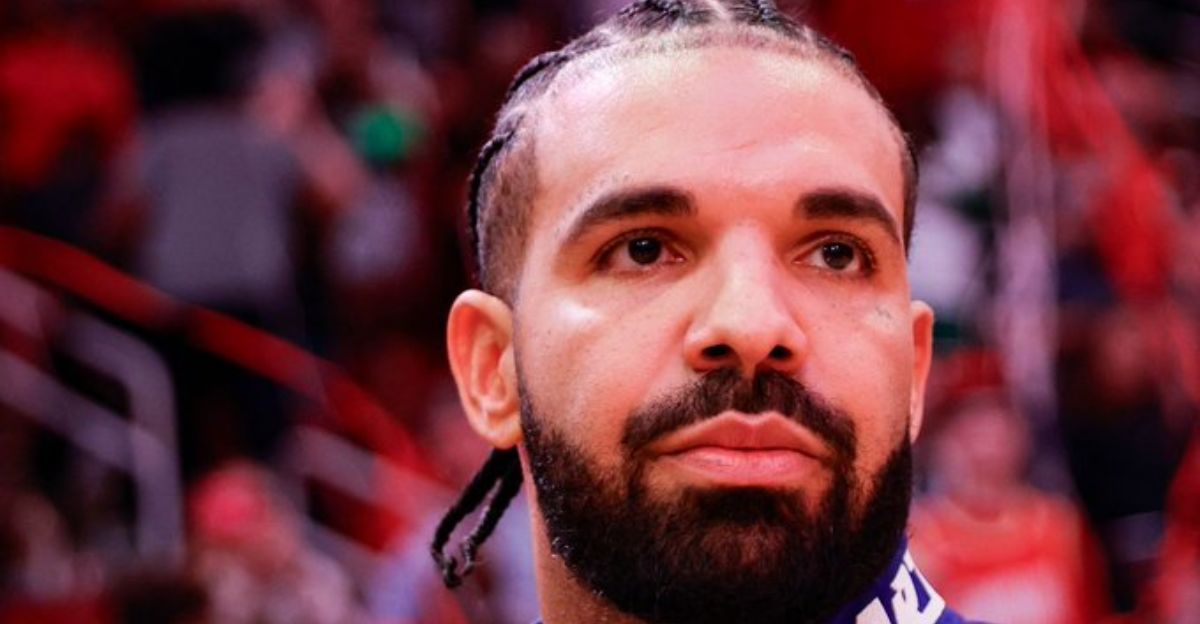
How many streams are actually real? If Drake’s billions are partially synthetic, purchased via bots rather than earned through authentic engagement, Spotify’s entire ranking system is compromised. Record labels base promotion decisions, playlist placement, and royalty payouts on these numbers.
Artists compete for visibility based on potentially manipulated play counts. This isn’t merely celebrity misconduct—it’s alleged systemic fraud affecting every artist competing for authentic attention.
The Underground Exposed
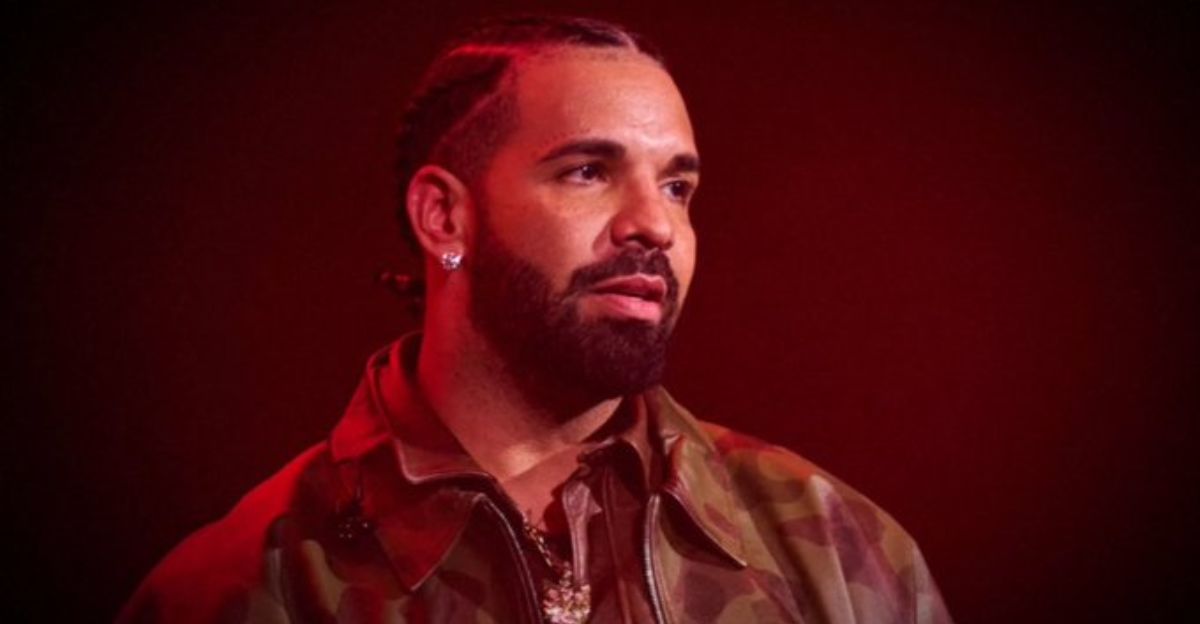
Industry observers have whispered about streaming bots for years. Everyone suspected that play counts could be purchased. But this lawsuit represents the first major case alleging a superstar directly funded such operations with illegal gambling proceeds.
George Nguyen’s alleged role—handling funds through multiple platforms for “orchestration of narrative surges”—suggests he was a professional intermediary between Stake’s illegal proceeds and the bot ecosystem.
Justice Arrives in Months
Virginia’s RICO case faces a slower timeline: defendants have 21 days to respond, followed by pretrial discovery that likely spans 12-18 months. During discovery, Drake’s communications, financial records, and Stake’s internal documents will be exposed.
A RICO judgment wouldn’t just affect Drake personally. It would establish that even the world’s wealthiest artists aren’t immune to racketeering prosecution—a precedent reshaping music, gambling, and celebrity endorsement culture.
The Verdict on His Legacy
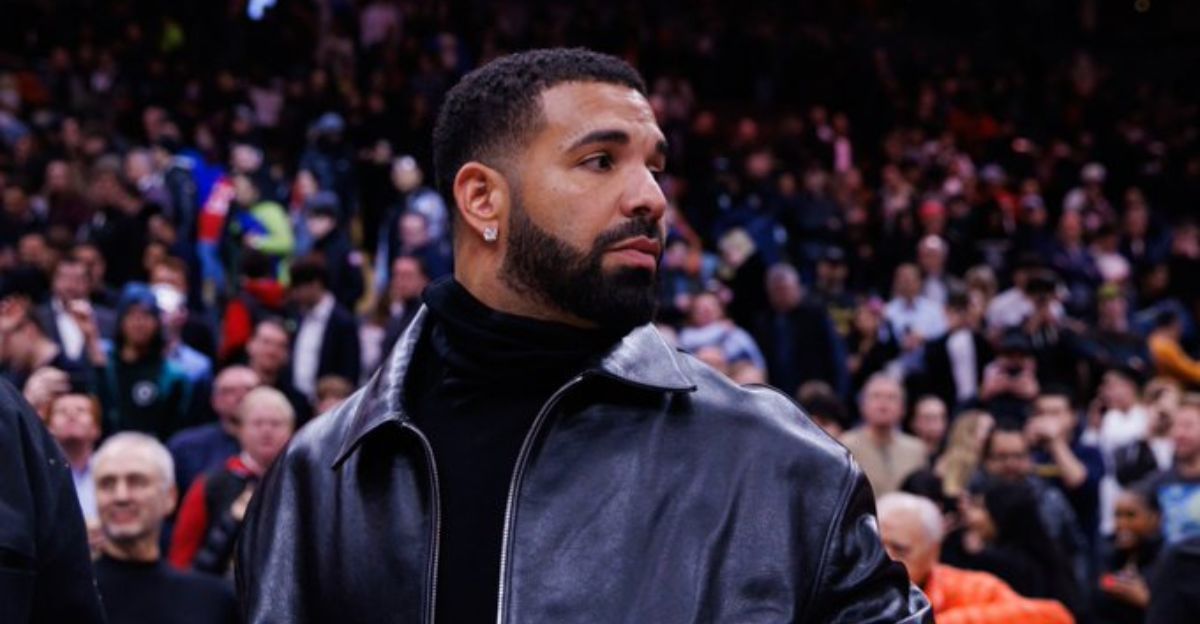
Drake built his empire partly through shrewd brand partnerships and cultural cultivation. Stake.us represented the ultimate endorsement—a platform paying $100 million annually for unfiltered promotion. But if plaintiffs prove Stake’s money fueled active streaming fraud, Drake’s entire ascent becomes suspect.
His Grammy Awards, chart records, and cultural dominance are marred by allegations that some of his achievements were purchased, rather than earned. Courts will decide whether he’s a visionary entrepreneur or racketeering conspirator. History will record which of Drake’s legacies the evidence supports. That verdict, once rendered, cannot be undone.
SOURCES
Drake hit with RICO lawsuit alleging illegal gambling operation and streaming manipulation, Music Business Worldwide, January 4, 2026
Impresa Legal Group Files RICO Lawsuit Against Stake, Drake, Adin Ross, and George Nguyen, Morningstar/PR Newswire, January 2, 2026
Drake Accused of Funding Fake Spotify Streams in Latest Gambling Lawsuit, Billboard, January 4, 2026
Drake faces RICO lawsuit alleging illegal gambling promotion, RouteNote Blog, January 4, 2026
Drake faces U.S. lawsuit over ties to online gambling firm, CBC News, January 2, 2026
Drake accused of using an online gambling platform to inflate play counts in music, NBC News, January 2, 2026