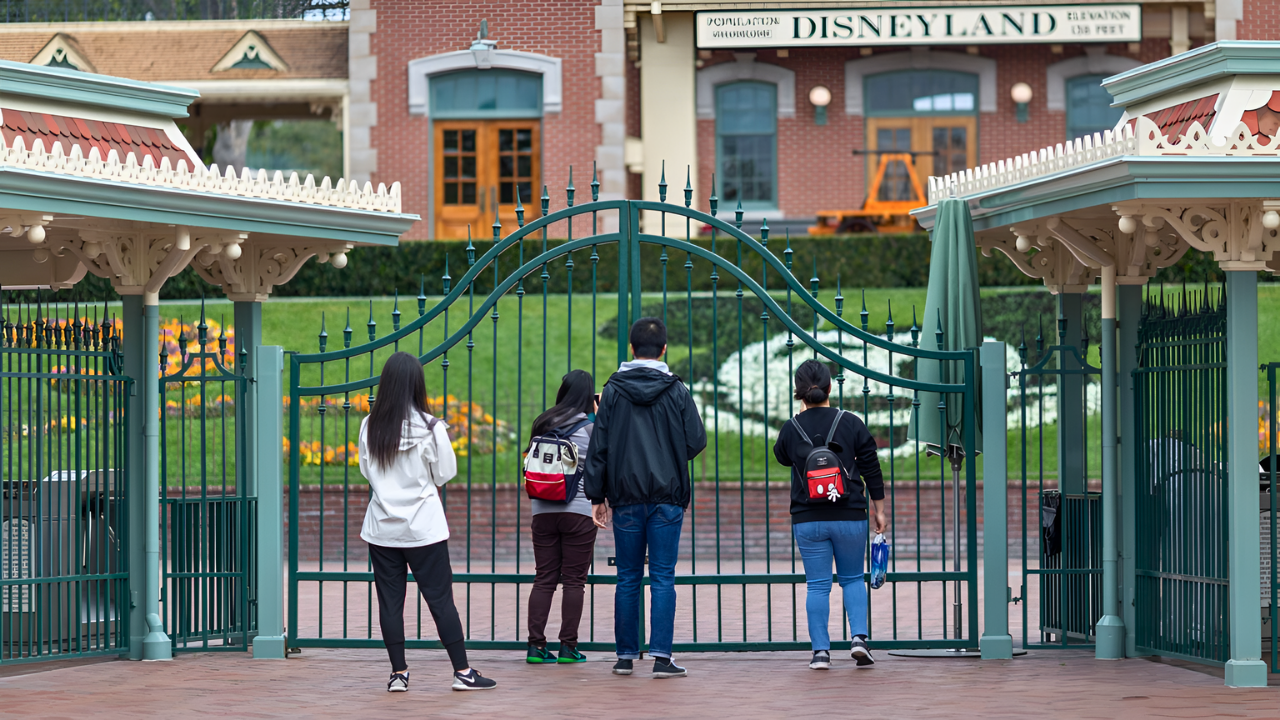
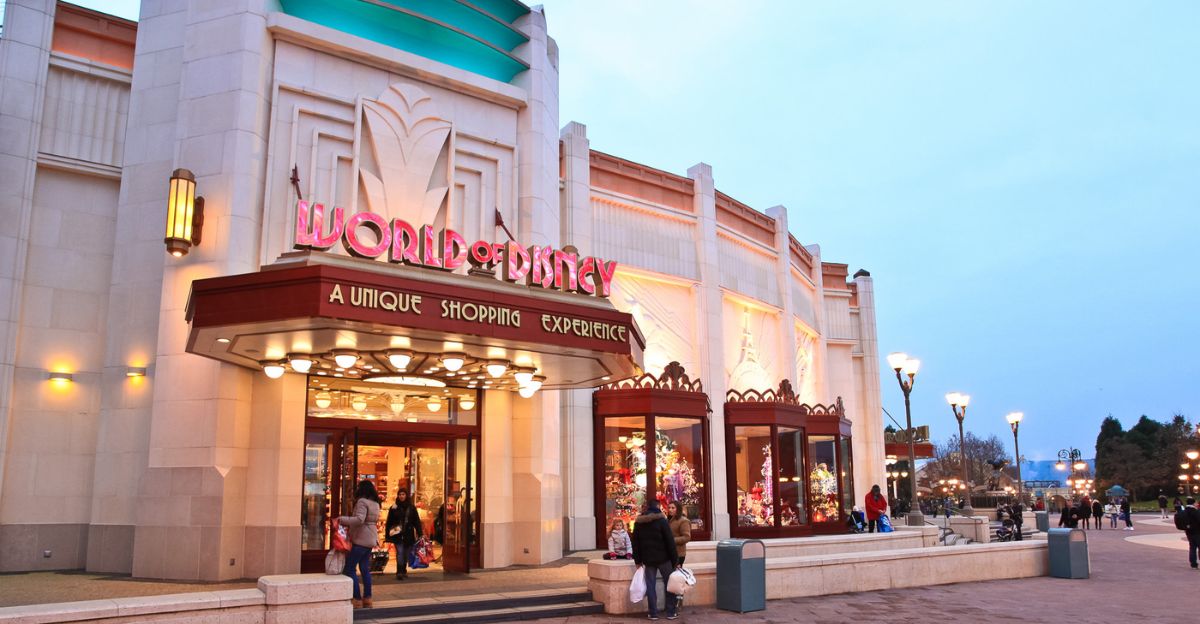
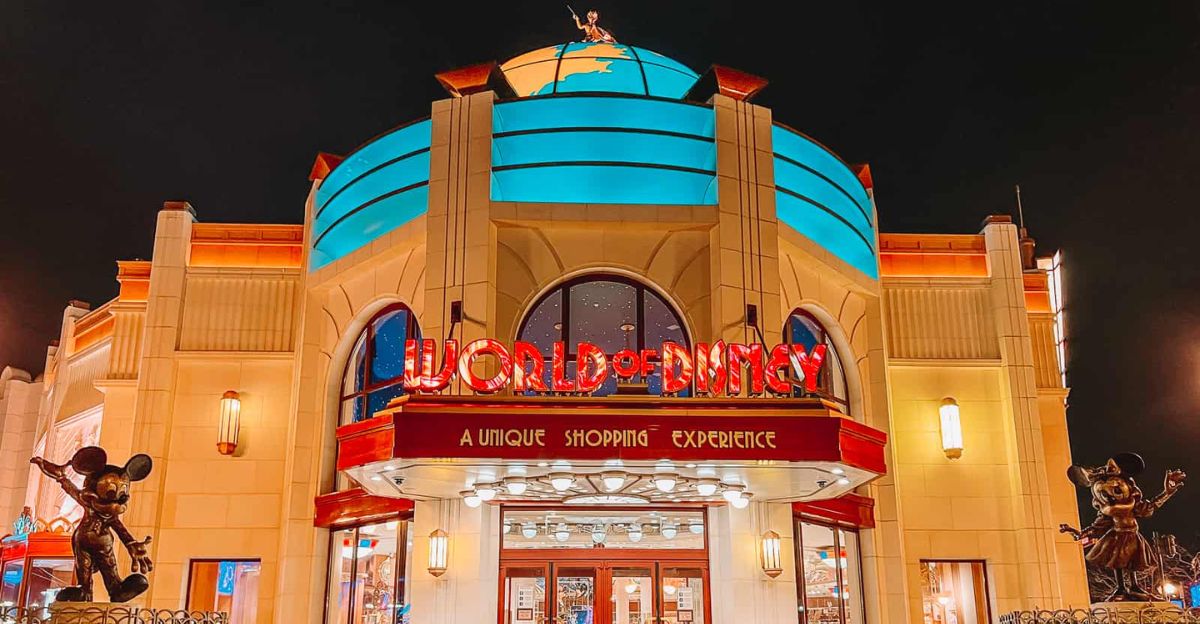
Walking into the Disney Store at Disneyland Paris felt like stepping back to the 1990s. Giant character statues, bold decorations, and immersive shopping defined it.
DLP Report called it “a time capsule of 90s and early 2000s visual design.” For 33 years, families shopped in a space that barely changed since 1992. That era ended January 4, 2026.
The Retail Reckoning
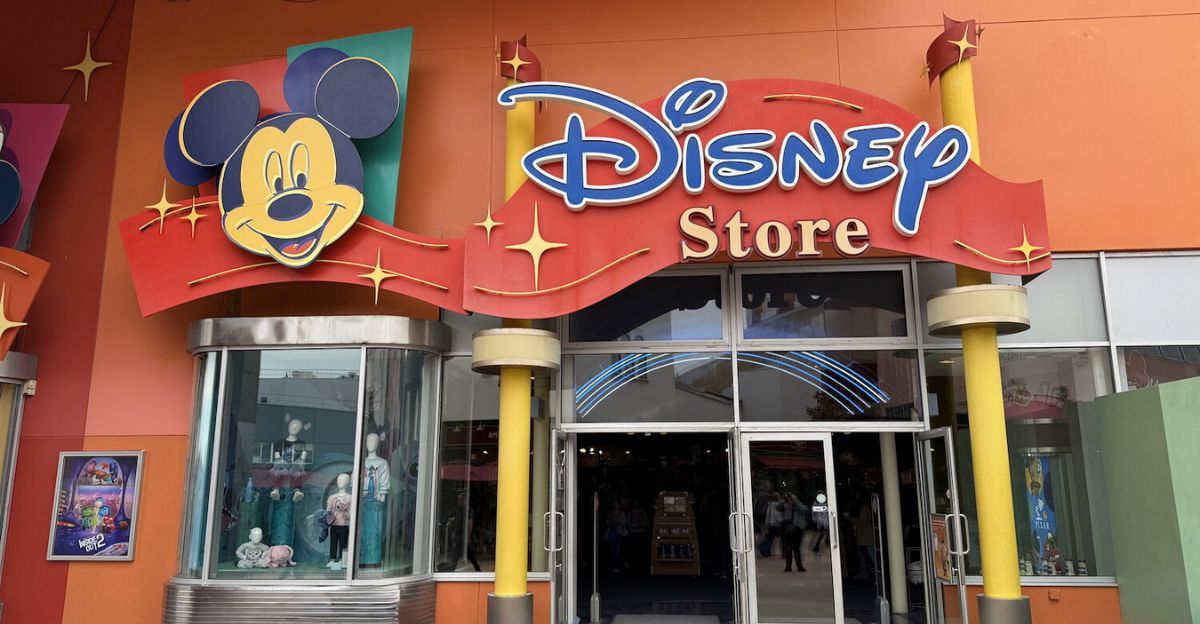
Disney is changing its merchandise strategy worldwide. The company closes old stores and opens modern, “franchise-based” shops that focus on sleek design over nostalgia.
At Disneyland Paris, Disney saw the Disney Store as outdated architecture. This closure shows Disney’s shift: today’s nostalgia must make room for current experiences.
This wasn’t one decision—it’s part of a larger pattern changing Disney locations across Europe and beyond.
A Resort in Flux
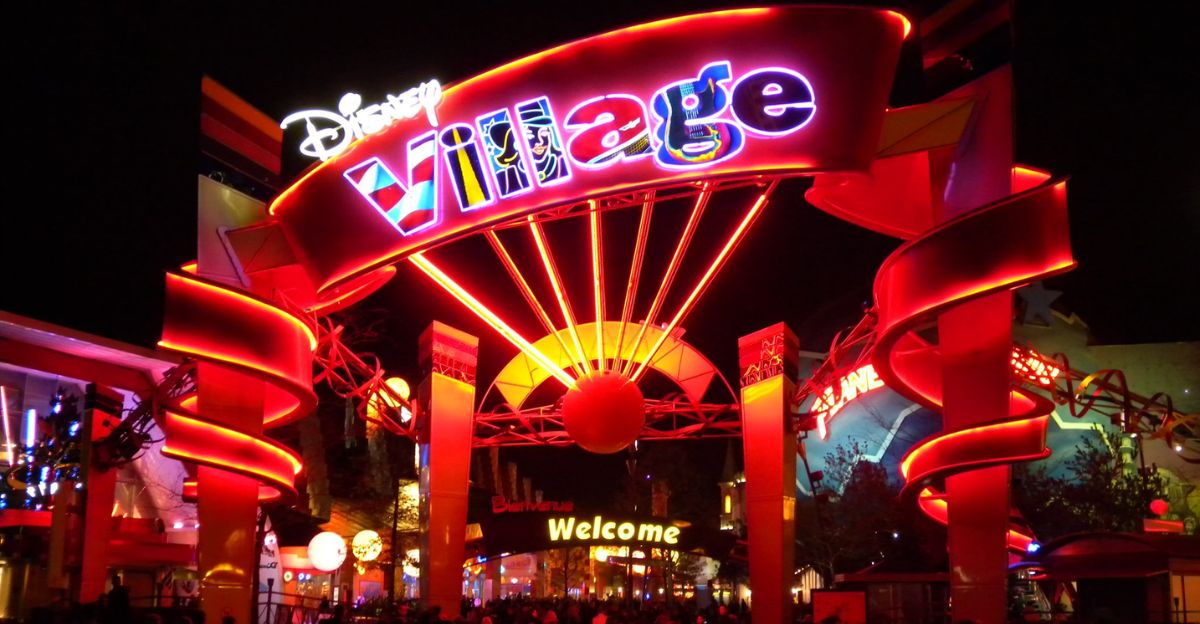
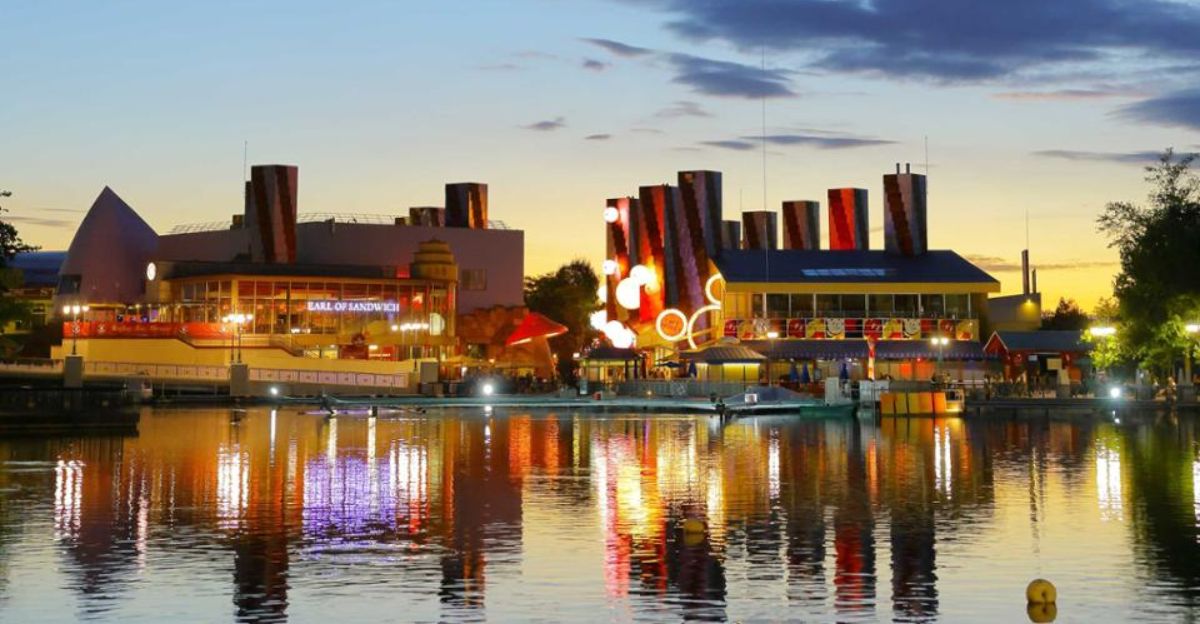
Disneyland Paris has undergone its biggest changes since opening in 1992. The resort announced a $2.1 billion modernization affecting every area. Disney Village—the shopping, dining, and entertainment district where the Disney Store stood—faces a complete redesign.
New fronts, revamped walkways, enhanced landscaping, and new dining options are transforming the district. The Disney Store wasn’t alone; the 1990s McDonald’s closed too, replaced by France’s largest McDonald’s with a modern design.
Silent Sunset
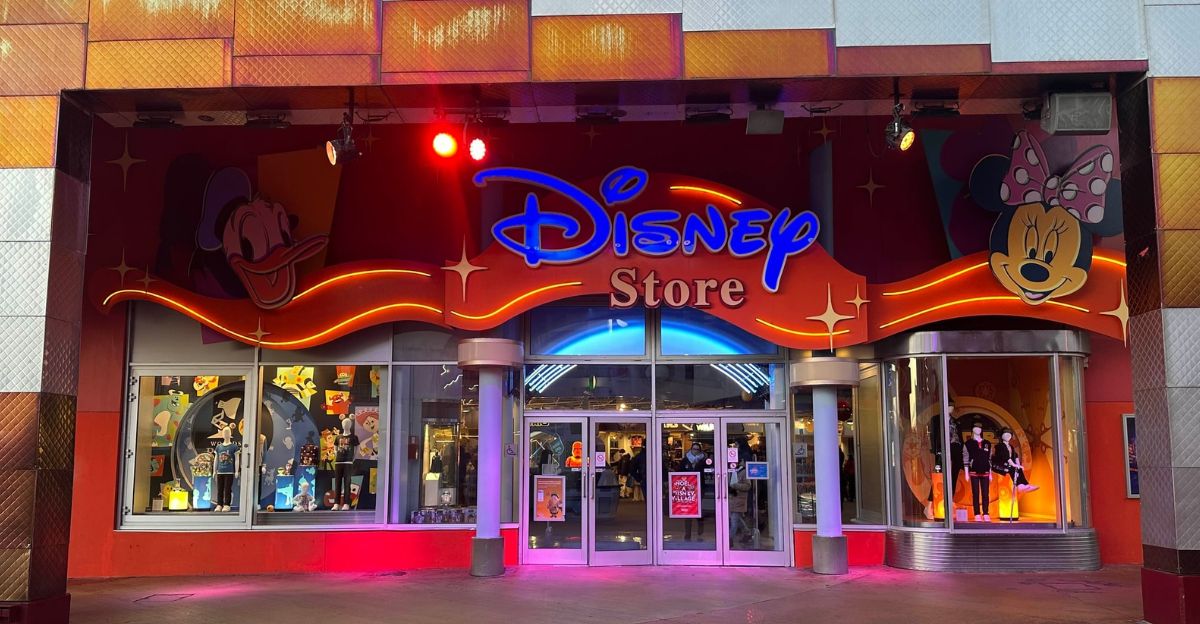
The closure announcement happened quietly. In November 2025, Disneyland Paris listed the Disney Store as “under refurbishment” in its official app. No press event, no goodbye celebration, no special merchandise offers. This quiet approach differs sharply from Disney’s usual big announcements.
Disney’s silence suggests discomfort about closing the 1990s retail concept. Guests only learned of the closure by checking the app—a sign that Disney views this store as outdated infrastructure needing replacement, not a celebration.
January 4 Marks Permanent End
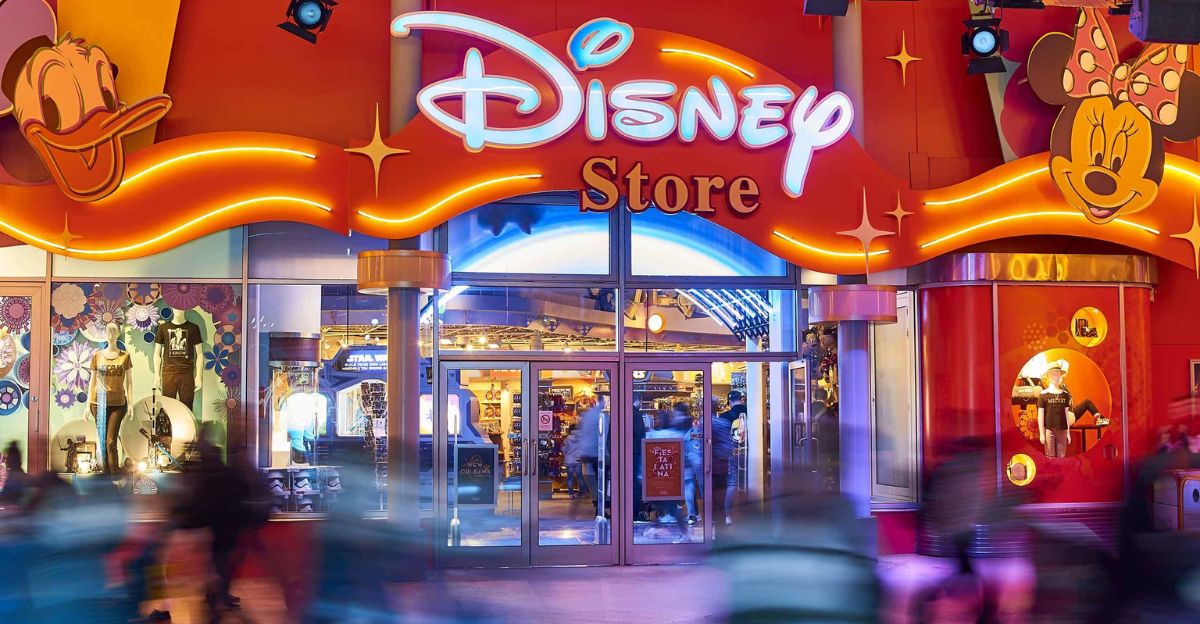
Disneyland Paris Resort’s Disney Store permanently closed on January 4, 2026. This wasn’t temporary; Disneyland Paris confirmed the store “will never reopen” as it was. The store has operated continuously since Disneyland Paris opened in 1992—33 straight years serving European families.
The space will stay empty for months while Disney redesigns the 428,000-square-foot Disney Village. When it reopens in summer 2026, it won’t be the Disney Store. Instead, “Disney Wonders,” a modern franchise shop, takes its place.
European Families Face Merchandise Gap
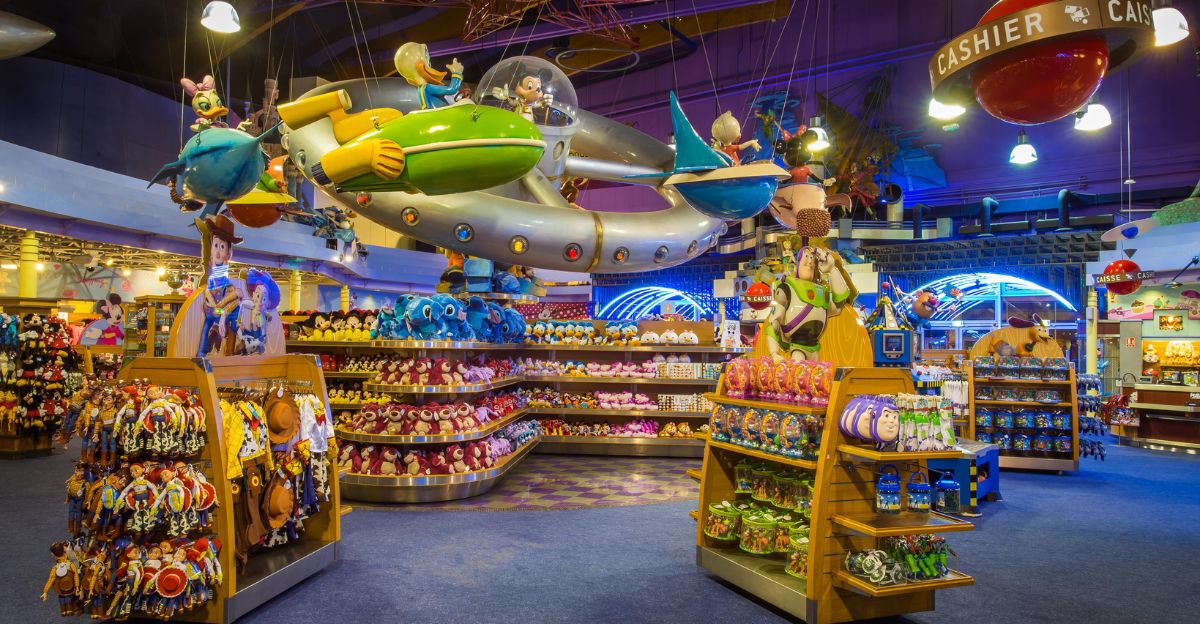
The 9.4 million people who visit Disneyland Paris yearly now face a problem. Disney Wonders won’t open until summer 2026—leaving a six-month gap with no Disney merchandise location in Disney Village.
Families visiting between January and July 2026 can shop at other stores (LEGO Store, Disney Glamour, Disney Style), but the old store’s unique shopping experience will no longer exist. The closure removes a favorite photo spot and gift-buying tradition for multi-generational families and European visitors.
Nostalgic Collectors Mourn
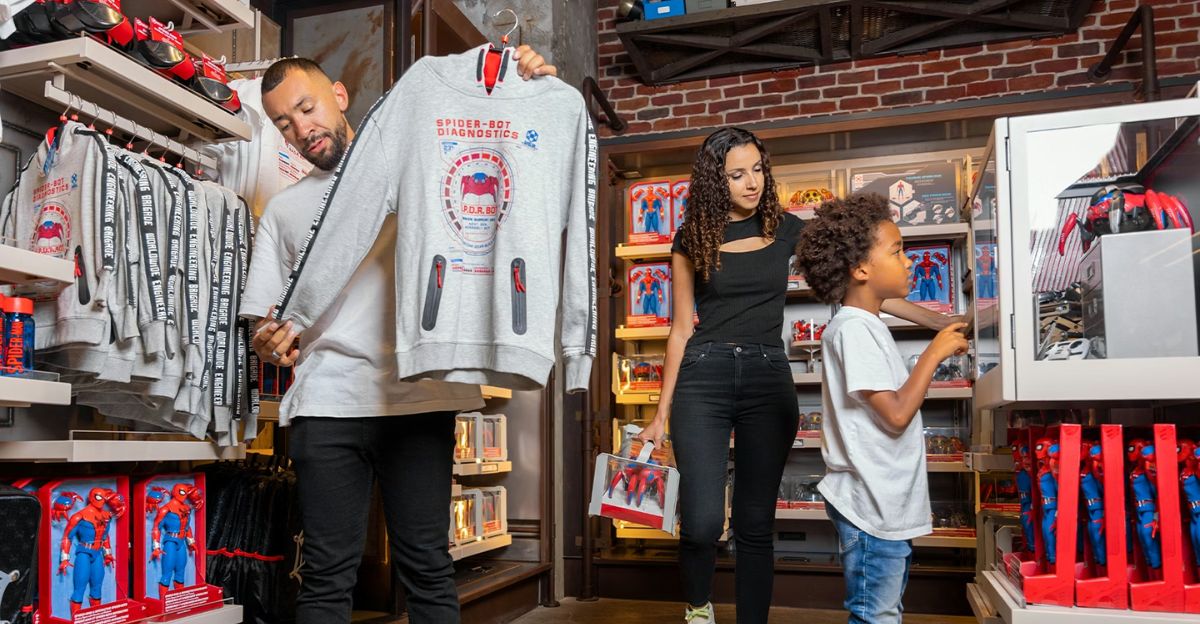
Disney fans reacted with mixed emotions when they learned the store would be closing forever. Reddit posts, Instagram messages, and fan forums filled with childhood memories: first Disney visits, buying first Disney gifts, and photos with giant character statues.
One comment is often repeated: “This was the last place where original Disney Village magic survived.” Collectors rushed to buy the final merchandise from the old store. Fans visited during the final days to photograph the space and grab the last items.
For them, this store represented a true connection to Disneyland Paris’s early years.
Part of Disneyland Paris’s $2.1 Billion Gamble
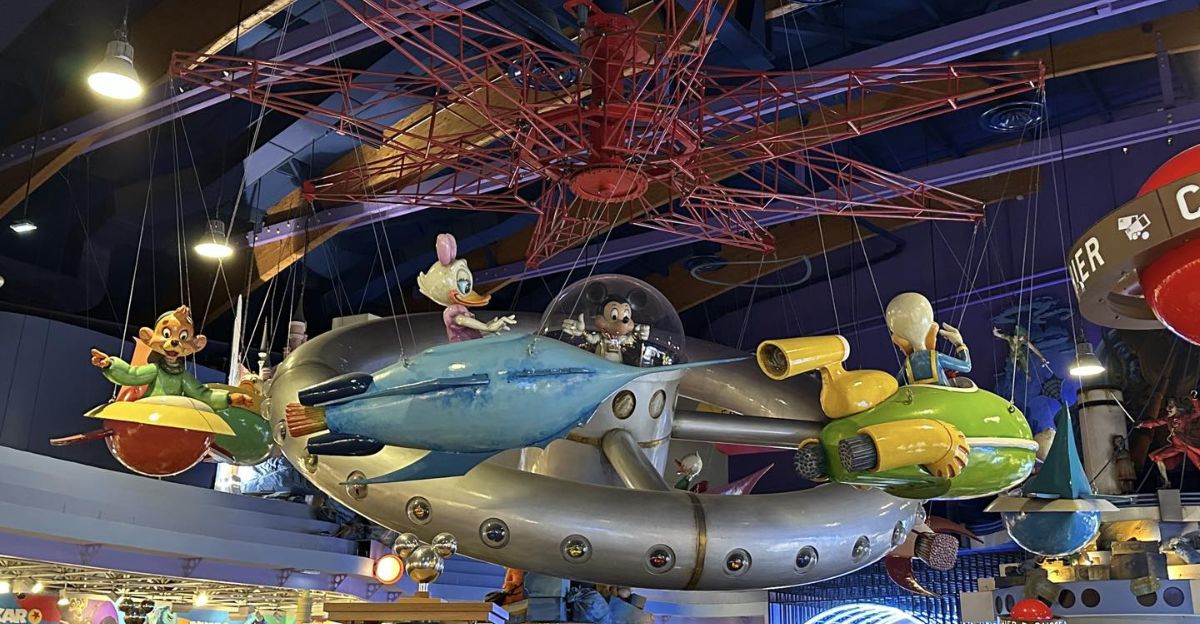
The Disney Store closure isn’t an isolated event; it’s part of Disney’s largest European investment in decades. Disneyland Paris President Natacha Rafalski said the resort pursues “the most ambitious transformation in our resort’s history.”
This includes rebranding Walt Disney Studios Park to Disney Adventure World (March 29, 2026), introducing the World of Frozen with advanced technology, and expanding Adventure Bay—a 7.5-acre lake featuring the world’s first aquatic drones in theme park entertainment.
Disney bets that modern, high-tech experiences will attract more visitors. The store closure demonstrates that nostalgia, however cherished, doesn’t align with this new direction.
Global Retail Recalibration
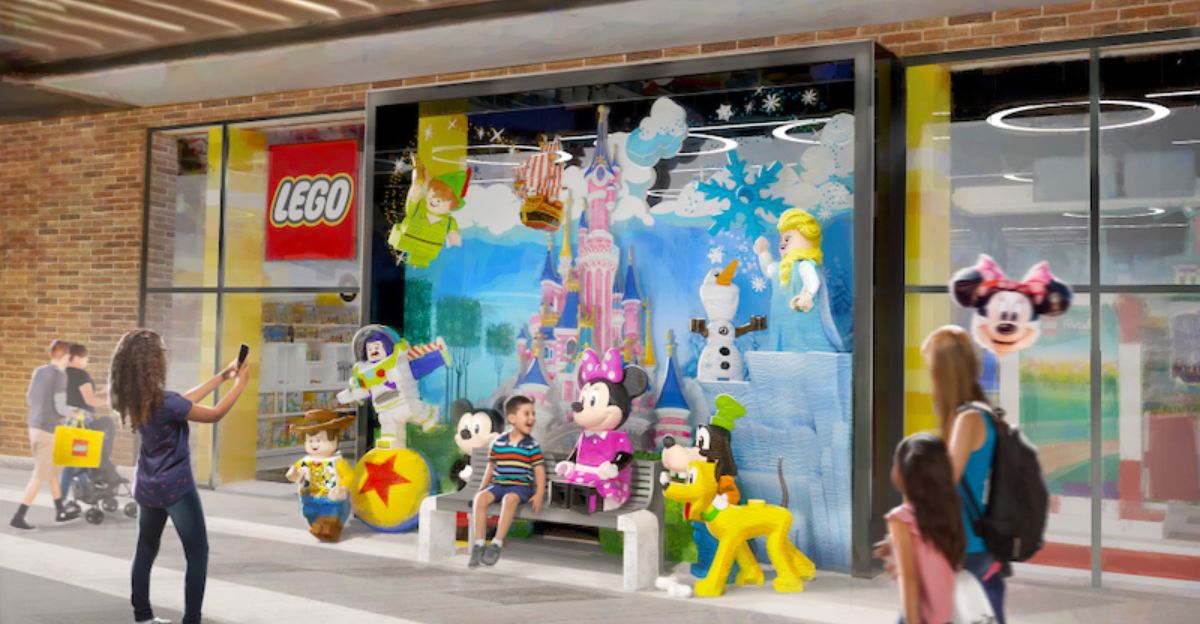
Disney doesn’t abandon merchandise retail; it redesigns its approach. The company has recently opened LEGO Stores, Disney Glamour, and Disney Style shops at Disney Village. These new stores reflect current retail ideas: selected collections, brand-specific experiences, and shareable design.
Disney Wonders follows this pattern—a “modern franchise-based shop” featuring “immersion, comfort and wonder” with seasonal rotating themes. Disney has learned that success now requires Instagram-friendly design and limited-time offers, rather than permanent, unchanging displays.
The old Disney Store model—packed with a wide range of merchandise in bold theming—no longer aligns with Disney’s current strategy.
A District’s Identity Crisis
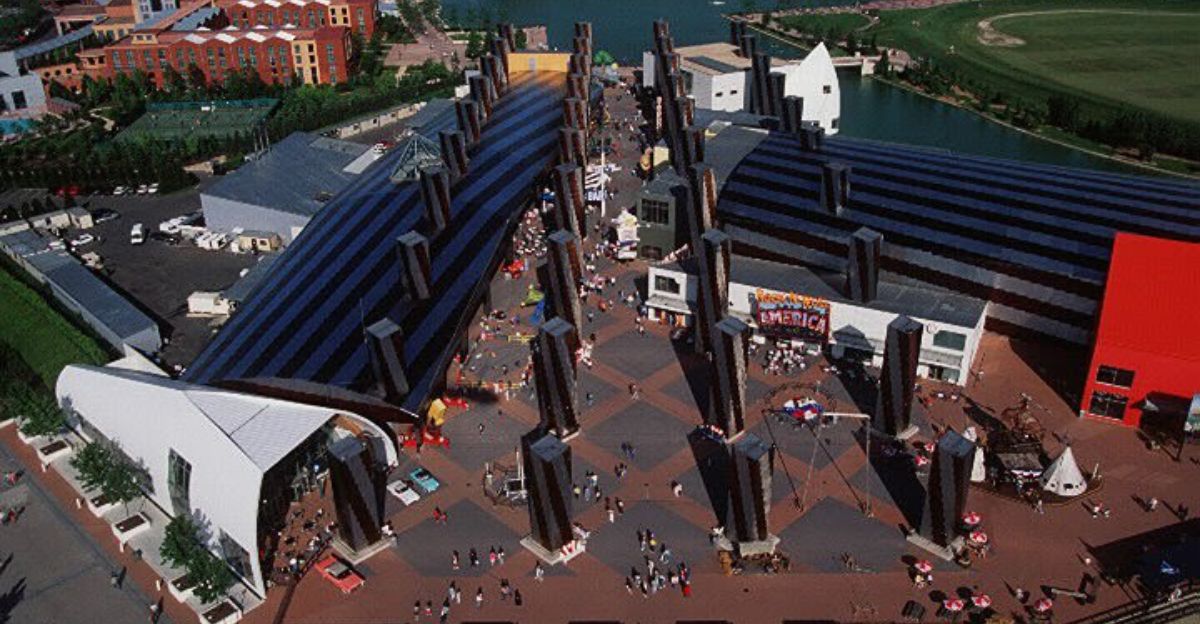
Disney Village itself faces a major identity shift. The district opened in 1992 as “Festival Disney,” celebrating American culture with 1990s-themed restaurants, shops, and entertainment.
Original anchors—McDonald’s 1999-style location, Annette’s Diner’s 1950s rock-and-roll style, the Disney Store’s bold theming—defined guest experience. Now, all close together for “modernization.” Annette’s Diner reopens in early 2026, “completely refurbished,” keeping “its charm and retro feel.”
McDonald’s becomes “France’s largest,” with modern architecture replacing heritage style. The Disney Store transforms into Disney Wonders. Disney Village sheds its original identity completely, with the systematic removal of a 33-year-old themed concept.
Franchisee Frustration Simmers
While Disney describes changes as “modernization,” some Disney Village business partners feel frustrated. Disney’s quick renovation schedule (with an 18-month completion expected) limits revenue-generating time. Partner restaurants close temporarily during peak planning seasons.
Merchandise sellers worry about space in redesigned locations. Partners quietly worry (though not officially stated): Disney values brand control over partner profits.
Disney’s shift toward “franchise-based” retail (Disney Wonders) and Disney-owned brands (modern McDonald’s) reduces independent seller space. This mirrors Disney’s global shift toward owned and operated experiences, rather than shared spaces.
Strategic Bet on Tomorrow’s Guests
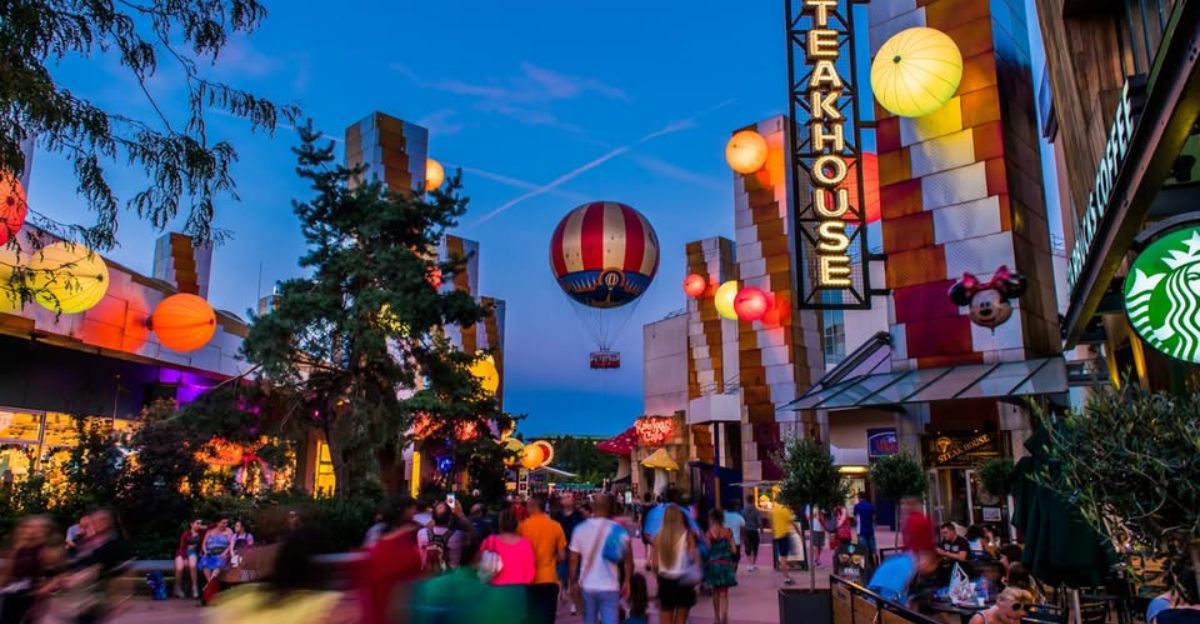
Disney’s leadership bets that future generations prefer cutting-edge technology over nostalgic preservation. Disney Adventure World will feature “next-generation robotic figures” (such as life-sized Olaf), aquatic drone systems, and 360-degree nighttime shows.
Disney Wonders rotates seasonal experiences instead of keeping permanent looks. This approach appeals to younger, social media audiences seeking Instagram-worthy moments and limited-time experiences.
However, it moves away from core Disney Parks thinking, which is about creating spaces that work across generations. The closed Disney Store demonstrated stability—a space that had functioned nearly the same for 33 years. Disney’s new model values change and novelty.
Consumer Skepticism Grows
Not everyone supports Disney’s transformation story. Online comments question whether “Disney Wonders” will offer real retail magic or just trendy simplicity. Long-time Disney fans note that Disney’s recent retail redesigns (2015-2020) favored uniform looks over individual personalities.
Some worry Disney Wonders will match every other modern shop: clean lines, neutral colors, little character. Others question the business plan: closing beloved stores with loyal customers to chase uncertain trends seems risky.
Disney Wonders concept art showcases bright, modern spaces—very different from the warm, character-filled look that guests have missed. This concern raises genuine questions about whether Disney’s changes lead to improved visitor experiences.
Expert Uncertainty Looms
Business experts disagree on whether Disney’s major overhaul of Disneyland Paris will succeed. The resort’s visitor numbers have remained steady in recent years, prompting Disney to invest heavily in updates.
However, the strategy assumes that World of Frozen and Disney Adventure World will attract more visitors; modern retail will outperform traditional retail; and advanced technology will appeal to European audiences.
Investment experts note that Disney’s 33-year commitment to the original Disney Village was successful, as it generated steady revenue and visitors enjoyed it. Redesigning everything simultaneously carries risk. If Disneyland Paris visitors disappoint through 2026-2027, the store closure becomes a sign not of brave change, but of poor strategy.
What Does Disney Remember?
As Disney Village evolves, a question arises: What happens to the company’s memory? The Disney Store wasn’t just a shop; it held a record of Disney’s merchandise history, a testament to the brand’s story.
Its closure asks Disney: Pursuing current appeal, what gets lost forever? Should every old space disappear? Can change work with history? Disneyland Paris visitors in 2026 will see a complete redesign—Disney Wonders replaces the Disney Store, a modern design replaces the heritage McDonald’s, and Annette’s reopens with only select “retro” pieces.
The resort’s $2.1 billion change shows Disney’s answer to visitor preferences and market trends. As January 4, 2026, becomes history, one question lingers: Did Disney update a legacy, or erase one?
Sources:
Inside the Magic, Disney Store Officially Closed Effective January 4, January 4, 2026
Disney Dining, Disney Store Officially Closed No More Chances To Shop, January 3, 2026
Laughing Place, Disneyland Paris Reveals More Coming to Disney Village, November 14, 2025
The Walt Disney Company, Disneyland Paris Transformation Updates, November 23, 2025
The Walt Disney Company, Disney Village New Projects Announcement, November 13, 2025
The Walt Disney Company, Disneyland Paris Resort Modernization Initiative, April 2025