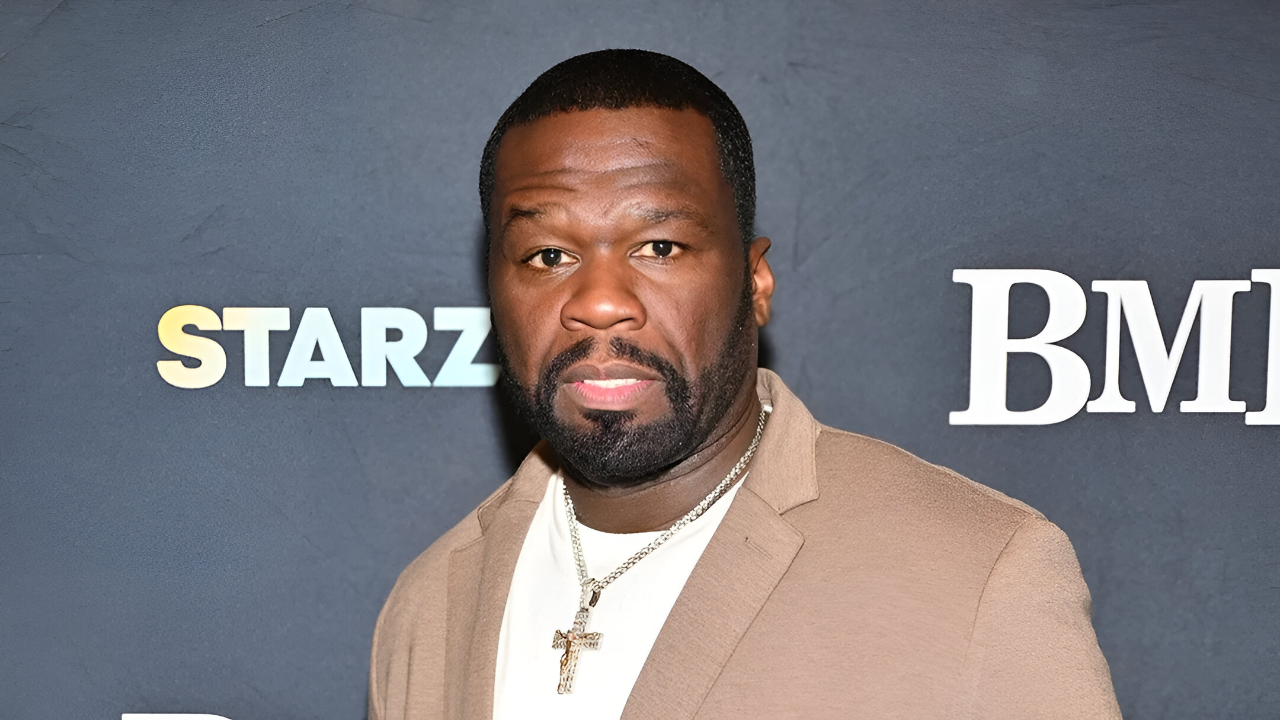
One of hip-hop’s most vicious rivalries—born from early‑2000s run‑ins and diss tracks—just entered a new, toxic phase. Ja Rule and 50 Cent are no longer trading bars on mixtapes; they’re fighting over who has the moral authority to tell stories about abuse.
After Netflix dropped Sean Combs: The Reckoning, Ja blasted 50 online, calling him a hypocrite and accusing him of exploiting trauma for profit rather than justice.
When a “Reckoning” Becomes a Weapon
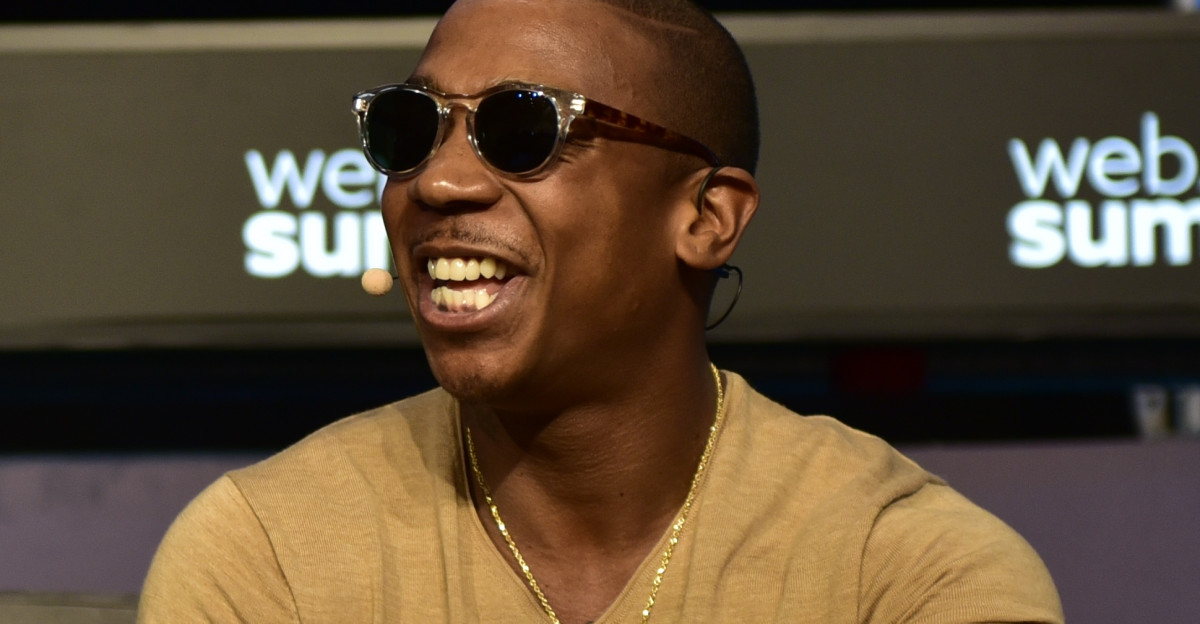
Ja Rule’s attack landed hard because it questioned 50 Cent’s motives, not the survivors’ accounts. On X and Instagram, Ja wrote that 50 “dgaf about the victims” and is simply cashing in on Diddy’s downfall.
In his view, 50 is using The Reckoning to settle an old score under the guise of advocacy. The criticism suggested the doc wasn’t just journalism—it was another front in a 20‑plus‑year feud.
Inside Netflix’s Diddy Docuseries
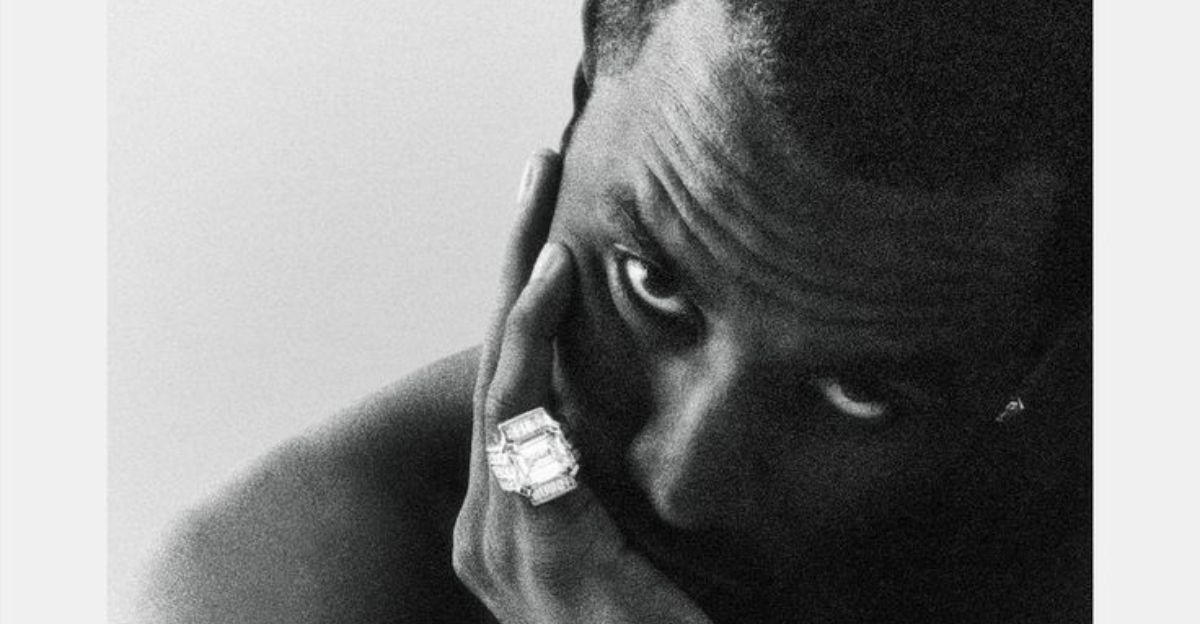
Sean Combs: The Reckoning is a four‑episode Netflix docuseries directed by Emmy winner Alexandria Stapleton and executive produced by 50 Cent. It traces decades of sexual misconduct and abuse allegations around Diddy’s Bad Boy empire, featuring voices like Aubrey O’Day and Mark Curry describing coercion and violence.
The series includes footage dated September 10, 2024—reported as six days before Combs’ arrest on September 16.
Ja Rule’s Hypocrisy Charge Against 50
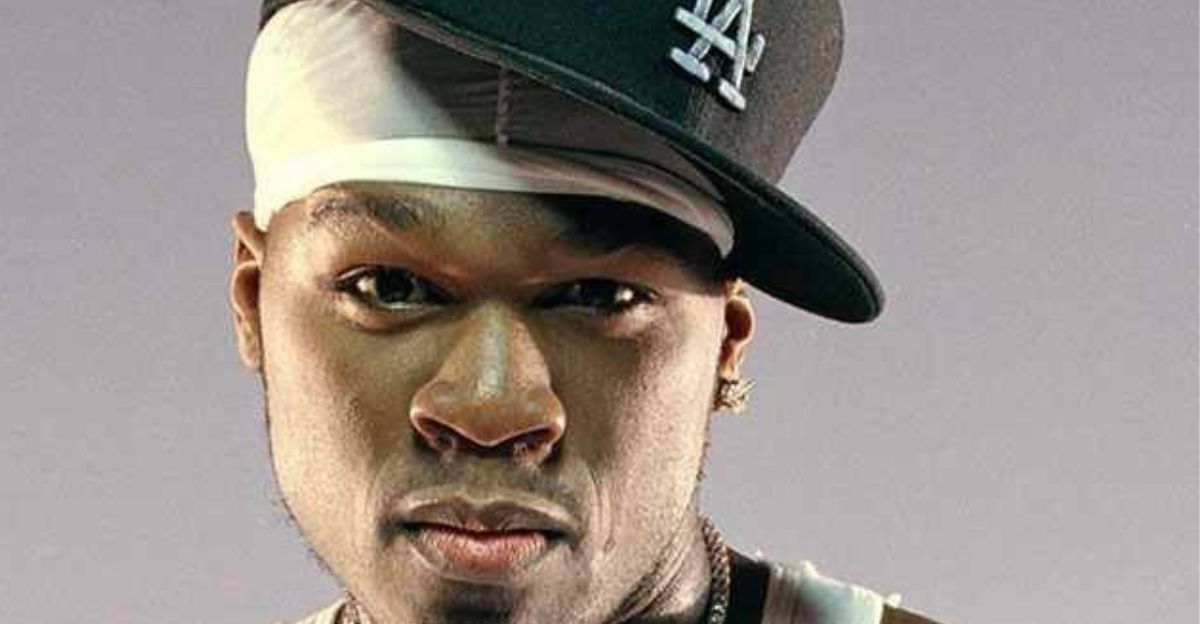
Ja framed 50’s role as fundamentally self‑serving. He called him “a cancer to the culture” and argued that someone with his own history of allegations shouldn’t be fronting a “reckoning” about another accused abuser.
Ja urged 50 to donate his documentary proceeds to domestic‑violence charities, saying if 50 genuinely cared about victims, he’d put money, not just his name, behind them.
The Question of Profits and Charity
When 50 Cent began promoting the project, he said proceeds from the doc would go to victims of sexual violence, according to interviews and industry reporting. That framing positioned him as a champion for survivors.
But Ja and commentators note that Netflix and 50 have not disclosed specific profit‑sharing terms, amounts, or timelines. With no public breakdown of revenue or donations, Ja argues, it’s impossible to judge how much survivors actually benefit.
Reopening 50 Cent’s 2013 Domestic‑Violence Case
To underline his hypocrisy claim, Ja pointed back to 50 Cent’s own record. In 2013, 50 was charged in connection with an incident involving ex‑partner Daphne Joy.
According to court documents, he pleaded no contest to vandalism, received three years’ probation, and paid fines and restitution, while domestic‑violence counts were dropped or reduced.
Daphne Joy’s 2024 Allegations and Walk‑Back

The story did not end in 2013. In March 2024, Daphne Joy posted on Instagram, accusing 50 of rape and physical abuse, writing that he had caused her serious harm. 50 denied the claims and, in May 2024, filed a defamation lawsuit seeking one million dollars in damages.
By July, Joy had deleted her post amid a broader legal fight, and in September 2024, 50 quietly withdrew his suit without explanation, leaving questions lingering for fans and observers.
Old Wounds, New Ammunition
Against that backdrop, Ja argued that 50’s public crusade against Diddy rang hollow. If 50 still faced unresolved public allegations and had dropped his own defamation case, Ja suggested, then leading a high‑profile “reckoning” doc looked less like justice and more like opportunism.
The revival of these details turned a familiar musical rivalry into a broader referendum on who, if anyone, in this saga has moral standing to narrate other people’s abuse stories.
50 Cent Amplifies Gene Deal’s Story

Rather than stepping back, 50 escalated. He reposted a podcast clip featuring Gene Deal, Diddy’s former bodyguard, claiming he once saw Ja Rule and Diddy Undressed in a hotel suite. Deal’s story, told years later, is anecdotal and has not been independently corroborated by documents or other witnesses.
Still, 50’s decision to share it with millions reframed the feud. What began as a debate over accountability became a spectacle built on an unverified, highly personal allegation.
Ja Rule Threatens a Defamation Lawsuit
Ja quickly fired back. On December 8, he wrote on X that 50 had posted a “blatant lie” to his “millions of minions,” calling it “SLANDER and DEFAMATION… DUMMY!!! Lawsuit on the way…”
According to his posts and follow‑up commentary, he is exploring legal options over the Gene Deal clip. Despite attention‑grabbing talk of a “$100M” war, public records so far reflect only a threatened defamation case, with no filed complaint or confirmed dollar amount.
What a Defamation Case Would Need to Prove
Any defamation case would hinge on showing that Deal’s allegation is false, that 50 acted with at least reckless disregard for the truth by amplifying it, and that Ja’s reputation suffered measurable harm. Legal analysts note that public figures face a high bar in such suits under U.S. law.
With no corroborating evidence beyond Deal’s recollection, Ja would likely be asking a court to decide whether reposting another man’s unverified story crosses into actionable defamation.
A Feud Built on Long Memories

The latest flare‑up sits atop more than twenty years of hostility. Their issues trace back to late‑1990s Queens, when Ja was robbed and, according to differing accounts, tensions rose after he later saw 50 with someone linked to the incident.
In 2000, 50 was stabbed at New York’s Hit Factory studio; Murder Inc. associate Black Child took responsibility.
From Mixtapes to Streaming‑Era Story Wars
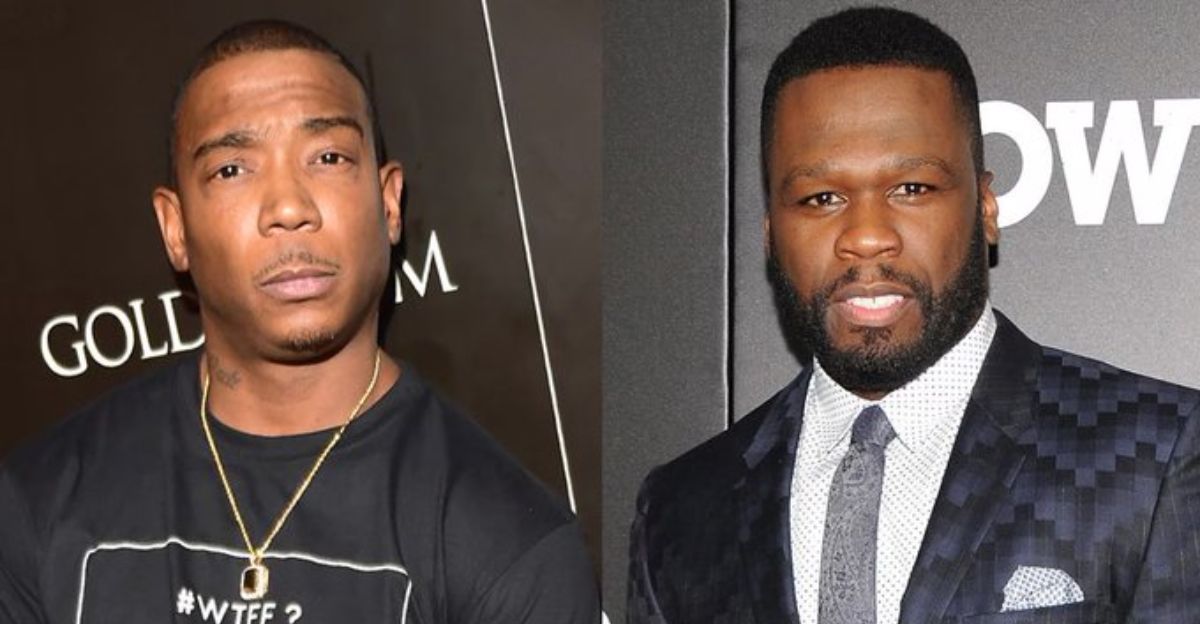
What makes this chapter different is the setting of the battlefield. In the early 2000s, the two fought through records, interviews, and radio. Today, the fight is waged through Netflix, social media feeds, and documentary credits.
Ja argues that 50 is effectively rewriting history by positioning himself as an exposer of abuse while downplaying his own controversies. Instead of dueling mixtapes, audiences now get competing narratives about who is truly on the side of victims and who is just rebranding.
Ja Rule Teases a Counter‑Documentary

Ja has hinted he might answer 50 on the same terrain. On social media, he suggested he should “start doing docs,” saying there is “A LOT to unpack here ALLEGEDLY…” around 50’s past.
He has floated the idea of a project examining 50’s legal and personal controversies, though no formal production has been announced.
When Survivors’ Stories Become Collateral
This is perhaps the most troubling dimension of the feud. The survivors who speak in The Reckoning—people who experienced trauma, violation, and abuse at Diddy’s hands—suddenly find themselves caught in a dispute about who profits from their stories.
Ja Rule’s challenge to 50 to donate profits to charity isn’t just about accountability. It implicitly asks whose interests are really being served when survivors’ testimonies become content fodder for mogul disputes, and whether amplified visibility offsets that risk.
Diddy’s Camp Calls the Doc a “Hit Piece”
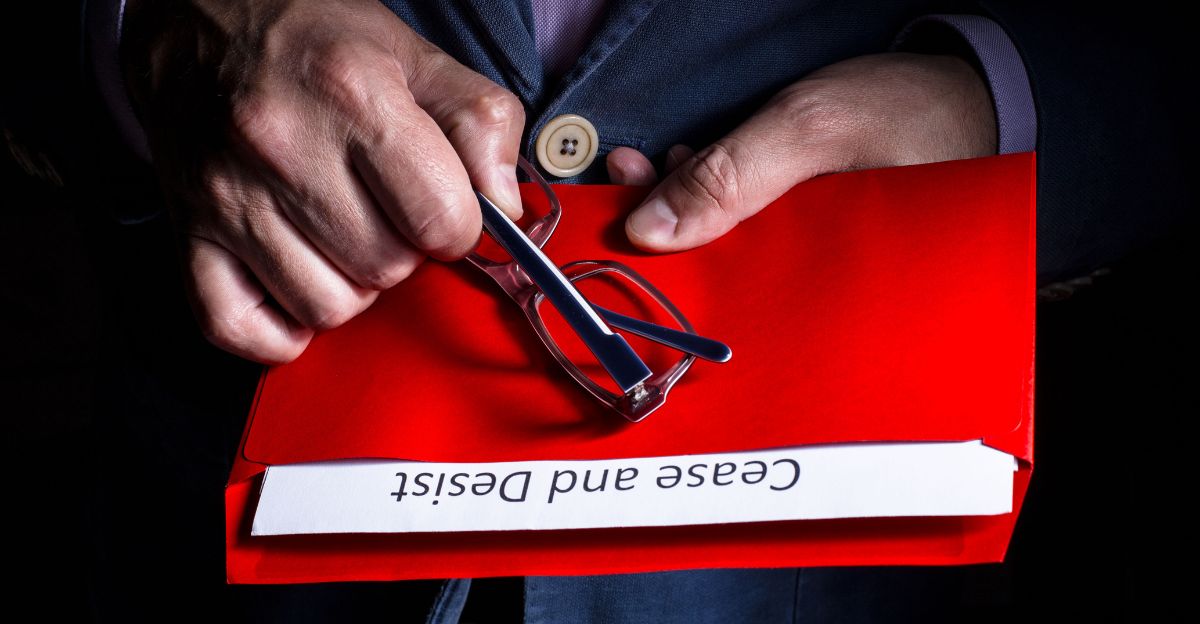
Sean Combs’ team has also pushed back. Soon after the series premiered, his lawyers reportedly sent Netflix a cease-and-desist letter, calling the documentary a “shameful hit piece” and alleging that it used unauthorized or even “stolen” footage.
Netflix has stood by the project, stating that participants were not paid and editorial control rested with the filmmakers rather than Netflix.
Ja Rule’s Own Contested History

Ja’s critique comes from a figure whose record is also complicated. He was a prominent promoter and public face of the notorious 2017 Fyre Festival, which defrauded investors and attendees, leading to criminal charges against co-founder Billy McFarland.
In 2019, a federal judge dismissed fraud claims against Ja, finding insufficient evidence that he knowingly deceived investors.
The Ethics of “Reckoning” as Content

Together, these threads highlight a bigger cultural question: when is a reckoning a public service, and when is it branded content? Ja’s demand that 50 donate profits to domestic‑violence causes challenges to the idea that simply making a documentary is inherently virtuous.
In this view, streaming platforms and celebrity producers risk turning survivor testimony into another content vertical—one that boosts reputations and revenue even as it purports to expose abuse and deliver justice.
High Stakes for Platforms and Personal Brands

For Netflix, The Reckoning is part of a broader slate of true‑crime and exposé programming that attracts huge audiences. For 50, it reinforces his pivot from rapper to media mogul. For Ja, challenging the project keeps him central to a narrative that might otherwise sideline him.
Each new lawsuit threat, cease-and-desist letter, or clipped interview raises the stakes, not only for the men involved, but also for how future “reckoning” documents will be judged.
The Uncomfortable Question for Viewers

In the end, the Ja Rule–50 Cent clash over Diddy’s downfall forces audiences to interrogate who is telling the story and why. When multiple power players carry their own histories of allegations or bad judgment, no narrator stands entirely outside the frame.
That doesn’t negate survivors’ accounts, but it complicates the packaging around them. Until hip‑hop fully confronts that tension, every high‑profile documentary about abuse will double as a referendum on the people producing it.
Sources
“Ja Rule Slams 50’s Diddy Doc as ‘Hit Piece’—$100M Lawsuit Reignites 20‑Year Feud” — MSN
“Ja Rule Takes Aim At 50 Cent Over Diddy Documentary” — HipHopDX
“50 Cent Helped Make a New Netflix Doc About Nemesis Sean Combs” — Rolling Stone
“Sean ‘Diddy’ Combs decries Netflix series by 50 Cent as ‘shameful hit piece'” — The Guardian
“What has Sean ‘Diddy’ Combs been convicted of?” — BBC News
“A Complete Timeline of 50 Cent and Ja Rule’s Beef” — XXL Magazine