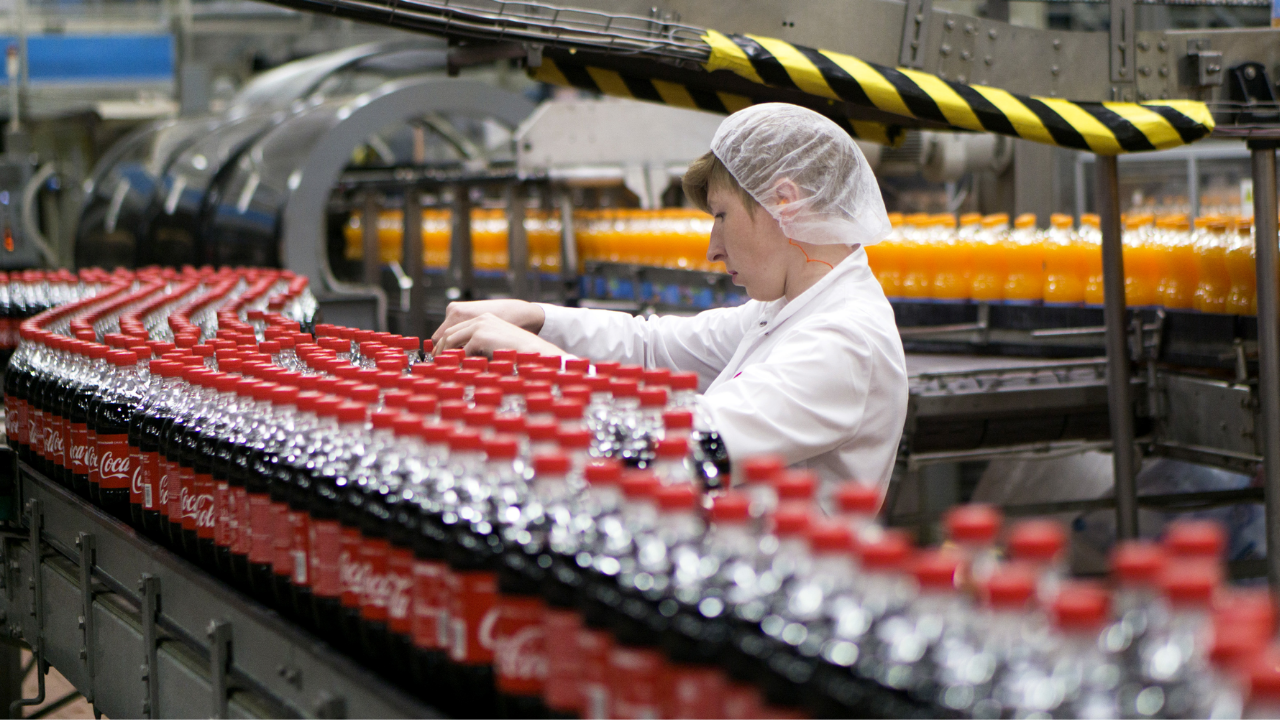
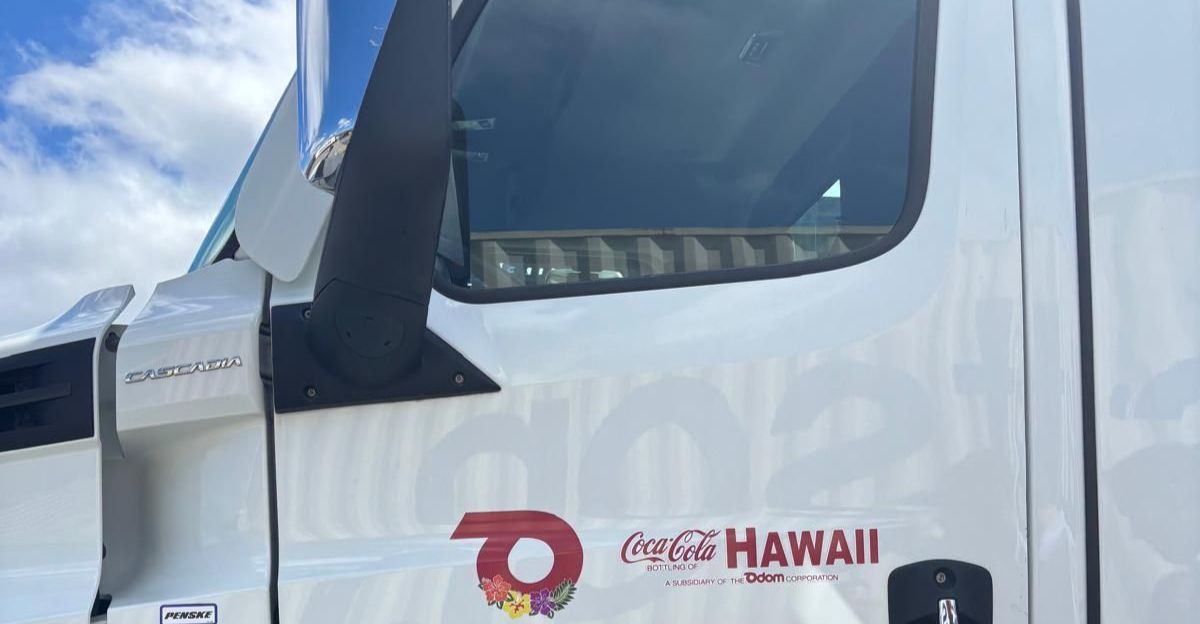
Hawaii’s sole Coca-Cola bottling plant, a fixture in Honolulu’s Mapunapuna area since 1960, will halt production by January 31, 2026. Owned by The Odom Corporation since a 2016 refranchising deal with Coca-Cola, the facility now has just 25 employees, all facing job transitions as operations pivot to distribution only.
The closure stems from outdated equipment unable to compete in Hawaii’s high-cost environment. The plant supported significant payroll and wider economic activity through suppliers and contractors.
Reasons for the Shutdown
Joe Carter, vice president and general manager of Coca-Cola Bottling of Hawaii, stated in early December 2025 that the plant had reached the end of its operational life, requiring substantial investment to modernize 1960s-era machinery. The decision is part of The Odom Corporation’s strategic optimization for its beverage operations. Rather than invest in upgrades, the company chose to outsource production while retaining some staff in lower-paying sales, distribution, and service roles. Outsourcing introduces quality control and supply chain risks that must be weighed against operational efficiency gains.
Part of a National Restructuring
This shutdown reflects a broader Coca-Cola retreat from U.S. manufacturing between 2020 and 2026. In 2020, Coca-Cola announced a global restructuring that cut approximately 2,200 jobs. Closures in Northampton, Massachusetts, and American Canyon, California, have eliminated hundreds of positions in recent years. The shift turns fixed manufacturing costs into variable outsourcing fees, positioning Coca-Cola primarily as a brand owner reliant on franchised bottlers and third-party co-packers. Hawaii residents will now depend on mainland imports, with questions lingering about future regional impacts.
Economic and Supply Chain Fallout
Losing the plant exacerbates Hawaii’s economic challenges amid a forecasted mild 2026 recession by the University of Hawaii Economic Research Organization. Non-durable goods manufacturing in Hawaii showed growth recently, but tourism softness and GDP concerns heighten vulnerability. Bottles and cans will ship from mainland co-packers to Odom’s Kapolei warehouse, increasing logistical complexity for inter-island delivery. Past plant transitions in other markets have at times involved supply disruptions, signaling potential complications here.
Worker Impacts and Local Contrasts
The 25 production workers, some with over three decades of tenure, face significant upheaval. Specialized bottling skills do not always align with warehouse and distribution roles, which typically pay less. Meanwhile, Pepsi operates a bottling plant in Aiea with 225 employees, preserving local production, “Made in Hawaii” branding, and supply resilience. The distinctive wider 206-diameter cans with deep ridges—tied to Hawaii’s older bottling equipment—may be replaced by standard mainland versions. Local water sourcing or other production variables have been cited by some observers as factors that could influence product characteristics, though companies have not publicly confirmed formulation details.
Broader Implications
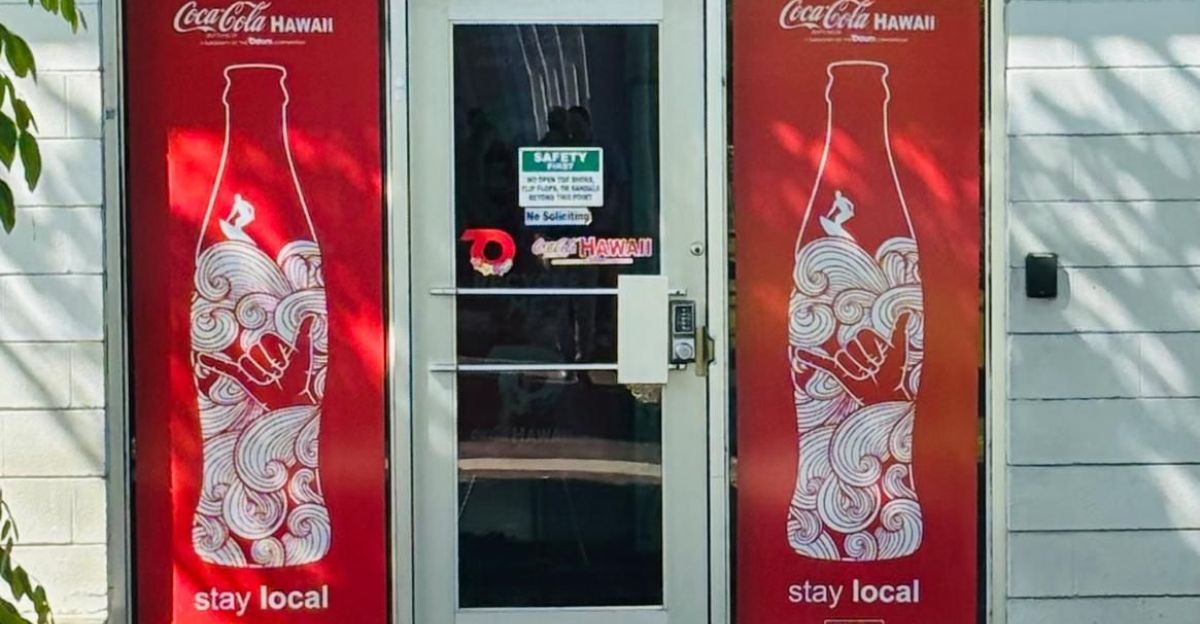
Outsourcing reduces Coca-Cola’s capital, maintenance, and compliance costs and can improve operational returns, but it may also erode resilience against supply disruptions. Hawaii’s manufacturing sector has experienced significant long-term decline and now employs approximately 13,000 workers statewide, with food and beverage manufacturing comprising 37% of those industrial jobs. Manufacturing wages typically exceed service-sector pay, so plant closures can threaten middle-class economic stability in a tourism-dependent economy. As local production capacity fades after 65 years, Pepsi gains a competitive local advantage, consumers may reassess brand loyalty, and the islands face greater import dependence and more fragile supply chains. The closure underscores ongoing tensions between corporate efficiency optimization and regional economic resilience.
Sources
“Coca-Cola announces closure of last bottling plant of its kind,” The Cool Down, December 10, 2025.
“Coca-Cola’s Hawaii bottling plant to close in January,” Yahoo Finance, December 3, 2025.
“After 65 years, Coca-Cola is closing its only Hawaii bottling plant,” SFGate, December 9, 2025.
“UHERO Forecast for the State of Hawaiʻi: Mild recession and weak recovery in 2026,” University of Hawaii Economic Research Organization, December 11, 2025.
“Coca-Cola Closing Napa County Bottling Plant,” San Francisco Chronicle, April 22, 2025.
“Coca-Cola to Shut Down Major U.S. Plant, Hundreds of Layoffs Expected,” Parlay Brand, February 20, 2023.