A former producer has filed a sweeping lawsuit accusing Inside Edition of antisemitic harassment and staging dangerous-looking explosions for television. The complaint, brought by Joshua Bernstein, alleges both workplace discrimination and deliberate manipulation of on-air footage.
With the show ranking as America’s top syndicated newsmagazine and reaching millions of viewers weekly, the claims raise serious questions about newsroom culture, ethics, and how far a long-running program may have gone to boost ratings.
What Sparked the Case
Bernstein says the issues began after he joined the program in 2019. Over several years, he claims he reported discriminatory behavior and editorial misconduct to supervisors, only to be ignored. After suffering a medical episode in 2023, he was fired about a year later while on medical leave.
The lawsuit, filed in December 2025, argues that the termination was retaliatory and capped years of alleged mistreatment inside the show’s New York–based production offices.
Antisemitic and Anti-Muslim Slurs Alleged
The complaint details repeated slurs allegedly directed at Bernstein by senior staff. He claims former chief investigative correspondent Lisa Guerrero used phrases like “whiny Jew” and questioned how he could marry a Muslim woman or work for Al Jazeera.
Executive producer Charles Lachman is accused of making anti-Muslim and anti-Black remarks, including a comment likening a woman wearing a hijab to a security threat. Bernstein also alleges homophobic language in the workplace.
Claims of Staged Explosions

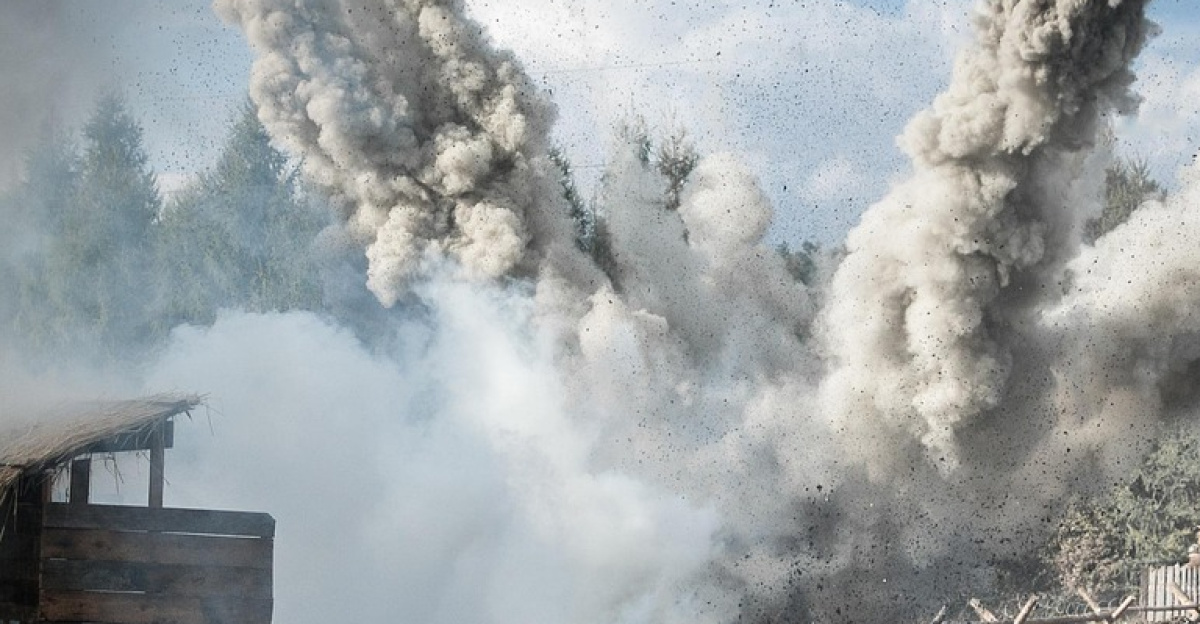
Beyond discrimination, the lawsuit accuses the show of “deliberate news distortion.” Bernstein alleges that fireworks, gas grills, and e-bike batteries were intentionally rigged to burn or explode during segments to exaggerate danger.
He says this was done to heighten drama for viewers rather than reflect real-world risks. According to the complaint, such practices blurred the line between journalism and spectacle in consumer-safety reporting.
A Warning to Stay Silent
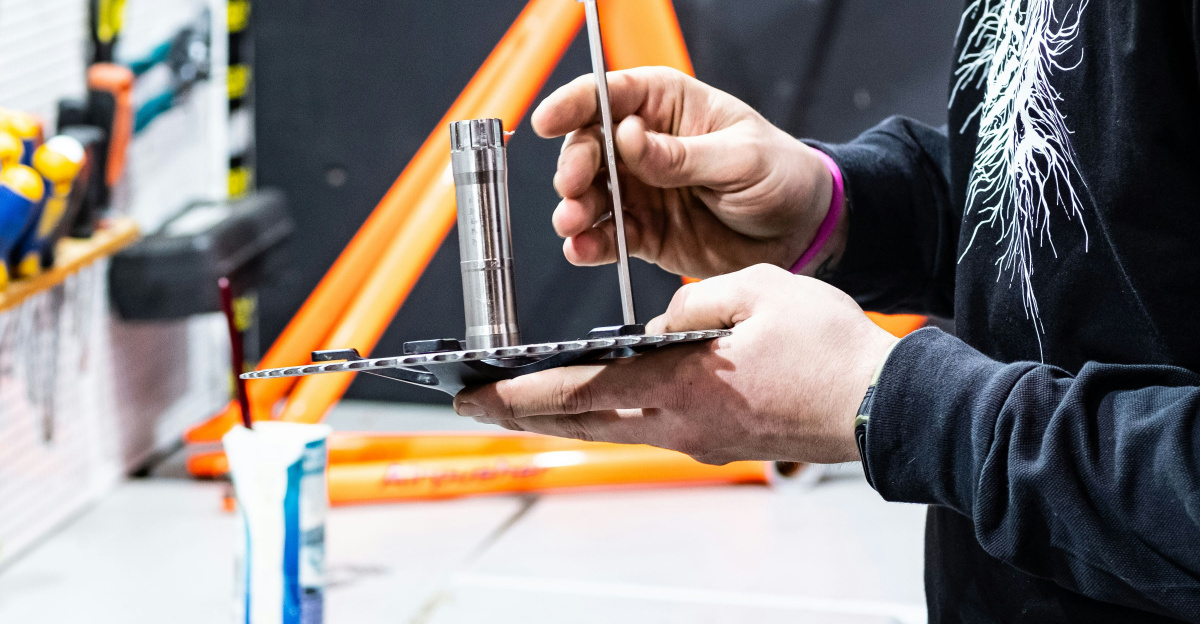
Photo by Anton Savinov on Unsplash
One of the most serious allegations centers on what happened after Bernstein discovered a tampered e-bike battery. He claims a senior producer told him to keep quiet and avoid speaking to lawyers.
The lawsuit frames this as an attempt to suppress concerns and protect the show rather than address potential wrongdoing. If proven, the claim could deepen scrutiny of internal controls and whistleblower protections within the production.
Impact on Viewers and Trust
Inside Edition airs on hundreds of stations nationwide and reaches more than three million viewers each week. Safety and consumer-protection segments often influence how audiences perceive everyday products.
Allegations that explosions were staged challenge that trust. Even isolated incidents could make viewers question whether dramatic footage reflects genuine risks or is crafted primarily to shock and hold attention.
Corporate Defendants Named

The lawsuit names Paramount Global and CBS Media Ventures as corporate defendants, arguing the issues extended beyond individual behavior.
Bernstein’s attorneys say the alleged culture and editorial practices were enabled by management. By targeting the parent entities, the suit widens potential financial and reputational exposure far beyond a single program.
CBS Media Ventures Pushes Back
CBS Media Ventures has denied the allegations, calling them unsubstantiated and fabricated. The company says it commissioned an outside investigation after receiving an initial claim letter and found no evidence supporting Bernstein’s accusations.
Executives emphasize a commitment to a safe and respectful workplace and say they plan to vigorously defend the case in court. The defendants’ stance sets up a direct clash between corporate findings and the lawsuit’s detailed quotes.
A Long-Running Show Under Scrutiny
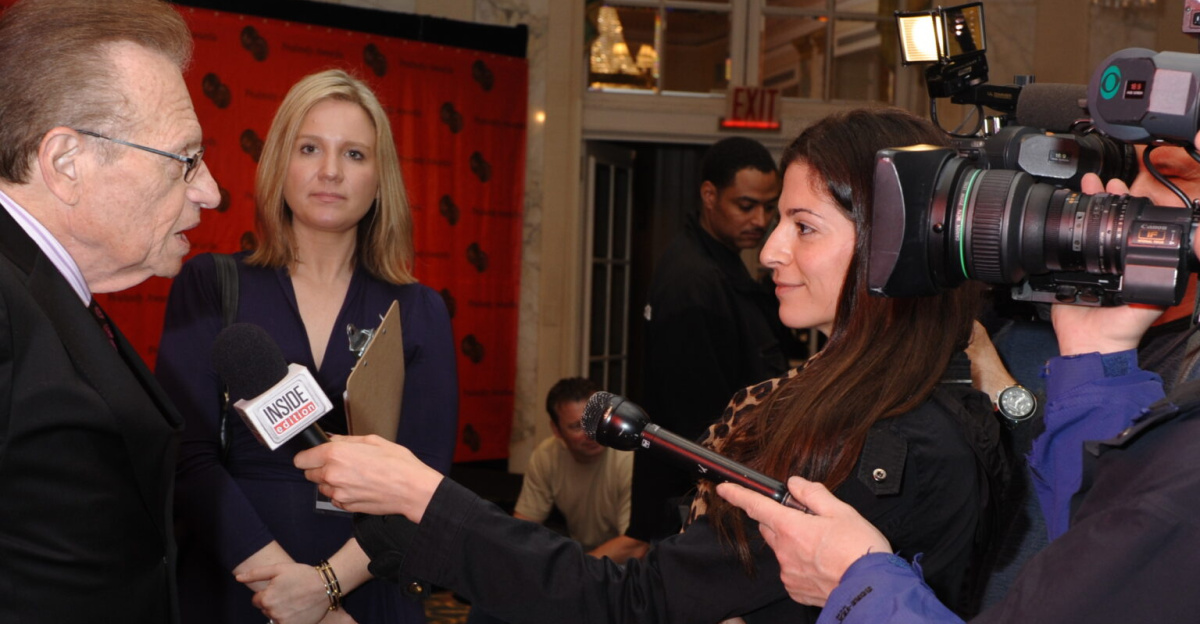
Inside Edition has been on air since 1989 and is currently in its 38th season. Over the decades, it built a reputation around true crime, celebrity coverage, and consumer investigations.
The lawsuit marks the first major public discrimination case tied to the program in its long history. That longevity heightens the stakes, as the allegations question practices during a period when the show was at the peak of its influence.
Power and Tenure in the Newsroom

The complaint places particular focus on long-serving leaders. Charles Lachman has been executive producer since 1998, while Lisa Guerrero spent 19 years as chief investigative correspondent before departing in mid-2025.
Bernstein alleges the behavior he experienced spanned much of his five-year tenure. If the claims are substantiated, they could prompt deeper examination of how authority and longevity shaped newsroom norms.
Human Cost Behind the Claims
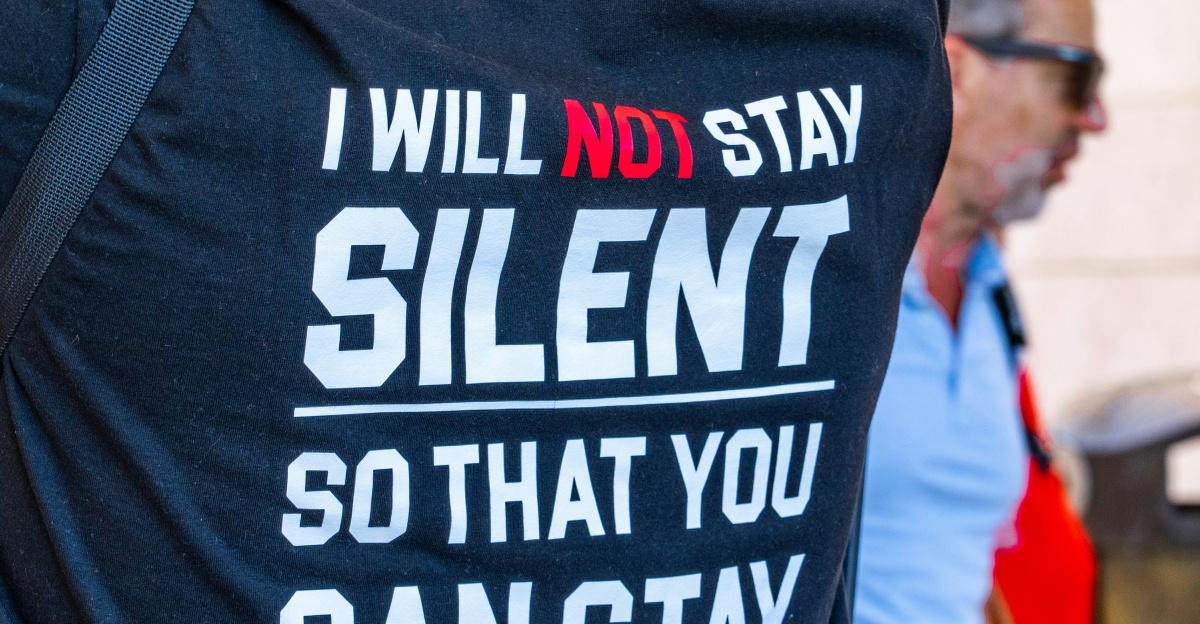
Beyond ratings and reputations, the lawsuit emphasizes personal impact. Bernstein describes enduring slurs, pressure to stay silent, and ultimately losing his job while recovering from a medical issue.
He portrays a workplace where junior staff felt powerless and offensive remarks went unchecked. The case highlights how alleged misconduct can affect health, careers, and morale inside high-pressure media environments.
Broader Media Industry Context
The suit arrives amid ongoing reassessments of newsroom culture across the media industry. Past discrimination cases have shown that on-air success does not insulate organizations from internal accountability.
Bernstein’s claims combine harassment allegations with questions about journalistic integrity, making the case notable even among post-#MeToo media lawsuits. The outcome could influence how entertainment-style news programs police both behavior and editorial methods.
Financial and Advertising Stakes
Inside Edition is a major revenue driver within syndication. Controversy around discrimination or fabricated segments could concern advertisers focused on brand safety.
Even without a verdict, prolonged litigation can create uncertainty for station partners and sponsors. Industry observers note that advertisers increasingly weigh ethical considerations alongside ratings when deciding where to place commercials.
What Discovery May Reveal
With the case now entering discovery, internal emails, footage, and testimony could clarify what occurred between 2019 and 2024. Depositions may test whether alleged quotes and practices were isolated or systemic.
The discovery phase is likely to shape public understanding of the case, as it could either substantiate Bernstein’s detailed claims or bolster the defendants’ assertion that no evidence supports them.
Why the Case Matters
Regardless of the final outcome, the lawsuit underscores how a single producer’s claims can ripple through corporate governance, newsroom ethics, and audience trust.
For viewers, it raises questions about how much of what they see is authentic. For media companies, it highlights the risks of ignoring complaints. And for Inside Edition, it marks a pivotal moment in the legacy of a decades-old television institution.
Sources:
“‘Inside Edition’ Execs and Talent Made Racist, Sexist, Antisemitic, and Anti-Muslim Comments, Former Producer Says in a New Lawsuit.” Business Insider, 5 Jan 2026.
“‘Inside Edition’ Execs and Talent Made Racist, Sexist, Antisemitic, and Anti-Muslim Comments, Lawsuit Claims.” Yahoo News, 6 Jan 2026.
“January 7, 2026 – Today in Islamophobia.” Bridge Initiative, Georgetown University, 7 Jan 2026.
“Inside Edition.” Wikipedia, accessed Jan 2026.