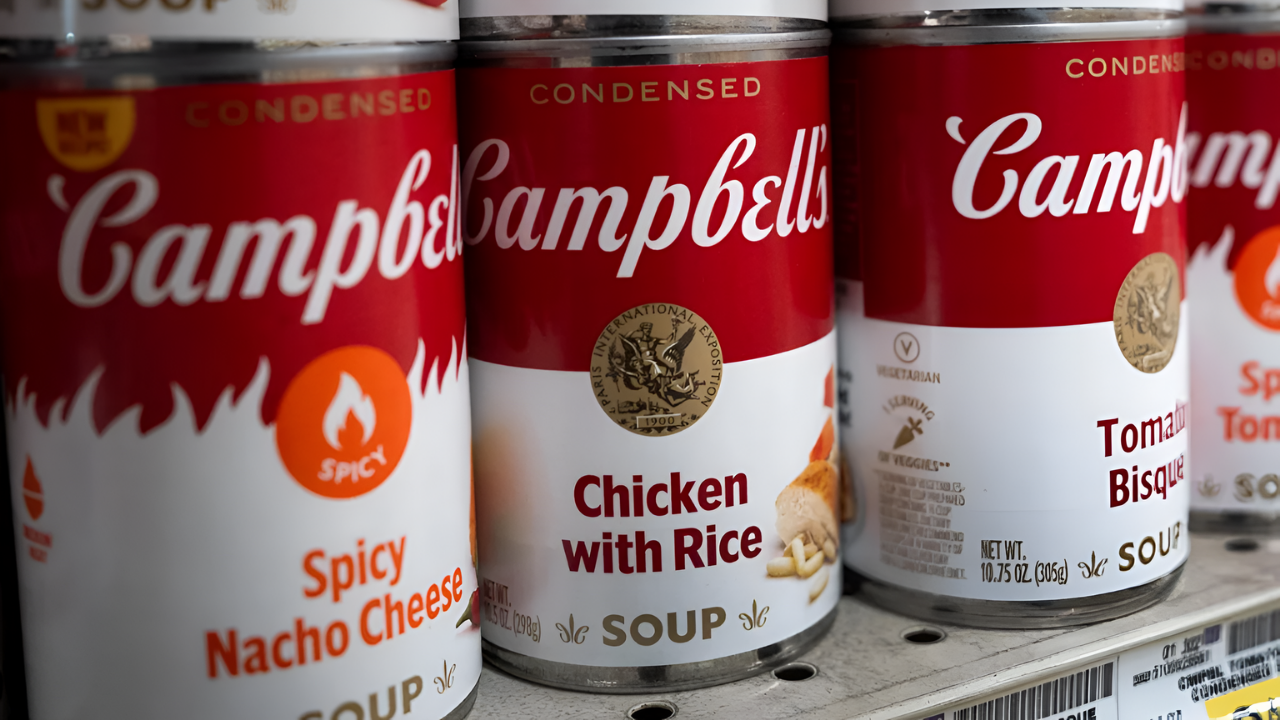
In late November 2025, Campbell Soup Company confronted a corporate crisis when a secretly recorded conversation between a senior executive and a junior employee surfaced publicly, exposing disparaging comments about the company’s products, customers, and colleagues. The audio, captured a year earlier, triggered a lawsuit, regulatory investigation, and significant reputational damage to the 156-year-old food manufacturer.
The Recording and Initial Fallout
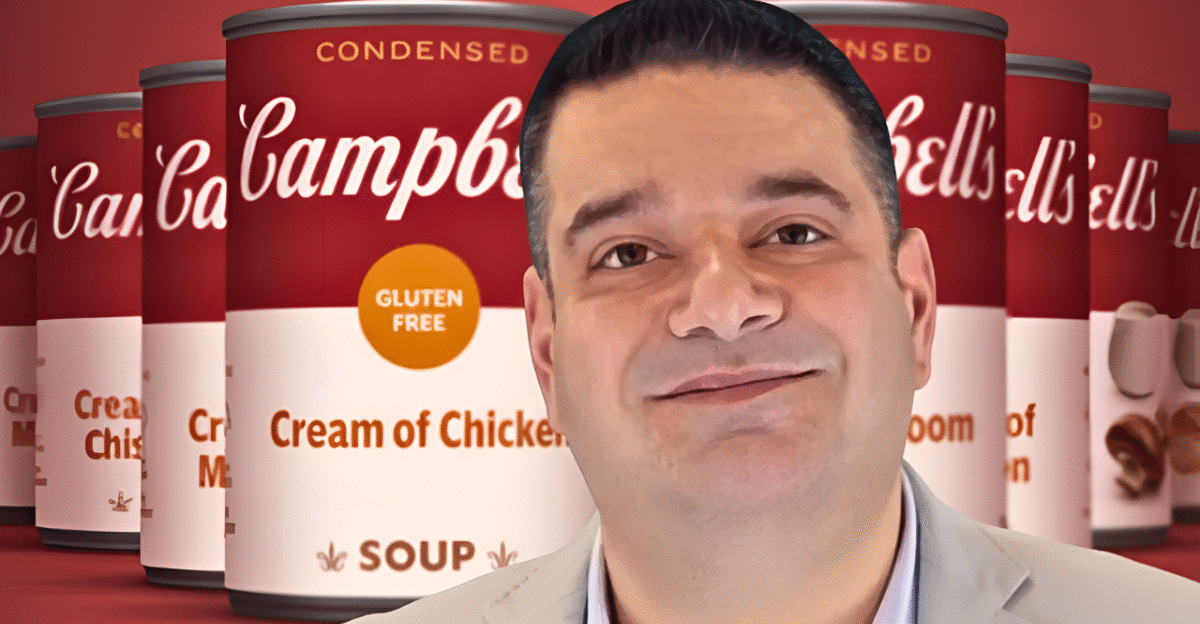
The recording emerged in late November 2025 when cybersecurity analyst Robert Garza provided the audio to Detroit media outlet WDIV Local 4. In the 75-minute conversation from November 2024, Martin Bally, Vice President and Chief Information Security Officer, made explicit derogatory remarks describing Campbell’s soup as “highly processed food” for “poor people” and included racist comments about Indian colleagues. The audio also referenced bioengineered meat and 3D-printed chicken products.
Campbell’s stated it first learned of the lawsuit and heard the recording on November 20, 2025. The company’s initial response drew criticism for perceived delays in addressing the situation. On November 25, 2025, after the recording went public, Bally was terminated following a period of administrative leave. However, observers questioned why the company had not acted sooner, particularly since Garza had reported Bally’s misconduct months earlier.
Garza’s Employment and Retaliation Claims
Garza began working at Campbell’s in September 2024 and reported Bally’s behavior to his manager, J.D. Aupperle, on January 10, 2025. Aupperle discouraged further escalation, and Garza was fired just 20 days later on January 30, 2025. He subsequently endured ten months of unemployment while seeking new employment.
Garza’s attorney, Zachary Runyan, argues that his client was punished for reporting unethical conduct. The lawsuit, filed in Wayne County Circuit Court in Michigan, alleges that Campbell’s maintained a “racially hostile work environment” and failed to protect Garza from retaliation. Garza seeks damages for emotional distress and financial losses resulting from his termination.
In interviews with local media, Garza expressed frustration with the company’s handling of the incident. He stated that Campbell’s marketing messaging—”We treat you like family here at Campbell’s”—did not reflect his actual experience, describing the company’s response and his firing as “simply terrible.”
Regulatory and Legal Complications
The scandal expanded beyond employment law when Florida’s Attorney General James Uthmeier announced an investigation into allegations that Campbell’s products contained bioengineered meat, which violates Florida state law. Uthmeier stated: “We don’t do the fake, lab grown meat here in Florida. We’ll enforce the law and shut down!”
Campbell’s denied the allegations, clarifying that it uses “100% real chicken” from USDA-approved U.S. suppliers, not bioengineered or lab-grown meat. However, the investigation adds significant legal pressure. Potential consequences could include fines, product recalls, or mandatory labeling changes. The multi-jurisdictional nature of the case—with the lawsuit filed in Michigan and the regulatory investigation in Florida—complicates the company’s legal exposure.
Corporate Response and Market Impact
Campbell’s issued a formal statement condemning Bally’s remarks. Company spokesperson James F. Regan noted: “The language used does not align with our values or the culture of our organization. We do not accept such language in any situation.”
However, critics argue the company’s response failed to address systemic issues within its HR department and corporate culture. The company’s stock declined 3.32% following the scandal’s emergence, reflecting investor concerns about reputational damage.
Broader Implications and Precedent

Legal experts view Garza’s case as potentially setting significant precedent for corporate liability regarding whistleblower retaliation. The temporal connection between Garza’s complaint and his termination—20 days—creates a strong foundation for retaliation claims under employment law. The outcome could influence how other companies approach whistleblower complaints and HR procedures.
The incident reflects broader shifts in corporate America, where younger employees increasingly demand accountability and transparency. With social media amplification and whistleblower protections in place, internal misconduct is no longer easily contained. Campbell’s crisis serves as a cautionary tale for other corporations about the consequences of inadequate HR responses and delayed executive accountability in an era of increased corporate transparency.
Sources
ABC News — Campbell’s defends its soup, calls executive’s alleged remarks on ingredients ‘patently absurd’
CBS News — Campbell Soup executive called its products food for ‘poor people,’ lawsuit claims
Business Insider — Campbell’s Soup exec is out after alleged rant mocking ‘poor’ customers, ‘3D-printed chicken’ goes viral
WDIV Local 4 Detroit — Employee secretly recorded Campbell Soup VP, he says
The Hill — Campbell’s ousts executive over alleged ‘poor people,’ 3D-printed chicken
Newsweek — Campbell soup at risk of being ‘shut down’ in Florida after secret audio