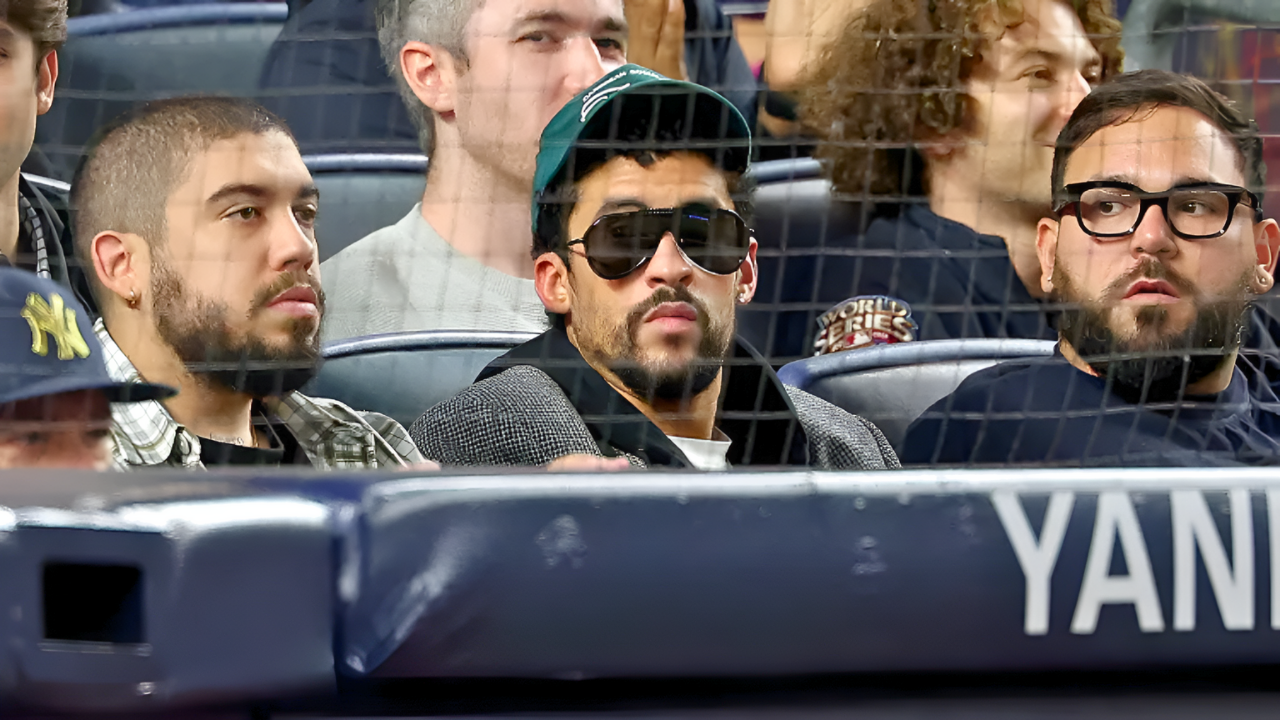
Bad Bunny, the three-time Grammy-winning reggaeton superstar, is facing a storm of legal battles just weeks before his much-anticipated Super Bowl LX halftime performance on February 8, 2026, at Levi’s Stadium in Santa Clara, California.
With a global fan base numbering in the hundreds of millions, the artist’s empire now hangs in the balance. A
llegations of unauthorized voice use are surfacing, as legal filings and industry experts keep a close eye on the unfolding situation. What happens next could change everything for the “King of Reggaeton.”
The Pressure Mounts
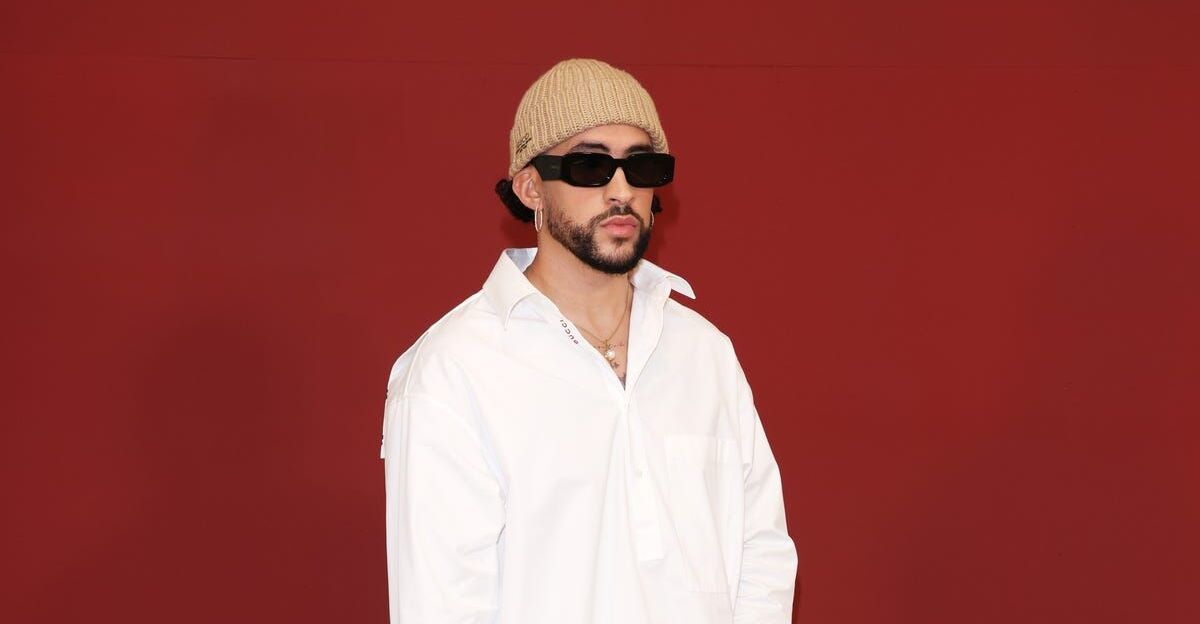
Before his 120-million-viewer NFL spotlight, Bad Bunny (real name Benito Antonio Martínez Ocasio) already faced a $40 million lawsuit from ex-girlfriend Carliz de la Cruz Hernández over alleged unauthorized use of her voice in songs—a case that remains pending in Puerto Rico courts.
Now, a second $16 million claim has emerged, filed January 5, 2026, in Puerto Rico.
The timing intensifies scrutiny: two separate allegations of voice misuse, overlapping legal teams, and a high-profile performance looming. Industry insiders question whether the superstar can weather this dual storm.
A Pattern Emerges
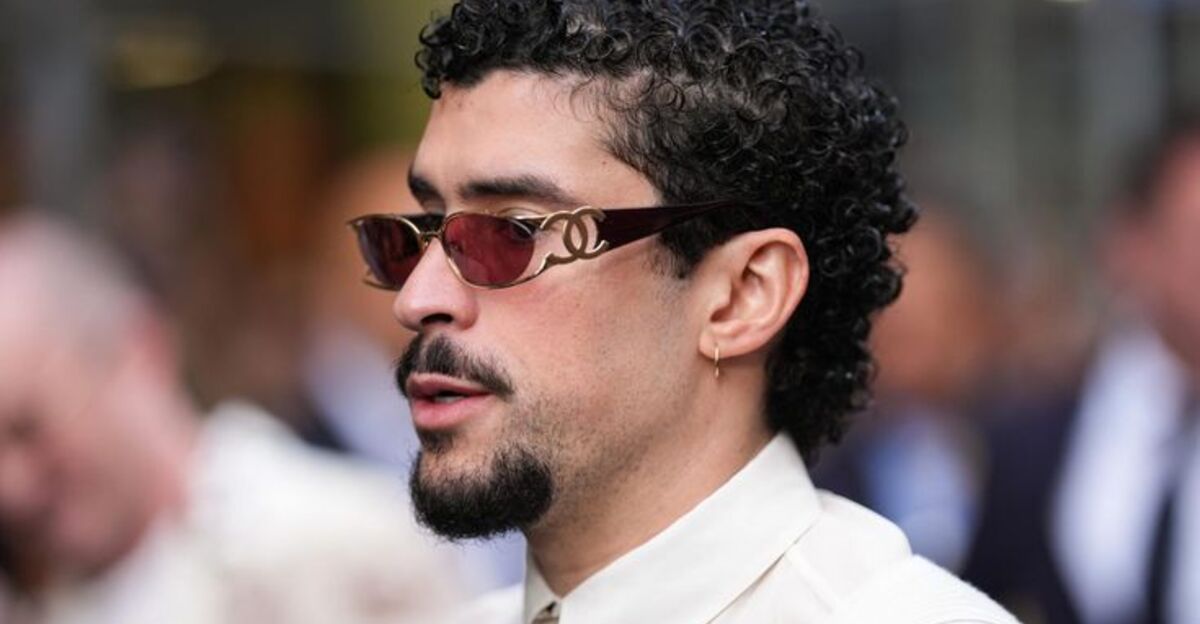
The current lawsuit mirrors the 2023 case brought by Hernández, who alleged Bad Bunny used her voice saying “Bad Bunny, baby” on tracks “Pa’ Ti” (2017) and “Dos Mil 16” (2022) without permission.
That case remains unresolved in Puerto Rico’s court system. Notably, the legal team representing the new plaintiff, Tainaly Y. Serrano Rivera, is the same firm handling Hernández’s claim.
This convergence suggests a coordinated legal strategy targeting similar alleged violations.
Industry Context: Voice Rights Under Pressure
The music industry has increasingly scrutinized unauthorized voice sampling and the use of voices without explicit consent.
Artists and producers face growing legal exposure as courts recognize publicity and privacy rights tied to distinctive vocal recordings.
Bad Bunny’s cases arrive amid broader industry conversations about consent, fair compensation, and the commercialization of student-era or informal recordings. These lawsuits signal tightening enforcement of voice-use agreements.
Unauthorized Voice in Two Hit Songs
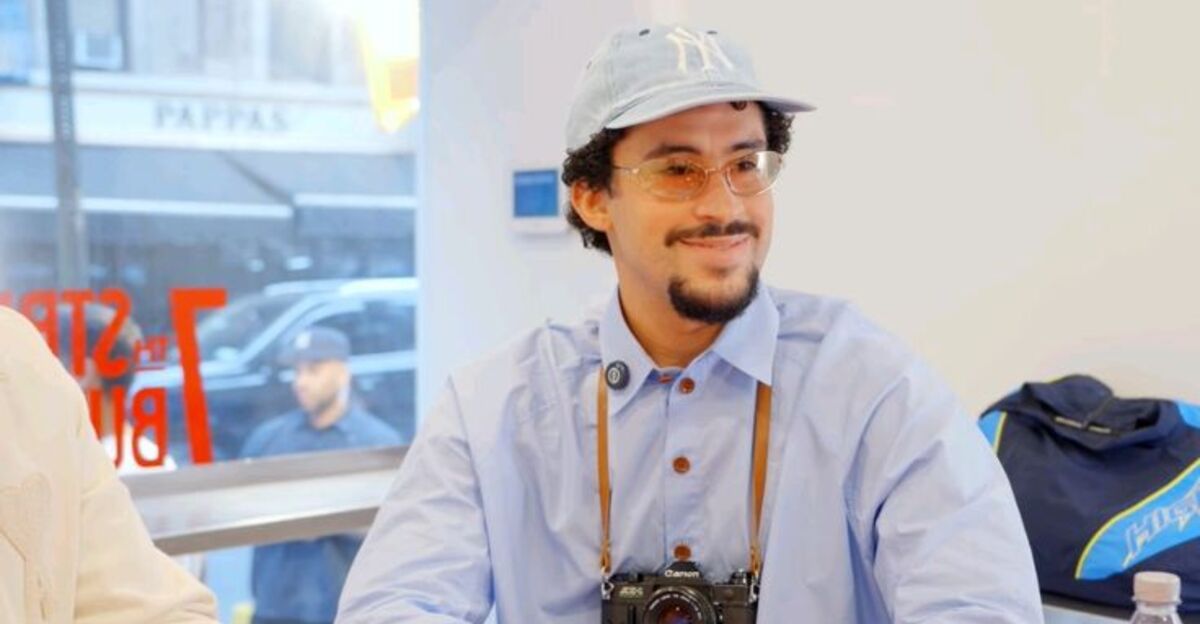
On January 5, 2026, Tainaly Y. Serrano Rivera filed a $16 million lawsuit in Puerto Rico against Bad Bunny, his label Rimas Entertainment, and producer Roberto “La Paciencia” Rosado.
Rivera alleges her 2018 voice recording—saying “Mira, puñeta, no me quiten el perreo” —appears in Bad Bunny’s 2018 hit “Solo de Mi” from X100PRE and in “EoO” from his 2025 album Debí Tirar Más Fotos.
She claims she never signed a contract or received permission for commercial use.
The Phrase That Became a Brand Asset
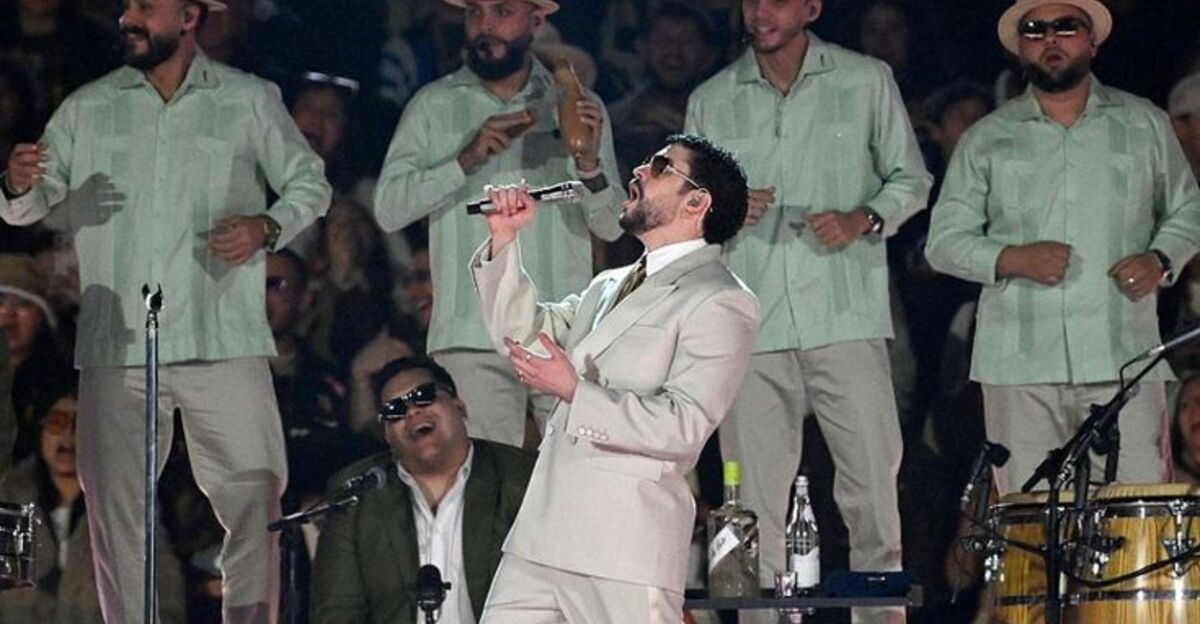
Rivera’s recorded phrase has transcended the songs themselves. According to the lawsuit, Bad Bunny and Rimas Entertainment leveraged the catchphrase across merchandise, social media, concert performances, and promotional materials.
The phrase evolved into a recognizable brand element tied to Bad Bunny’s identity and commercial reach.
Rivera argues this widespread commercialization—without her knowledge or consent—violated her publicity and privacy rights, amplifying the damages claim.
A Theater Student’s Recording
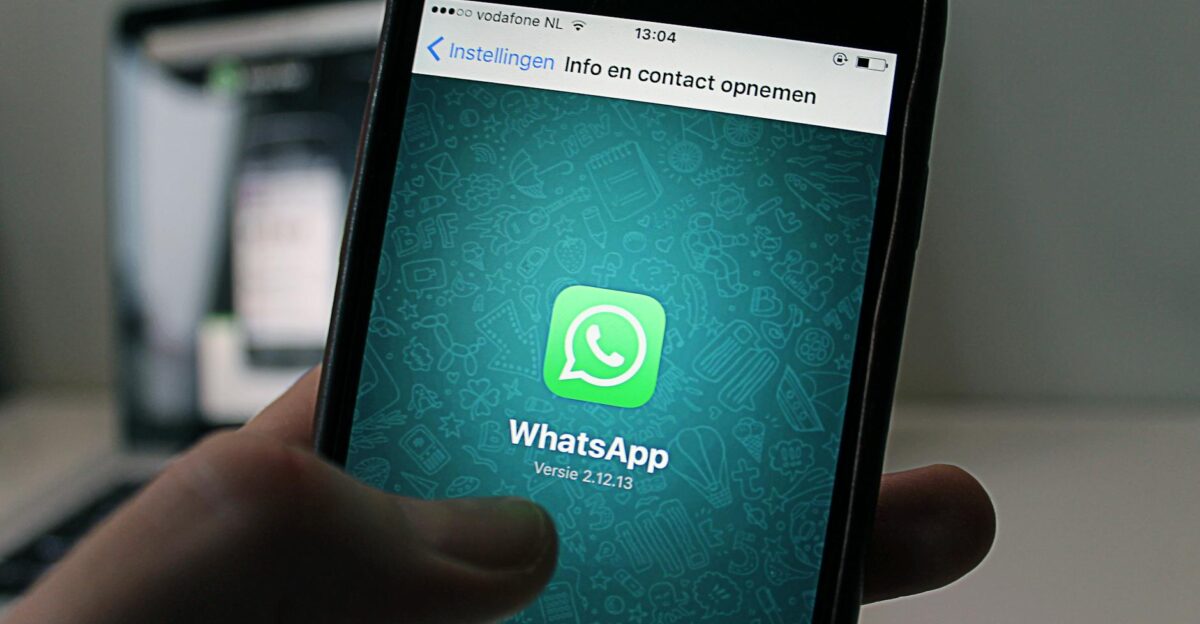
Tainaly Y. Serrano Rivera and producer La Paciencia (Roberto Rosado) were theater students together at Interamerican University of Arecibo in Puerto Rico.
In 2018, Rosado asked Rivera to record the phrase via WhatsApp voice note for what she believed was a student project or informal creative exercise.
She never anticipated the recording would fuel global hit songs or become a merchandise staple. Rivera’s lawsuit emphasizes the disconnect between her understanding of the recording’s purpose and its actual commercial exploitation.
Rimas Entertainment and Producer Liability
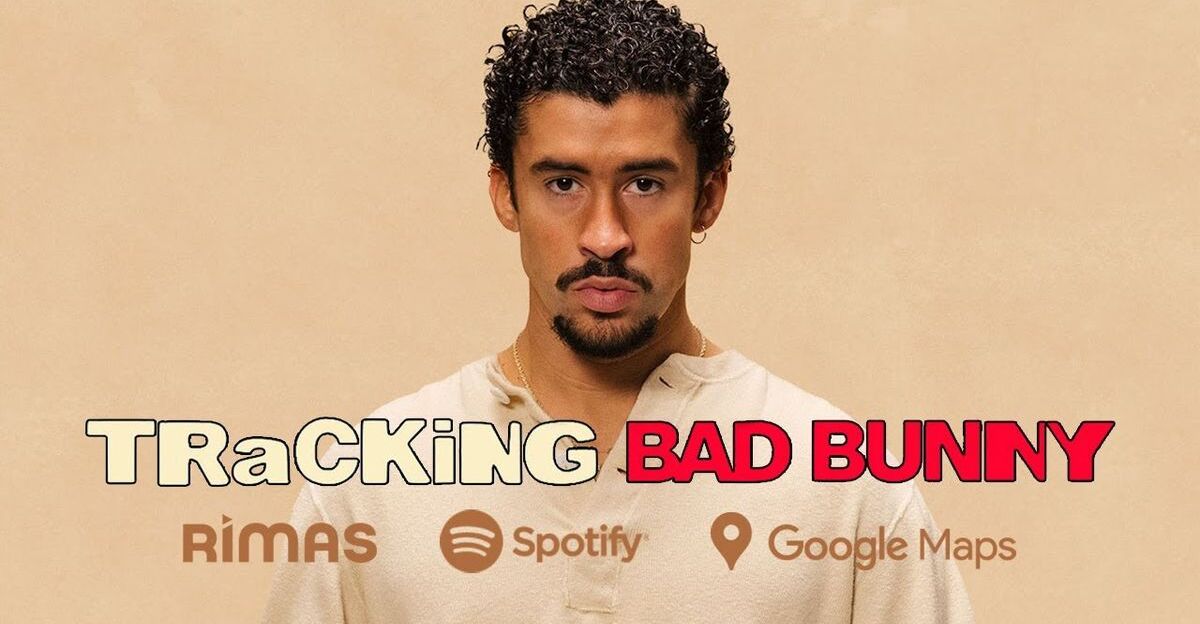
The lawsuit names not only Bad Bunny but also his label, Rimas Entertainment, and producer La Paciencia as defendants.
This multi-defendant structure suggests that Rivera’s legal team is pursuing all parties involved in the creation, licensing, and commercial deployment of the recording.
Rimas Entertainment, a major Latin music label, now faces potential liability for failing to secure proper clearance or consent documentation before incorporating Rivera’s voice into released tracks and promotional campaigns.
The Broader Consent Crisis in Music
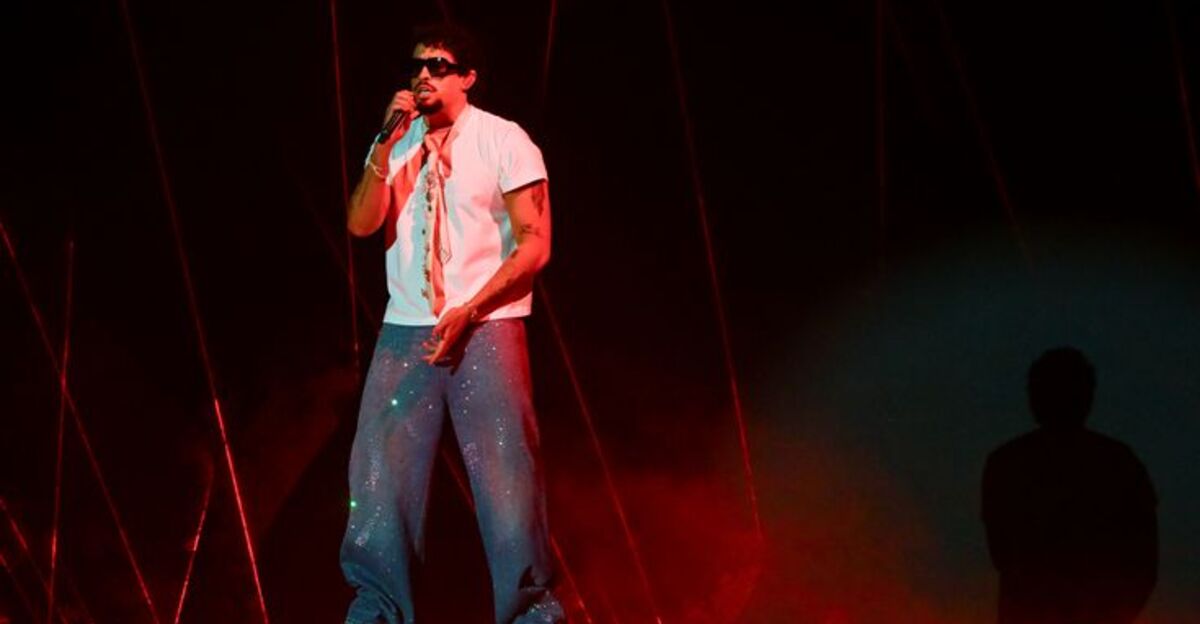
These lawsuits highlight a systemic issue: informal or student-era recordings often lack clear contractual frameworks governing commercial use. Producers and labels may assume verbal permission or casual studio sessions grant broad rights.
However, courts increasingly recognize that the absence of a written contract and explicit consent constitutes infringement.
Bad Bunny’s dual lawsuits exemplify how the music industry’s historical laxity around voice rights is now facing legal consequences.
The Same Legal Team, Two Cases
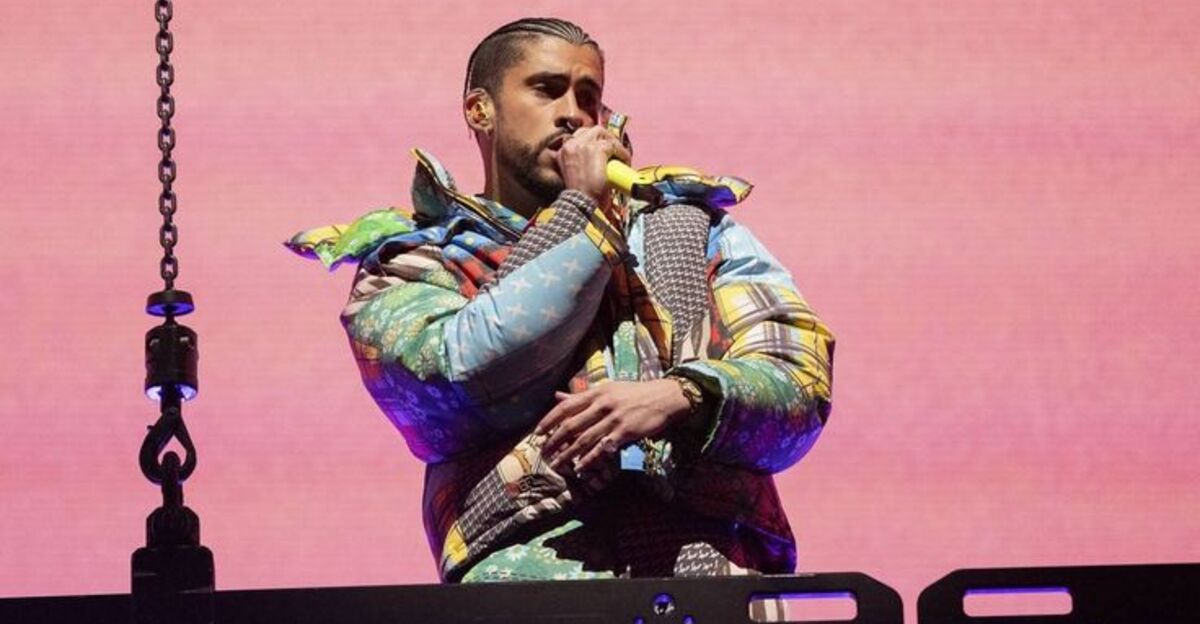
A striking detail: the attorneys representing Serrano Rivera in the current $16 million suit are the same team handling Carliz de la Cruz Hernández’s $40 million claim from 2023.
This coordination suggests a deliberate legal strategy targeting Bad Bunny’s alleged pattern of voice misuse.
The shared counsel raises questions about whether these cases are being pursued in tandem to maximize pressure or settlement leverage against the artist and his label.
Bad Bunny’s Team Stays Silent
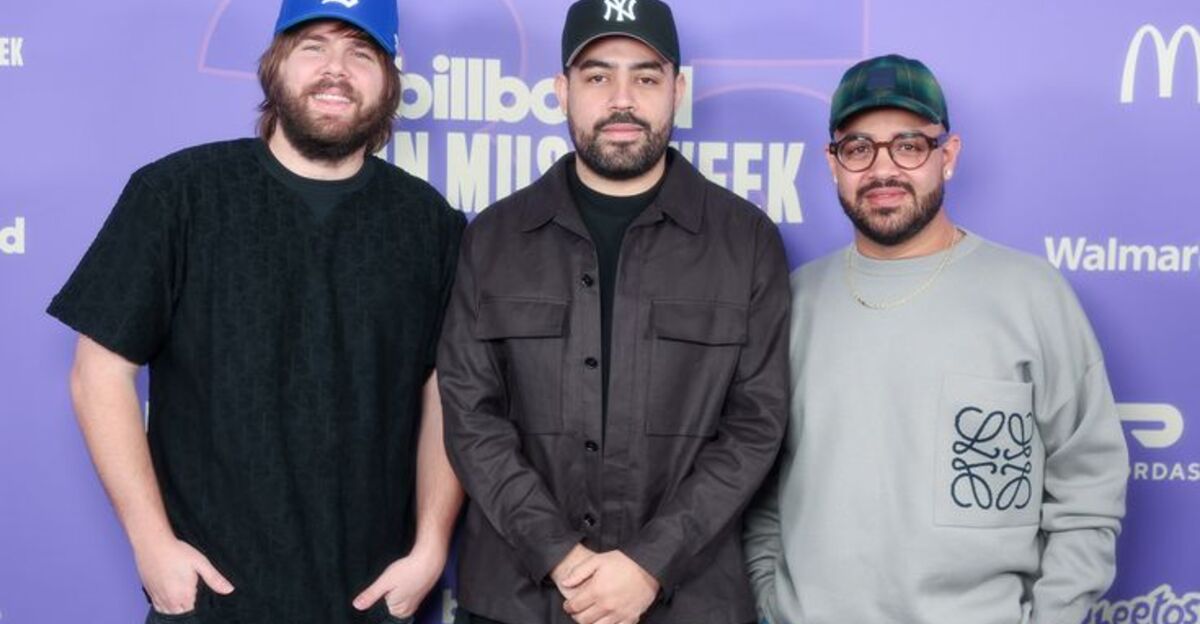
As of mid-January 2026, Bad Bunny’s representatives have not publicly responded to the lawsuit or Rivera’s allegations.
The artist’s silence contrasts with the high-profile nature of the claim and the imminent Super Bowl performance.
Legal strategy often dictates restraint during active litigation, yet the absence of a statement leaves the narrative largely controlled by Rivera’s legal filings and media coverage. This silence may intensify public scrutiny.
The May Court Date: A Timeline Emerges
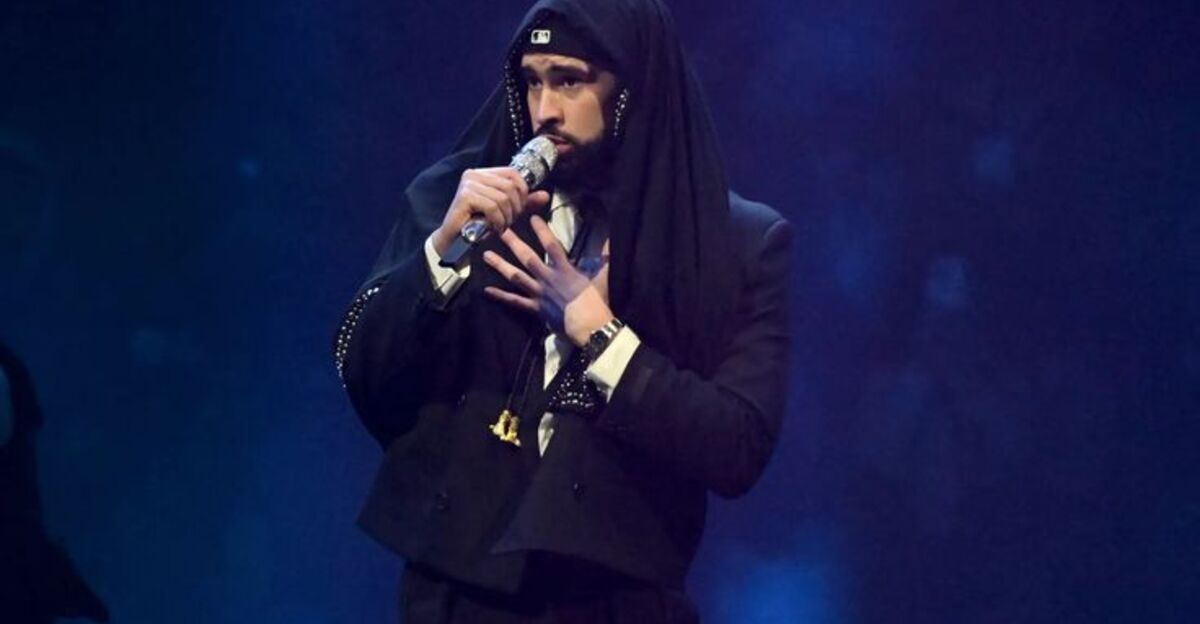
According to reports, the lawsuit may face a court hearing in Puerto Rico in May 2026. This timeline would place the resolution months after Bad Bunny’s Super Bowl halftime performance on February 8.
The artist will perform under the shadow of unresolved legal claims, which may affect his brand perception and commercial opportunities.
The May timeframe also coincides with the ongoing 2023 case brought by Hernández, creating a compressed legal calendar for the reggaeton star.
Super Bowl Spotlight Amid Controversy

Bad Bunny’s selection as Super Bowl LX halftime headliner was announced in September 2025. The three-time Grammy winner will perform before an estimated 120 million viewers at Levi’s Stadium.
However, the timing of the January 5 lawsuit filing—just one month before the performance—intensifies scrutiny.
The superstar’s cultural moment is now entangled with legal allegations, potentially reshaping how audiences and critics perceive his Super Bowl appearance.
Political Backlash Compounds Pressure
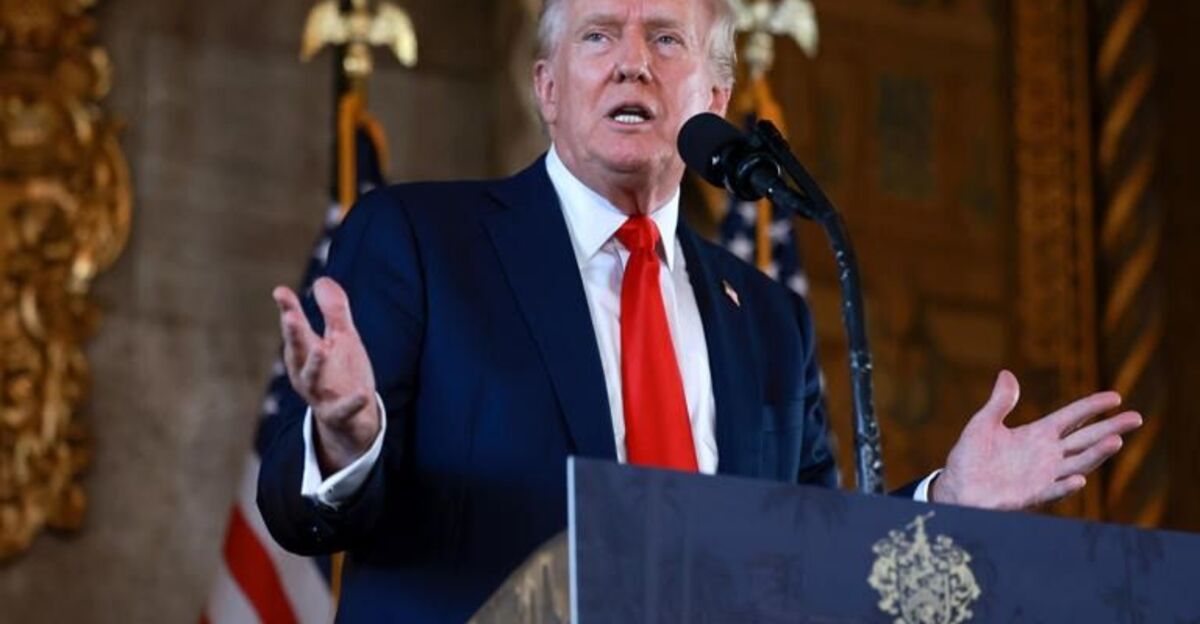
Beyond the lawsuits, Bad Bunny faces criticism from Trump-aligned political figures who have labeled him a “massive Trump hater” and “anti-ICE activist.”
Critics have attacked his Spanish-language songs and vocal support for immigrants. NFL Commissioner Roger Goodell defended the selection in October 2025, stating the decision was “carefully thought through.”
The convergence of legal challenges and political backlash creates a complex environment for the artist’s Super Bowl moment.
What’s at Stake: Financial and Reputational
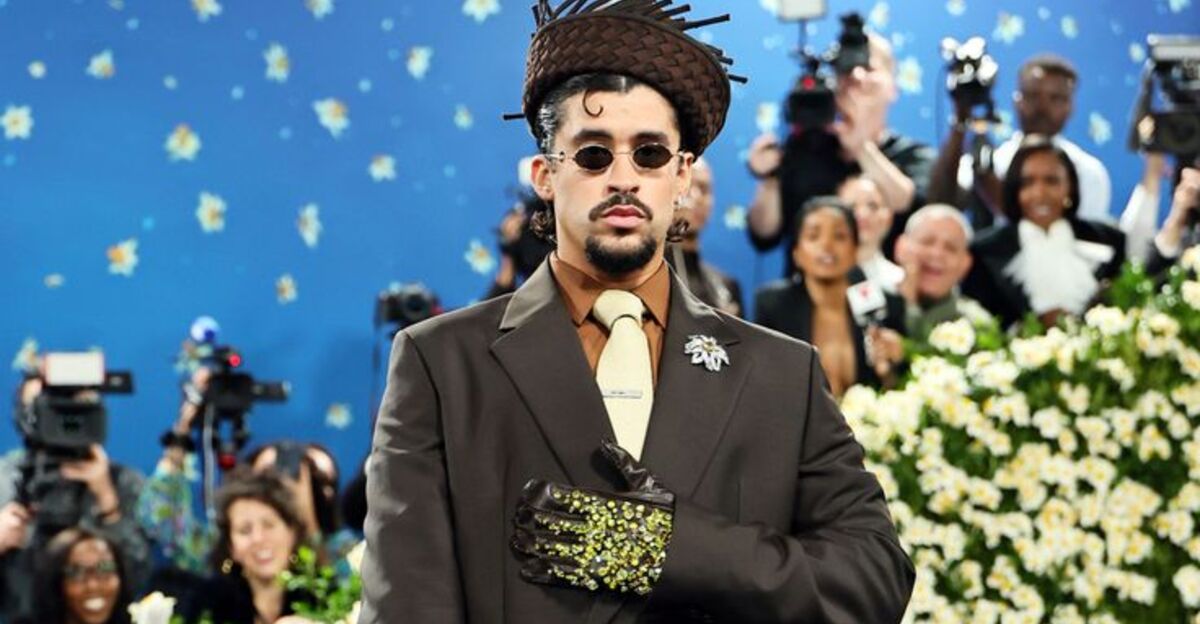
The combined $56 million in pending voice-related lawsuits ($16 million plus the $40 million claim) represents a significant financial exposure for Bad Bunny and Rimas Entertainment.
Beyond dollars, the allegations threaten the artist’s reputation as a responsible creator and collaborator.
If courts find against him, the verdicts could establish precedent for stricter voice-use standards across the music industry, affecting how producers and labels handle informal recordings.
Legal Precedent: Voice as Intellectual Property
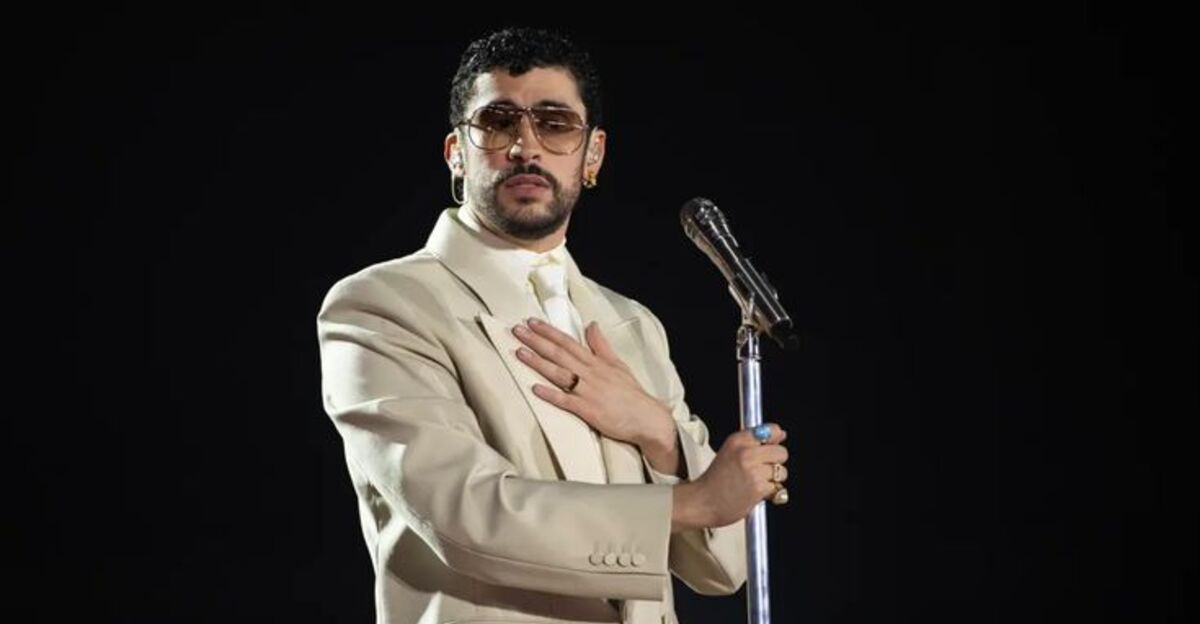
Puerto Rico’s courts will likely examine whether Rivera’s voice recording constitutes protectable intellectual property and whether Bad Bunny’s use violated her publicity rights.
The case may establish or clarify standards for voice-use consent in the Caribbean jurisdiction.
If Rivera prevails, the ruling could influence how other artists and labels approach informal recordings, potentially requiring explicit written agreements even for casual studio sessions or student projects.
Label Accountability
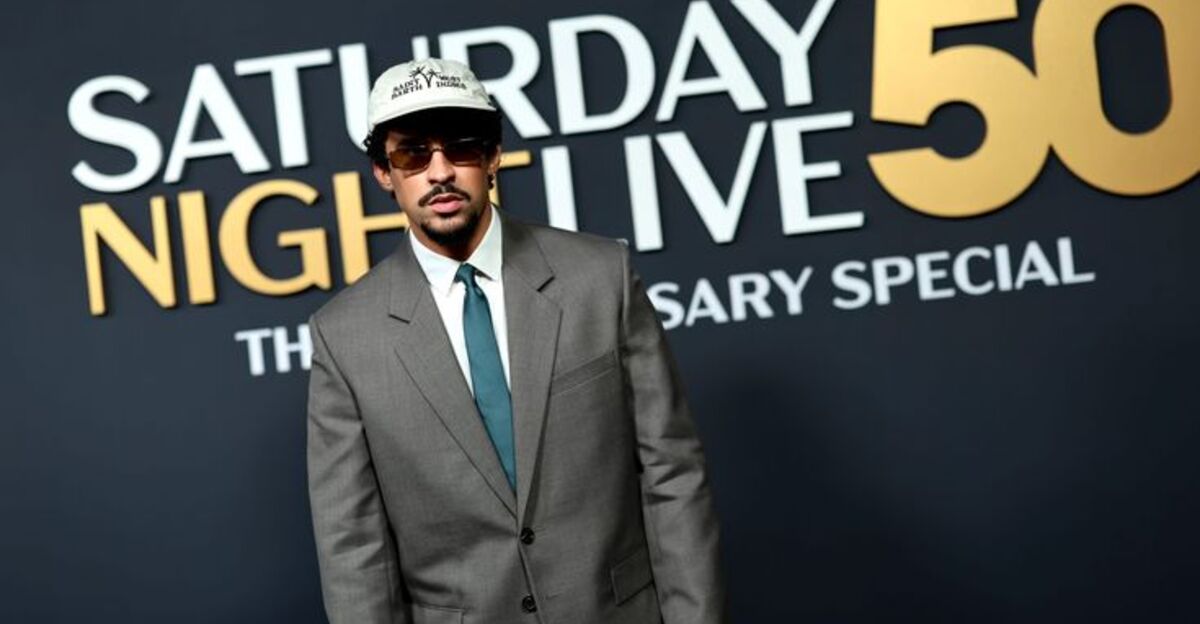
Rimas Entertainment’s inclusion as a defendant signals that labels—not just artists—face liability for voice-use violations.
This shift may prompt major labels to audit their catalogs, strengthen clearance procedures, and implement stricter documentation standards.
The case underscores that corporate entities cannot rely on artist or producer assurances; they must verify consent independently. Industry-wide compliance costs could rise significantly.
The Consent Conversation: Shifting Norms
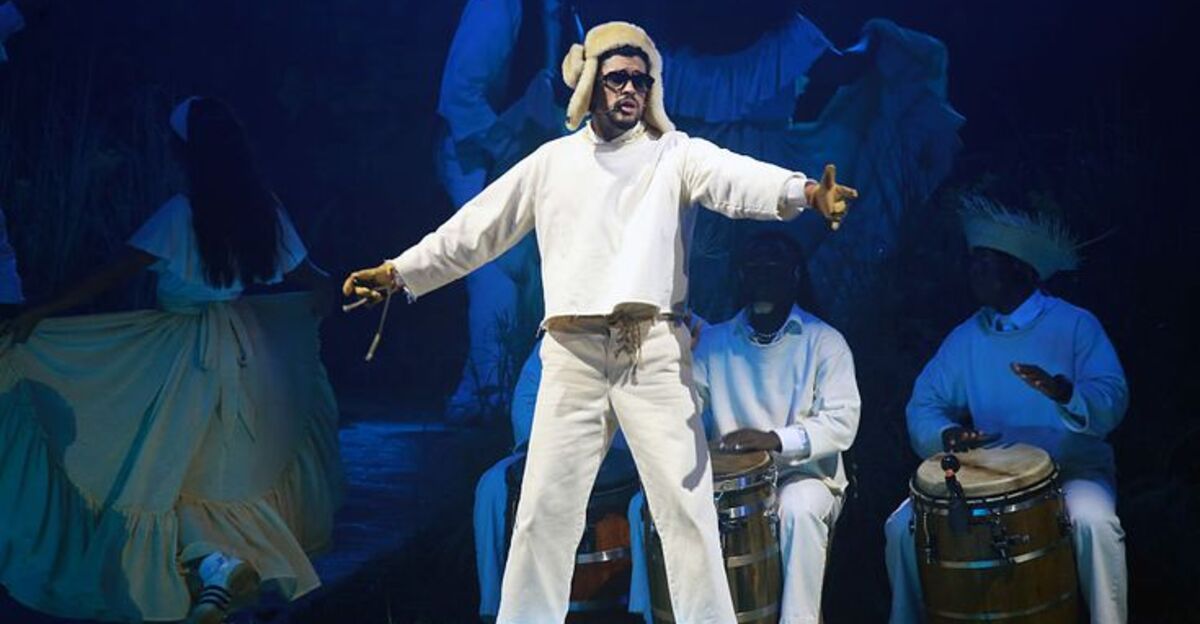
Bad Bunny’s lawsuits reflect broader cultural and legal shifts toward recognizing consent and fair compensation in creative work.
Younger artists and producers increasingly demand explicit agreements and credit for their contributions.
The cases signal that informal studio culture—where verbal agreements and handshake deals once sufficed—is giving way to formalized, documented consent frameworks. This evolution protects creators but also complicates production workflows.
What Comes Next: Settlement or Trial?
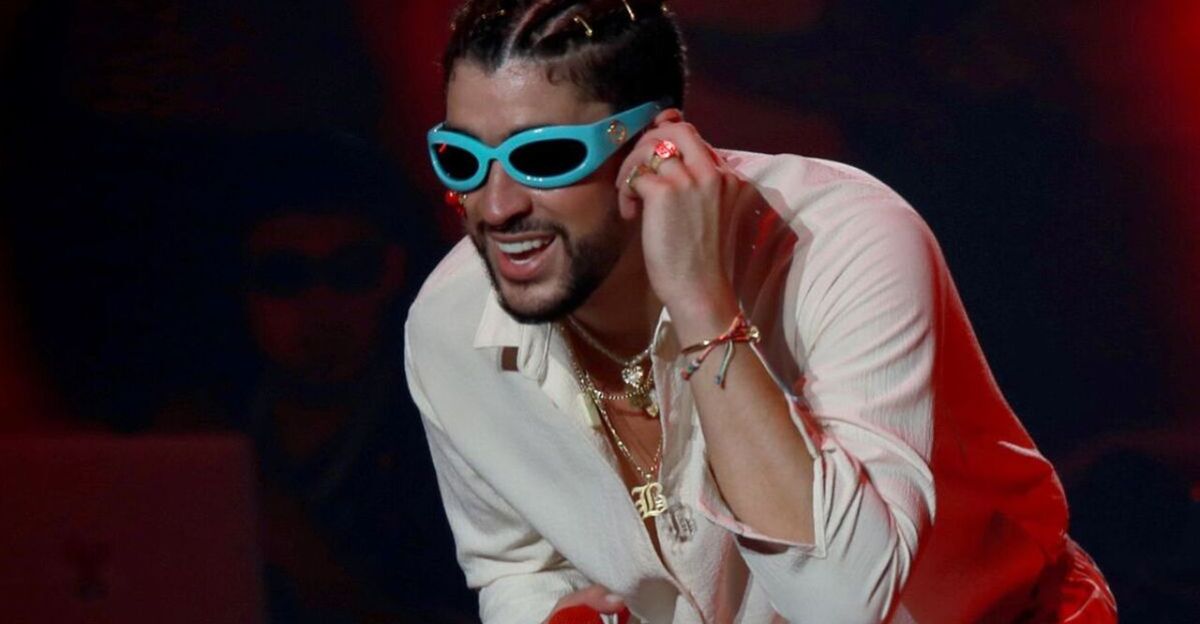
Industry observers speculate whether Bad Bunny and Rimas Entertainment will settle the claims before trial or contest them in court.
Settlement could avoid prolonged litigation and negative publicity, but would require substantial payments. A trial would allow the defendants to challenge Rivera’s claims, but it risks public testimony and unfavorable precedent.
The reported May 2026 court date will clarify the path forward, with implications for both parties and the broader music industry.
The Bigger Picture: Accountability in Stardom
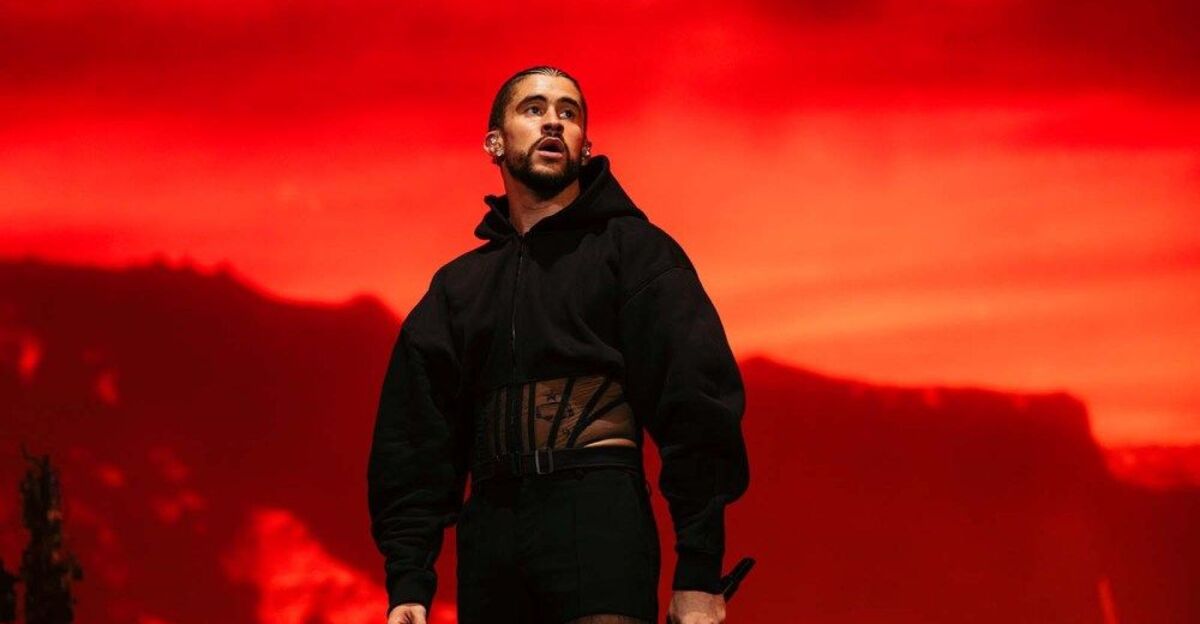
Bad Bunny’s $16 million lawsuit and the pending $40 million claim represent a watershed moment for artist accountability in the streaming era.
As global superstars accumulate unprecedented wealth and reach, legal and cultural expectations for ethical conduct intensify.
These cases ask whether fame and commercial success exempt artists from consent obligations or whether they demand heightened responsibility. The answers emerging from Puerto Rico’s courts will shape industry norms for years to come.
Sources:
Indulge Express January 10, 2026
ABC News January 2026
Parade January 11, 2026
Independent January 18, 2026
HotNewHipHop January 9, 2026
San Francisco Chronicle January 2026