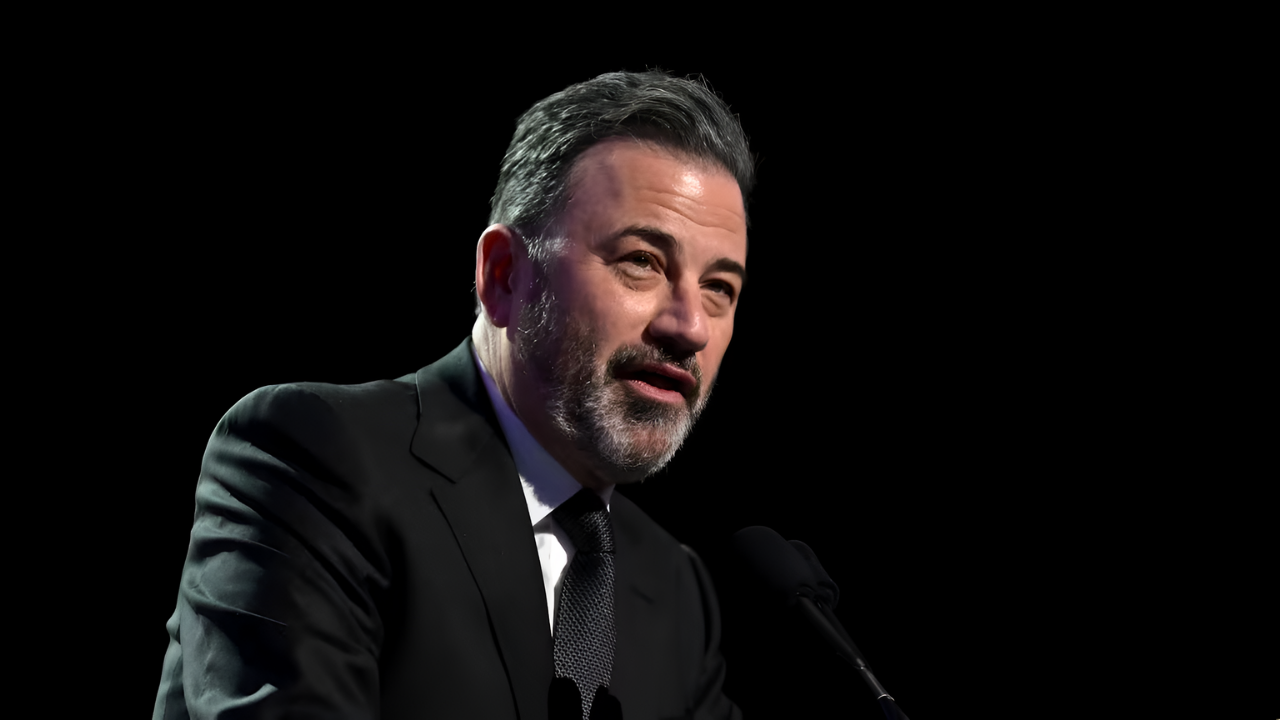
ABC’s sharp reduction in the music budget for Jimmy Kimmel Live! signals a pivotal shift in broadcast late-night television. Starting early 2026, the show will drop musical performances from about five per week to roughly two, slashing costs by nearly 60 percent amid shrinking audiences and ad revenue.
The Turbulent Year That Set the Stage
Jimmy Kimmel’s 2025 was marked by upheaval. On September 15, his monologue referenced the shooting death of political activist Charlie Kirk at Utah Valley University days earlier. Conservative media outlets erupted in criticism, turning the segment into a national controversy.
Two days later, FCC Commissioner Brendan Carr warned Disney and ABC on a conservative podcast, implying regulatory risks with his “easy way or hard way” comment. Broadcast licenses hung in the balance, amplifying pressure on network leaders.
On September 18, ABC suspended the show indefinitely. Major station groups Nexstar Media Group and Sinclair Broadcast Group quickly preempted episodes on affiliates. The blackout ended swiftly amid public backlash against perceived overreach.
The show returned September 24 to record viewership: 6.5 million live and same-day viewers, the second-highest in its history. Online clips garnered 22 million YouTube views in two weeks, far outpacing traditional TV numbers.
From Ratings Win to Budget Cuts
Despite the buzz, ABC imposed cuts months later. In January 2026, staff learned of the music reductions, with no public explanation. The show’s annual production cost stands at about $120 million, per Kimmel’s prior disclosure—a figure strained by halved ad revenue since 2018 across ABC, CBS, and NBC.
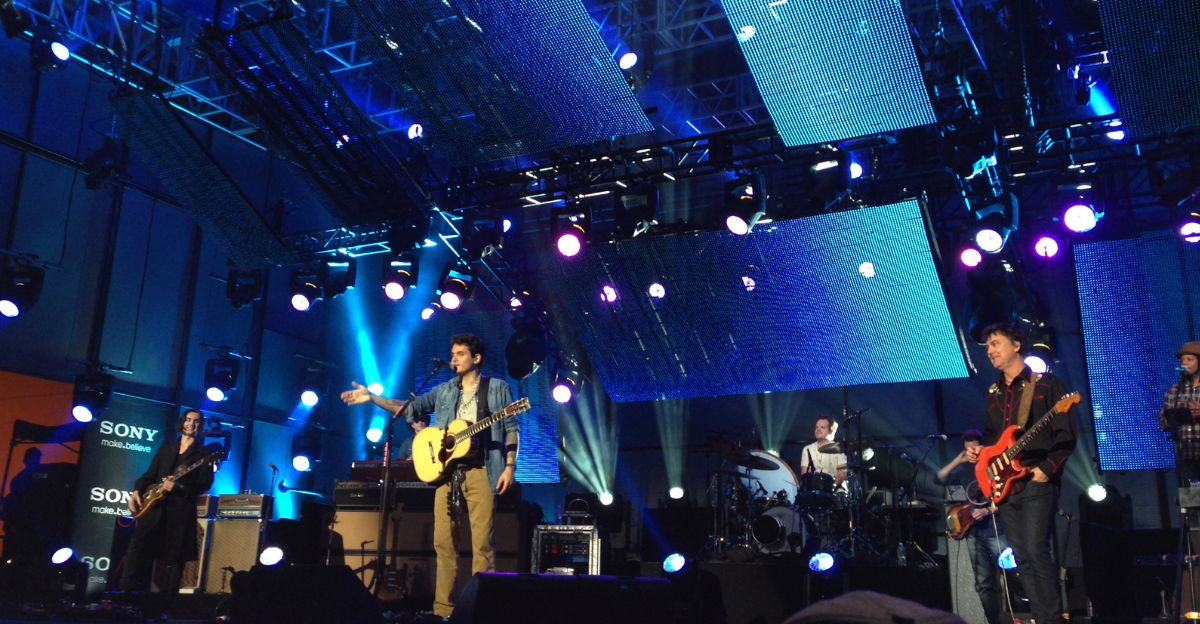
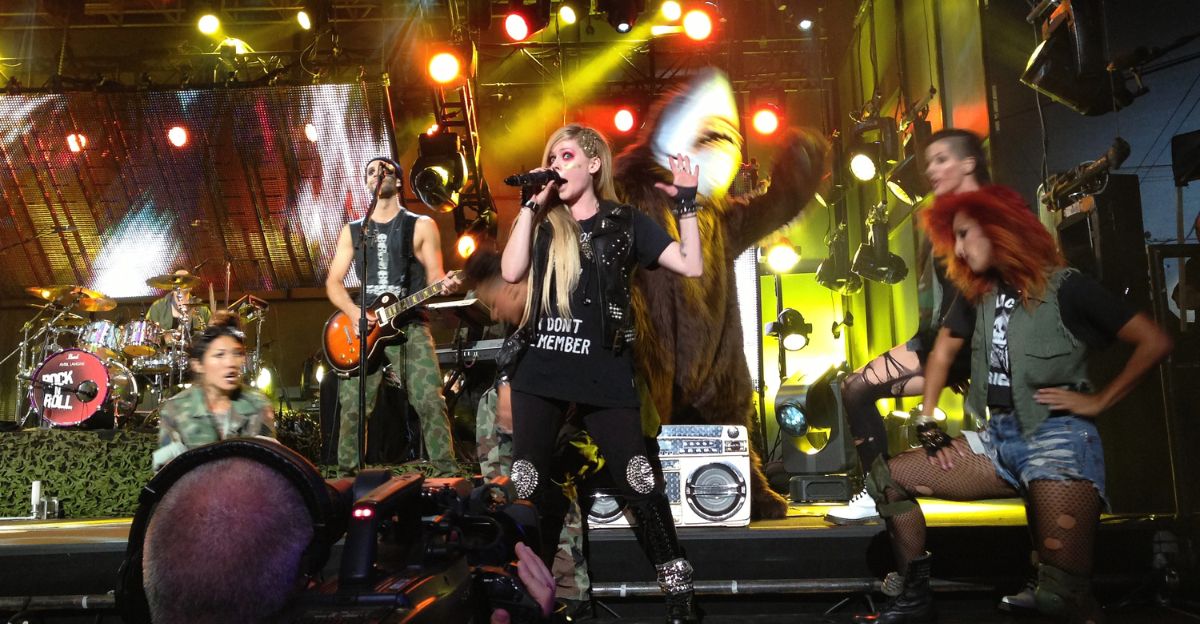
Music segments bear high expenses: full bands demand extra stage crews, sound engineers, rehearsals, licensing, and overtime. Trimming them preserves the hour-long format and ad slots without layoffs or fewer episodes, potentially saving tens of millions yearly.
The Broader Late-Night Decline

Late-night TV has shed 70 to 80 percent of its audience since 2015, reflecting structural woes. NBC’s Late Night with Seth Meyers axed its house band. CBS plans to end The Late Show with Stephen Colbert in 2026 after sustained losses.
Musical bookings, once 800 annually in the early 2010s, fell to 200 by 2023. Kimmel’s cuts alone eliminate 150 to 200 slots yearly, curtailing a key platform for emerging artists. Music producer Jim Pitt has informed crews, technicians, and band members of fewer paid gigs, rippling through unions and publicists.
Global artists, too, lose a U.S. TV debut stage; performances spread worldwide via YouTube and social media. Fewer tapings may push them toward festivals and streaming.
Fallout and Future Stakes
Debate lingers over timing: financial pressures predated the suspension, yet cuts followed FCC scrutiny. Kimmel’s contract runs through May 2027 after a one-year extension.
Viewers face diminished spontaneity, as live music vanishes from a format already thinning. Networks prioritize margins over prestige, pitting legacy shows against streaming. Digital metrics soar—Kimmel’s online reach quadrupled TV—yet decisions cling to broadcast declines.
This reshaping blends politics, economics, and viewer shifts. Late-night’s survival hinges on adapting to a leaner model, where cultural platforms contract amid evolving media landscapes.
Sources:
“‘Jimmy Kimmel Live’ to Decrease Music Performances to a ‘Variable’ Number Per Week.” Variety, 6 Jan 2026.
“Suspension of Jimmy Kimmel Live!” Wikipedia, Sept 2025.
“FCC’s Carr: Jimmy Kimmel misled on Charlie Kirk killing.” CNBC, 18 Sept 2025.
“How Musical Guests Disappeared from Late Night TV.” Consequence, 9 Apr 2025.