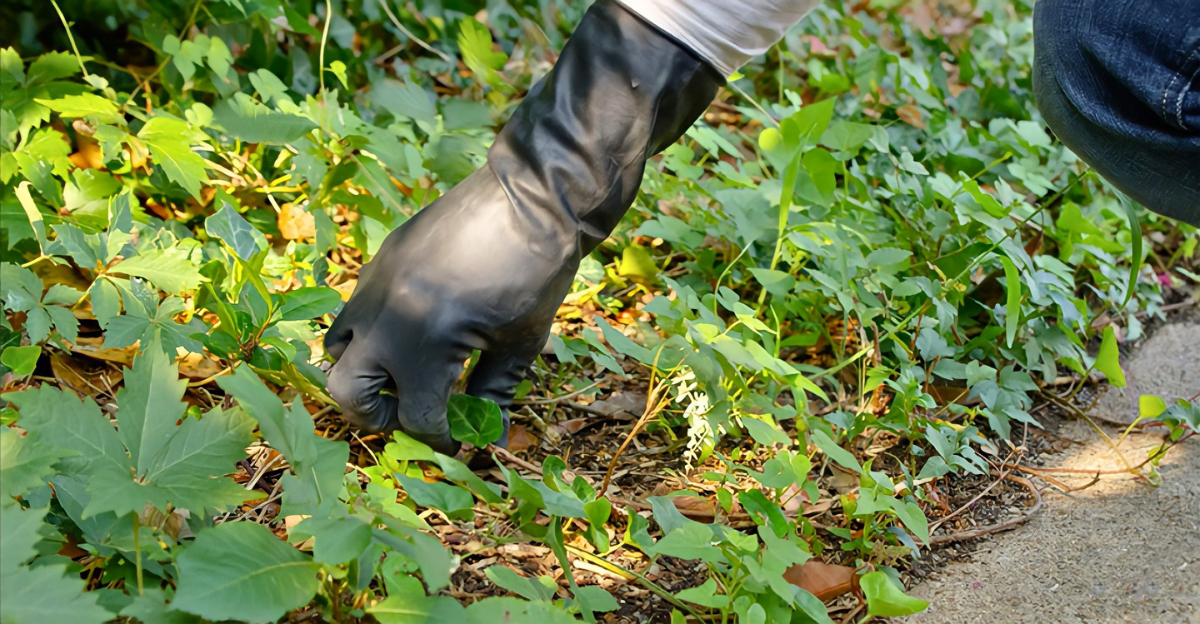
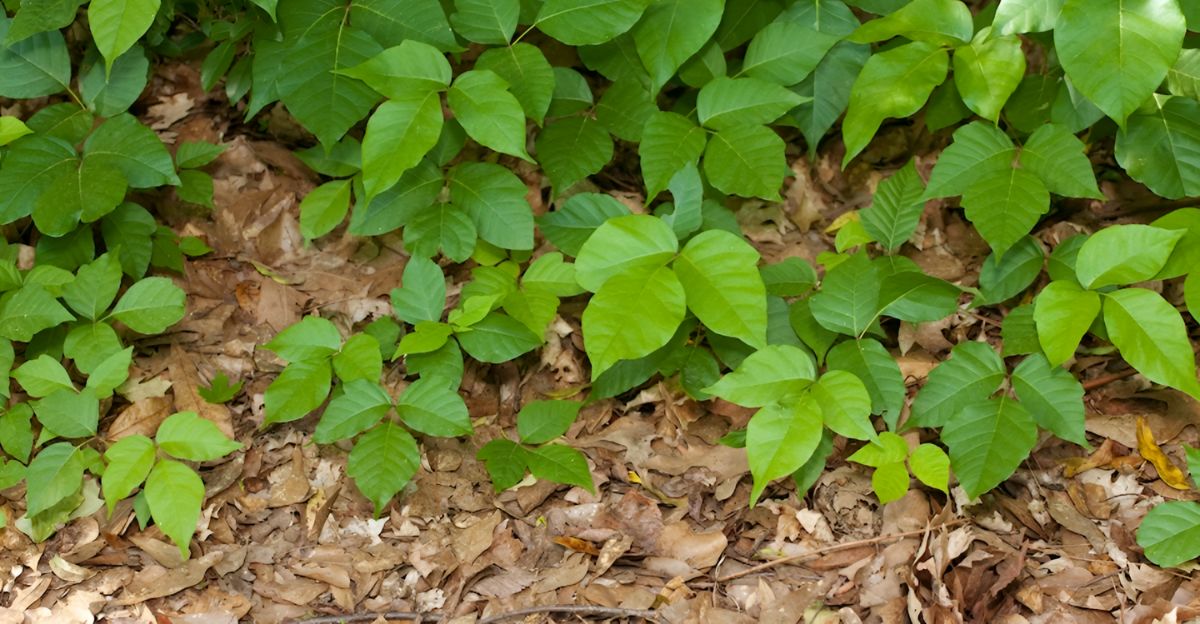
Every year, up to 50 million Americans suffer from poison ivy rashes, making it the country’s top cause of allergic reactions. Experts warn that the plant’s oily resin, urushiol, sticks to tools, clothes, and even pets causing rashes long after contact. According to researchers, a warmer, CO₂-rich climate is expanding poison ivy’s reach. With once-safe parks and yards now at risk, homeowners are left asking: what’s the safest way to fight back?
Why the Rash Season Is Getting Worse
According to a six-year Free-Air CO₂ Enrichment study, poison ivy’s biomass increased by about 150% under 570 ppm CO₂ and produced a more allergenic form of urushiol. Plant physiologist Lewis Ziska calls poison ivy a “climate-change winner” because it grows bigger, faster, and rebounds quickly after cutting. As these vines thrive in suburban and urban areas, exposure, and frustration, are steadily increasing.
Why Roots Matter Most
Early colonists complained about “three-leafed creepers” that caused skin blisters. In the 19th century, botanists officially named the vine Toxicodendron radicans. Today, about 85% of people are sensitive to poison ivy, with 10 to 15% experiencing severe reactions. Folk remedies, from bleach to bacon grease, still exist, but scientists agree on one key fact: if the roots survive, the vine will return.
Why Spray Isn’t Always the Best First Step
Many homeowners reach for broad-spectrum herbicides, but poison ivy’s stubborn roots often bounce back, requiring repeat applications. Even dead vines can cause rashes years later thanks to lingering urushiol oil. Extension trials confirm it’s tough to fully kill without follow-up. With growing concerns about harming nearby plants and water sources, safer methods and professional help are becoming more popular for long-term control without the chemical side effects.
What the “Poison Ivy Horticulturist” Said
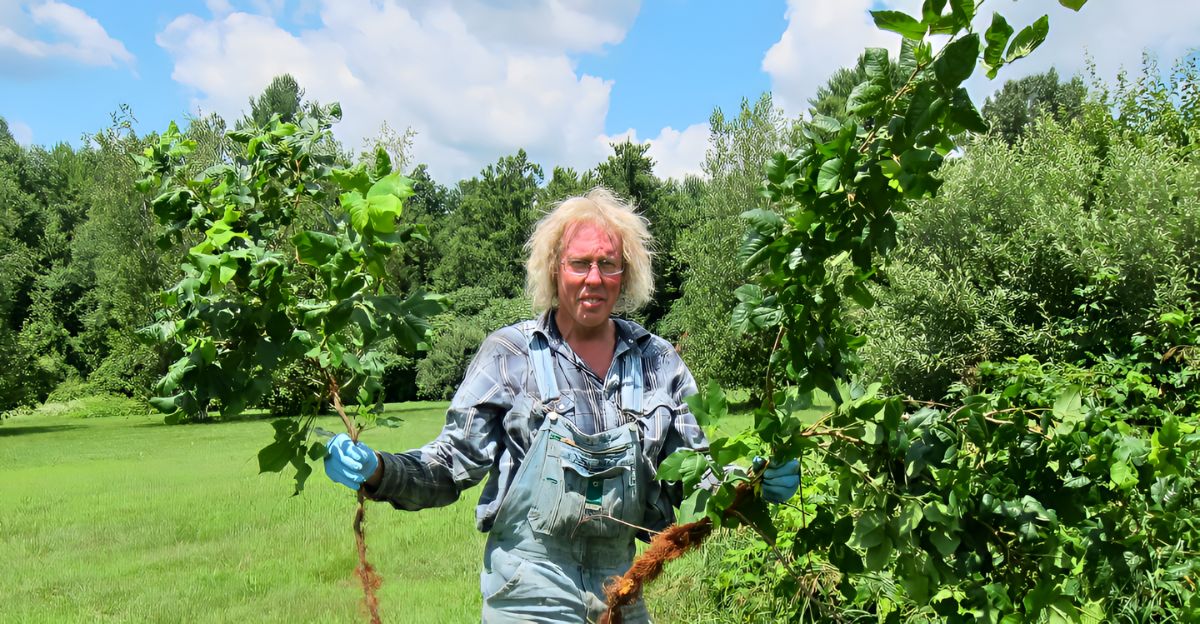
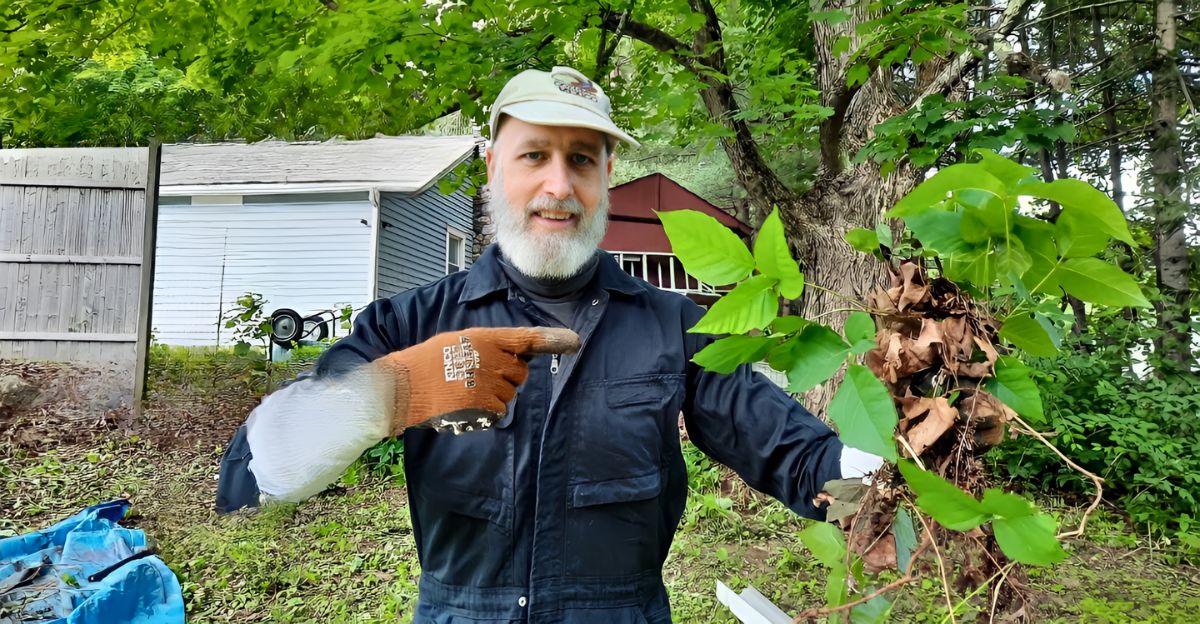
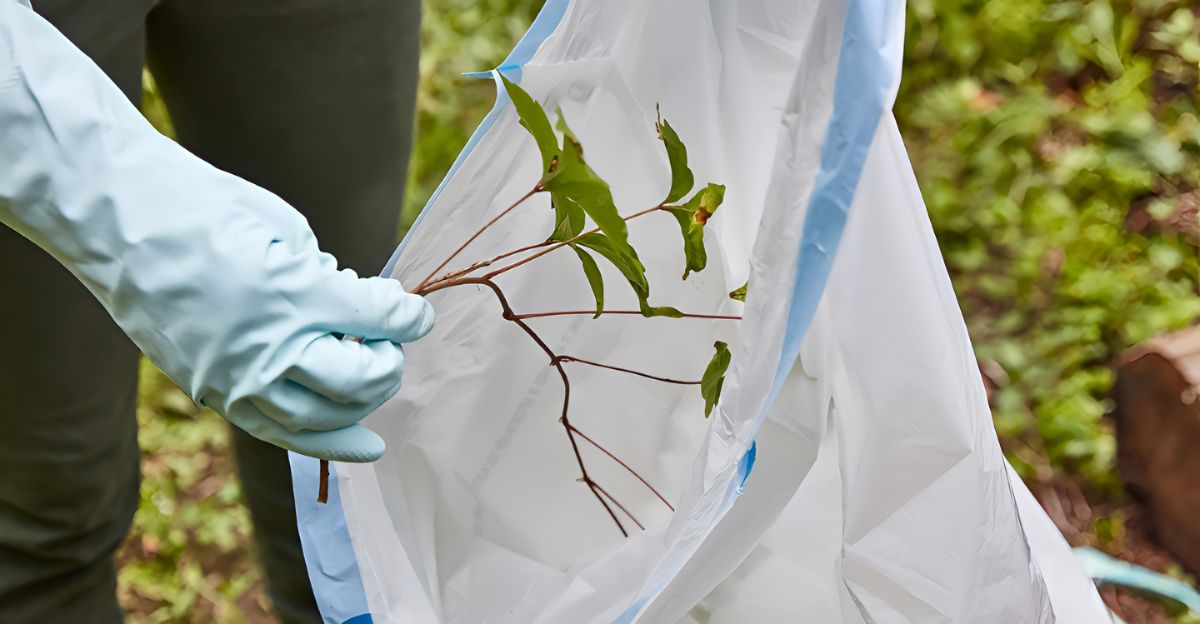
Umar Mycka, known as the “Poison Ivy Horticulturist,” swears by a chemical-free method. His team cuts vines at the base, removes woody roots, and bags everything up—no herbicide needed. For many moderate cases, this one-and-done approach works beautifully. It avoids chemical drift and protects nearby plants. Mycka recommends a follow-up inspection, but his hands-on method is winning fans for being safer, cleaner, and surprisingly effective.
When Poison Ivy Hits Close to Home
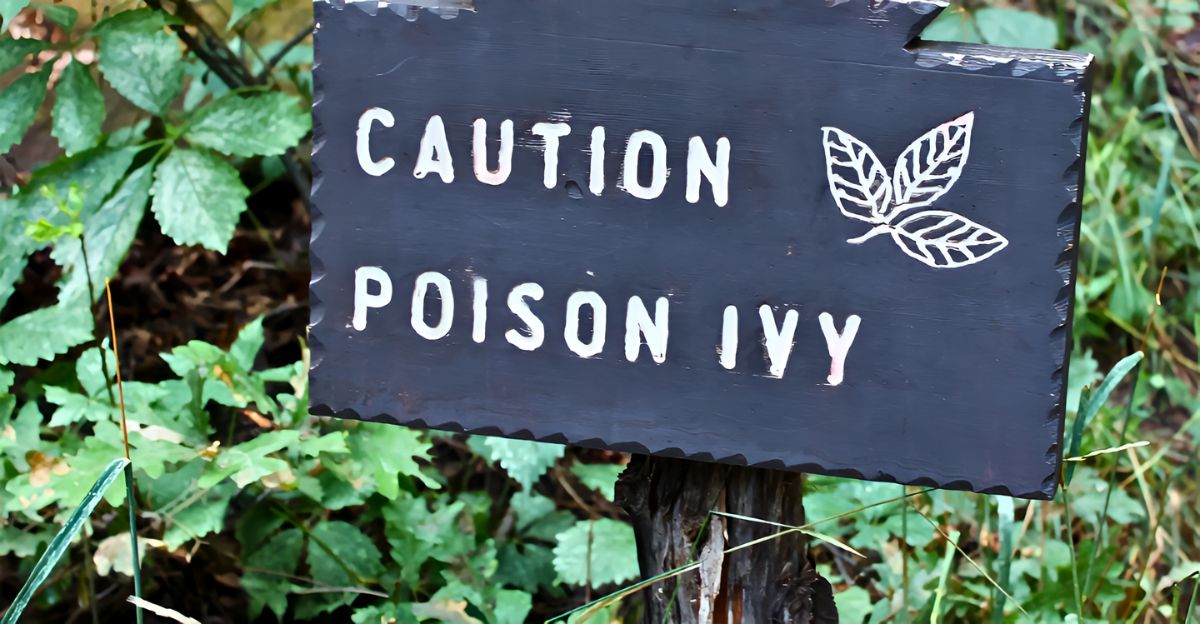
Staten Island resident Susan Scharff needed steroids after touching poison ivy vines in Clove Lake Park, according to CBS New York. Kansas State expert Cynthia Domenghini warns urushiol oil lingers on boots and tools for months or years. Severe reactions can lead to infections and missed work. Professional crews using manual removal report safer results with no chemical exposure.
New Tools for Safer Ivy Removal
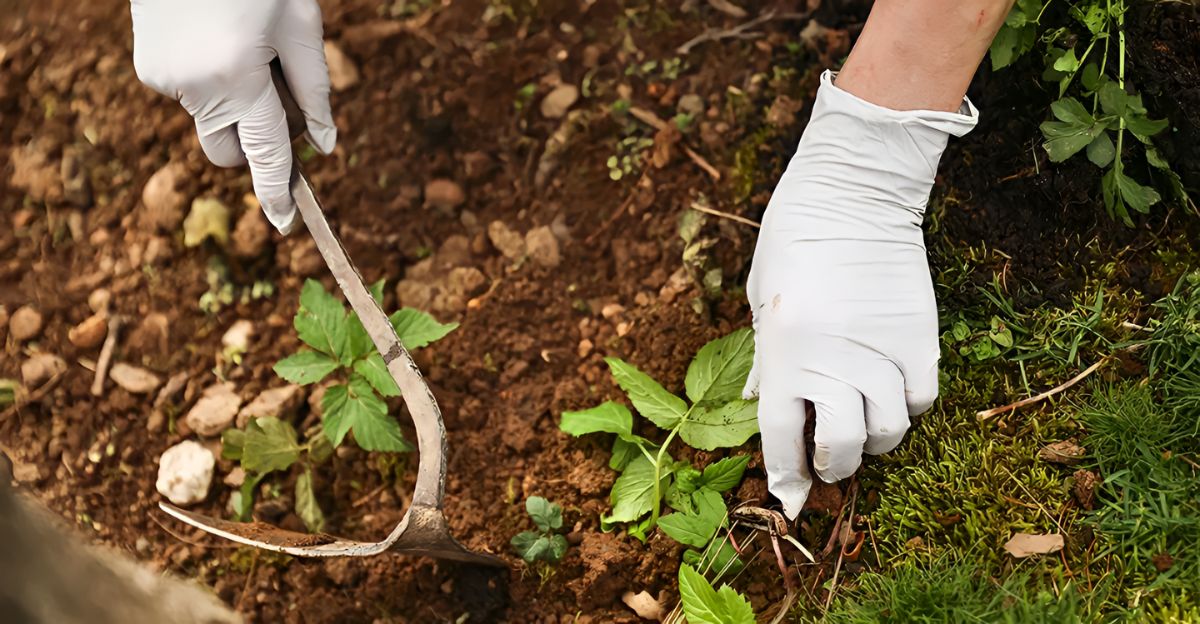
Chemical companies now offer precision tools like cut-stump applicators to apply herbicide directly on freshly cut poison ivy stumps, cutting down spray drift, says LSU AgCenter. Tool makers also sell reinforced digging spades designed for uprooting roots. These products reflect how the industry is shifting toward manual-first poison ivy control, meeting landscapers’ demand for safer, targeted removal methods.
What Research Says About Removal Methods
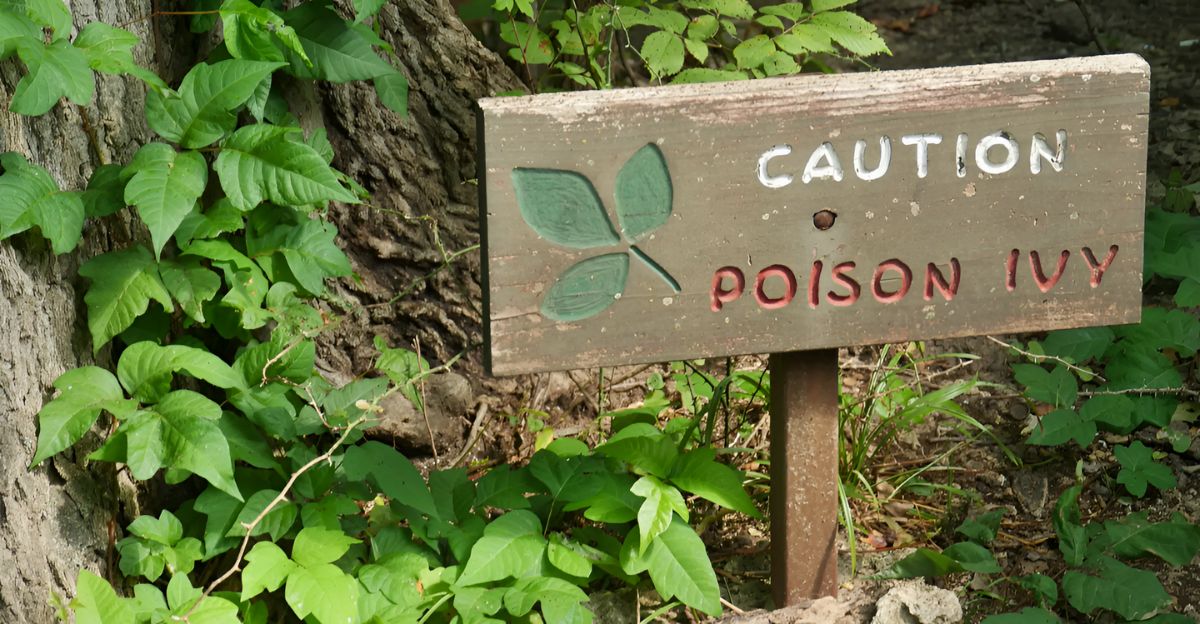
Research in Weed Technology shows dicamba kills 95% of container-grown poison ivy but costs more than triclopyr, according to Cambridge Core. Glyphosate mixed with triclopyr only works well at lower kill rates. Economic studies suggest trained crews using manual removal match chemical treatment costs while avoiding residue and drift. This makes manual control both a smart and cost-effective choice for homeowners.
Manual Removal Helps More Than You Think
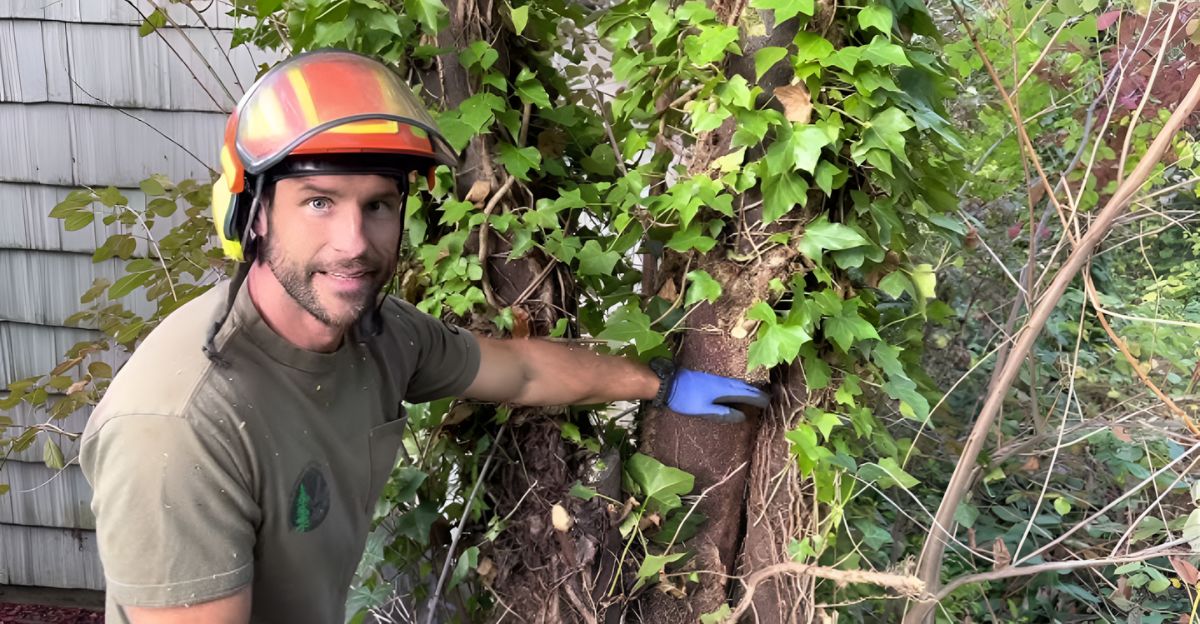
Manual poison ivy removal offers more than just weed control, according to Maryland Grows. Native groundcovers hidden under poison ivy can bounce back within one season, creating better habitat for pollinators. Studies also show broad herbicides harm desirable plants unintentionally. This makes manual removal a win-win, clearing poison ivy while restoring biodiversity. It’s also sparking growth in native plant restoration and seeding services.
Turf Wars Over Poison Ivy Control
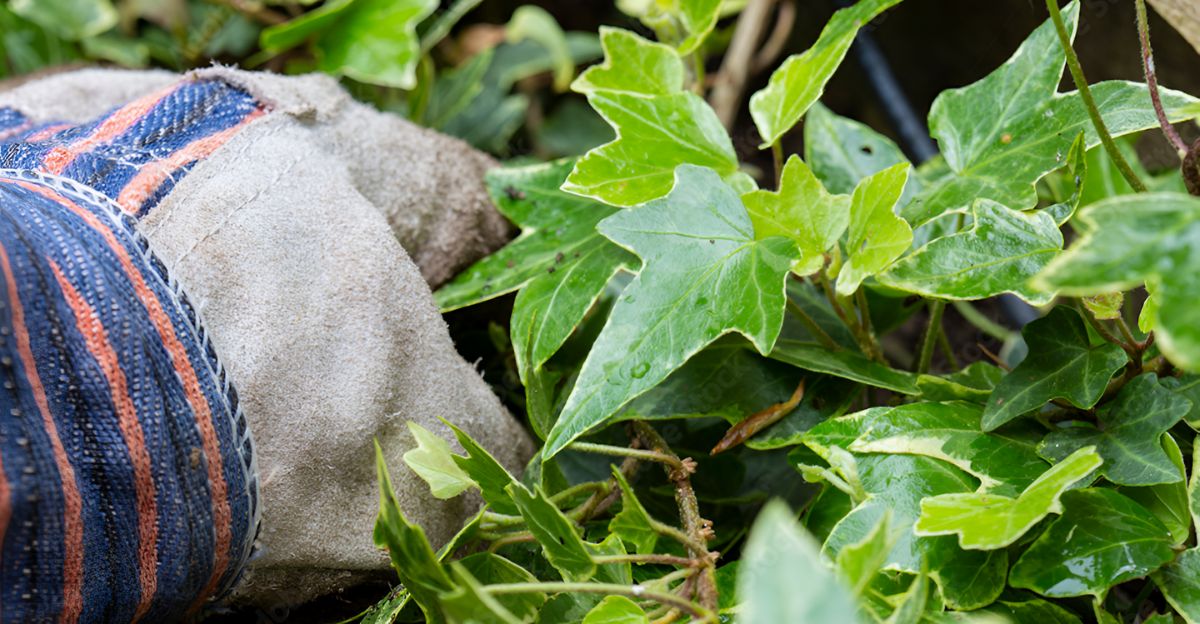
Manual poison ivy removal divides the landscape industry. Some lawn-care companies worry about worker safety and the time digging takes. Others say repeated chemical sprays get expensive and clients want safer choices. This ongoing debate shows the challenge of balancing speed, safety, and customer demand for less herbicide. The industry is searching for the best mix of methods as poison ivy keeps spreading.
Growing Trend in Poison Ivy Control
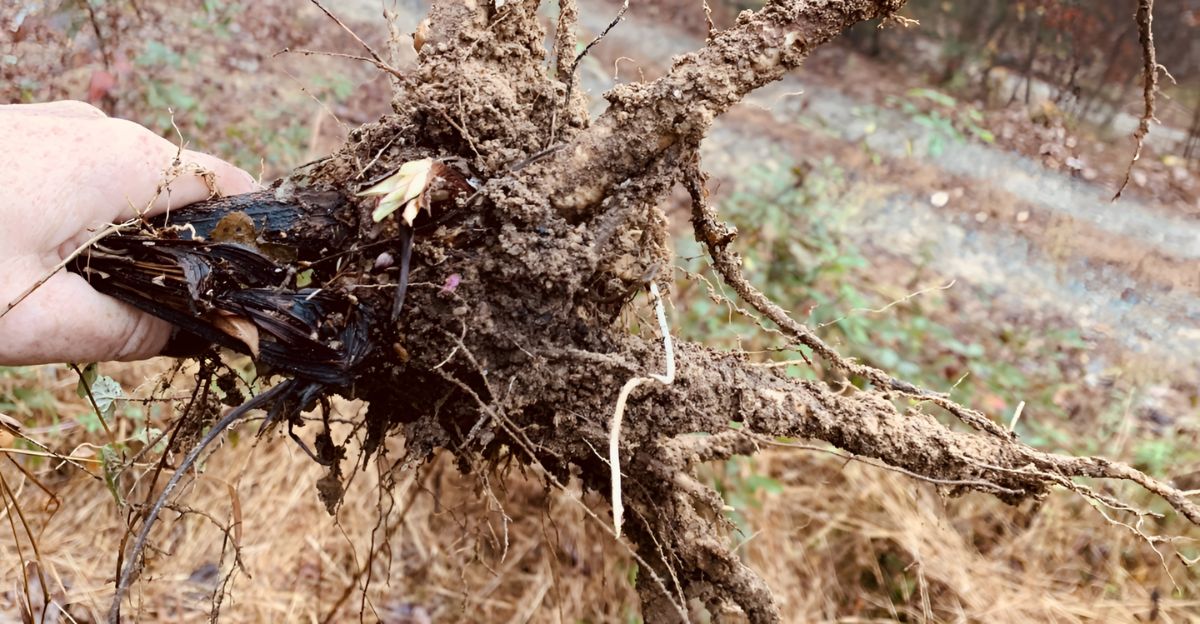
Goat grazing is becoming a popular, eco-friendly way to manage poison ivy, offering a chemical-free alternative. Companies like Rent-A-Ruminant and local governments are turning to goats to clear parks and public spaces. At the same time, herbicide makers develop more precise products targeting woody vines, showing how the industry balances nature-friendly methods with modern science.
Goats on the Front Lines
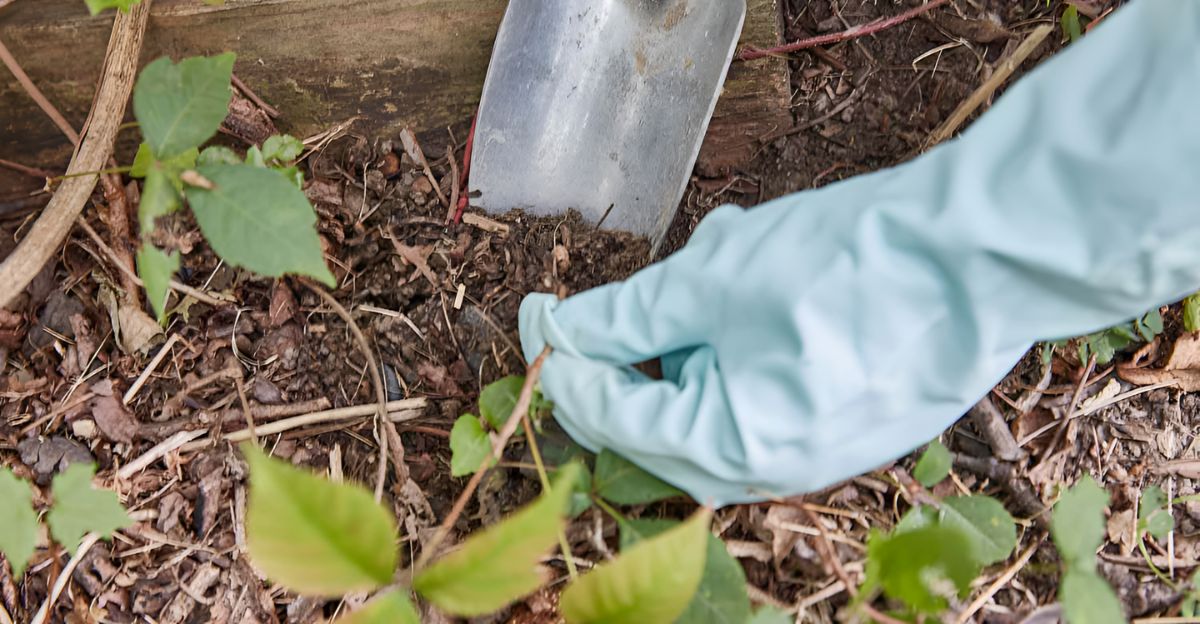
New York City’s Riverside Park Conservancy has been using goats to control. Nearby, North Hempstead hired Green Goats to clear a one-acre site for $10,500 over four months. Cities from North Carolina to New Jersey, plus pilot projects along the Erie Canal, are embracing goats as a natural, cost-effective solution.
Combining Methods for Better Results
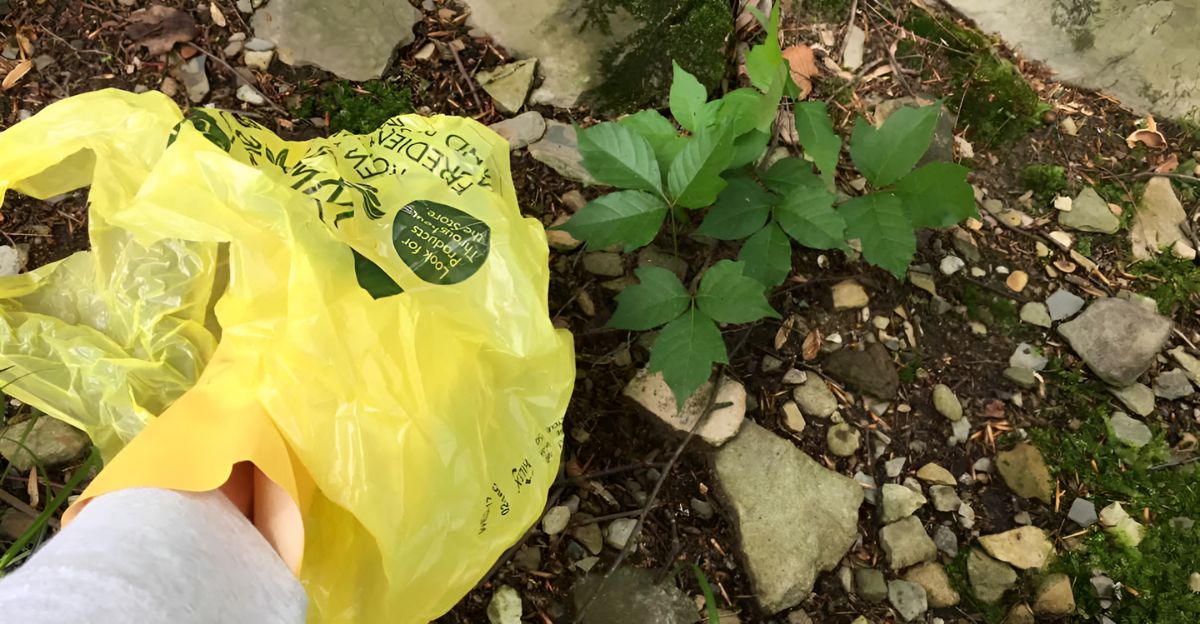
More homeowners are blending manual removal with follow-up care. They use cardboard and mulch to smother missed sprouts, then plant thick ground cover to stop new growth. Extension experts say mixing physical removal and habitat changes leads to better long-term control, though results depend on local conditions. This layered strategy shows how communities can turn a single method into an ongoing solution.
Expert Advice on Tough Ivy
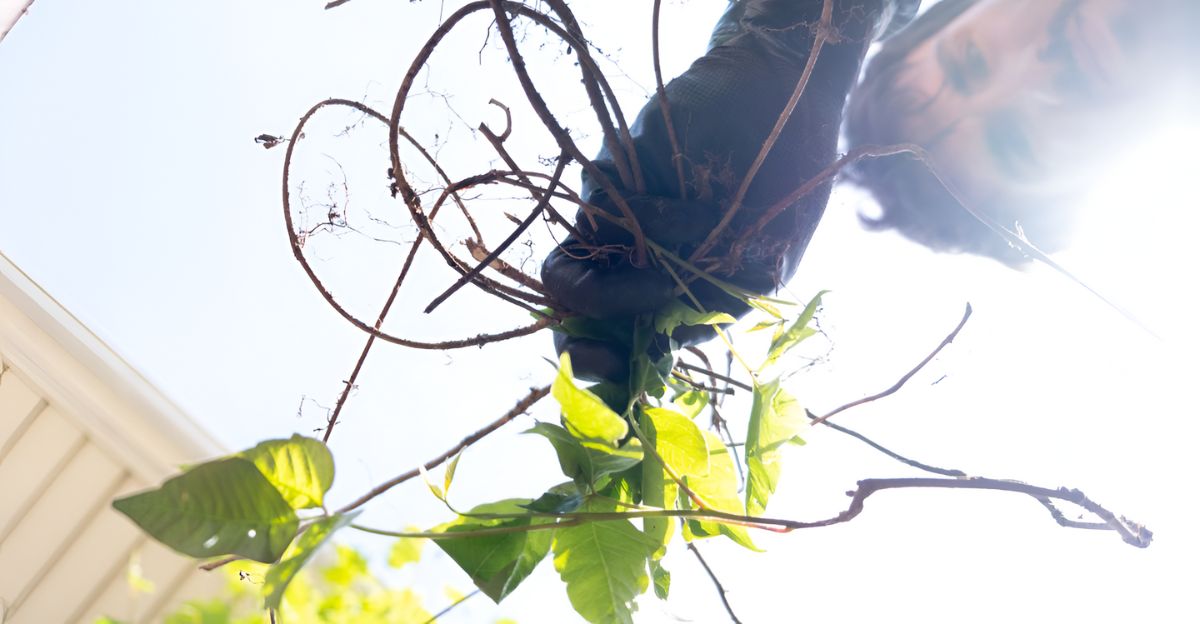
University of Georgia weed scientist Mark Czarnota says triclopyr and three-way herbicides remain important for thick, stubborn poison ivy. Experts recommend digging when soil is moist to avoid root breakage that can cause regrowth. Increasingly, specialists suggest combining manual digging where possible with targeted herbicide use for the best control of mature vines.
Looking Ahead: Fighting Stronger Poison Ivy
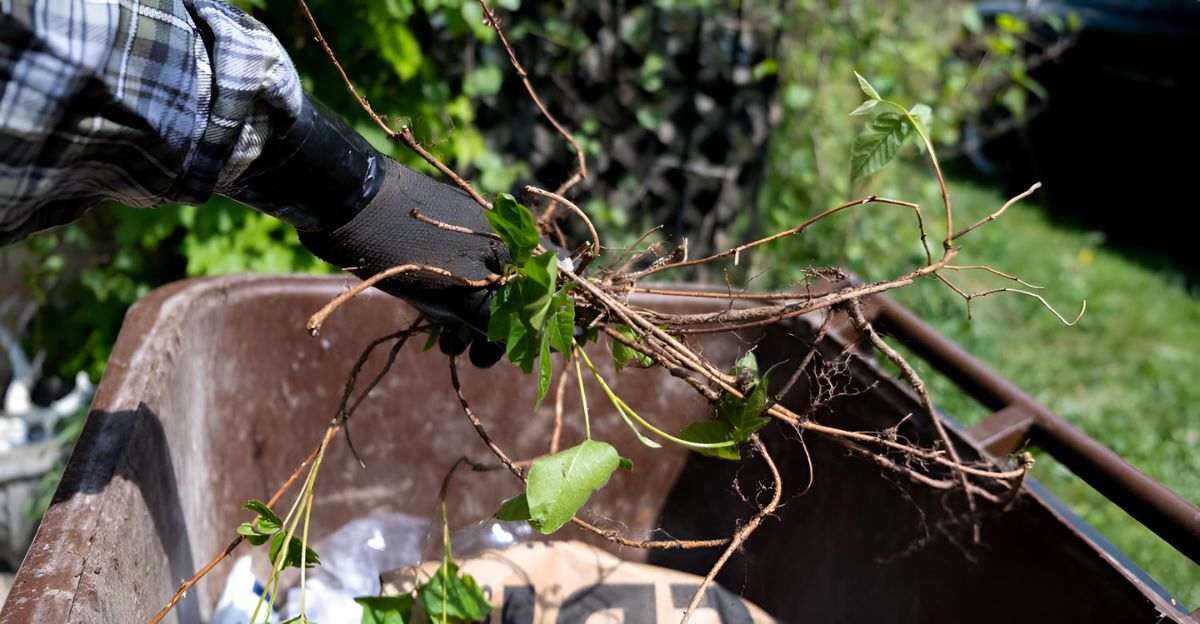
Rising CO₂ makes poison ivy grow faster and boosts urushiol’s strength, according to research. New tools like urushiol-detecting wipes help workers stay safe by identifying contaminated gear. As climate change worsens the problem, one fact is clear: careful, targeted removal, manual or chemical, is more effective than spraying everything. The fight against poison ivy demands precision and patience for lasting success.
Smart, Safe Poison Ivy Control
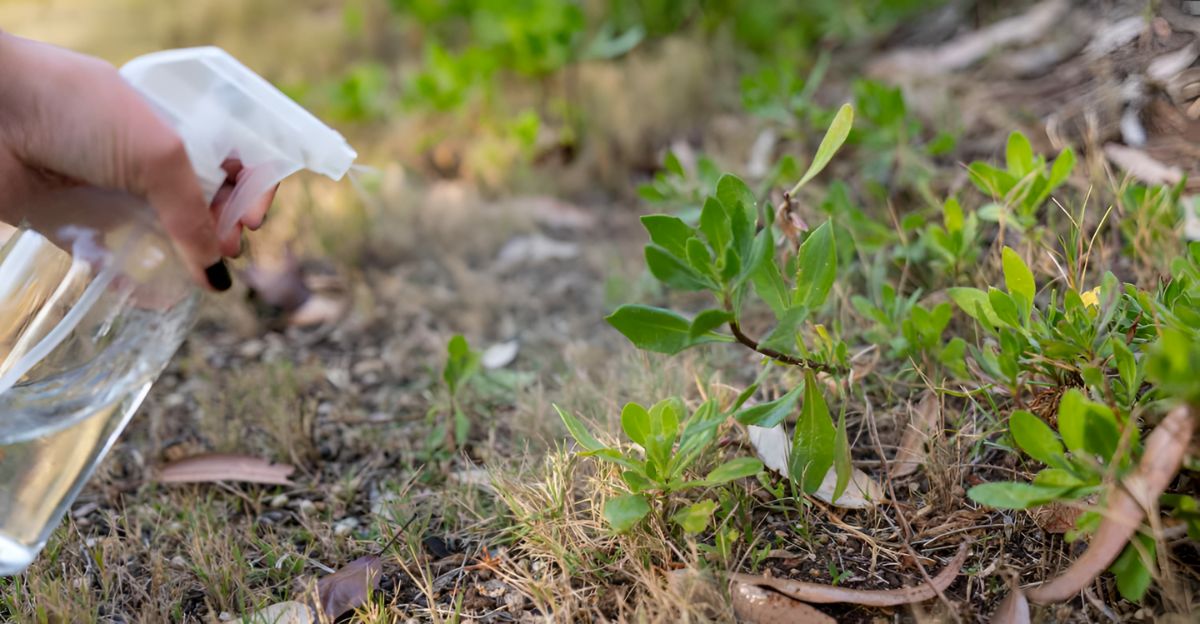
Poison ivy is growing stronger and more widespread, but experts show that safe, effective control is possible. Manual removal combined with smart herbicide use, supported by new tools and eco-friendly methods like goat grazing, offers a balanced way forward. This approach protects people, plants, and the environment. As challenges grow, precision and persistence remain key to beating poison ivy for good.