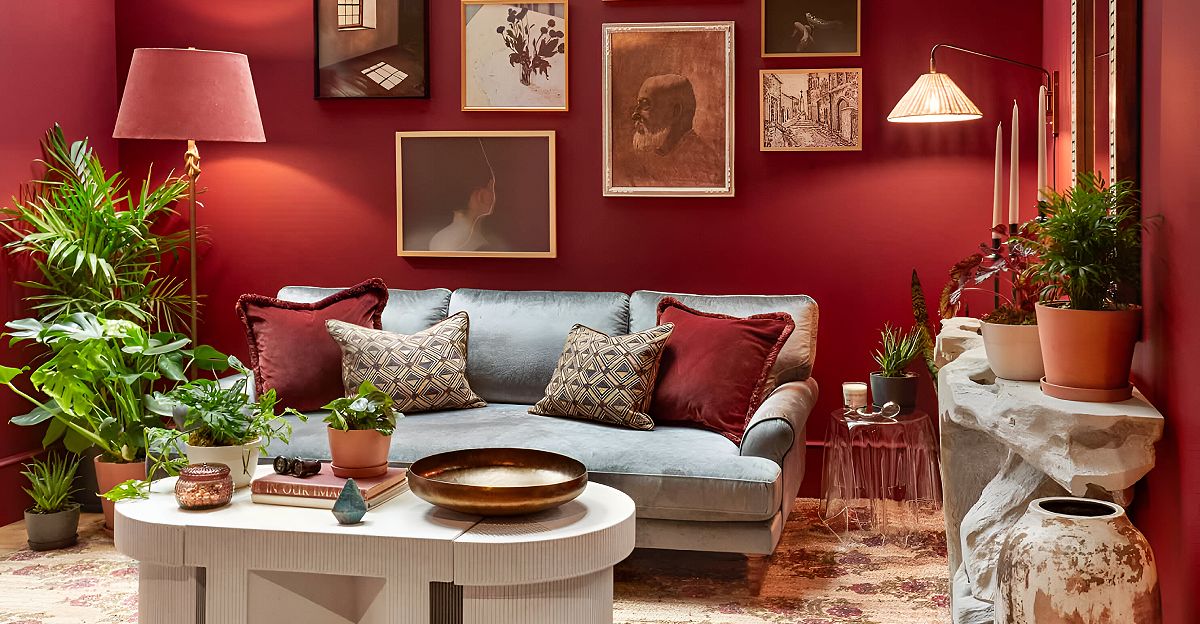
The design world in 2025 is all about diversity, with different aesthetic trends coexisting simultaneously. While maximalism and bold colors are becoming popular, some homeowners are also getting inspiration from Martha Stewart’s 2000s approach.
This isn’t a total revival of her style but a selective adoption of principles emphasizing functionality and thoughtful curation.
The Appeal of Martha Stewart’s Design Philosophy
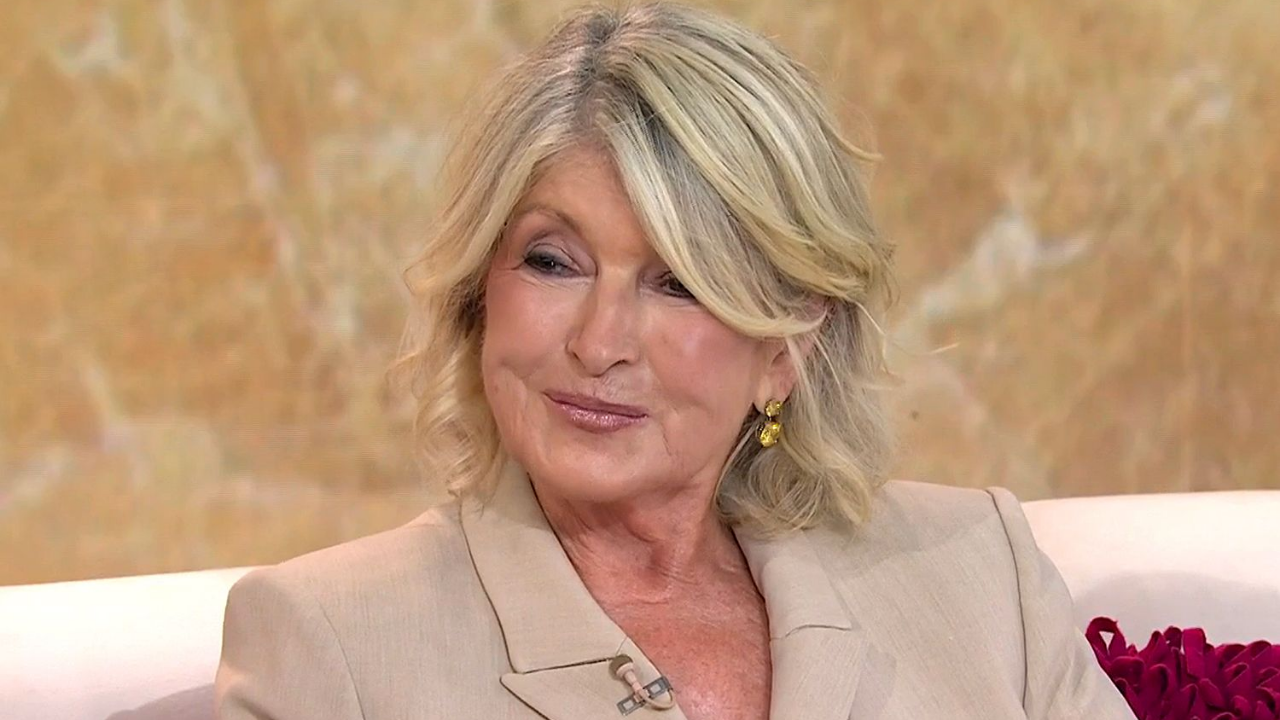
Martha Stewart’s early 2000s fashion was all about balance, combining classic components with contemporary functionality.
Her approach concentrated on neatness, well-curated pieces, and considered design choices. This approach still influences modern homeowners today, who want to create welcoming spaces that are practical and eye-catching.
Why Certain 2000s Elements Resonate Today
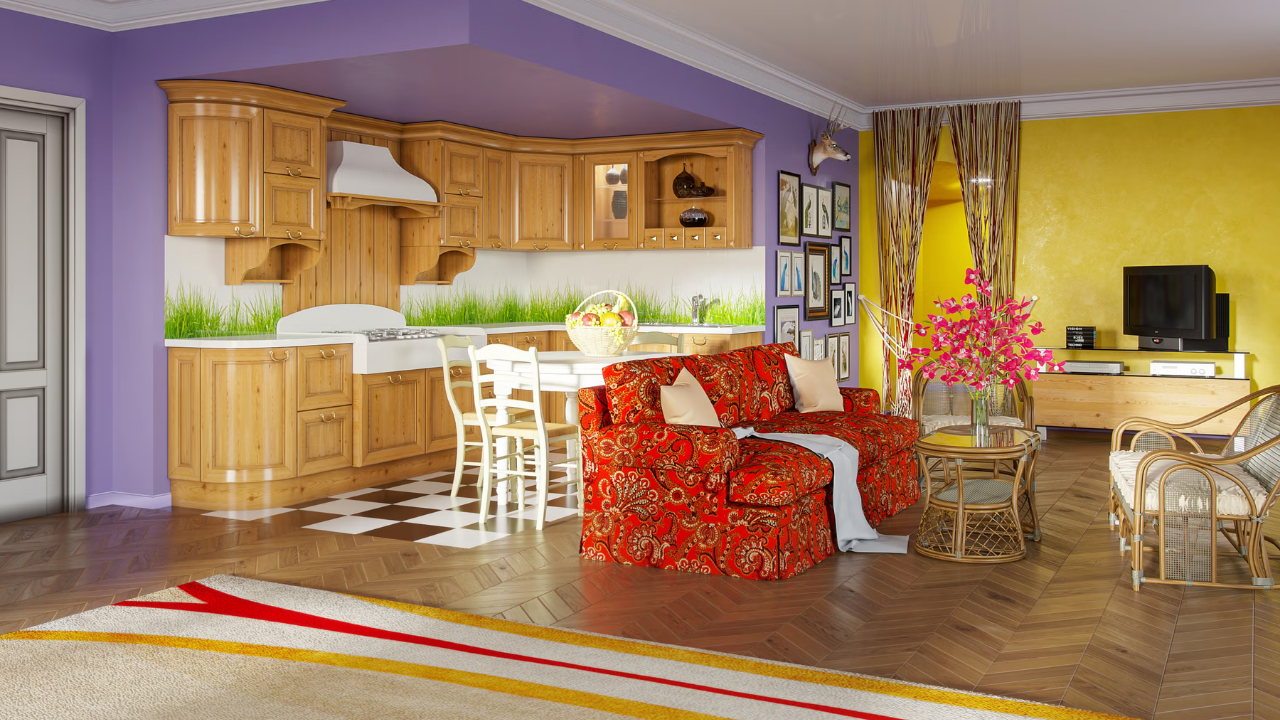
Design trends work in cycles, and elements from the early 2000s are taking on a new meaning today. After years of global tension, some homeowners are attracted to design approaches emphasizing peace and order. However, this also coexists with equally powerful tendencies toward daring, expressive design.
The Current Color Landscape: Bold and Muted Coexist
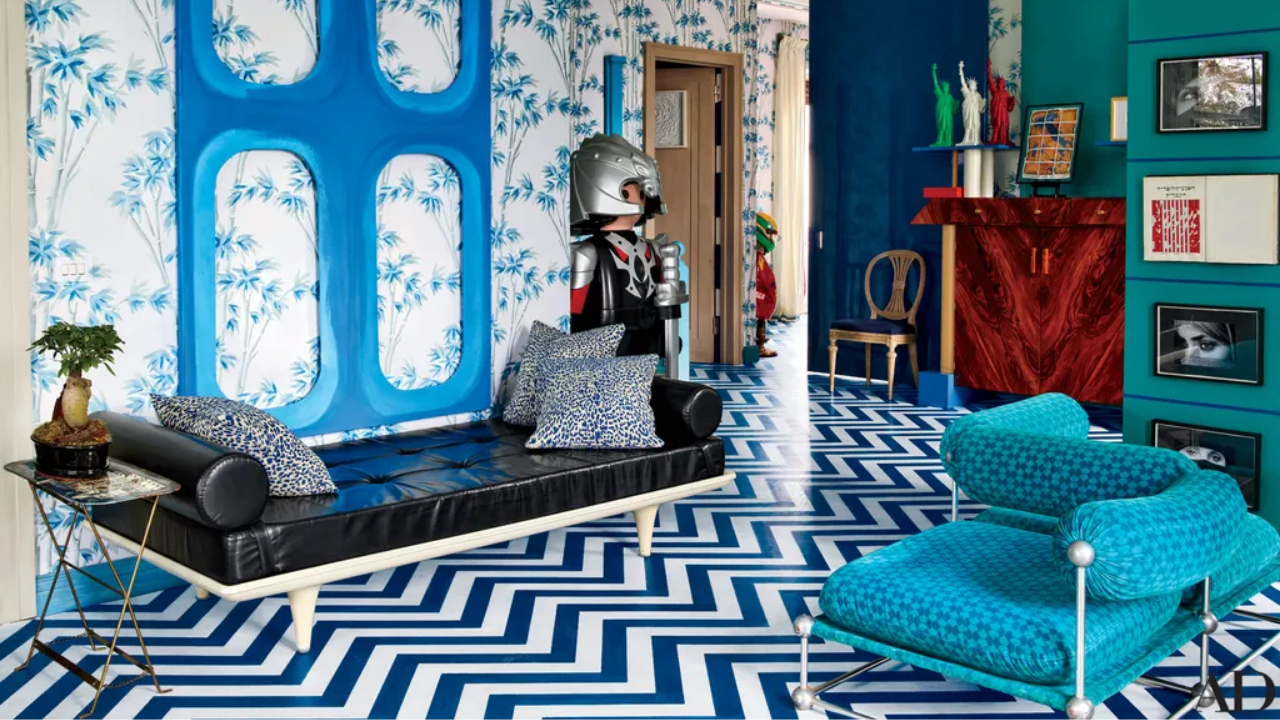
2025 design trends show intriguing duality in color preferences. Some homeowners choose softer tones like baby blues, gentle greens, and warmer neutrals, while others choose more saturated, deep colors such as burgundy, navy, and forest green. Rather than one dominating palette, the trend favors calculated color choices that reflect personal style.
Maximalism Remains Strong
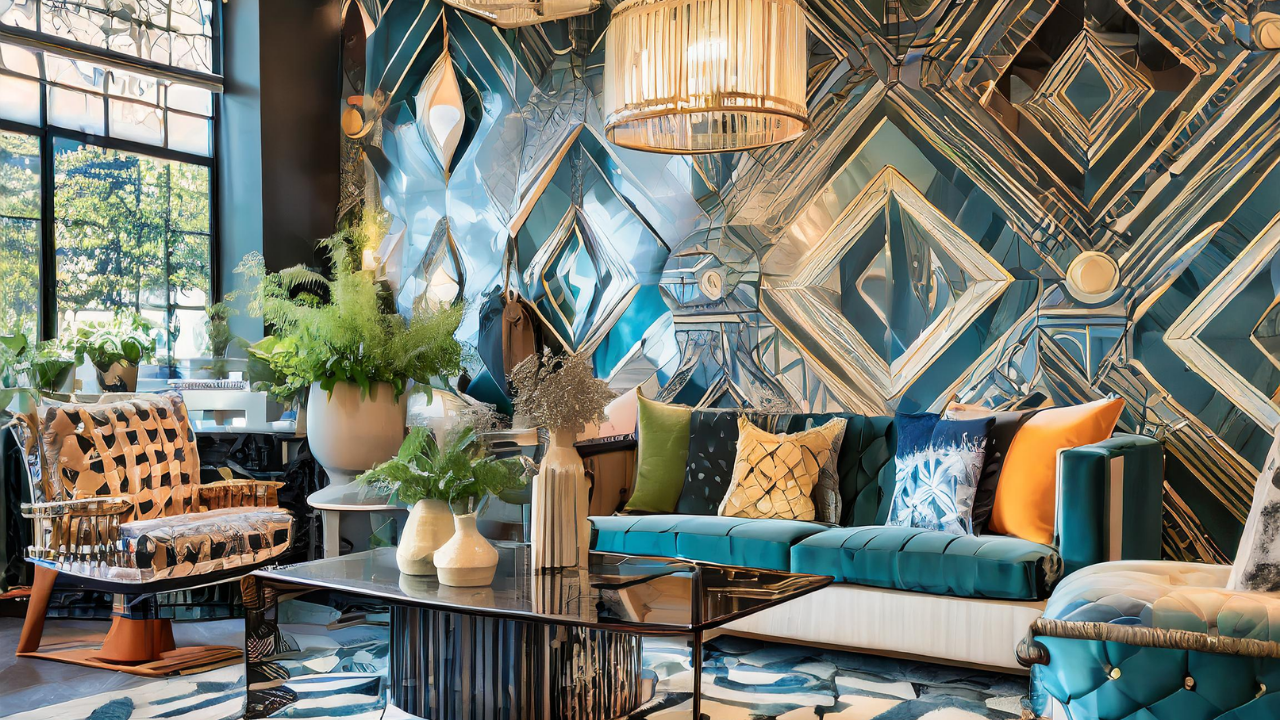
Contrary to predictions of minimalist dominance, maximalism continues to boom in 2025. Bold patterns, energetic colors, and multi-layered textures represent this movement.
Homeowners increasingly make more expressive, personality-driven design choices. This trend works well alongside quieter styles rather than against them.
Functionality and Comfort Endure
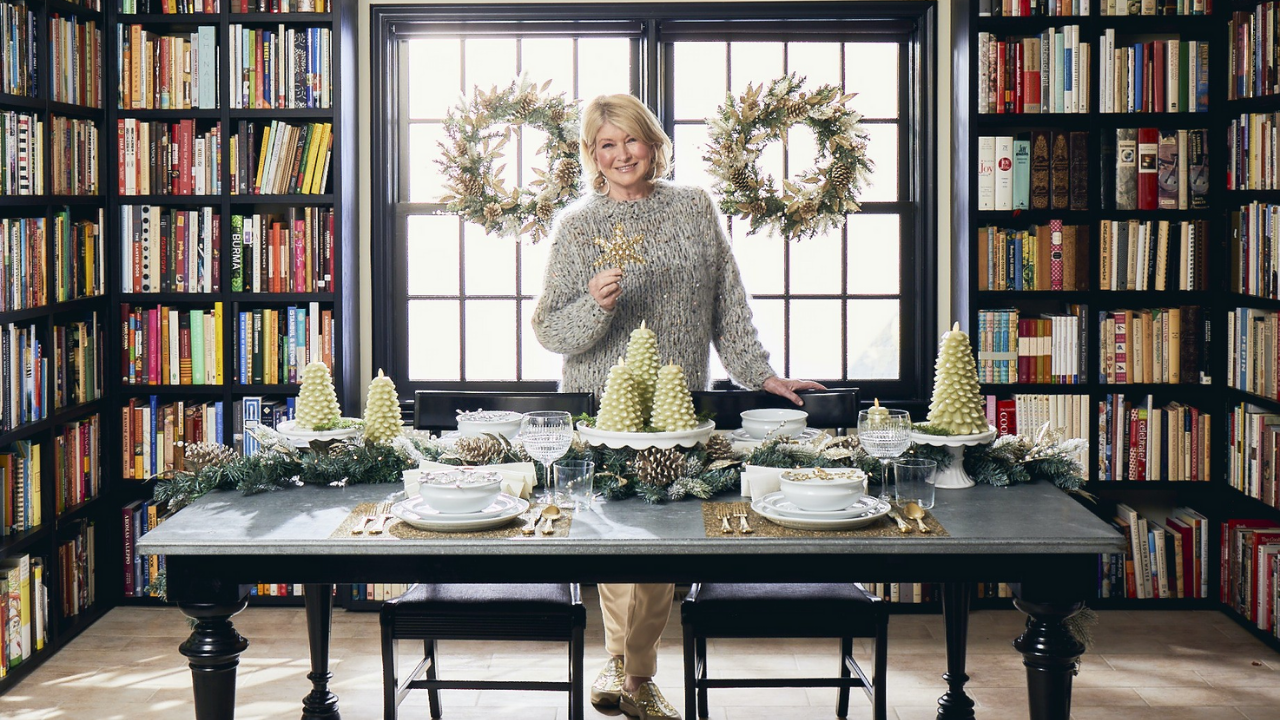
Nowadays, homeowners prefer comfort without sacrificing style, reflecting Martha Stewart’s initial philosophy. Furniture features quality builds and classic lines that last.
This approach accentuates investment pieces over trendy pieces, attracting homeowners who aim for longevity in their design choices.
Natural Materials Gain Prominence
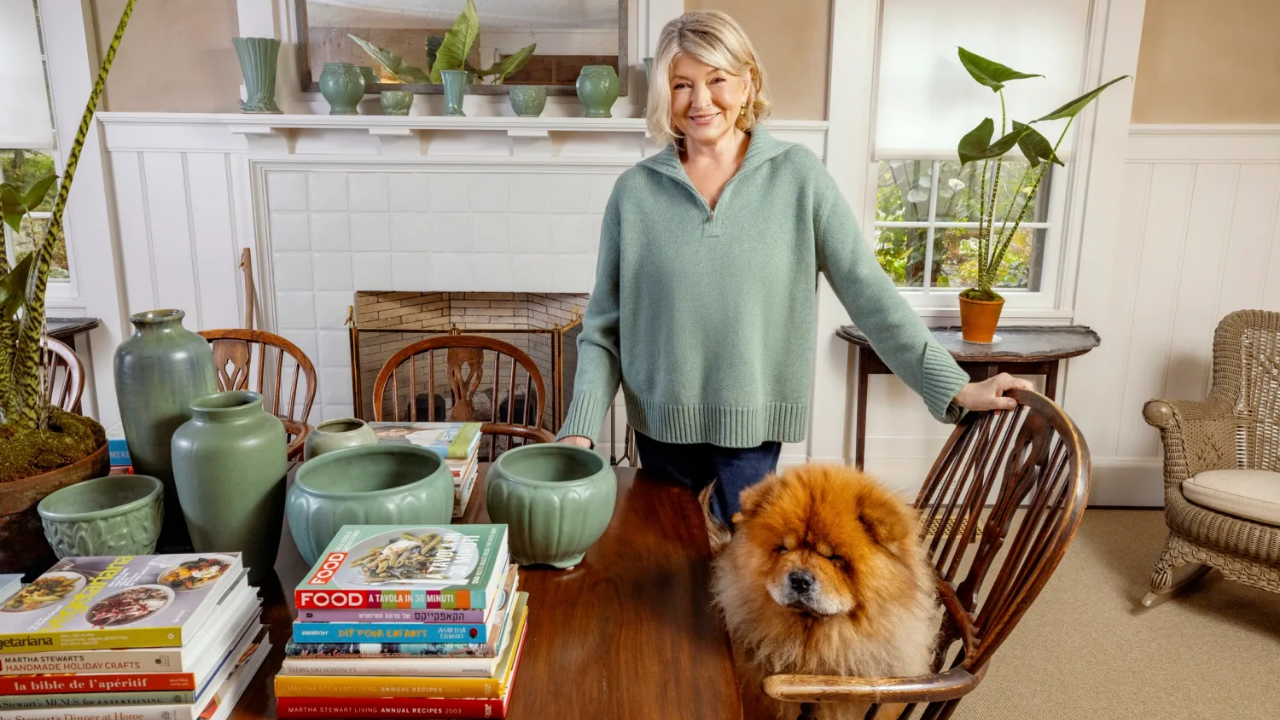
Ceramics, wood, and stone remain popular in modern design, partly due to sustainability concerns. These materials add a feeling of warmth and authenticity to interiors, delivering a tactile reality that digital life often lacks.
The trend shows growing environmental consciousness among homeowners looking for eco-friendly design solutions.
Thoughtful Details Matter
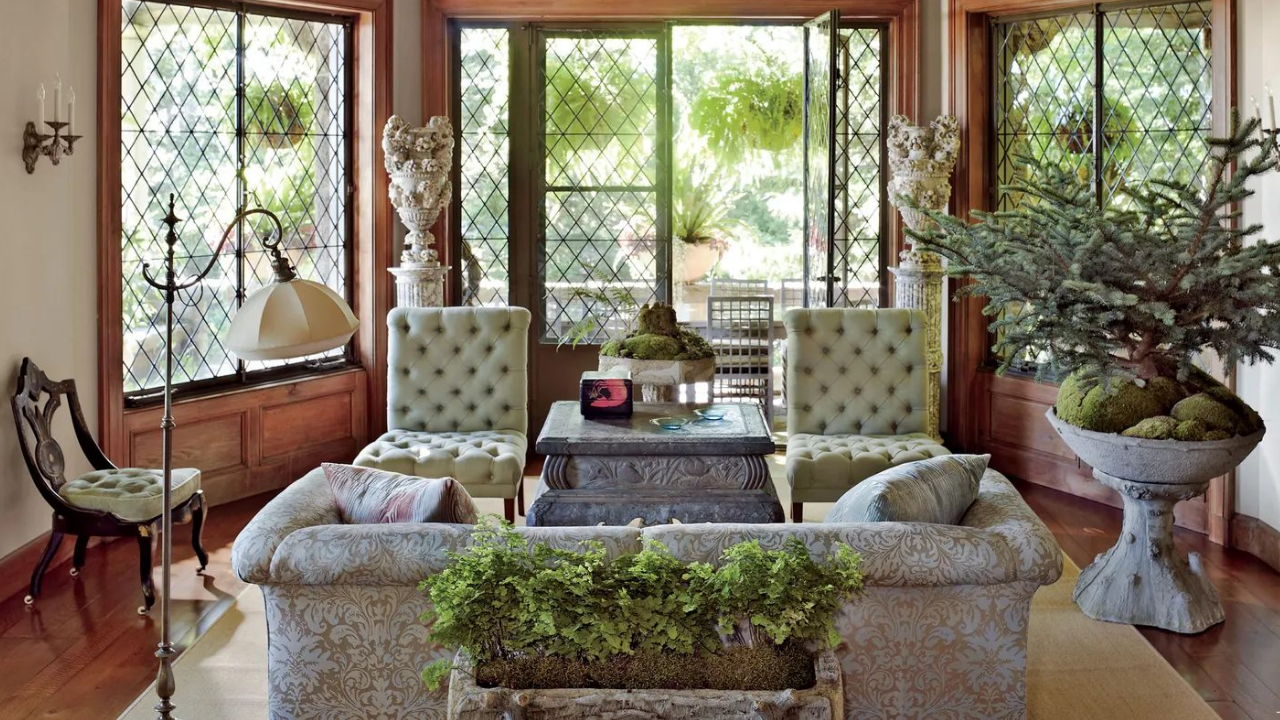
Attractive spaces rely on carefully considered accents instead of bold statements. This might incorporate arranged glass containers, fresh flowers in simple vases, or handmade textiles.
These subtle touches enhance feelings of care and intention, creating personal environments that reflect taste and attention to detail.
Kitchen Design Evolution
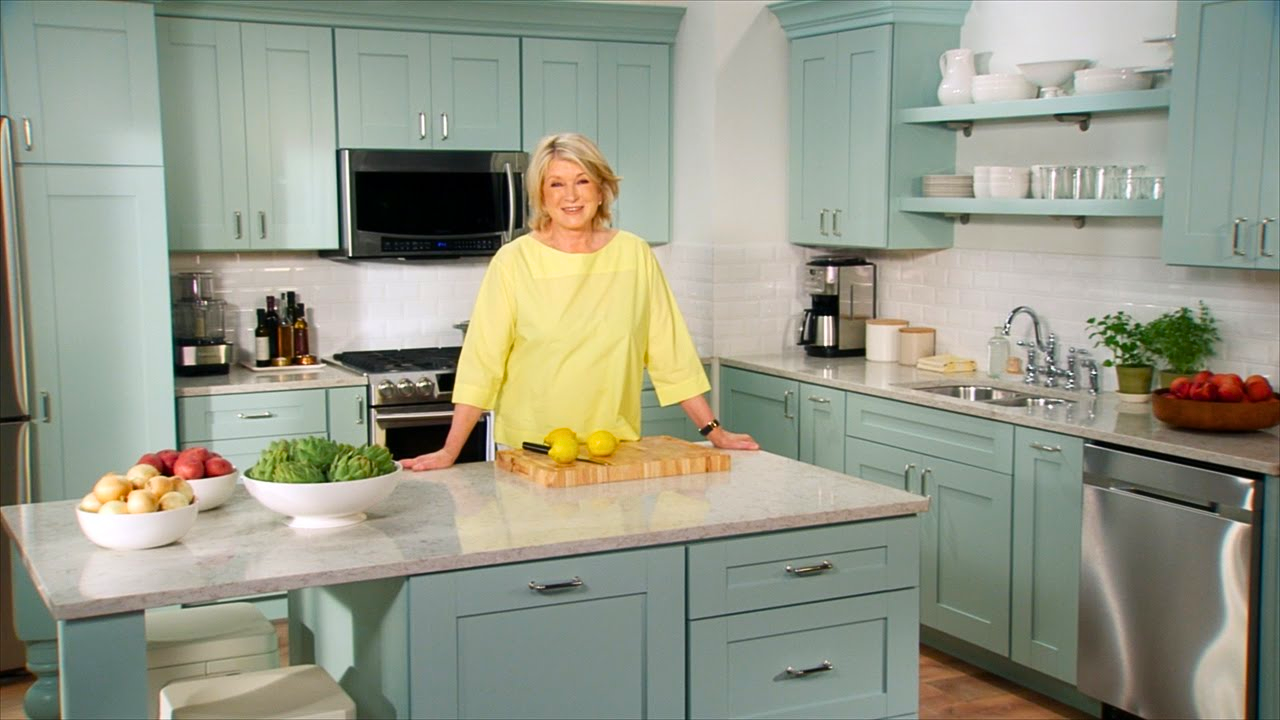
Today’s kitchens are all about aesthetics and space functionality. They have open shelves, uncluttered counters, and thoughtfully arranged storage facilities. The kitchen can become a place where form and function come together.
Indoor-Outdoor Integration
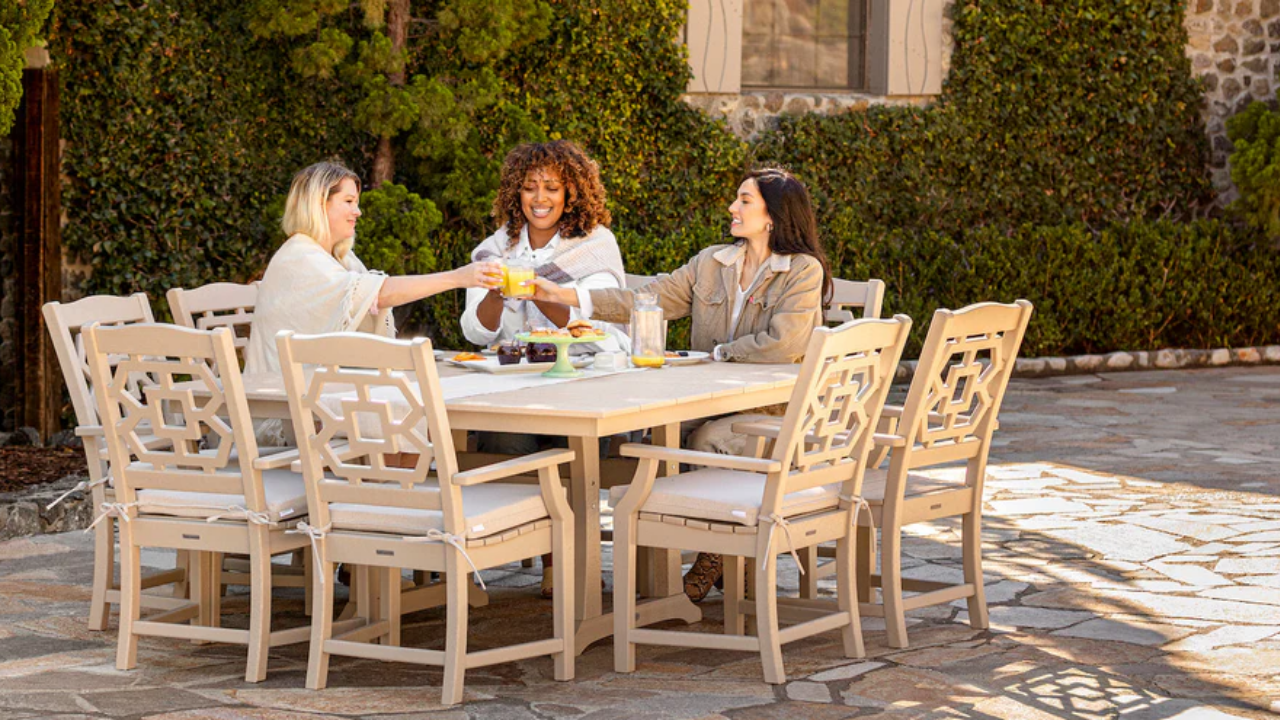
Modern houses also break down indoor-outdoor boundaries with patios or gardens and the use of natural materials.
Light-filled interiors and large windows provide smooth transitions between your inside and outside living spaces. This kind of design responds to man’s innate desire to be close to nature.
Sustainability Shapes Choices
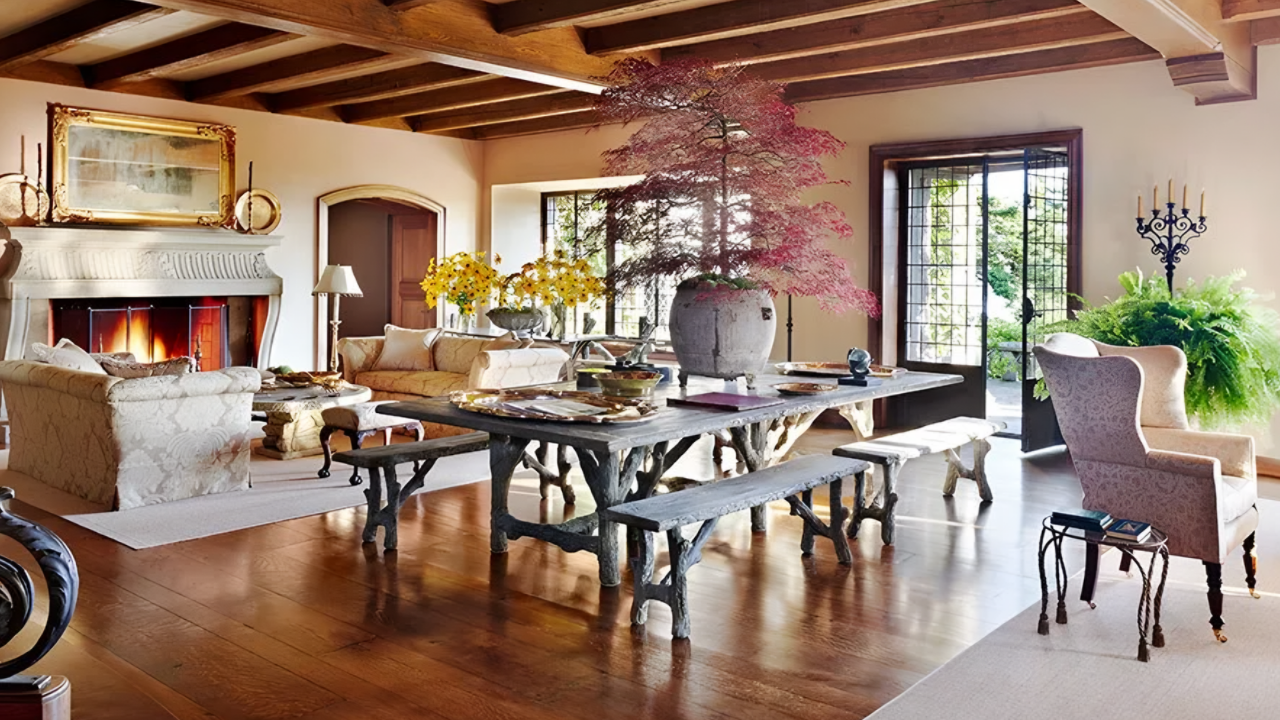
Environmental consciousness also influences many design decisions today. Homeowners are finding reclaimed wood furniture, energy-efficient devices, and sustainable decorating approaches. This reflects a deeper understanding of environmental concerns while maintaining aesthetic ideals.
Organized Yet Inviting Spaces
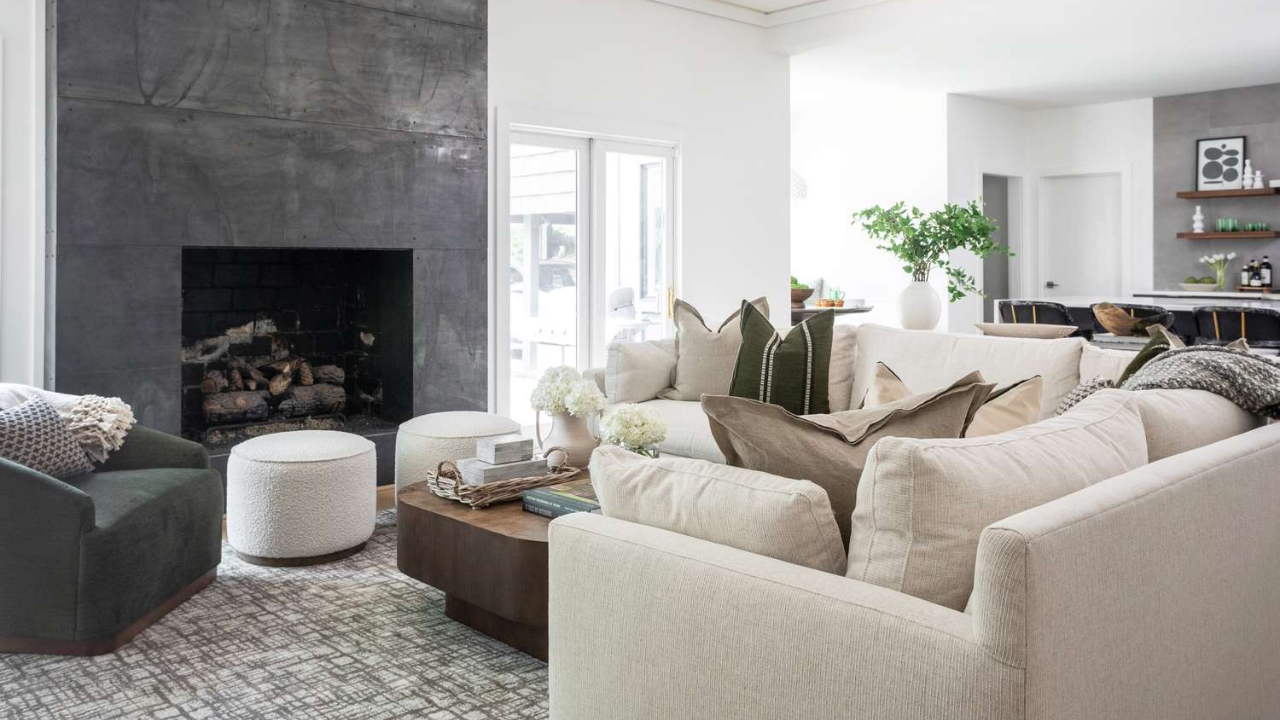
Current design ideas avoid clutter while creating warmth and personality. This way, spaces feel neat while still being homey and comfortable.
Cozy textures, like throws or natural materials, offset large, open spaces. This creates inviting atmospheres without the sterility sometimes associated with minimalism.
Craftsmanship Appreciation
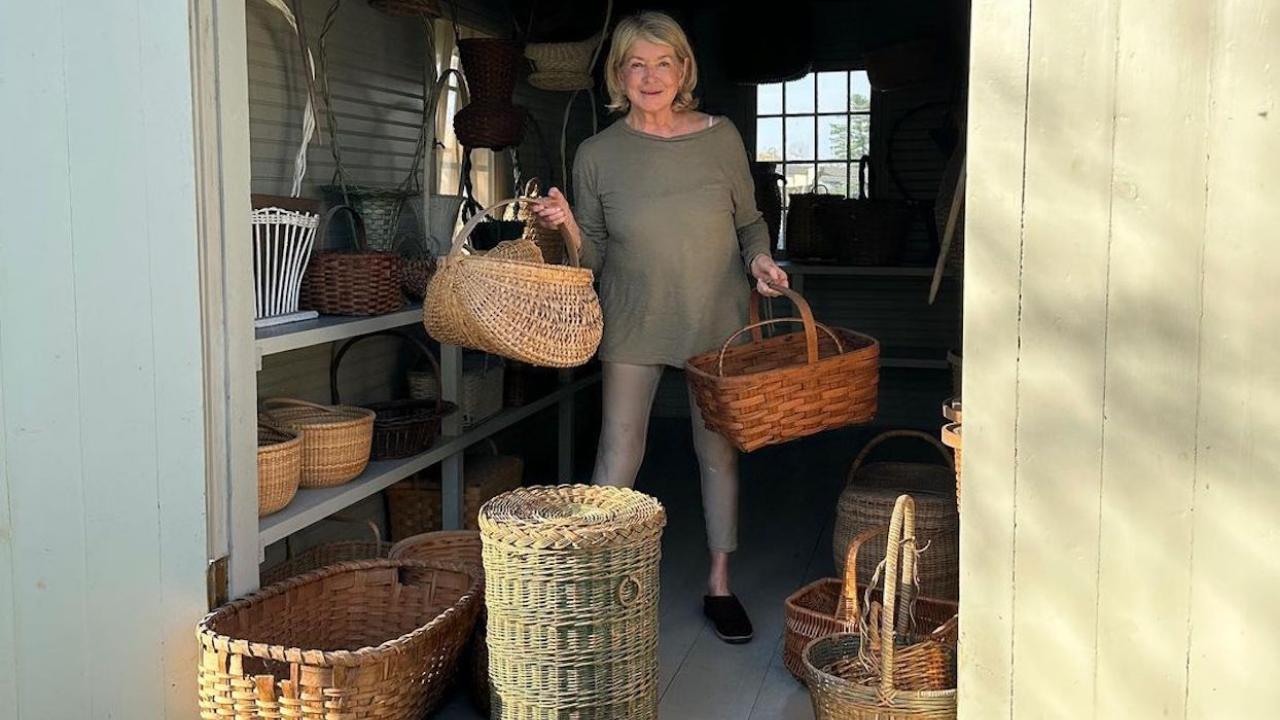
Restored interest in handcrafted items, such as pottery and woven baskets, adds character to modern homes.
These pieces often carry stories and connect to Martha Stewart’s original promotion of artisanal skills. Handmade objects provide uniqueness and meaning that mass-produced items can’t match.
Subtle Technology Integration
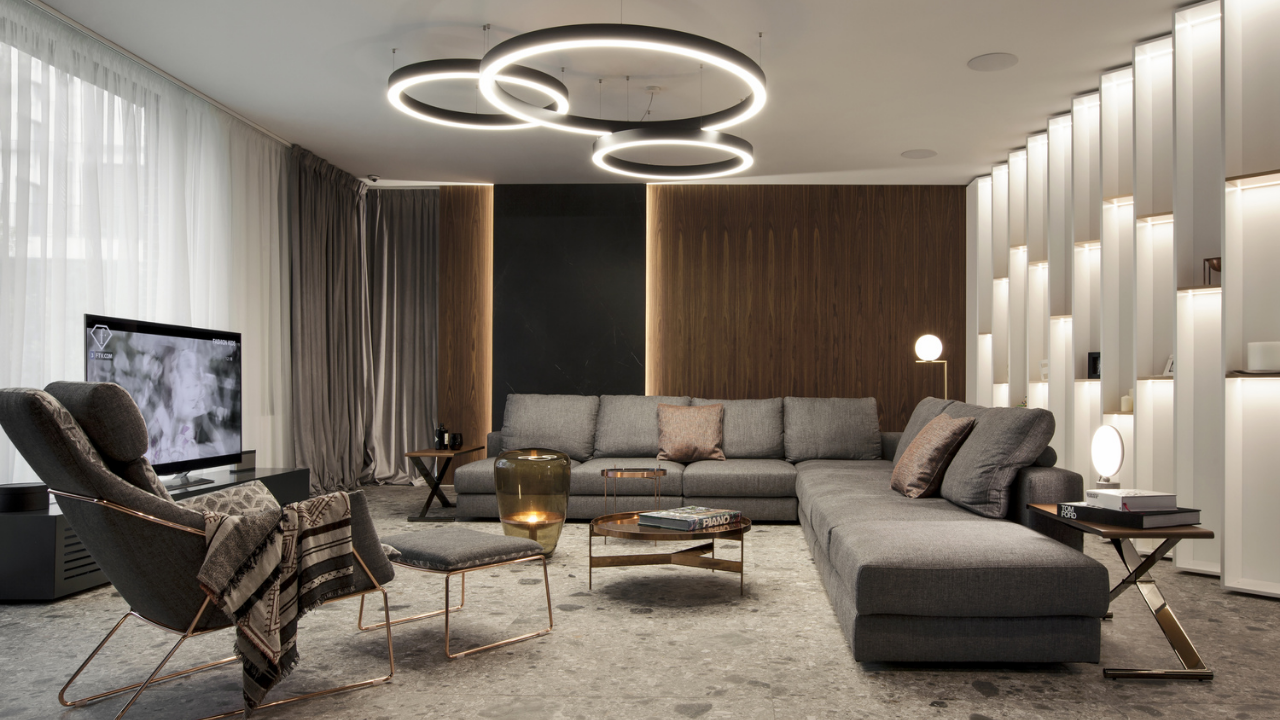
Unlike styles that highlight gadgets, modern design discreetly includes technology. Smart home devices integrate without dominating spaces, balancing tradition and innovation. This process preserves aesthetic integrity while adopting convenience and functionality.
Outdoor Space Design
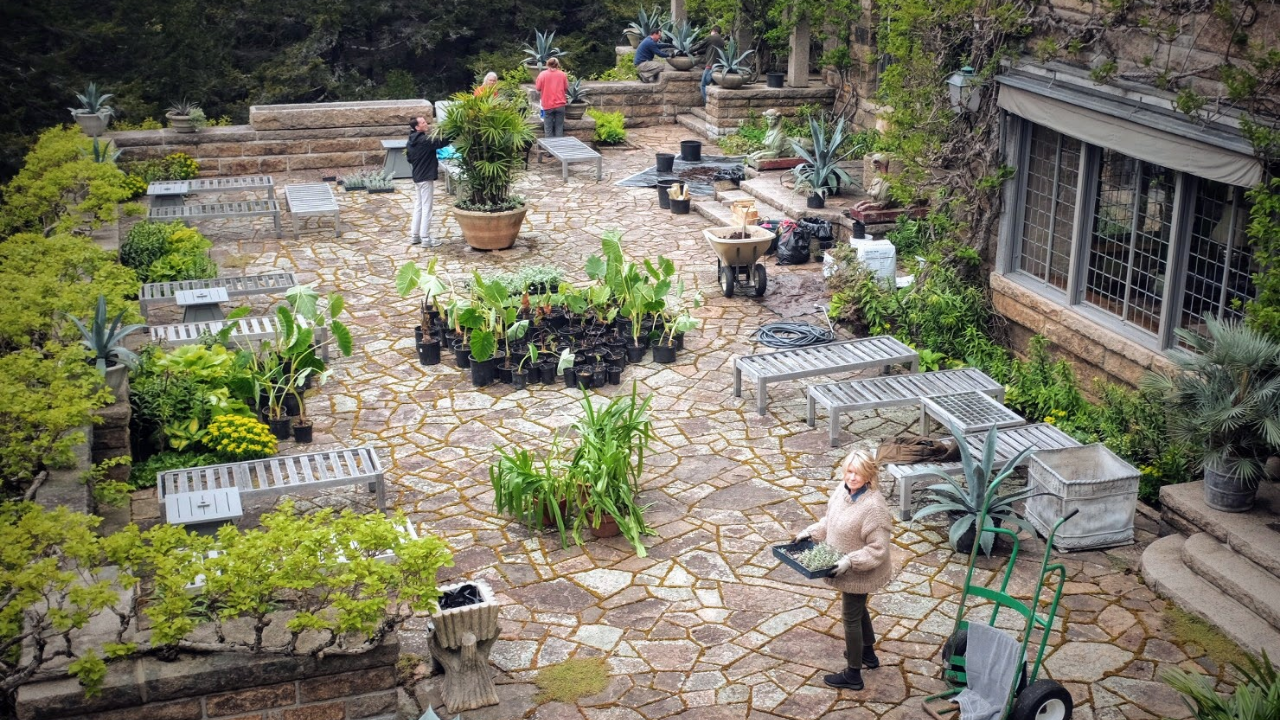
Gardens and patios use similar principles as interior spaces, featuring landscapes, quality outdoor furniture, and plants.
Outdoor areas become home extensions rather than separate entities, creating a cohesive design throughout the entire property.
Looking Forward: Diverse Design Futures
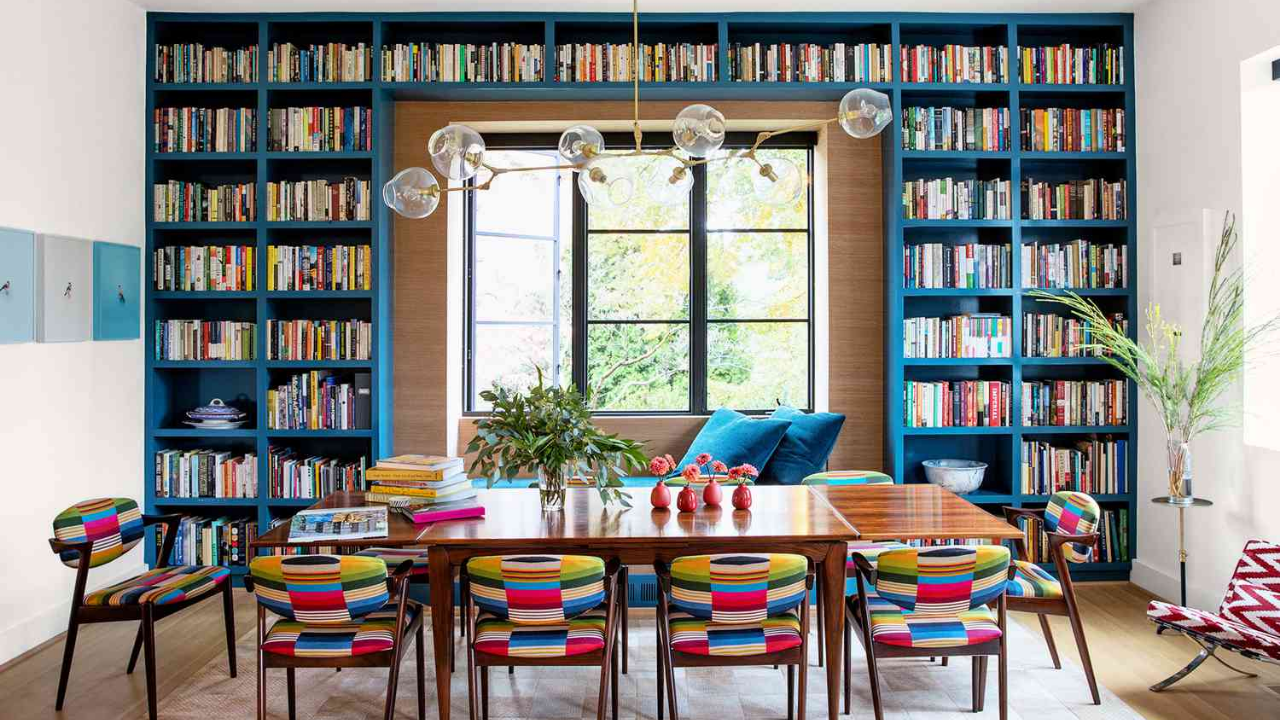
While trends continue to grow, the current emphasis on functionality, quality, and personal expression appears strongest.
Rather than one prevailing aesthetic, homeowners are choosing elements that reflect their values, personality, and lifestyle. This suggests a future of diverse, personalized design approaches.
Sources:
“The Biggest Color Trends of 2025, According to the Experts.” Elle Decor, Nov 2024.
“5 Maximalist Decorating Trends Designers Predict for 2025.” House Beautiful, Feb 2025.
“5 Interior Design Trends That Will Define 2025.” Architectural Digest, Dec 2024.