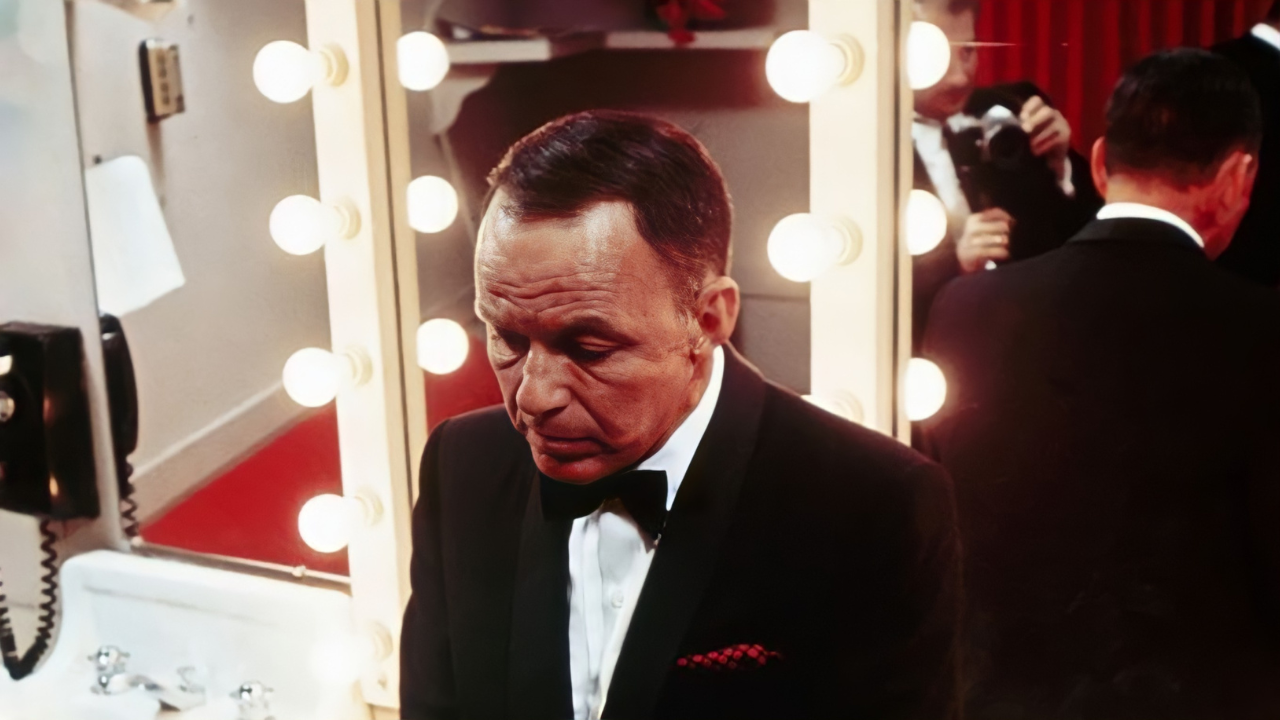
A 20-page document from 1991, detailing Frank Sinatra’s dressing room requests for a canceled concert in Ohio, recently went viral on social media.
The document reveals 37 specific backstage demands from the famous singer during his Diamond Jubilee World Tour, which celebrated his 75th birthday and 50 years in the entertainment industry.
Florida concert promoter Tom Brady found the rider in his files and shared it with Far Out magazine, sparking new interest in Sinatra’s meticulous backstage needs.
The Promoter
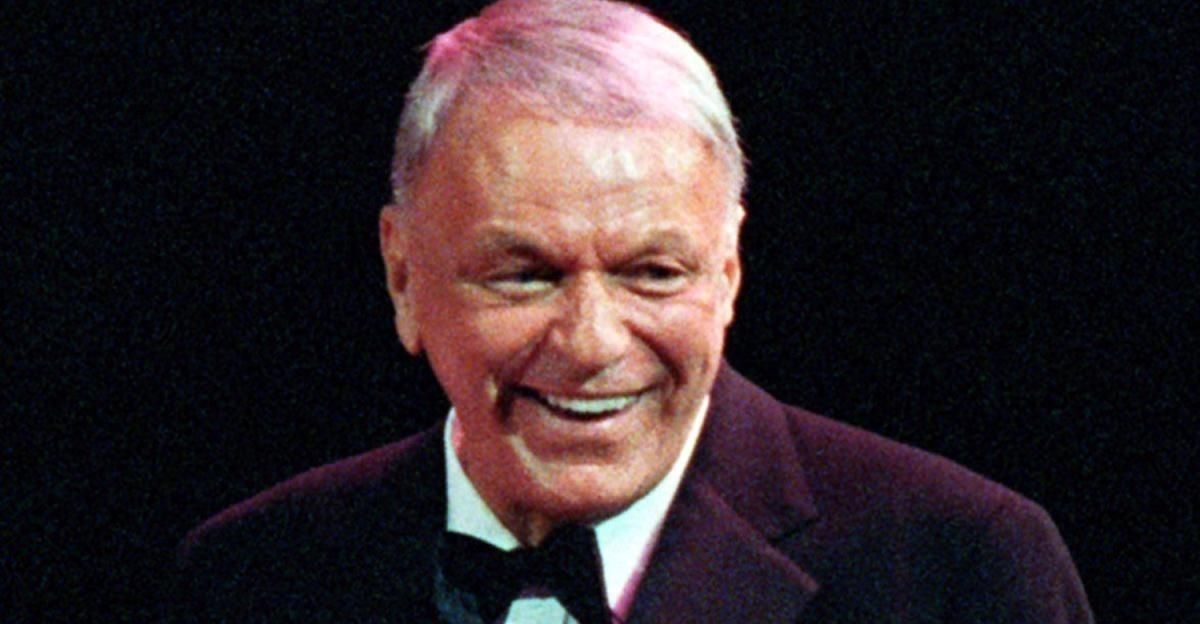
This Tom Brady is not the football player but a Florida concert promoter and voice-over artist. He attempted to produce Sinatra’s 1991 concert in Toledo, Ohio, but the concert was canceled.
Brady kept the technical rider document for over 30 years before releasing it.
Interestingly, Sinatra usually spent only 20 minutes in his dressing room, so his detailed list of demands stands out.
Diamond Jubilee
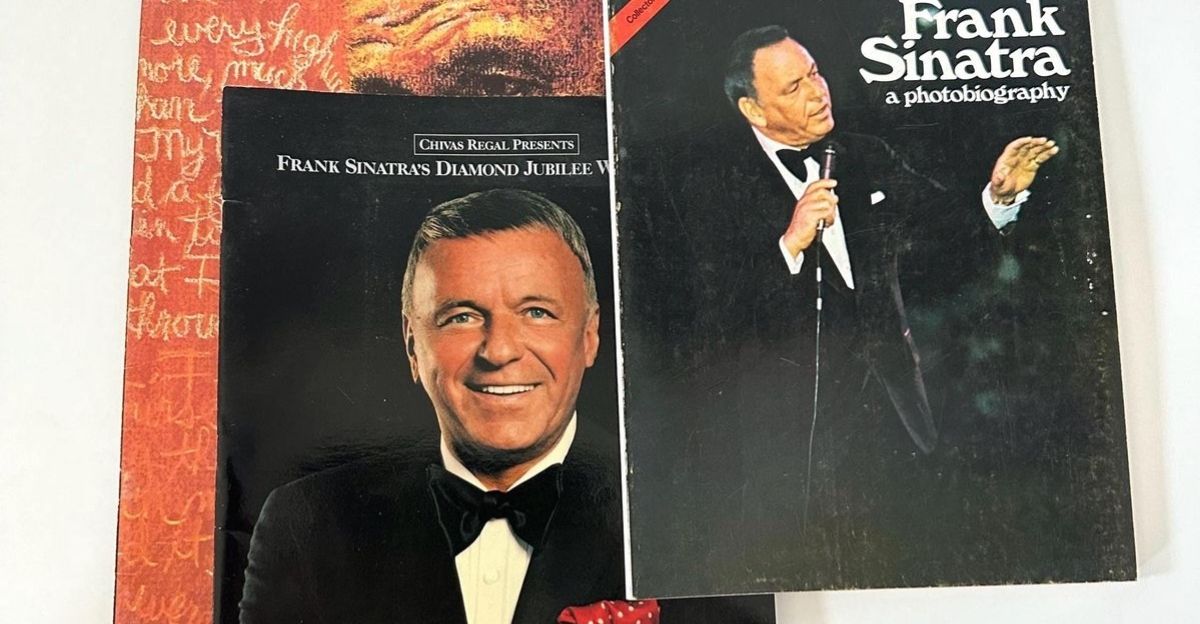
The rider comes from Sinatra’s Diamond Jubilee World Tour, which began in December 1990 near his hometown of Hoboken, New Jersey.
The tour celebrated 75 years of Sinatra’s life and five decades in music. In 1991, he gave 73 concerts in 17 countries with a band and opening acts.
Tickets cost $35 to $75, and the demanding schedule was noteworthy for a performer in his seventies.
The Phone
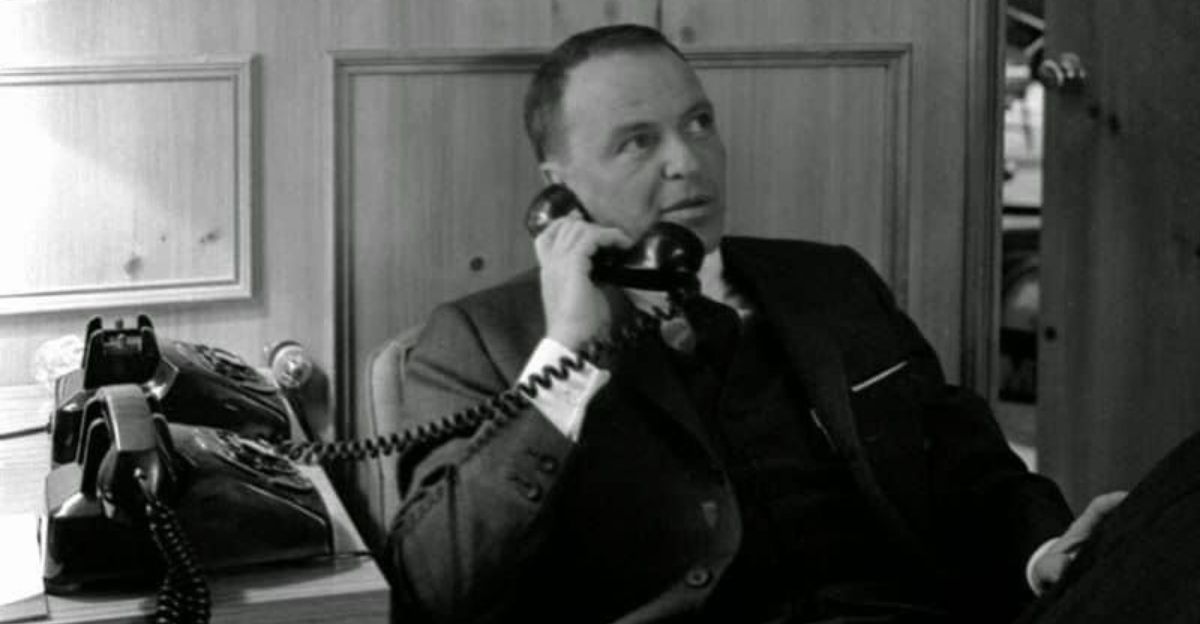
Among Sinatra’s backstage needs was a private phone with a dedicated line—a special request in 1991, before cell phones were widely available.
This phone ensured that Sinatra’s calls weren’t mixed with venue communications, allowing him to have private conversations with his team, family, and business contacts.
It demonstrated the significant influence and control Sinatra had behind the scenes.
Thirty-Seven Items
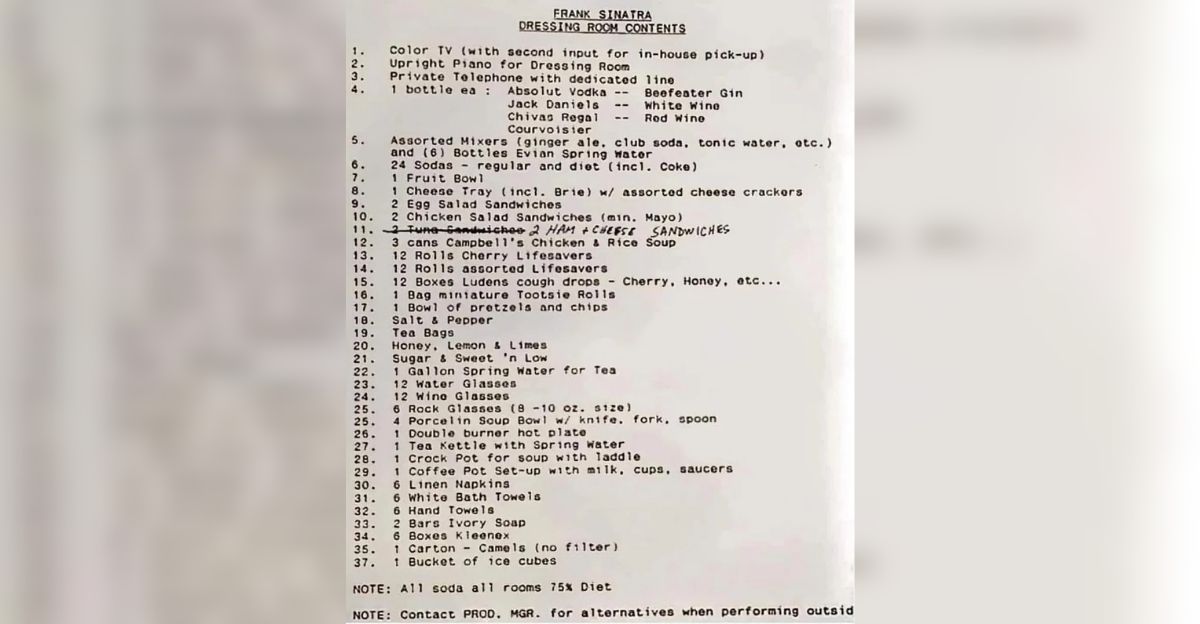
Sinatra’s rider listed 37 must-have items for his dressing room, including an upright piano for rehearsals, six boxes of tissues, Camel non-filter cigarettes, and Campbell’s chicken and rice soup, served in a crockpot with porcelain bowls.
Each demand showed Sinatra’s attention to detail and need for comfort and familiarity during his tours.
Candy Obsession
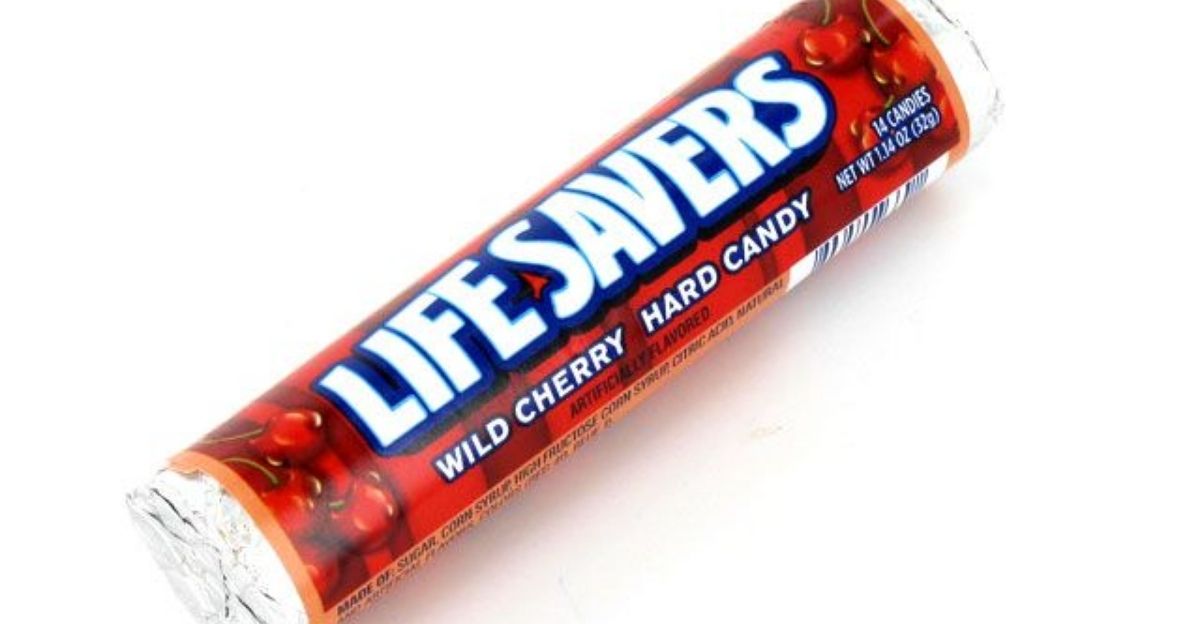
Sinatra loved candy, especially cherry Life Savers, and demanded 24 rolls backstage, plus 12 boxes of Luden’s cough drops in cherry and honey, and a bag of miniature Tootsie Rolls.
He even took some of these candies to his grave.
These sweets weren’t just favors—they soothed his throat and helped protect his voice.
The Seventy-Five Mystery
Sinatra requested that staff serve all sodas at “75%.”
Fans and experts debated what this meant—perhaps the temperature, carbonation level, amount poured, or the fact that 75% of sodas should be diet versions.
Sinatra was known to prefer his Coke flat, which might explain the precise soda instructions.
The Whiskey
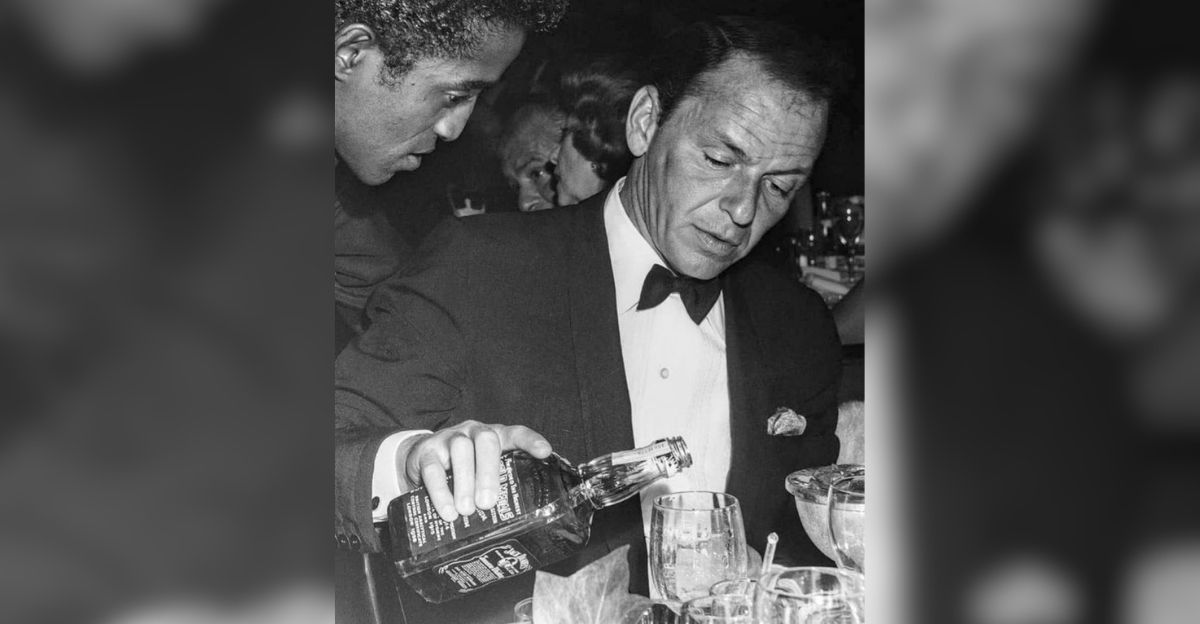
Sinatra’s bar featured a wide selection of liquors, but most notably, Jack Daniel’s Tennessee Whiskey.
Sinatra loved it so much he called it “the nectar of the gods” and had a special way to drink it with ice cubes and a splash of water.
He even flew the Jack Daniel’s flag above his home and gave jackets as gifts.
Smoke Signals
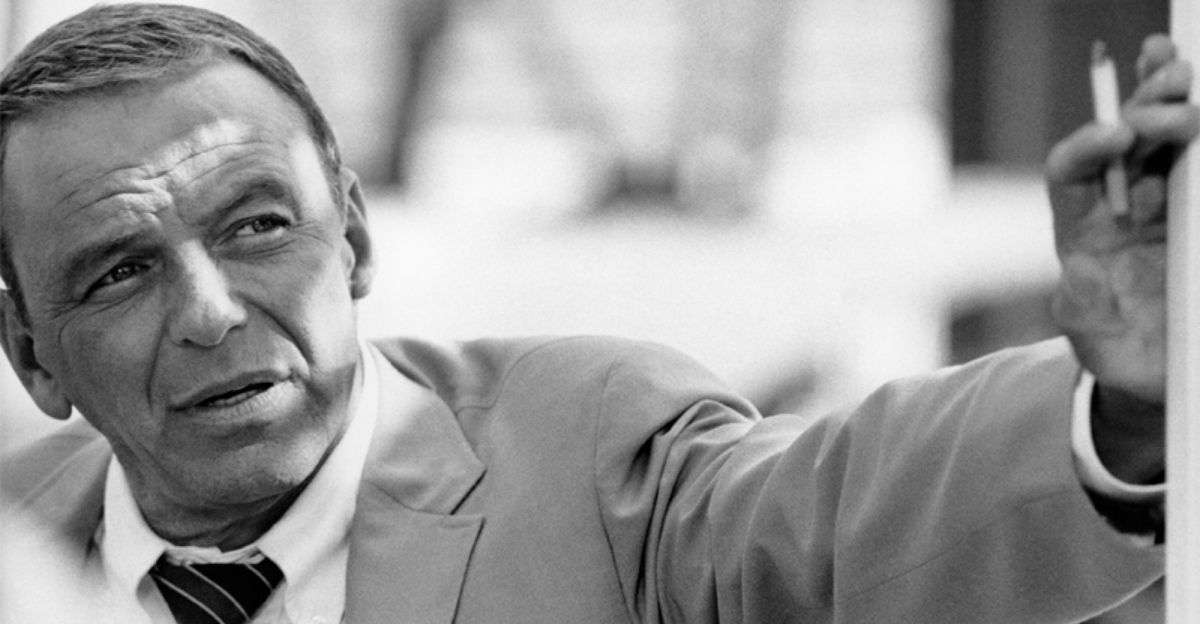
The rider asked for about 200 Camel non-filter cigarettes—common for that time but now rare due to smoking bans.
Photographers frequently captured Sinatra with a cigarette, and his family even placed a pack in his casket along with his favorite candy when he was buried.
This shows how different norms were backstage in Sinatra’s day.
Feeding Time
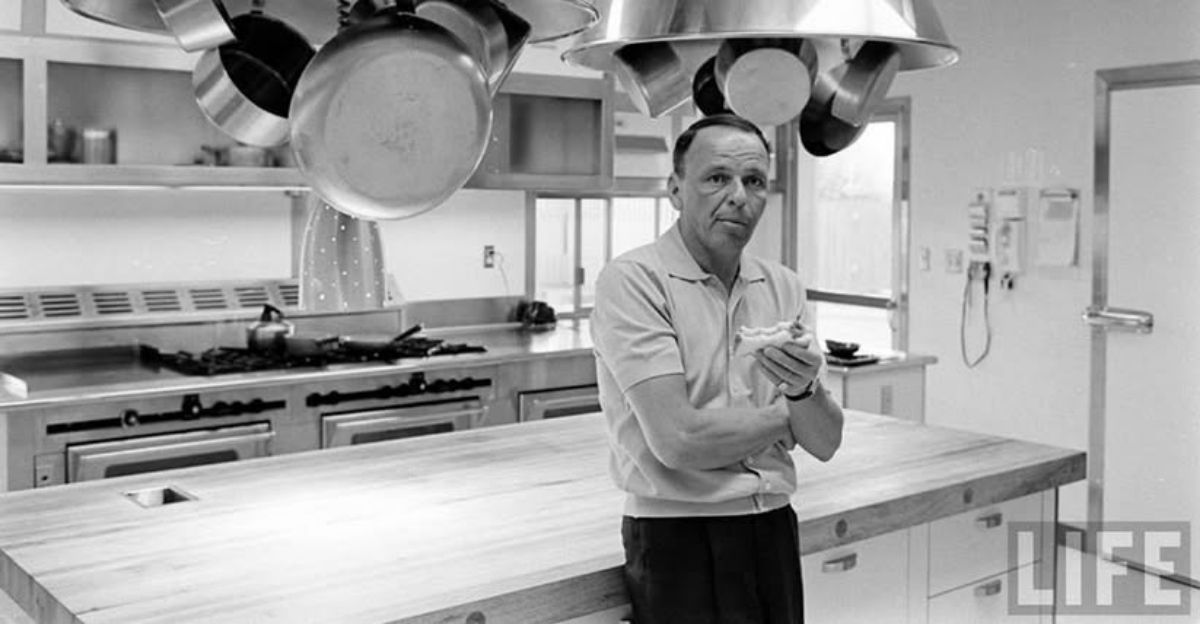
Sinatra’s food was simple American fare: six sandwiches (egg salad, chicken salad without mayo, ham and cheese), Campbell’s soup, and a cheese tray with Brie, crackers, fruit, and chips.
The amount likely fed his band and crew. Sinatra’s food preferences were straightforward and typical among touring artists.
Van Halen’s Lesson
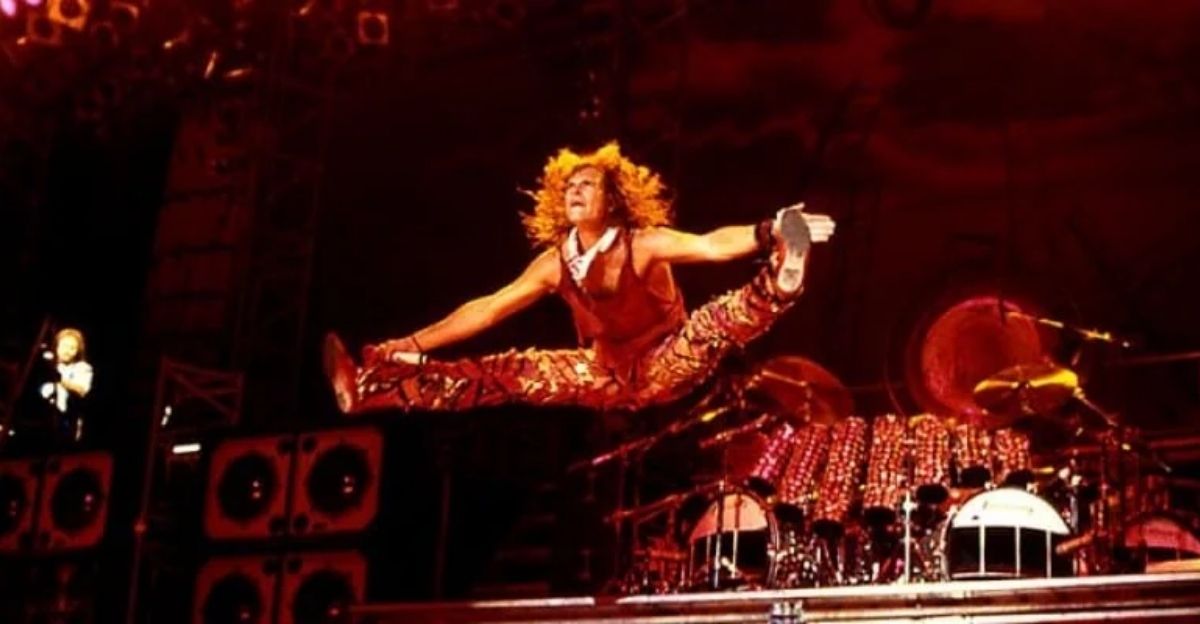
Sinatra’s detailed rider fits the tradition of backstage requests, like Van Halen’s famous demand for no brown M&Ms—a test of venue readiness.
Such demands ranged from personal comfort to safety checks to ensure the stage was correctly set up.
Sinatra crafted his rider to demonstrate his professionalism and to outline how tours operated during that era.
Modern Excess
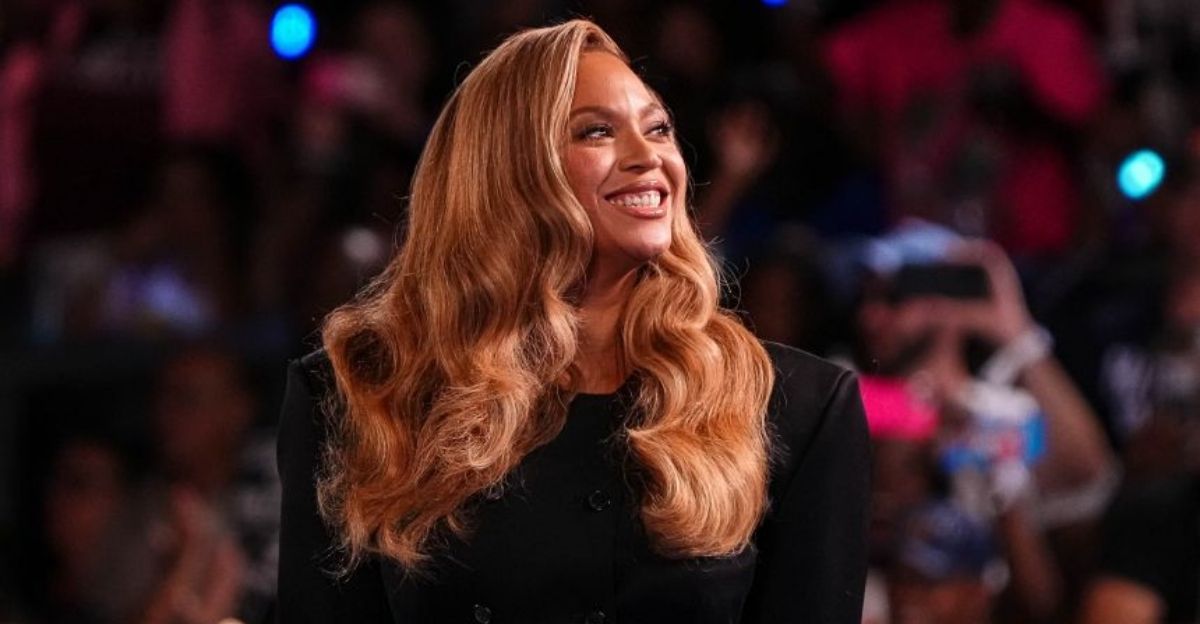
Today’s celebrity riders can be much more extravagant.
Beyoncé demands exact room temperatures and hand-carved ice balls, Mary J. Blige wants new toilet seats at every venue, and Kanye West requests a barber’s chair.
Compared to these, Sinatra’s list is relatively modest, mainly focusing on basics and vocal care.
Social Response

When the rider went viral online, social media users found it charming and reasonable, describing it like a grocery list for a family.
People enjoyed comparing it to the vast demands of modern riders. Comments applauded Sinatra’s lack of diva excess and debated the meaning of the “75%” soda rule.
Opening Acts
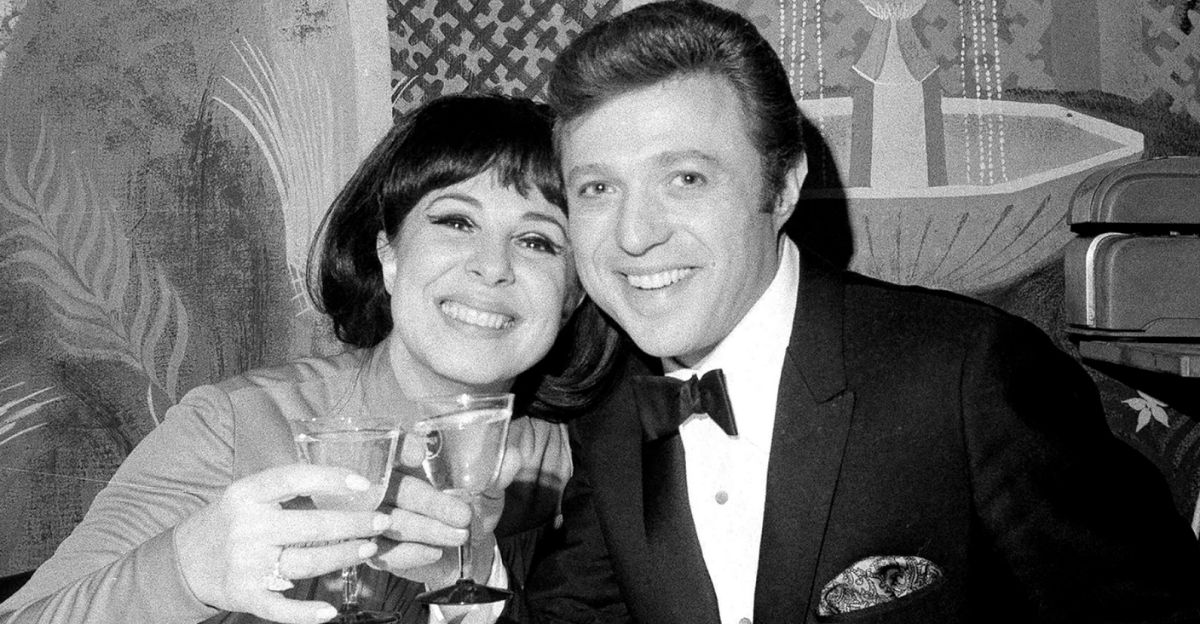
Sinatra’s opening act, Steve Lawrence and Eydie Gormé, made only simple requests: coffee and water.
Their modest demands highlight the difference between headliners and supporting performers.
Lawrence and Gormé were longtime collaborators who helped celebrate Sinatra’s career.
What Comes Next
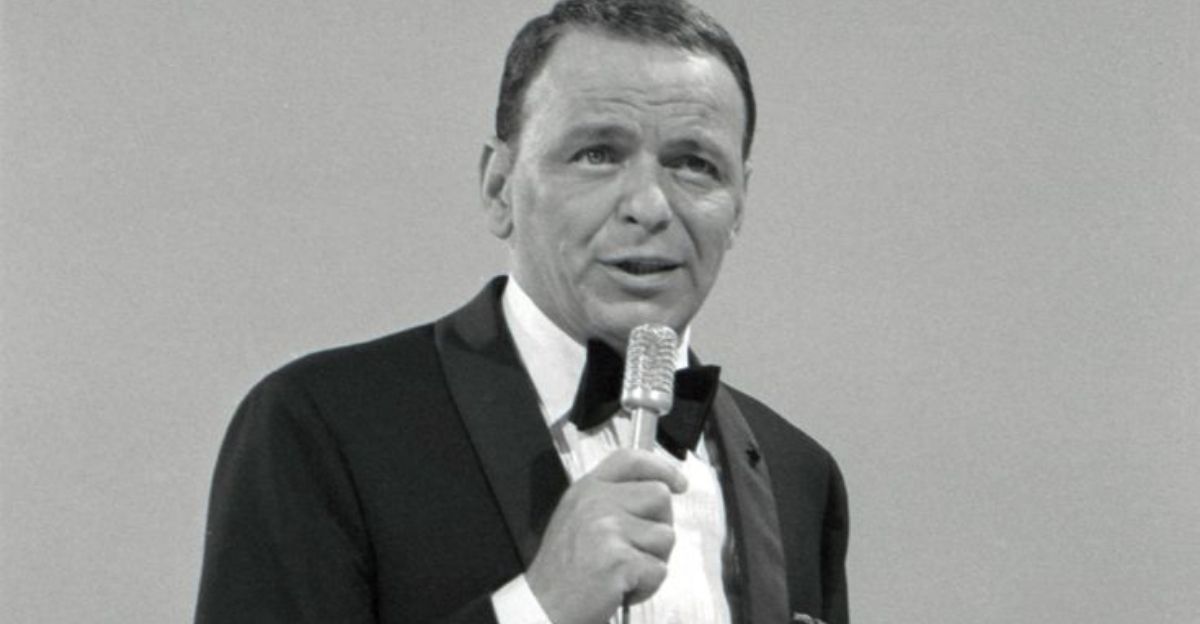
The rider’s discovery raises curiosity about what other historical entertainment documents might be hidden in storage.
Many old riders, contracts, and backstage papers remain in archives.
Collections like The Smoking Gun contain hundreds of such items, illustrating the evolving tastes and needs of famous performers over the course of decades.
Rider Evolution

Concert riders have undergone significant changes since Sinatra’s time.
Now, riders are often divided into two categories: technical needs (sound, lighting) and hospitality (food, drinks, comfort).
They reflect modern concerns, such as sustainability, dietary restrictions, and accessibility.
Digital tools and cloud sharing make riders easier to manage than the faxed papers used in the 1990s.
Voice Protection
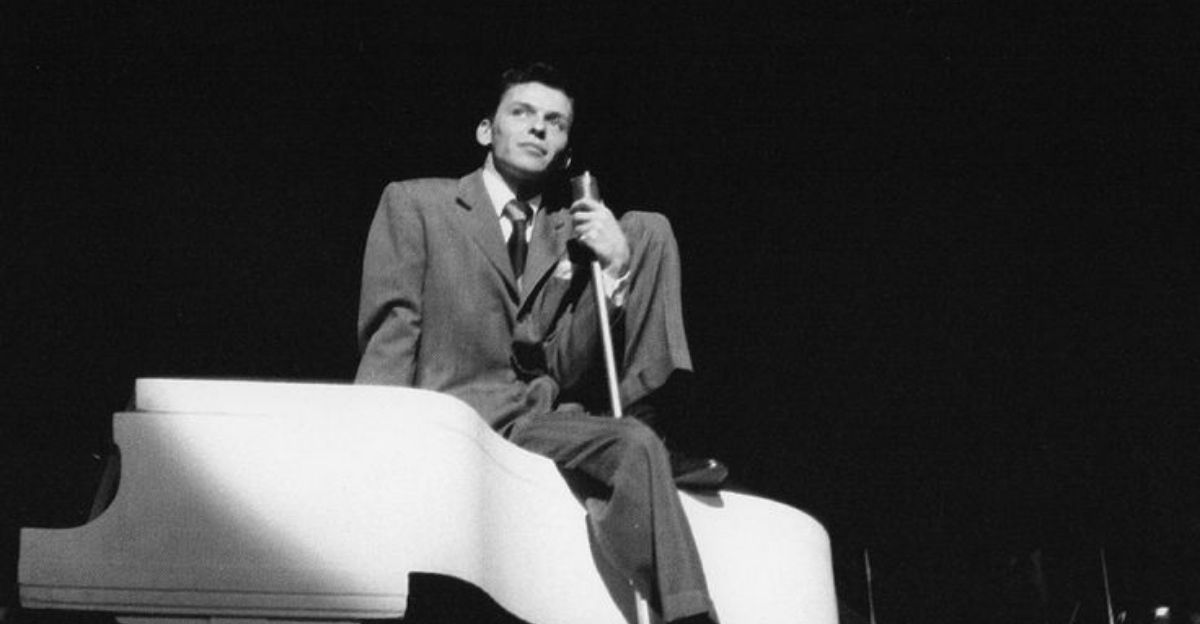
For singers like Sinatra, many rider requests helped protect their voices.
The candy, cough drops, tea, soup, and water all helped keep his throat moist and ready for singing.
Such practical care was standard before the advent of modern vocal training and technology. Sinatra’s choices combined health needs and personal favorites.
Public Perception

The viral rider shows changing views on celebrity backstage demands.
Performers used to mock riders as diva antics, but now people charmingly view Sinatra’s list as practical and nostalgic.
Social media loves this behind-the-scenes peek, fueling fascination with what it really takes to put on a show.
Historical Precedent
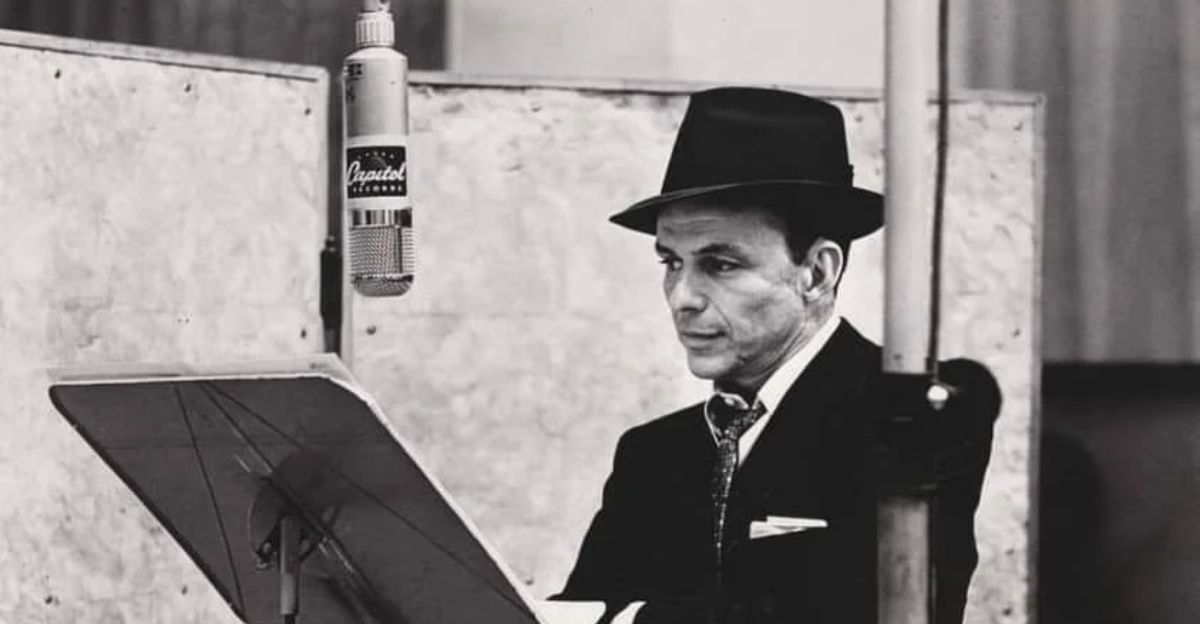
Sinatra’s 1991 rider wasn’t his first. Past riders from the early ’90s and before had fewer items and less technical detail.
Over time, riders grew as shows got more complex.
Sinatra’s careful requirements helped set standards for later performers, contributing to today’s professional touring practices.
Comfort Behind Fame
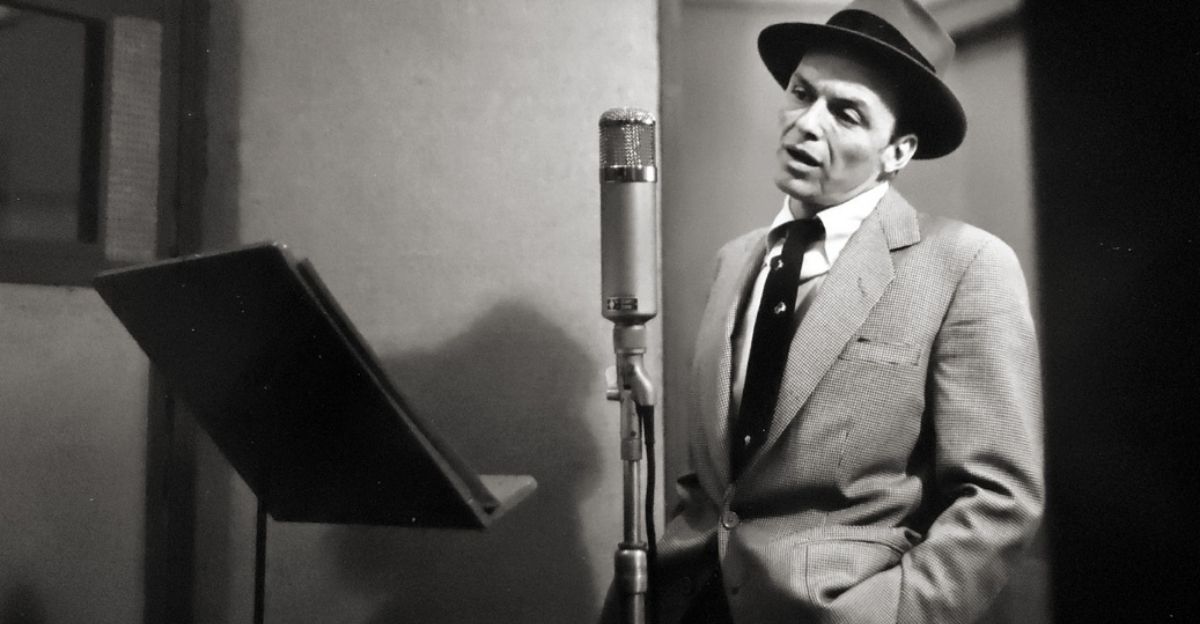
Frank Sinatra’s 1991 rider showcases a dedicated artist striking a balance between professionalism and personal comfort.
His 37 backstage demands reveal how even a superstar depended on familiar foods, drinks, cigarettes, and voice care products to give great performances night after night.
The viral document reminds us that behind the glamour, basic needs and consistent habits are key to success.