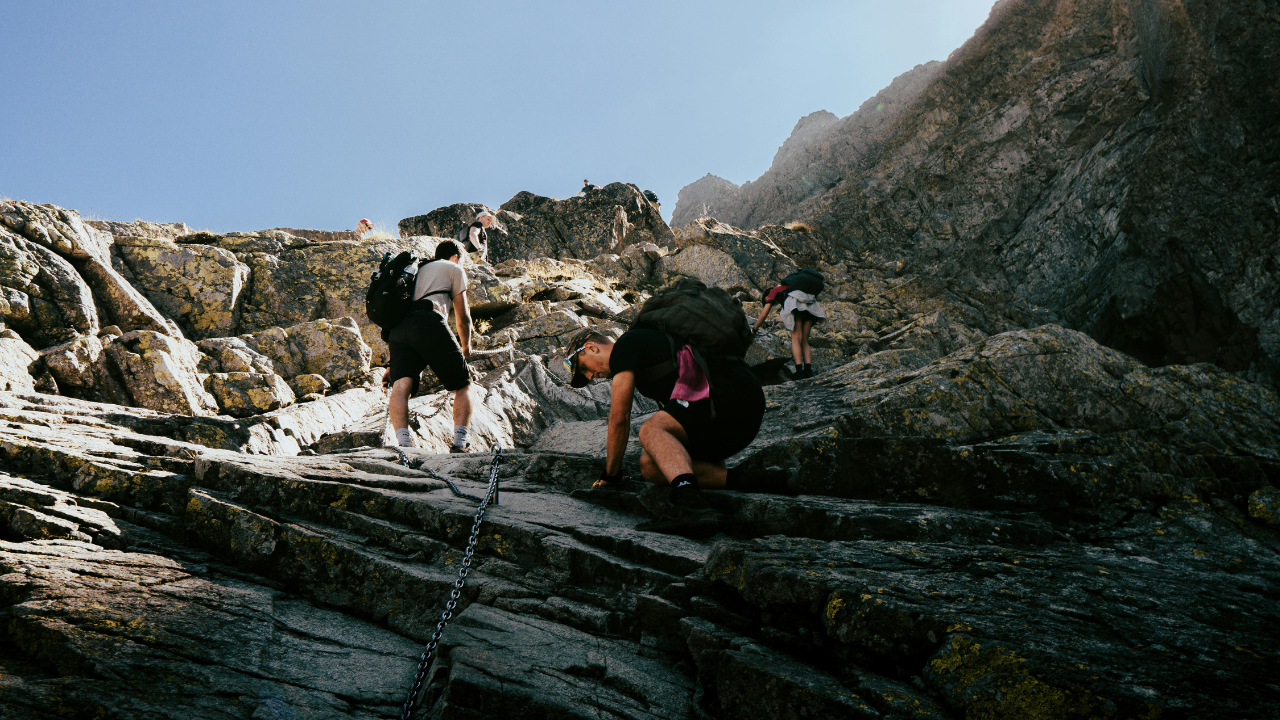
A new 109km rail trail between Nordegg and Rocky Mountain House is opening up a wilder, lesser-known side of the Canadian Rockies, far from the crowds of Banff and Jasper. Woven through forest, wetlands and old coal country, it blends outdoor adventure with a living lesson in Canada’s rail and resource history.
A Quiet Corridor Through the Rockies
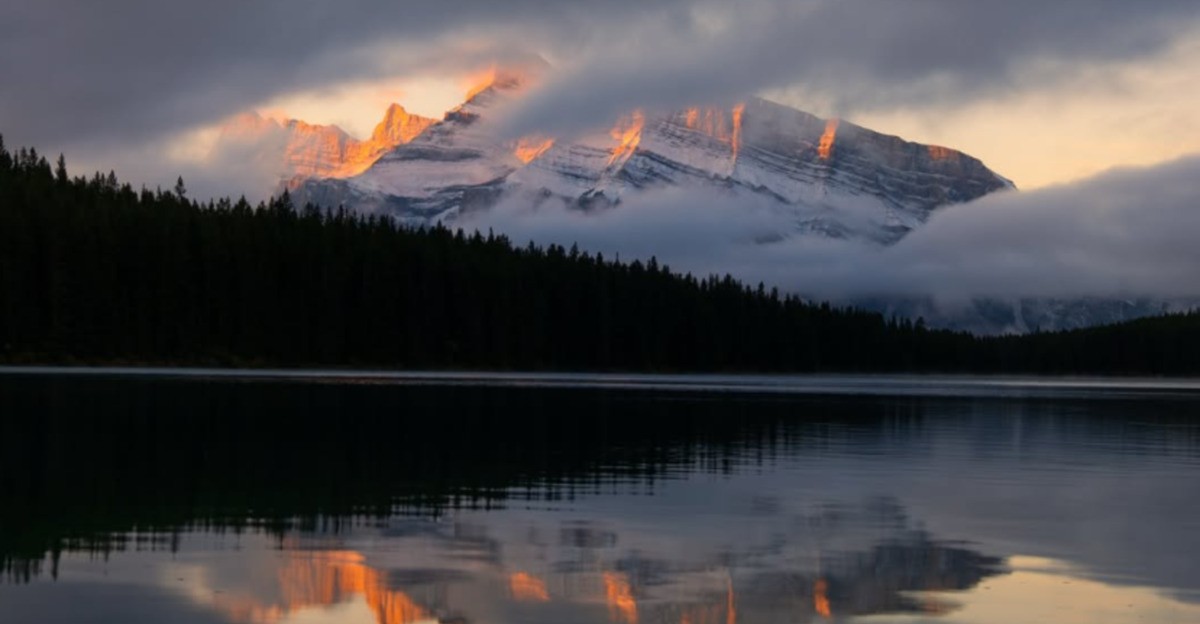
The route follows the former Canadian Northern Railway line, built in the early 1910s to haul coal and support homesteaders in remote western settlements. Long before highways connected the prairies to the mountains, these steel tracks were vital lifelines carrying fuel, supplies and people into Canada’s frontier communities. When the trains stopped running, the corridor fell silent, and with it many of the activities that had once sustained isolated towns.
Today, that disused line has been reborn as a multi-use gravel trail, giving walkers and cyclists a rare sense of solitude in a region better known for packed viewpoints and busy campgrounds. The path threads through dense pine and spruce forest, past mossy slopes and pockets of wetland, with only bird calls, rustling rabbits and the crunch of boots or bike tyres breaking the quiet. In places, there are long stretches where you may not see another person, an increasingly unusual experience in the Canadian Rockies.
The trail links the historic coal-mining town of Nordegg to Rocky Mountain House, itself an important fur-trade and transportation hub in western Canadian history. This creates a continuous, human-scale corridor between two communities whose fortunes once depended on the very railway the route now retraces. For modern visitors, that means not just scenery but a tangible sense of how rail opened – and later abandoned – these landscapes.
Nature, History and New Access
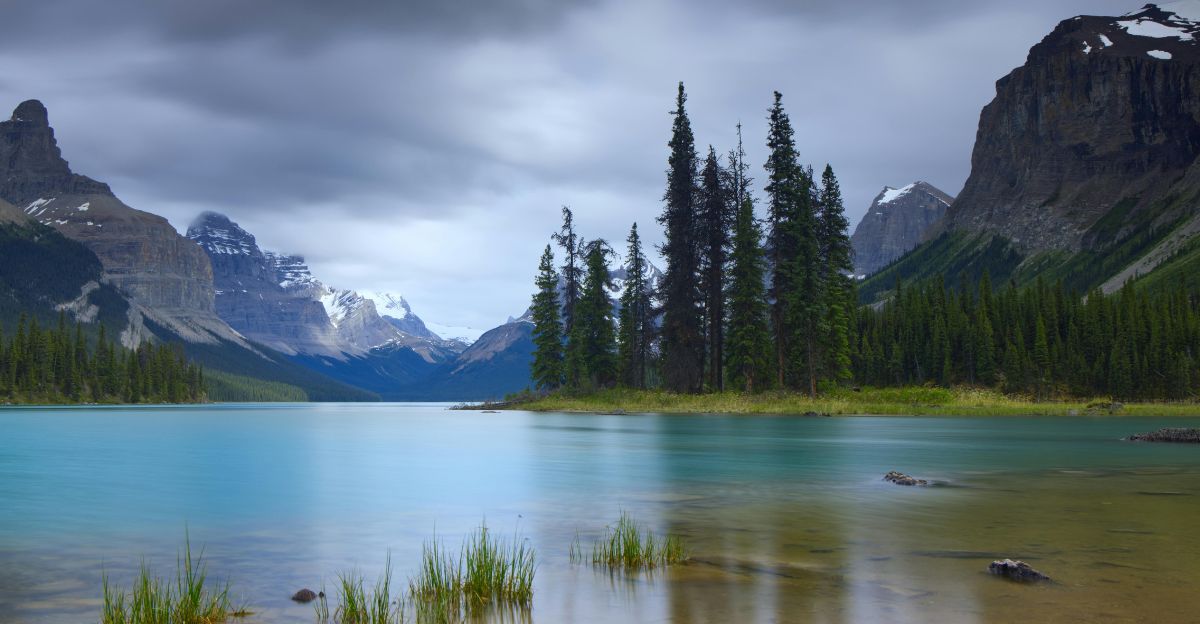
Because the new rail trail lies outside the world-famous national parks, it reveals a different face of the Rockies: one shaped as much by industry and settlement as by glaciers and peaks. Interpretive stops and the alignment itself hint at the story of coal seams, homesteads and the ambitions of early railway builders pushing deep into Canada’s West. Travelling the route, it becomes clear how rail lines once dictated where communities flourished – and how their closure left both economic and psychological gaps.
At the same time, the conversion into a recreational corridor protects a continuous swath of habitat, allowing wildlife to move through forest and foothills with relatively little disturbance. The gentle grades of the old railway make the trail accessible to a wide range of users, from bikepackers to casual walkers exploring short sections near road crossings or towns. This opens up a previously hard-to-reach corner of the Rockies to people who might never tackle steep alpine trails, spreading visitor pressure beyond the usual hotspots.
The experience is as much about slowness as distance: covering the 109km on foot or by bike gives time to absorb the subtle transitions from wetlands to thick forest, from industrial relics to quiet vistas. In doing so, the route invites travellers to reconsider what “wild” means in a landscape shaped by tracks, towns and extraction, and to see this once utilitarian corridor as a bridge between Canada’s past and its outdoor future.
Sources:
“The 109km trail opening up the Canadian Rockies.” BBC Travel, 28 Jan 2026.
“Rocky to Nordegg Rail Trail.” Clearwater County, 2022.
“Taunton Trestle viewing area opens west of Rocky as part of Alberta Rail Trail expansion.” 94.5 Rewind Radio, 27 Oct 2025.
“Nordegg National Historic Site of Canada.” Parks Canada, 2001.