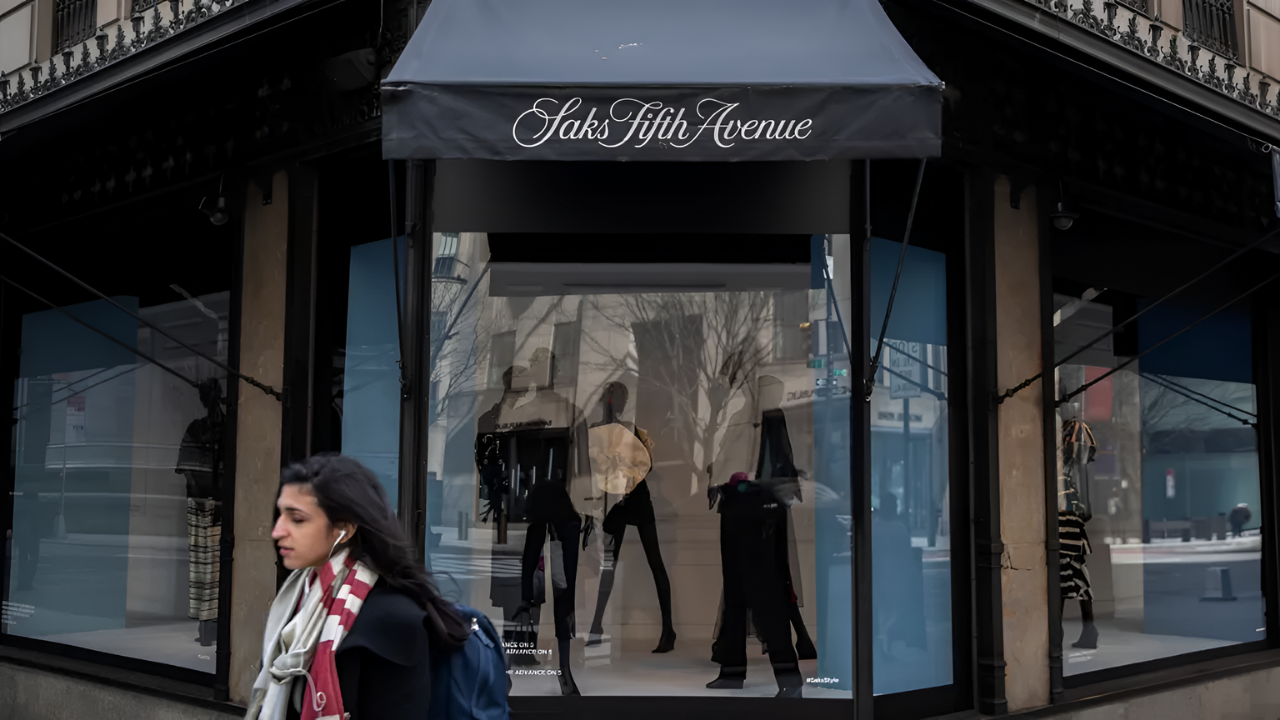
Saks Global, the luxury retailer formed by merging Saks Fifth Avenue, Neiman Marcus, and Bergdorf Goodman, filed for Chapter 11 bankruptcy only 13 months after buying Neiman Marcus for about $2.7 billion. The merger was meant to create a powerful American rival to European luxury houses like LVMH and Kering, blending digital sales with department stores.
However, the company took on heavy debt—over $2.2 billion in high-risk bonds—to finance the deal, leaving little room for mistakes. When promised sales growth and cost savings failed to appear, cash ran short. By mid-January 2026, Saks Global sought protection in a Houston court, listing about $3.4 billion owed to creditors. The situation hit Amazon hard. Its $475 million preferred equity stake, part of a broader technology and retail partnership, became “presumptively worthless.” Amazon had hoped its collaboration with Saks would help it reach luxury shoppers through a “Saks on Amazon” storefront, but that ambition quickly collapsed as bankruptcy wiped out its investment.
The collapse also exposed how fragile department store models remain in the luxury market. Rapid growth and high borrowing, combined with slowing luxury spending, left little financial cushion. Many observers now see the bankruptcy as a warning about trying to merge two struggling retailers under large debt. Saks executives blamed the problem on the company’s structure, calling it “unsustainable,” while analysts said the main issues were excessive leverage and poor execution, not weak consumer demand.
Fallout Across Luxury and Tech Partners
Saks Global’s bankruptcy rippled across the luxury and tech sectors. Court filings show the company owes hundreds of millions of dollars to major brands such as Chanel, Kering, Burberry, and LVMH. The 30 largest unsecured claims total about $712 million. Many of these brands relied on Saks for large parts of their U.S. sales.
Some smaller fashion labels got 40% to 50% of their business from Saks Global’s network, so delayed payments and canceled orders quickly hit their finances and staffing. Vendors began pulling shipments or demanding tighter payment terms, reducing store inventory and further hurting sales. That created a feedback loop that deepened the crisis.
To stay afloat during restructuring, the company received approval for debtor-in-possession financing valued between $1 billion and $1.7 billion, allowing it to keep stores open and pay workers during the court process. Still, thousands of jobs at Saks Fifth Avenue, Neiman Marcus, and Bergdorf Goodman remain uncertain until new financing or buyers appear.
Amazon’s troubles did not end with its loss of equity. The company was also meant to receive about $900 million in referral fees tied to Saks sales over eight years, but those future payments are now at risk. In court, Amazon objected to Saks’s financing plan, claiming it unfairly favored new lenders and downgraded prior partners. The court battle has highlighted growing tensions among luxury brands, tech investors, and financial creditors as they fight to protect their stakes.
Lessons for the Luxury Market
Saks Global’s crisis demonstrates how debt-heavy expansion strategies can fail even in the luxury sector. U.S. department stores have struggled for years against online competitors and the rise of direct-to-consumer fashion. Unlike European luxury conglomerates with strong balance sheets and global reach, Saks tried to scale too quickly using borrowed money.
This left it vulnerable when supply chains tightened or brands reduced shipments. Analysts say the case illustrates that traditional department store groups must rethink how they fund digital transformation. Sustainable growth will depend on leaner capital structures and stronger supplier trust rather than risky mergers.
During restructuring, Saks Global plans to continue paying current vendors, maintain salaries, and keep customer programs active. Management hopes to restore confidence by stabilizing operations and renegotiating leases. Future buyers or investors may join once debt levels fall and operations improve.
The outcome will shape how luxury retailers partner with tech platforms like Amazon in the future and may push both industries toward less risky deals. While customer demand for luxury goods remains steady, the Saks Global collapse reveals how fragile big, debt-loaded retail roll-ups can be in a changing market landscape.
Sources:
- Nasdaq – Amazon Challenges Saks Bankruptcy Plan, Says $475 Mln Investment Has Been Wiped Out – January 14, 2026
- CNBC – Saks Acquisition of Neiman Marcus Led to Bankruptcy – January 15, 2026
- Digital Commerce 360 – Saks Global Files for Chapter 11 Bankruptcy, Receives Permission to Proceed With Financing Plan – January 14, 2026
- Business Insider – Saks Owes Hundreds of Millions to Luxury Brands From Chanel to Gucci After Bankruptcy Filing – January 13, 2026
- Reuters – Chanel, Kering Top Luxury Who’s Who of Saks Global Unsecured Creditors – January 14, 2026
- Yahoo Finance – A $900M Promise to Amazon and 4 Other Takeaways From Saks Global’s Bankruptcy – January 14, 2026