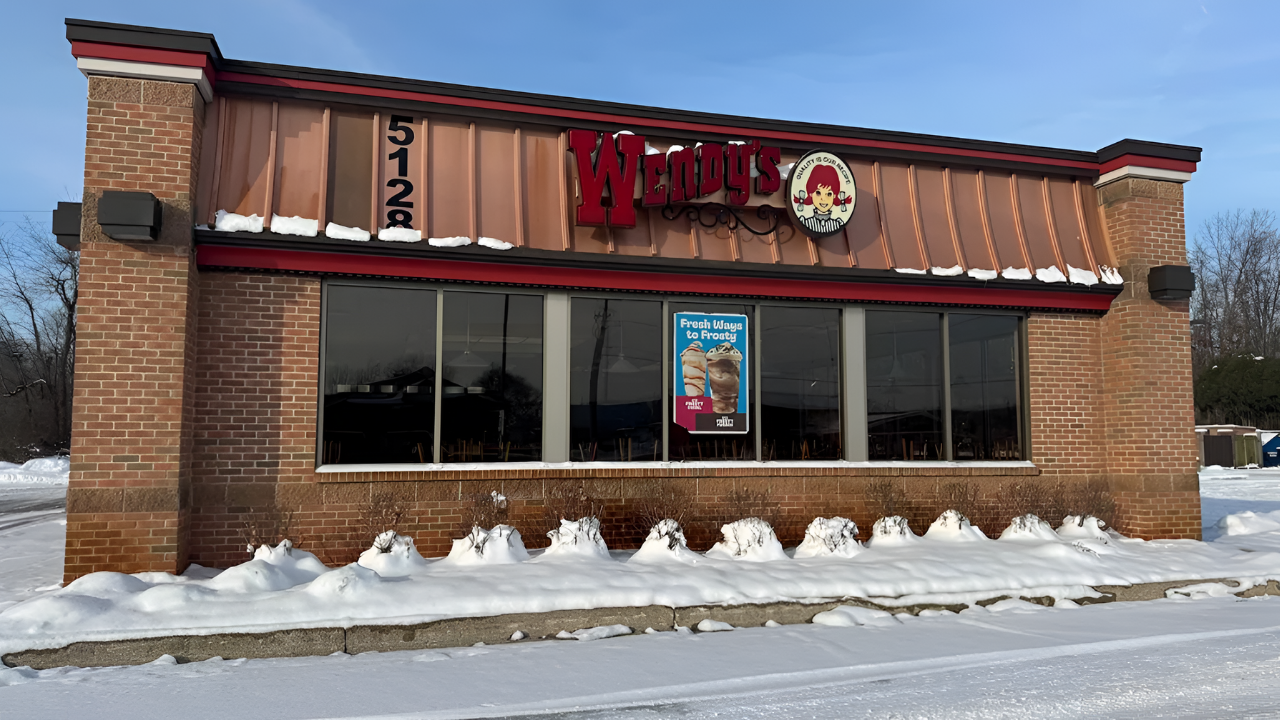
Wendy’s plans to close between 200 and 350 underperforming U.S. restaurants starting in 2025 and extending into 2026, representing about 5% of its roughly 6,000 locations. This decision comes as the chain grapples with falling sales, inflation pressures, and changing consumer habits in a competitive fast-food market.
The announcement signals a pivot from decades of expansion to a sharper focus on profitability. Founded in 1969, Wendy’s built its reputation on menu innovations like fresh beef patties, growing steadily into a major player. Now, with U.S. same-store sales down 3.7% overall and 4.7% in the third quarter of 2025, the company faces a stark reality check.
Financial Pressures Mount
For the first nine months of 2025, Wendy’s total revenues dropped 2% to $1.63 billion from $1.67 billion the prior year. Net income declined 6%, highlighting squeezed margins amid higher operating costs and reduced customer traffic. Price-sensitive diners, particularly low-income consumers, have pulled back, exacerbating the downturn in domestic performance.
Company-operated restaurants outperformed the broader system by 4% in the third quarter, but franchise locations—most of Wendy’s U.S. footprint—struggle more. Interim CEO Ken Cook, appointed in July 2025 after the prior leader’s exit, outlined the closures as central to the company’s turnaround.
Project Fresh Takes Shape
Dubbed “Project Fresh,” the strategy emphasizes operational efficiency, labor optimization, technology upgrades, and enhanced customer experiences. Rather than chasing new openings, Wendy’s aims to consolidate around stronger units, supporting franchisees with tools for upgrades while pruning weak performers.
Menu tweaks continue as a bright spot, with recent hits like chicken tenders driving some gains. The plan bets on these changes to rebuild sales momentum, though industry observers question if they will suffice to reverse traffic declines.
Broader Industry Echoes
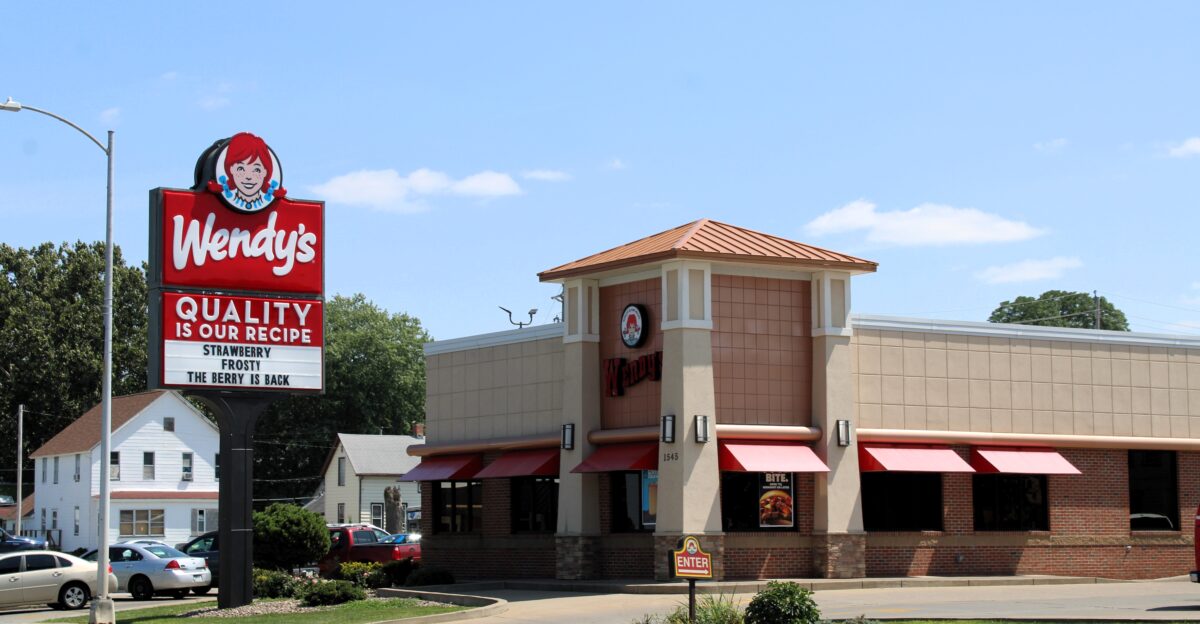
Wendy’s move mirrors a sector-wide retrenchment. Fast-food chains increasingly shutter underperformers to prioritize profitability over growth, as inflation erodes margins and diners seek value. Younger consumers, more health-aware and tech-oriented, demand aligned brands, forcing operators to adapt service and messaging.
Internationally, Wendy’s bucks the trend with 8.6% systemwide sales growth in the third quarter, offering a potential offset to U.S. woes. Still, closures carry ripple effects: job losses for staff, tough choices for franchisees weighing reinvestments, and economic hits to local communities reliant on these outlets.
Uncertainties Ahead
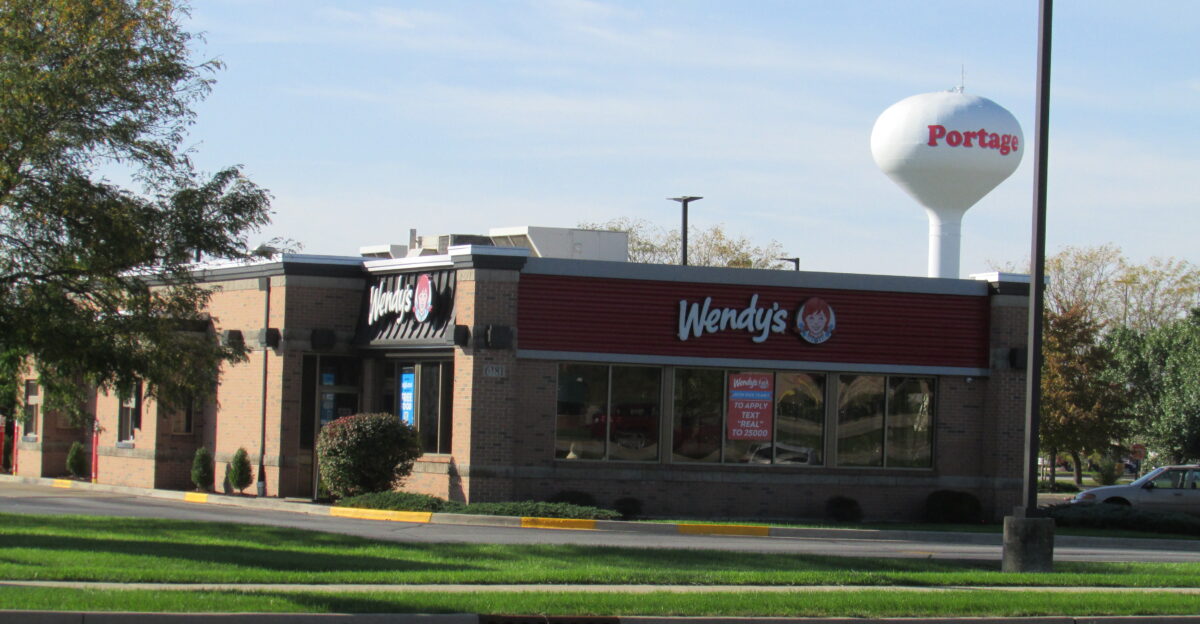
Legal hurdles loom, including lease terminations, franchise contract disputes, and employee severance under varying state rules. No detailed closure list has emerged, leaving specifics unclear.
Success hinges on execution under Cook’s leadership. If Project Fresh delivers sustained improvements, Wendy’s could emerge leaner and more resilient. Failure risks deeper cuts. The stakes extend beyond one chain, underscoring how economic shifts test the fast-food model’s endurance amid evolving tastes and costs.
Sources:
“Wendy’s to close hundreds of U.S. restaurants as low‑income consumers cut back.” CBS News / Associated Press, Nov 2025.
“Wendy’s to close hundreds of locations: list of fast‑food casualties in 2025 grows longer.” Fast Company, Nov 2025.
“Wendy’s could close hundreds of restaurants amid weak same‑store sales and Project Fresh rollout.” Restaurant Dive, Nov 2025.
“THE WENDY’S COMPANY launches ‘Project Fresh,’ a strategic plan to drive growth and enhance value creation.” PR Newswire / The Wendy’s Company press release, Oct 2025.