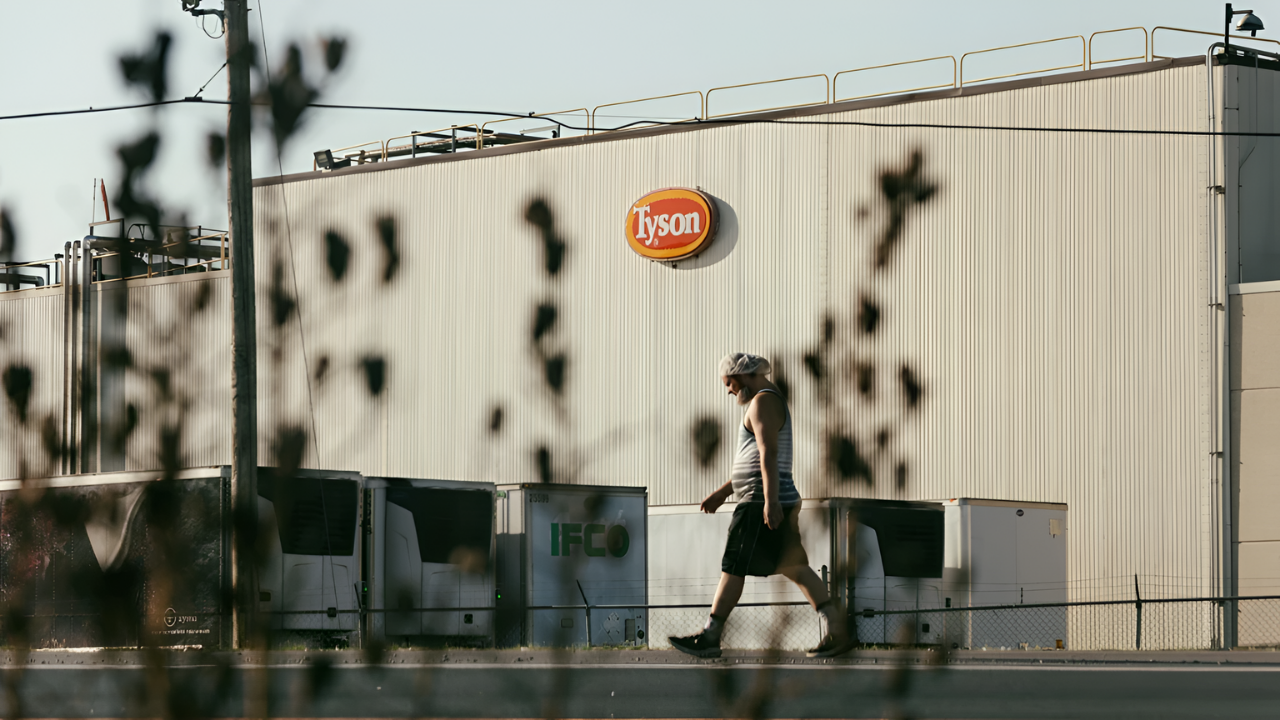
Tyson Foods announced on January 20, 2026, the permanent closure of its Lexington, Nebraska beef processing facility and the reduction of its Amarillo, Texas plant to single-shift operations. The restructuring eliminates approximately 3,212 positions in Lexington and roughly 1,700 in Amarillo, totaling nearly 5,000 jobs and reducing U.S. beef processing capacity by an estimated 4.8 percent. The decision follows a 1.135 billion dollar operating loss in the beef segment during fiscal 2025, forcing leadership to pursue drastic cost-cutting measures.
The closure reflects a broader crisis gripping the U.S. cattle industry. The national herd has shrunk to historic lows due to prolonged droughts, elevated feed costs, and widespread livestock liquidation. Beef processors now compete fiercely for limited cattle supplies, driving up acquisition costs and compressing already thin profit margins. Tyson’s beef division, operating on razor-thin returns, absorbed these pressures until losses became unsustainable. By late 2025, the company determined that incremental reductions would not restore profitability, necessitating the closure.
The Closure Of An Important Plant
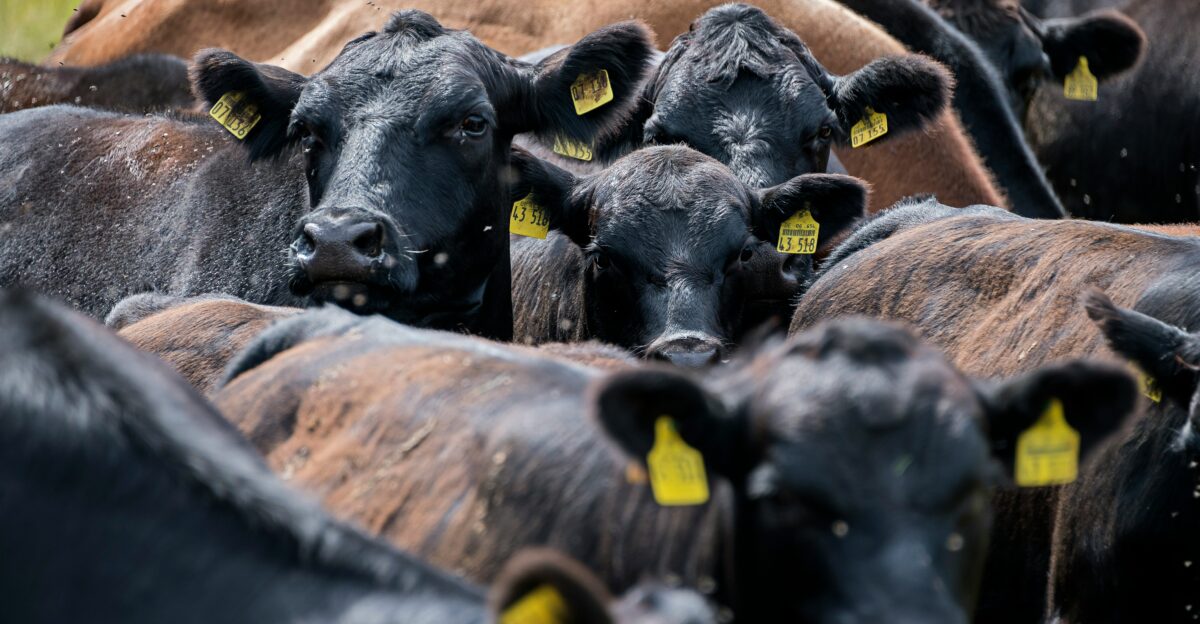
The Lexington facility, part of Tyson’s operations since 2001, represented a significant regional beef production hub. The company had invested millions into the plant, including a 47 million dollar expansion in 2015. The closure marks a dramatic reversal of long-term growth plans and signals deepening challenges within the meatpacking sector.
Lexington, Nebraska, a town of just over 10,000 residents, now faces severe economic strain. Tyson was the largest employer in the area, and its departure will trigger cascading job losses among suppliers and local businesses. The University of Nebraska-Lincoln economic model projects approximately 7,000 jobs lost across Nebraska when accounting for direct, indirect, and induced economic impacts. Workers at the Lexington plant earned an average of about 94,169 dollars annually, including wages, benefits, and bonuses. The closure represents a collective annual income loss of roughly 241 million dollars for affected employees. Many workers have spent decades at the facility, and relocation is not feasible for most families.
Effects Beyond Lexington
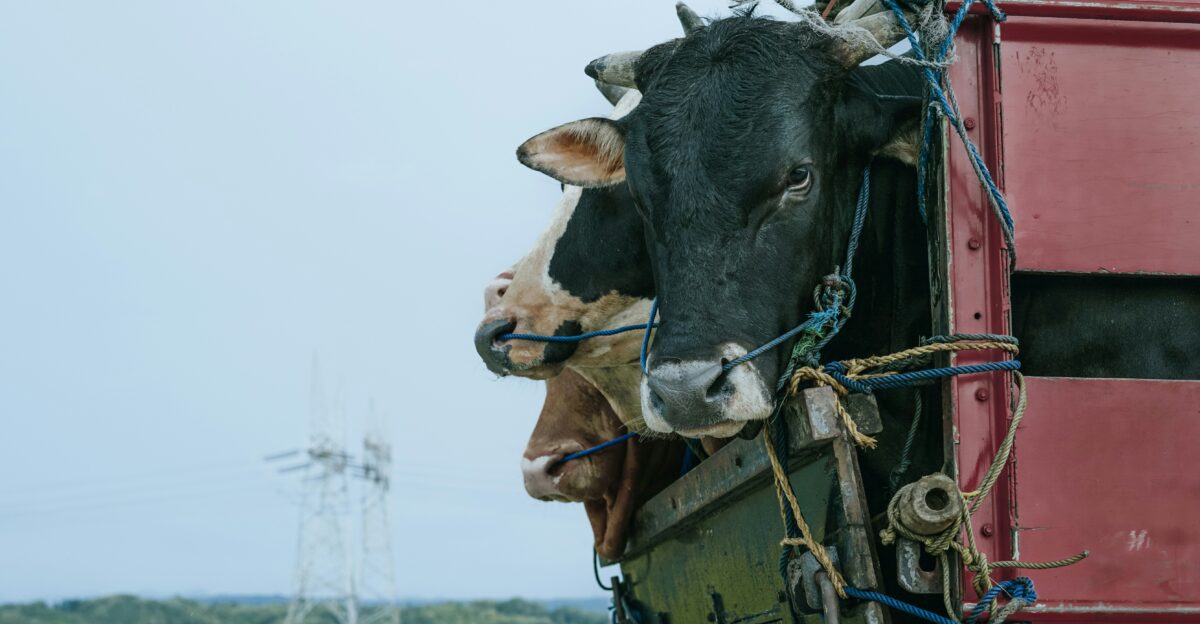
The ripple effects extend beyond Lexington. Cattle ranchers in the region now face fewer local buyers for livestock, potentially reducing competition and lowering prices paid for their herds. Some ranchers may need to transport cattle greater distances, adding costs and logistical complexity. The closure removes processing capacity for nearly 5,000 cattle daily, further straining a U.S. beef supply already pressured by herd decline. Analysts forecast rising beef imports in 2026 to meet demand, which could elevate consumer prices and raise concerns about food security and environmental standards, as imported beef may not meet identical regulatory requirements as domestically produced beef.
Tyson’s decision echoes the 2006 closure of its Norfolk, Nebraska plant, which was largely stripped of equipment and left abandoned for nearly two decades. Nebraska Governor Jim Pillen has urged Tyson not to repeat this outcome, demanding swift action regarding the Lexington facility’s future. Tyson has stated it does not plan to strip the plant and is exploring repurposing options, including conversion to a case-ready meat facility—a smaller-scale operation that would retain some employment but far fewer jobs than the original slaughter operation. No formal decision has been announced, leaving the community in prolonged uncertainty.
Attracting Scrutiny

The closure has drawn political scrutiny. U.S. Senate Majority Leader Chuck Schumer called for increased oversight of Tyson’s decision, warning of significant consequences for ranchers and consumers. His concerns reflect broader anxiety about industry consolidation, as Tyson, JBS, Cargill, and National Beef control a substantial share of U.S. beef production. Workforce retraining programs in Nebraska and Texas have been initiated, but they cannot absorb the scale of job losses. For many workers, recovery means either relocating or pursuing careers in unrelated fields—a difficult transition for communities built around beef processing.
The closure raises fundamental questions about the future of American beef processing. Will consolidation accelerate, or will smaller regional processors expand to fill the gap? Will imports play an increasingly central role in meeting domestic demand? As the industry adapts to a smaller cattle herd and tighter margins, these answers will shape the landscape for ranchers, workers, consumers, and rural economies dependent on processing infrastructure.
Sources:
University of Nebraska–Lincoln; Economic Impacts of the Tyson Beef Plant Closure in Lexington, Nebraska; January 20, 2026
Yahoo Finance (via Amarillo Globe-News reporting); Tyson cutting more than 1,700 jobs in Amarillo, closing Nebraska plant; November 21, 2025
Nebraska Public Media; UNL report estimates nearly $3.3 billion in annual economic losses from Tyson Foods closure; December 22, 2025
KFGO / NAFB; Study estimates the impact of Tyson’s plant closure in Nebraska; December 29, 2025
NEPM / NPR; How Tyson’s beef plant closure will impact the local economy in Nebraska; January 9, 2026