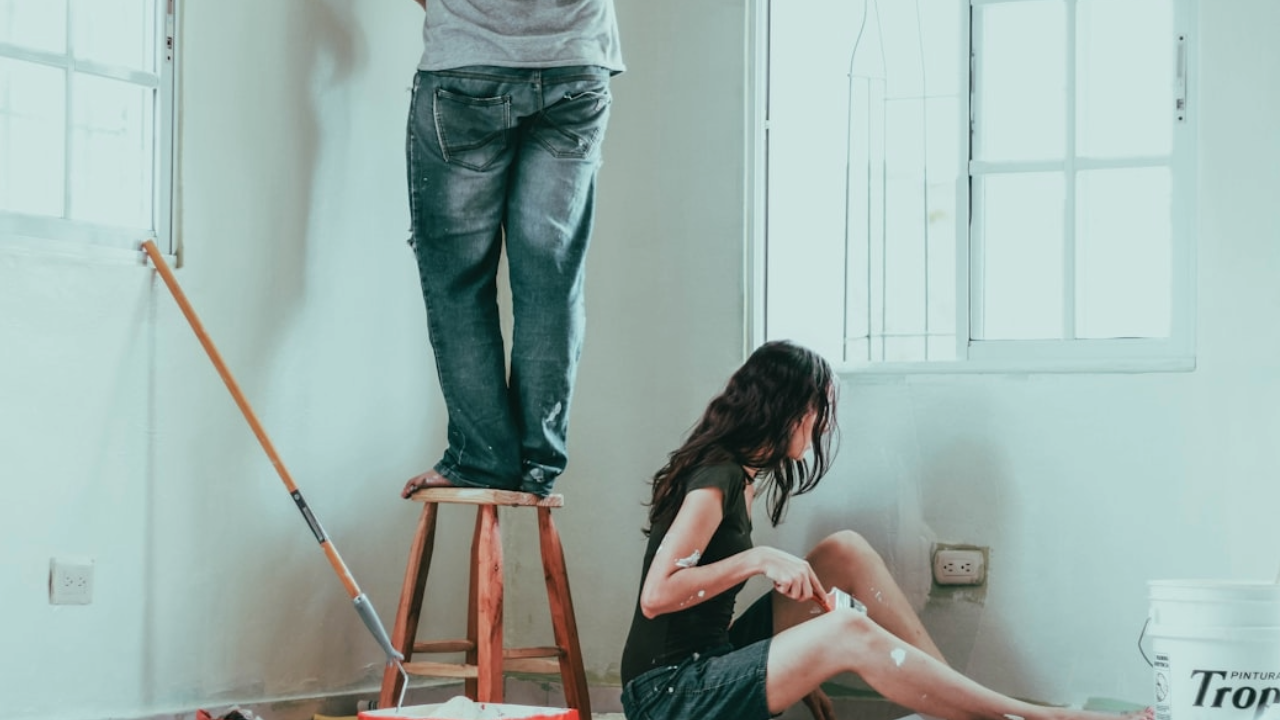
A vivid streak of bright blue paint bleeds under the edge of painter’s tape, hardening into a jagged line across a newly renovated living room floor. This single error exemplifies 14 common DIY pitfalls that trigger costly rework, repairs, and potential health issues for homeowners.
The surge in home-improvement projects since the pandemic has amplified these risks. Searches for painting, drilling, and furniture refinishing spiked as people embraced self-reliance amid rising professional costs. These preventable mistakes in basic tasks like sanding, cutting, and sealing lead to injuries, thousands in repair bills, and underreported exposures to paint fumes, dust, and volatile organic compounds in poorly ventilated spaces.
Common Glue and Paint Errors
Rushing to cap a glue bottle with excess adhesive on the nozzle traps liquid that hardens into a clog, ruining precision and wasting product. Users often cut the tip shorter, sacrificing control and creating mess; wiping clean and holding upright before sealing prevents this.
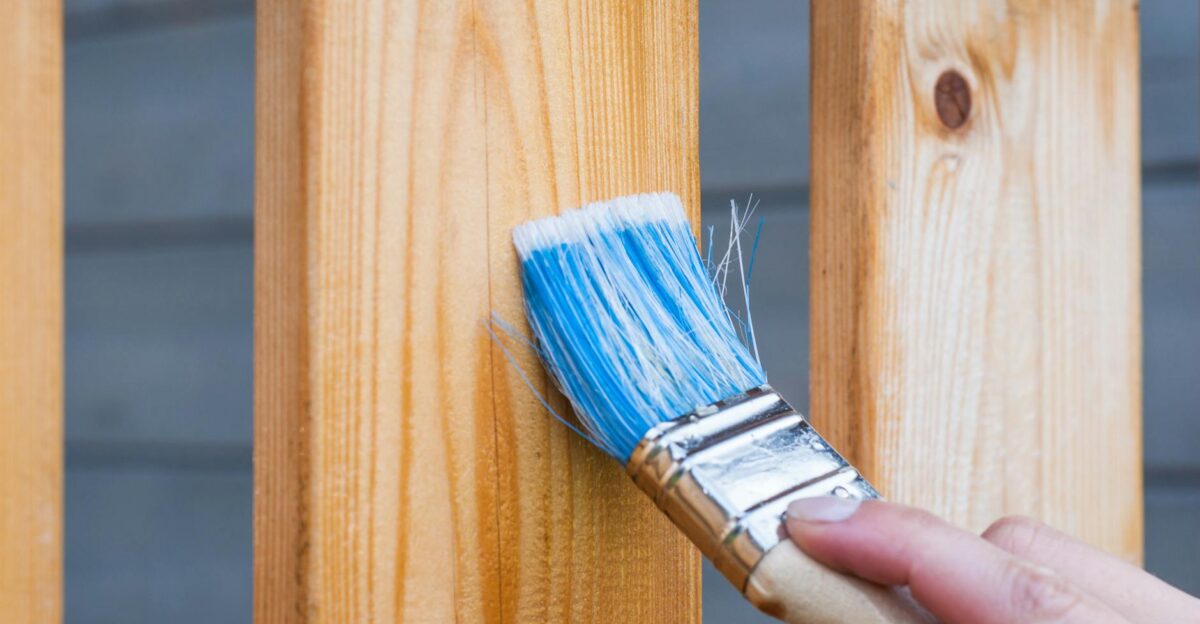
Dipping a dirty brush directly into a paint can introduces fibers, debris, and flakes that mar walls with bumps and streaks, necessitating sanding and repainting. Pouring into a tray preserves the main supply for clean storage and future use.
Lightweight newspaper as a drop cloth lifts under spray paint, sticking and contaminating finishes with ink and fibers. Opt for heavier cardboard, plastic sheeting, or kraft paper to maintain a flat barrier.
Fabric and Tool Mishaps
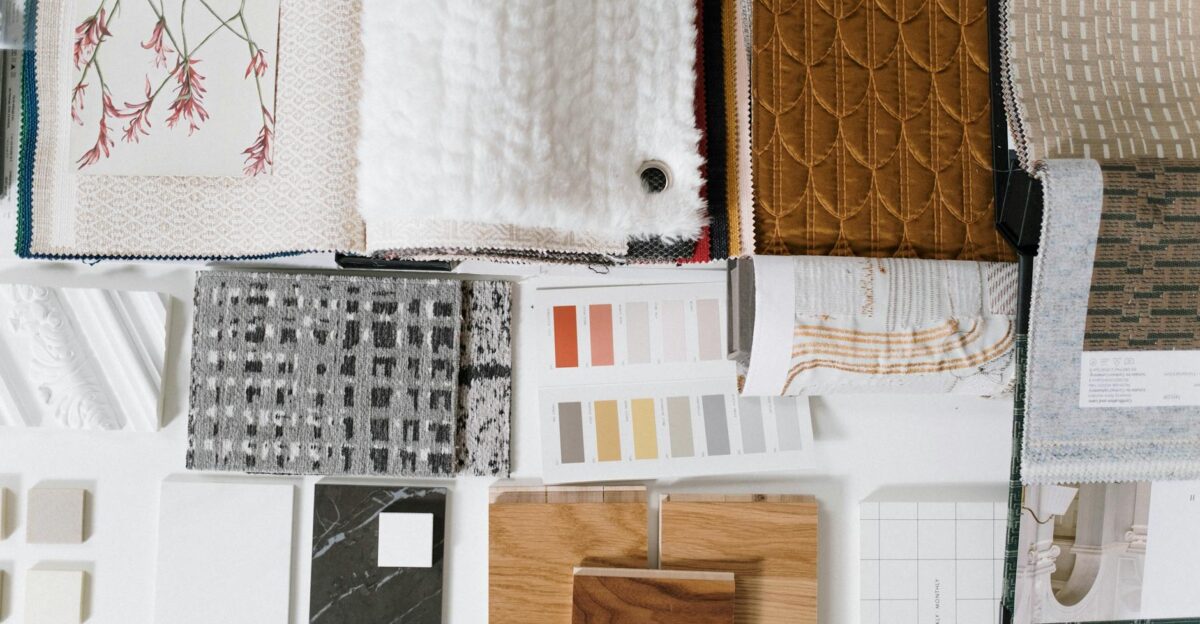
Cutting upholstery fabric before draping it over furniture results in misaligned patterns or insufficient coverage, requiring extra material or settling for amateur results. Draping first reveals fit and pattern flow.
Pressing a craft knife too hard in one pass risks skids, snaps, or slips; multiple light strokes with sharp blades on a stable surface yield accurate, safer cuts.
Sanding with a single grit either fails to remove old finishes or leaves scratches that show through paint. Progress from coarse to fine grits creates a smooth base.
Storing markers upright dries nibs, while tip-down causes ink pooling and blotches. Horizontal storage distributes pigment evenly for consistent lines and longer life.
Health and Structural Oversights
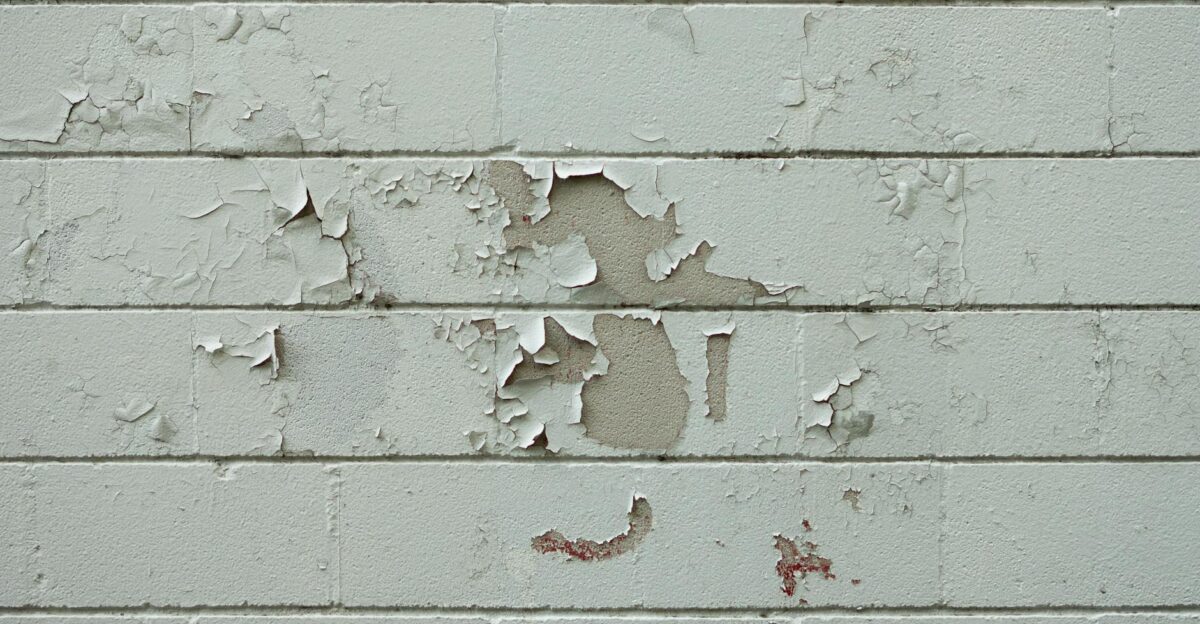
Sanding vintage paint without lead testing disperses hazardous dust onto floors and furnishings, especially risky for children as no safe blood lead level exists. Pre-1970s coatings in many countries demand professional assessment.
Skipping pilot holes before screwing into wood splits boards near edges; a slightly smaller hole guides the fastener smoothly.
Unsealed painter’s tape lets paint seep underneath; pressing edges with a putty knife or card ensures crisp lines.
High humidity delays latex paint drying, trapping moisture and VOCs in unventilated rooms, prolonging tackiness and odors.
Finishing Touches Gone Wrong
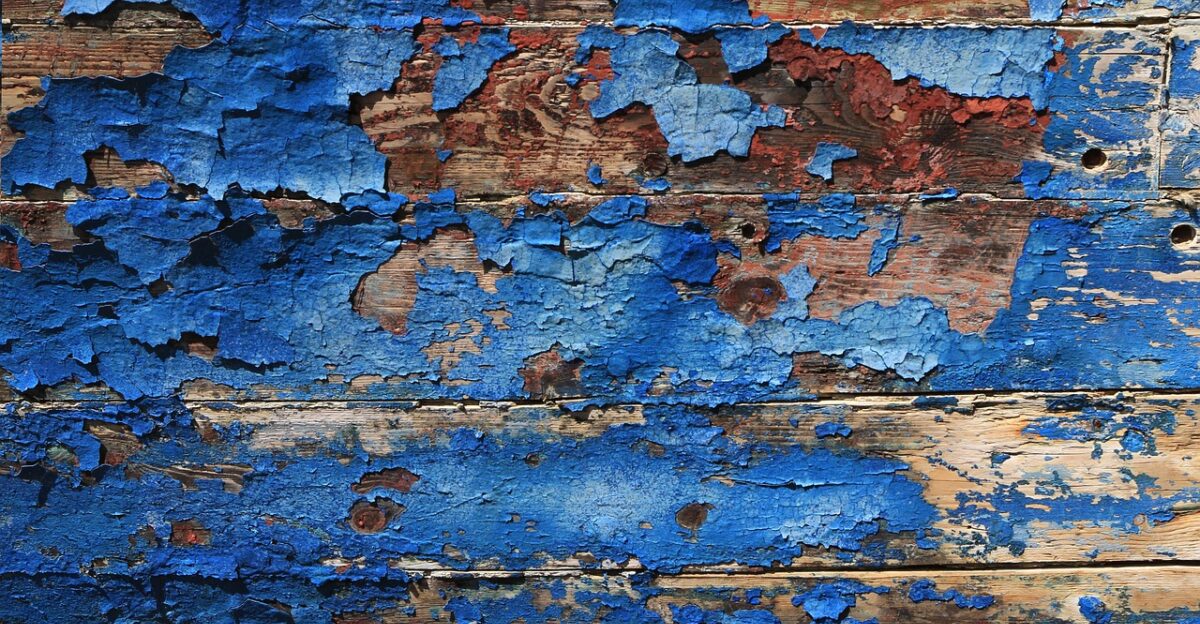
Peeling dry stencils pulls up paint flakes; remove while tacky, testing a corner first for clean release.
Straight cuts on ribbon fray edges; angle scissors at 45 degrees or notch a V-shape, sealing with nail polish for durability.
Leaving ink on stamps dries into a film that muddies colors; clean on scrap paper with appropriate solvents after use.
Market and Mindset Shifts
These errors fuel retailer returns, insurer claims, and professional call-outs, prompting safety campaigns. Even experienced DIYers and professional contractors occasionally overlook these details when rushing projects or working outside their specialty areas, demonstrating how ingrained habits and time pressure can affect anyone.
Adopting habits like thorough prep, ventilation, sharp tools, and cleanup transforms simple projects. Homeowners gain professional results, avoiding store runs and emergencies.
Experts anticipate enhanced safety integration: QR codes linking to guides, prominent fume and dust warnings, and checklists on labels and tutorials. Clearer best practices will equip DIYers for safer, higher-quality outcomes amid ongoing home project trends.
Sources:
“Despite the Devastating Effects on the Broader Economy, the Pandemic Has Been a Boon for the US Home Improvement Market.” Harvard Joint Center for Housing Studies, 2020.
“Volatile Organic Compounds’ Impact on Indoor Air Quality.” Environmental Protection Agency.
“Lead Prevention: Sources of Lead.” Centers for Disease Control and Prevention.
“EPA Strengthens Standards to Protect Children from Exposure to Lead Paint Dust.” Environmental Protection Agency, 2024.
“Home Improvement’s Worst Mistakes.” HSH.com.
“What Are VOCs in Paint and Cleaning Products?” Green Seal.