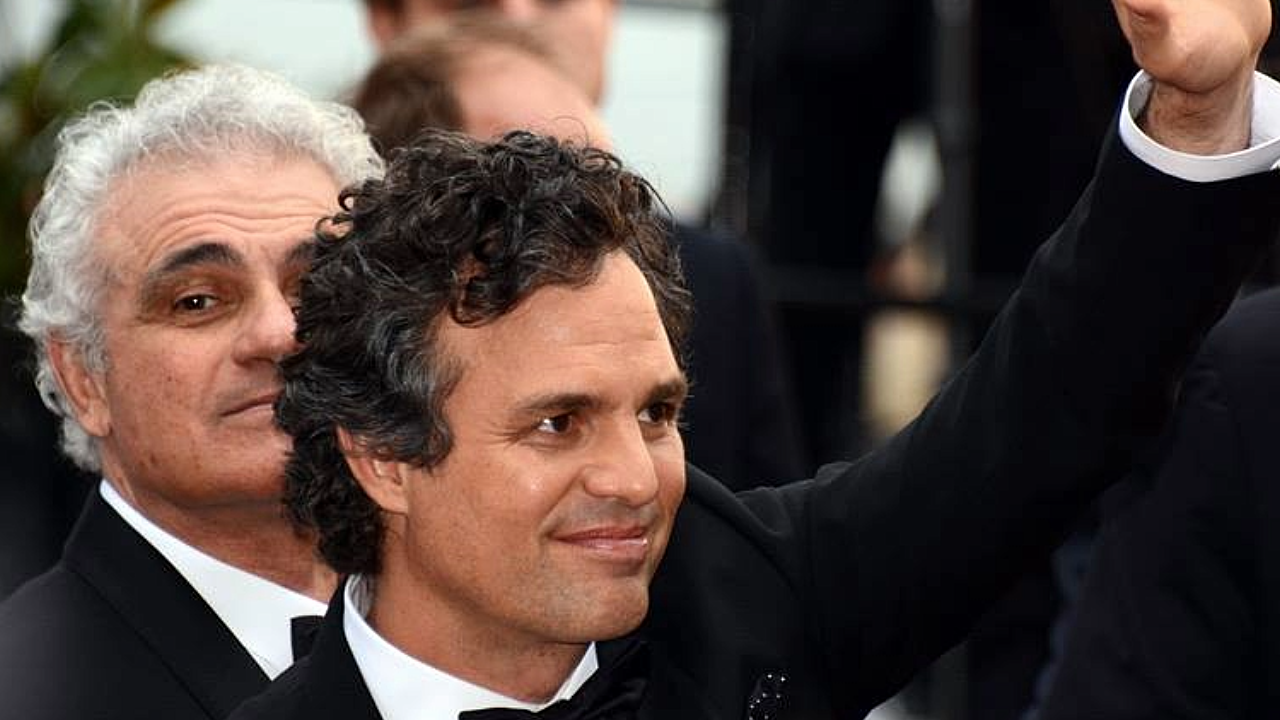
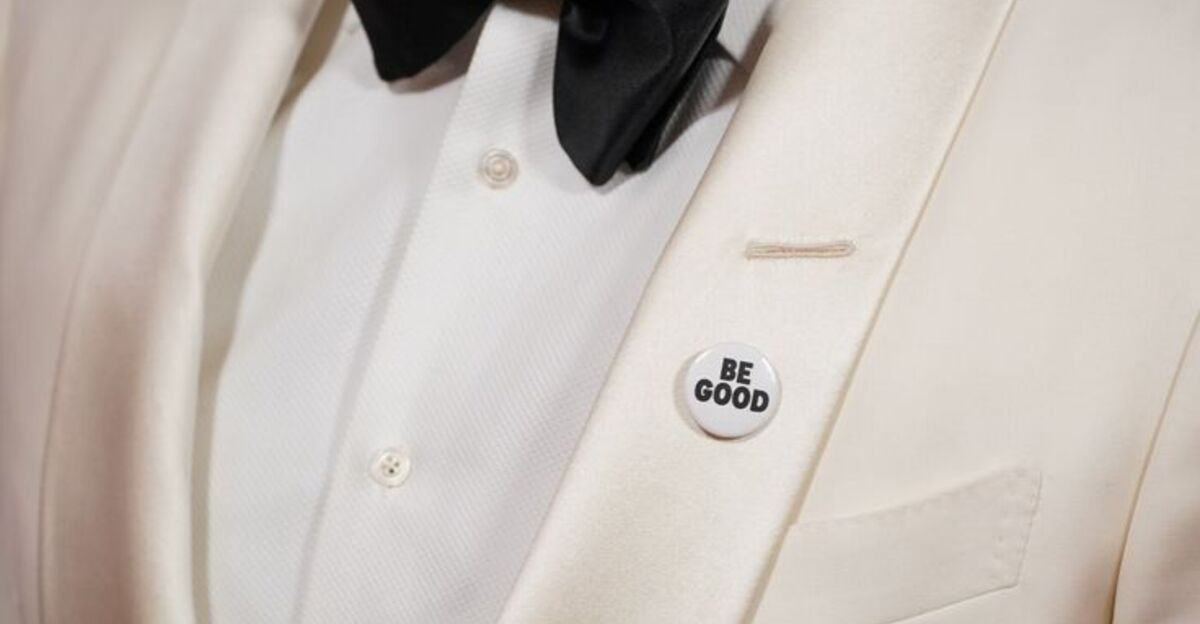
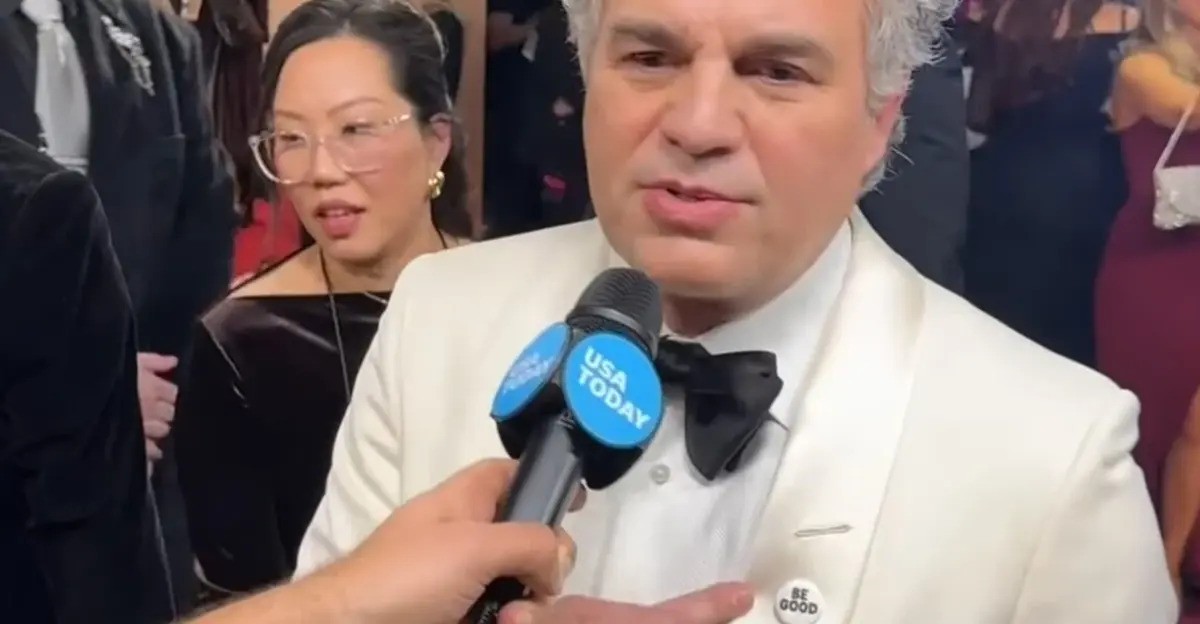
On January 11, celebrities including Mark Ruffalo, Wanda Sykes, Jean Smart, and Natasha Lyonne arrived wearing white pins emblazoned with “BE GOOD” and “ICE OUT”—transforming the Golden Globes red carpet into a statement against ICE.
The pins honored Renee Nicole Good, a 37-year-old Minneapolis mother killed four days earlier by federal agents.
Behind Hollywood’s glamour lay an urgent collective message about government accountability and immigrant rights.
A Week of Tragedy
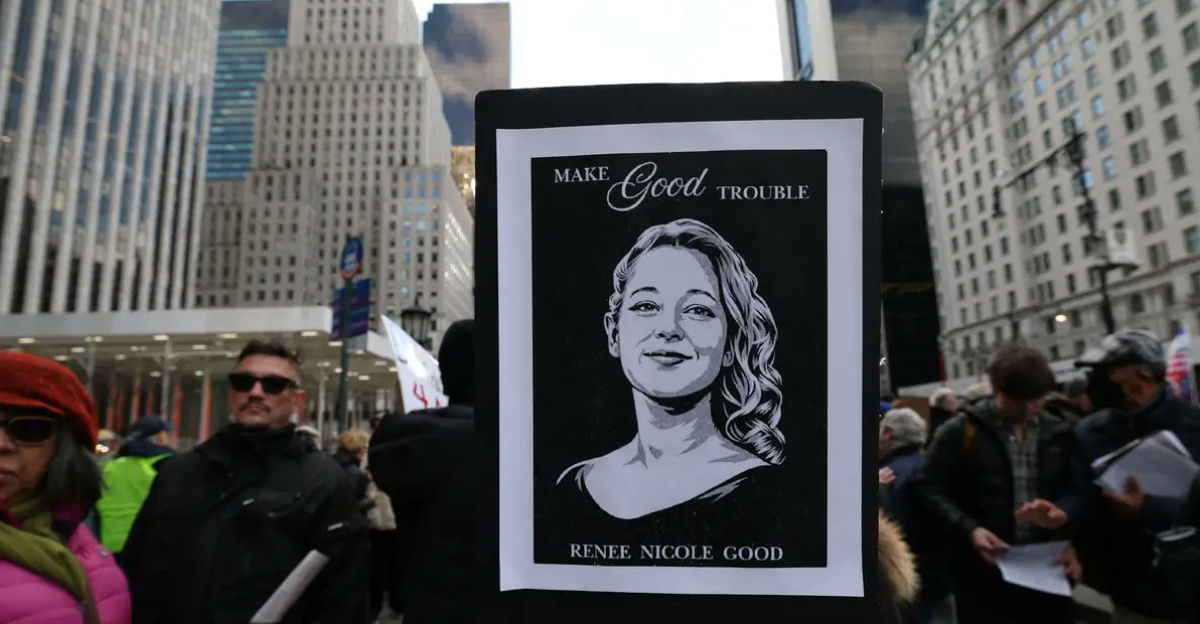
Renee Nicole Good was fatally shot in Minneapolis on January 7—four days before the Globes. She became the ninth person shot by ICE officers since September 2025, according to advocacy groups.
Additionally, on New Year’s Eve, Keith Porter was killed by an off-duty ICE agent in Los Angeles.
These deaths coincided with the Trump administration’s intensified immigration enforcement and a $100 million federal recruitment campaign to expand ICE’s capacity. Hollywood’s January 11 response reflected industry recognition of its platform and moral obligation.
The Disputed Shooting
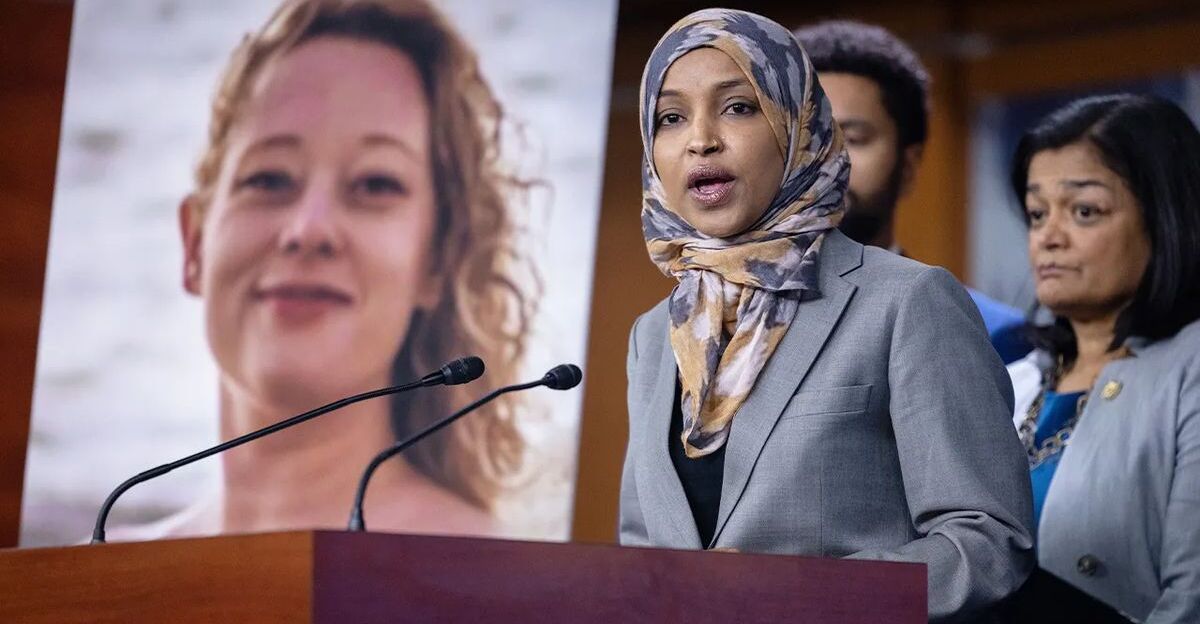
Circumstances surrounding Renee Good’s death remain contested. Video analysts and local officials dispute DHS claims that Good “attempted to run over” ICE agents.
An independent autopsy revealed three gunshot wounds: the forearm, the breast, and a fatal headshot. Video footage showed ICE agent Jonathan Ross upright as Good’s vehicle passed, contradicting self-defense assertions.
Good’s legal team emphasized that the video evidence contradicted the DHS narrative. This disputed account underscored concerns about federal accountability and transparency regarding immigrant safety.
Building Pressure on Hollywood

Before the Golden Globes, the ACLU, MoveOn, National Domestic Workers Alliance, and entertainment leaders organized the #BeGood campaign specifically for the awards show.
The coalition created physical pins as a visible, unifying symbol. Momentum built through social media campaigns and nationwide protests.
The pins provided a concrete, coordinated action—subtle enough for broadcast protocols yet unmistakable in intent. This organized mobilization transformed potential scattered statements into a collective industry message.
Ruffalo’s Red Carpet Statement
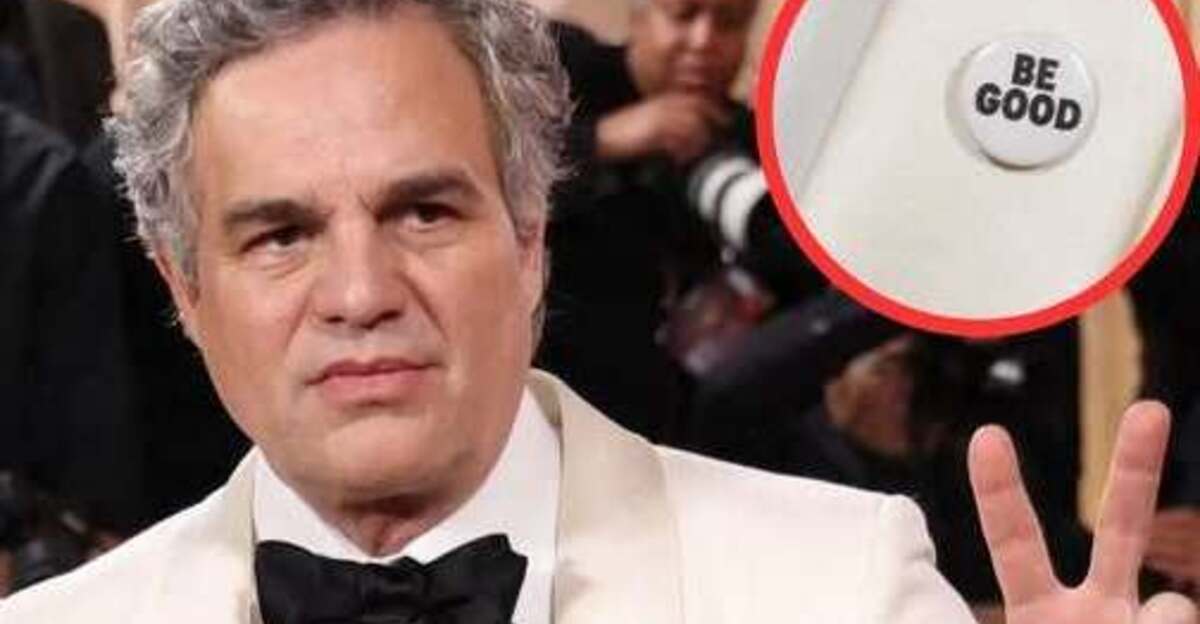
Mark Ruffalo became the most vocal participant. Speaking with USA Today on the red carpet, he stated, “This is for Renee Nicole Good, who was murdered.” He called ICE agents “literal stormtroopers” and condemned Trump policies.
Ruffalo elaborated: “The only thing that matters to him is his own morality.” He concluded: “If we’re relying on this guy’s morality for the most powerful country in the world, then we’re all in a lot of trouble.”
His remarks were the evening’s most direct political red-carpet commentary.
Sykes’ Call to Action
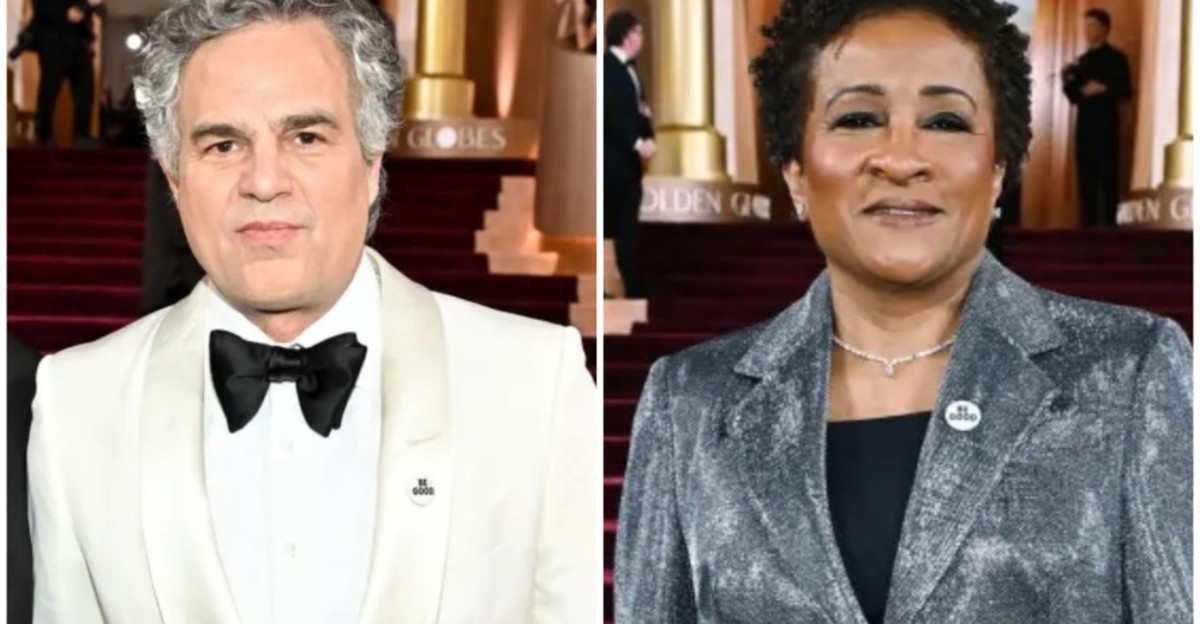
Wanda Sykes took a different rhetorical approach, emphasizing collective responsibility. Speaking with Variety, she explained: “We need to be out there and shut this rogue government down, because it’s just awful what they’re doing to people.”
Her “rogue government” framing appealed to broader concerns about executive overreach and federal violence.
Sykes’ comments suggested the #BeGood campaign represented fundamental concerns about governmental legitimacy rather than partisan disagreement. Later, she presented an award without extending political commentary.
Jean Smart’s Strategic Restraint
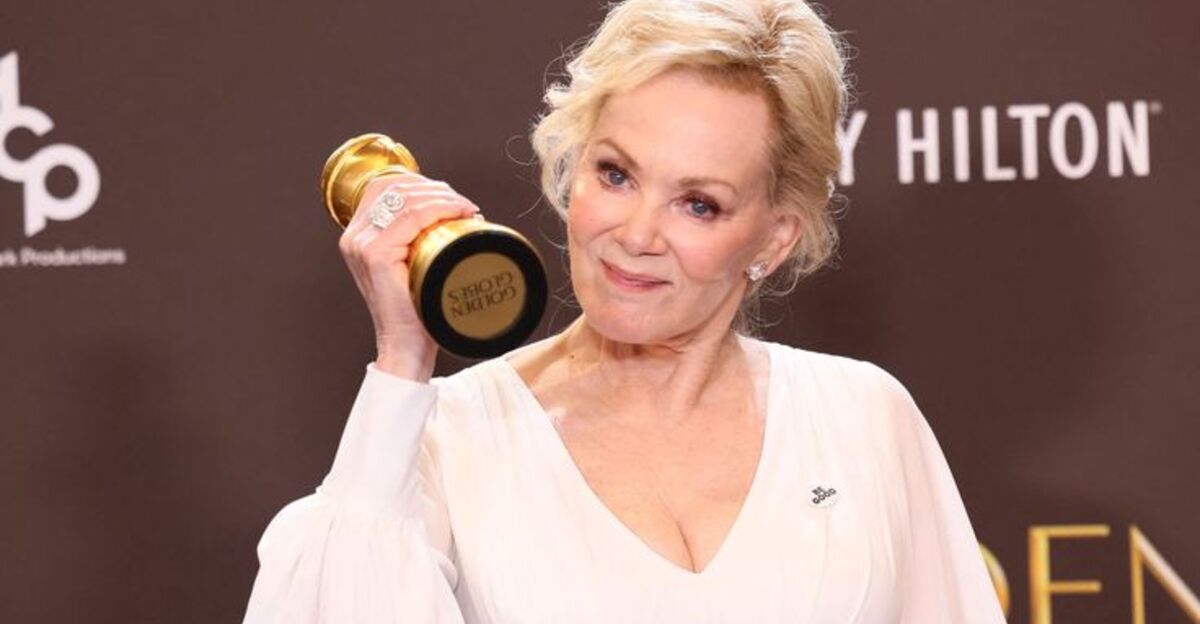
Jean Smart won Best Actress in a TV Comedy for HBO’s Hacks. On the red carpet, she spoke about the political moment without personal attacks: “Everything’s kind of overshadowed by everything that’s going on right now.”
During acceptance, she said, “Let’s all do the right thing. Everybody in their hearts knows what the right thing is.”
Smart proactively addressed celebrity activism criticism: “I’m here speaking as a citizen and a mom,” she stated, demonstrating deliberate restraint in amplifying activism.
Other Voices
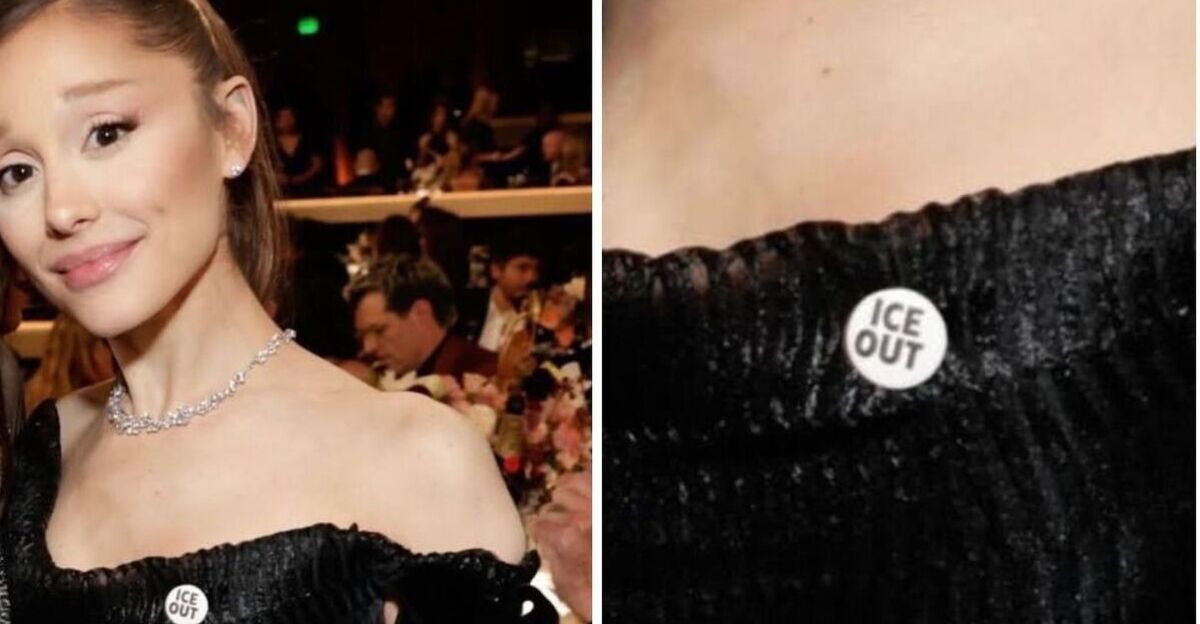
Beyond Ruffalo, Sykes, and Smart, Natasha Lyonne, Tessa Thompson, Bella Ramsey, and Ariana Grande wore pins, demonstrating collective solidarity across generations. While not all gave detailed statements, their participation showed #BeGood’s institutional reach within Hollywood.
Backing organizations included the ACLU, MoveOn, National Domestic Workers Alliance, and Working Families Power.
This coalition framing positioned activism as organized advocacy supported by civil rights infrastructure rather than individual virtue-signaling. The collective action amplified impact beyond what isolated statements could achieve.
The Broadcast Moment

The ceremony reached 8.66 million live and same-day viewers on CBS and Paramount+—a 7% decline from the prior year but still the most-viewed awards ceremony of the evening.
The Globes achieved 43 million total social media interactions, a 5% increase from 2025. Despite the NFL playoffs, the Globes secured significant engagement.
Red carpet activism dominated early coverage, but the ceremony maintained decorum on stage, reflecting strategic choices about activism placement.
ICE’s Deadliest Year
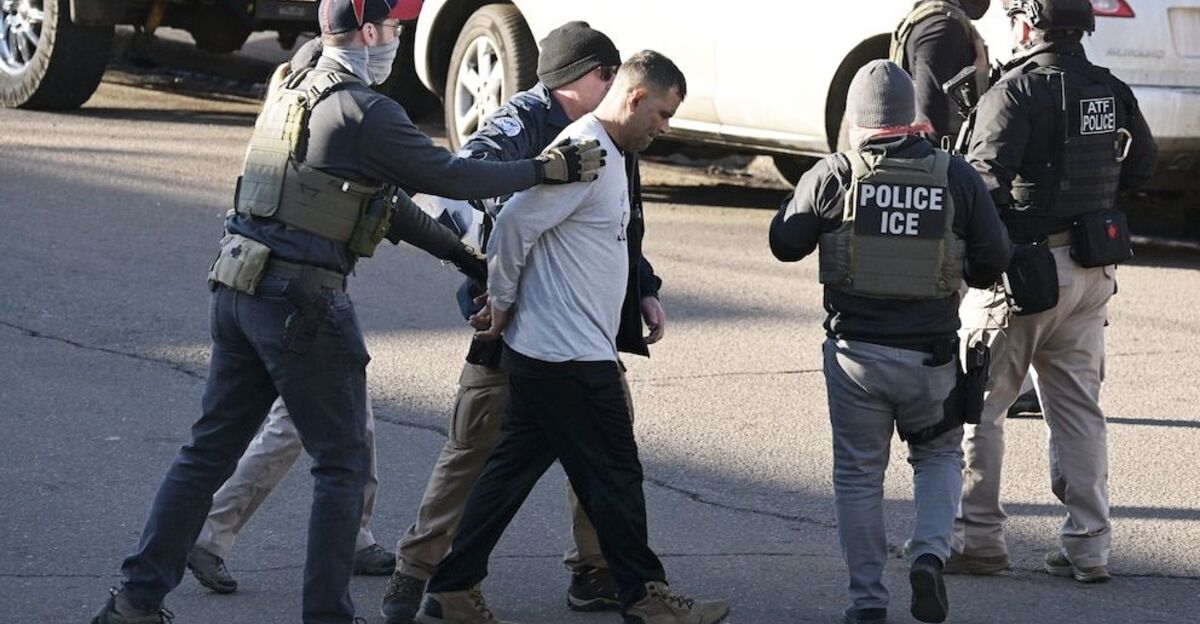
The #BeGood campaign illuminated a larger trend: 2025 was the deadliest year for ICE operations in two decades. Trump’s $100 million “wartime recruitment campaign” explicitly aimed to expand ICE capacity, signaling intentional escalation.
Renee Good’s death, as the ninth shooting by ICE officers since September, represented an acceleration of federal violence targeting immigrant communities.
Minneapolis, home to the largest Somali population in the U.S., had been targeted by intensified raids. This context reframed the protest beyond symbolic activism into participation in documented systemic violence.
Industry Fracture or Consensus?
While multiple celebrities wore pins, not all attendees participated, suggesting either disagreement or strategic choice. No formal statement emerged from major studios condemning or endorsing activism.
This ambiguity reflected broader Hollywood dynamics: immigrant rights support polls well, yet figures often avoid explicit statements that alienate conservative audiences. The #BeGood campaign emerged from grassroots activists mobilizing celebrities rather than institutional Hollywood, driving action.
This distinction mattered: participation felt organic rather than mandated. However, the absence of institutional backing limited leverage.
Legal and Political Fallout
Post-Globes, legal challenges accelerated. Good’s family commissioned an independent autopsy released January 21, confirming three gunshot wounds and contradicting DHS claims. Family attorneys emphasized video evidence contradicted self-defense narratives.
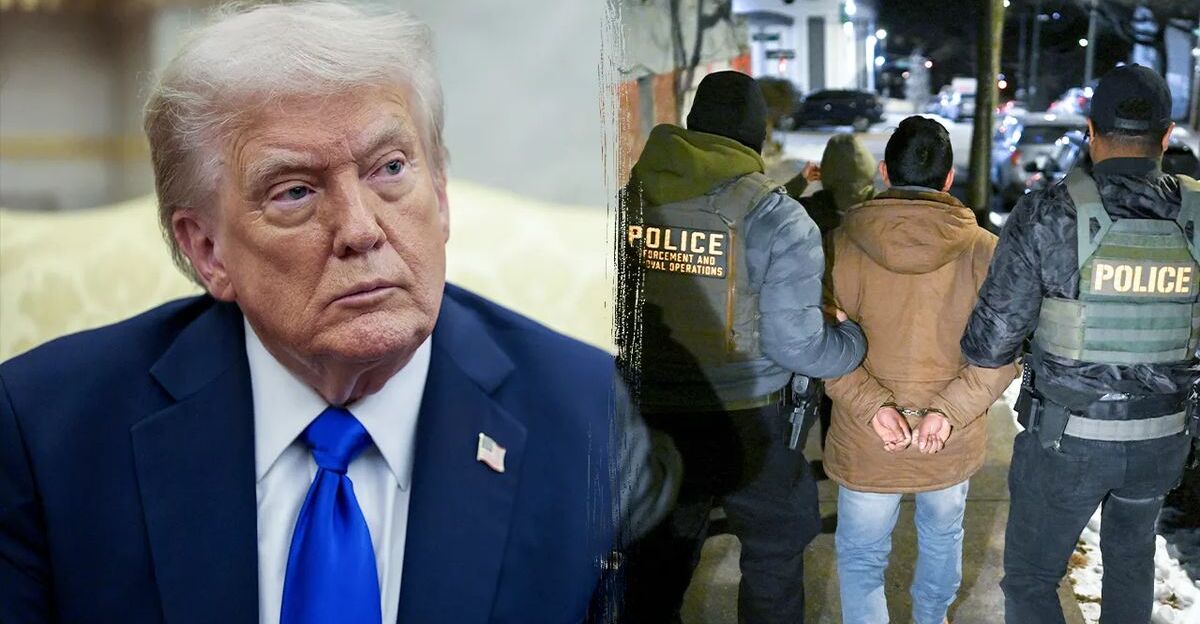
Trump shifted tone days after, calling Good’s death a “tragedy” on January 20—marked change from initial characterization. Trump noted Good’s father was reportedly a Trump supporter. ICE agent Jonathan Ross was hospitalized but released quickly.
The lack of charges created a constitutional crisis narrative that Hollywood activism amplified through mainstream visibility.
Broader Immigration Enforcement Debates
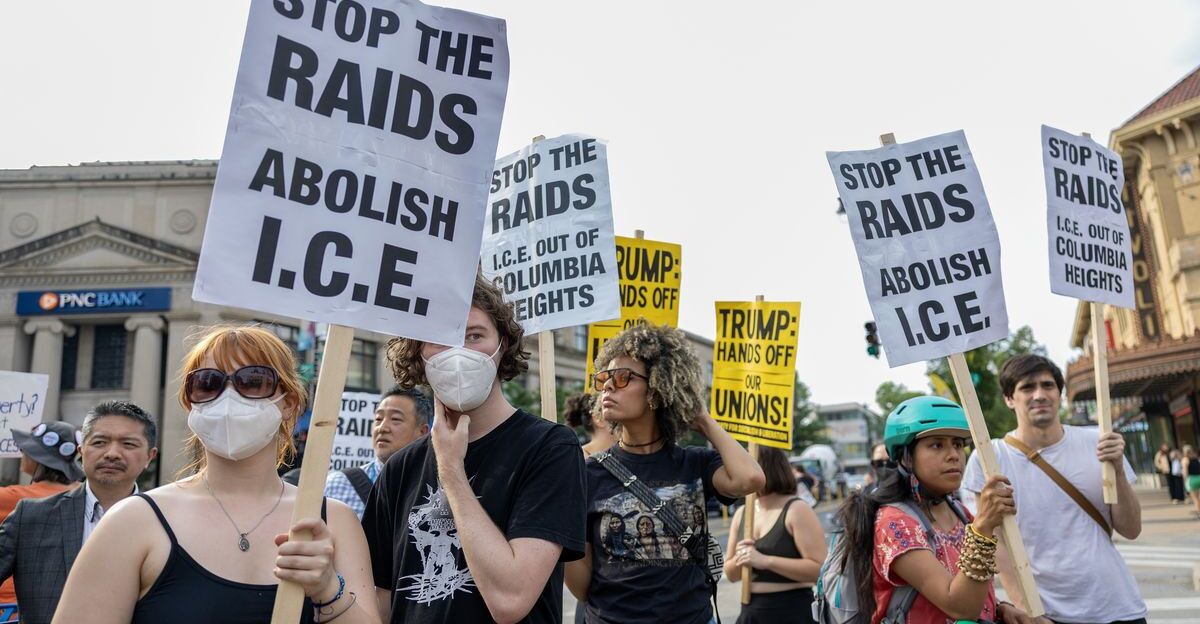
The pins reverberated into broader national debates about ICE enforcement. Immigration advocates cited the Hollywood protest as evidence of growing public concern about ICE tactics. Critics countered that celebrities were distracted from substantive policy discussion.
However, the pins’ simple design—white with black lettering—avoided inflammatory rhetoric, functioning as conversation invitations rather than absolute declarations.
The #BeGood campaign’s language about “being good citizens” appealed across political boundaries. This nuance may explain why the activism did not trigger intense backlash despite polarization.
Precedent for Future Awards
The 2026 Golden Globes established a precedent for coordinated, civil-rights-focused activism at future ceremonies. Unlike spontaneous statements, this action involved advance planning, institutional backing, and clear messaging.
Other awards shows—Oscars, Emmys, Grammys—might face similar mobilization for reproductive rights, climate action, or labor organizing. The campaign demonstrated that platforms could be leveraged through grassroots coalitions rather than requiring celebrity initiation.
It proved activism could occur without industry backlash if avoiding explicit partisan rhetoric. Whether symbolic protest translates into policy change remained uncertain.
Unanswered Questions
As January 2026 closed, several questions remained. Would the Hollywood spotlight on Renee Good’s death catalyze legislative reform, or fade as entertainment coverage waned? Would celebrities follow #BeGood’s model, creating a sustained advocacy infrastructure, or remain isolated moments?
Would studios commit resources to immigrant rights, or maintain neutrality? How would the Trump administration respond?
Most critically: Would pins and statements translate into changes for families navigating ICE enforcement, or remain symbolic gestures? The Globes marked a moment when Hollywood collectively acknowledged the ICE crisis. Its ultimate significance depends on what follows.
Sources:
USA Today, January 11, 2026
Harper’s Bazaar, January 11, 2026
Global News, January 11, 2026
Variety, January 11, 2026
Cosmopolitan, January 11, 2026
The Fader, January 12, 2026