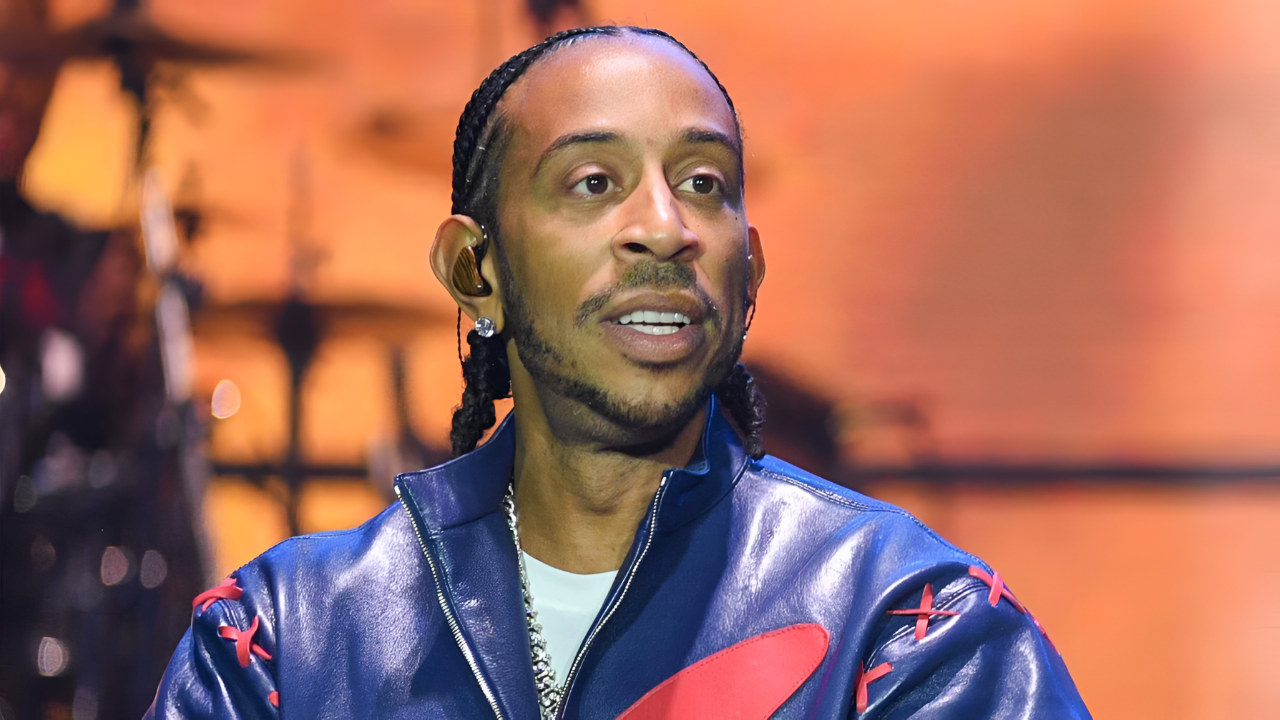
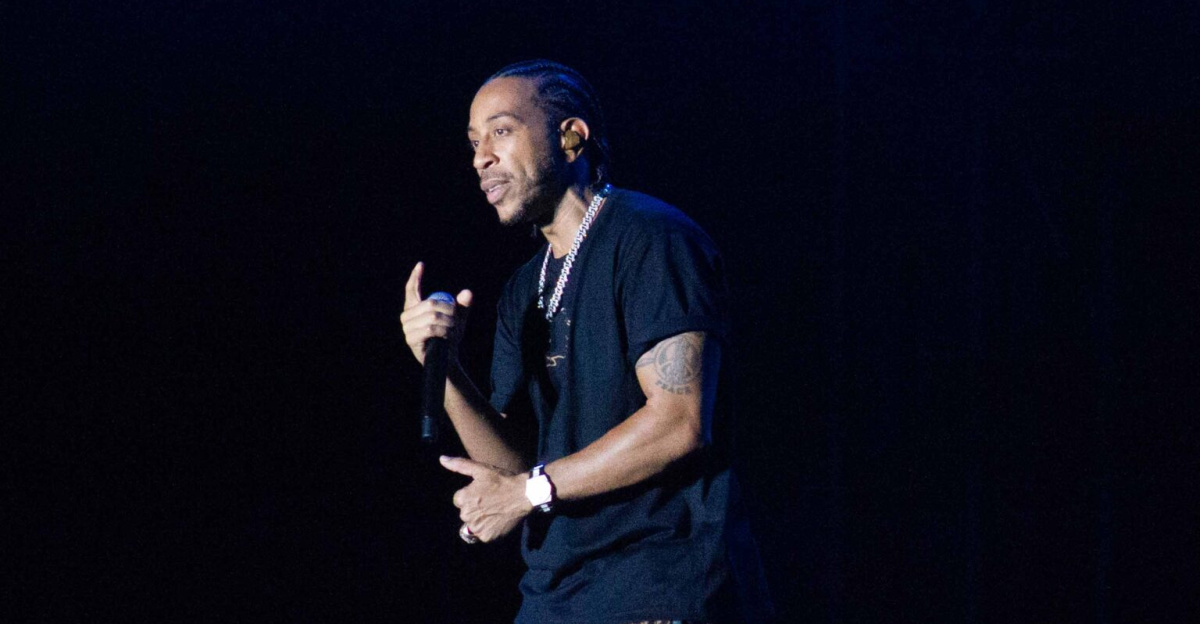
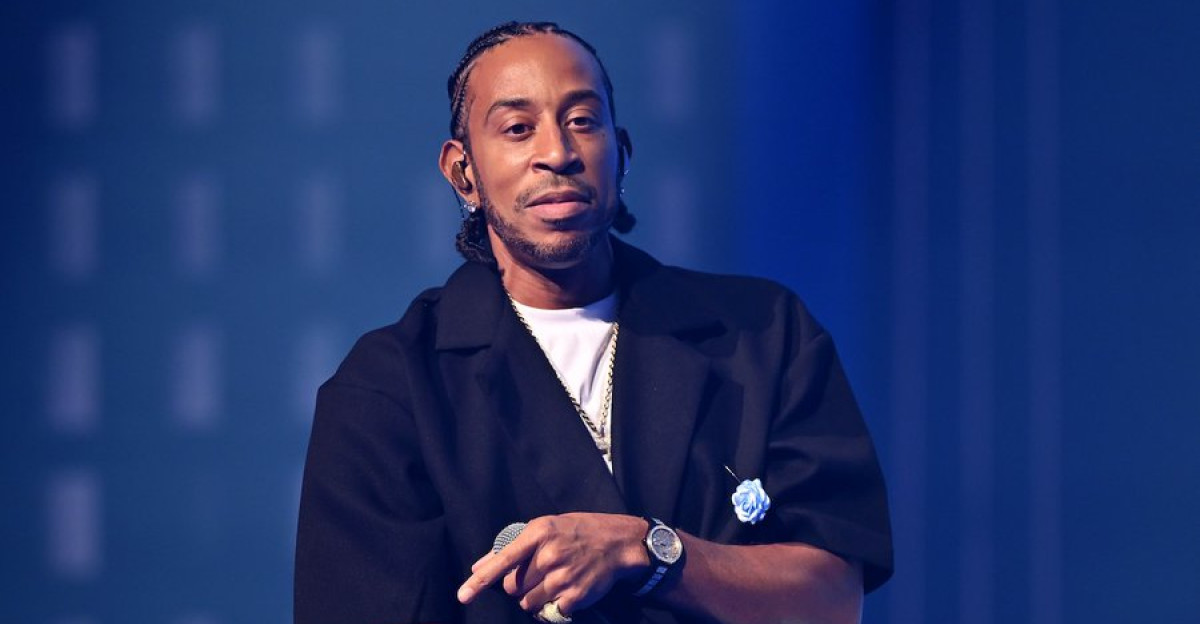
Grammy-winning rapper Ludacris was removed from Kid Rock’s Rock the Country festival on January 16, 2026. This happened just four days after his name appeared on promotional materials. The festival confirmed the removal to news outlets.
Ludacris’s removal came as MAGA-related comments flooded social media. Fans questioned why he would perform alongside Kid Rock and Jason Aldean, two outspoken Trump supporters. By Friday morning, the festival had scrubbed his name from their website without any public announcement.
MAGA Controversy Erupts
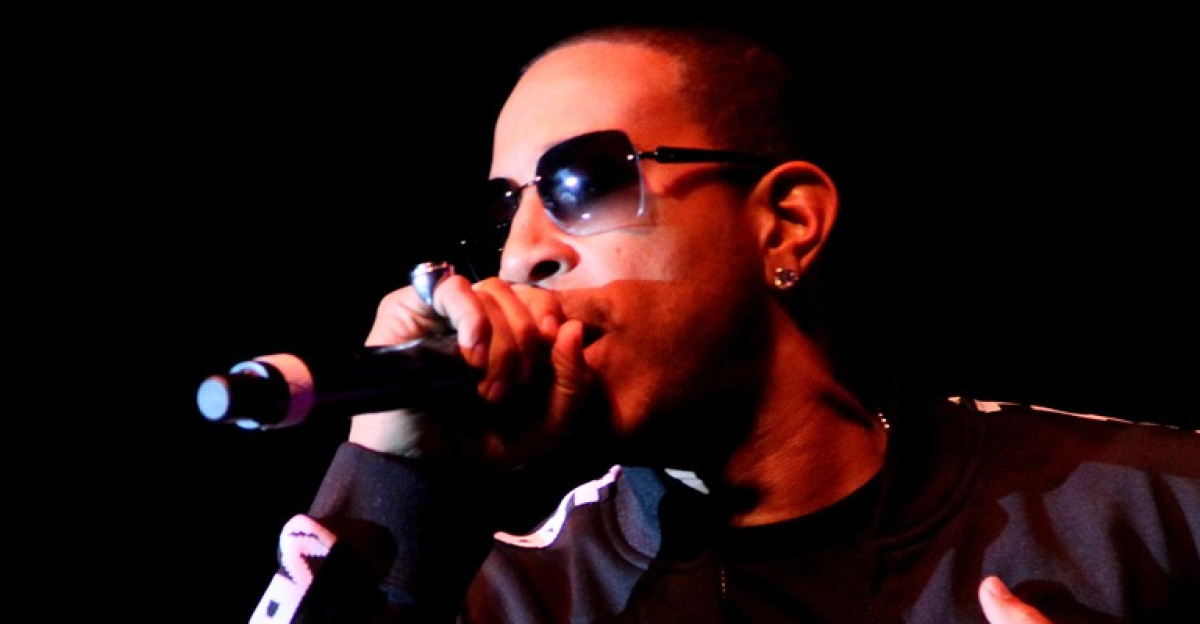
MAGA-related comments exploded right after the January 12 lineup announcement. Fans flooded Ludacris’s Instagram with criticism. The New York Times called the festival “a vision of the MAGA movement in pure party mode.”
Fans commented: “WHY are you at a festival where Kid Rock headlines?” and “Sad you’re joining the MAGA.” The intense backlash showed hip-hop fans worry about artists at conservative events. Within 72 hours, the controversy spread across Instagram, Twitter, and Facebook.
Festival’s Political Identity
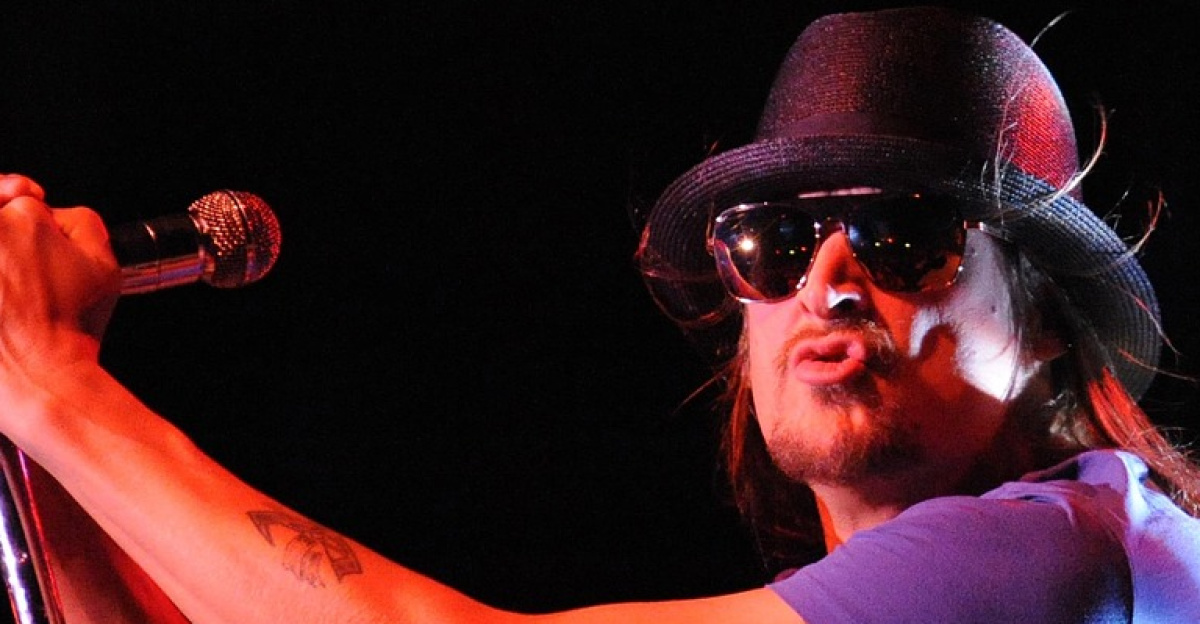
Rock the Country embraced MAGA associations since launching in 2024. Kid Rock described the festival this way: “Rock the Country isn’t just music—it’s a movement for hard-working, God-fearing patriots.”
Donald Trump appeared on video saying, “Fight, fight, fight, win, win, win.” Performer Gavin Adcock gave an angry onstage rant against President Biden. The festival’s website celebrates “250 years of freedom”—language critics call MAGA-coded.
Representative Responds
Rolling Stone contacted Ludacris’s representative on January 16. The representative explained the situation: “It was a mix-up. Lines got crossed, and he wasn’t supposed to be on there.”
Entertainment Weekly, People Magazine, and ABC Audio each verified this exact quote. The statement came the same day the festival confirmed his removal. The wording left unclear whether Ludacris rejected the booking or other factors caused the removal.
Eight-City Tour Details
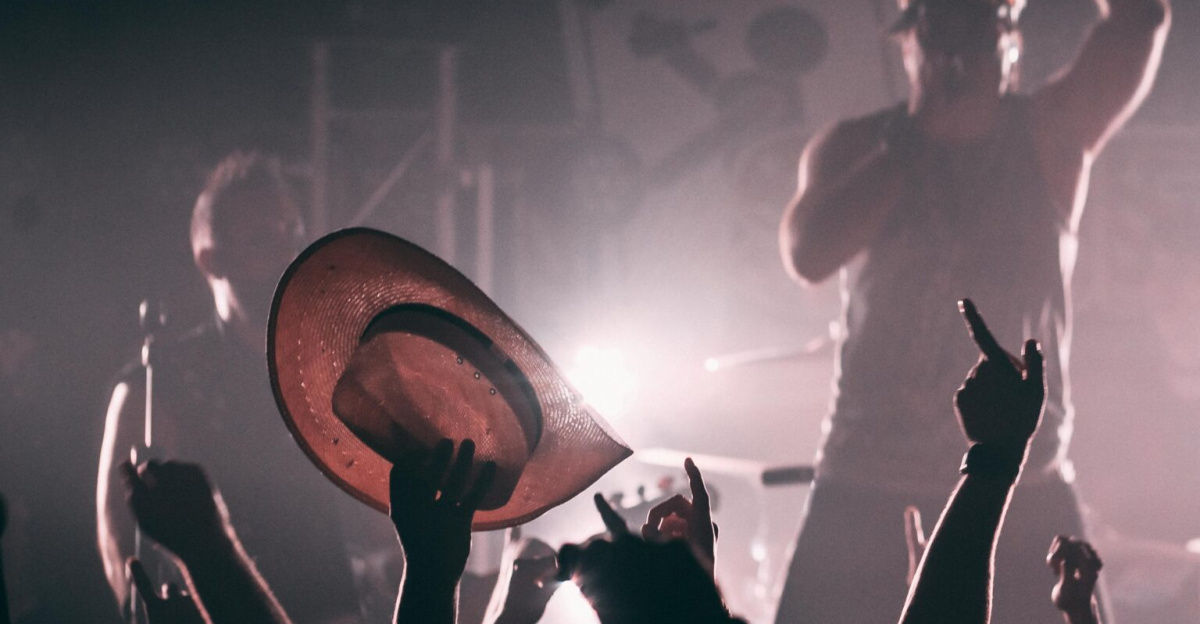
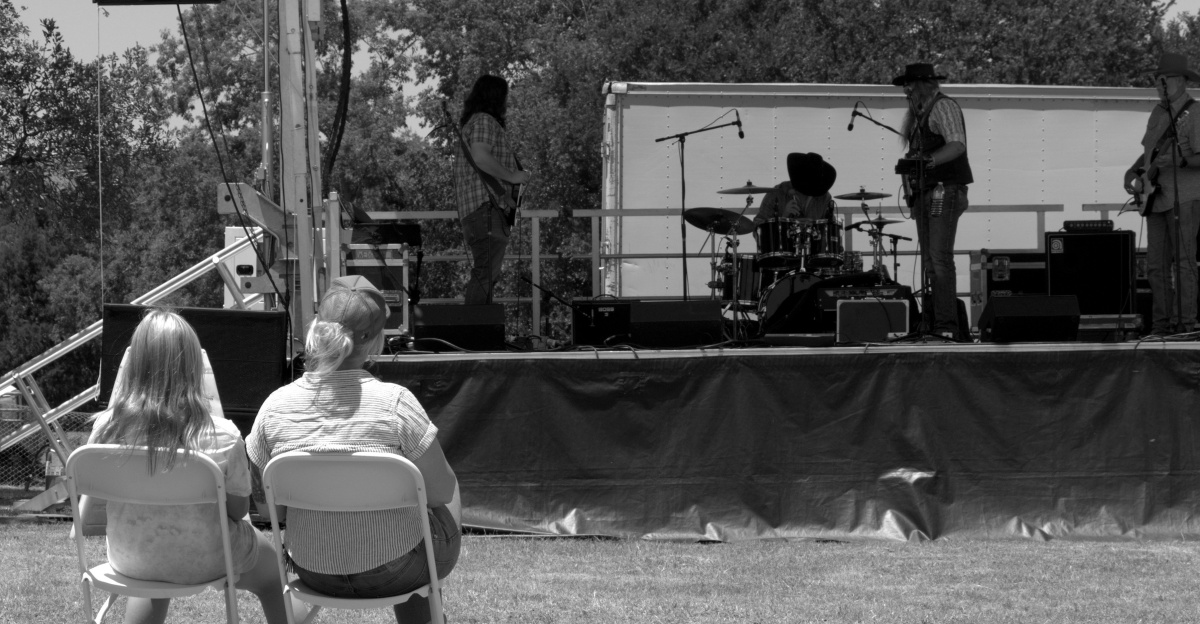
Rock the Country is an eight-city festival celebrating America’s 250th anniversary. The tour runs from Bellville, Texas, to Hamburg, New York, from May through September 2026. The festival books artists with conservative political leanings.
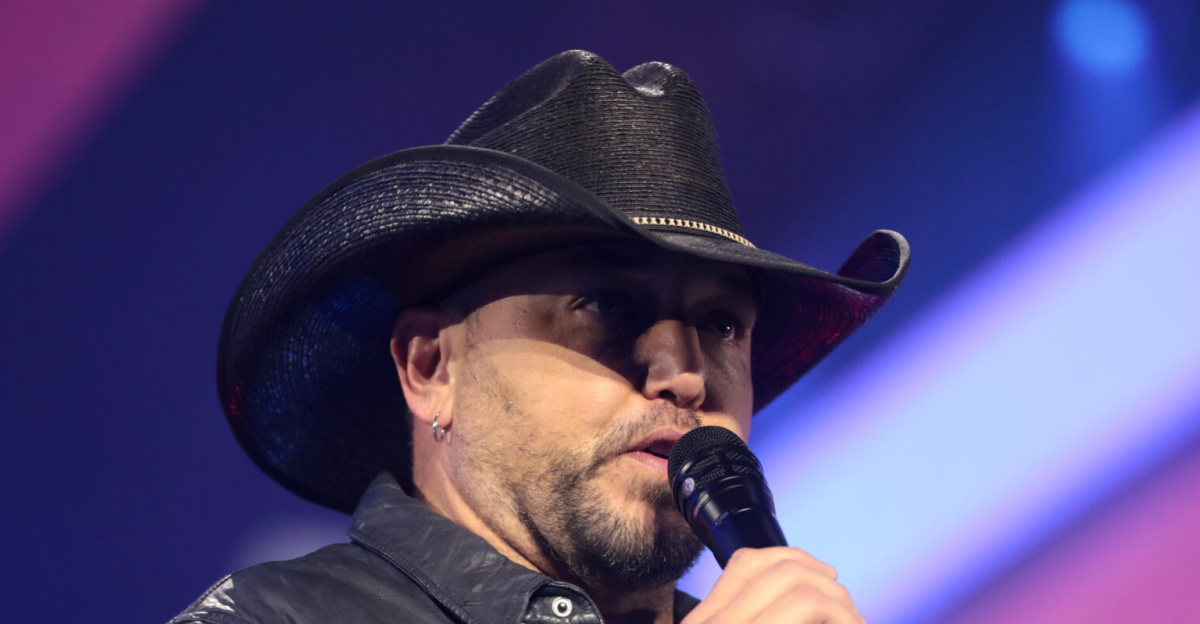
Jason Aldean praised Trump in March 2025 for “doing what many are scared to do.” Other performers include Blake Shelton, Jelly Roll, and Miranda Lambert. Tickets cost $121 to $186 per day.
Intense Social Media Backlash
Between January 12 and 15, Ludacris’s Instagram received intense MAGA-focused criticism. One fan wrote: “Luda, bro, what are you doing? You got 48 hours to issue a statement.” Another said, “Atlanta is disappointed in you.
You’ve lost touch with humanity.” A third wrote: “Don’t be on the wrong side of history.” Many fans reported unfollowing Ludacris. One said, “I just removed all your music from my playlist.”
Atlanta’s Cultural Stakes
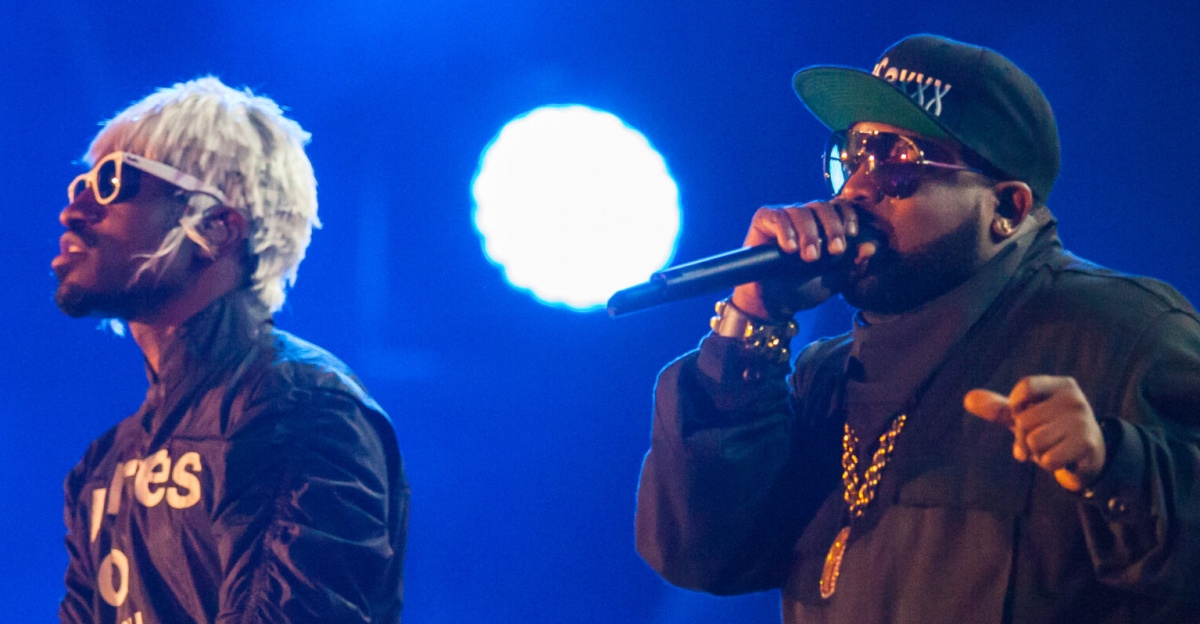
Atlanta is the capital of Southern hip-hop. Ludacris has represented the city’s music scene since the late 1990s. He helped create the “Dirty South” sound with OutKast and T.I. Atlanta is 51.8% Black and voted 72.6% for Kamala Harris in 2024.
His appearance at a MAGA festival clashed with Atlanta’s identity. Fans viewed his booking as a betrayal of hip-hop’s progressive values.
Timeline of Controversy
MAGA-related controversies unfold quickly on social media. January 12: Festival announces lineup with Ludacris, Kid Rock, and Jason Aldean. January 12-15: MAGA-focused backlash spreads on Instagram, Twitter, and Facebook. January 16: Festival confirms removal.
His representative says, “lines got crossed.” His name disappears from all promotional materials. This 96-hour cycle shows how social media accelerates both controversy and responses.
Industry Booking Practices
Music festival promoters sometimes announce artists before finalizing contracts. This practice is called “billing before booking.” Major festivals typically complete headliner deals 12 to 18 months early. But promoters announce names early to boost ticket sales.
One industry expert warned: “Never promise an artist until the contract is complete.” The Rock the Country situation shows how early announcements backfire when MAGA controversies emerge.
The Nelly Contrast
Fellow rapper Nelly stays on the Rock the Country lineup despite similar backlash. Nelly performed at Trump’s January 2025 inauguration. He defended this choice: “I respect the office. The military serves whoever leads the country. So I can perform here.”
His willingness to weather MAGA criticism contrasts with Ludacris’s removal. Hip-hop artists face difficult choices when MAGA associations emerge.
Festival Confirmation
Rock the Country representatives confirmed Ludacris’s removal on January 16. They directed questions to Ludacris’s representatives, according to Rolling Stone and Billboard. The festival acknowledged the removal while letting the artist’s team control the story.
It didn’t publicly challenge the “mix-up” explanation. By Friday morning, the festival’s website no longer showed his name. No public announcement went to ticket buyers.
Ludacris’s Career Context

Ludacris, born Christopher Bridges, became a “Dirty South” rap pioneer from Atlanta. He achieved mainstream success in the early 2000s with hits like “Yeah!” and “Money Maker.” The three-time Grammy winner built a balanced image.
He appealed to hip-hop fans and pop audiences alike. Recent projects include the Netflix kids’ series “Karma’s World” and Fast and Furious films. His mainstream image made a MAGA festival appearance shocking.
Country Music Political Tensions
Country music festivals face increasing political and cultural friction. A May 2025 New York Times opinion piece argued that “country music won’t let everyone go country.” It described efforts to “make Nashville the conservative equivalent of Hollywood.”
The piece warned that political boundaries in country music became “rigid” because “those who control the genre control the culture.” This context explains why Ludacris’s inclusion sparked immediate MAGA controversy.
Financial and Business Stakes
Rock the Country operates at a large scale across eight cities, hosting two-day events each. The festival’s business model depends on attracting diverse audiences. Adding hip-hop artists like Ludacris and Nelly broadens appeal beyond core country fans.
This could increase ticket sales and sponsorship revenue. But MAGA backlash shows the risk: alienating fans creates bad publicity that outweighs gains. Festival organizers faced a tough choice.
Hip-Hop MAGA Precedents
Hip-hop has a troubled history with MAGA associations. Kanye West embraced Trump in 2018 and wore a MAGA hat to the White House. He later left politics, claiming he was “being used to spread messages I don’t believe in.”
Snoop Dogg, who criticized Trump for years, performed at his 2025 inauguration and faced backlash. Ice Cube worked with Trump’s administration and faced criticism. Hip-hop artists risk losing fans with MAGA ties.
Manager’s Later Clarification
Three days after removal, Ludacris’s manager, Chaka Zulu, spoke on The Ebro Show on January 19. Zulu said, “We were never on this show. They tried to book us, and jumped the gun.” This meant the festival announced Ludacris before finalizing the contract.
Festivals sometimes do this to boost early ticket sales. But the timing raised questions: Were negotiations truly incomplete, or did MAGA backlash influence the decision?
Political Polarization Research
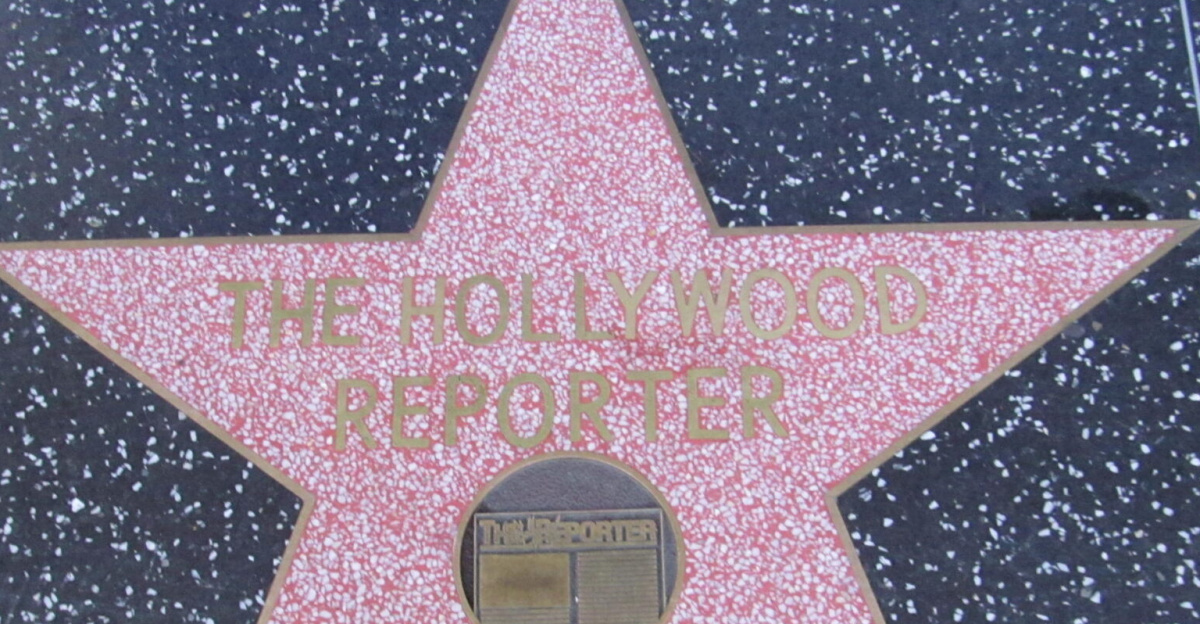
Music industry analysts study how politics reshape festival economics. The Hollywood Reporter reported in August 2025 that activism is increasingly influencing bookings and sponsorships. Festivals once welcomed diverse audiences without political divisions.
Now, artists face pressure to declare political alignment or risk boycotts. This fragments previously unified markets into competing groups. The Ludacris situation shows how MAGA associations alone trigger immediate controversy.
Cross-Industry MAGA Implications
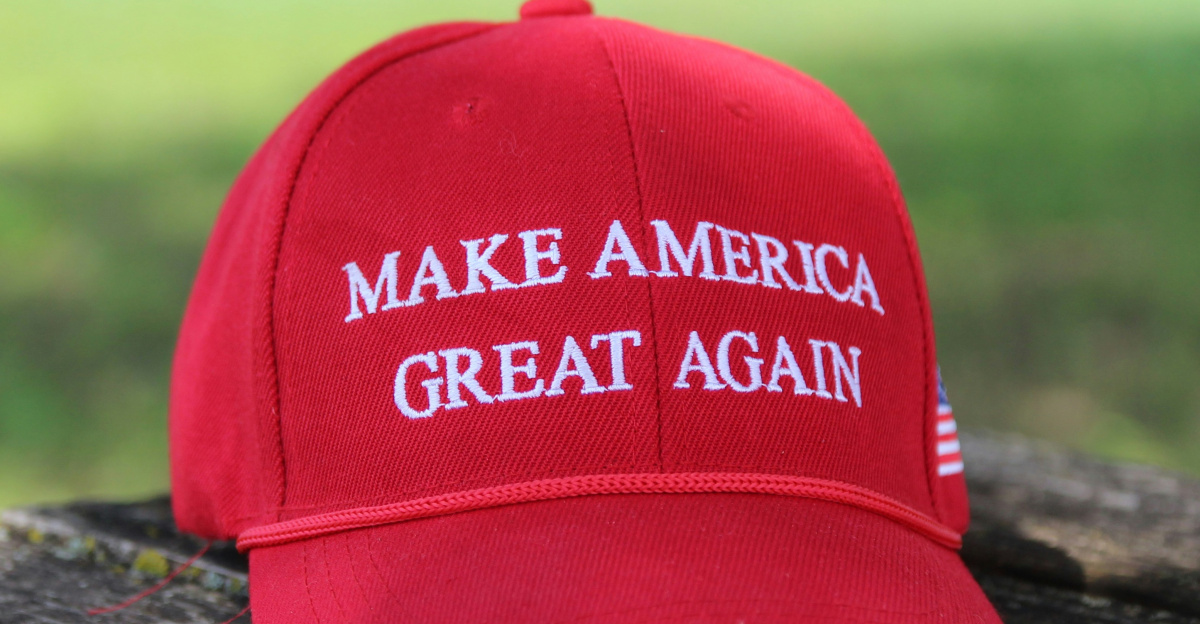
The Ludacris situation affects more than music festivals. Brand partnerships and sponsors are now closely examining artists’ MAGA associations. When Bud Light partnered with a transgender influencer in 2023, conservatives boycotted. Kid Rock filmed himself shooting Bud Light cans, cementing his MAGA identity.
Progressive consumers threaten boycotts when artists appear at Trump events. This pressure shapes booking decisions and sponsorships. Hip-hop artists face particular risk with progressive fanbases.
Social Media MAGA Enforcement
The MAGA controversy spread on Instagram, where Ludacris has 12.4 million followers. Screenshots of the lineup went viral on Twitter with MAGA-focused criticism. Comments ranged from disappointment to jokes about performing for MAGA audiences.
The speed and volume show how social media enforces cultural politics. Fans can now pressure artists instantly around MAGA controversies. This gives fan communities unprecedented power over artist decisions.
Bottom Line
Kid Rock’s Rock the Country festival removed Ludacris from its 2026 lineup on January 16. This came four days after announcing him alongside MAGA-aligned artists. Intense MAGA backlash from fans questioned why he would perform at this Trump-supporting festival.
His representative said, “Lines got crossed.” His manager said promoters announced him too early. The incident shows a real tension: festivals want diverse artists, but MAGA associations alienate fans who see this as betrayal.
Sources:
- Yahoo Entertainment, Ludacris Exits Kid Rock’s Maga-Linked Tour Following Fan Backlash, January 17, 2026
- Entertainment Weekly, Ludacris drops out of festival with Kid Rock after backlash, January 16, 2026
- Rolling Stone, Ludacris Drops Off MAGA-Adjacent Rock the Country Tour, January 16, 2026
- Black Enterprise, Ludacris Bails On MAGA-Coded ‘Rock The Country’ Tour, January 16, 2026
- People Magazine, Ludacris Drops Off 2026 Rock the Country Lineup After Backlash, January 16, 2026
- The Grio, Ludacris no longer performing at controversial ‘Rock The Country’ festival, January 15, 2026