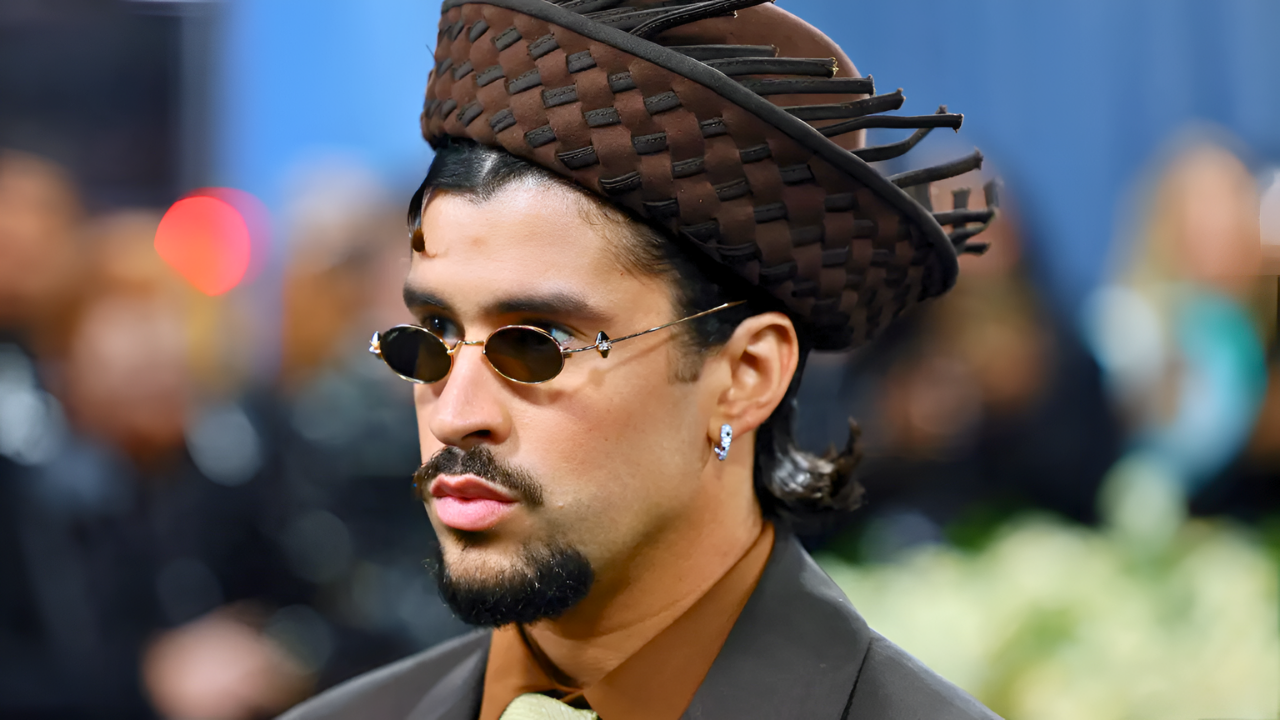
Bad Bunny, the reggaeton icon with a massive global following spanning tens of millions across streaming and social media platforms, confronts escalating legal challenges over alleged unauthorized voice use in his music just weeks before headlining the Super Bowl LX halftime show on February 8, 2026, at Levi’s Stadium in Santa Clara, California.
These disputes, totaling $56 million in claims, threaten his commercial empire and spotlight evolving tensions in voice rights within the music industry. The timing proves particularly challenging: Bad Bunny, born Benito Antonio Martínez Ocasio, already faces a pending $40 million lawsuit from his ex-girlfriend, Carliz de la Cruz Hernández, filed in Puerto Rico courts.
She claims he used her voice, saying “Bad Bunny, baby,” without permission in the tracks “Pa’ Ti” from 2017 and “Dos Mil 16” from 2022. That case remains unresolved. A new $16 million lawsuit, filed January 5, 2026, in Puerto Rico by Tainaly Y. Serrano Rivera, adds to the strain.
It targets Bad Bunny, his label Rimas Entertainment, and producer Roberto “La Paciencia” Rosado. The timing, one month before his Super Bowl performance for an estimated 120 million viewers, draws intense scrutiny from industry observers.
Details of Rivera’s Claims
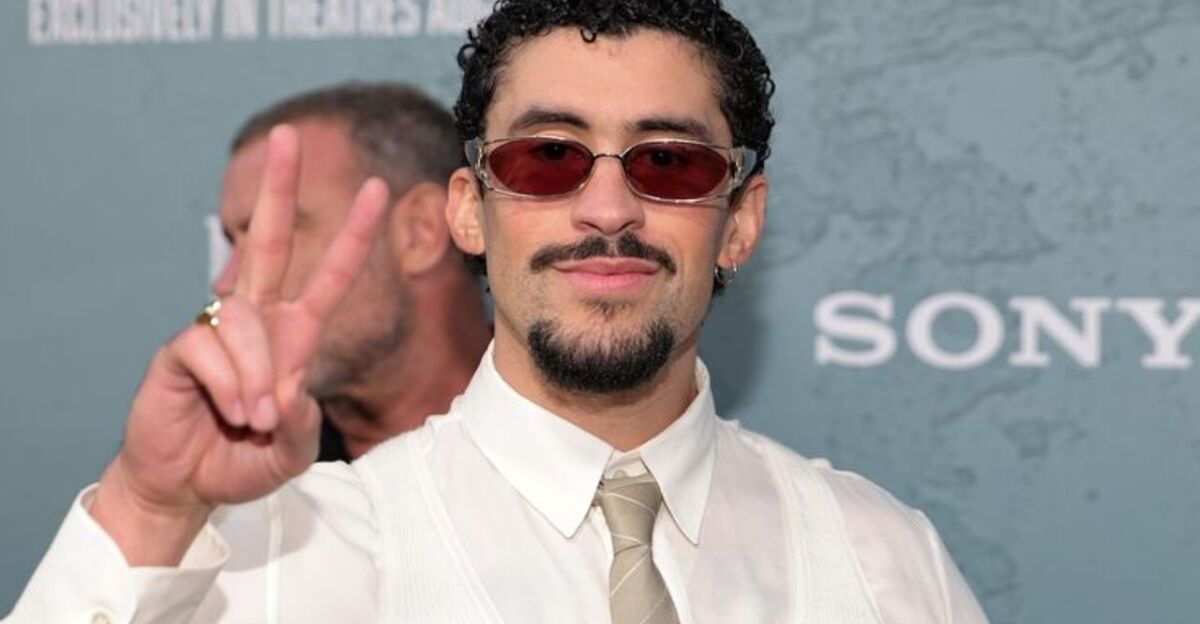
Rivera’s suit parallels Hernández’s, with the same legal team representing both plaintiffs. This overlap hints at a coordinated approach to alleged voice misuse patterns in Bad Bunny’s catalog. Rivera, a former theater student at Interamerican University of Arecibo alongside Rosado, recorded the phrase “Mira, puñeta, no me quiten el perreo” via WhatsApp in 2018.
She believed it was for a casual student project. Instead, the recording appeared in Bad Bunny’s 2018 hit “Solo de Mi” from the album X100PRE and in “EoO” from his 2025 release Debí Tirar Más Fotos. Rivera asserts she never granted permission or signed a contract for commercial use.
The phrase extended beyond songs, featuring in merchandise, social media, concerts, and promotions, becoming a key brand element. Rivera contends this broad exploitation violated her publicity and privacy rights, inflating her damages claim.
Industry-Wide Voice Rights Scrutiny and Political Controversy
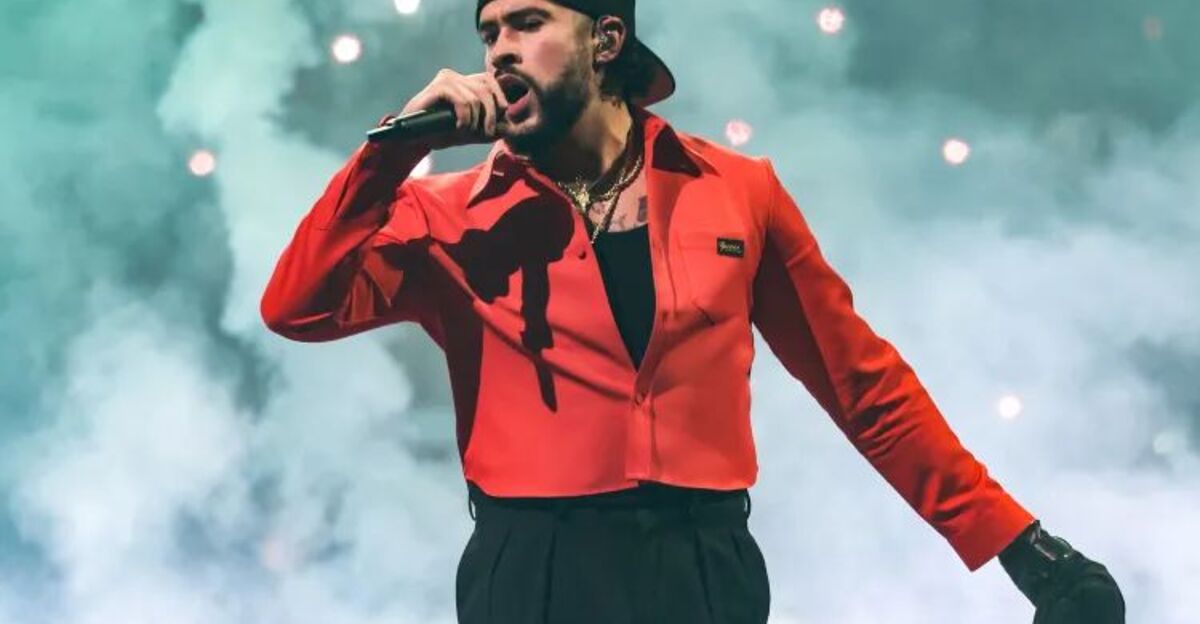
These cases reflect tightening standards for voice sampling and consent in music. Courts increasingly uphold privacy and publicity rights for distinctive vocal recordings, even from informal sessions. Producers and labels face greater liability as informal agreements from student-era or casual recordings come under fire. Rimas Entertainment’s role as a defendant underscores label accountability.
The suit holds the company responsible for not securing clearances before releasing tracks and campaigns. This could prompt audits and stricter documentation across major labels. Bad Bunny’s team has issued no public response as of mid-January 2026, a common litigation tactic that leaves the narrative shaped by court filings. A court hearing is scheduled for May 2026, post-Super Bowl, overlapping with Hernández’s ongoing case. Political criticism adds layers.
Conservative commentator Benny Johnson and Trump-aligned figures have branded Bad Bunny a “massive Trump hater” and “anti-ICE activist,” targeting his Spanish-language music and immigrant advocacy. NFL Commissioner Roger Goodell defended the Super Bowl selection in October 2025, calling it “carefully thought through.”
Forward Implications
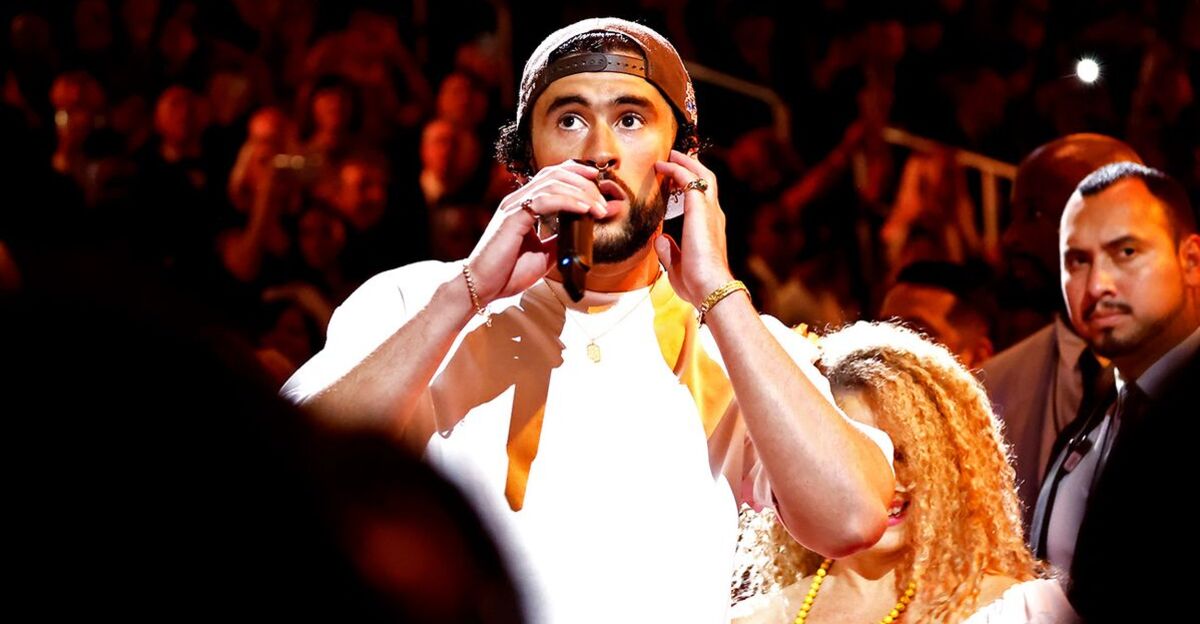
The combined financial stakes—$56 million—jeopardize Bad Bunny’s reputation as a creator. Puerto Rico courts may clarify if such recordings qualify as protectable intellectual property, setting precedents for consent in the region. Outcomes could reshape music production norms, mandating written agreements for all contributions and raising compliance costs.
Settlements might resolve the disputes quietly, but trials risk public revelations and industry-wide shifts. As superstars navigate fame’s demands, these cases test whether commercial success overrides consent obligations, influencing ethical standards for years ahead.