Within 48 hours of viral boycott posts flooding Threads, Instagram, and X, Chipotle Mexican Grill published a terse seven-word statement: “Bill Ackman is not affiliated with Chipotle.”
The emergency clarification came after millions of social media users called for nationwide boycotts, incorrectly believing the billionaire hedge fund manager still owned or controlled the restaurant chain.
The Donation That Ignited the Firestorm
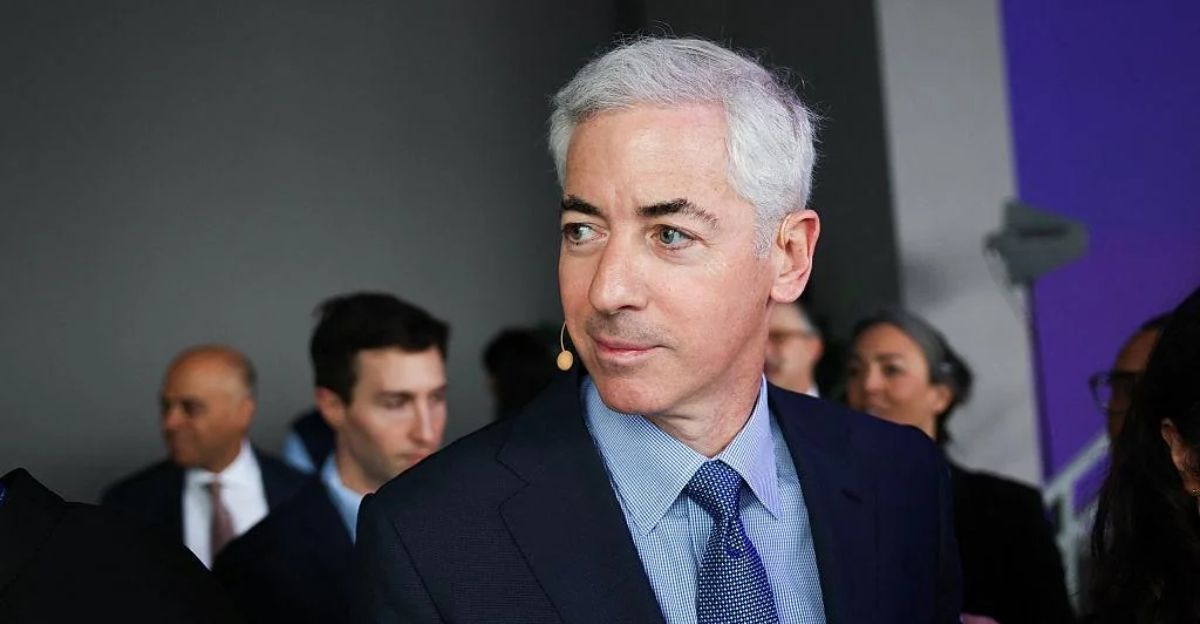
Billionaire investor Bill Ackman confirmed on January 12, 2026 that he donated $10,000 to a GoFundMe legal defense fund for ICE agent Jonathan Ross.
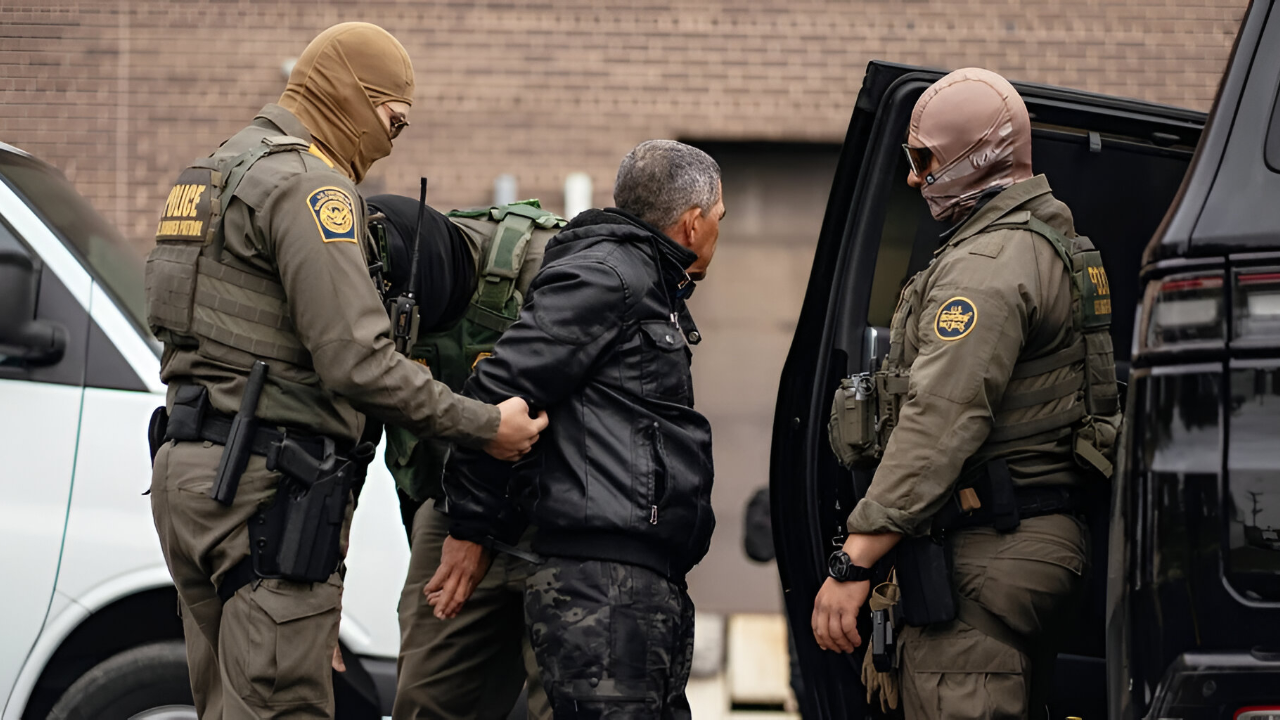
Ross fatally shot Renee Nicole Good, a 37-year-old American citizen and mother of three, during a Minneapolis immigration enforcement operation on January 7. Frame-by-frame video analysis revealed Good turning her steering wheel away from the officer seconds before he fired.
Misinformation Spreads Like Wildfire
A viral Threads post declaring “Don’t eat at Chipotle. The guy who owns it just gave $10,000 to the man who killed Renee Good” generated millions of impressions within hours. Similar messages flooded X, Instagram, and TikTok, with users incorrectly identifying Ackman as Chipotle’s current “owner” or “CEO.”
The misinformation persisted despite Ackman’s firm fully divesting from Chipotle two months earlier in November 2025. But the facts told a dramatically different story about Ackman’s actual relationship with the company.
The $2.4 Billion Investment That Ended Months Ago

Pershing Square Capital Management, Ackman’s hedge fund, acquired a 9.9% Chipotle stake worth $1.2 billion in September 2016 during the company’s devastating food safety crisis. Ackman played an activist investor role, helping recruit CEO Brian Niccol and driving operational turnarounds.
The investment generated $2.4 billion in profits with a 22% internal rate of return before complete exit in November 2025.
Why Ackman Sold Before the Crisis
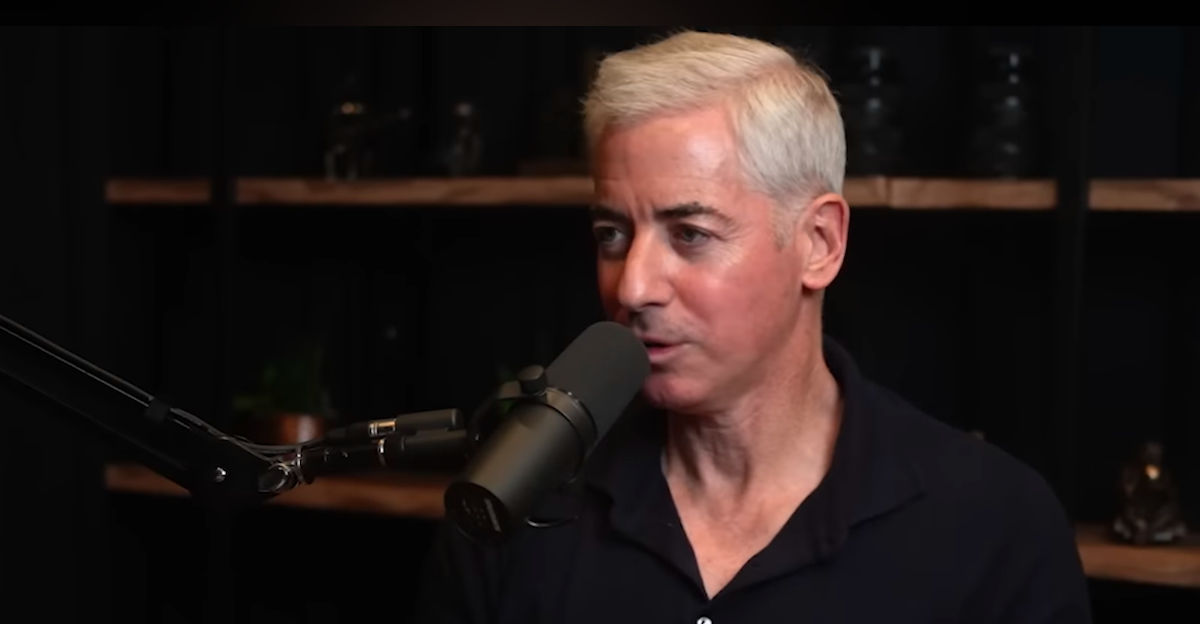
During Pershing Square’s Q3 2025 earnings call, analyst Anthony Massaro disclosed the firm had sold all remaining Chipotle shares following disappointing quarterly results.
Massaro explained the decision reflected “diminishing confidence in the company’s capacity to swiftly achieve its long-term growth targets amidst macroeconomic hurdles.” Lower-income consumer pressures driving sales declines prompted the strategic exit just two months before the boycott erupted.
Chipotle’s Worst Timing Possible
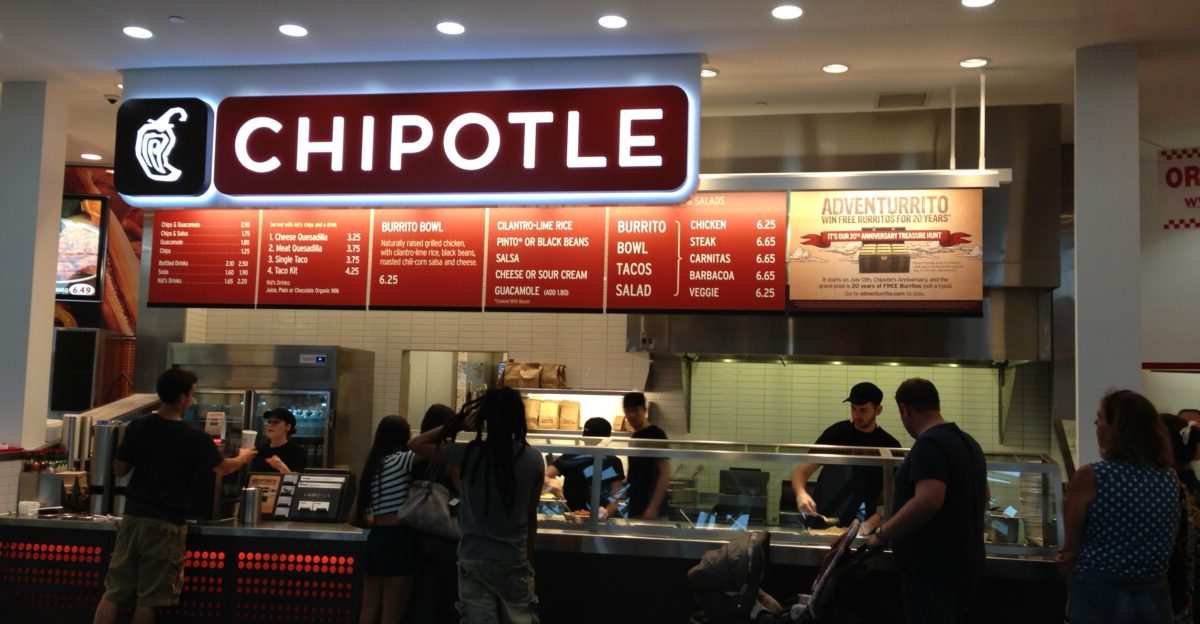
The boycott arrived as Chipotle confronted its first same-store sales decline in 23 years. Bloomberg Intelligence estimated fiscal 2025 comparable sales fell approximately 1.8%, marking a historic reversal for the fast-casual chain.
Stock had plummeted 38.6% in 2025 before modest early-2026 recovery. Operating margins compressed from 17% to 16.4% as inflation outpaced menu price increases.
Swift Corporate Crisis Management
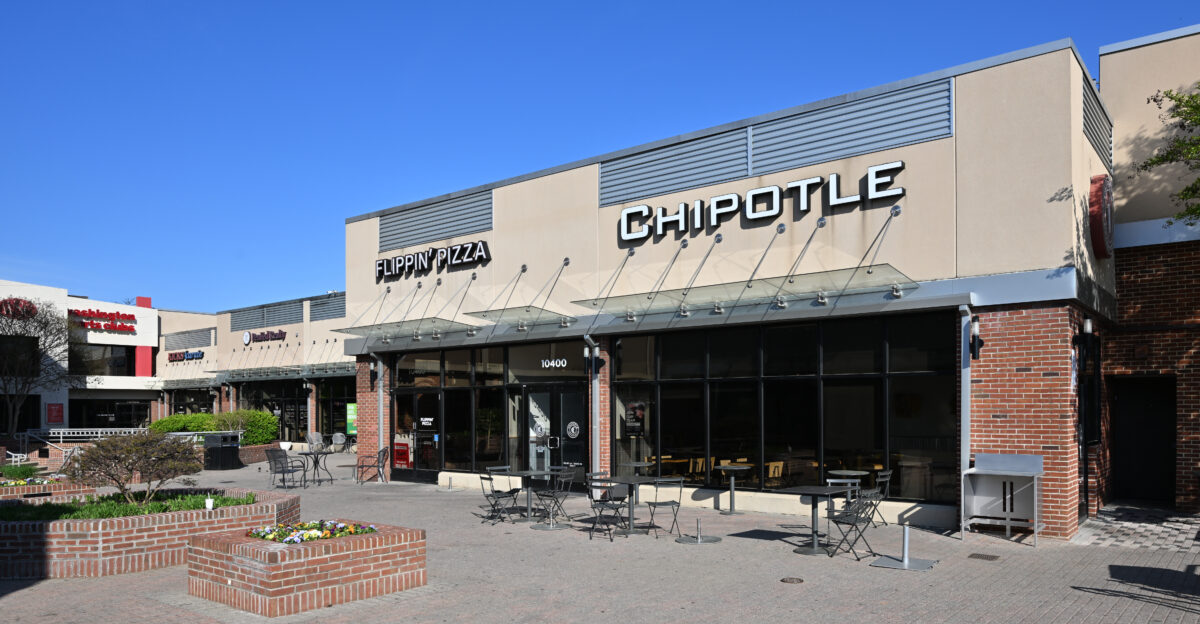
Chipotle’s communications team executed textbook crisis response by posting the clarification on Threads—the exact platform where the most viral boycott post originated—within 24-48 hours.
A company representative confirmed to Newsweek: “Bill Ackman is not affiliated with Chipotle and is no longer a shareholder of the Company.” The single-sentence strategy avoided political entanglement while correcting factual errors driving boycott participation.
The strategy reflected modern best practices for navigating social media crises at unprecedented velocity.
Expert Analysis: Social Media Crisis Velocity

Crisis management research consistently demonstrates that response speed critically affects outcomes during viral controversies. Companies responding within hours can shape narratives before they calcify, while delayed responses cede definitional power to critics.
Chipotle’s rapid clarification prevented days of unchallenged boycott messaging from dominating platform algorithms, according to social media crisis management frameworks documented in corporate communications research.
The Minneapolis Shooting Context
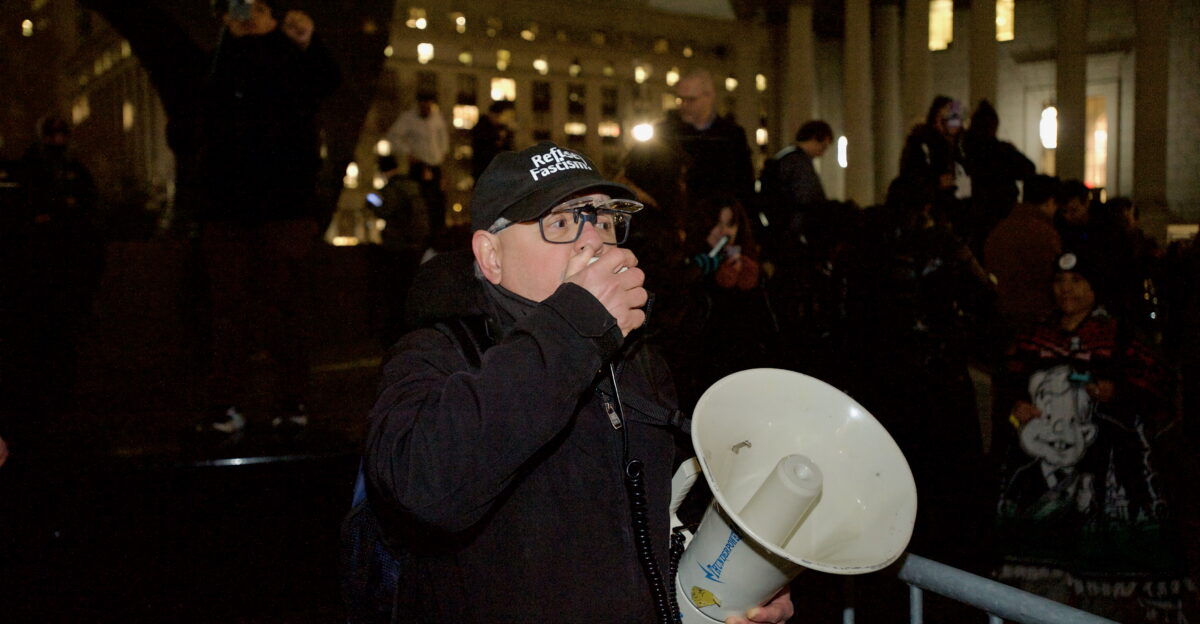
Renee Nicole Good’s death occurred as approximately 2,000 ICE agents deployed to Minneapolis-St. Paul for intensified Trump administration immigration enforcement operations. ABC News and The New York Times conducted frame-by-frame video analysis showing Good turned her steering wheel right—away from Ross—just over one second before the first shot.
This evidence directly contradicted Department of Homeland Security Secretary Kristi Noem’s assertion that Good “attempted to run over” the officer.
Ackman’s Controversial Defense
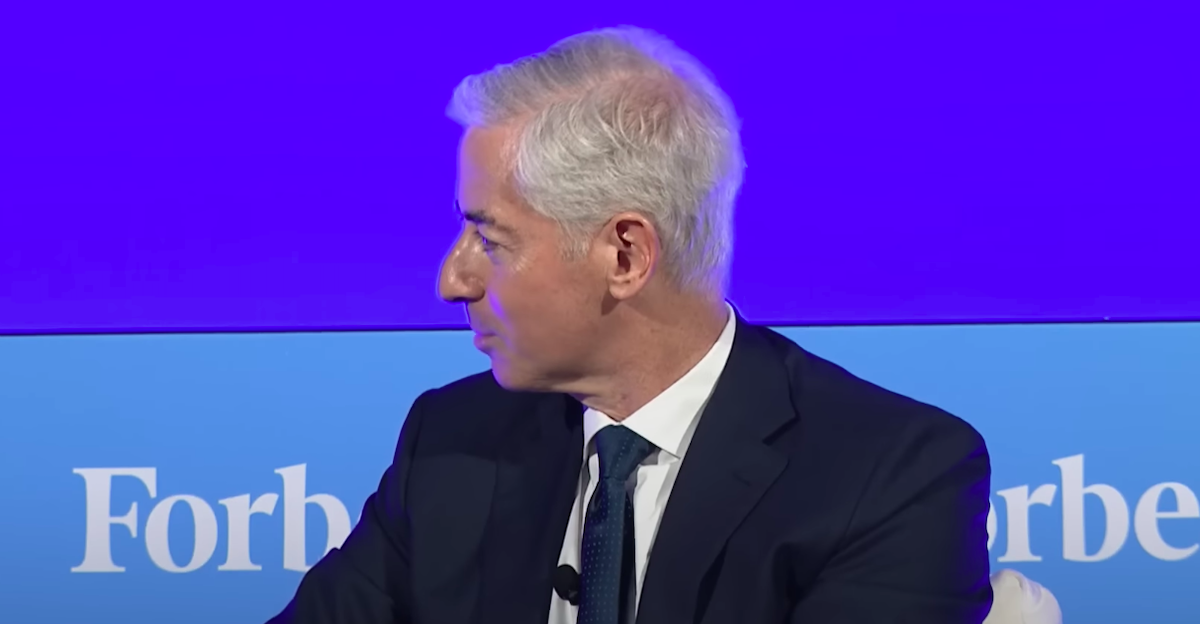
Responding to criticism on X, Ackman stated he donated because individuals are “innocent until proven guilty” and deserve competent legal representation. He claimed he attempted to donate to Good’s family fundraiser but found it closed after raising $1.5 million from 38,500 donors.
Ackman wrote: “My donation to Ross has been characterized in social media as ‘giving a reward to the murderer,'” explicitly rejecting this framing as politically motivated.
Competing Fundraising Campaigns Reveal Divide
Within days of the shooting, two competing GoFundMe campaigns exposed America’s polarized response to immigration enforcement.
Good’s family fundraiser closed after rapidly reaching $1.5 million, while Ross’s legal defense fund accumulated approximately $744,000 from supporters defending law enforcement actions. Wired magazine reported GoFundMe faced criticism for hosting Ross’s campaign, with critics arguing it violated platform policies against raising funds for violent crimes.
Ackman’s Political Evolution
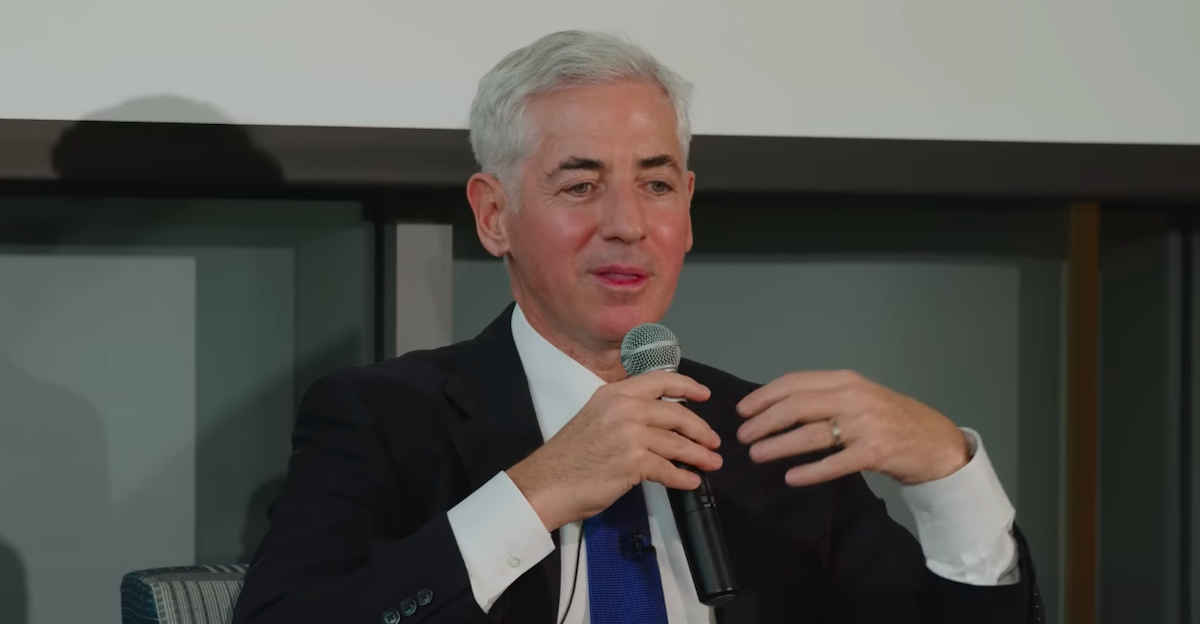
The 59-year-old billionaire worth $9.3 billion has transformed from Democratic donor into one of Trump’s most prominent financial backers. After calling for Trump’s resignation following January 6, 2021, Ackman reversed course in July 2024, formally endorsing the Republican candidate.
Recent political contributions include $1.75 million opposing progressive NYC mayoral candidate Zohran Mamdani and hundreds of thousands to pro-Trump PACs.
Wall Street’s Muted Reaction
Major Wall Street analysts covering Chipotle have not cited the Ackman controversy as material to earnings models or price targets.
Gordon Haskett’s downgrade to Hold with $42 target, Mizuho’s $38 neutral rating, and Oppenheimer’s optimistic $51 target all focus on macroeconomic pressures and consumer trends rather than boycott risks. One MarketBeat analysis noted potential “short-term customer backlash noise” but characterized it as temporary headline risk.
Academic Research on Boycott Effectiveness

Social media-driven boycott campaigns can reduce firm market value by an average of 2.7% in the short term when generating sustained media coverage, according to academic research. However, most boycott campaigns experience rapid attention decay as new controversies capture social media focus.
Studies indicate fast-food companies are particularly vulnerable when boycotts align with pre-existing consumer dissatisfaction or operational challenges. The question remains whether this boycott will sustain momentum or fade like most social media campaigns.
The Portion Size Controversy Compounds Challenges
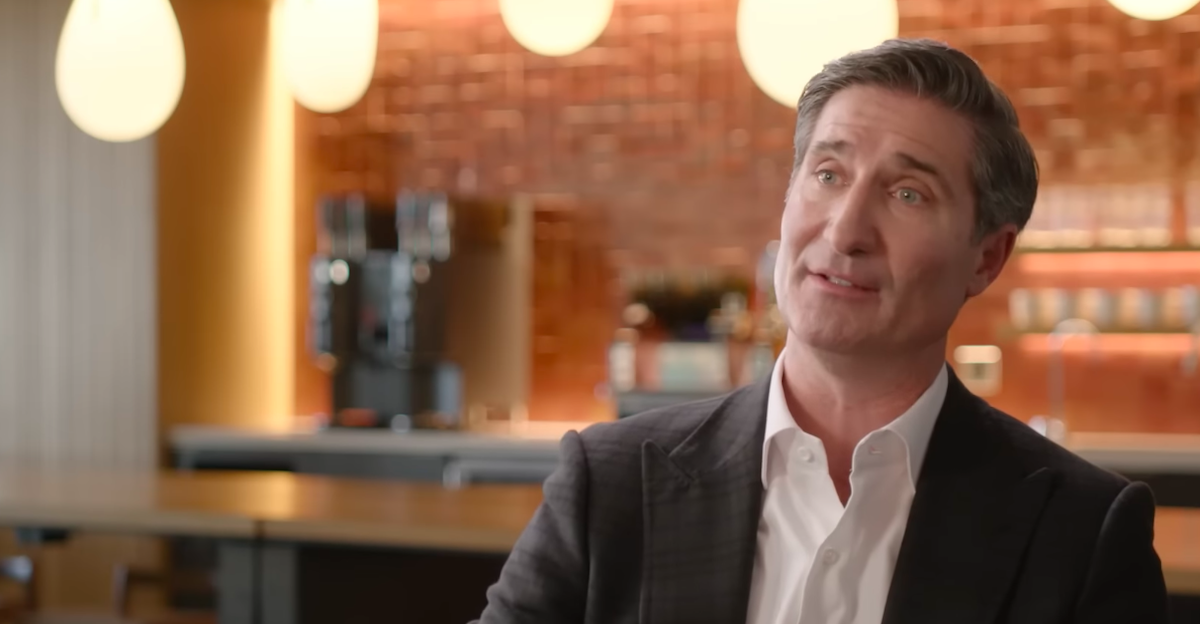
Throughout 2024-2025, Chipotle confronted separate viral criticism alleging inconsistent and insufficient portion sizes at locations nationwide. Former CEO Brian Niccol acknowledged approximately 10% of restaurants were “outliers” requiring retraining on portion standards.
The company implemented corrective measures emphasizing “consistent and generous portions,” but the controversy damaged brand perception around value during the critical period preceding the boycott.
Activist Investor Association Endures
The episode reveals how activist investors’ high-profile public identities create enduring reputational linkage long after financial relationships sever.
Despite Pershing Square’s complete November 2025 divestiture, consumer perception retained the “Bill Ackman equals Chipotle” association cultivated during his nine-year activist engagement. Companies benefiting from activist involvement face peculiar reputational exposure to investors’ future conduct extending indefinitely beyond economic relationships.
Corporate Political Neutrality Under Siege
Chipotle’s minimalist response—correcting factual errors without engaging political substance—represents classical corporate neutrality strategy becoming increasingly difficult to sustain.
Companies face escalating demands from progressive stakeholders expecting social justice positions and conservative constituencies threatening boycotts for “woke capitalism.” This multi-stakeholder environment creates scenarios where claiming neutrality is itself interpreted as political choice requiring navigation of impossible terrain.
Market Recovery Outlook Remains Uncertain
Oppenheimer analysts suggest Chipotle may be positioned for a “spicy revival” in 2026, noting “significantly lower expectations” create opportunity for aggressive sales drivers including increased limited-time offerings and high-protein menu expansion.
However, Gordon Haskett warns that “lower-income and younger consumer cohort headwinds persist well into 2026,” expecting continued traffic declines. Planned initiatives include quarterly innovation calendars and value positioning emphasis.
Billionaire Political Influence Backlash Intensifies
Ackman’s political donations position him as a symbol of billionaire activism that critics view as fundamentally anti-democratic. Research indicates increasing public concern about concentrated wealth’s outsized influence on policy outcomes and democratic processes.
The boycott functioned as both protest against Ackman’s specific ICE donation and symbolic resistance to billionaire political power more broadly, reflecting 2025-2026 trends of organized opposition to wealthy individuals’ electoral spending.
Lessons for Corporate Crisis Strategy
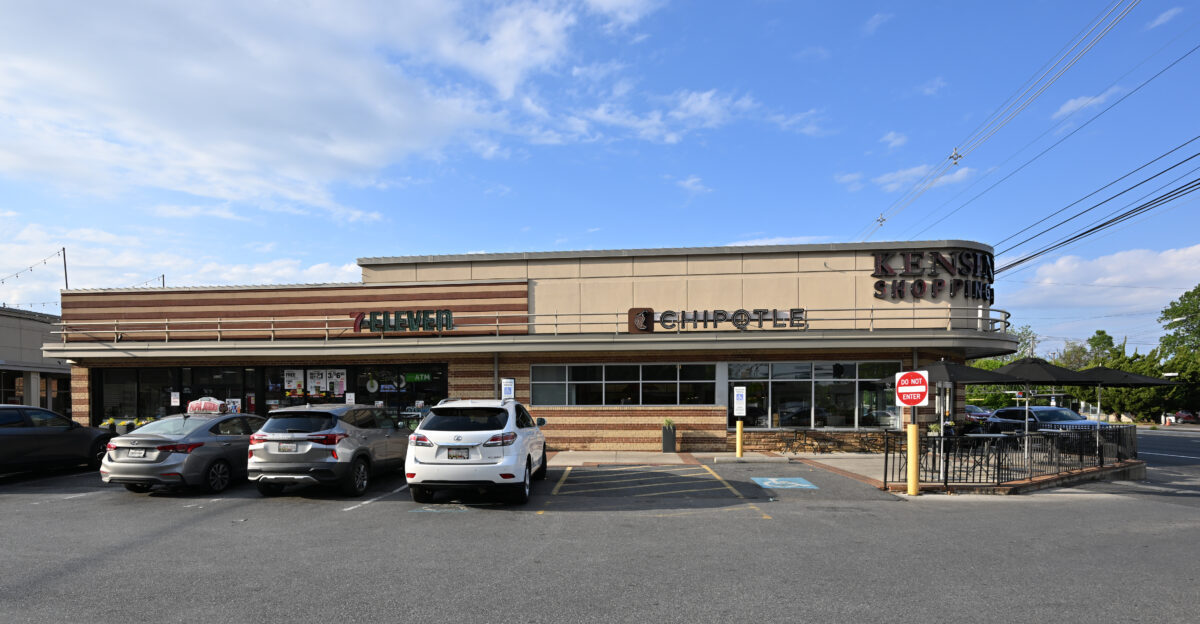
The controversy illuminates evolving dynamics in corporate reputation management where business operations collide with political polarization at accelerating velocity. Companies must implement continuous social listening, pre-approved response frameworks, cross-functional crisis teams, and clear escalation procedures to respond when crises compress from days to hours.
For Chipotle specifically, operational challenges—sales declines, margin compression, affordability concerns—pose far greater long-term threats than temporary social media controversy.
Sources:
“Chipotle distances itself from Bill Ackman after ICE donation sparks boycott calls.” New York Post, January 13, 2026.
“Chipotle clarifies Bill Ackman not affiliated with chain after billionaire’s ICE agent donation.” Fox Business, January 12, 2026.
“Minneapolis ICE shooting: A minute-by-minute timeline of how Renee Nicole Good was killed.” ABC News, January 8, 2026.
“Chipotle Reacts To Boycott Calls Over Bill Ackman’s $10K ICE Agent Donation.” Newsweek, January 13, 2026.
“Chipotle faces first same-store sales decline in over 20 years.” National Restaurant News, January 12, 2026.
“Pershing Square Reveals 9.9% Stake in Chipotle.” Wall Street Journal, September 6, 2016.