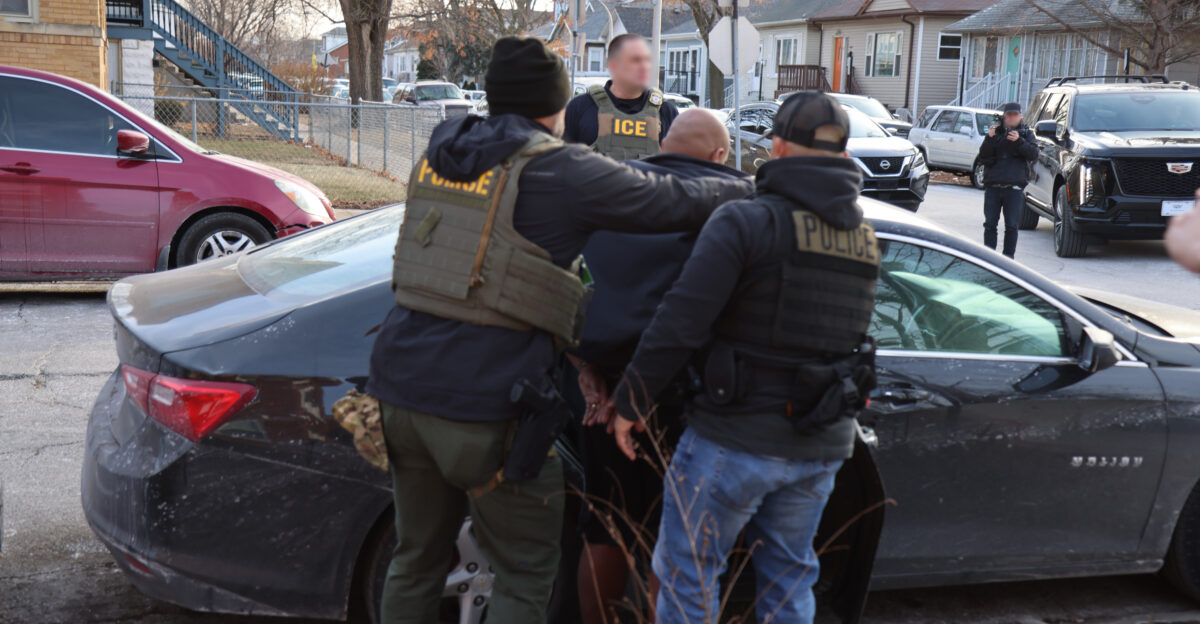
On January 7, Renee Nicole Good, a thirty-seven-year-old mother of three, drove away from police on a South Minneapolis street. ICE agent Jonathan Ross fired three shots—one through her windshield, two through her driver’s side window. She was killed.
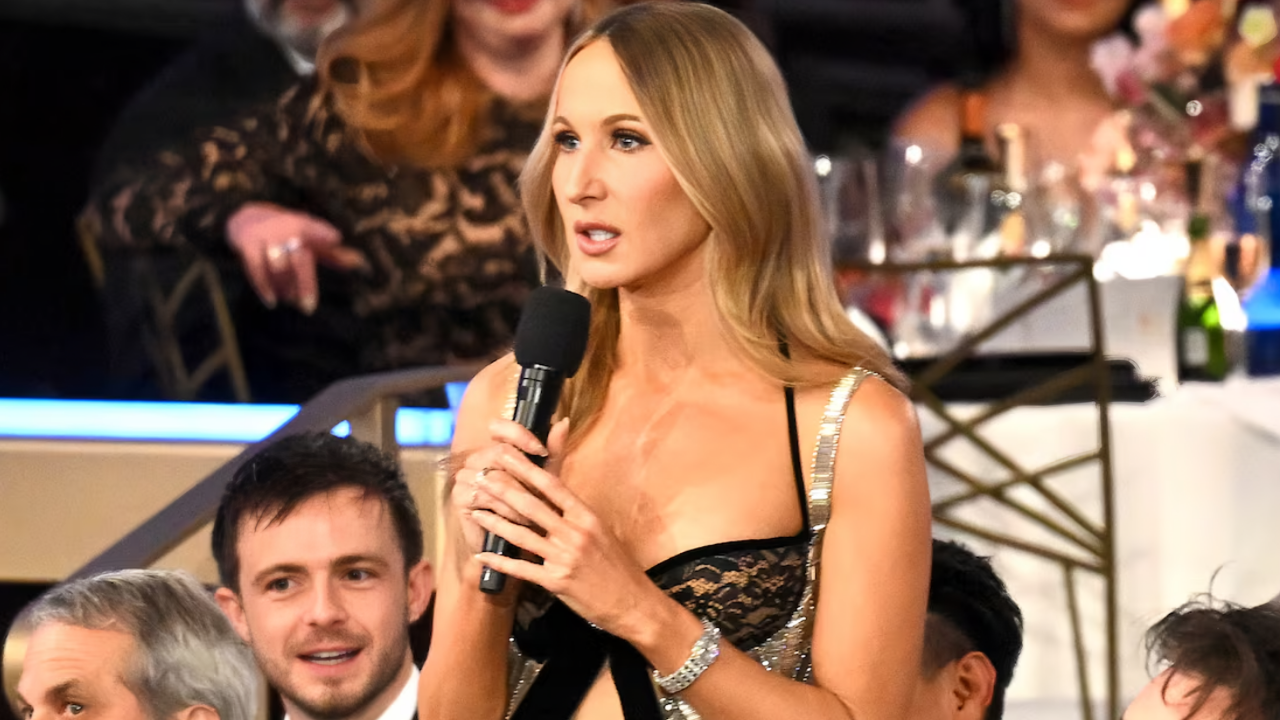
Within days, protests were organized across America demanding accountability. By January 11, when Nikki Glaser took the Golden Globes stage before millions, the nation was asking: What happens when power goes unchecked?
The Comedian Who Roasted Everyone
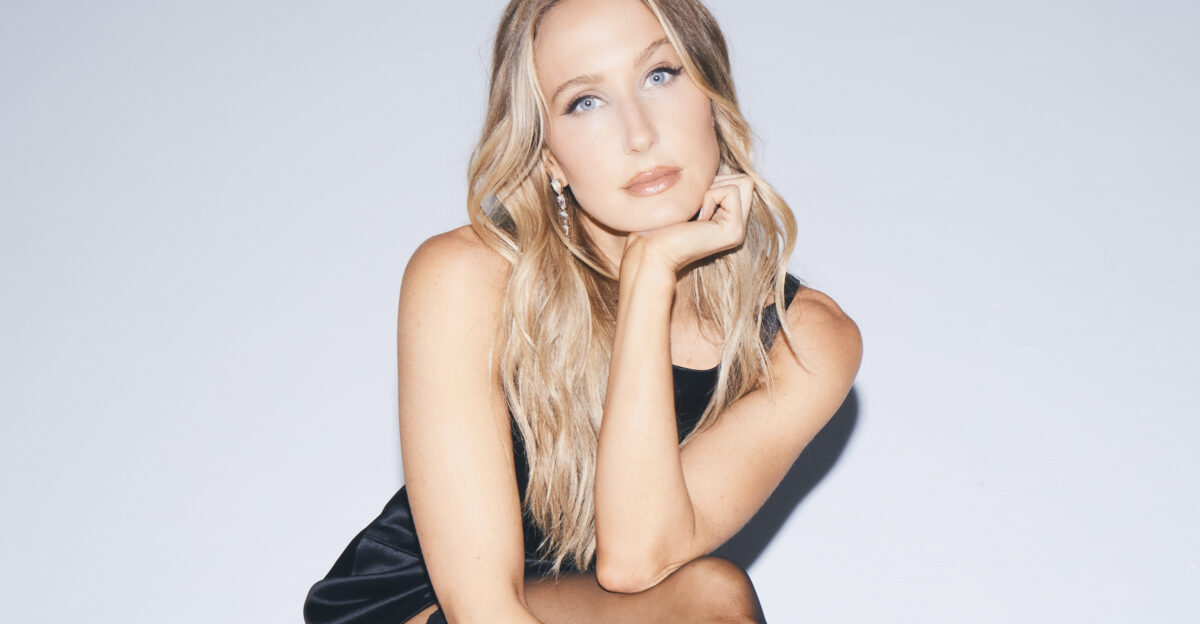
Glaser had built her reputation on fearless comedy. At Netflix’s Tom Brady roast in May 2024, she delivered a set so sharp and hilarious it “changed everything,” she told Today. She mocked Brady’s divorce with surgical precision, going viral overnight. Her career launched into the stratosphere.
Facing 8.66 million Golden Globes viewers on a night when nationwide protests raged outside the Beverly Hilton, the sharpest roaster in comedy went quiet on politics. No Trump jokes. No ICE references. Not even coded wordplay. She chose safety over risk.
The Legendary Mentor
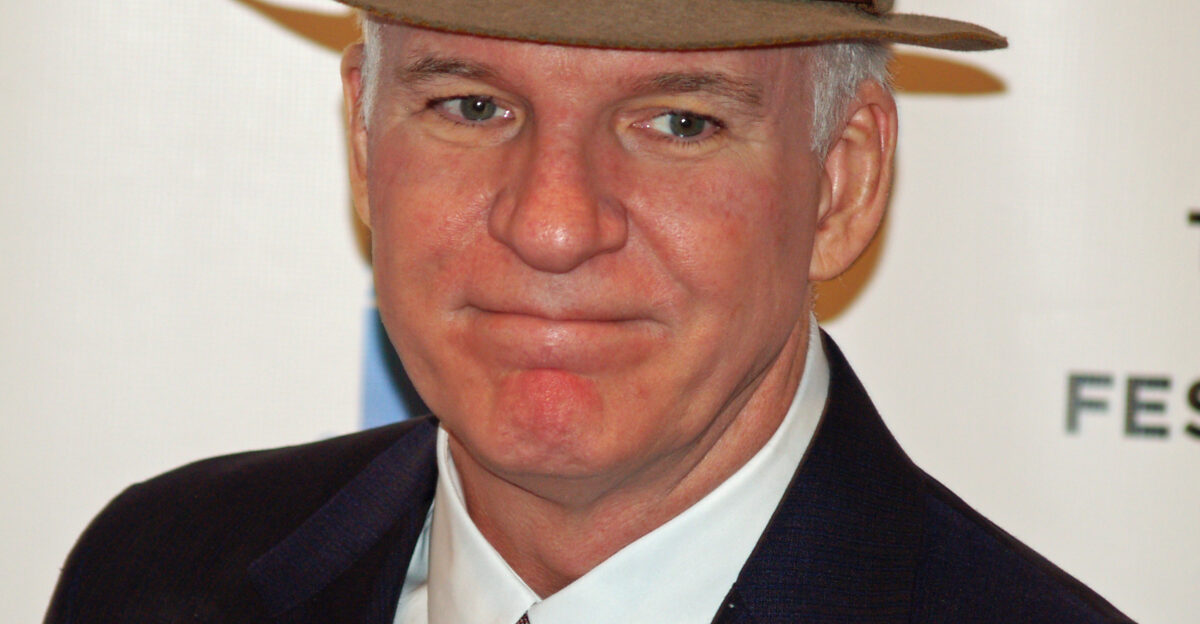
Steve Martin wrote a joke for Glaser before the ceremony. It referenced the Kennedy Center’s controversial renaming to include Trump’s name—a move that sparked legal battles and family outrage. Martin’s punchline: Glaser had just performed at the Trump Kennedy Center and was now at the Trump Beverly Hilton.
But Martin called her back with a warning. “He said don’t do that. It’s not the right tone for the night,” Glaser told Howard Stern. “And he was right,” she admitted.
Even A Joke About Ice Felt Too Dangerous To Tell
Glaser had planned wordplay about a bar running out of ice. The punchline: “I hate ice”—a double meaning aimed at Immigration and Customs Enforcement. But she scrapped it. “It just felt like, oh, even that’s being too trivial,” she told Stern, according to Variety. “This isn’t even that anymore. It’s hard to strike the right tone.”
The decision exposed the chilling effect: when a simple, abstract joke about frozen water feels too dangerous to tell on network television, comedy itself has been silenced. Not by law, but by fear.
Who Was Renee Nicole Good?

According to ABC News’ analysis of video footage, Renee Nicole Good was a Minneapolis mother of three. On January 7, she was driving when she encountered ICE agents. What followed became the catalyst for nationwide outrage.
The Department of Homeland Security claimed she attempted to run over officers—an act of domestic terrorism, DHS Secretary Kristi Noem said. Minneapolis Mayor Jacob Frey rejected that account entirely. “That’s nonsense,” he told reporters. “The video shows an agent recklessly exercising power that led to someone losing their life.”
Nationwide Protests Organized
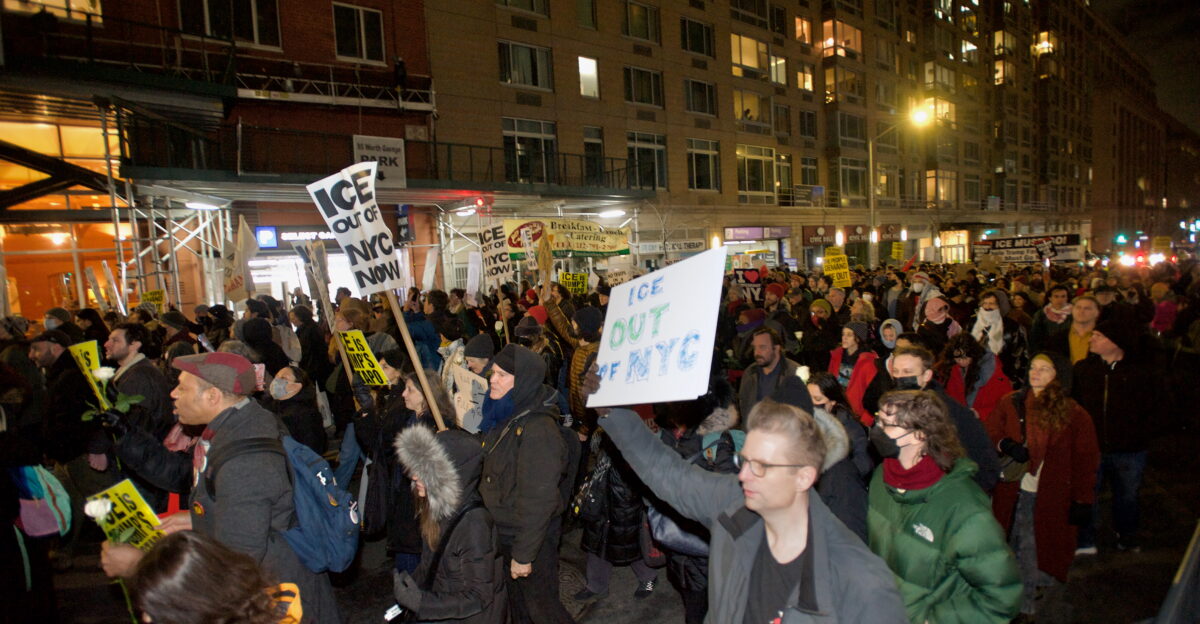
The ACLU’s ICE Out For Good campaign organized a weekend of action planned for January 10-11, with demonstrations emerging across America demanding accountability. In Minneapolis, hundreds gathered at vigils and marches, some confronting federal officers outside ICE facilities. Police deployed tear gas.
Governor Tim Walz placed National Guard troops on standby. The scale was unprecedented: a mother’s death had awakened widespread rage about unchecked federal power.
Hollywood Wears Her Memory On The Red Carpet
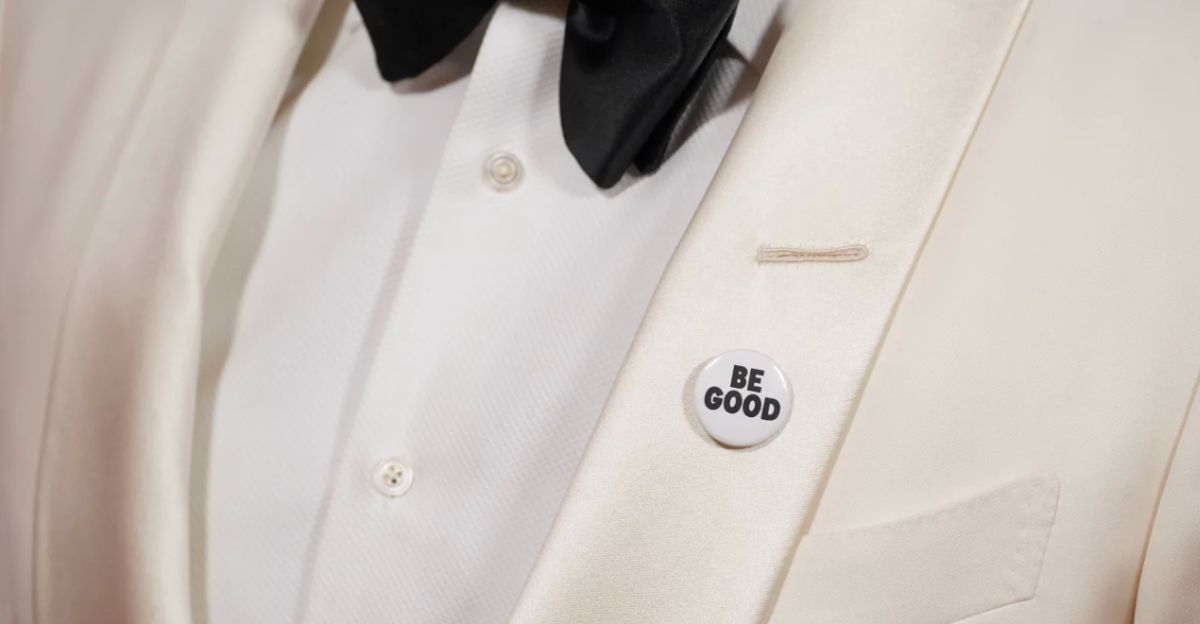
Mark Ruffalo, Natasha Lyonne, and Wanda Sykes arrived at the Golden Globes wearing black-and-white pins reading “ICE OUT” and “BE GOOD”—honoring Renee Nicole Good, who was killed by ICE, and Keith Porter, an LA man shot by an off-duty ICE agent on New Year’s Eve. “This is for Renee Nicole Good, who was murdered,” Ruffalo told USA TODAY.
Sykes declared: “We need to speak up and shut this rogue government down.” The red carpet became a space for truth-telling. But the stage where Glaser would speak remained carefully neutral, carefully silent.
The Host Chooses Politics-Free Comedy
When Glaser took the stage, she never mentioned ICE, Trump, or the protests raging across the country. The absence was deafening. In previous years, Golden Globes hosts—particularly Ricky Gervais—had wielded comedy as a weapon against power.
But Glaser had read the room, read the moment, read the fear. She chose to perform within safe boundaries, delivering jokes about celebrities while power—the story of the week—went unexamined on Hollywood’s biggest stage.
She Lands One Political Punch
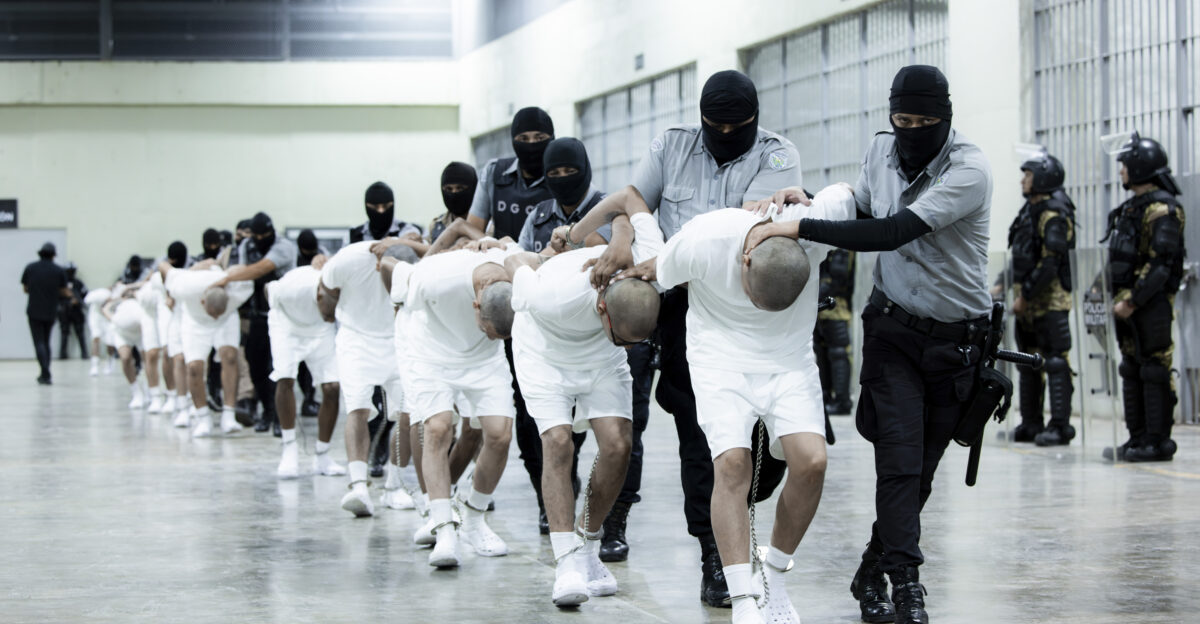
Glaser did land one political jab—not at government, but at her own network. “The award for most editing goes to CBS News,” she quipped. “Yes, CBS News: America’s newest place to see BS news.” The audience laughed. She was referencing CBS editor-in-chief Bari Weiss’s decision to shelve a 60 Minutes segment about Venezuelan migrants deported to a brutal El Salvador prison.
Correspondent Sharyl Alfonsi said the story was “factually correct” but Weiss killed it anyway, according to The Los Angeles Times. Glaser’s joke was sharp, but it targeted editorial cowardice at her employer, a safer target than the government itself.
She Reveals Her Calculations
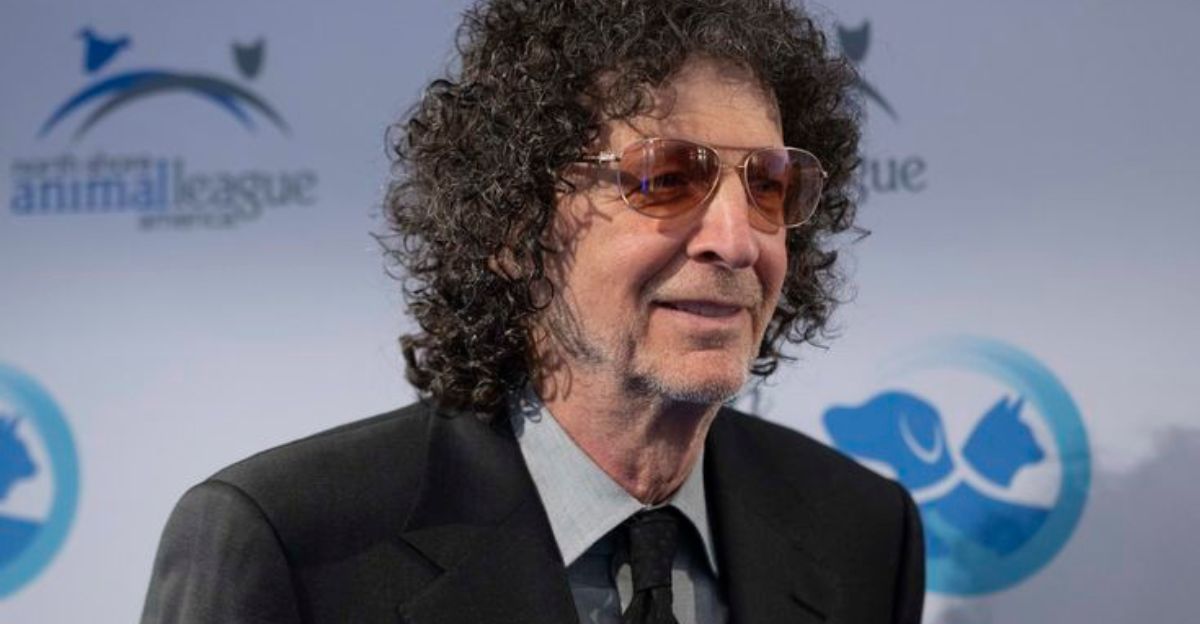
Days after the ceremony, Glaser sat with Howard Stern and explained her thinking. “You just don’t say that guy’s name right now,” she said of Trump. “I just want to give it space.” The phrase was telling: strategic retreat, deference to a force she deemed too volatile to engage.
She believed political jokes are “not funny” right now, given the climate. The calculation was brutally clear: an 8.66-million-viewer audience wanted escape, not confrontation. Glaser read that demand and delivered safety. But in doing so, she became part of the larger narrative—how fear reshapes public discourse when silence feels like survival.
Ratings Drop As Politics Vanish From Award Shows
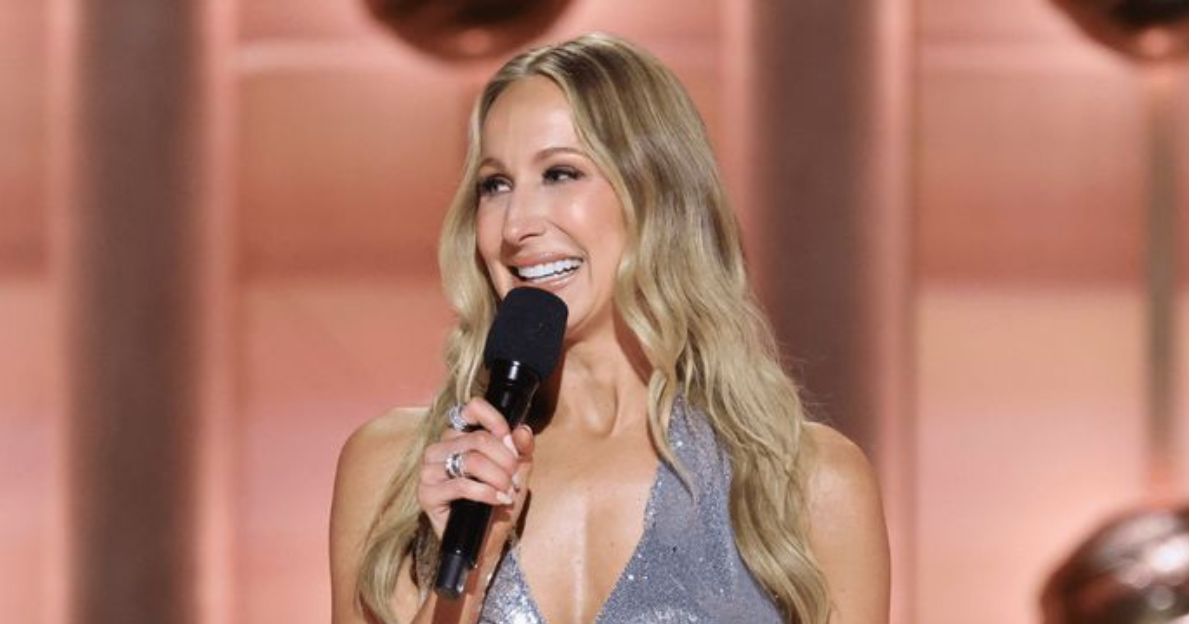
The 2026 Golden Globes drew 8.66 million viewers on CBS, a nearly seven percent decline from the prior year’s 9.27 million, Nielsen data showed. It marked the second straight year of ratings drops. Competition from the NFL playoffs contributed, certainly. But the absence of political edge—the thing that made the Golden Globes must-watch television—likely mattered too.
Jimmy Fallon’s soft, politics-averse hosting in 2017 had drawn criticism from Deadline for being “lackluster.” Yet Glaser’s approach landed differently: she was sharp on celebrities, silent on power.
Self-Censorship Concerns
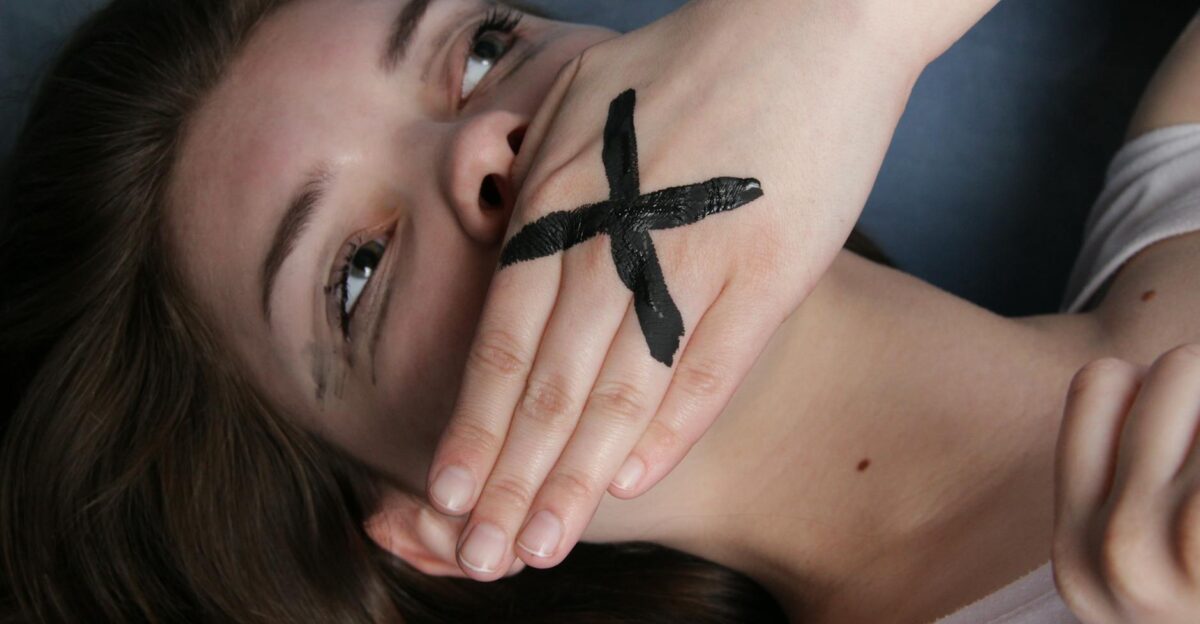
Writers and creators across Hollywood face increasing pressure to consider the legal implications of their work. The Los Angeles Times reported that creators fear censorship and are weighing legal considerations before production, according to industry observers.
Research documents broader self-censorship trends: studies by FIRE and Campus Times show that faculty self-censorship has significantly increased compared to previous decades, with researchers noting a chilling effect on free expression across institutions.
The Chilling Effect When Fearless Voices Go Silent
When legendary comedians like Steve Martin advise killing jokes, when wordplay about ice cubes feels too risky, something fundamental has shifted. Comedy’s power lies in speaking truth to authority, in naming what frightens us, in making audiences laugh at danger.
Silencing that voice—whether through law or fear—weakens democracy. Hundreds of comedians wrote in a statement supporting free speech: “When the government targets one of us, they target all of us.
Voices Demanding Accountability
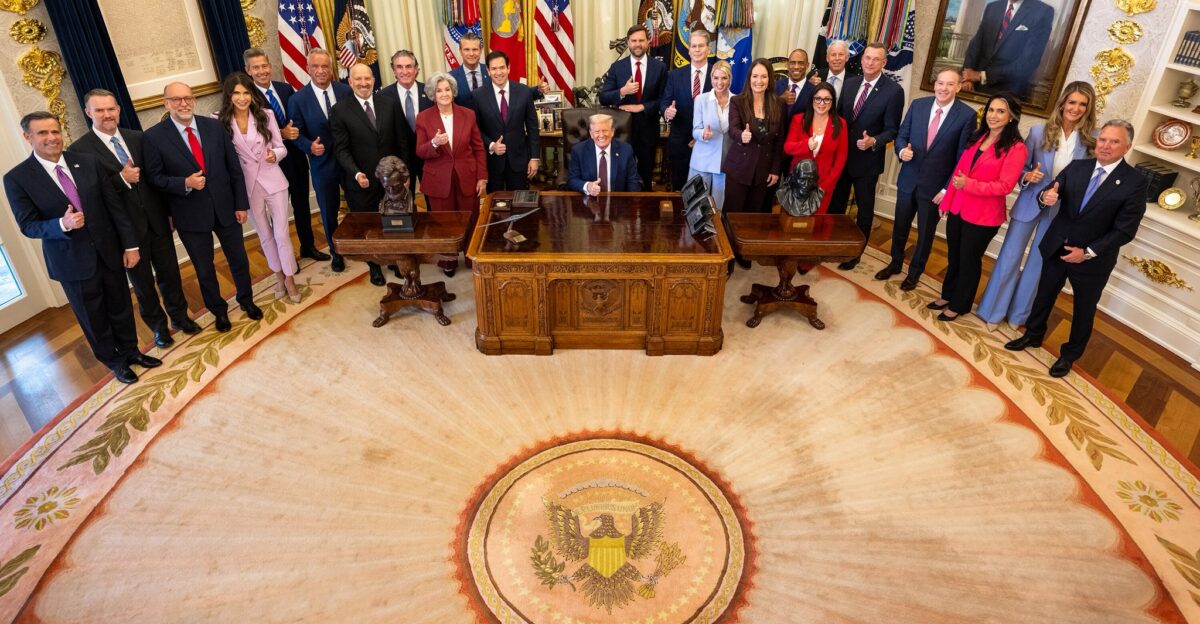
But the space Glaser refused to occupy wasn’t empty. It was filled with Ruffalo’s red carpet condemnation of a “rogue government.” It was filled with Sykes demanding accountability. It was filled with nationwide marches. It was filled with a nation asking why an ICE agent could kill a mother in broad daylight and face no immediate consequences.
Glaser’s silence meant other voices had to speak louder. The real story—power unchecked, a mother dead, a nation reckoning—couldn’t be avoided by avoiding Trump’s name. It could only be deferred.
What Happens When Comedians Stop Naming Truth
Glaser will host again. She’ll joke about celebrities and entertainment. But the Golden Globes 2026 will be remembered for what wasn’t said—and what that absence revealed. When fear convinces the boldest voices to whisper, when a mother’s death becomes too risky to reference, when politics disappears from a stage built for truth-telling, silence becomes complicity.
The broader question lingers: in moments that demand witness, demand voice, demand accountability, what responsibility do those with platforms bear? Glaser’s answer that night was deferential. History may judge it differently.
Sources:
FBI Searches Home of Washington Post Reporter in Classified Documents Probe — BBC News
Killing of Renee Good — Wikipedia
2026 Golden Globes Ratings Score 8.66 Million Viewers — The Wrap
Natasha Lyonne, Mark Ruffalo, Wanda Sykes Protest ICE at Golden Globes — Deadline
CBS News Correspondent Accuses Bari Weiss of ‘Political’ Move in Pulling 60 Minutes Segment — Los Angeles Times
The 2024 FIRE Faculty Survey on Self-Censorship — FIRE