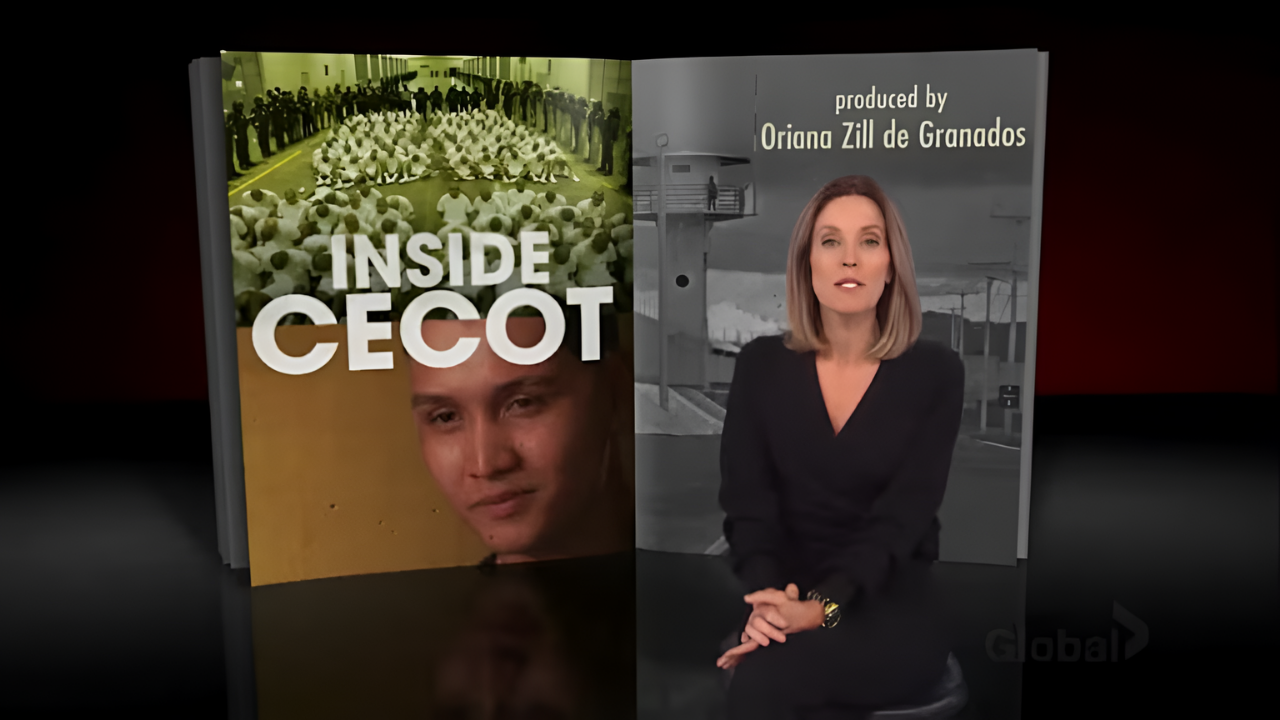
When a fully vetted 60 Minutes investigation vanished just hours before airtime, it sent shockwaves through American journalism. The December 21, 2025 decision to pull a completed segment on alleged torture at El Salvador’s CECOT prison sparked internal outrage, public backlash, and lasting questions about editorial independence.
Correspondent Sharyn Alfonsi accused CBS News leadership of making a “political” call, not an editorial one, after months of reporting were shelved without warning. What followed exposed deep fractures inside a broadcast institution long seen as untouchable. Here’s what’s happening behind the scenes.
A Finished Investigation Pulled at the Last Minute
By mid-December 2025, “Inside CECOT” was ready. The 60 Minutes segment examining alleged torture of Venezuelan migrants at El Salvador’s Terrorism Confinement Center had cleared legal review, passed Standards and Practices, and been screened 5 times. CBS News promoted the story heavily ahead of its scheduled December 22 broadcast, with teaser clips drawing roughly 4 million Instagram views, according to Dan Rather’s Steady newsletter.
Yet early on December 21, editor-in-chief Bari Weiss halted the broadcast just 3 hours before airtime. The segment, reported by Sharyn Alfonsi, detailed abuse claims supported by Human Rights Watch findings released November 12, 2025, and investigations by UC Berkeley’s Human Rights Center. Internally, the reversal stunned staff who believed the reporting met every requirement. Externally, viewers were left without explanation, setting the stage for a newsroom crisis that quickly spiraled beyond a single story.
Why CECOT Became a Political Flashpoint
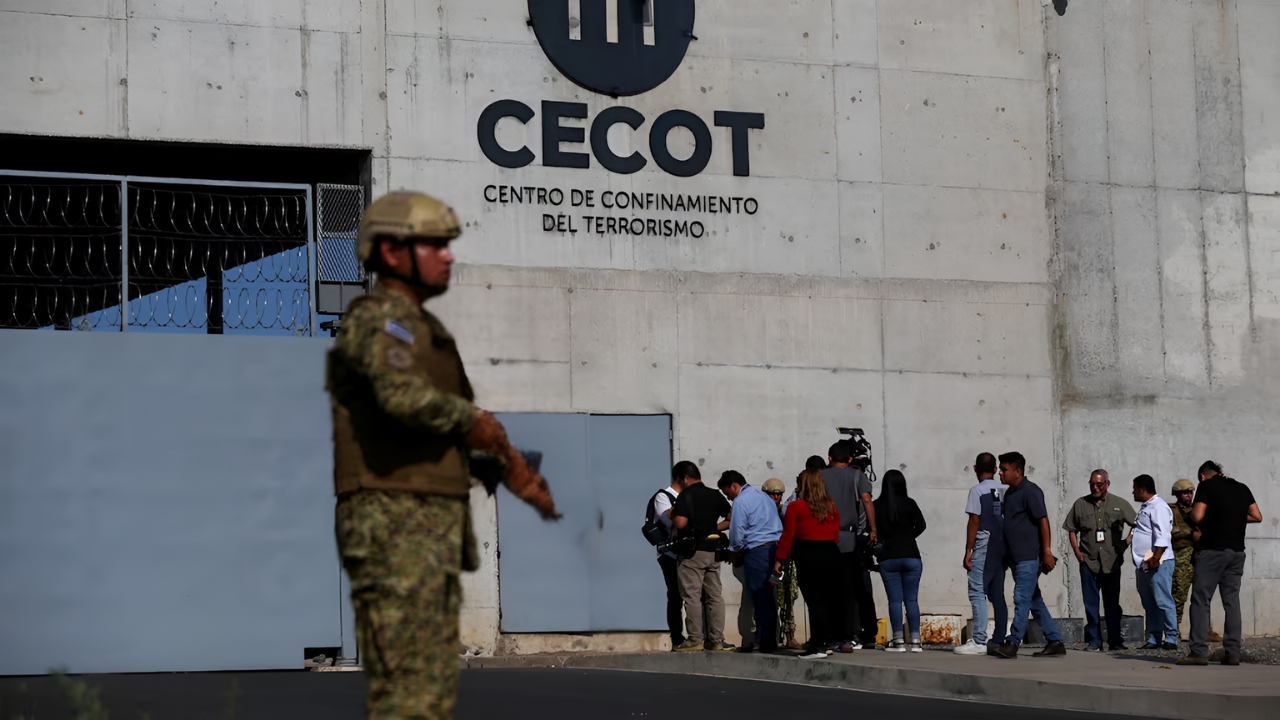
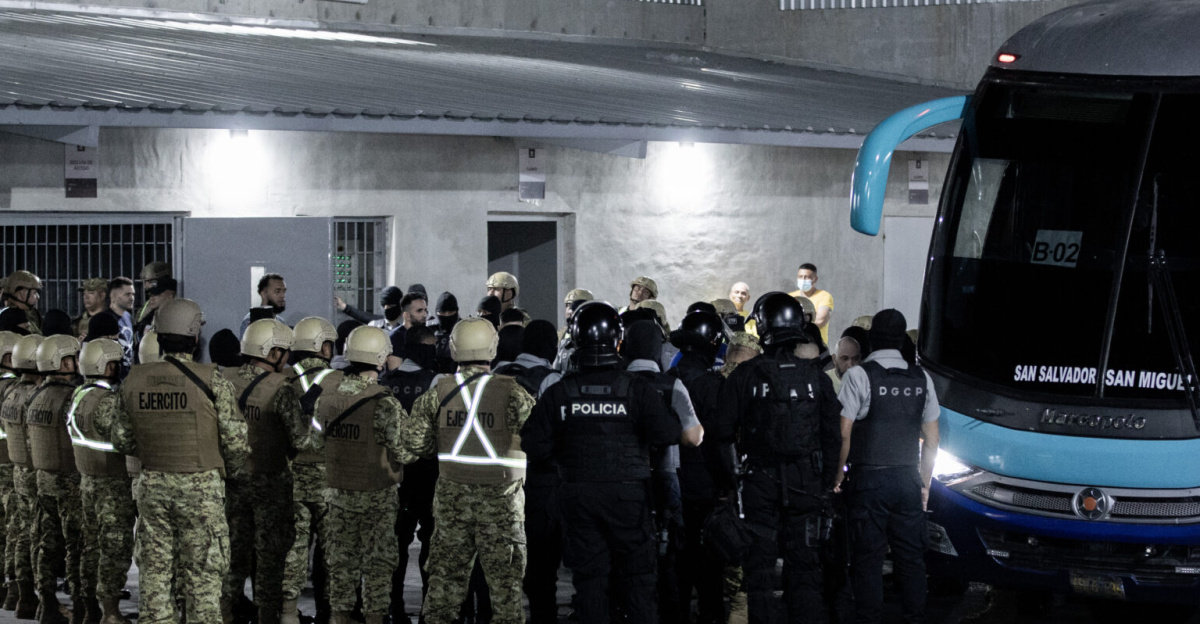
CECOT entered the U.S. political spotlight in March 2025, when the Trump administration deported approximately 240 Venezuelans there under the Alien Enemies Act. Human Rights Watch and Cristosal later documented systematic torture, sexual abuse, beatings, and inhumane conditions in a November 2025 report titled You Have Arrived in Hell. Detainees reportedly slept without mattresses and received limited food.
Nearly 75 percent of those sent to CECOT had no criminal records, according to the report. Despite that, White House Press Secretary Karoline Leavitt described the deportees as “heinous monsters—rapists, murderers, kidnappers, sexual assault predators” during March 2025 press briefings, according to official transcripts. The 60 Minutes segment placed those claims alongside documented evidence, a contrast that made the story especially sensitive at a moment of heightened political tension.
The Explanation That Triggered the Backlash
According to CNN and the New York Times, Weiss justified pulling the segment by citing the Trump administration’s refusal to provide an on-camera interview or formal response. She specifically wanted White House deputy chief of staff Stephen Miller interviewed. During a December 23 editorial call, Weiss argued the story “did not advance the ball” beyond previous reporting and lacked critical voices.
Alfonsi’s team had repeatedly sought comment through official channels, a standard journalistic practice. To many inside CBS News, the reasoning felt inconsistent with long-held newsroom norms. The segment had already incorporated administration statements and prior reporting context. The sudden insistence on additional participation, after final approvals, fueled concerns that the bar was being raised selectively, and for reasons unrelated to journalistic standards.
An Internal Email That Changed the Narrative
Alfonsi responded with a blunt internal email sent December 21. “Our story was screened five times and cleared by both CBS attorneys and Standards and Practices. It is factually correct,” she wrote. “In my view, pulling it now—after every rigorous internal check has been met—is not an editorial decision, it is a political one,” according to copies obtained by the New York Times and CNN.
She warned that treating government refusal as grounds to kill a story set a dangerous precedent. “Government silence is a statement, not a VETO,” Alfonsi wrote. “If the administration’s refusal to participate becomes a valid reason to spike a story, we have effectively handed them a ‘kill switch’ for any reporting they find inconvenient.” The memo spread quickly, becoming a rallying point for staff alarmed about creeping corporate influence.
When the Story Aired Without CBS
Ironically, the segment aired anyway. On December 21, it was broadcast in Canada via Global Television, which carries 60 Minutes internationally. Within hours, recordings appeared on YouTube, TikTok, Reddit, and Bluesky, according to Axios and Reuters. Millions viewed the piece before takedown notices followed.
Viewers heard testimony from detainees like Luis Muñoz Pinto, a Venezuelan college student who said guards told him, “Welcome to hell. I’ll make sure you never leave.” Another detainee described punishment cells called “the Island,” where beatings occurred every 30 minutes. UC Berkeley investigators corroborated accounts using satellite imagery and open-source methods. Attempts to suppress the story instead amplified it, undermining CBS’s control of the narrative.
Conclusion: Ratings, Trust, and an Uncertain Future
The fallout soon reached viewers. After averaging about 10.4 million viewers in December 2025, 60 Minutes dropped to 8.97 million viewers on January 4, 2026, a decline of roughly 1.43 million, according to Nielsen data cited by industry trackers. That slide followed weeks of negative coverage and internal dissent. It also erased gains from the program’s high-rated November 2025 Trump interview.
As of mid-January 2026, Weiss says the CECOT segment will air “when it’s ready,” yet no date has been set. The episode revived concerns first raised by former executive producer Bill Owens, who resigned in April 2025 over corporate pressure. For a program built on investigative independence, the decision became more than a scheduling call. It became a test of whether trust, once shaken, can be restored.
Sources:
“You Have Arrived in Hell”: Torture and Other Abuses Against Venezuelans in El Salvador’s Mega Prison. Human Rights Watch and Cristosal, November 12, 2025.
’60 Minutes’ Pulls Segment on Venezuelans Deported to El Salvador Prison. The New York Times, December 21, 2025.
Paramount settles Trump’s ’60 Minutes’ lawsuit with $16 million payment. CNN, July 2, 2025.
Skydance-Paramount merger approved by FCC. Axios, July 24, 2025.
“60 MINUTES” DELIVERS 14 MILLION VIEWERS, ITS LARGEST AUDIENCE SINCE JAN. 6 COVERAGE. Paramount Press Express (CBS Official), November 5, 2025.
Bari Weiss named editor-in-chief of CBS News as Paramount Global acquires The Free Press. CBS News, October 5, 2025.