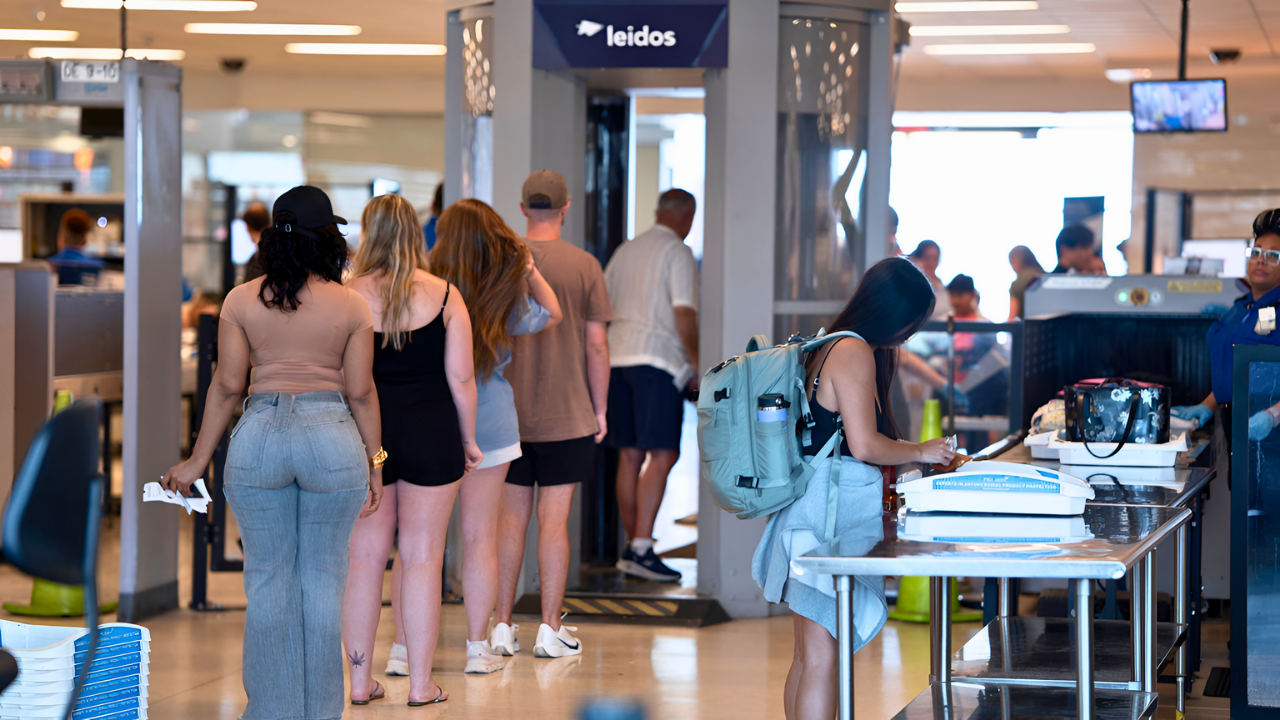
The countdown to February 1, 2026, marks a pivotal moment for American air travel. Starting that date, the Transportation Security Administration will impose a non-negotiable $45 fee on any traveler who arrives at an airport security checkpoint without a REAL ID-compliant driver’s license or other federally acceptable identification. This represents the final enforcement phase of a two-decade-old mandate, shifting costs onto unprepared passengers. The first surprise is how long this has been building.
A Long Law That Kept Getting Delayed
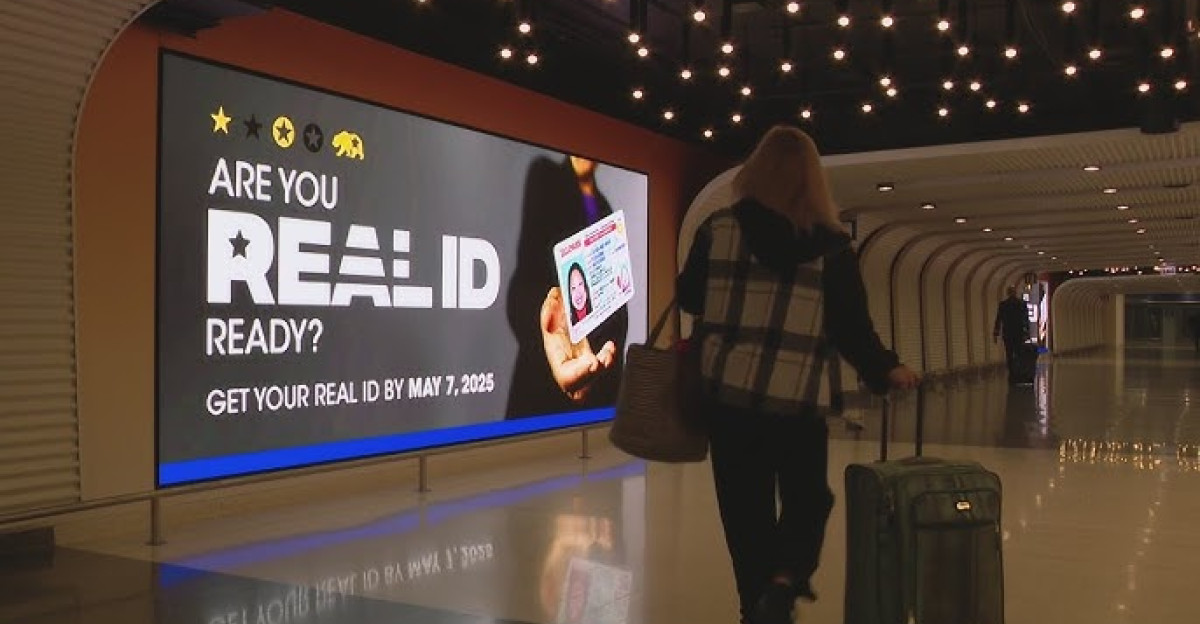
The REAL ID Act became law on May 11, 2005, after the 9/11 Commission urged security standards for state IDs. Implementation stalled for years across administrations. Full enforcement began May 7, 2025, with flexibility and warnings. That ends February 1, 2026, when TSA starts charging $45 for identity verification without compliant credentials. However, the fee itself has rules many miss.
What The $45 Confirm.ID Fee Really Covers
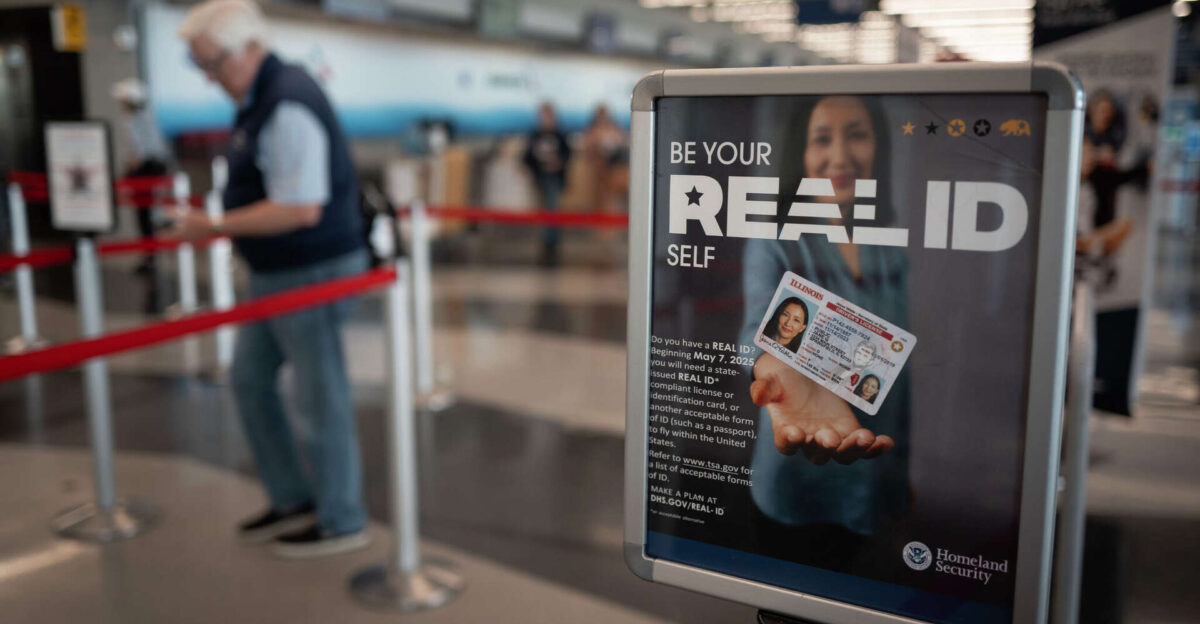
TSA’s Confirm.ID program modernizes identity checks that once relied on manual steps. The $45 fee covers a full 10-day travel window, not a single flight, so a round trip within that period is charged once. The fee is non-refundable and pays for biometric and biographic verification. Even with 94% showing acceptable ID, the scale adds up fast.
Who Will Get Charged At The Checkpoint
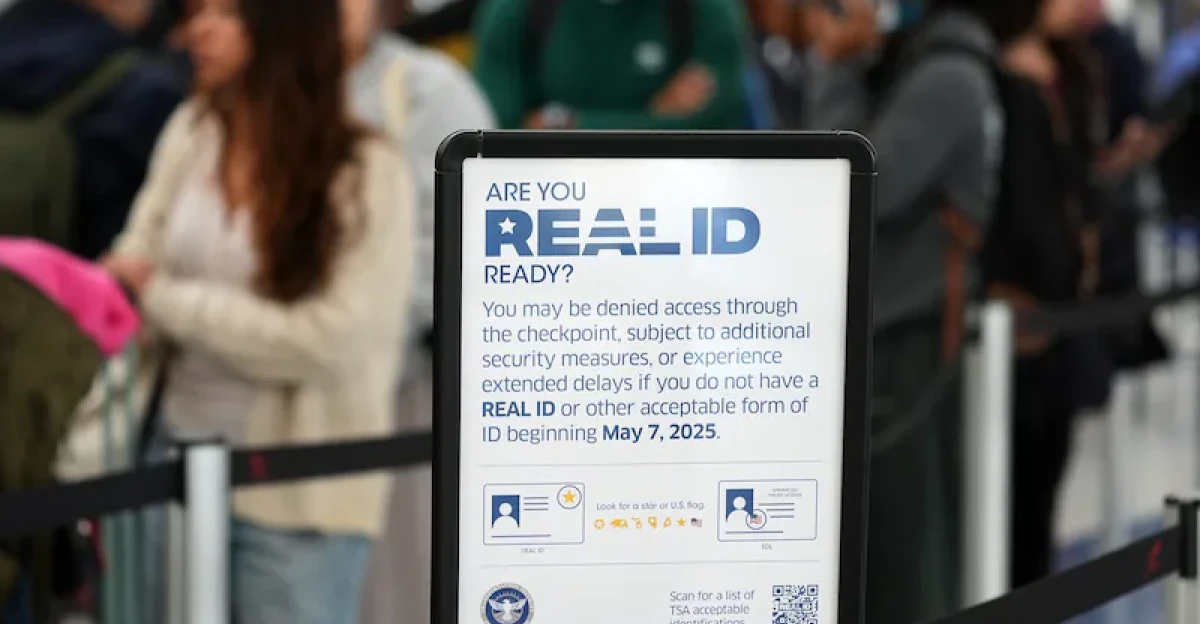
Any adult traveler age 18 or older who shows up without a REAL ID, passport, or other federally approved ID qualifies for the fee. This includes people who forgot ID, lost it, or never upgraded. Children with guardians are exempt from ID rules, while unaccompanied minors need some ID. Licenses without the star trigger the fee. But what happens during verification?
Inside TSA’s Confirm.ID Screening Process
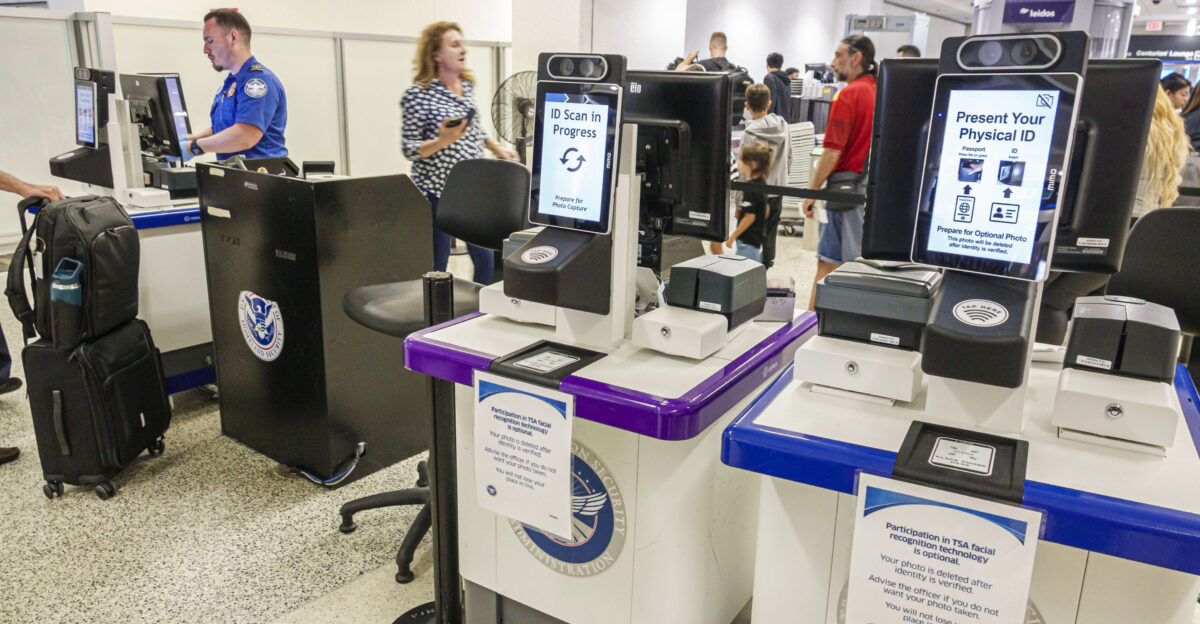
Confirm.ID collects biographic and biometric information to validate identity against watchlists and Secure Flight data. It can include facial recognition, head movements, and database cross-checking. Apple’s Digital ID, launched November 2025, is now accepted at participating checkpoints. Prepaying on pay.gov cuts time, but airport processing can add 10 to 30 minutes. Is a payment enough?
The Uneven Map Of REAL ID Compliance
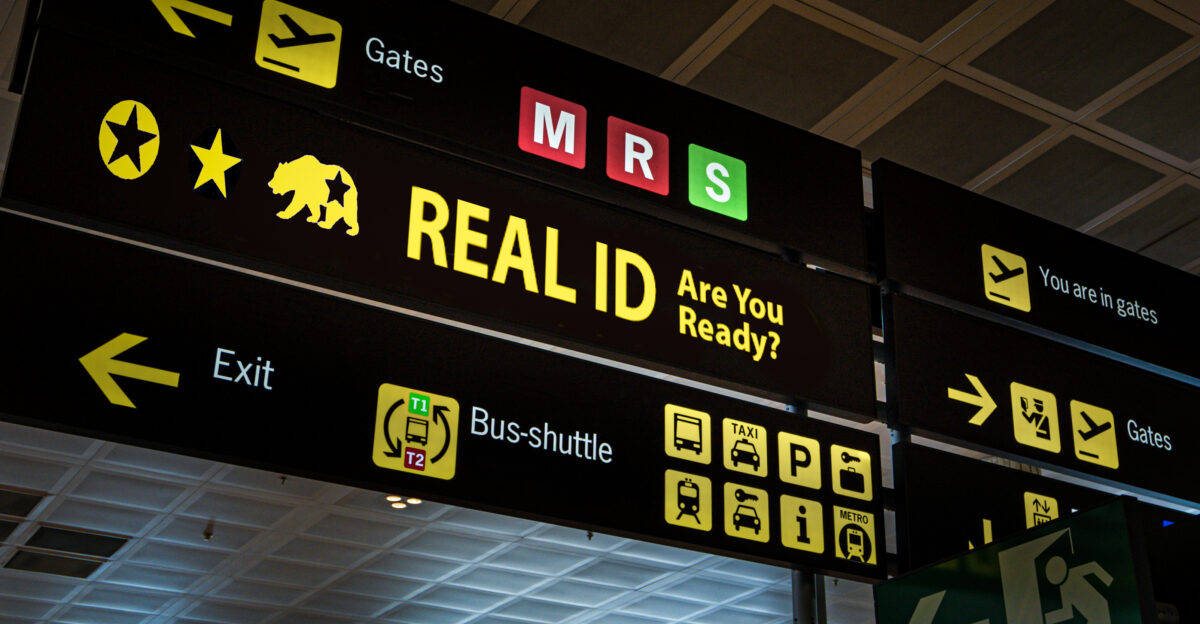
REAL ID compliance varies sharply across states, ranging from 98% to far lower levels. Texas leads at 98%, with Mississippi at 97% and Hawaii and Utah at 96%. New Jersey has just 17% compliance even with 69% passport ownership. North Carolina issued over 5 million REAL IDs, about 58% of drivers. So what can you do before February?
The Fastest Ways To Avoid Paying Anything
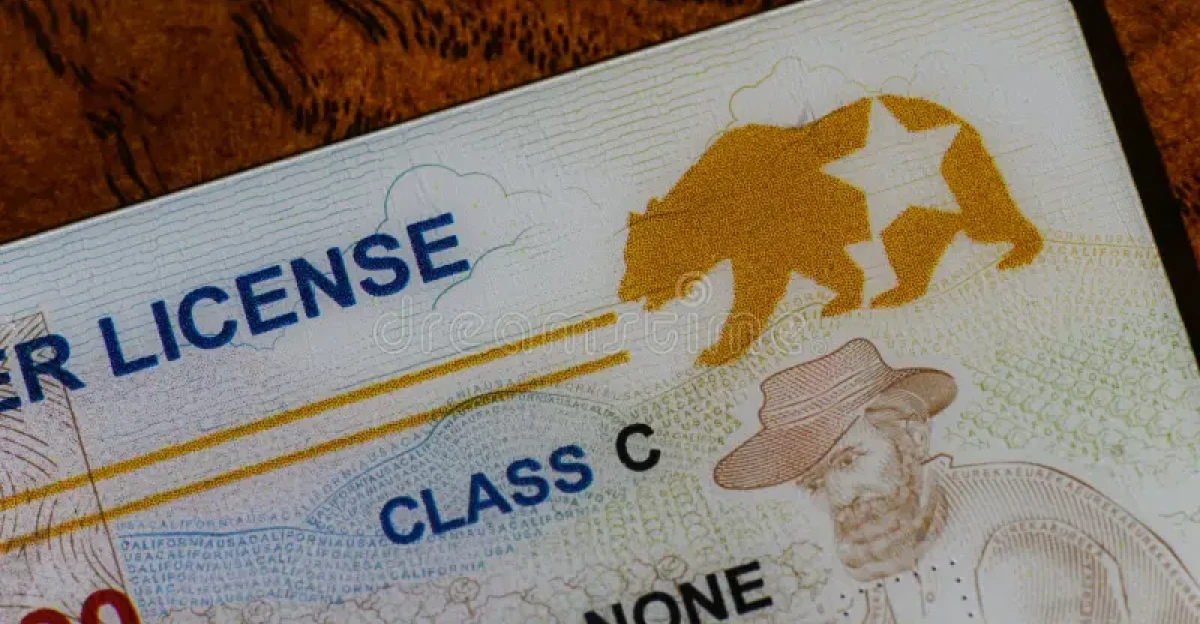
Avoiding the fee is simplest: upgrade to a REAL ID at your state DMV. You must show proof of identity, residency, Social Security verification, and lawful status. A U.S. passport or passport card also works, as do Global Entry and other Trusted Traveler cards. Enhanced Driver’s Licenses from 5 states qualify, and Digital IDs add another route. But DMVs are bracing.
DMV Lines Are Becoming The Real Bottleneck
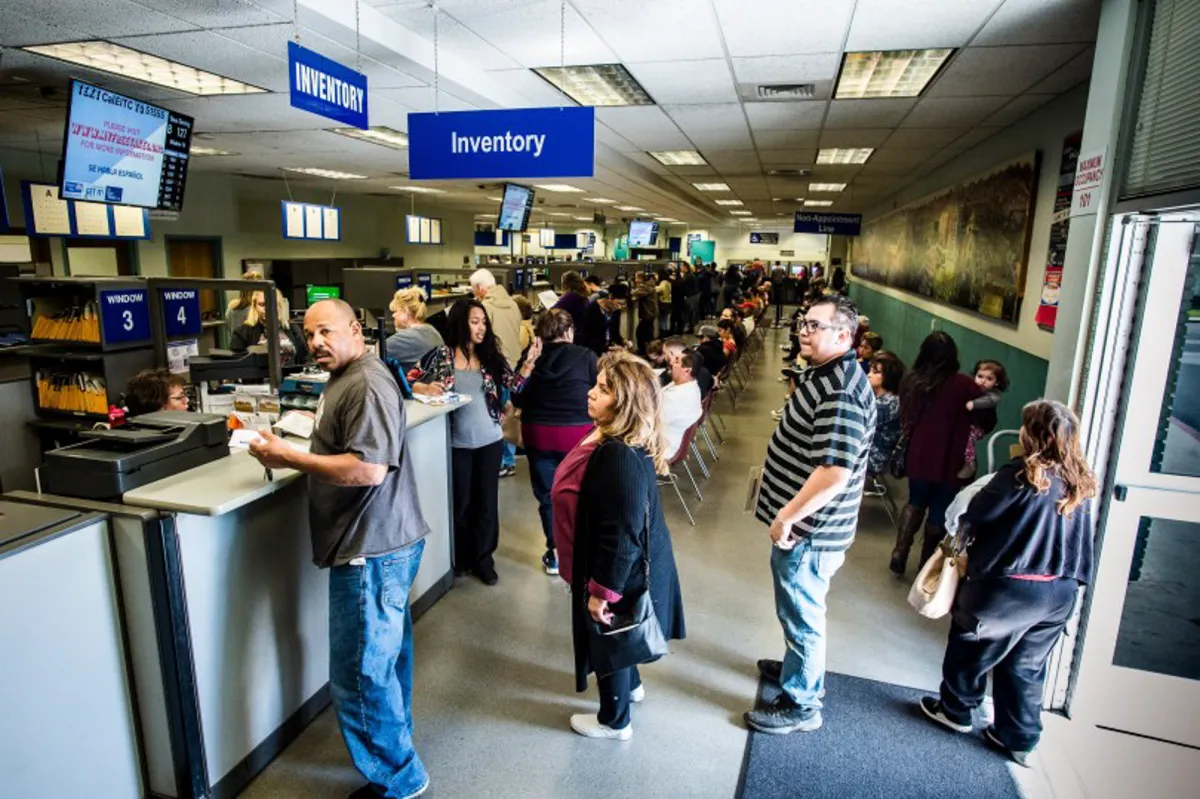
DMVs are preparing for heavy demand as February 1 approaches. North Carolina issued more than 5 million REAL IDs, yet offices still see fluctuating waits. Raleigh-Durham International Airport says about 2,000 passengers daily arrive without REAL ID or passport. Nevada reported appointment backlogs beyond 30 days. Many states added walk-ins and special events. But how big is the money at stake?
How Millions In Fees Could Add Up
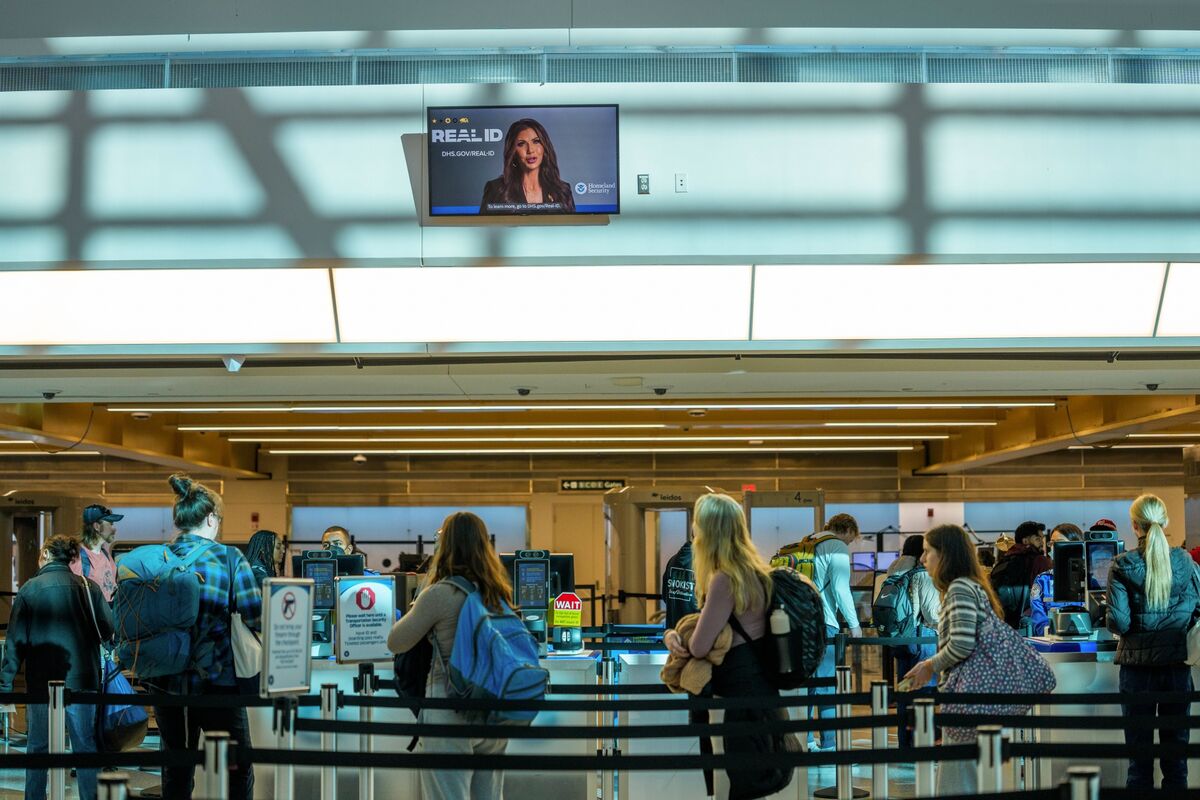
If 1% of roughly 965 million annual U.S. air passengers lack compliant ID, that is about 9.65 million $45 transactions, or roughly $434 million yearly. Frequent flyers without REAL ID could pay repeatedly across multiple 10-day windows, reaching nearly $2,250 for 50 flights. A family of 4 pays $180 just for verification. Does paying online really help?
Why TSA Wants You To Prepay Online
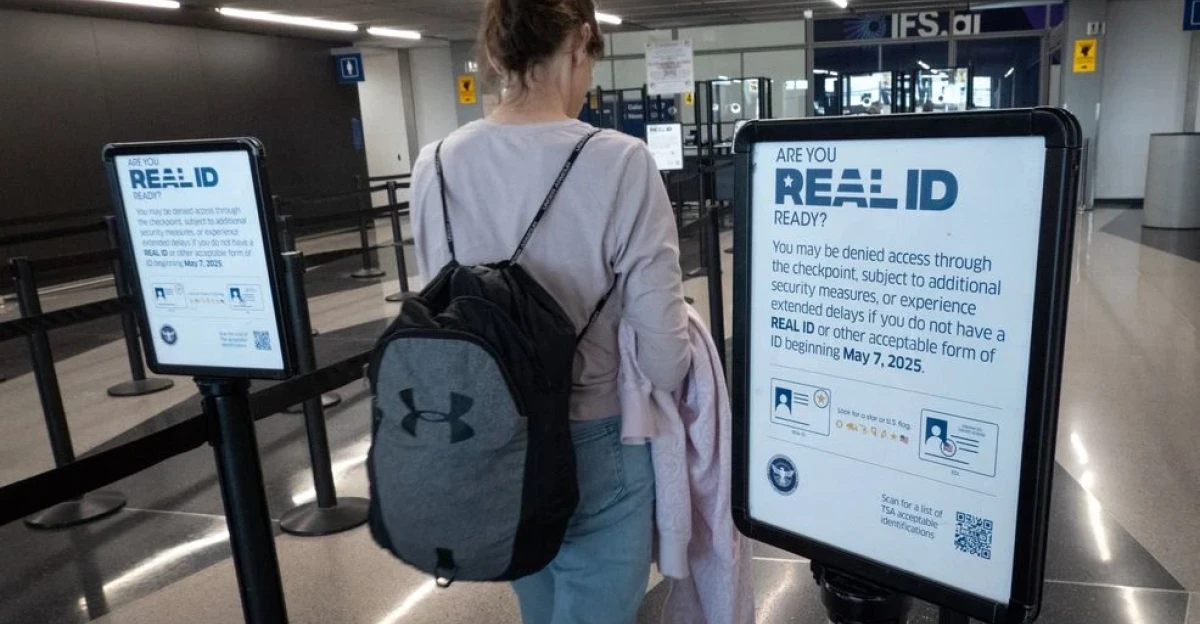
TSA urges travelers to prepay the $45 fee at pay.gov to reduce checkpoint delays. Receipts can be digital or printed. Travelers who arrive without prepayment can use airport kiosks at many locations, but delays are likely. Federal Register guidance confirms the fee covers 10 days. TSA estimates completing it at the airport adds 15 to 30 minutes. Could you still be turned away?
Paying Does Not Mean You Can Fly
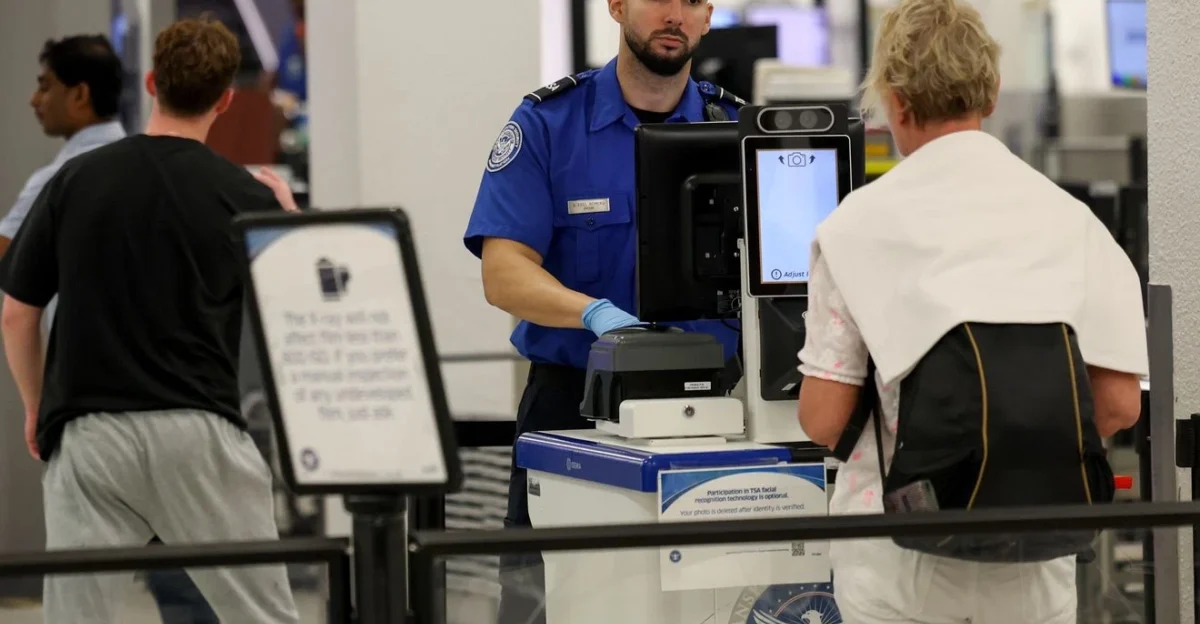
TSA stresses that paying $45 does not guarantee identity verification or access to the sterile area. If the system cannot confirm your identity, TSA can deny checkpoint entry and boarding authority. Because the fee is non-refundable, travelers could lose money and miss flights. TSA also signaled it may limit repeat Confirm.ID users. With no appeals process, what led to this hardline approach?
How A 2008 Deadline Became A 2026 Penalty
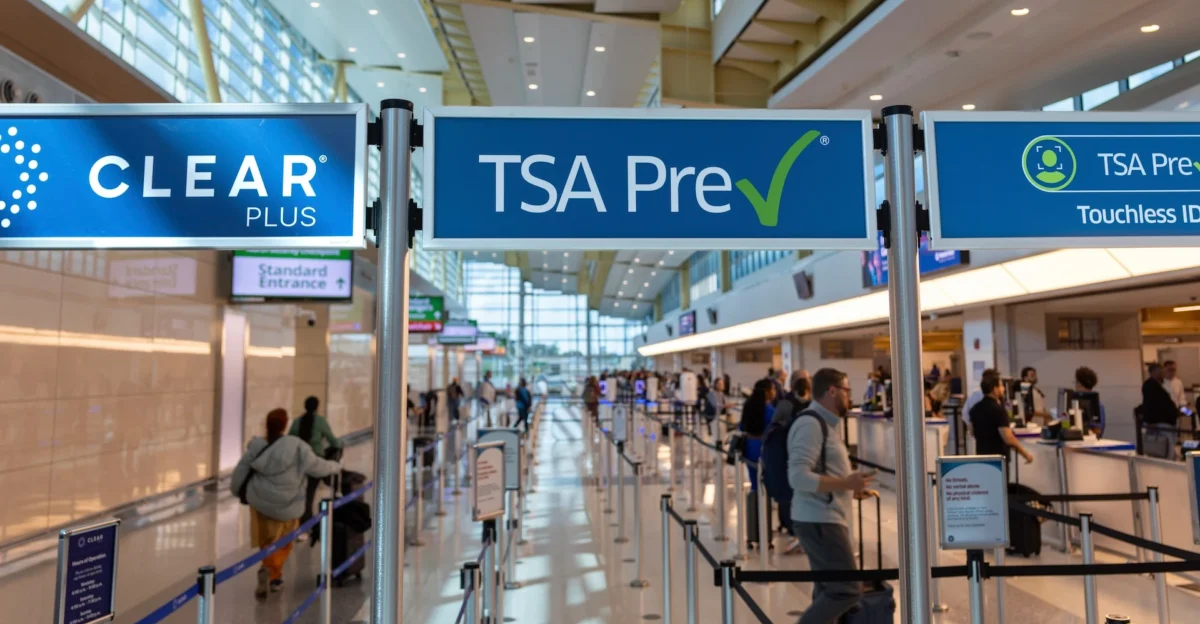
The REAL ID Act originally targeted May 11, 2008, for full enforcement, but state resistance and privacy objections triggered repeated extensions in 2009, 2011, 2021, and 2023. COVID-19 delays pushed the deadline to May 7, 2025. Enforcement began under President Trump’s administration and DHS Secretary Kristi Noem on May 7, 2025. The fee announced December 2025 escalates compliance pressure. So what IDs avoid all this?
IDs That Let You Skip Confirm.ID Completely
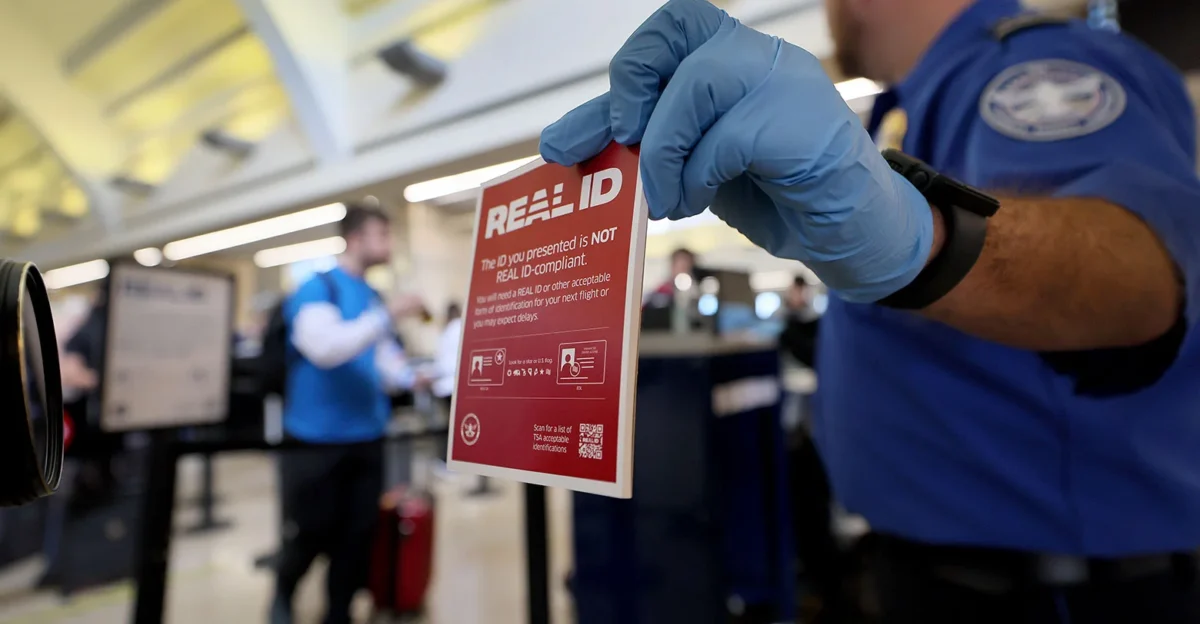
REAL ID licenses with the star are the most common option, but many other IDs work. U.S. passports and passport cards qualify nationwide. Enhanced Driver’s Licenses from Washington, Michigan, Minnesota, New York, and Vermont are accepted. Global Entry, NEXUS, SENTRI, and FAST cards also qualify. Department of Defense IDs, tribal IDs, permanent resident cards, and TWIC cards work too. Digital IDs now complicate the picture.
Apple Wallet Digital ID Changes The Equation

Apple launched Digital ID in November 2025, letting users present ID through iPhone or Apple Watch. It uses U.S. passport data, scanning the photo page and embedded chip, then requires facial recognition and motion authentication. Data stays encrypted on the device. At TSA, users open Apple Wallet and authenticate with Face ID or Touch ID. TSA accepts it in beta at 250+ airports. But what about families traveling with kids?
The Rules For Children And Unaccompanied Minors

Minors traveling with a parent or guardian have no federal ID requirement for domestic flights. TSA still encourages children to carry some ID for safety. Unaccompanied minors must present acceptable identification, though a REAL ID is never required for minors. Children ages 5 to 14 traveling alone are not required to show ID at check-in, but documentation is recommended. Airline rules can vary, especially internationally. Airport operations are the next concern.
Airports Expect Uneven, Messy Rollouts
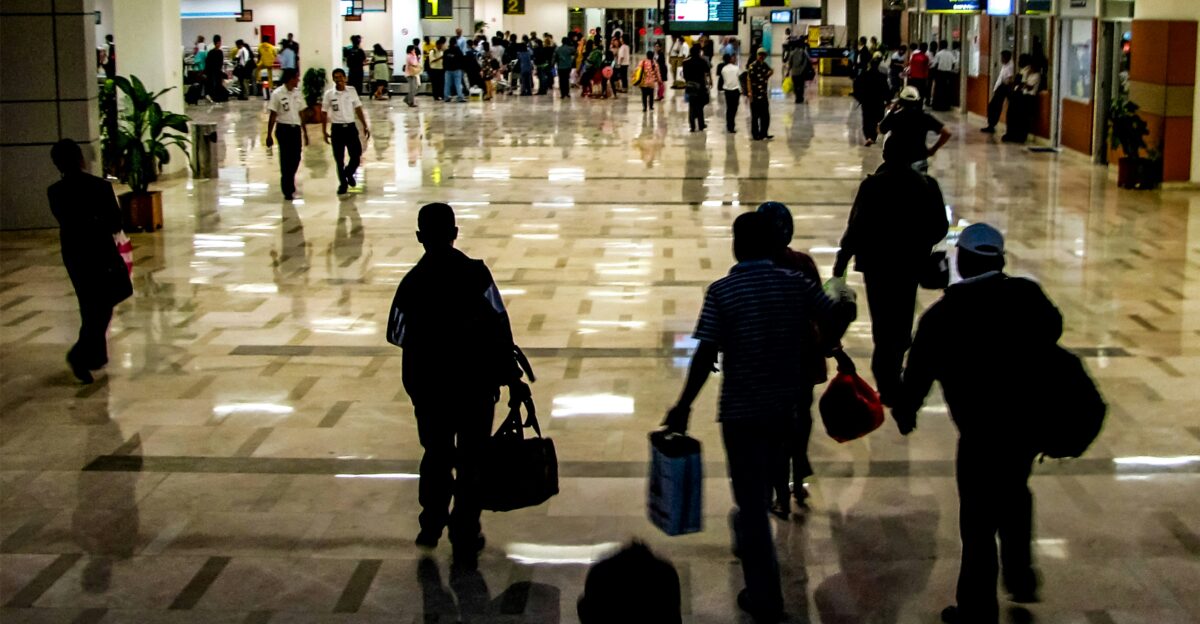
Raleigh-Durham International Airport expects about 2,000 non-compliant travelers daily after February 1, creating operational stress. TSA says implementation will vary by airport depending on infrastructure and staffing. Large hubs have invested in biometrics, but smaller airports may bottleneck. Peak periods like spring break and holidays could magnify delays. Some airports provide payment stations while others push online-only portals. Will TSA justify the cost as fairness?
TSA Says Taxpayers Should Not Cover It
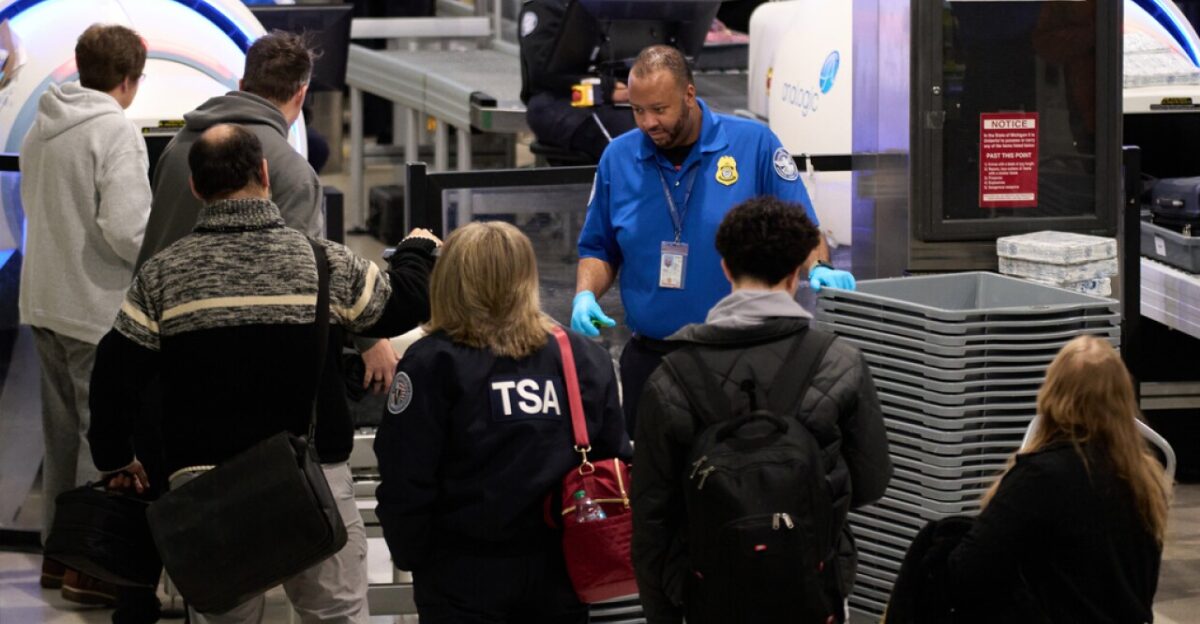
TSA frames the $45 fee as cost-recovery, shifting expenses from taxpayers to travelers needing extra identity verification. Federal Register documentation says the fee is designed to recover full operational costs over a 5-year lifecycle. Critics argue it hits lower-income travelers hardest and punishes those facing DMV barriers. TSA deputy administrator Adam Stahl stated: “This fee ensures the cost to cover verification of an insufficient ID will come from the traveler, not the taxpayer”. That debate is intensifying.
Critics Say The Fee Hits Vulnerable Travelers

Advocates warn the $45 charge creates new barriers to air travel for economically vulnerable groups. Movement Advancement Project research estimates 12% of U.S. adults, nearly 30 million people, lack valid driver’s licenses, with higher rates among Black Americans at 23%, transgender individuals at 21%, and seniors over 70 at 8%. Documentation hurdles and distance to DMVs compound problems. Privacy advocates also question biometric collection. Airlines are now trying to contain confusion.
Airlines Are Updating Rules Before Chaos

Southwest, United, and American have updated online guidance about documentation requirements. Airlines for America is urging travelers to get REAL IDs ahead of February 1. Airlines are training staff to explain Confirm.ID and direct passengers to payment options. Airports and TSA have held press events in Raleigh-Durham, Las Vegas, and Nashville, but awareness remains limited among infrequent travelers. Confusion at checkpoints can ripple into missed flights and rebooking crises. The calendar is getting tight.
The Last Days Before February 1
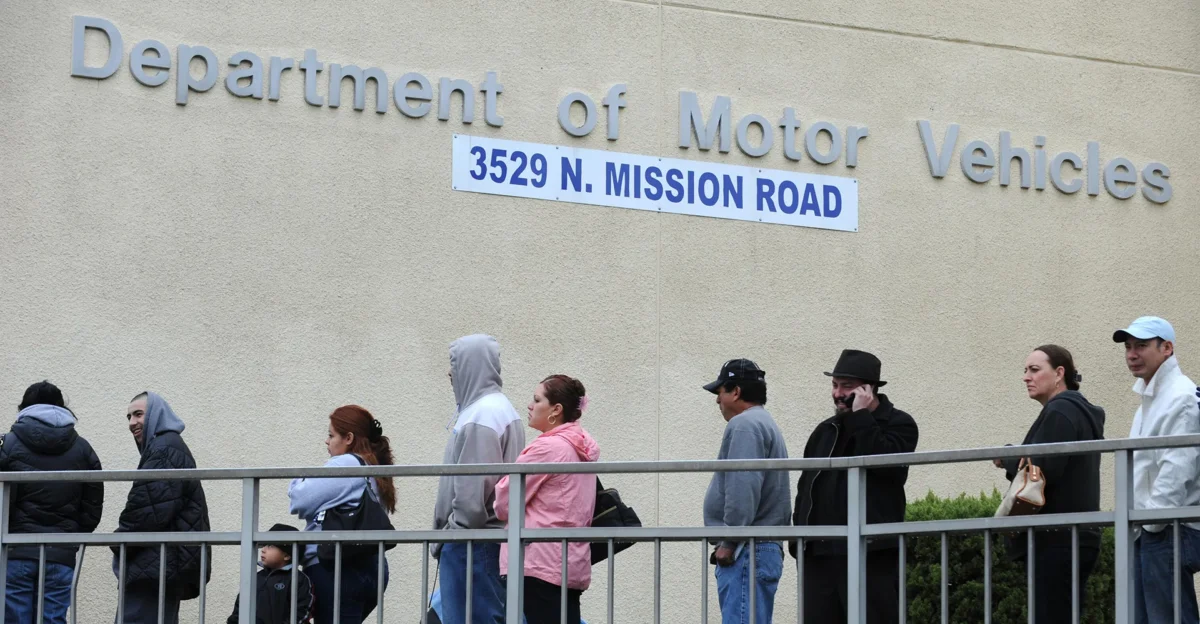
As of January 15, 2026, exactly 17 days remain before the $45 fee begins. DMVs report mixed capacity to handle demand surges. North Carolina’s DMV commissioner urged residents not to wait for the summer rush, pointing to remaining appointments and walk-ins. Many state DMV websites now offer REAL ID status checkers. TSA.gov continues to promote pay.gov instructions. TSA has not signaled flexibility on the start date. Are you personally ready for travel after February?
What To Check Before Your Next Flight
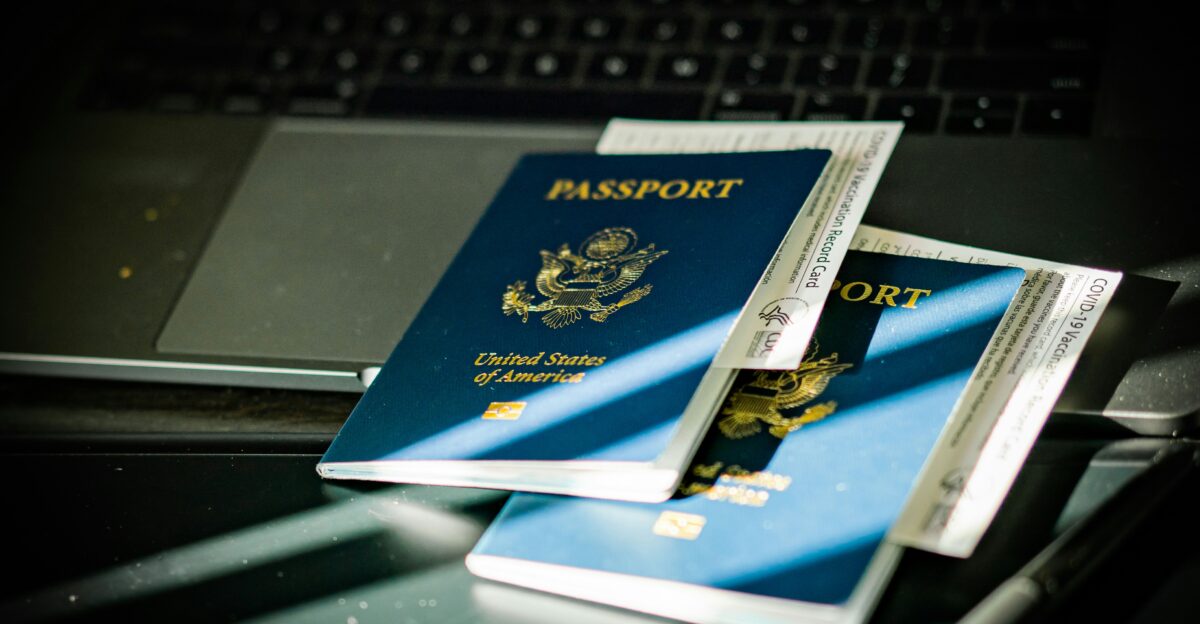
Before booking domestic travel after February 1, confirm your license has the star or carry a passport, military ID, or approved Trusted Traveler card. If you lack compliant ID, contact your DMV immediately and bring required documents. If travel comes first, prepay Confirm.ID on pay.gov and arrive far earlier for screening delays. Consider a passport, Enhanced Driver’s License, or Apple Wallet Digital ID. The small detail on your ID may decide your day.
Sources
Modernized Alternative Identity Verification User Fee. Federal Register, November 20, 2025
TSA Announces New $45 Fee for Travelers Without REAL ID. Transportation Security Administration, December 1, 2025
REAL ID Requirements and Compliance Overview. Department of Homeland Security, January 2026
Digital ID Launch Announcement. Apple Newsroom, November 12, 2025
REAL ID Compliance and Implementation Briefing. North Carolina Division of Motor Vehicles, January 12, 2026