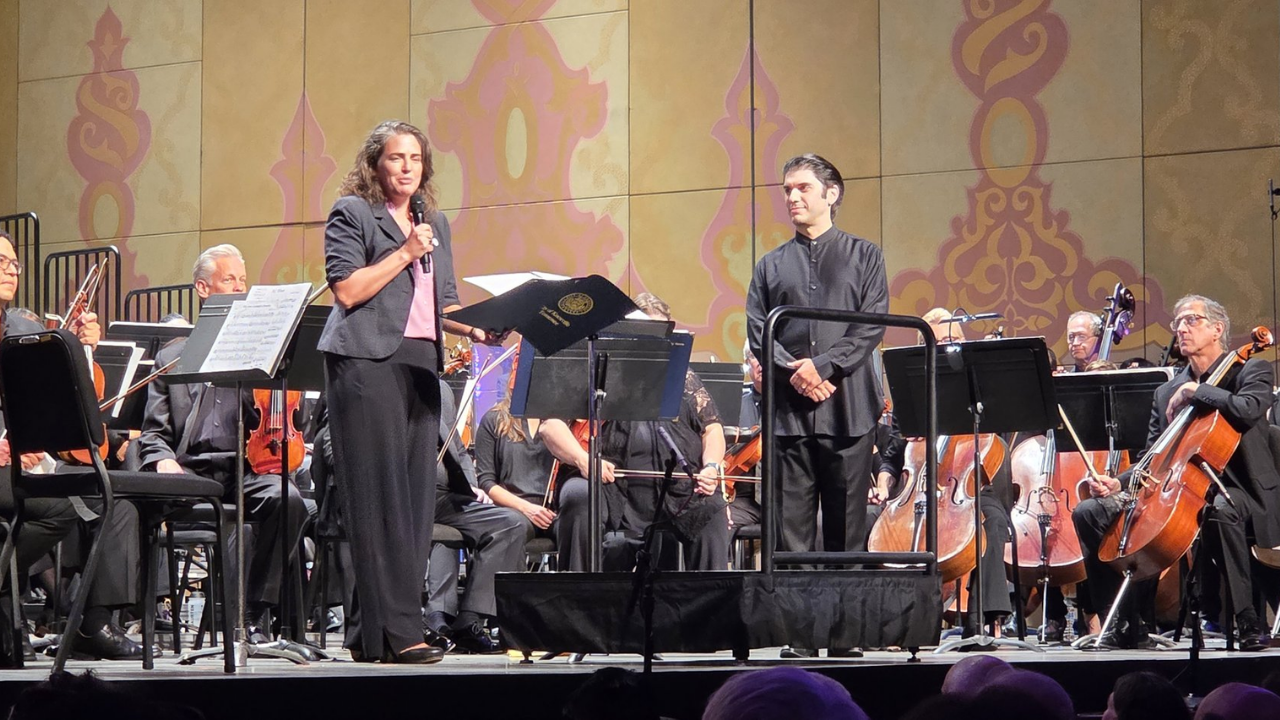
Just two days after the final notes of a unanimous blind audition echoed through the hall, Tennessee clarinetist James Zimmermann learned his dream job had vanished. On September 18, 2025, the Knoxville Symphony Orchestra withdrew its offer for the principal clarinet position, citing concerns from his past employment at the Nashville Symphony.
Zimmermann, a seasoned performer, had triumphed in the September 15-16 audition, where musicians play behind screens to ensure merit alone decides advancement. The reversal stemmed from his 2020 firing from Nashville over workplace conduct allegations, including racial harassment complaints, which he vehemently disputes.
KSO CEO Rachel Ford referenced “items which have come to the attention of the Knoxville Symphony Orchestra regarding your employment with the Nashville Symphony” and “legitimate safety concerns” raised by musicians. The clarinetist now views the decision as a symptom of broader shifts in orchestral hiring, where diversity, equity, and inclusion priorities eclipse blind-audition results.
Nashville Controversy and Legal Battle
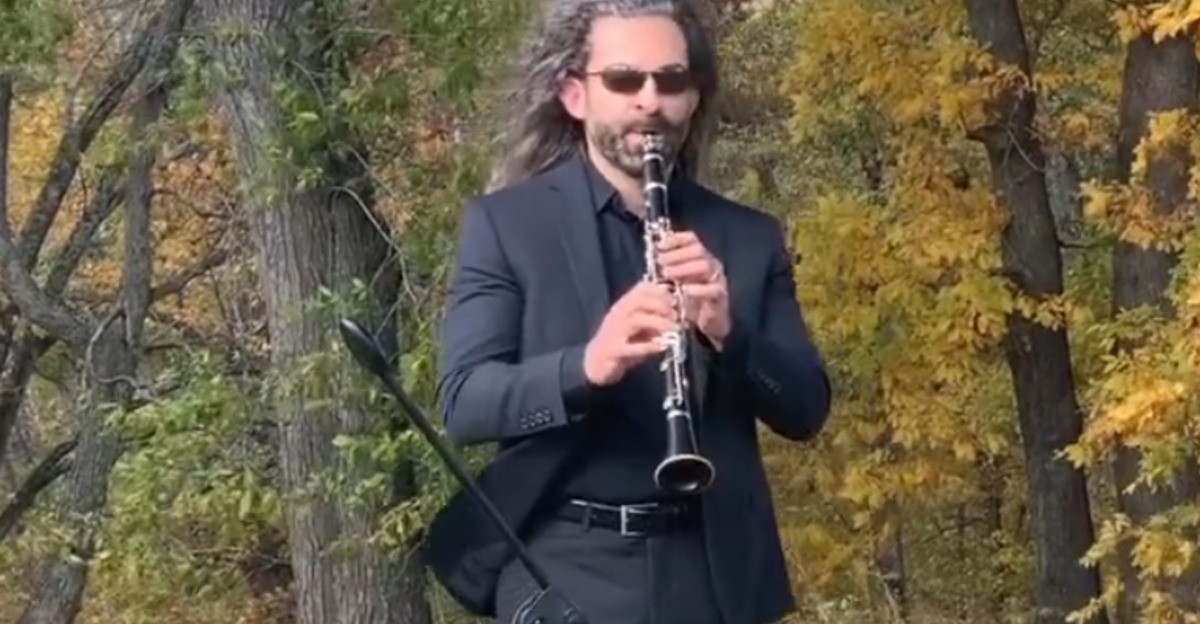
The Nashville episode resurfaced during Zimmermann’s Knoxville evaluation. He had served as principal clarinet there from 2008 until his February 2020 termination. Key incidents included a 2019 rehearsal where he rapped a song containing the N-word after obtaining prior permission from principal oboist Titus Underwood, who later filed an HR complaint.
Zimmermann apologized immediately, explaining he aimed to “prove a point” about language, but the act drew backlash. Two Black colleagues, Underwood and violist Emilio Carlo, obtained restraining orders in Davidson County. Nashville’s Musicians Association Local 257 declined to file a grievance on his behalf, breaking typical union practice.
Six former colleagues defended him in a 2021 investigation, labeling him “the target of a witch hunt,” revealing sharp divisions. In December 2025, Zimmermann sued KSO and Ford in Knox County Circuit Court, claiming promissory estoppel—he reasonably relied on the win—and racial discrimination under the Tennessee Human Rights Act. He seeks about $72,476, covering $47,476 in annual salary plus $25,000 for 100 hours of unpaid preparation at $250 per hour.
Testing Orchestral Norms and DEI Tensions

The case tests orchestral norms: blind auditions, pioneered to curb bias, boosted women’s representation from under 5% to 25-40% in major ensembles. Reversing a top candidate is “virtually unheard of” absent legal barriers, observers note. KSO argues employers retain the right to reject based on safety issues. Zimmermann alleges the runner-up, an Asian college student, was favored as a diversity hire, though unverified independently.
U.S. orchestras are 75.8% white, 2.1% Black, and 11.6% Asian as of 2025—Black shares up slightly from 1.9% in 2015, Asian from 9.2%, despite Asians’ approximately 6.5-7% U.S. population share. Advocates cite structural barriers; critics like Zimmermann say blind processes ensure fairness, accusing orchestras of sidelining top talent for diversity. The dispute mirrors national currents, including President Trump’s January 20, 2025, executive order ending federal DEI programs.
Broader Implications for Musicians and Orchestras
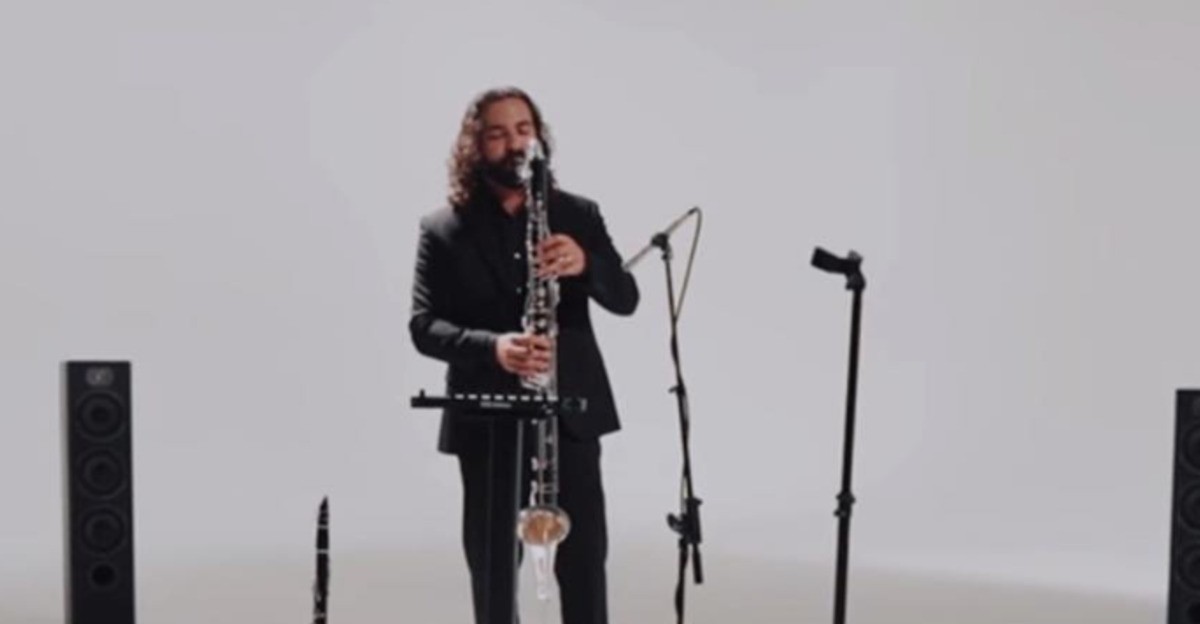
Beyond one chair, the fallout divides players balancing excellence, safety, and collegiality. Legal costs and reputational hits strain mid-size budgets reliant on tickets and donors. Zimmermann warns DEI focus lowers music quality and alienates patrons; leaders say diverse groups expand repertoires and reach. For Knoxville, the stakes involve donor trust and talent attraction.
A Zimmermann win might lock in blind results; a KSO victory could normalize post-audition vetting. Aspiring musicians now prioritize conduct alongside skill, as histories influence outcomes. This test case probes merit’s meaning amid safety and equity demands, potentially reshaping how orchestras weigh screens against offstage realities in the coming years.