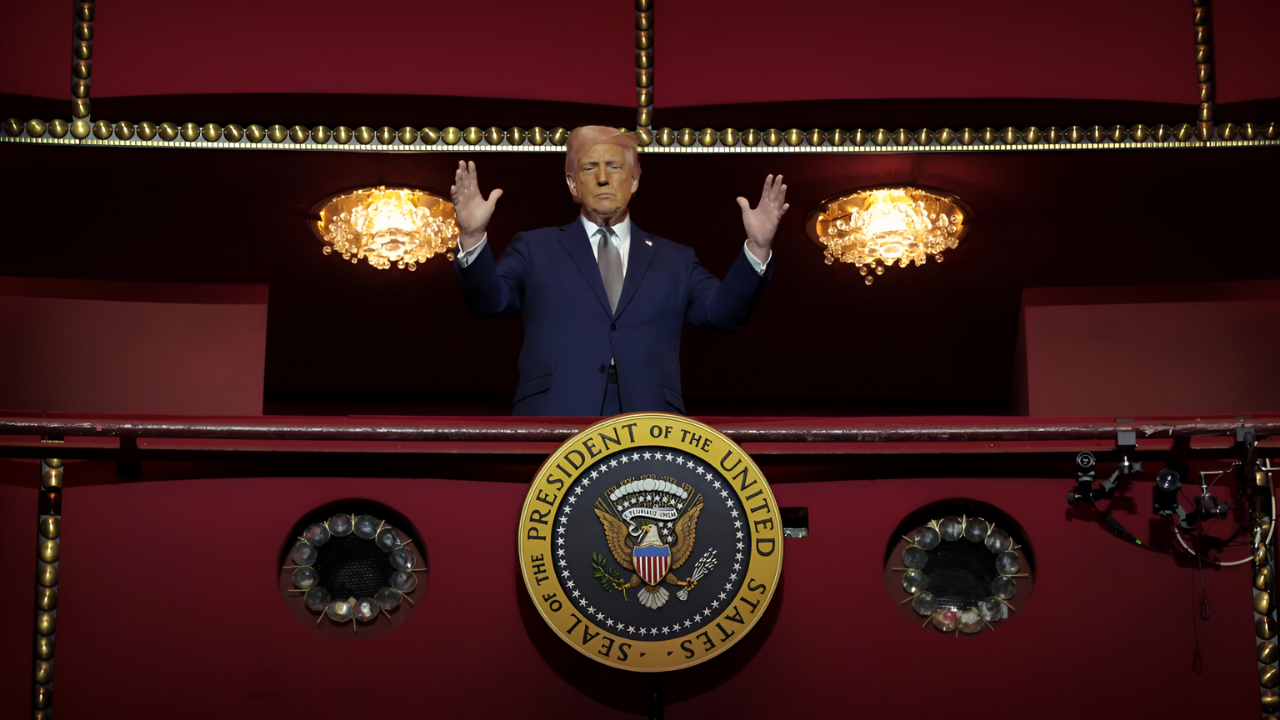
In a stunning move that redefines America’s relationship with its most prestigious cultural institution, Washington National Opera is severing ties with the Kennedy Center after 54 years—the longest and most significant departure in the venue’s history. The breakup exposes a fundamental rupture: the nation’s flagship performing arts center, once a bipartisan symbol of American excellence, has become so politically charged that the nation’s oldest resident opera ensemble chose to walk away rather than compromise its artistic mission.
The company announced its departure as a wave of cancellations continues to sweep through the Kennedy Center, with Grammy-winning musicians, Broadway legends, and government ensembles all making the same calculation: performing at the renamed Trump-Kennedy Center carries a cost too high to bear.
Living Memorial Now Bears Trump’s Name
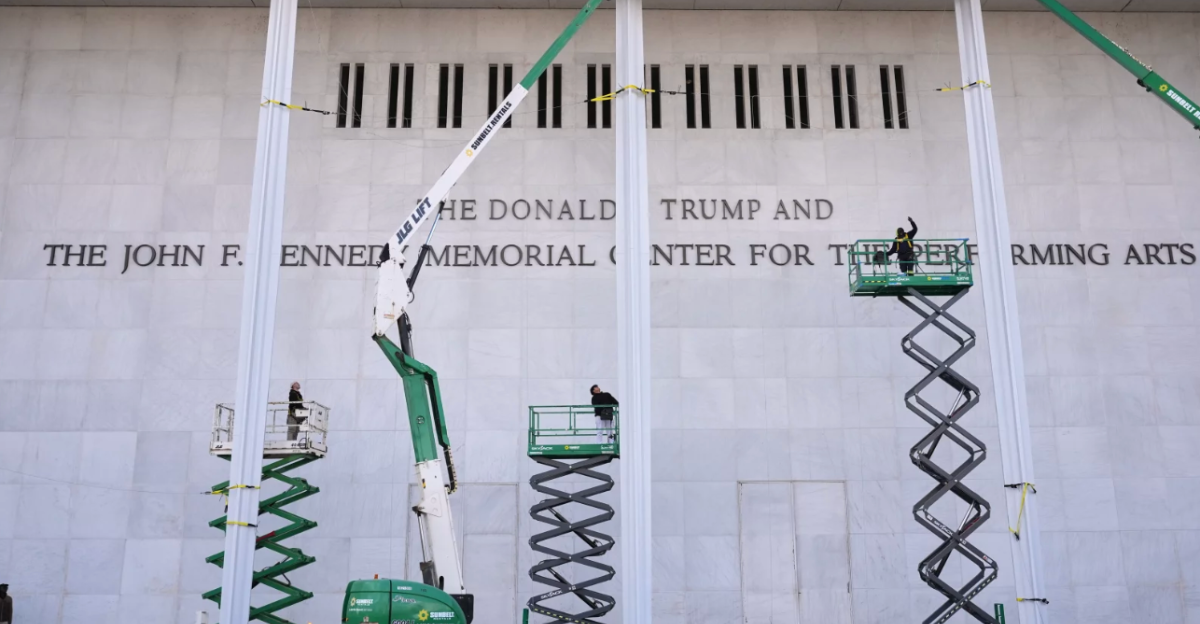
The Kennedy Center was established by Congress in 1964 as the sole national memorial to President John F. Kennedy. Trump’s board voted in December to rename it the Trump-Kennedy Center, a move that legal experts say requires congressional approval.
Days after the board vote, Trump’s name appeared on the building’s exterior. The Kennedy family denounced the action as undermining the legacy of the late president.
Funding Model Makes Opera Impossible
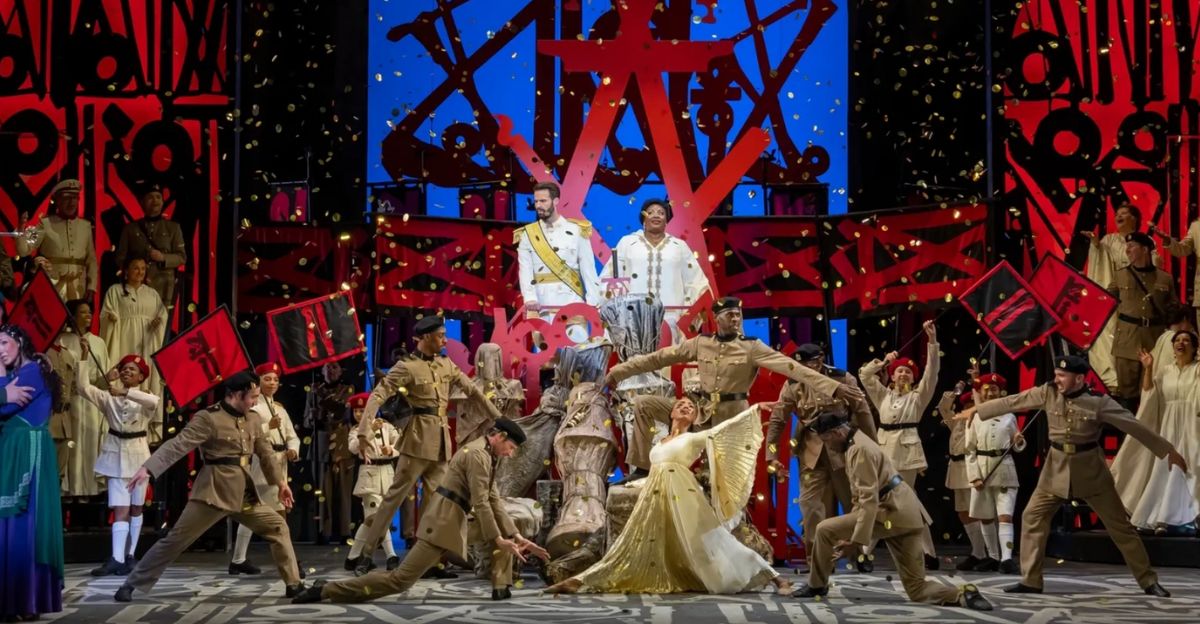
The Washington National Opera cited a new business model that requires every production to be fully funded before approval. Opera companies typically cover only 30 to 60 percent of costs through ticket sales, with the remainder from grants and donations that cannot be secured years in advance.
The Kennedy Center’s break-even policy also eliminates using revenue from popular works to subsidize experimental pieces, WNO officials said.
Artistic Director Expresses Deep Sadness
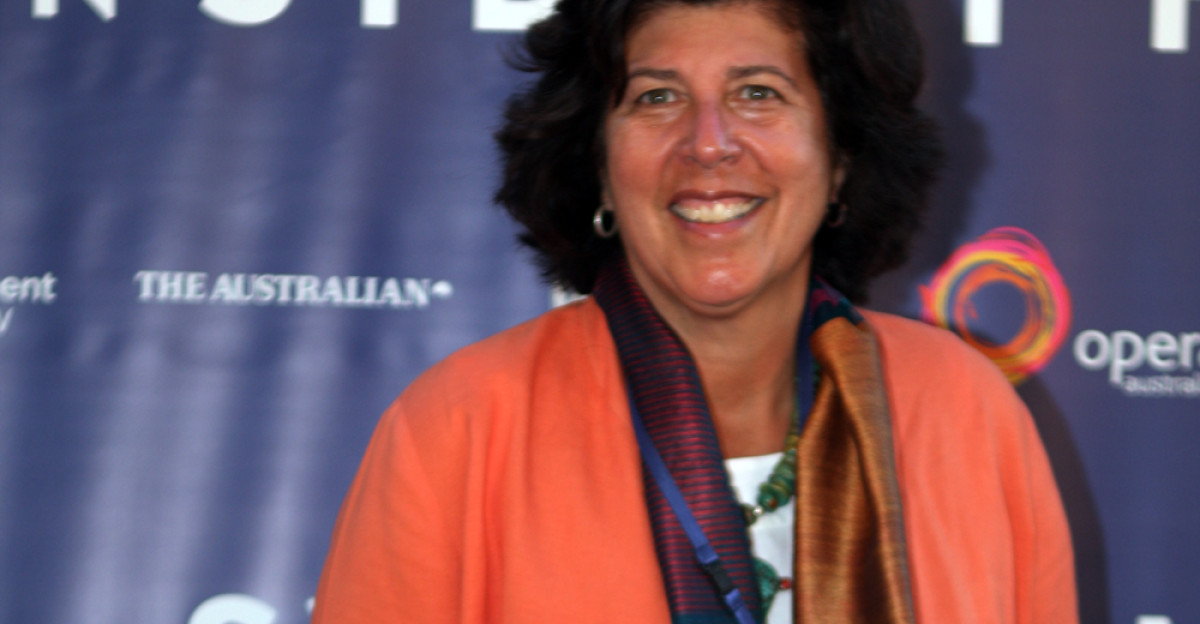
Francesca Zambello, who led WNO as artistic director for 14 seasons, said she was deeply saddened to leave the Kennedy Center on January 10. She told The Guardian that donor confidence had been shattered and ticket sales plunged 40 percent after Trump’s takeover.
Despite her sorrow, Zambello pledged the company remains committed to its mission and artistic vision as it explores new venues.
$30 Million Endowment Battle Looms
One of the most contentious issues in the separation is control of WNO’s approximately $30 million endowment. Both organizations claim partial ownership under the existing affiliation agreement. Opera representatives said they plan to relocate performances regardless of whether negotiations over the endowment are resolved.
The dispute could drag on for months as lawyers parse contracts signed during the Obama administration.
Trump Named Chairman After Board Purge
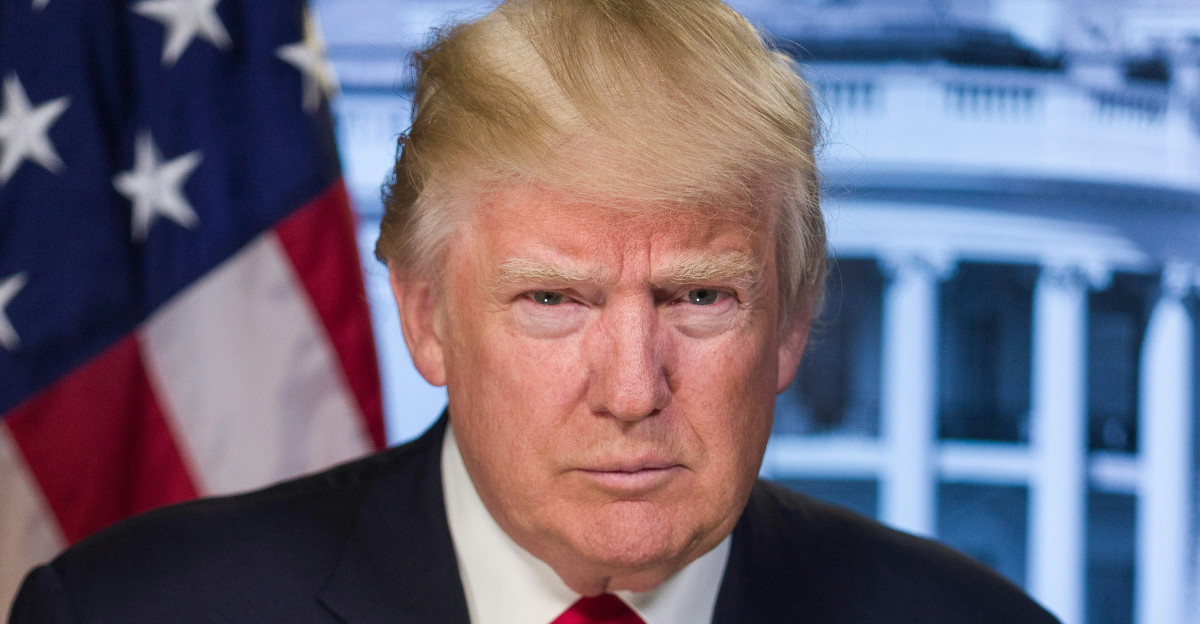
Trump announced in February 2025 that he would fire several Kennedy Center trustees, including chairman David Rubenstein, and appoint himself as board chair. The newly constituted board, which was entirely filled with Trump appointees, unanimously elected him chairman days later.
Richard Grenell, Trump’s former ambassador to Germany, was installed as interim executive director. The leadership change signaled a complete transformation of the institution.
Grenell Threatens $1 Million Lawsuit
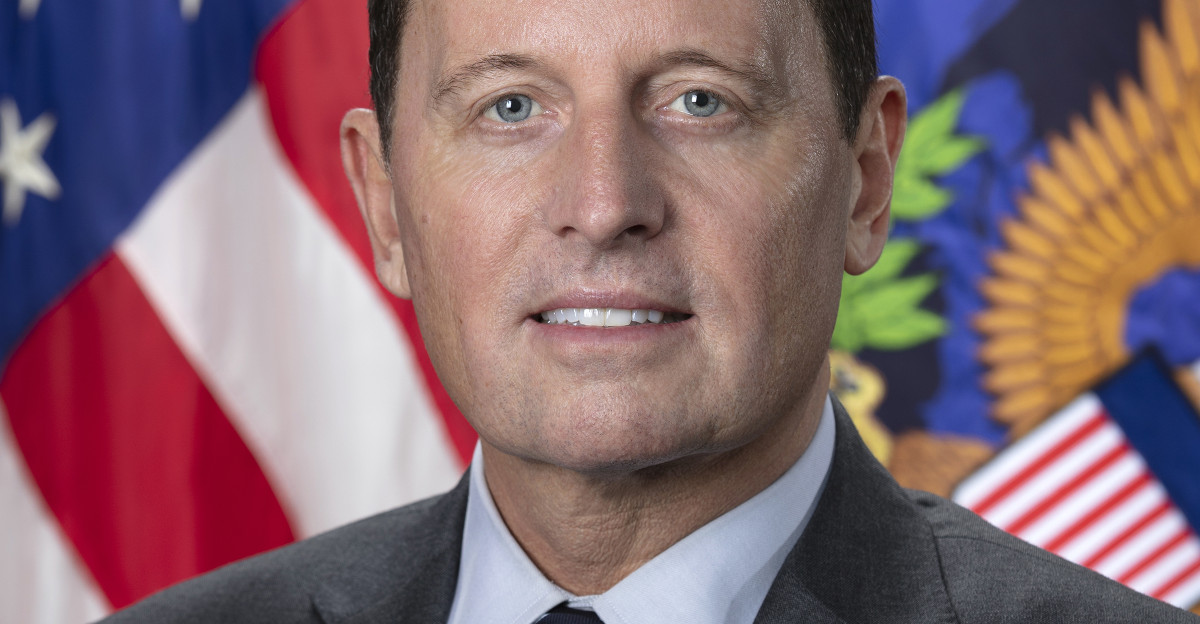
After legendary jazz drummer Chuck Redd canceled his annual Christmas Eve concert over the name change, Grenell sent him a letter threatening $1 million in damages. Grenell called Redd’s decision a classic example of intolerance and a political stunt.
Redd, 67, had hosted the free holiday jazz concert since 2006. The lawsuit threat sparked immediate backlash and became a rallying cry for artists considering canceling their shows.
Wicked Composer Joins Exodus
Lin-Manuel Miranda and Hamilton producer Jeffrey Seller announced in March 2025 that they would cancel the musical’s planned Kennedy Center run. Miranda said the center is no longer what it once was and called performing there incompatible with the show’s values.
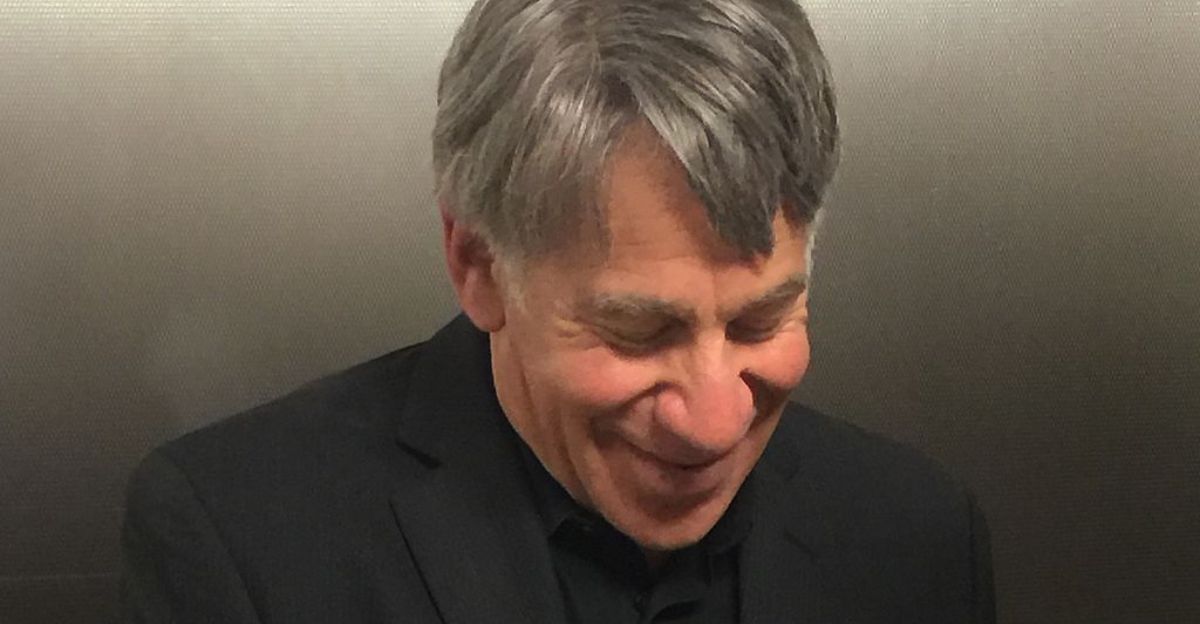
Stephen Schwartz, Oscar-winning composer of Wicked, withdrew from hosting a Washington National Opera gala, saying that appearing at the center has become an ideological statement.
Bela Fleck Withdraws
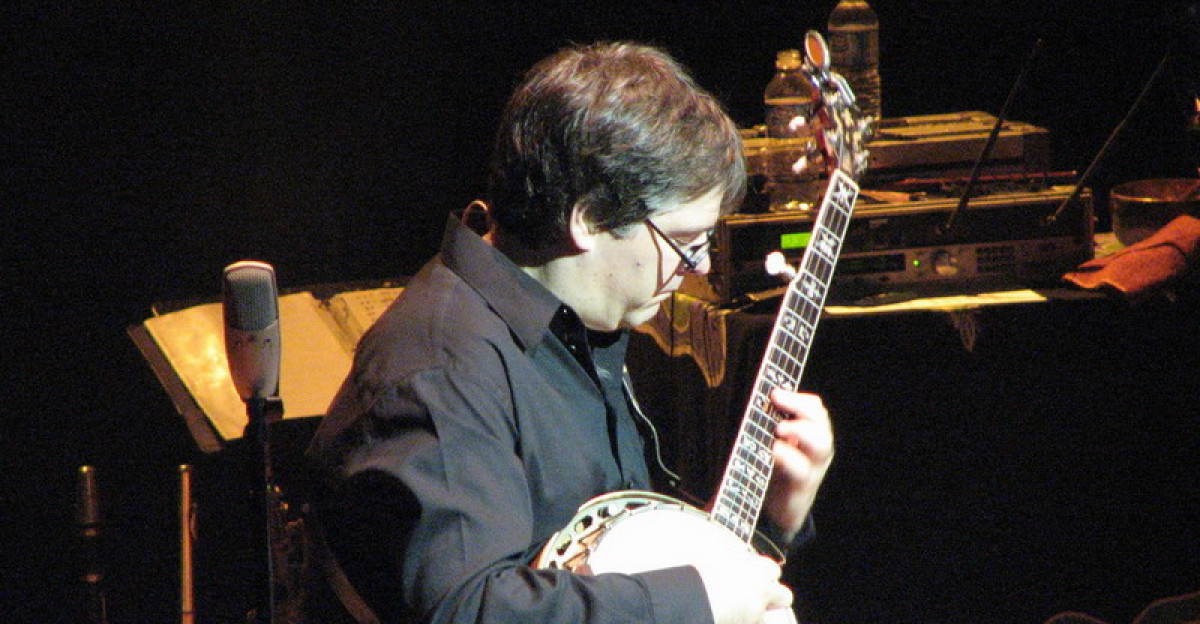
Grammy-winning banjo player Béla Fleck announced he was pulling out of three February concerts with the National Symphony Orchestra. He said that performing at the Kennedy Center had become politicized and charged, an institution where the focus should be on music.
Grenell responded by accusing Fleck of caving to the woke mob that wants performers for only Lefties. Fleck told NPR he faced a no-win scenario.
Dance Company Raises $42,000
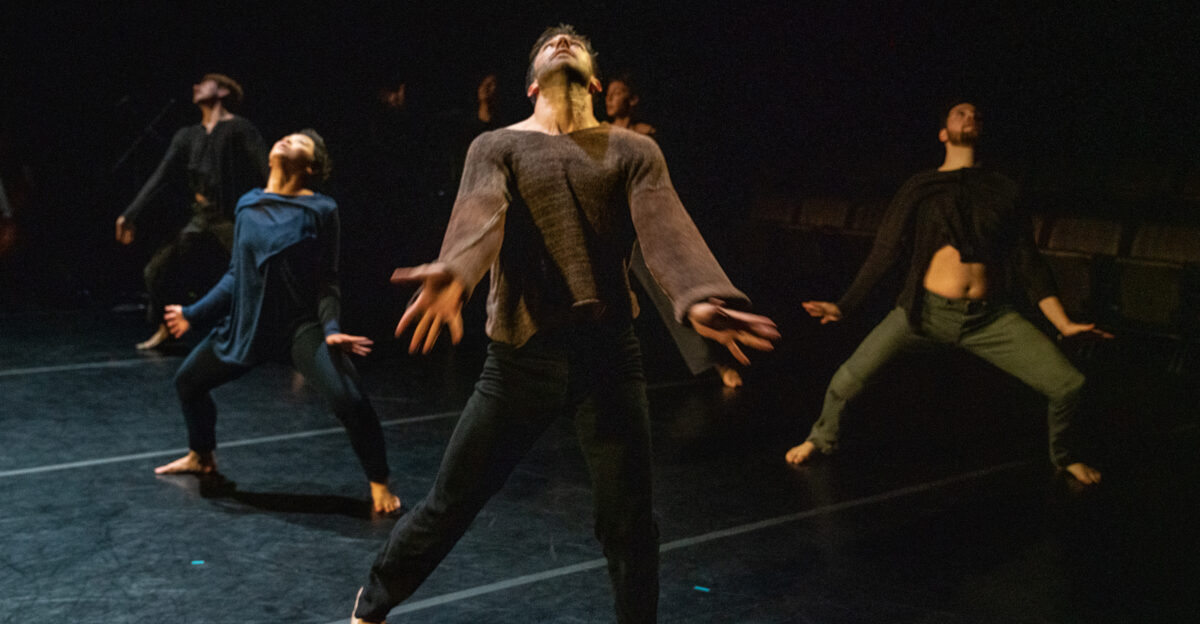
Doug Varone and Dancers withdrew from scheduled April performances, forfeiting a $40,000 fee. The company said it could no longer permit itself nor ask audiences to step inside this once-great institution.
Varone had initially agreed to perform to honor two senior Kennedy Center dance administrators who have since departed. The company launched a crowdfunding campaign that raised over $42,000, surpassing its goal.
U.S. Marine Band Concert Canceled

The U.S. Marine Band, America’s oldest professional musical organization, founded in 1798, was forced to cancel a Kennedy Center concert featuring young musicians of color. The performance was scrapped after Trump issued an executive order banning diversity programs across the federal government and military.
Stanford Thompson, executive director of the nonprofit Equity Arc, which nominated the students, said his first thought was one of hopelessness and heartbreak.
Opera House May Be Renamed for Melania Trump
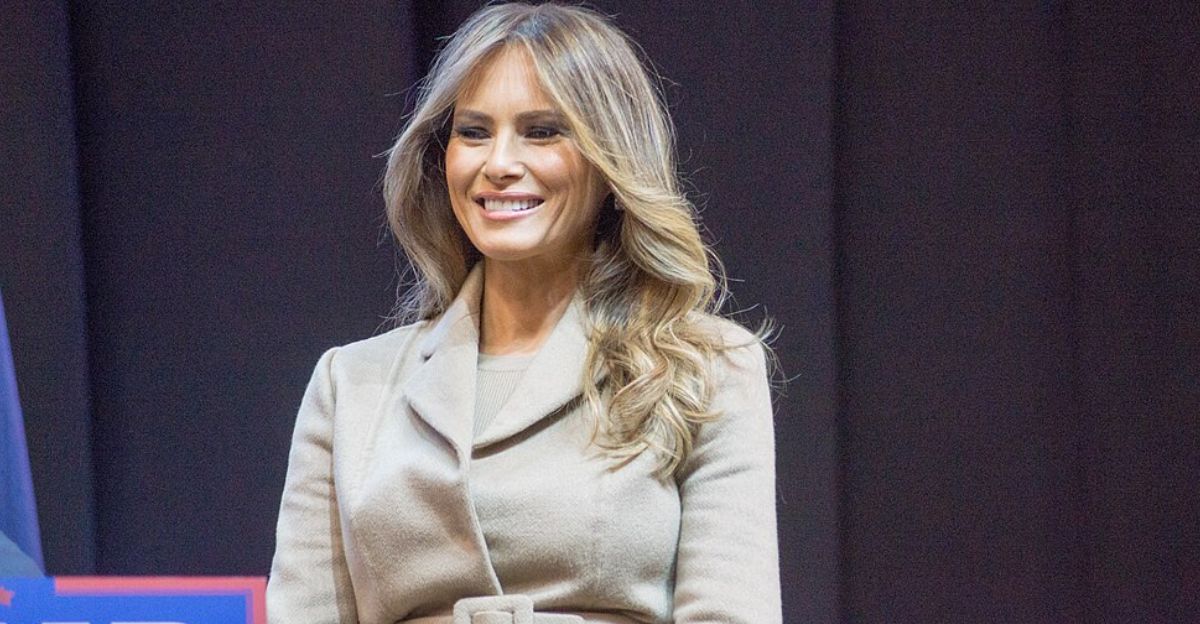
A House Appropriations Committee approved an amendment in July 2025 to rename the Kennedy Center’s Opera House the First Lady Melania Trump Opera House. The proposal was part of a broader spending bill that still requires approval from both the House and the Senate.
When Donald and Melania Trump attended Les Misérables at the Kennedy Center in June, the audience responded with boos, cheers, and chants of “USA.”
Company Launched Independent Website
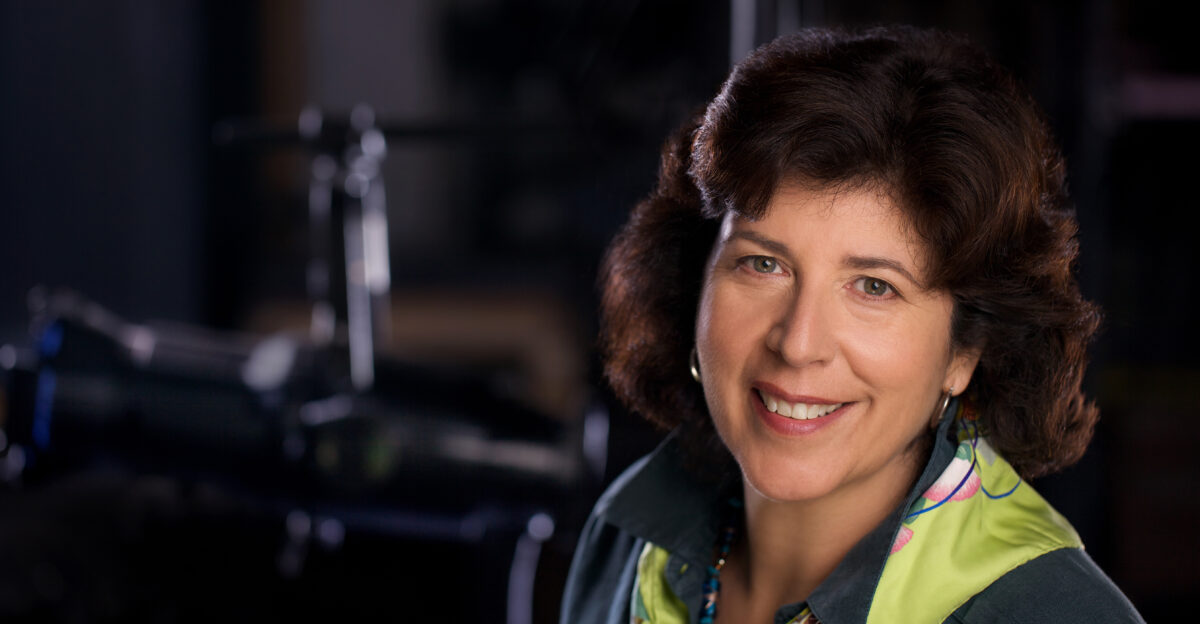
Washington National Opera unveiled a new standalone website within hours of announcing its departure from the Kennedy Center. The move signaled the company’s determination to establish itself as an independent nonprofit entity.
WNO officials stated that they have identified alternative venues in Washington but have not yet signed leases or disclosed the locations. The company plans to announce new performance spaces in the coming weeks.
Kennedy Center Says Split Was Its Decision
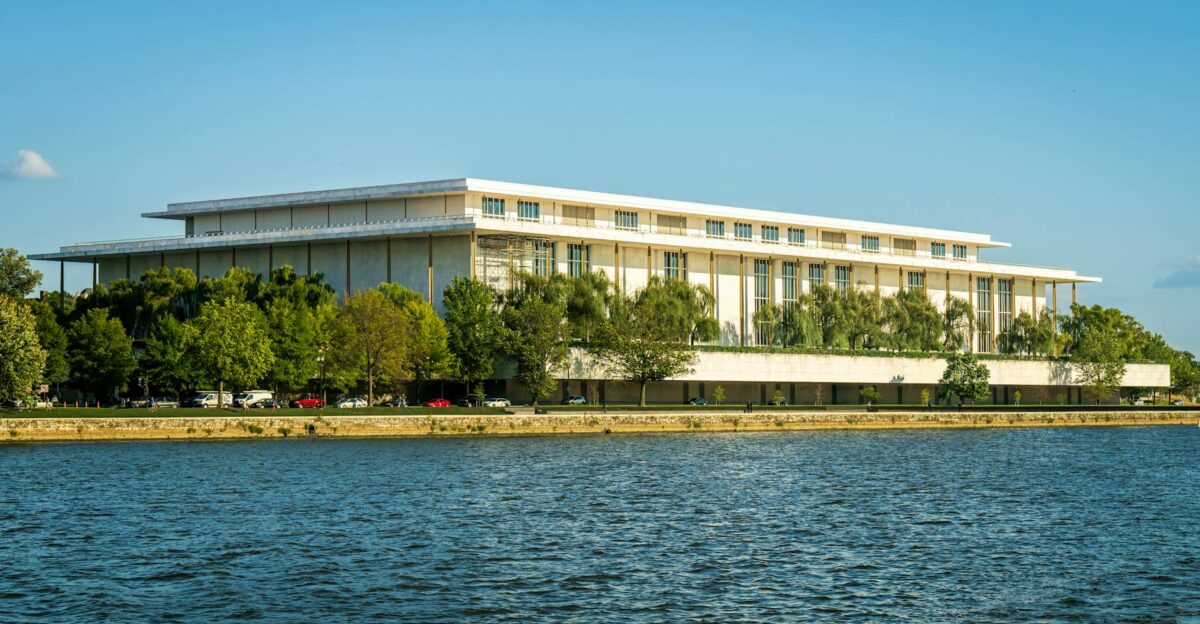
Kennedy Center spokesperson Roma Daravi said the institution made the difficult decision to part ways with WNO due to a financially challenging relationship. Grenell wrote on social media that maintaining an exclusive opera partnership has been extremely expensive and limiting in choice and variety.
He said ending the arrangement would allow the Kennedy Center to bring in opera companies from around the world.
Ticket Sales and Donations Collapsed
WNO officials stated that the decision to leave followed a decline in attendance and a drop in donor contributions during Trump’s second term. Zambello told The Guardian that ticket revenue fell 40 percent and fundraising became nearly impossible after Trump’s takeover.
According to The Washington Post, attendance at the Kennedy Center for major productions has fallen to its lowest level since the pandemic, with 43 percent of seats going unsold.
Founded in 1957, Moved in 1971
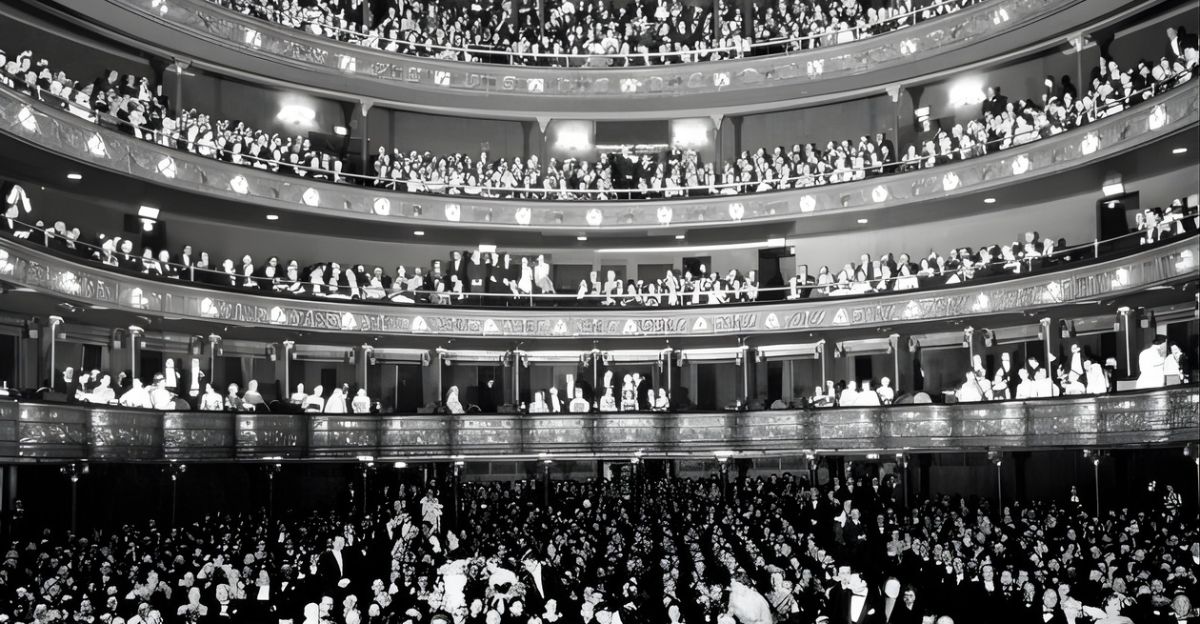
The Washington National Opera was established in 1957 as the Opera Society of Washington by Day Thorpe, a music critic for The Washington Star. The company initially performed at George Washington University’s Lisner Auditorium.
When the Kennedy Center opened in September 1971, the opera company presented the world premiere of Alberto Ginastera’s Beatrix Cenci during opening week.
Spring Season Will Be Reduced
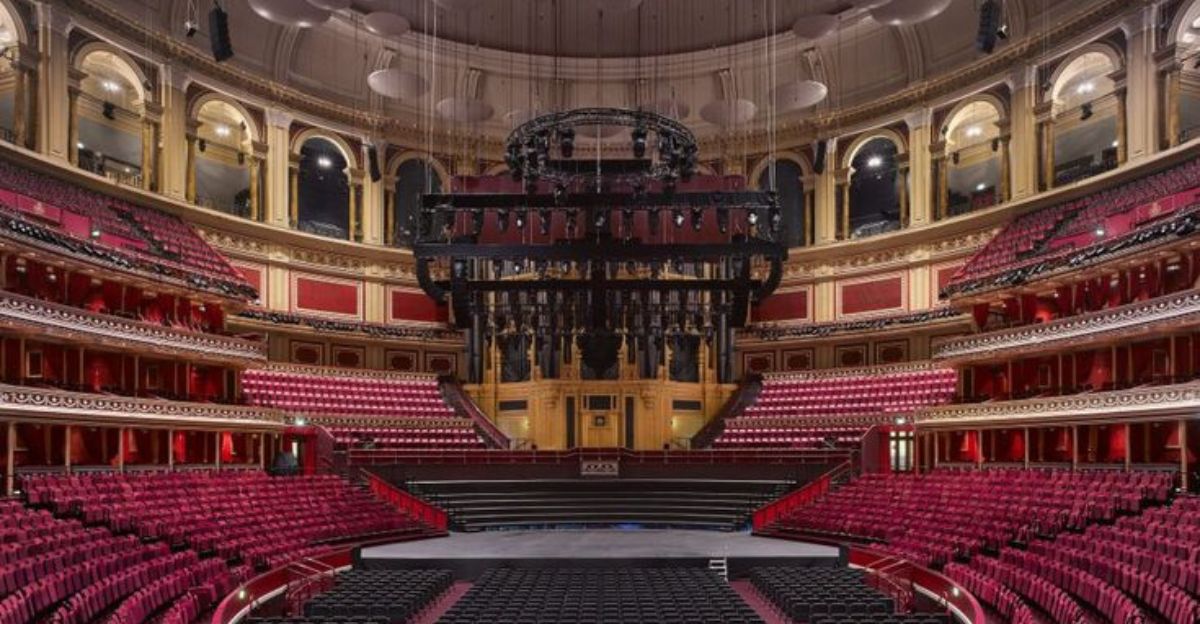
The opera’s board resolution calls for moving all performances out of the Kennedy Center’s 2,364-seat Opera House as soon as possible and scaling back productions. WNO said it will reduce its spring season to ensure fiscal prudence and fulfill obligations for a balanced budget.
Scheduled productions include Treemonisha, The Crucible, and West Side Story, though their venues remain undetermined as the company seeks new homes.
Grenell Claims Millions Raised
In a PBS interview, Grenell stated that the Kennedy Center has raised millions in donations since Trump took office. He insisted that the institution is in a very different financial situation than it was under previous leadership.
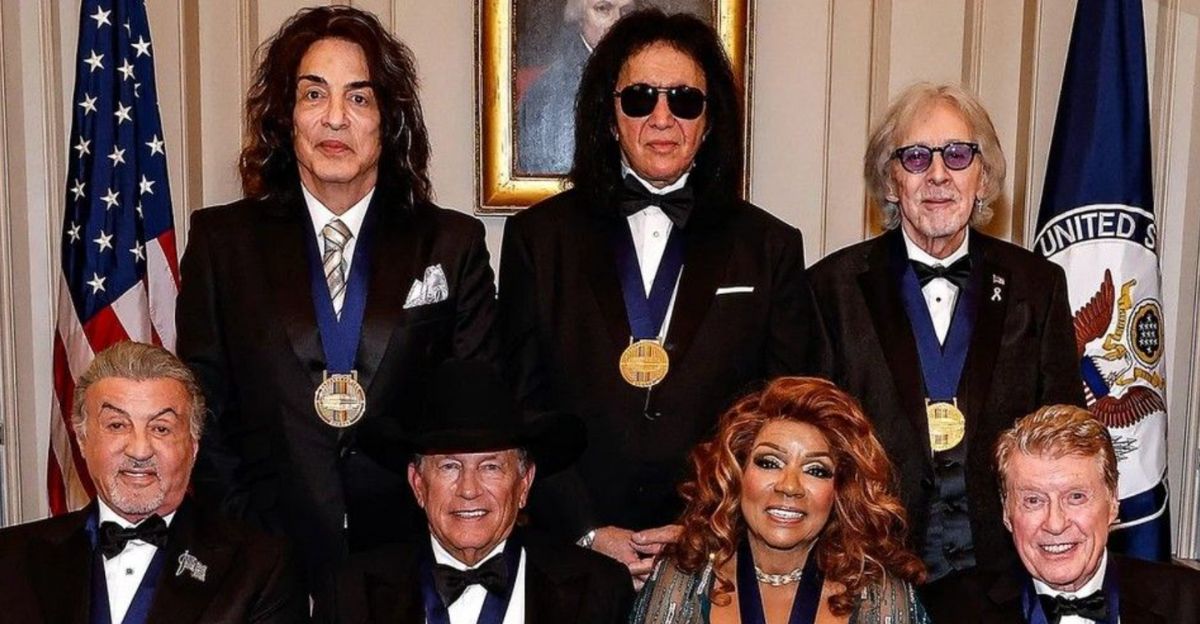
However, the Kennedy Center Honors broadcast in December 2025 drew its smallest television audience ever, averaging 2.65 million viewers, a 35 percent drop from the prior year.
Artists Face Career Retaliation
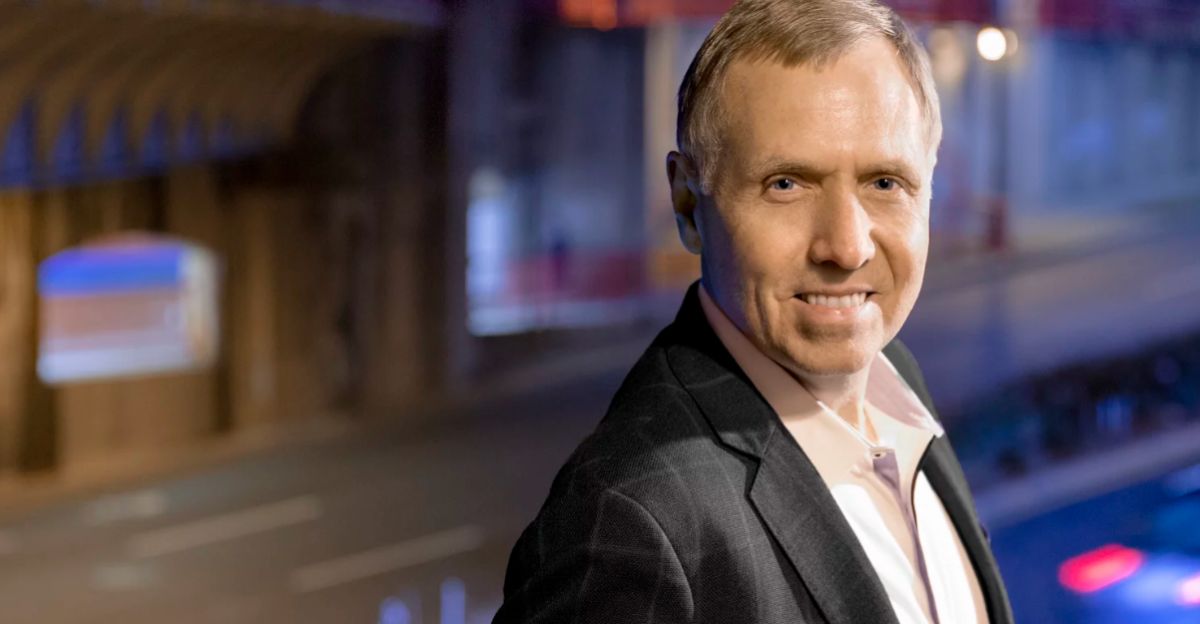
Many artists expressed fear that canceling Kennedy Center appearances could damage their careers or lead to retaliation from the Trump administration. Kennedy Center spokesperson Roma Daravi said that artists canceling over political differences aren’t courageous, but rather selfish and intolerant.
Despite the pressure, a growing wave of performers chose to walk away, citing moral convictions over professional advancement and financial security.
JFK Memorial
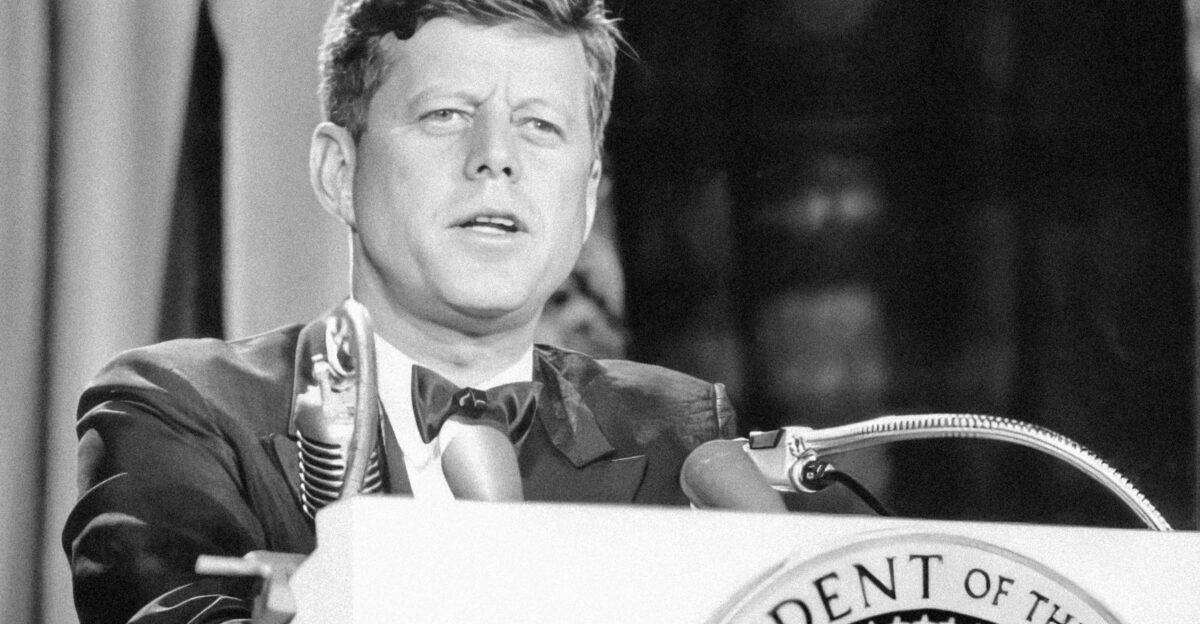
President Lyndon B. Johnson signed Public Law 88-260 on January 23, 1964, designating the performing arts center as the sole national memorial to President Kennedy. The law explicitly prohibits the board from adding additional memorials without legislative action.
Legal scholars say the board’s December vote to add Trump’s name has no force of law without Congressional approval and faces certain legal challenges.
SOURCES
“Washington National Opera Says It’s Leaving the Kennedy Center” — CBS News
“Trump Elected Chairman of Kennedy Center, Replaces Board Loyalists” — Fox 5 DC
“Lin-Manuel Miranda Cancels ‘Hamilton’ Run at ‘Trump Kennedy Center'” — Rolling Stone
“‘Wicked’ Composer Stephen Schwartz Says He’ll Back Out of Kennedy Center Event” — NBC News
“Kennedy Center Board Votes to Rename it ‘Trump Kennedy Center'” — CNN
“2025 Kennedy Center Honors Viewership Drops 26% To Record Low” — Barrett Media