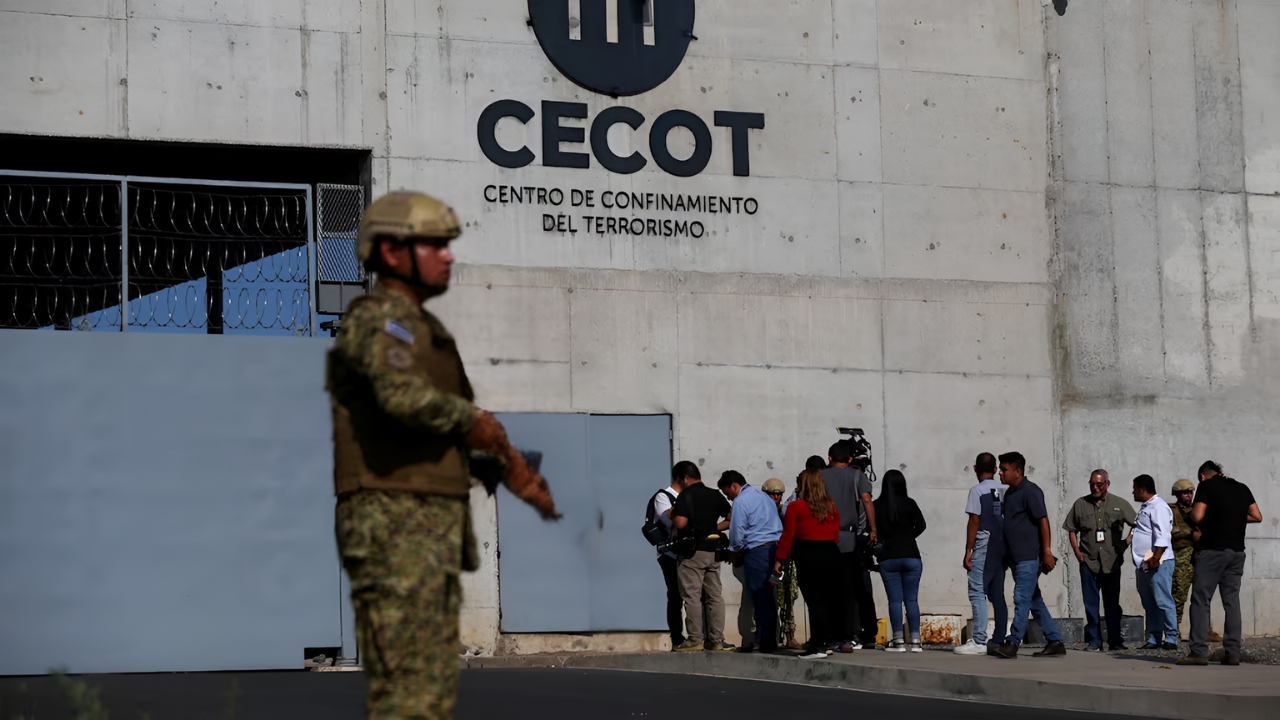
When CBS News editor-in-chief Bari Weiss abruptly pulled a fully vetted “60 Minutes” investigation hours before airtime on December 21, correspondent Sharyn Alfonsi fired back with an explosive internal email: the decision was “political,” not editorial. The segment detailed alleged torture at El Salvador’s notorious CECOT prison, where the Trump administration sent hundreds of Venezuelan migrants.
The story had cleared every rigorous internal check—legal review, Standards and Practices approval, and multiple screenings. Yet just 3 hours before broadcast, Weiss spiked it, citing insufficient Trump administration comment. What unfolded exposed deep fractures within one of America’s most storied news institutions.
A Story Ready To Change Everything
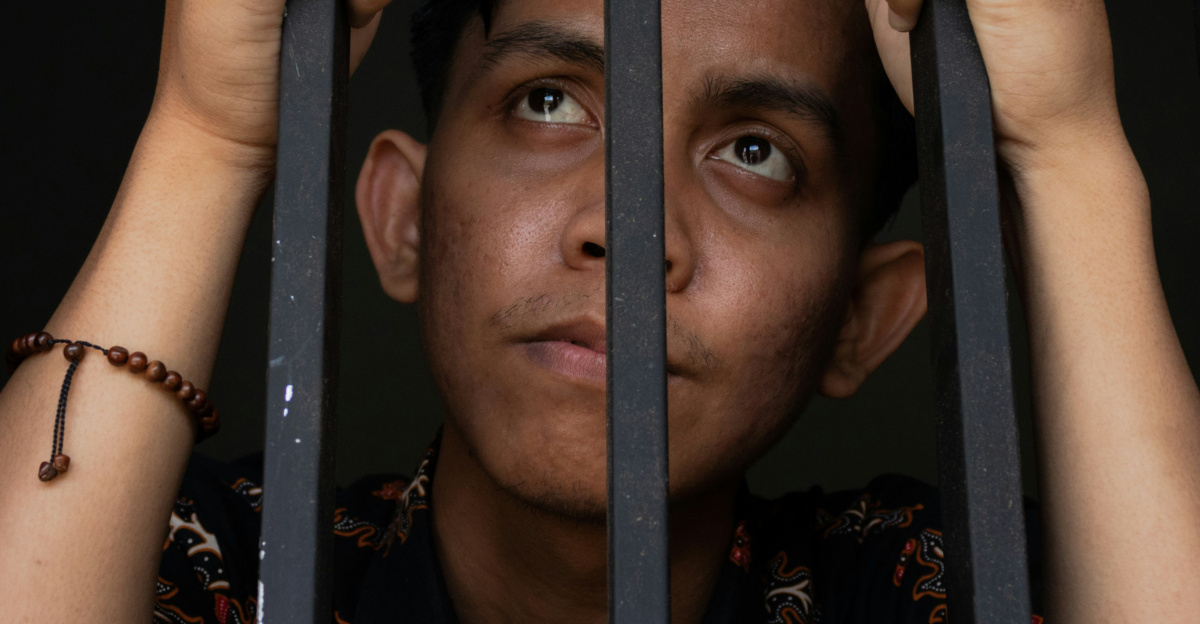
“60 Minutes” had been promoting “Inside CECOT” for days. The segment featuring Venezuelan detainees’ accounts of torture, combined with Human Rights Watch findings and UC Berkeley investigations, was poised for massive viewership. Promo videos racked up 4 million Instagram views before Friday’s official announcement. Viewers anticipated Sunday’s broadcast. Everything seemed set. But behind the scenes, new editor-in-chief Bari Weiss had other plans.
Why CECOT Became A Flashpoint
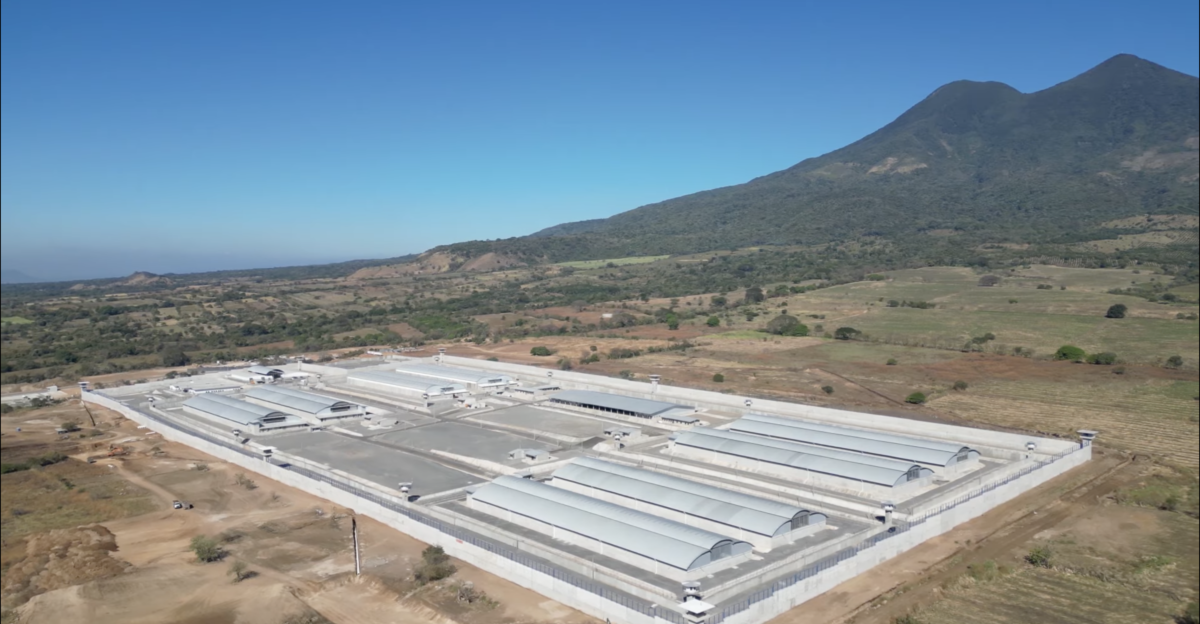
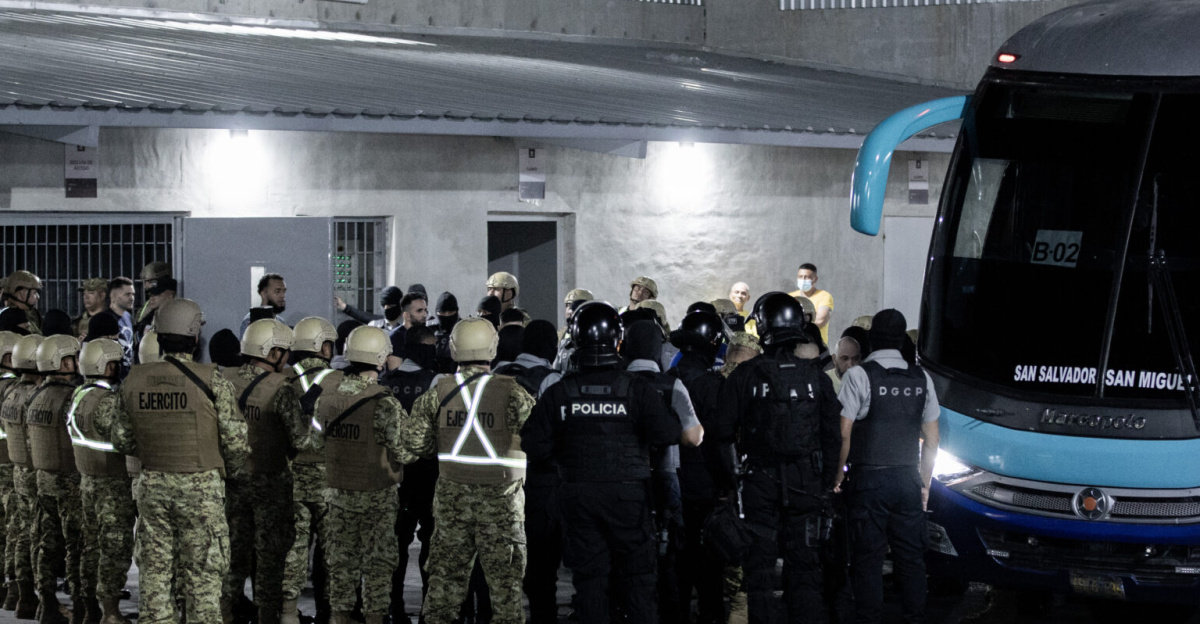
El Salvador’s CECOT, the Terrorism Confinement Center, became a flashpoint last March when the Trump administration deported approximately 240 Venezuelans there under the controversial Alien Enemies Act. Human Rights Watch documented systematic torture, sexual abuse, constant beatings by guards, and inhumane conditions. Detainees lacked mattresses and had limited food. Nearly 75% had no criminal records, yet were labeled “the worst of the worst.”
A Perfect Segment Hits A Wall

On December 18, Weiss screened the completed segment for the first time. By December 20, it had been screened 5 times total, approved by CBS attorneys and Standards and Practices, and cleared for broadcast. CBS News released promotional materials on Friday afternoon. Everything was locked in. Then, early Saturday morning, Weiss raised “additional concerns.” Within hours, she made her decision: pull the segment entirely.
The Reason Given For Killing It
According to sources familiar with the decision, Bari Weiss cited one primary concern: the Trump administration refused to grant an on-camera interview or formal statement responding to the allegations. Weiss wanted Stephen Miller, the White House deputy chief of staff, interviewed specifically. She argued the story “did not advance the ball” and lacked critical voices. But Alfonsi’s team had already requested comments repeatedly. Would silence really decide airtime?
Alfonsi Sends A Blistering Email
Sharyn Alfonsi’s response was swift and fierce. In a Sunday email to colleagues, she wrote: “Our story was screened five times and cleared by both CBS attorneys and Standards and Practices. It is factually correct. In my view, pulling it now—after every rigorous internal check has been met—is not an editorial decision, it is a political one,” according to the email obtained by multiple outlets. She called its absence “corporate censorship.”
The “Kill Switch” Warning Lands Hard
Alfonsi made a critical journalistic point in her memo: “Government silence is a statement, not a VETO. Their refusal to be interviewed is a tactical maneuver designed to kill the story. If the administration’s refusal to participate becomes a valid reason to spike a story, we have effectively handed them a ‘kill switch’ for any reporting they find inconvenient,” according to the email reviewed by The New York Times. That framing unsettled staff deeply.
A “Gold Standard” Reputation At Risk

“We have been promoting this story on social media for days. Our viewers are expecting it,” Alfonsi wrote. “When it fails to air without a credible explanation, the public will correctly identify this as corporate censorship. We are trading 50 years of ‘Gold Standard’ reputation for a single week of political quiet,” she stated in her email to staff. Her message questioned CBS News independence. But how would leadership answer that charge?
Weiss Insists The Story Wasn’t Ready
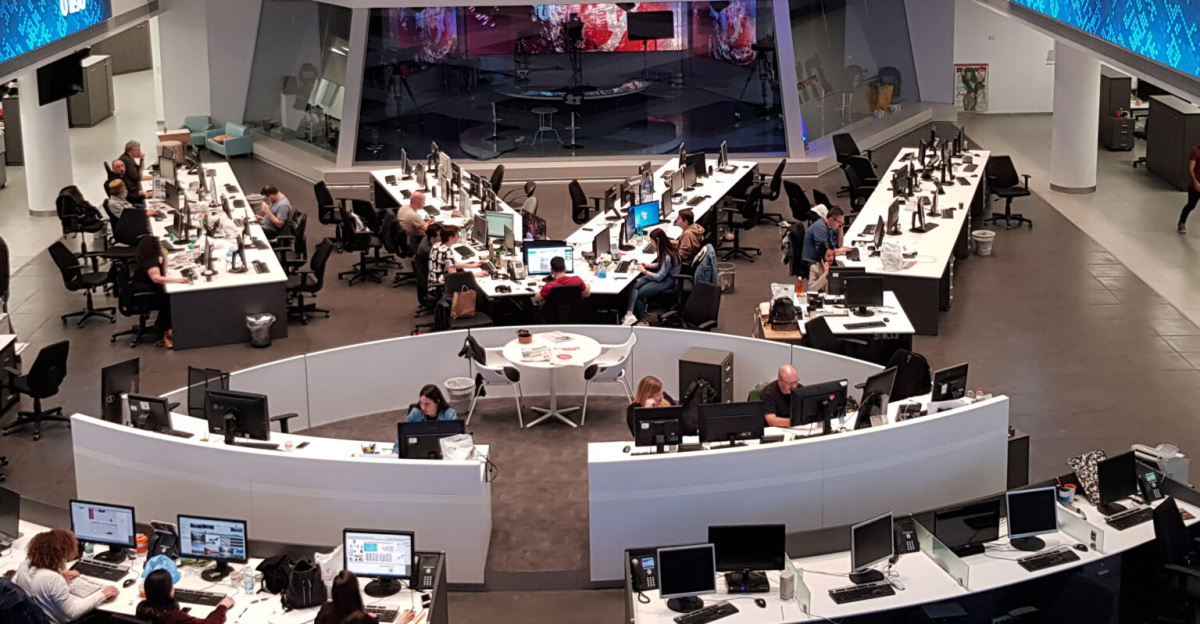
On Monday’s editorial call, Weiss addressed staff directly. “I held a ’60 Minutes’ story because it was not ready,” she said, according to multiple sources. “While the story presented powerful testimony of torture at CECOT, it did not advance the ball. The Times and other outlets have previously done similar work. To run a story on this subject two months later, we need to do more,” according to reporting.
A Producer Stuck In The Middle
Executive producer Tanya Simon found herself caught between her team and Weiss’s demands. In an internal meeting Monday, Simon acknowledged she “defended the story” and “pushed back” against Weiss’s concerns, but ultimately “had to comply” with the directive to pull it. Simon stated she stood “100 percent” behind Alfonsi’s reporting, according to sources at the network. Still, the order stood, and morale shifted.
Why Alfonsi’s Pushback Mattered
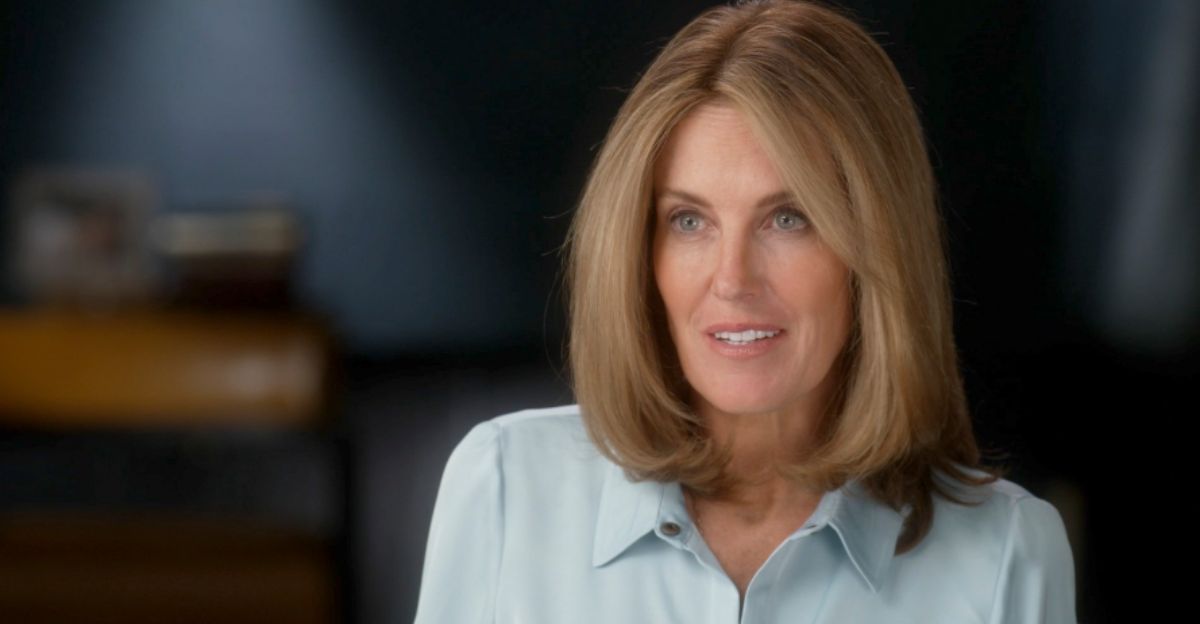
Sharyn Alfonsi’s decision to memorialize her objections in writing, rather than accept the decision silently, demonstrated a commitment to principle. The veteran correspondent, who joined 60 Minutes in 2015 and has won multiple Emmy Awards, was not willing to let the moment pass without raising the alarm. Her email became a historical document in CBS News, and other correspondents, including Scott Pelley, voiced support soon after.
The Newsroom Starts Boiling Over
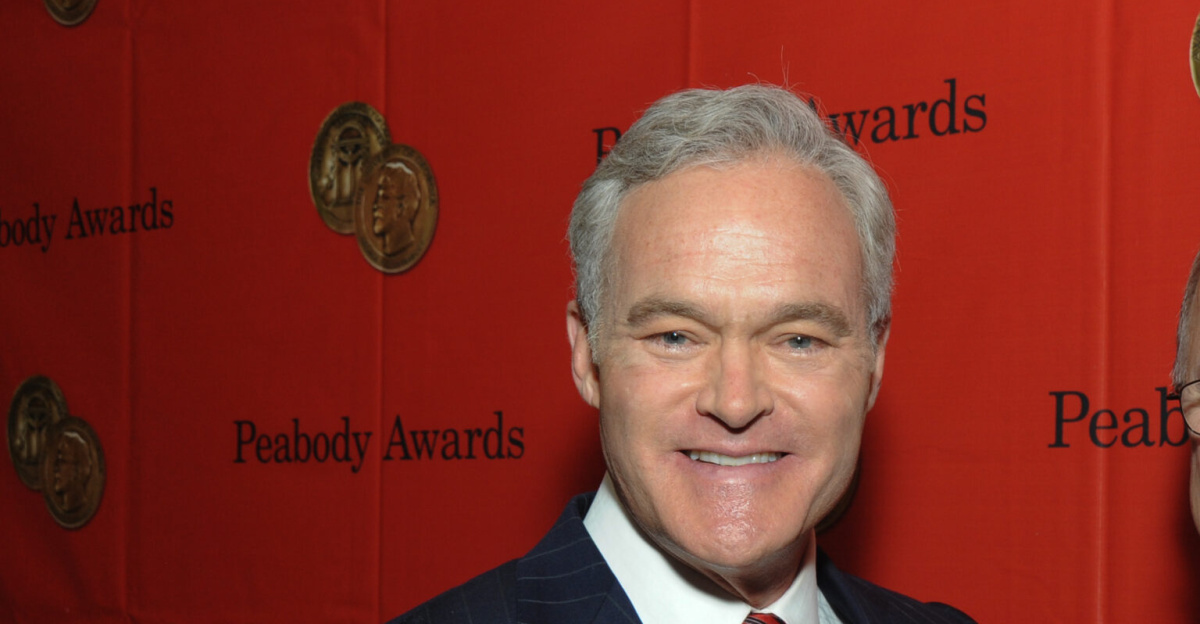
Sources told CNN and other outlets that CBS News staff were prepared to “revolt” over the decision. Scott Pelley spoke at Monday’s internal meeting defending Alfonsi’s reporting. Anderson Cooper and Lesley Stahl received Alfonsi’s memo. The debate turned into a larger question: who really controls “60 Minutes” now?
The Segment Leaks In A New Way

On December 21 evening, the fully completed segment accidentally aired in Canada via Global Television, the network that broadcasts “60 Minutes” in Canada. Within 2 hours, Canadian viewers and others using VPNs recorded and uploaded the segment to YouTube, TikTok, Reddit, and Bluesky. What CBS News tried to suppress went viral globally, gaining millions of views before takedown notices began appearing.
What Viewers Heard Inside The Prison
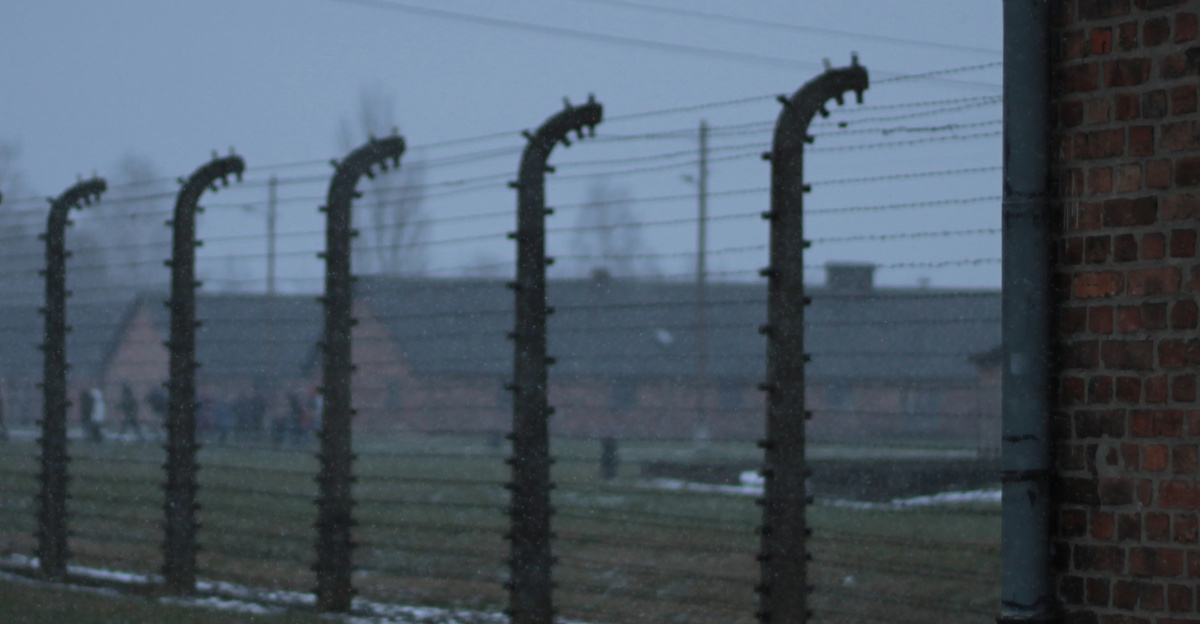
The leaked segment featured Luis Muñoz Pinto, a Venezuelan college student deported to CECOT despite having sought legal asylum. He described arriving at the prison: “The first thing they told us was that we would never see the light of day or night again. He said, ‘Welcome to hell. I’ll make sure you never leave,'” Muñoz told Alfonsi, according to the transcript later published by The Nation. That line raised new questions about verification.
Claims Backed By Open-Source Evidence
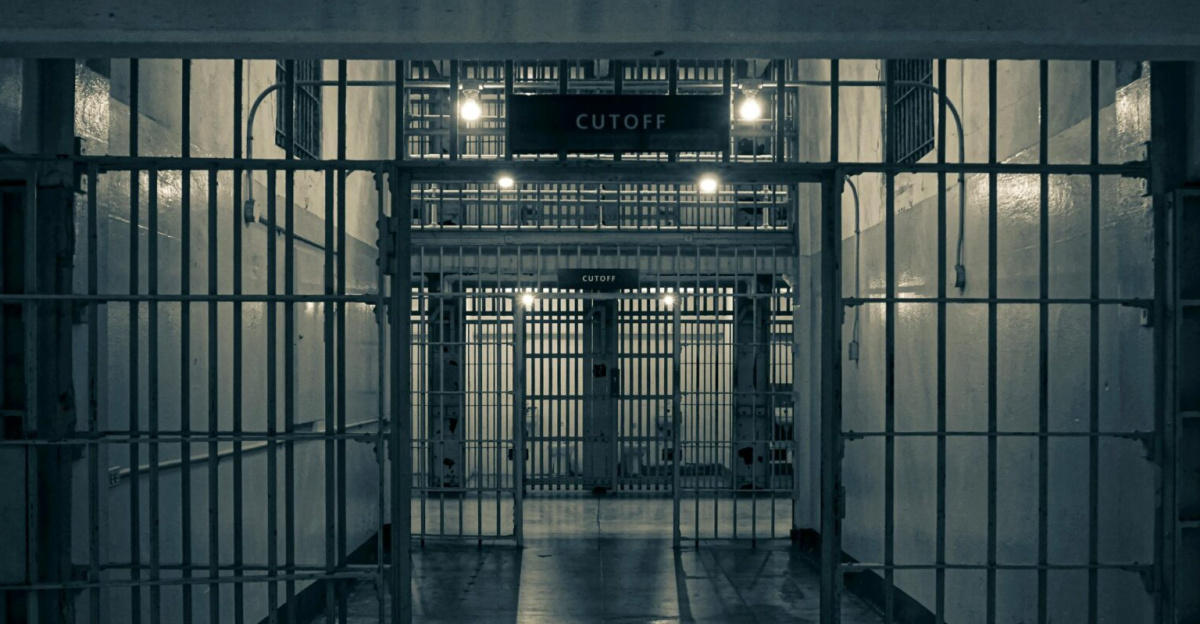
Another detainee described his punishment cell experience: “It’s a punishment cell where you can’t even see your hand in front of your face. Once we were locked inside, they would come to beat us every 30 minutes, banging on the door with sticks to instill fear while we were there,” according to the leaked segment reviewed by Axios. UC Berkeley investigators corroborated accounts with geolocation, satellite imagery, and open-source methods. What did money and politics have to do with it?
The Money Trail Leads To Washington
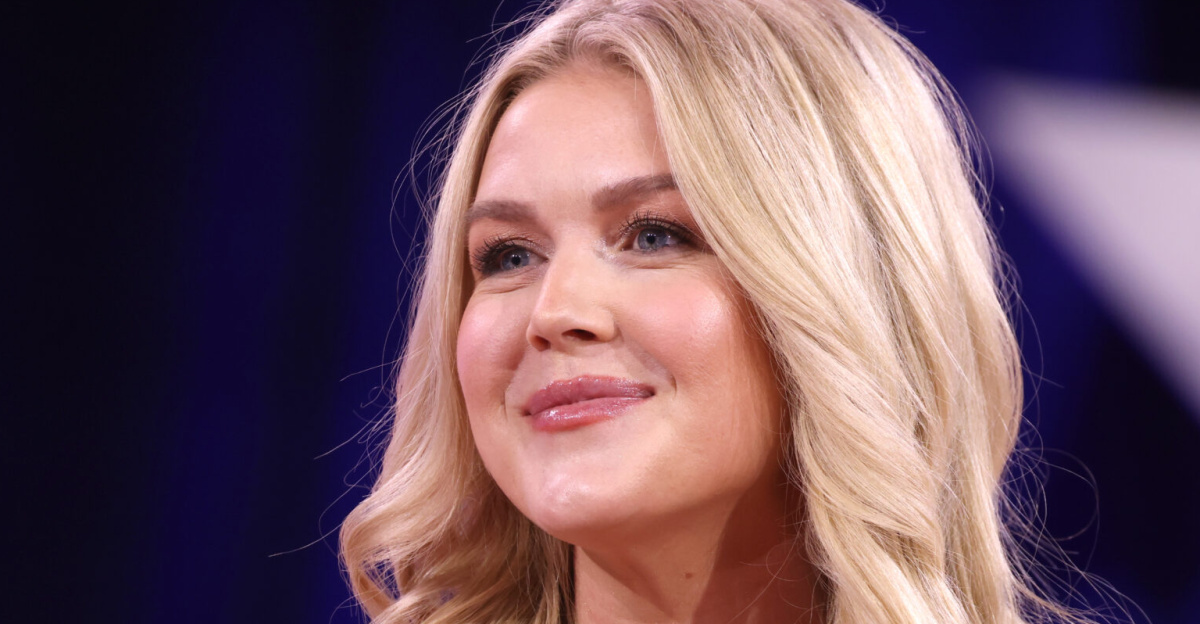
The segment revealed that the Trump administration paid El Salvador $4.7 million in March to imprison these deportees. Trump himself had praised El Salvador’s prison system: “They’re excellent facilities, very robust facilities, and they don’t play games,” according to statements included in the segment. White House Press Secretary Karoline Leavitt called the deported individuals “heinous monsters—rapists, murderers, kidnappers, sexual assault predators,” according to statements featured. Yet Human Rights Watch found only 8 had violent convictions.
Paramount’s Settlement Looms Over Everything
This crisis emerged within weeks of Paramount’s settlement with Trump over a separate “60 Minutes” controversy. In July 2025, Paramount agreed to pay Trump $16 million to settle his lawsuit claiming the network had deceptively edited an interview with Kamala Harris, a case legal experts said was frivolous. The FCC approved the Skydance-Paramount merger shortly after, conditional on CBS News hiring an ombudsman. That timing colored every internal argument.
Bari Weiss Steps Into A Volatile Role
Bari Weiss, appointed CBS News editor-in-chief in October 2025, brought no television experience to the role. A former New York Times opinion editor and founder of The Free Press, Weiss was hired by David Ellison’s Skydance after they acquired her outlet for $150 million. Critics noted her conservative-friendly publication and skepticism of mainstream media editorial practices, while supporters saw a fresh perspective. Few expected her first major crisis to hit this fast.
A Resignation That Foreshadowed The Clash
The CECOT controversy emerged in an environment already fractured by pressure from Trump against CBS News. Executive producer Bill Owens had resigned earlier, citing inability to manage 60 Minutes independently as corporate pressures mounted. “It has become clear that I would not be allowed to run the show as I have always run it, to make independent decisions based on what was right for 60 Minutes,” Owens told colleagues. His warning now looked less theoretical. Could ratings survive this?
Ratings Drop Brings A New Fear
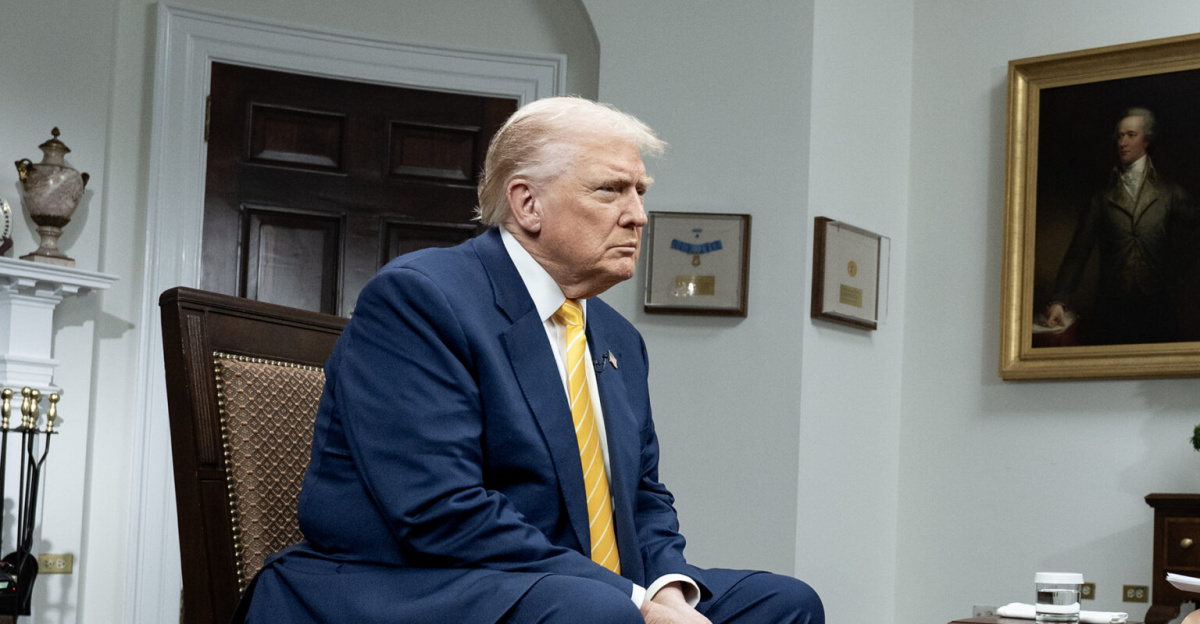
60 Minutes had drawn 14 million viewers for Trump’s November interview, its highest ratings in nearly 5 years. But after the CECOT scandal and subsequent coverage, viewership dropped significantly, falling to approximately 8.97 million by early January, according to Nielsen data. The internal crisis, allegations of political censorship, and leaked segment damaged viewer confidence in editorial independence. The bigger worry became whether the brand could recover, not just whether the segment would air.
The Future Of “60 Minutes” Feels Unsettled
As of January 2026, the question remains: Will the CECOT segment ultimately air on CBS? Weiss stated it would air “when it’s ready,” but critics questioned whether that moment would ever come. The scandal exposed the vulnerability of legacy news institutions to corporate pressure and political leverage. For 60 Minutes, founded nearly 6 decades ago on investigative rigor, the decision became an inflection point. What happens next could redefine broadcast journalism.
Sources:
“You Have Arrived in Hell: Torture and Other Abuses Against Venezuelans in El Salvador’s Mega Prison,” Human Rights Watch and Cristosal, November 12, 2025
“CBS News correspondent accuses Bari Weiss of ‘political’ move in pulling ’60 Minutes’ piece,” Los Angeles Times, December 21, 2025
“Yanked ’60 Minutes’ episode aired in Canada,” Axios, December 22, 2025
“CBS shelves ’60 Minutes’ report on notorious prison in El Salvador,” NBC News, December 23, 2025